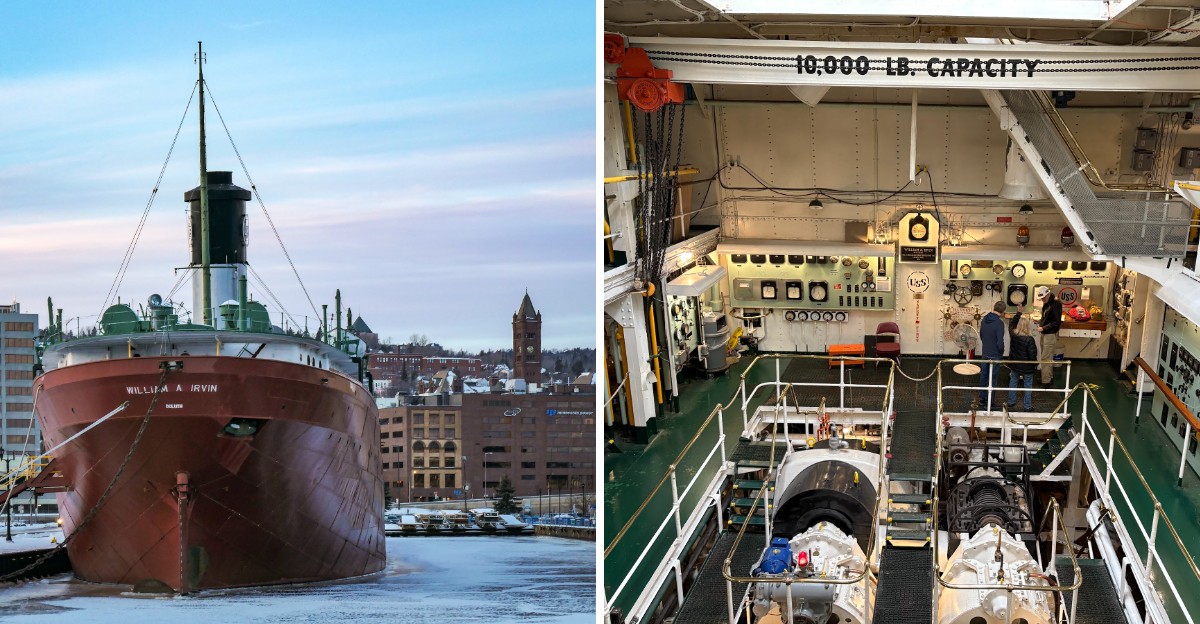
Six hundred feet of steel, and this time the only cargo you’re hauling is curiosity.
Climb aboard and wander through the crew quarters, the pilot house, and the engine room, where giant machinery still looks ready to roar back to life. Narrow stairways and polished wood tell stories of sailors who spent whole seasons chasing the horizon.
Walking the decks makes the scale hit home, since a ship this size glides across the water like a floating city. Guides fill in the details with plenty of fun surprises.
Wear sturdy shoes, bring a camera, and don’t skip the view from the bridge. Few tours put you this close to real maritime history, and Minnesota’s harbor makes it an easy adventure to say yes to.
A Red Giant Waiting at the Dock
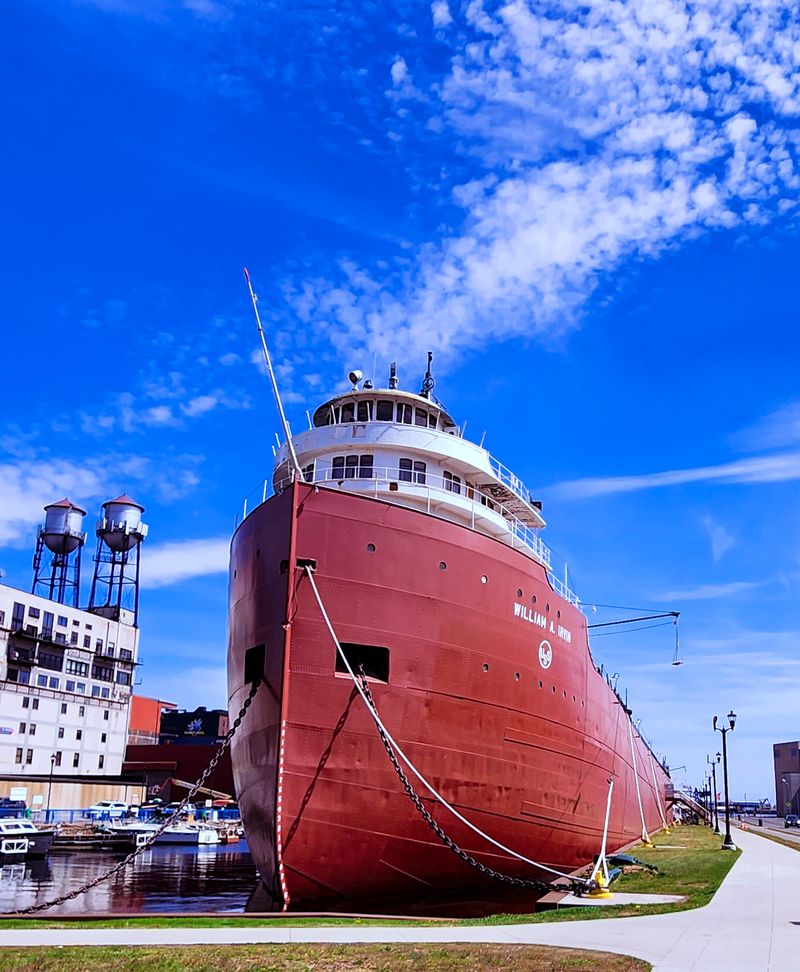
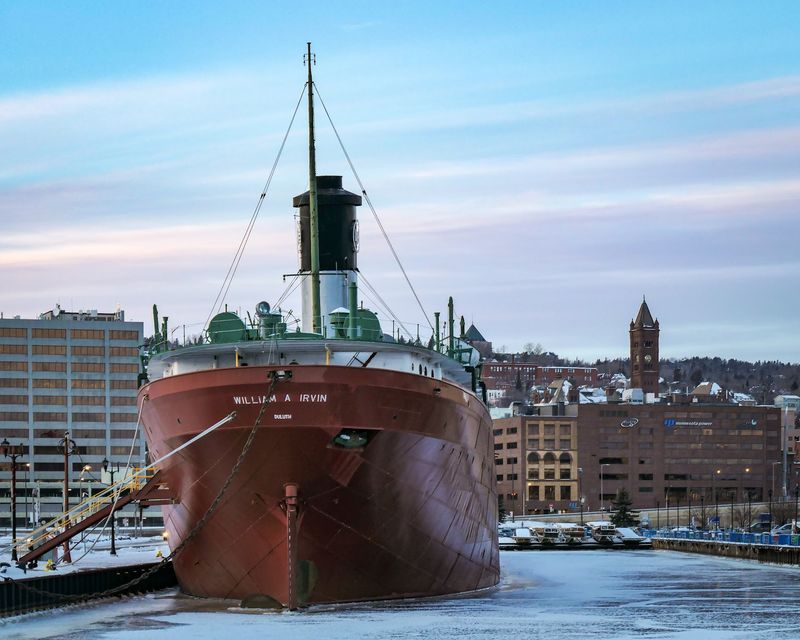
My first reaction was a little laugh, because no photo prepares you for the size. The William A. Irvin stretches over 600 feet along the harbor, and its red paint glows against the blue of Lake Superior. Gulls drift overhead like they own the place.
Built for U.S. Steel’s Pittsburgh Steamship fleet, the Irvin served as the company’s flagship, which meant it was the star of the group. For more than forty years it moved iron ore from northern ports to steel mills farther south.
That ore helped build cars, bridges, and buildings across the country.
Spend a few minutes on the dock before heading aboard. Walk the length of the hull and notice the rivets, the anchor, and the tall white cabins perched at each end. Seeing the ship from outside first makes the inside feel even more amazing.
Bring a camera with a wide lens if you have one. Fitting the whole ship into one picture takes some backing up, and a little creativity. Trust me, it is worth the effort for that first great shot.
Stories Behind a 1937 Launch
Back in 1937, the country was still climbing out of the Great Depression when this freighter first hit the water. Steel was in demand, and ships like the Irvin kept the mills fed. It was a big deal. The vessel was named after William A. Irvin, a president of U.S. Steel.
Because it was a flagship, the company used it to impress important guests, so it got fancier touches than most cargo boats. Think polished wood instead of plain metal.
The ship also brought new ideas in propulsion and steering, which made it a forward-thinking design for its time. After decades of hard work, it retired in 1978 and later became a museum ship in Duluth. Now it rests in calm water instead of fighting November gales.
Read the displays near the entrance before climbing aboard. Knowing the timeline helps every room make more sense. You will start spotting little clues about the era everywhere, from old switches to faded signs.
History feels a lot less dusty when you can touch it.
Steep Ladders and Narrow Stairs
Quick warning from experience, those stairs are no joke. Ship ladders are steep, narrow, and built for sailors who climbed them every day. Low ceilings add a bit of ducking too.
One easy trick is to face the steps or walk down sideways. It feels a little silly at first, but it keeps your feet steady. Hold the rails the whole time, even if you feel confident.
Families with very small children should plan ahead. Many parts of the ship are bare metal with no padding, and some equipment is still in working condition. Carrying little ones or using a baby carrier makes things much safer than a stroller, which simply will not fit.
Visitors with mobility challenges may find parts of the route hard to manage. Wear sturdy shoes with good grip, and skip the flip-flops. Your ankles will thank you later, and you will move through the ship with way more ease.
Rumbling Secrets of the Engine Room
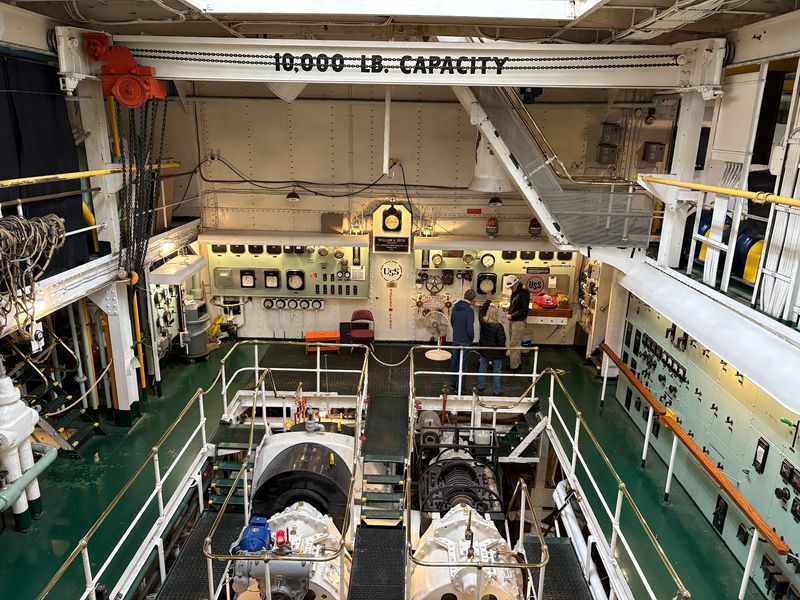
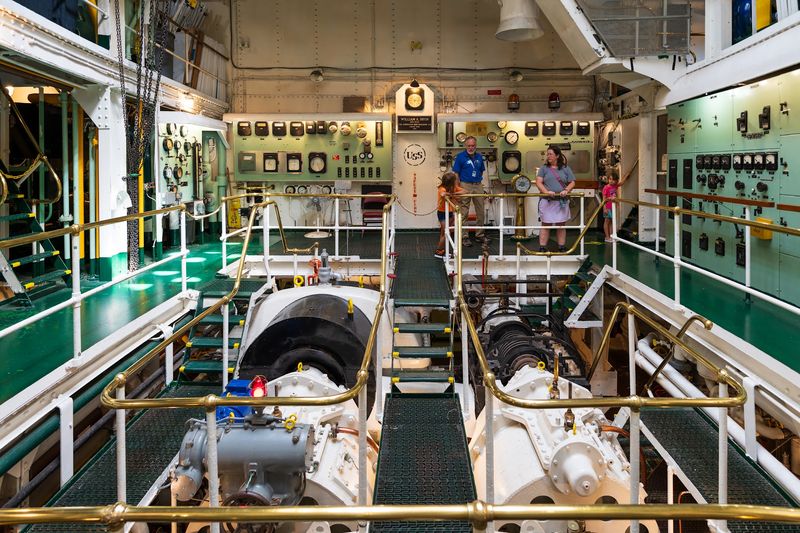
Down below, the air smells faintly of oil and old steel. Pipes twist in every direction, and huge gauges stare back like round eyes. I kept wondering how anyone found their way around in the dark.
The engine room was the beating heart of the Irvin. Steam power pushed this massive ship across the lakes while crew members watched dials, adjusted valves, and listened for odd noises. It was loud, hot, and serious work.
Guides stationed here love to explain how the system worked, step by step. Ask them about the boilers or how the crew handled long shifts. Their answers often include small details you will never find on a sign.
Do not rush past the workshop area either. Tools, benches, and a sturdy old vise show how sailors fixed problems on their own far from shore. There was no calling a repair shop in the middle of Lake Superior.
Seeing that gear gave me a new respect for how clever and tough these crews had to be.
Fancy Guest Quarters Fit for VIPs
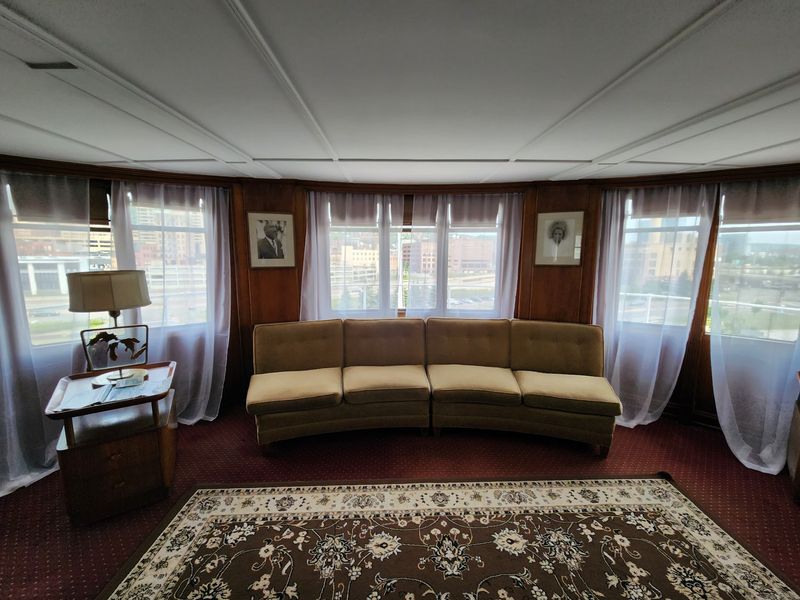
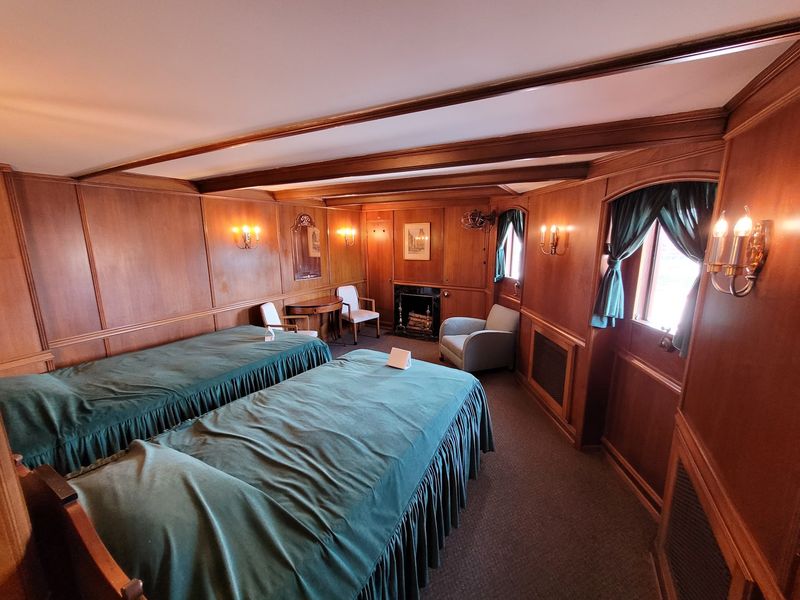
Surprise number one on this tour was the luxury. Nobody expects a cargo ship to have rooms that look like a classy old hotel. Yet here they are.
Since the Irvin carried important company guests, the staterooms got rich wood paneling, comfy furniture, and shiny brass fixtures. Guests enjoyed cozy cabins and a lounge while the crew hauled tons of ore below. Talk about a contrast.
Take your time in these rooms. Notice the carefully matched wood grain, the vintage lamps, and the small details that made long voyages pleasant. It is easy to picture someone sitting by a porthole, watching the shoreline drift by.
Compare these spaces with the crew quarters elsewhere on the ship. Sailors had simpler bunks and tighter spaces, though still clean and practical. That difference tells a quiet story about work and status in the early twentieth century.
Snap a few photos here, because the lighting and woodwork make lovely pictures. Just keep hands off the displays. These rooms have survived nearly ninety years, and they deserve a gentle visit.
Galley Tales and Hearty Crew Meals
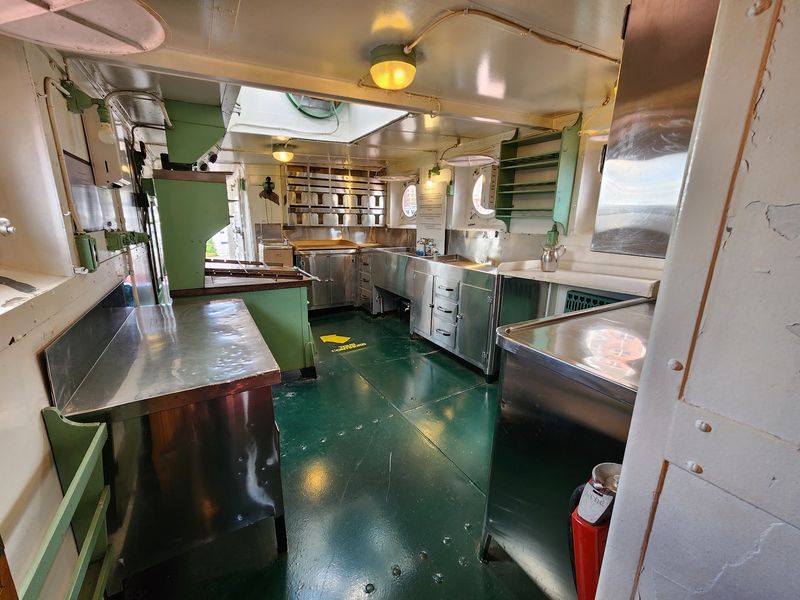
Food kept sailors happy, and happy sailors worked hard. That simple idea shaped the galley and mess areas on the Irvin. Freighter crews were known for eating well.
Picture cooks rising before dawn to prepare big breakfasts for hungry workers. Long tables, sturdy dishes, and practical counters fill these rooms. Everything was built to stay put when the lake got rough.
Station guides here often share how meals fit into daily routines on board. Separate spaces existed for officers and the regular crew, which says a lot about how ships were organized. Ask about it, since the answer is pretty interesting.
Kids usually enjoy this stop because it feels familiar. Everyone understands kitchens and dinner tables, so it becomes an easy way to connect with life at sea. Point out the small details, like how cabinets latch shut.
Afterward, you might feel a little hungry yourself. Canal Park sits right nearby with plenty of places to grab a meal. Planning lunch after the tour makes for a relaxed, tasty day by the water.
Pilothouse Views Over the Harbor
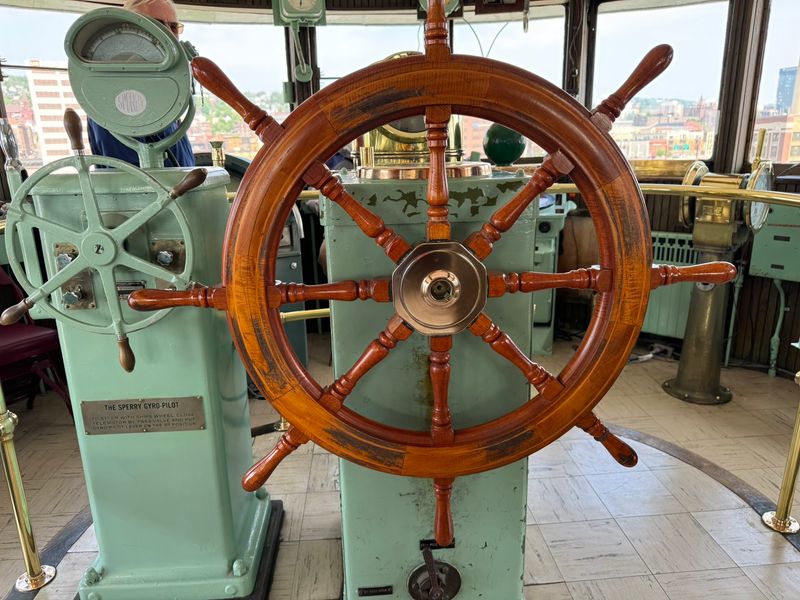
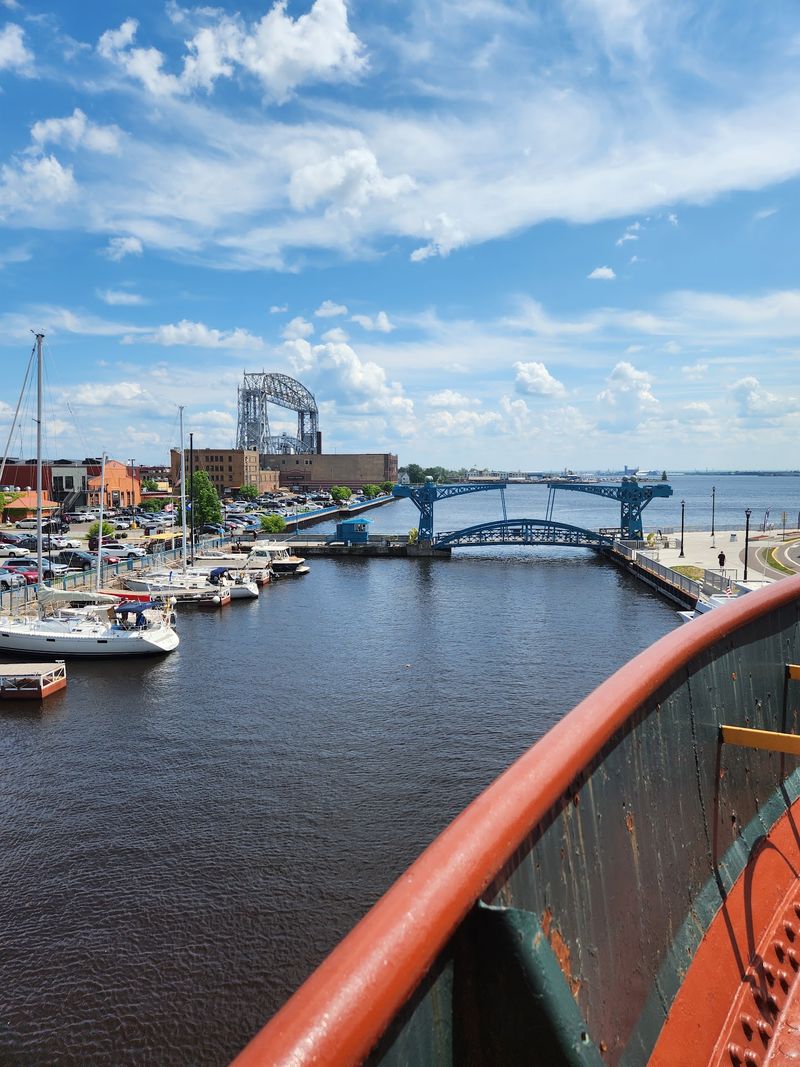
Up top, everything opens up. The pilothouse windows frame a sweeping view of Duluth, the harbor, and sometimes the famous Aerial Lift Bridge. I lingered here longer than anywhere else.
From this room, the captain and crew steered the Irvin through busy ports and stormy waters. A ship’s wheel, navigation tools, and old instruments show how they handled a vessel this big. Imagine guiding over 600 feet of steel into a tight harbor.
Guides can explain how commands traveled down to the engine room and how the crew read weather and water. It is a fantastic spot to ask questions about navigation and the dangers of the lakes. Many ships were lost to storms, and those stories carry weight.
Bring your phone or camera ready for photos. Clear days offer the best views, but even cloudy skies give the harbor a moody, beautiful look. Watching a modern freighter pass by while standing in an older one feels like seeing two chapters of the same story at once.
Guides Who Bring the Ship to Life
Honestly, the people make this place shine. The tour is self-guided, yet friendly staff and volunteers wait at stations throughout the ship. Each one shares short talks and answers questions.
Their knowledge runs deep. Some have spent years studying Great Lakes shipping, and some volunteers even worked on freighters back in the day. Hearing details from someone with real connections to this world adds a special spark.
The best part is how they adjust to you. Total beginners get easy explanations, while ship fans can go into serious detail about engines, cargo, or steering. Nobody feels lectured.
Here is a tip. Do not be shy. Ask why something was built a certain way or what a typical day looked like for a deckhand. Questions turn a simple walk-through into a real conversation.
Plan for a couple of hours if you like chatting, though a quick visit could take far less. The pace is totally up to you. Bringing a little cash to tip the hard-working guides is a kind gesture many visitors appreciate.
Spooky Fun on the Haunted Ship
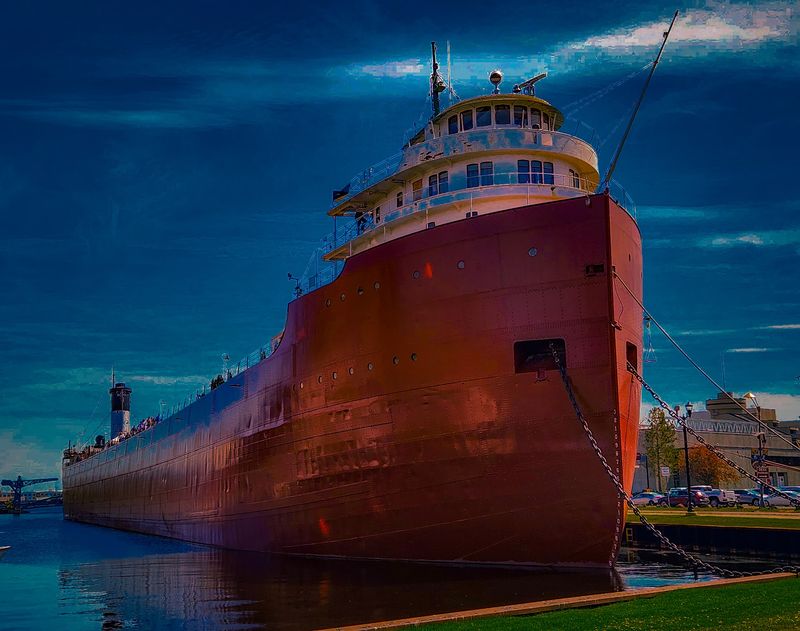
October changes the mood completely. Each fall, the Irvin transforms into a Haunted Ship, and one of its huge cargo holds becomes a spooky maze of scares. Locals look forward to it every year.
Dark corners, metal echoes, and creaky passages already make the ship a natural setting for chills. Add costumes, special lighting, and sound effects, and you get a thrilling Halloween outing. Brave souls, this one is for you.
The event can be intense, so younger children or easily startled visitors may prefer the daytime tour instead. Check the official website at decc.org before you go to learn dates, times, and age suggestions. Spots can fill up, especially on weekends.
Visiting in early fall has another bonus. You might catch crews setting up decorations during regular hours, which gives a sneak peek behind the scenes. It is a fun reminder that the ship stays busy and loved long after its working days ended.
Planning Your Visit to Canal Park
A little planning goes a long way here. The ship opens daily from 10 am to 5 pm during its tour season, which runs seasonally, so check ahead before making the drive. Tickets can be bought online or in person.
Summer days can make the inside of the ship surprisingly warm. Bring a water bottle and dress in light layers. The gift shop offers a cool break, clean restrooms, and fun souvenirs like shirts, mugs, and trinkets.
Weekday visits, especially on cloudy days, often mean fewer crowds. That gives you more time with the guides and better photo chances. Veterans and active military members may also want to ask about special admission.
Once you are done, the fun keeps rolling. Canal Park sits right next door with shops, walking paths, and views of the Aerial Lift Bridge. Watching a modern freighter arrive after your tour feels extra exciting because now you know what is happening inside.
You can find this floating treasure at 350 Harbor Dr, Duluth, MN 55802, right on the beautiful downtown waterfront.
