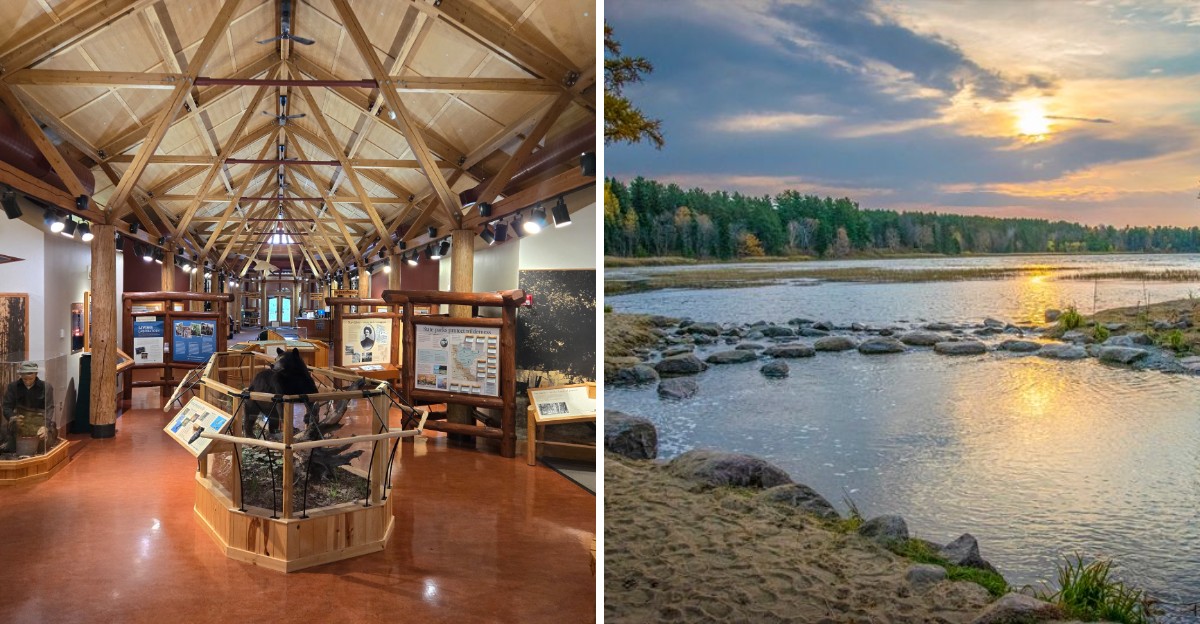
Take a few steps across a line of stones, and congratulations: you just crossed one of the most famous rivers on the continent without even getting your socks wet.
Here the water is barely ankle deep, clear and quiet, trickling out of a lake before it begins a journey of more than two thousand miles. Kids hop from rock to rock, parents snap photos, and everyone gets a little giddy about standing on the very first stretch of something so enormous.
Big things start small, and this spot proves it better than any lesson could. Pine forest, soft light, and a wide sky make the moment feel almost ceremonial.
Roll up your pant legs, take the long way around the lake, and let the kids lead. Few landmarks make you feel this much like a giant, and Minnesota hands you the whole river in a single step.
Stories Waiting at Mary Gibbs Headwaters Center
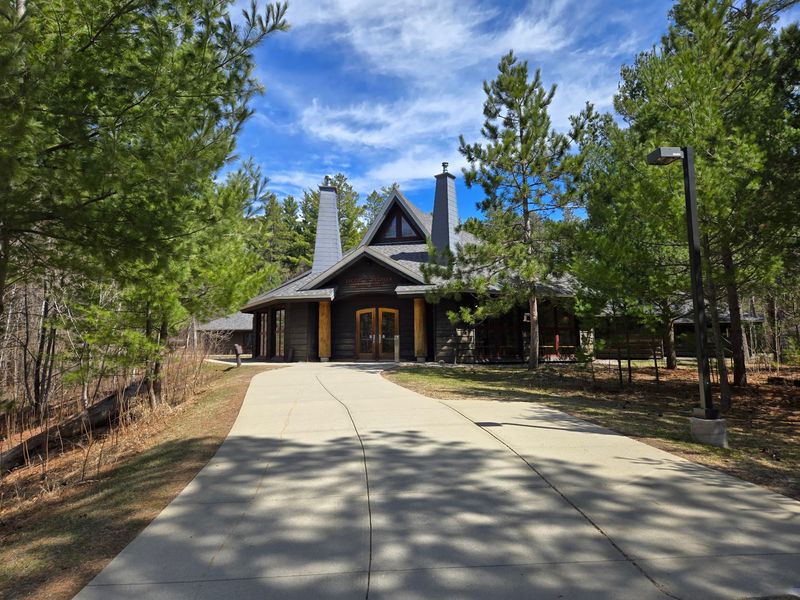
Here is a fun fact that stuck with me. Explorer Henry Schoolcraft named Lake Itasca in 1832 by blending parts of two Latin words meaning true head. The Mary Gibbs Mississippi Headwaters Center sits close to the famous rocks, so it makes an easy stop before or after your wade.
Inside, you can learn how people searched for the river’s true source and how the area became Minnesota’s oldest state park in 1891. Mary Gibbs herself was a park leader who stood up to protect the pines from logging, which is a pretty brave chapter in park history.
Restrooms are clean, the parking lot is roomy, and there is a café for a quick snack. A hot dog after splashing in cold water hits the spot. The gift shop also has postcards and river souvenirs that make simple keepsakes.
Spend at least twenty minutes looking around. Knowing the story behind the stones makes crossing them feel even more special. Kids usually get excited when they realize just how far this little stream will travel.
A Visitor Center That Surprised Me
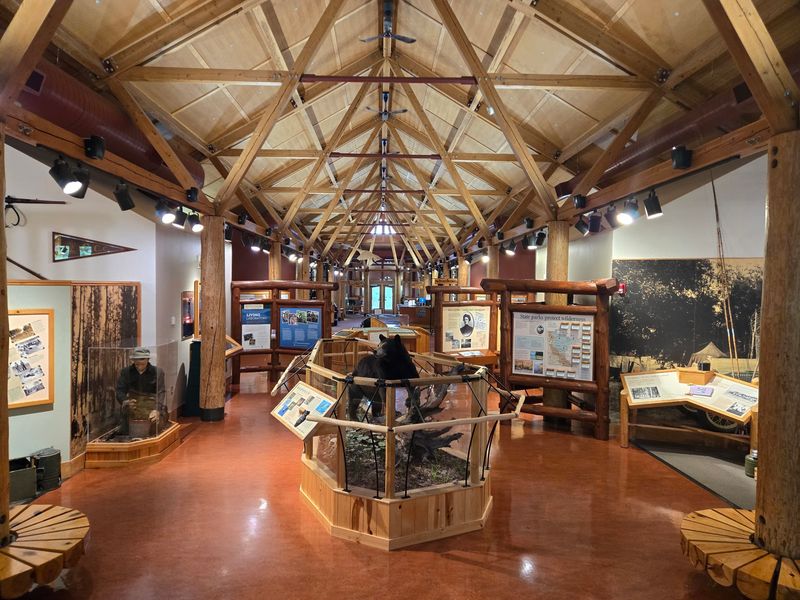
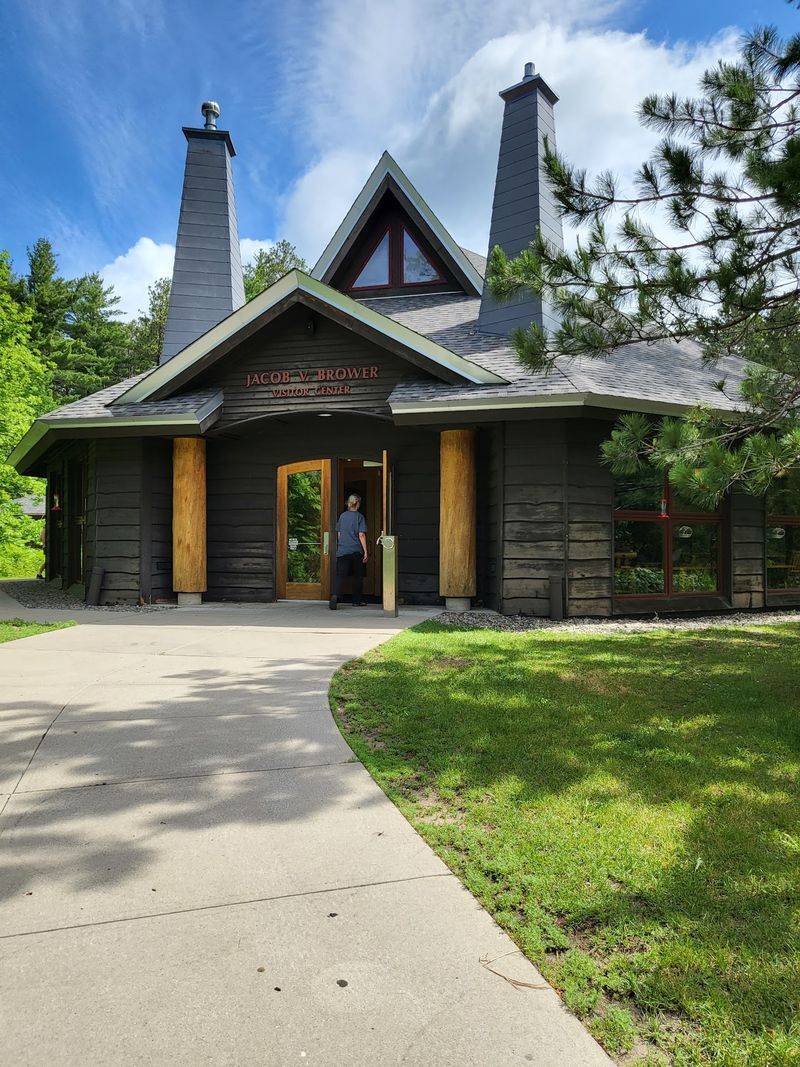
Most park visitor centers are quick stops for a map and a bathroom. Not this one. The Jacob V. Brower Visitor Center near the east entrance honestly could pass for a national park building.
Exhibits cover the forest, the wildlife, the lakes, and the people who have lived on this land for thousands of years. Displays are bright, hands-on, and easy to follow, so younger visitors stay curious instead of bored.
I lingered much longer than planned, reading about how glaciers shaped the hills you hike later.
Brower himself was a historian who pushed hard to save this area as a park. Without his effort, the pine forest might have vanished under saws. That bit of history adds weight to every trail you walk.
Staff here are friendly and full of tips. Ask about trail conditions, which campgrounds have openings, or where wildlife has been spotted lately. They also hand out maps that make planning your day far easier.
Rock Hopping Across the Headwaters
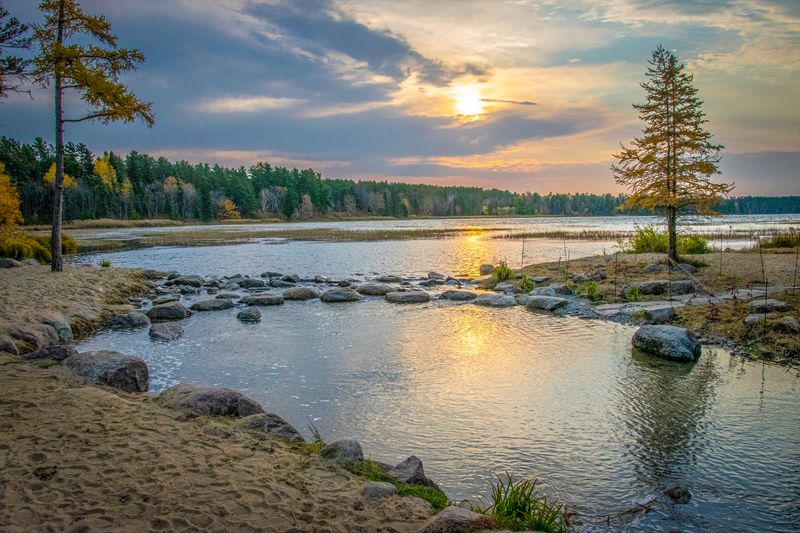
My left foot slipped on the third rock, and yes, I got soaked to the ankle. Nobody minded, least of all me. Crossing the stones where Lake Itasca spills into the Mississippi is a tradition that turns grown adults into giggling kids.
The water here is shallow, often just a few inches deep, and so clear you can count the pebbles. A wooden post marks the official starting point of the river, and people line up for photos beside it. If rocks feel too tricky, a short footbridge nearby lets you cross with dry shoes.
Water shoes are a smart idea, since the stones can be slick with algae. Kids love wading right into the stream, and the gentle current makes it a calm place to splash around. Bring a small towel and a dry pair of socks for the walk back.
Timing matters too. Early mornings and weekdays are much quieter, which means better pictures without strangers in the frame. The trail from the parking area is only about 800 feet, wide and smooth, so strollers and wheelchairs can reach the water without trouble.
Climbing the Aiton Heights Fire Tower
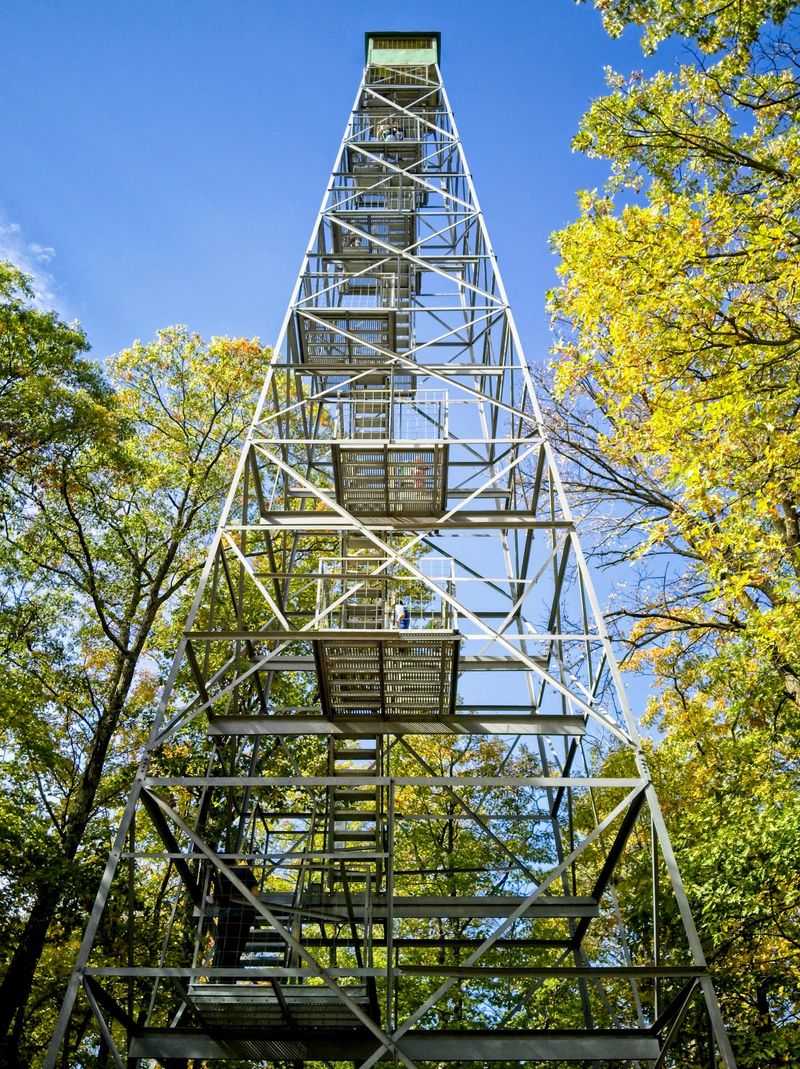
My legs were wobbly by the top step, but the view erased every complaint. The Aiton Heights Fire Tower rises about 100 feet above the forest floor. From up there, the trees stretch out like a giant green carpet.
Getting there takes a short hike of around half a mile from the trailhead off Wilderness Drive. The path climbs gently through the woods, so it works for most families. Then come the stairs, which wind up and up inside the metal frame.
People with a fear of heights should go slowly. The steps are open, and you can see straight down between them. Holding the rail helps, and stopping at landings to breathe is totally normal.
At the top, lakes glitter between the pines and the wind carries a fresh, piney scent. In fall, the colors turn into bursts of orange, red, and gold. Bring a camera, but also take a minute just to look.
Pedaling the Paved Trails
Bikes might be the best way to see this park. Seriously. The paved trail links the visitor center, campgrounds, Douglas Lodge, and the headwaters, all under a shady tree canopy.
Rentals are available inside the park, including e-bikes for anyone who wants a little help on the hills. Riding an e-bike let me cover far more ground than walking ever could. You glide past lakes, hear birds chattering overhead, and stop whenever something catches your eye.
Early mornings are magic. Fewer people are out, the air is cool, and you might catch loons calling across the water. Pedaling up to the headwaters before the crowds arrive gives you the rocks almost to yourself.
The trail is shared with walkers, so ring a bell or call out before passing. Helmets are a good idea, especially for kids. Pack water and a snack, since some stretches run a while between stops.
Bringing your own bike works great too. Just remember the path loops through a big park, so plan a route that fits your energy.
Slow Miles on Wilderness Drive
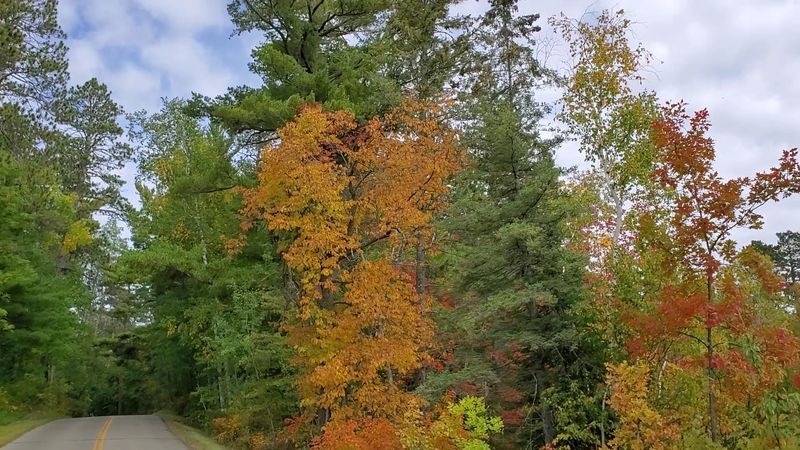
Ten miles of quiet road, one direction only, and trees so tall you crane your neck through the windshield. Wilderness Drive is a scenic loop that rewards patience. Drive slow and keep the windows down.
Pullouts along the way lead to some of the park’s best spots. Nicolet Creek offers a peaceful spot to stretch your legs. Nearby stands the Big White Pine, once one of the largest white pines in Minnesota.
That old giant has died, but it still stands tall. Seeing it up close is humbling, a reminder of how long these forests have been growing. Kids usually try to guess how many people it would take to hug the trunk.
Deer often wander near the road, especially around dawn and dusk. Watch for bikers too, since the route is popular with cyclists. A pair of binoculars in the car is a handy extra.
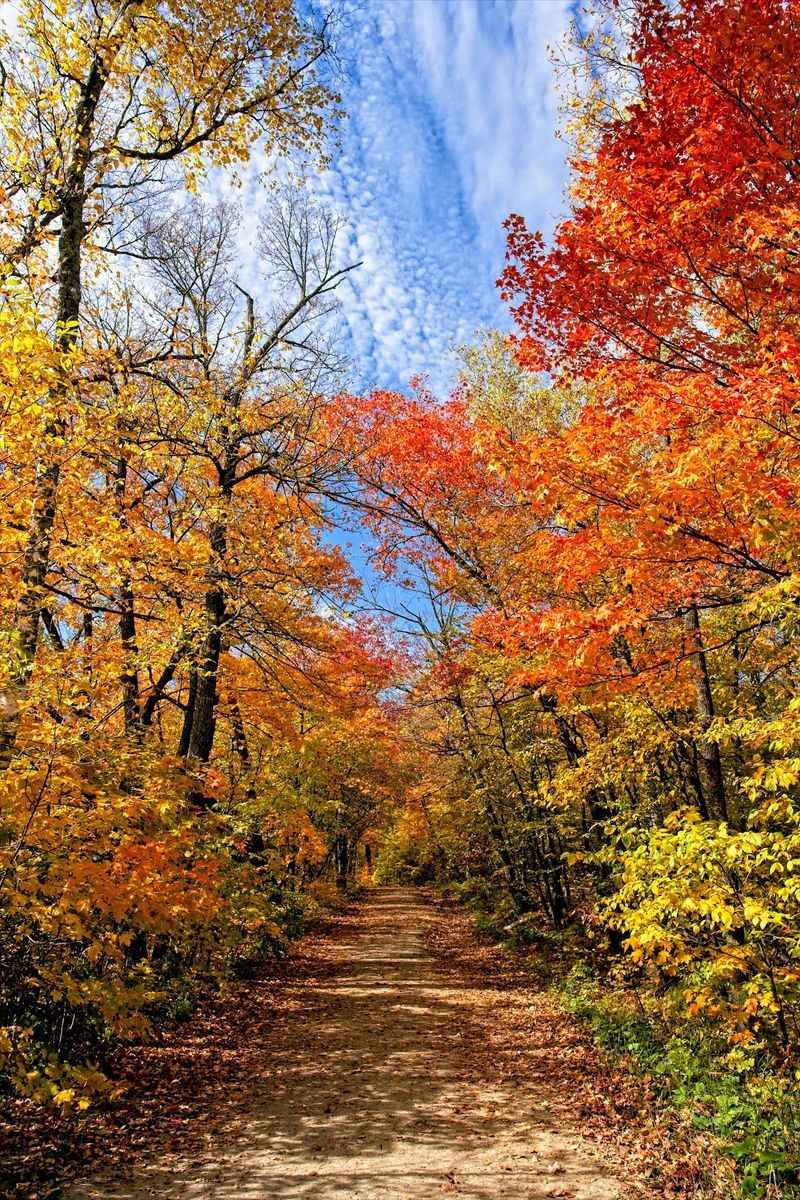
Fall turns this drive into a painting. Maples and birches light up against dark green pines, and you will want to stop every few minutes.
Old Pines at Preachers Grove
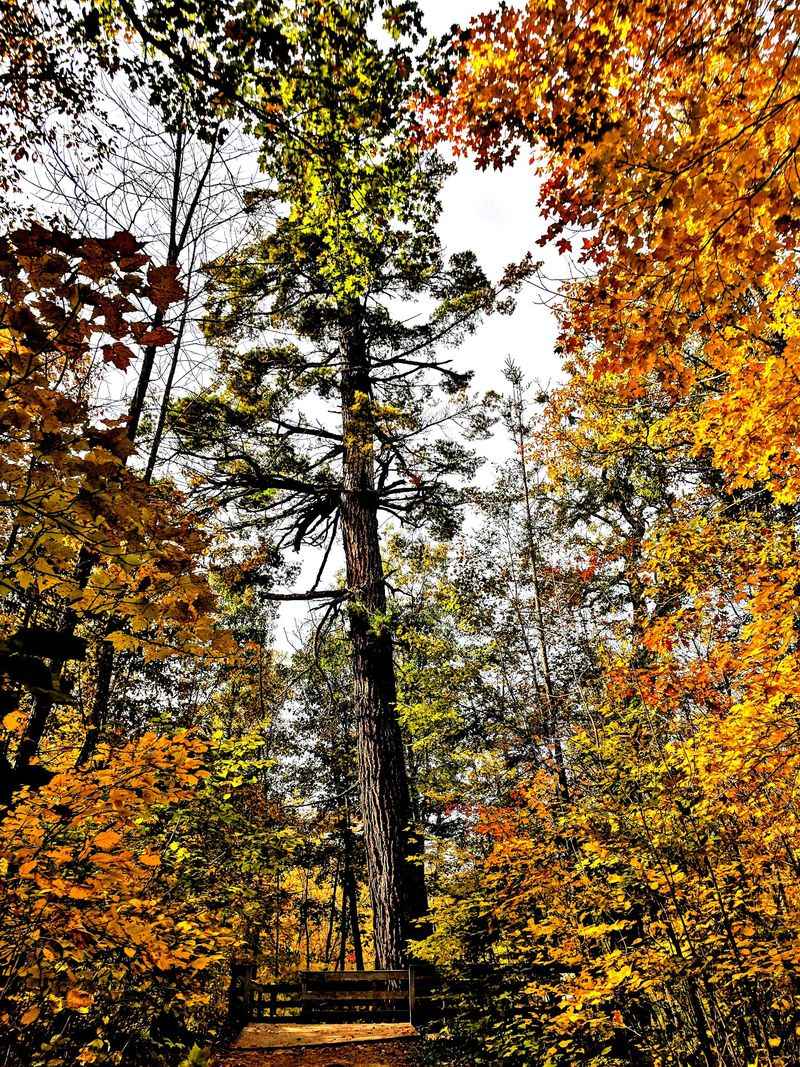
Some of these red pines started growing in the 1700s. Think about that while you stand beneath them. They were already big before Minnesota became a state.
Preachers Grove sits along the east shore of Lake Itasca, and the trees here form one of the finest stands of old-growth pine in the region. Trunks rise straight and tall, with rusty bark that looks almost glowing in late afternoon sun. The ground is soft with needles, and footsteps sound hushed.
The grove reportedly got its name from a group of ministers who once held a gathering here. Whatever the story, the place does feel calm, almost like a quiet room. People tend to lower their voices without being told.
Nearby, Peace Pipe Vista offers a pretty lookout over the lake. Linking both spots with the Brower Trail makes a satisfying walk. Bring bug spray in summer, since mosquitoes enjoy the shade as much as hikers do.
Trails for Every Kind of Hiker
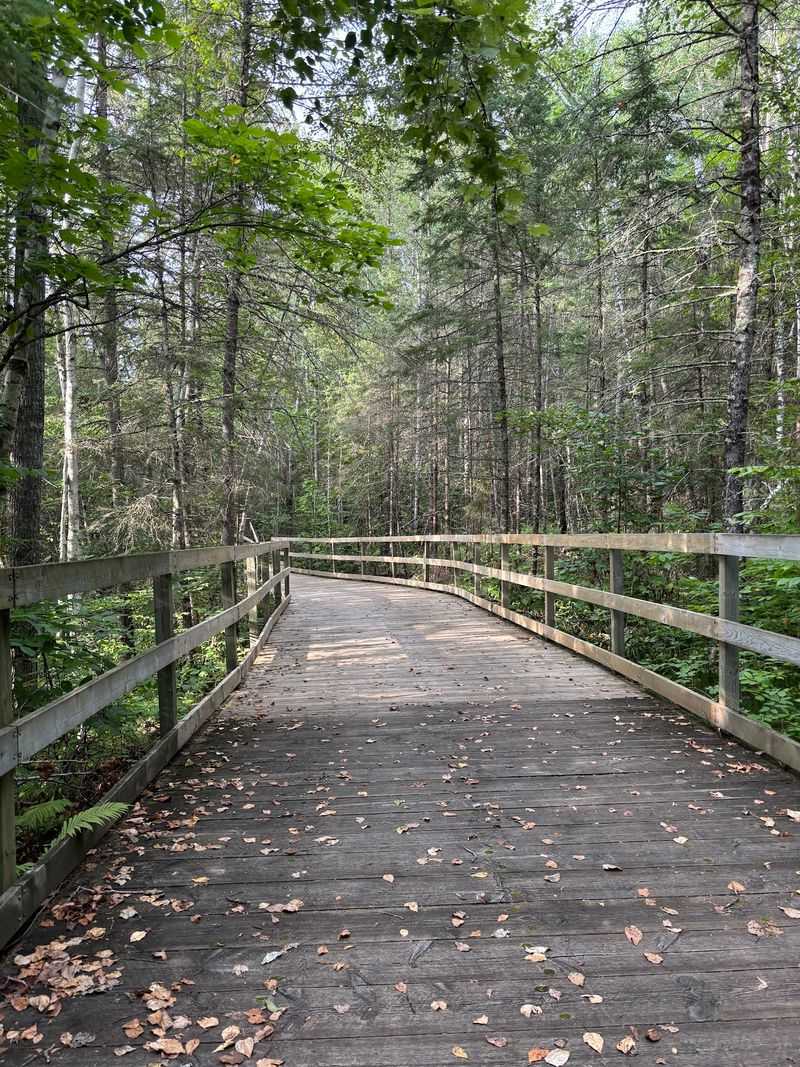
Short strolls, long loops, wild paths. Itasca has dozens of trails, and each one shows a different mood of the forest.
Mary Lake Trail is a peaceful loop with quiet water views and easy footing. Dr. Roberts Trail starts near Douglas Lodge and grows wilder the farther you go, with marshes and birdwatching spots. The Brower Trail hugs the lakeshore for anyone craving water views.
Some hikers string several trails into one big adventure of eight or nine miles. That is a full day, so pack lunch and plenty of water. Shorter options under a mile work great for little legs.
A word of caution about ticks. Overgrown trails like Red Pine can be thick with brush in early summer, and both deer ticks and dog ticks show up. Long pants, bug spray, and a quick tick check afterward will save you trouble.
Trails are well marked, with clear signs at junctions. Still, grab a paper map from the visitor center, because cell service can be spotty under the trees.
Lake Days, Loons, and Lodge Meals
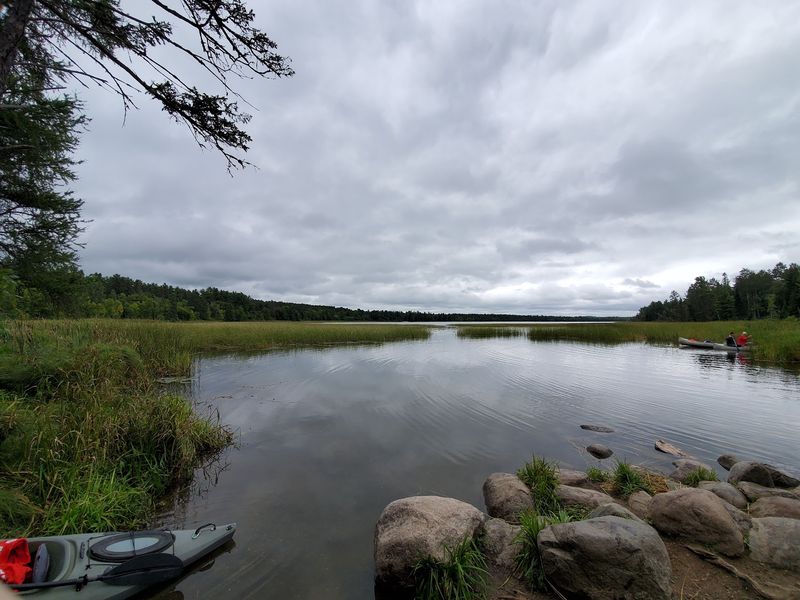
A loon popped up maybe twenty feet from my kayak, stared at me, and dove again. Best moment of the trip. With more than 100 lakes, water is everywhere at Itasca.
Boat rentals near Lake Itasca make it easy to paddle out, whether in a canoe, kayak, or pontoon. Calm mornings are ideal, when the surface looks like glass. Fishing is popular too, so pack a rod if your family enjoys casting a line, and check Minnesota fishing rules first.
The swimming beach offers a sandy place to cool off on hot afternoons. Little kids can splash in the shallows while parents relax nearby. Picnic spots sit close, so lunch is never far.
Hungry after all that? Douglas Lodge, a historic log building from the early 1900s, serves tasty meals with a cozy, old-timey charm. Eating there saves a drive into town and adds a little history to dinner.
Campfires, Cabins, and When to Go
Nights here smell like woodsmoke and pine needles. That alone makes staying over worth it. Day trips are fine, but this park really opens up when you sleep inside it.
Pine Ridge and Bear Paw campgrounds offer drive-in sites tucked under a thick tree canopy. Shower houses are clean, with surprisingly strong water pressure. Firewood is available from campground hosts, so you do not need to haul your own.
Rustic camper cabins are a cozy choice for anyone not into tents. Many include a bed, futon, small fridge, and microwave. Reserve early, since summer weekends fill fast.
Season matters a lot. Summer brings warm water and busy trails, while fall delivers dazzling colors and cooler hiking weather. Spring visits can be lovely, though some facilities stay closed until the season starts.
Wherever you sleep, plan a rough schedule. The park covers over 32,000 acres, and trying to see everything in one day gets exhausting. Find it all at Itasca State Park, 36750 Main Pk Dr, Park Rapids, MN 56470.
