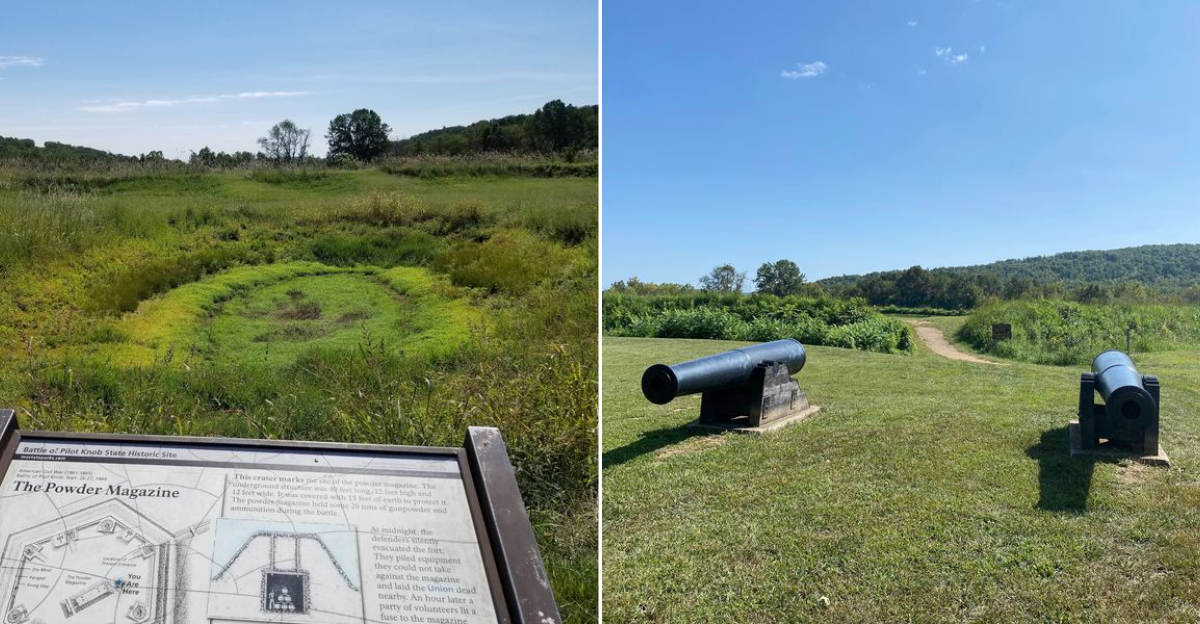
Some battlefields fade into farmland, but this one in Missouri has held its ground. The earthwork walls of Fort Davidson still rise from the valley floor, a surviving piece of a desperate Civil War fight.
In September 1864, Union soldiers defended this small fort against a much larger Confederate force. The battle was fierce, and the outcome changed the course of the war in the state.
Today, the site is free to explore, with walking trails that lead you through the fort’s remains and across the battlefield. Interpretive markers along the path bring the story to life, and a visitor center offers deeper context.
It is a quiet place now, but the history here is anything but silent. A walk through this Missouri site is a step straight into the past.
Walking The Fort Walls
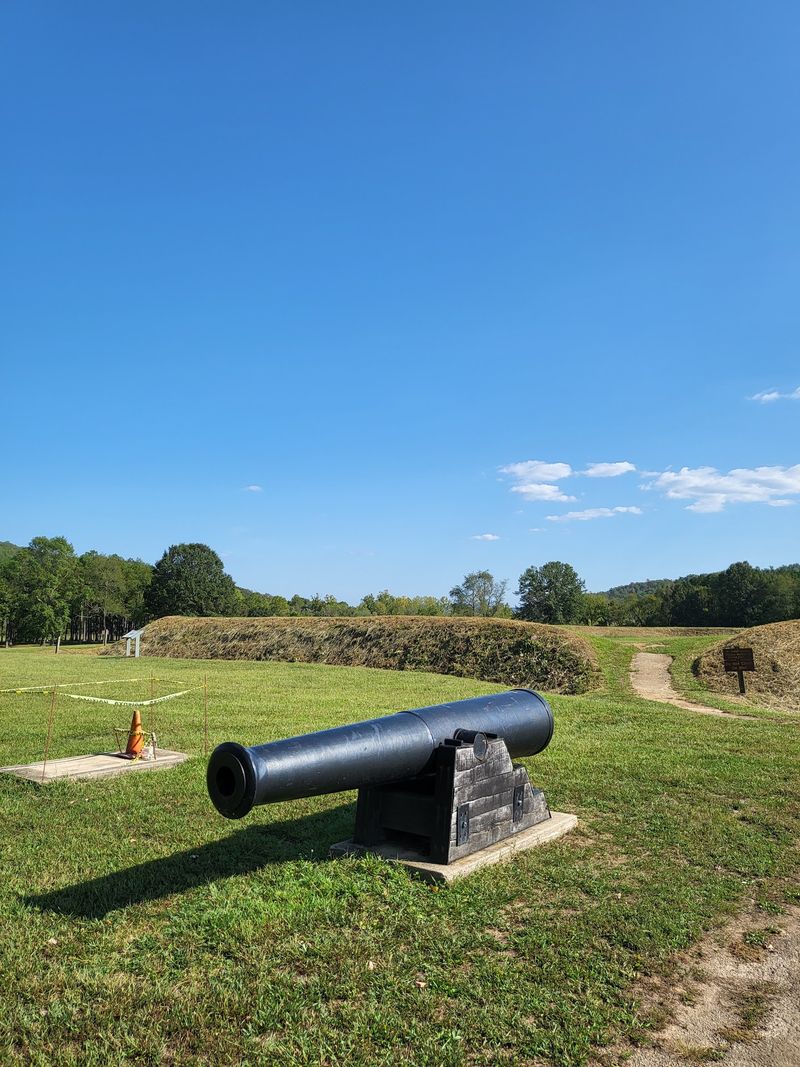
Seeing Fort Davidson in person hits differently than reading a sign in a museum, because the earthen walls still rise from the ground in a shape you can follow with your own feet. You are not staring at a tiny artifact behind glass here.
You are walking around a real defensive work, and that simple fact makes the Civil War feel immediate, heavy, and strangely close when you are there.
The fort was built with a hexagonal layout, and that unusual form is still one of the first things people notice when they arrive. If you like figuring out how a place worked, spend a little time tracing the lines and looking outward from the walls.
You start to understand how defenders watched the landscape, and why geography mattered so much in this part of Missouri back then and now.
Wear comfortable shoes, take your time, and do not rush straight to the next marker, because the best part of the fort is how physical it feels. Kids can picture the scene more easily here, and adults usually slow down without meaning to.
By the time you circle the main earthworks, the site stops feeling like a lesson and starts feeling like a lived place in a very real way.
Finding The Site In Arcadia Valley
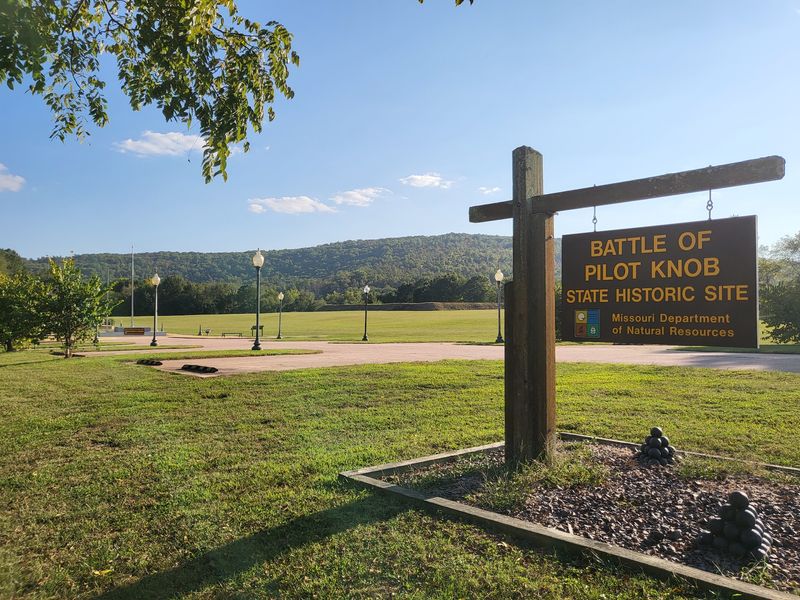
Getting there is part of the charm, because Pilot Knob sits in the Arcadia Valley, where the hills make the drive feel a little more special before you even park. The Battle of Pilot Knob State Historic Site is at 118 E Maple Street, Pilot Knob, MO 63663, and it is easy to reach once you are in town.
Missouri really shows off on the way in too somehow there.
I always like knowing exactly where a place is before a trip, and this one feels refreshingly straightforward instead of complicated. You can pair it with other stops around the valley, or keep the whole day focused on the historic site if that is more your speed.
Either way, having a clear location makes the visit feel easy, which is half the battle on a casual day out for anyone.
Once you pull in, the setting feels calm and open, and that first impression matters more than people expect. You are not squeezing into a crowded attraction with flashing signs and noise, which lets the mood of the place settle in right away.
Bring water, glance around before you start walking, and let Missouri ease you into the story at its own steady pace for the afternoon ahead of you.
Starting At The Visitor Center
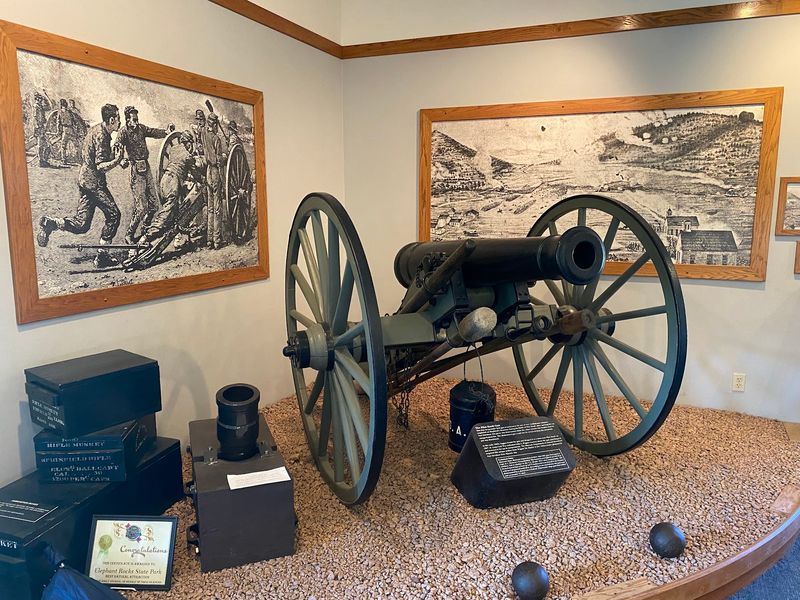
Before you head straight for the fort, do yourself a favor and spend a little time in the visitor center first, because it helps everything outside make more sense. A battlefield can look quiet and simple until someone gives it context, and that is exactly what happens here.
You walk in curious, then walk out able to picture movement, pressure, and the scale of what unfolded on that ground that day.
The exhibits are useful without feeling fussy, and the audiovisual presentation gives you a solid overview before you start exploring. There is also a fiber optics diorama that shows the battle in a way kids understand quickly and adults appreciate more than they expect.
Instead of reading random facts on signs later, you already have the story in your head as you walk the grounds outside after that first stop.
If you are visiting with family or with someone who is not usually into military history, the center is a smart starting point. It turns names and earthworks into people and decisions, which is what keeps the site from feeling distant.
By the time you step back outside, the fort looks less like a shape in the grass and more like a place with tension and purpose for you then.
Taking In The Earthen Ramparts
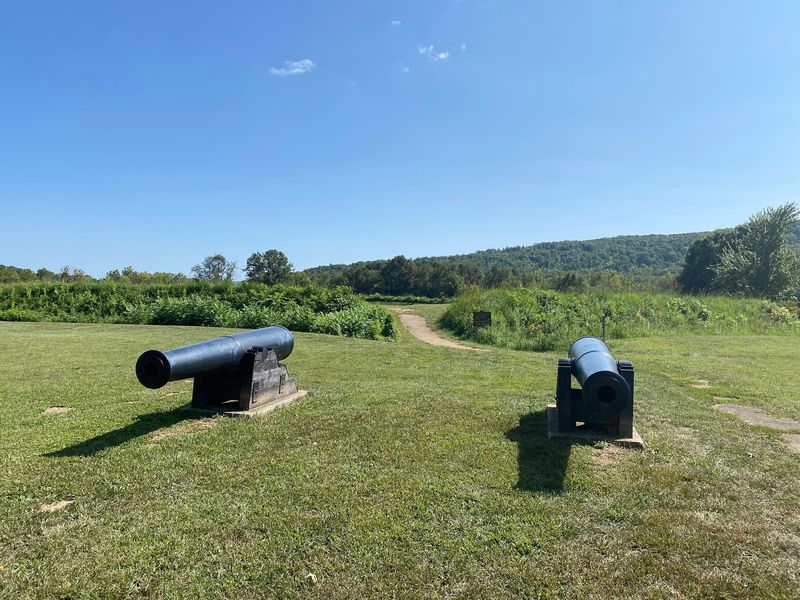
Walking the top of the earthen walls is the part that really sticks with people, and I get why the moment feels so memorable. You are elevated just enough to see the fort differently, yet you are still close enough to the rough texture of the ground to feel its age.
That mix of broad views and dirt underfoot makes the experience feel direct instead of polished to most visitors.
Stand still for a minute, and look across the site instead of hurrying for the next photo, because the walls help you read the landscape. You notice the interior space, the open approaches, and the way the fort sat within the valley around it.
For anyone trying to picture strategy without getting buried in technical details, that simple walk does a lot of work for your imagination right there alone.
The path also gives you a nice balance between history and fresh air, which is handy if you are traveling with mixed interests. One person can study the battle while another just enjoys being outside, and both still end up engaged.
Take your time on the wall, watch where you step, and remember that some of the best understanding comes from quietly looking around instead of constantly reading every marker.
Looking Into The Crater
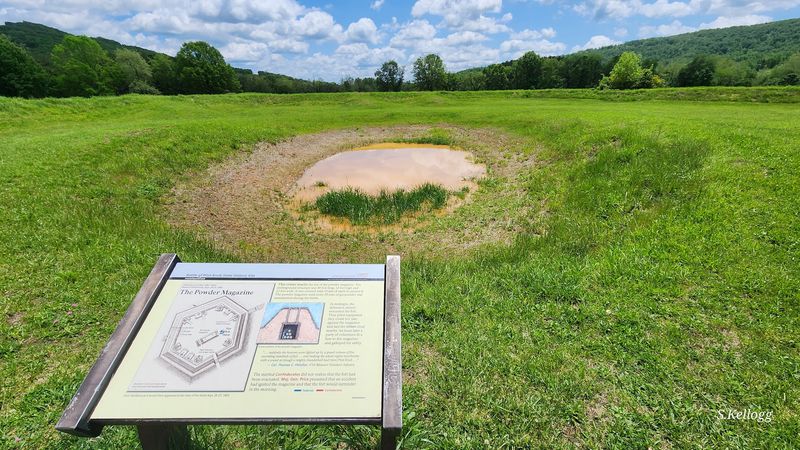
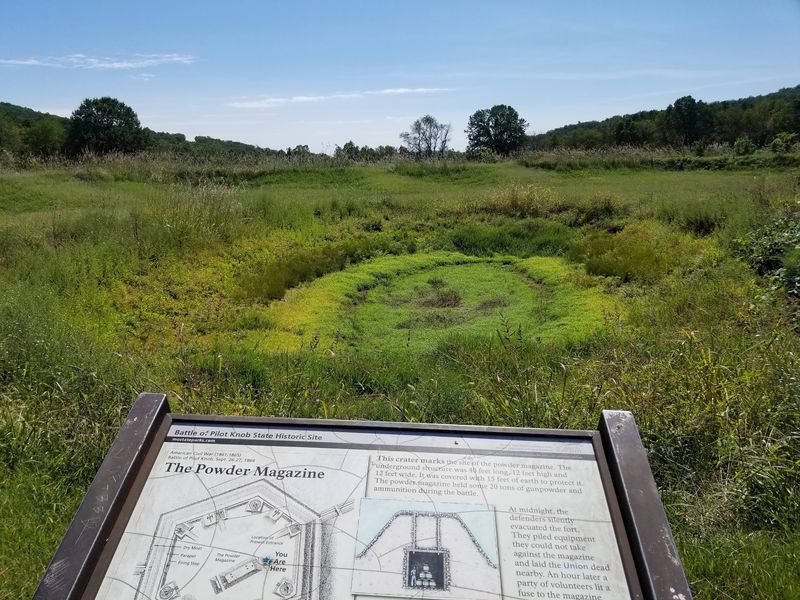
The crater inside the fort is one of those details that makes you stop talking for a second, because it points to a choice made under enormous pressure. When the Union garrison left, the magazine was blown up, and the mark of that decision is still right there in the ground.
Suddenly the site is not abstract anymore, and the story takes on a sharper edge for most people visiting.
I like that the crater is not dressed up with too much drama, because the plainness of it feels more honest. You look at a depression in the earth, then your mind starts doing the rest, which can be more powerful than any big reenactment scene.
It is a reminder that battle plans were made by tired human beings trying to survive one impossible moment in that desperate place there.
If you visit with younger kids, this is a good spot to talk about how history includes consequences, not just uniforms and maps. You do not need to turn the moment heavy, but it helps to explain why the ground looks the way it does.
A quiet pause here can lead to one of the most thoughtful conversations you will have anywhere on the site with your group that day.
Following The Battlefield Trails
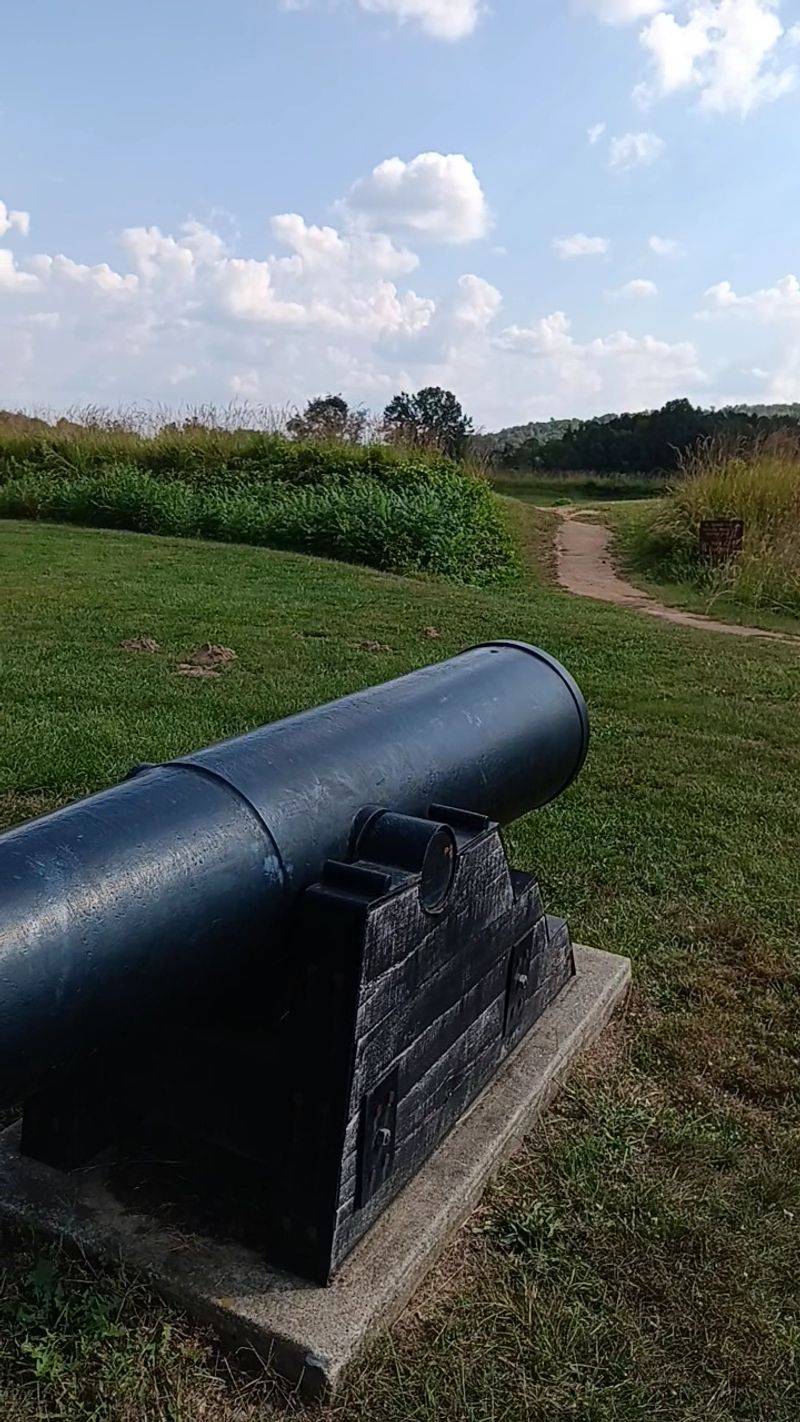
Not every battlefield invites you to keep walking after the main landmark, but that is part of what makes this place feel generous. The site has trails that let you move through the broader landscape, including Brogans Trail, so you can stretch your legs while staying connected to the story.
It feels less like checking off exhibits and more like letting the history unfold around you as you wander slowly.
Some paths are especially nice when you want a gentler pace or you are visiting with someone who does not love rough terrain. A paved route helps make the battlefield more approachable, and that matters because everyone should have a fair shot at experiencing places like this.
Bring decent walking shoes anyway, since even easy ground feels better when your feet are not complaining by the middle of it all.
What I really enjoy is how the trails give your brain room to catch up with what you just learned at the fort. You can walk, look at the trees, and let the setting settle into something more personal than a textbook chapter.
Missouri has plenty of beautiful drives, but a simple walk here gives you the rare feeling that scenery and history are working together for you out there.
Understanding Why The Battle Mattered
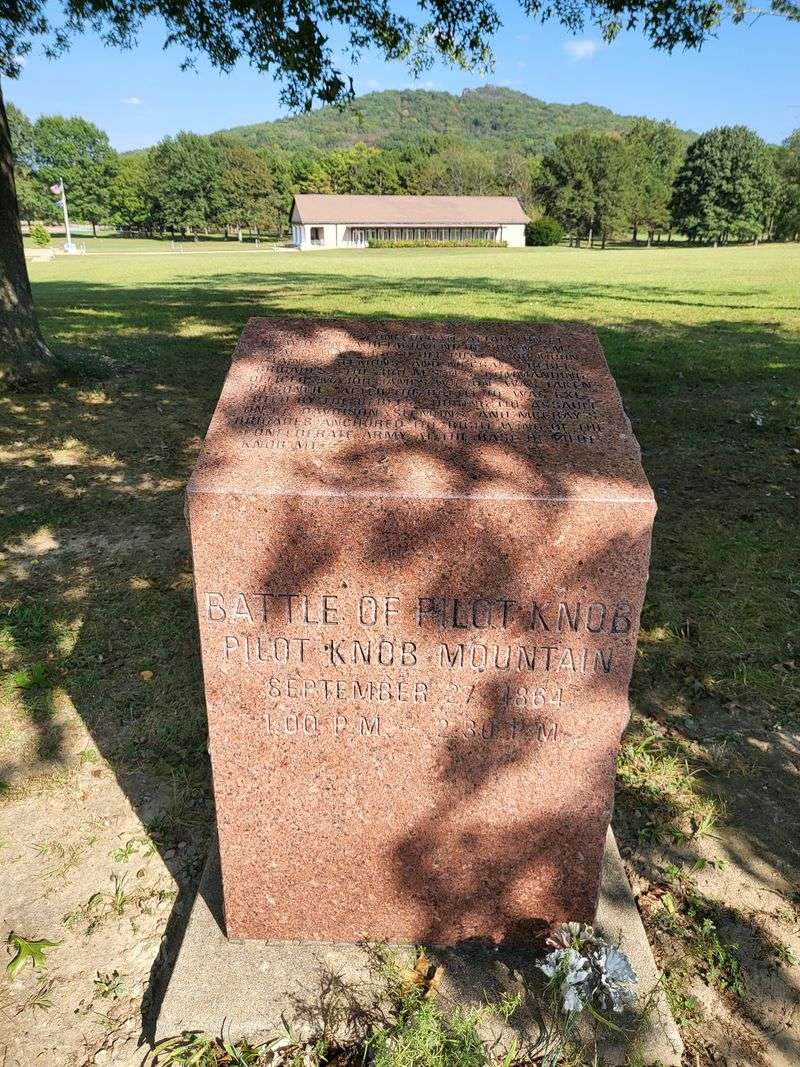
Even if you are not usually drawn to battle history, it helps to know why this place mattered so much in Missouri. The fight at Pilot Knob was not some tiny local scuffle that only interested nearby families, because the outcome had wider meaning during the Civil War.
Once you understand that, the fort stops feeling isolated and starts feeling connected to a much larger story than you expected before.
A smaller Union force held off repeated attacks long enough to affect what happened beyond the fort itself, and that changes how you read the whole site. You are not just seeing where people stood.
You are seeing a place where time was bought, decisions were forced, and the pressure of one hard day rippled outward in ways that still matter when people tell Missouri history today around the state.
You do not need to memorize commanders or troop movements to appreciate the stakes here, which is good news for casual visitors. Just remember that the ground beneath you was part of a struggle bigger than the town around it.
When you carry that thought through the fort and trails, everything becomes easier to understand, and the site feels important without needing a long lecture to make the point clearly.
Resting In The Picnic Area
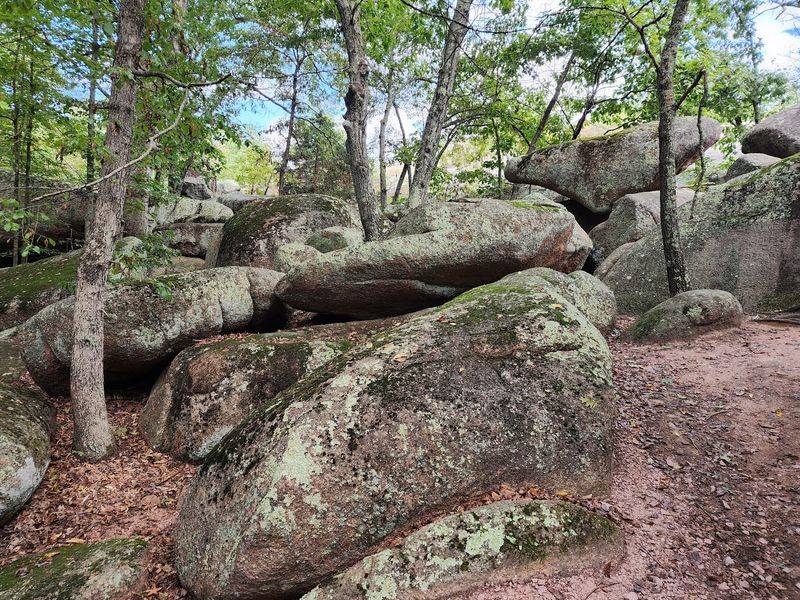
After walking the fort and taking in all that history, having a place to sit down feels surprisingly helpful. The picnic areas give you somewhere to catch your breath, drink some water, and talk through what you have just seen without rushing back to the car.
That little break works nicely here because the site has a calm mood that invites you to stay present a bit longer after visiting.
I would not overpack the day, since part of the appeal is being able to move at an easy pace instead of squeezing in nonstop stops. Bring a simple lunch or snack if you want, especially if you are exploring with kids who need a reset halfway through.
Sitting near the battlefield also gives you time to notice the valley itself, which is a real part of the experience too.
Some historic places make you feel like you should keep moving, but this one seems comfortable with a slower visit. You can learn, walk, rest, and then go back for another look if something catches your attention again.
That rhythm feels especially nice in Missouri, where scenic surroundings and layered history often sit side by side in a way that never feels forced to anyone spending time here today outdoors.
Why The Free Visit Feels So Memorable
What really wins people over is how much you get from this site without needing to spend a thing, and that changes the mood right away. You can come because you love Civil War history, or just because you want an interesting afternoon in Missouri that feels meaningful.
Either reason works, since the fort, trails, exhibits, and quiet setting all pull together naturally once you arrive on the grounds there.
I like places that do not demand a huge commitment before they give something back, and this one feels generous from the start. You can visit for a short walk or stay longer and dig into the details, which makes it easy to fit different travel styles.
That flexibility is a big reason the site keeps landing in conversations about worthwhile day trips around this part of Missouri for many travelers.
If a friend asked me where to find history that feels real without feeling overwhelming, I would mention Battle of Pilot Knob fast. The site is thoughtful, walkable, and grounded in a landscape that already feels memorable before you learn a single fact.
By the end of your visit, you have not just seen a fort, you have spent time with a piece of Missouri that still speaks clearly today.
