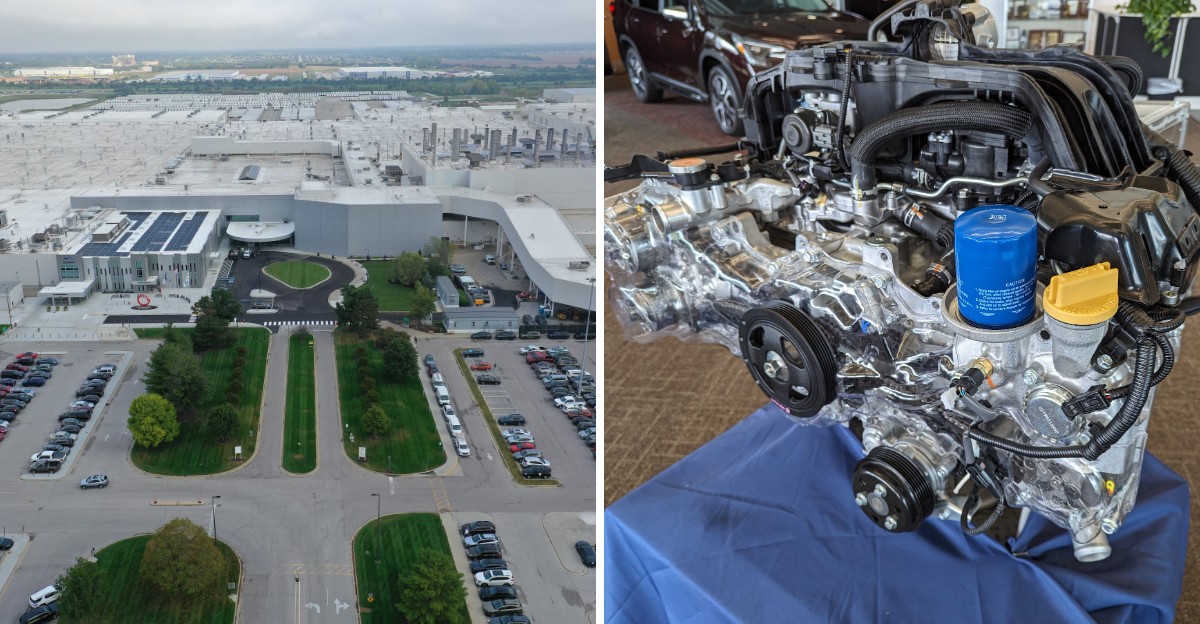
More than 1,600 robots weld car bodies together under one roof, and you can watch them work for free. No ticket booth.
No catch, except you need a reservation.
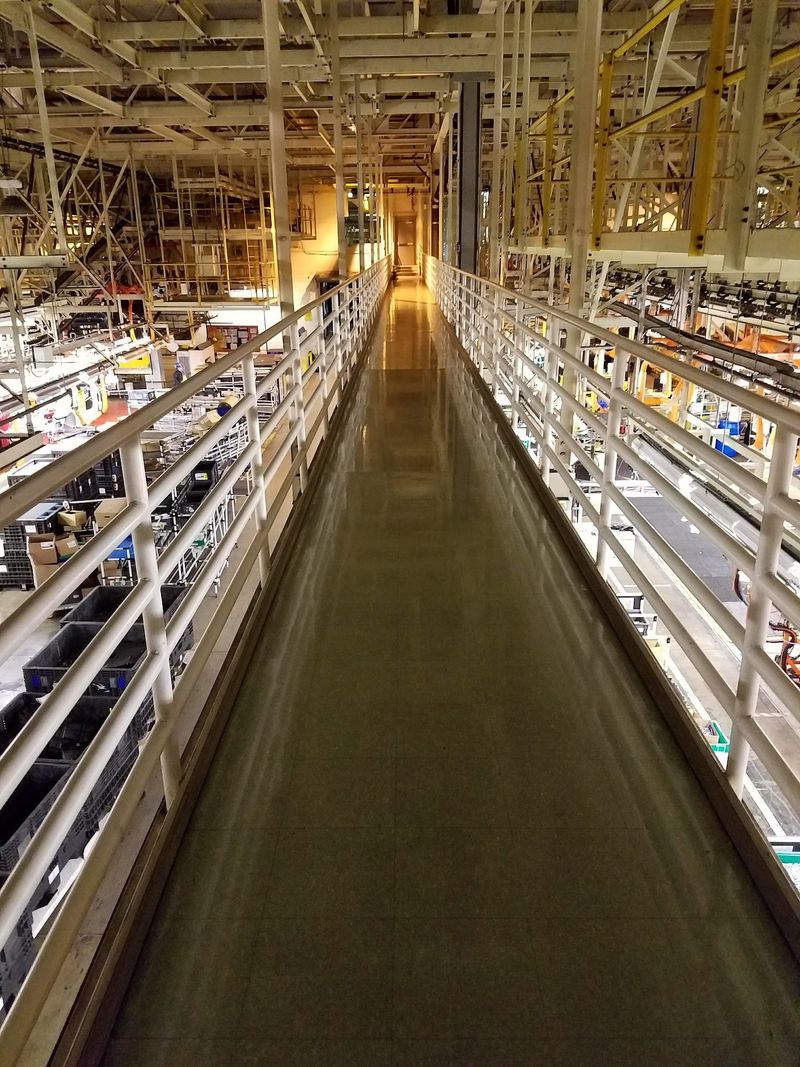
The tour happens on an elevated catwalk above a working factory floor. You walk about 1.25 miles and climb roughly 250 stair steps.
I like how the whole thing doubles as a workout with a robot show attached.
This plant builds about half of the vehicles its brand sells in North America. That’s a huge job for one spot in the middle of Indiana.
I can’t imagine a better way to see how a car actually comes together.
So what does it look like when steel coils turn into a finished SUV? And why does a car factory have a certified wildlife habitat?
The Robot Welding Show Is the Main Event
Sixteen hundred robots. That’s the number that makes people book the tour at Subaru of Indiana Automotive, and honestly, who could blame them?
In the body assembly area, these machines weld stamped steel panels into the shape of a car. They move in sync, reaching, turning, and joining metal faster than any human team could.
It’s like a dance routine where every dancer is made of steel and nobody ever misses a step.
The best part is that you see it happen live. This isn’t a video loop or a museum exhibit with a dusty sign.
The robots are building real vehicles that will soon roll onto real roads.
Watching them work helps you understand why modern cars are built so precisely. Each weld needs to land in exactly the right spot.
Robots handle that job again and again without getting tired or bored.
Kids who love building things will likely be glued to the railing here. Adults who grew up on science fiction movies might feel the same way.
It’s the kind of scene that makes you look at your own car differently.
Just remember to keep your eyes open, because this part goes by fast. The robots certainly won’t slow down for you.
Steel Coils Go In, Car Parts Come Out
Every car starts as something pretty boring. At this plant, that boring thing is a giant roll of raw steel.
The tour begins near the stamping area, where those coils get pressed into the shapes that become a vehicle’s body. Doors, roofs, and side panels all start here.
The presses are huge machines that use enormous force to bend flat metal into curves.
It’s a little like using a cookie cutter, only the cookie dough is steel. And the cutter is roughly the size of a small building.
Seeing this step first makes the rest of the tour click. You know exactly where those panels came from when the robots grab them later.
That start-to-finish flow is what makes this tour feel complete.
Many factory tours show only one small piece of the process. Here, you follow the car’s whole journey from flat metal to finished vehicle.
That’s rare, and it’s a big reason the experience feels so satisfying.
Parents might want to point out the stamping area to younger visitors. It’s a great real-world lesson in how raw materials become everyday products.
Teachers love that kind of thing, and kids secretly do too.
Pay attention here, because this is where the whole story begins.
Over 2,000 Parts Find Their Home on the Final Line
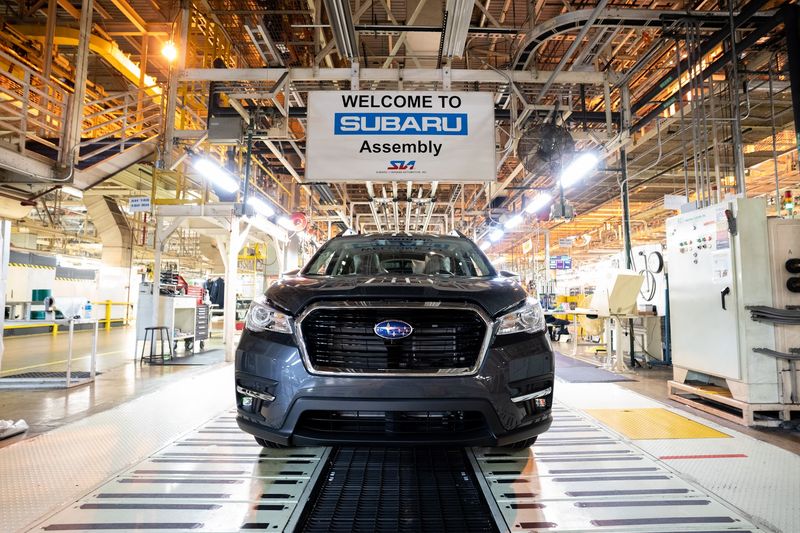
Robots get the headlines, but people steal the show in trim and final assembly. This is where associates install more than 2,000 parts into each vehicle.
Seats, dashboards, wiring, and countless small pieces all go in during this stage. Workers handle tasks that need human hands, careful eyes, and good judgment.
The cars slowly change from bare shells into something you’d actually want to drive.
Think about that number for a second. Two thousand parts, and every one has to fit perfectly.
Subaru of Indiana Automotive employs more than 6,000 associates. Watching them work as a team gives the factory a human heartbeat.
It reminds you that great machines still need great people.
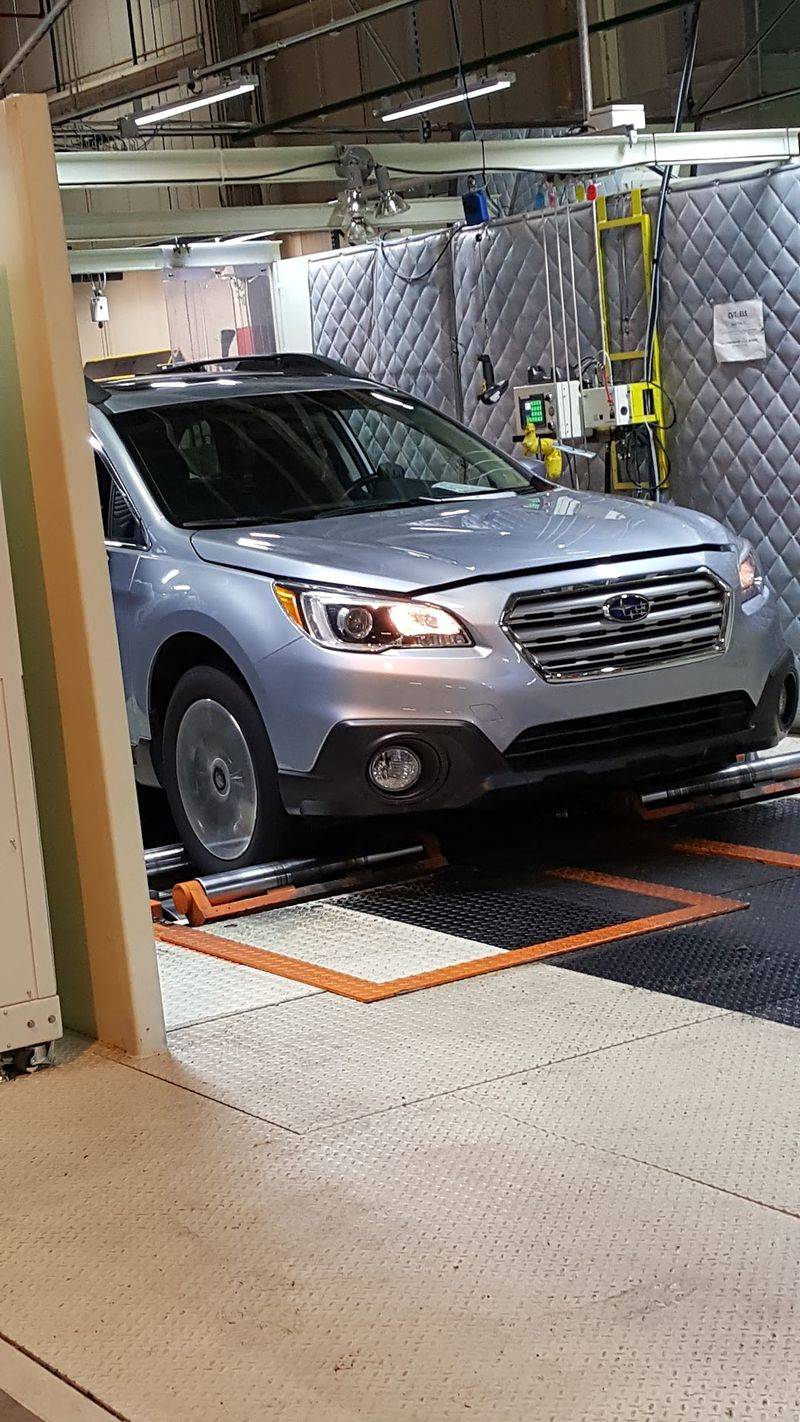
The tour wraps up with a look at the tester line. That’s where finished vehicles get checked before heading out into the world.
Seeing a complete car at the end feels like the final scene of a good movie.
If you own a Subaru, this part might hit home. Your car could have taken this exact path.
That’s a pretty cool thought to carry back to the parking lot.
It also makes you appreciate every button and switch a little more.
Your Wallet Gets the Day Off, But Your Calendar Doesn’t
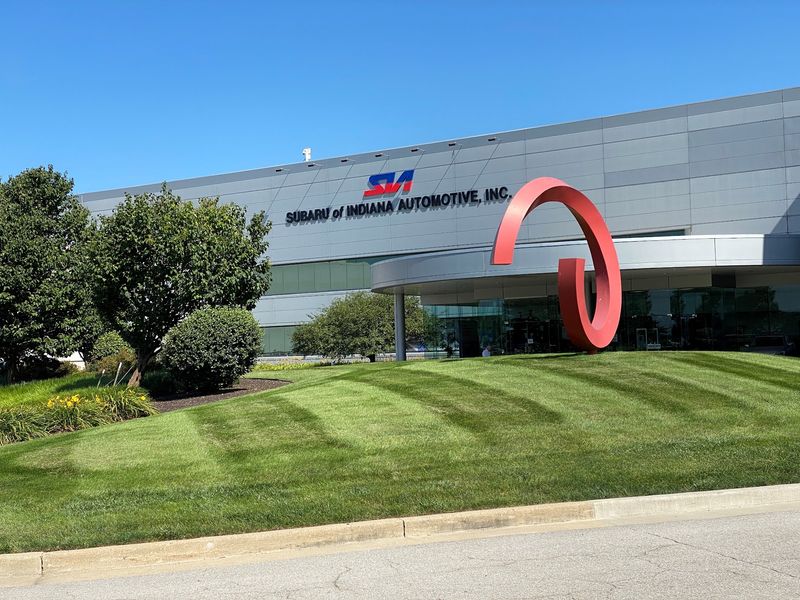
Free is a great price for anything, especially a guided tour this big. Every public tour at the plant costs nothing at all.
The catch is planning ahead. Tours are by reservation only, so you can’t just show up and wander in.
Booking early is the smartest move you can make.
Public tours usually run on Monday, Wednesday, and Friday. A 1:00 p.m.
Eastern slot is common, and an 11:00 a.m. option is also offered on those days. That gives you a little flexibility when planning a road trip.
Keep in mind that tours don’t happen during model changes or non-production days. The robots need to be working for the show to go on.
Checking dates before you travel will save you a disappointing drive.
Plan for about 75 to 90 minutes on the tour itself. That’s long enough to see a lot without wearing out your welcome.
It fits nicely into an afternoon in Indiana.
Everyone in your group must be at least 10 years old. That rule is strict, so younger siblings will need another plan for the day.
Maybe a grandparent visit or a backup activity nearby.
Lace Up, Because the Catwalk Means Business
Comfortable shoes aren’t a suggestion here. They’re part of the rules.
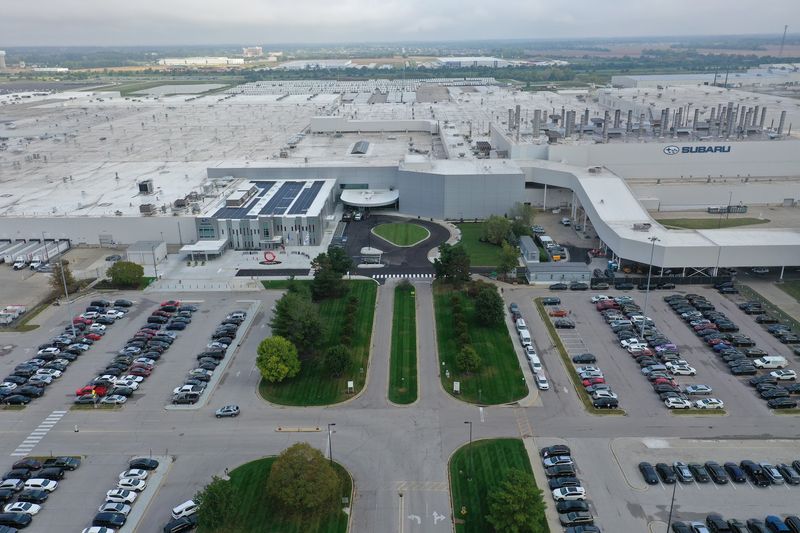
The tour covers about 1.25 miles on an elevated catwalk. That adds up to roughly 3,500 steps, plus around 250 stair steps along the way.
Your fitness tracker will be very proud of you.
Visitors must wear flat shoes with closed toes and closed heels. Heels, flip-flops, and open-toe shoes aren’t allowed.
Skirts and dresses aren’t recommended either, which makes sense when you’re climbing stairs above a factory.
There are no restrooms or seating areas along the route. So take care of business before the tour starts.
Your future self will thank you halfway through.
Safety rules also mean crutches, casts, wheelchairs, canes, and similar devices aren’t permitted on the catwalk. It’s worth checking with the tour team ahead of time if anyone in your group has mobility concerns.
That way, nobody gets surprised at check-in.
One more big rule involves your phone. Photos and videos are strictly banned on the factory floor, so cameras and cell phones stay put.
Honestly, it’s kind of refreshing to just watch something amazing with your own eyes.
You’ll remember it better that way anyway.
Half of North America’s Subarus Start Life Right Here
Out of every Subaru plant on the planet, only one sits outside Japan. And it happens to be in Lafayette.
Subaru of Indiana Automotive builds roughly half of all Subaru vehicles sold in North America. So if you see two Subarus on the highway, there’s a decent chance one came from here.
That’s a fun game for your next road trip.
The plant is the North American home for the Ascent, Outback, and Legacy. It also builds the Crosstrek in its 2.5-liter trims.
Forester production is moving here too, starting with the 2026 model year.
Annual output has grown to nearly 400,000 vehicles. That’s a lot of cars rolling out of one Indiana factory.
It’s enough to fill parking lots across the whole country.
Knowing this before your tour adds a layer of meaning. You’re not just watching any assembly line.
You’re watching one of the most important car-building sites in the entire brand.
Fans of these models might feel a little starstruck. Seeing where your family SUV was born is a special kind of thrill.
It’s like visiting a celebrity’s hometown, only the celebrity has all-wheel drive.
Deer and Geese Got Here Before the Robots Went Green
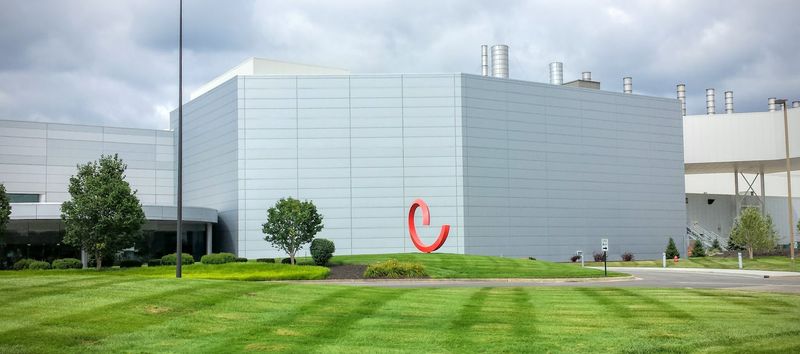
Here’s a fact that surprises plenty of people. This car factory is a National Wildlife Federation certified Backyard Wildlife Habitat.
That means the grounds are set up to support local wildlife. It’s not something most people expect from a place full of steel presses and welding robots.
Yet here it is, proving industry and nature can share space.
The plant also made history in 2004. It became the first U.S. auto assembly plant to reach zero landfill status.
In simple terms, its waste gets recycled or reused instead of dumped in a landfill.
That’s a big deal for a factory this size. Think about all the packaging, scraps, and materials a car plant handles every day.
Keeping all of that out of landfills takes serious effort and smart planning.
The green efforts keep going too. A 204-kilowatt rooftop solar project adds clean energy to the mix.
Sunshine helping to build cars feels like a nice touch.
For students and curious families, this side of the plant offers a great lesson. Making things and caring for the planet can work together.
That’s a message worth taking home along with your new robot facts.
From Joint Venture to Indiana Icon
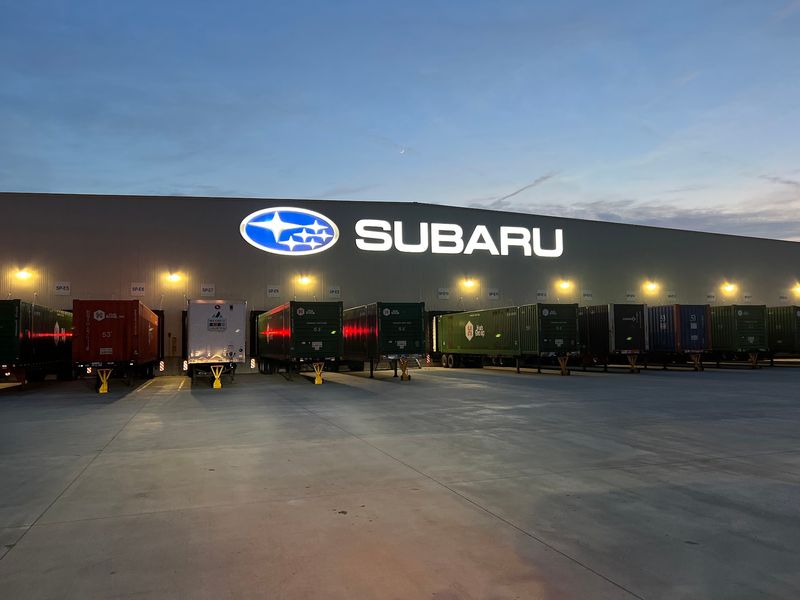
September 11, 1989, was the day it all started. The plant opened as Subaru-Isuzu Automotive, a joint venture between two car companies.
Things changed in 2003. Subaru took full ownership and renamed the plant Subaru of Indiana Automotive, Inc. That’s the name it still carries today.
The building has grown a lot since those early days. The original plant covered 2.3 million square feet.
It now stretches to about 5.8 million square feet.
That kind of growth is hard to picture. It’s basically like the factory kept adding rooms until it became its own small city.
And inside, 16.8 miles of conveyors move parts and vehicles from place to place.
Sixteen miles of conveyors is longer than a lot of people’s daily commute. Some of that system hangs overhead, carrying heavy loads above the floor.
The scale is part of what makes the tour so impressive.
Knowing this history makes the visit feel richer. You’re walking above decades of hard work and steady expansion.
The factory you see today is the result of years of growth in Indiana.
Not bad for a plant that started as a partnership.
Grab a Souvenir and Plan Your Drive
After all those steps, you’ve earned a little reward. A Subaru gift shop gives visitors a chance to pick up branded merchandise.
It’s a great spot for fans who want something to remember the trip. A shirt or hat makes a fun conversation starter later.
Plus, it’s proof you actually climbed all those stairs.
Getting there is simple. The plant sits at 5500 State Rte 38, Lafayette, IN 47905, on the east side of town.
It’s an easy drive for many travelers heading through Indiana.
The site keeps weekday business hours, and it’s closed on weekends. That lines up with the Monday, Wednesday, and Friday tour schedule.
Plan your trip around those days and you’ll be set.
Groups have options beyond the public tour too. The plant offers educational S.E.E.
Tours for school groups. Businesses and colleges can arrange their own tours as well.
Teachers looking for a memorable field trip should take note. Seeing real manufacturing in action can spark interest in science, engineering, and careers.
Some students might leave dreaming about building the next big thing.
Either way, you’ll drive home looking at every car on the road a little differently.
