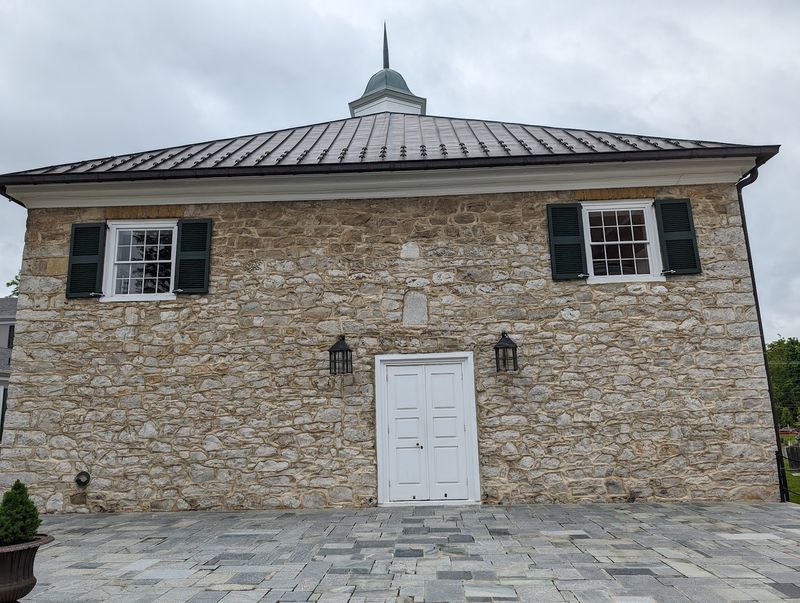
Women once rode horseback four miles to a river, hauling sacks of sand for a church’s mortar. That was 1796, and the limestone walls they helped raise still stand today.
Better yet, people still worship inside them.
I love that this is no roped-off ruin. The congregation still gathers on Sunday mornings.
The old wooden collection boxes reportedly date to 1844, and they’re still in use.
This quiet spot sits on a hilltop in West Virginia. It holds a record most grand cathedrals can’t touch.
I can’t imagine many buildings that have watched so much history pass by their front door.
Presidents may have sat in its pews. Soldiers once lay inside its walls.
So how does a plain stone church keep its doors open for more than two centuries?
The Oldest Church Still Working West Of The Alleghenies
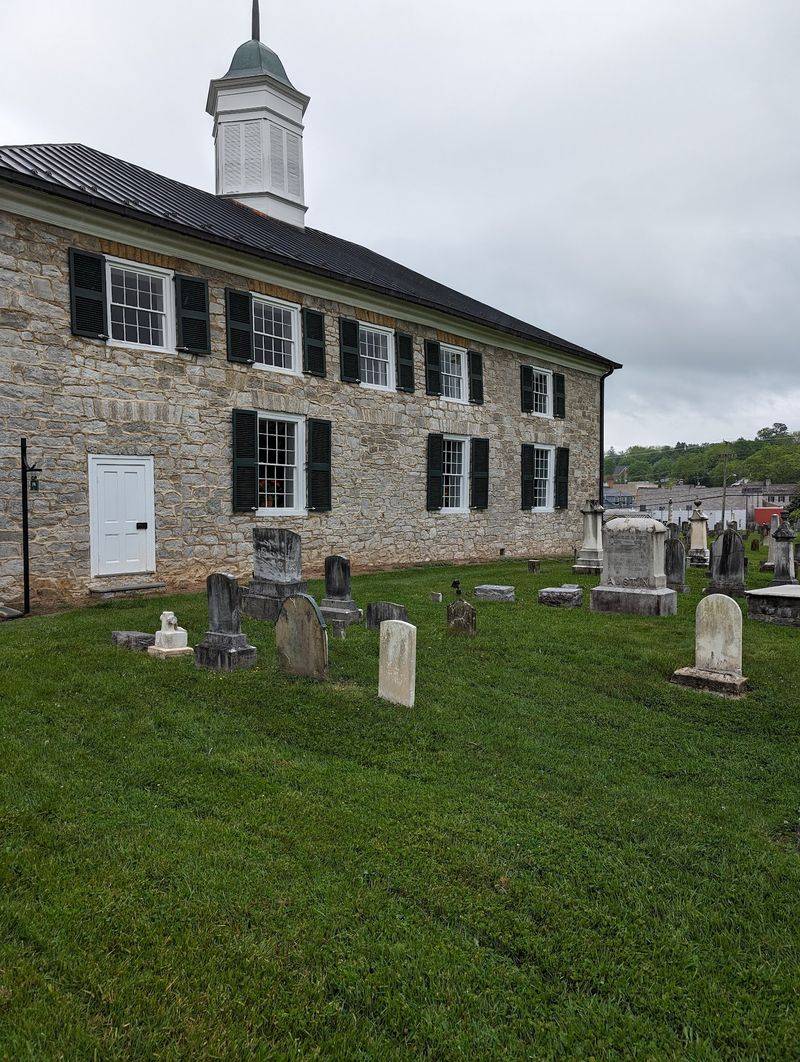
Old Stone Presbyterian Church holds a title that sounds almost too big for its modest size. It is widely described as the oldest church building in continuous use west of the Allegheny Mountains.
That means more than just being old. Plenty of historic buildings survive as museums, but this one still does the job it was built to do.
The church sits in Lewisburg, a small Greenbrier County city in southern West Virginia. Its gray limestone walls rise from a hilltop with an old cemetery stretched around them.
From the outside, the building looks plain and sturdy. There’s no towering spire or fancy trim trying to grab your attention.
That simplicity is part of the charm, honestly. The building feels like it was made by people who needed shelter for worship, not bragging rights.
And yet, bragging rights arrived anyway. More than two centuries later, the congregation is still singing, praying, and passing collection boxes inside those same stones.
I like how the church never stopped being a church. It didn’t become a gift shop, a backdrop, or a memory.
It simply kept going, Sunday after Sunday. For a building raised in 1796, that’s quite a streak.
Sand Sacks, Horseback Rides, And A Frontier Building Crew
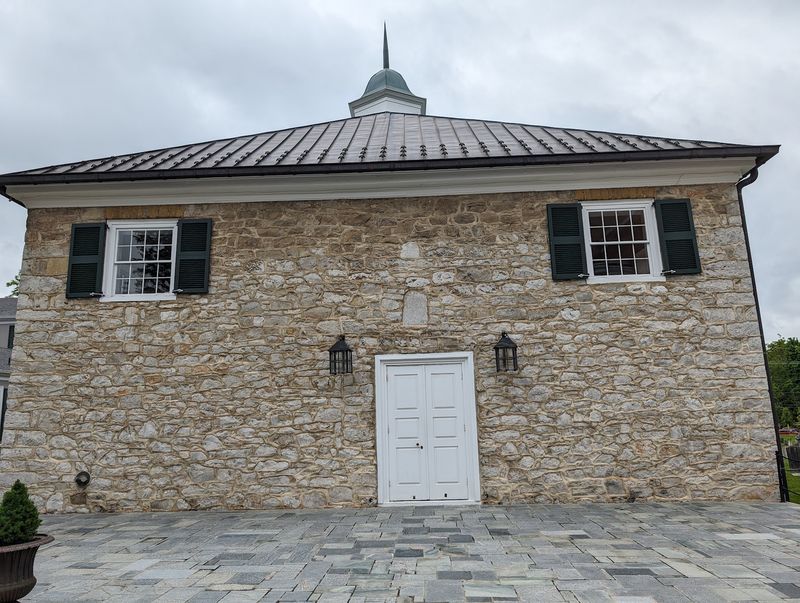
Building supplies in 1796 didn’t arrive on a delivery truck. The church’s history says women of the congregation rode horseback to the Greenbrier River, about four miles away, for sand.
They carried that sand back in bags so the mortar could be mixed. Think about that next time a hardware store trip feels like a chore.
The walls themselves were built from native limestone. That local stone gave the church its lasting strength and its name.
Back then, the Greenbrier Valley was still frontier country. Settlers were carving out farms and towns, and a solid house of worship mattered deeply to them.
Church history shared with visitors also notes the building was raised by both enslaved and free workers. It’s an important part of the story, and the church doesn’t hide it.
Enslaved worshippers later attended services too, reportedly entering by a side door and sitting in the balcony. That detail adds weight to the plain walls.
Every stone reflects real hands and real effort. Few buildings tell their origin story so clearly just by standing still.
The craftsmanship clearly held up. Those walls have now outlasted every person who helped place them.
A Carved Stone That Says Give God The Glory
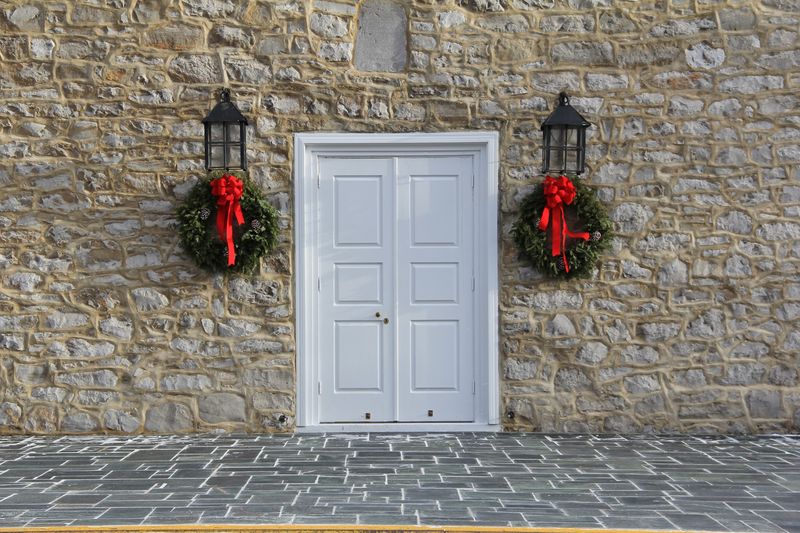
Look up near the entrance, and you’ll spot a message from the 1700s. A carved stone there bears an inscription dated 1796.
The stone is credited to Col. John Stuart, a Revolutionary War figure and early Greenbrier settler.
His carving invites readers to give God the glory.
That’s a pretty humble message for a man with a military title. It fits the building perfectly, though, since nothing here feels showy.
Stuart was a major name in early Greenbrier County history. Having his handiwork above the door connects the church directly to the founding generation of the region.
I believe small details like this make history feel personal. A date in a textbook is one thing, but chiseled letters are another.
Someone actually sat with a tool and shaped those words. Then the stone was set where every worshipper would pass beneath it.
Generations of families have walked under that inscription since. Weddings, baptisms, and ordinary Sundays all began with that same quiet reminder.
It’s easy to miss if you rush inside. Take a moment and let your eyes wander upward first.
How A 44-Foot Square Grew Into Something Bigger
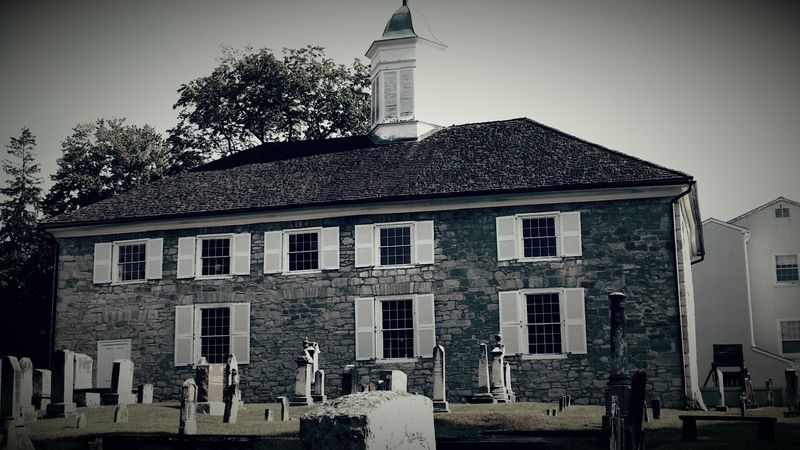
Here’s a fun bit of math for the architecture fans. The original building measured roughly 44 feet square.
In 1830, the congregation added on, stretching the church to about 75 by 44 feet. The entrance moved to the west end during that project.
The style is often called Old Virginia, which basically means simple and massive. Thick stone walls do the heavy lifting, both literally and visually.
Inside, decoration is kept to a minimum. Church history materials and visitor accounts describe the old sanctuary as plain, letting the structure speak for itself.
That plainness feels refreshing today. There’s no clutter competing for attention, just clean lines and centuries of use.
The balcony is part of the story too. It’s where enslaved worshippers reportedly sat during services in the early years.
So the layout carries history in its bones. Even the floor plan reflects how the community lived and worshipped long ago.
Good architecture doesn’t always need flourishes. Sometimes it just needs to stand strong for over two hundred years, and this building has managed exactly that.
The Sanctuary That Became A Field Hospital
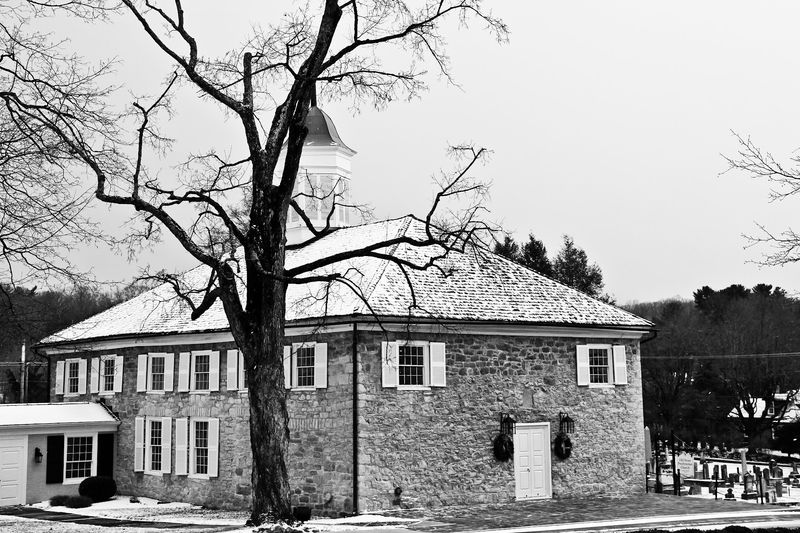
In May 1862, Lewisburg found itself in the middle of a Civil War battle. Afterward, Old Stone Presbyterian Church took on a very different role.
The sanctuary served as a hospital for wounded soldiers. Sources note that both Union and Confederate troops were cared for during the war years.
Fallen Confederate soldiers were first laid to rest in a trench along the church’s south wall. They were later moved to the Confederate Cemetery in Lewisburg.
It’s a sobering chapter, but an important one. The church opened its doors when the town needed help most.
That history adds real depth to a visit. Those quiet stone walls once held pain, care, and plenty of prayer.
West Virginia itself was born during that same conflict. So the church’s story ties right into the state’s own beginnings.
Many historic churches have Civil War tales. Fewer still welcome worshippers in the very room where soldiers were treated.
Sitting in a pew here, you’re part of a long line. Each generation has added its own story to the building, and this chapter remains one of the most powerful.
Did Three Presidents Really Sit In These Pews?
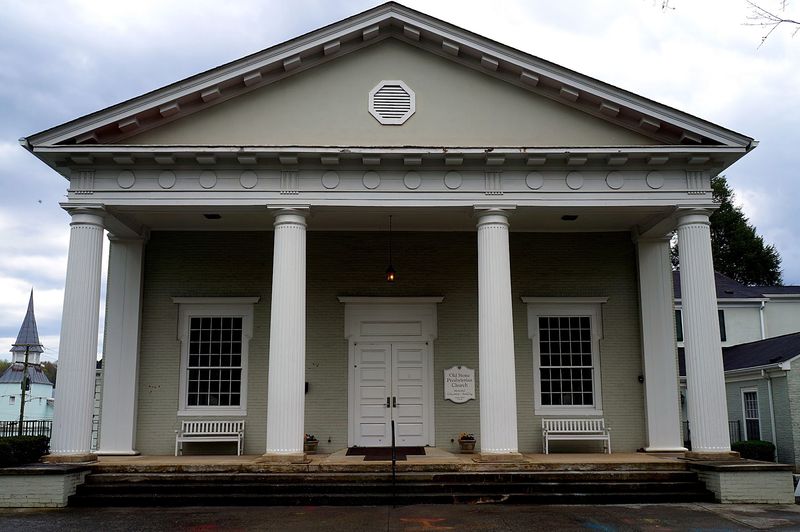
Andrew Jackson, John Tyler, and Millard Fillmore walk into a church. It sounds like the start of a joke, but it’s part of local tradition.
All three presidents are said to have worshipped at Old Stone Presbyterian Church. Lewisburg sat along well-traveled routes toward the Virginia springs resorts, so the visits seem plausible.
Still, it’s best treated as a cherished tradition rather than a signed guest book. Either way, it’s a great conversation starter on the drive home.
Another treasure is easier to confirm. The church still uses its original wooden collection boxes, reportedly crafted in 1844.
Imagine that plate being passed down the row. Those same boxes have collected offerings for well over 175 years.
It’s the kind of detail that makes West Virginia history feel delightfully hands-on. You’re not reading about the past here, you’re using it.
I love that the church never swapped them out for something shiny. Practical folks keep what works.
Between the presidential legends and the antique boxes, a visit offers plenty of small surprises. Keep an eye out for both.
An Old Cemetery Wrapped Around Two Sides
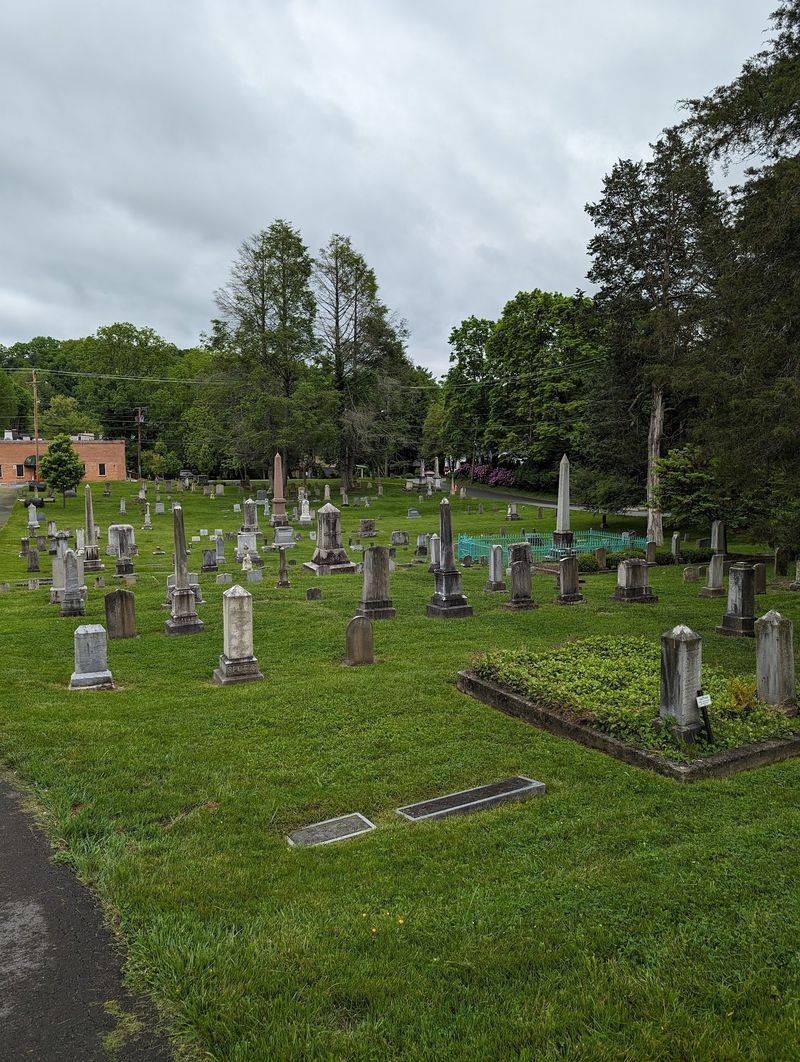
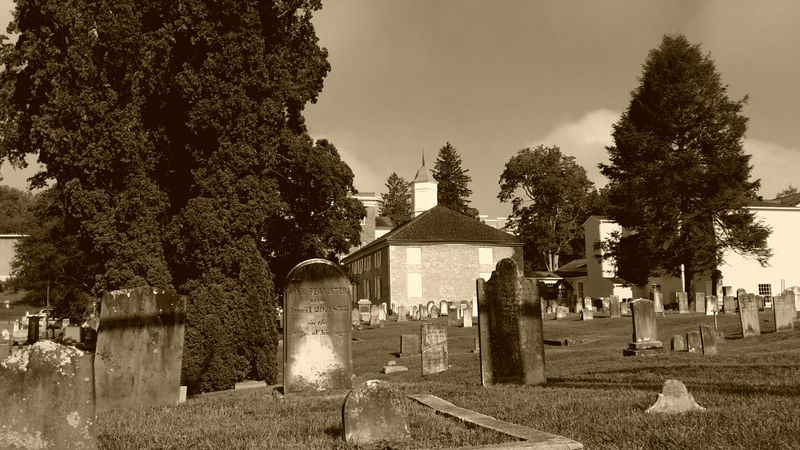
Gravestones circle the church on two sides, just as they did in many early American churchyards. It was a common custom of the era.
This burial ground is described as the first west of the mountains. Remarkably, it’s still in use today.
Walking the paths is a gentle, reflective experience. The names on the stones trace families who helped shape the Greenbrier Valley.
Some markers are weathered and soft with age. Others are newer, showing how the community’s story keeps unfolding.
Please treat the grounds with respect, of course. These are real family plots, and many local families still have loved ones here.
Photographers will appreciate the mix of old stone and open sky. The church walls make a striking backdrop behind the rows of markers.
History buffs can spend a good while reading inscriptions. Genealogy fans might even spot familiar surnames from regional records.
The cemetery completes the picture of a working church. Worship happens inside, while remembrance lives just outside the door.
Together, they show how deeply this hilltop has anchored Lewisburg life for over two centuries.
Sunday Mornings Still Belong To The Congregation
Eleven o’clock on Sunday is the moment this church was built for. In-person worship services are held at 11 a.m.
Can’t make the trip? Services are also livestreamed on YouTube and broadcast on 103.1 FM.
That’s a fun twist for a 1796 building. The frontier builders probably never pictured their sermons streaming to phones.
The congregation is active beyond Sunday mornings too. Folks connected to the church point to a strong music program and a welcoming spirit.
Some families have attended for generations. For them, this isn’t a landmark visit, it’s simply home.
The church has long been known for community outreach as well. Volunteer efforts, including a clothing ministry, help neighbors in practical ways.
Visitors are welcome to join worship. You don’t need to be a member to sit in and soak up the history.
I can’t imagine a better way to experience the building. Hearing hymns echo off those old walls says more than any plaque could.
If you’re planning around a Sunday, arrive a little early. It gives you time to admire the outside before the service begins.
Timing Your Trip To Church Street
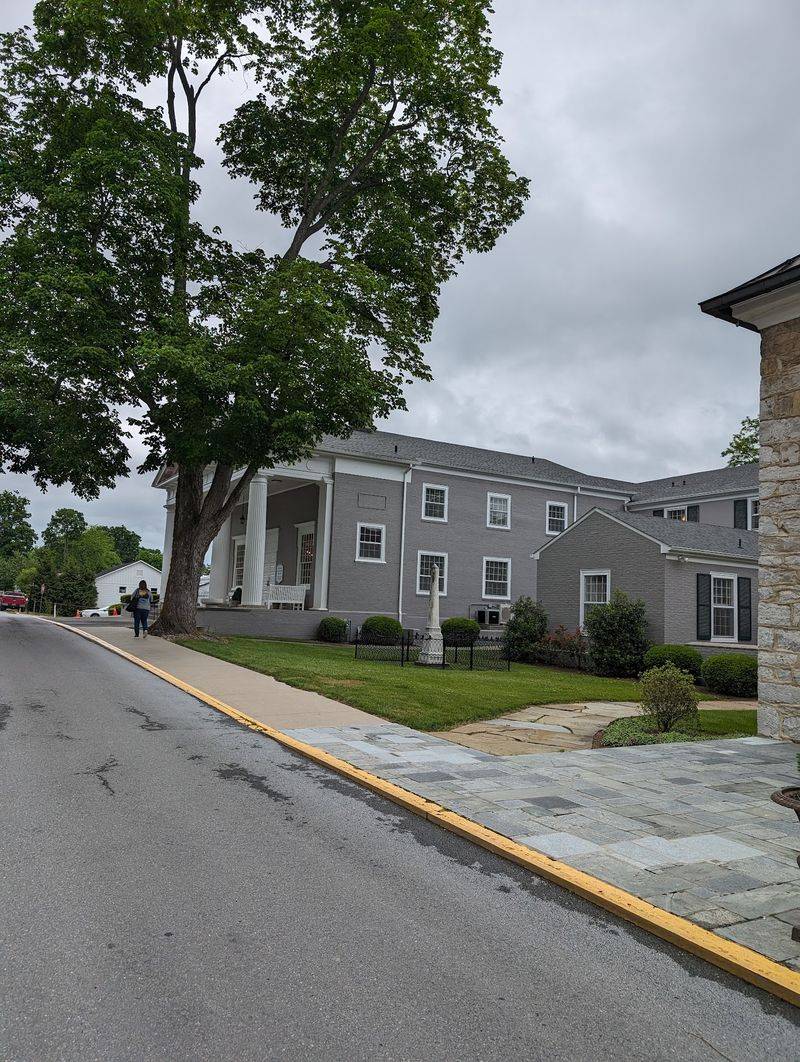
Planning ahead pays off here, since the hours are a little particular. The church sits at 644 Church St, Lewisburg, WV 24901, a short stroll from downtown.
The business office is open Monday through Friday from 9 a.m. to 2 p.m. It’s closed on Saturdays.
The historic sanctuary keeps seasonal hours. It’s generally open to the public from late spring to early fall, weekdays from 9 a.m. to 4 p.m.
It also opens for Sunday worship. During colder months and cleaning periods, the old sanctuary closes to drop-in visitors.
Visitors have mentioned starting at the newer church building nearby. Staff or volunteers may guide you over and share some history along the way.
A printed church history has been offered to guests too. It’s a nice keepsake, though availability may vary.
Lewisburg’s walkable downtown makes this an easy add-on. Shops and eateries are close, so you can turn it into a full afternoon.
Checking the church’s schedule before heading out is smart. Seasonal changes can affect access to the sanctuary.
Comfortable shoes help with the gentle hill and cemetery paths.
Why This Hilltop Deserves A Spot On Your West Virginia List
Lots of places claim history, but few still put it to work every week. Old Stone Presbyterian Church does exactly that.
It was added to the National Register of Historic Places in 1972. Yet it never turned into a museum piece.
History lovers get the Civil War story, the frontier origins, and that 1796 carved stone. Families get a living lesson that’s far more memorable than a textbook.
Faith seekers can join a Sunday service in one of West Virginia’s oldest sanctuaries. Quiet wanderers can enjoy the peaceful cemetery paths.
The building won’t wow you with flash. It wins you over with steady, honest character instead.
I believe that’s what makes it special. It reflects the pride and grit so many West Virginia communities share.
Maybe your grandparents visited Lewisburg years ago. Maybe your family has its own church with stories like these.
Either way, this hilltop invites you to slow down. Look at the stones, read the inscription, and think about those sand-hauling riders.
They built something meant to last. More than two hundred years later, it’s still standing proud, and the doors are still open.
