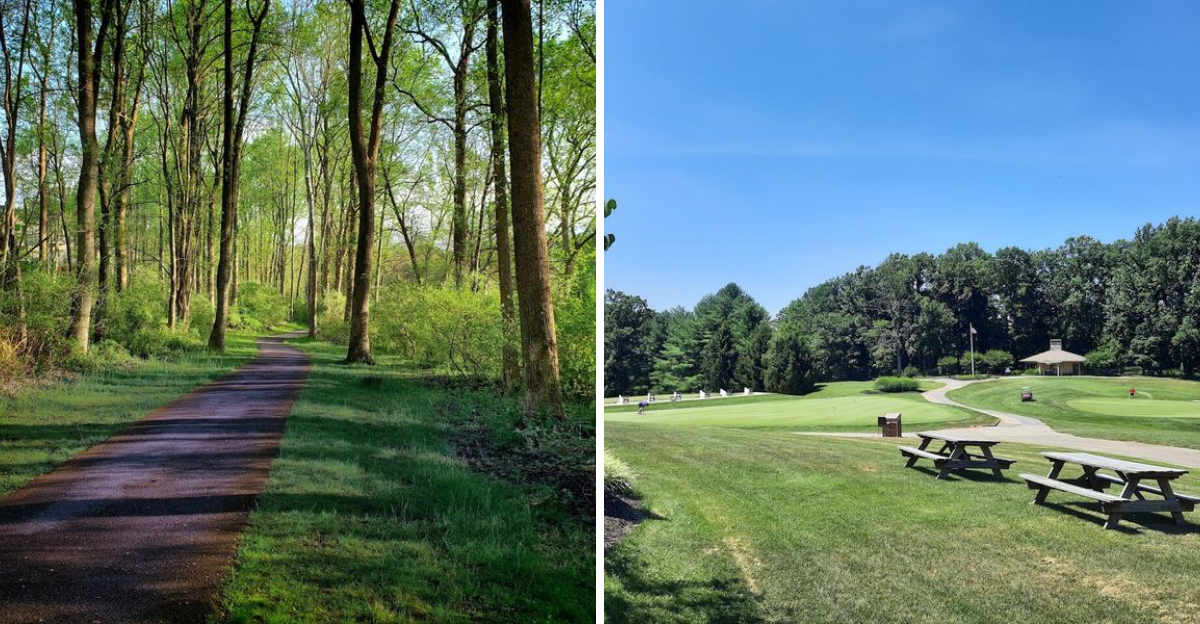
When people think of the happiest places in America, they usually picture sunny California or a quiet coastal town in New England. They do not usually picture Maryland.
But this small town has quietly earned that title, and once you spend time there, it is easy to understand why. Well planned neighborhoods, plenty of green space, and a community that actually feels like a community.
You can walk to a local cafe, bike along peaceful paths, or just sit in a park and watch the world go by. The vibe is relaxed and friendly, the kind of place where people wave and mean it.
A town that proves happiness does not always come from dramatic scenery. Sometimes it comes from a place that just works.
Columbia’s Founding Vision, A Place Designed for Happiness
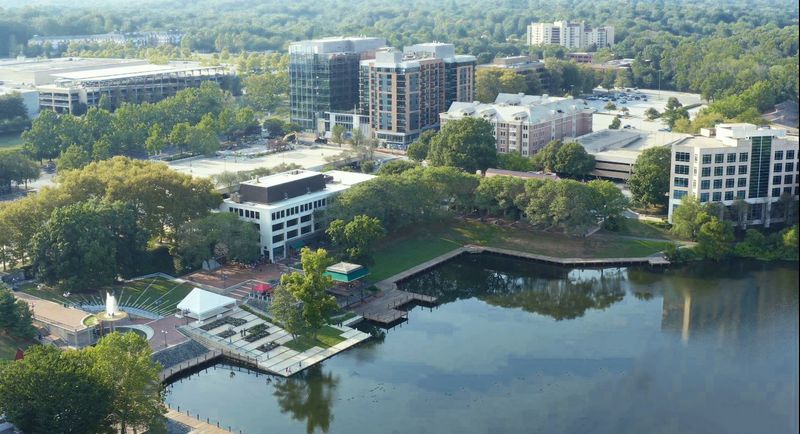
James Rouse was not your typical real estate developer. When he set out to build Columbia in the early 1960s, he brought in sociologists, educators, and community planners to help design a city around people rather than profit.
That is a rare starting point, and it shows in every corner of the town today.
Rouse’s concern was clear: American cities were growing fast, but not always well. Racial segregation, urban decay, and suburban sprawl were real problems he wanted to solve with thoughtful design.
Columbia opened officially in 1967 as a direct response to those issues, built on principles of inclusivity and human connection.
The result was a community where jobs, schools, shopping, medical services, and housing all coexist in one carefully planned environment. Social science experts helped shape the layout so that daily life would naturally encourage creativity, productivity, and connection among neighbors.
It was a bold experiment for its time.
What makes this founding story so compelling is that the vision actually held. Decades later, Columbia still reflects those original ideals in its parks, its pathways, and its people.
The sense that someone genuinely cared about how this place would feel to live in is something you pick up almost immediately. That feeling does not fade the longer you stay.
The Village Concept, Community at Its Core
Most towns grow organically, sometimes messily, without much of a guiding plan. Columbia took a completely different approach.
Instead of one sprawling neighborhood blending into another, the town was deliberately divided into ten self-contained villages, each with its own personality and purpose.
Every village includes schools, parks, shopping, and community facilities all within comfortable reach of residents. The idea was to reduce the need for long commutes and encourage people to build relationships close to home.
It sounds simple, but the effect on daily life is surprisingly powerful.
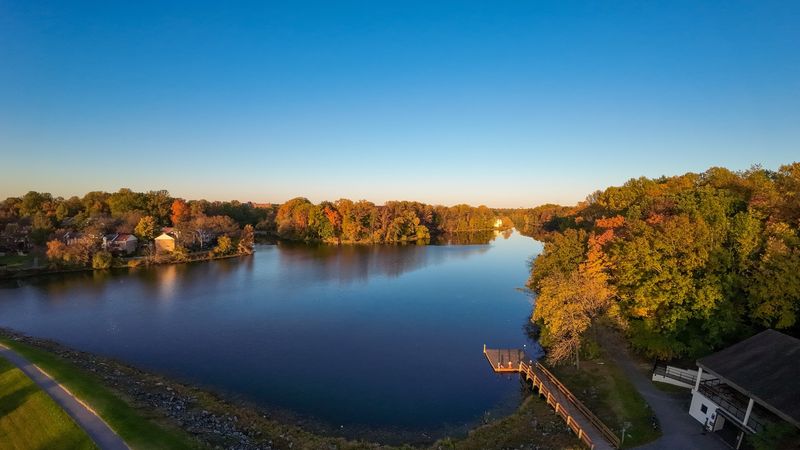
I noticed this most when wandering through Wilde Lake Village, where the pathways and gathering spaces feel genuinely lived-in rather than staged. Kids ride bikes, neighbors chat near community boards, and the energy is relaxed in a way that feels earned rather than manufactured.
There is something grounding about a neighborhood that actually functions as one.
The Columbia Association, a non-profit organization, manages the open spaces, recreational facilities, and shared infrastructure across all ten villages. Their ongoing work keeps the community framework Rouse envisioned running smoothly decades after his original blueprint was drawn.
It is a level of civic care that most towns simply do not have built into their DNA.
This village model creates a quieter, more connected suburban lifestyle without sacrificing the convenience of urban amenities nearby. For anyone who has felt lost in a generic suburb, Columbia’s structure offers something genuinely refreshing.
Embracing Nature, Lakes and Pathways
Few things tell you more about a town than how it treats its green spaces. Columbia treats them like treasures.
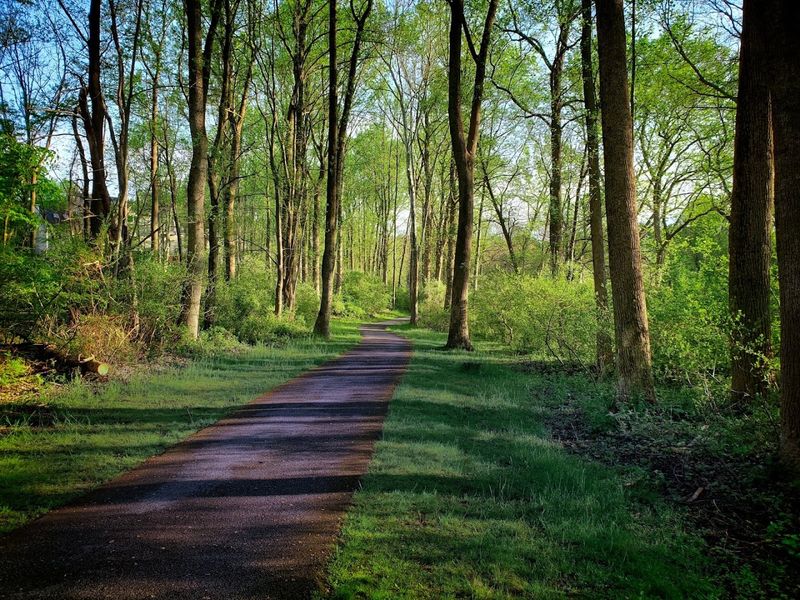
The Columbia Association maintains over 3,600 acres of open space, including 114 miles of pathways, 171 parks, three man-made lakes, and 41 ponds woven throughout the community.
Lake Kittamaqundi sits at the heart of Town Center and is arguably the soul of Columbia. Its name comes from the first recorded Native American settlement in Howard County, meaning “meeting place,” and that name still fits perfectly.
People gather here to walk, eat lunch on the waterfront, or simply sit and watch the water move.
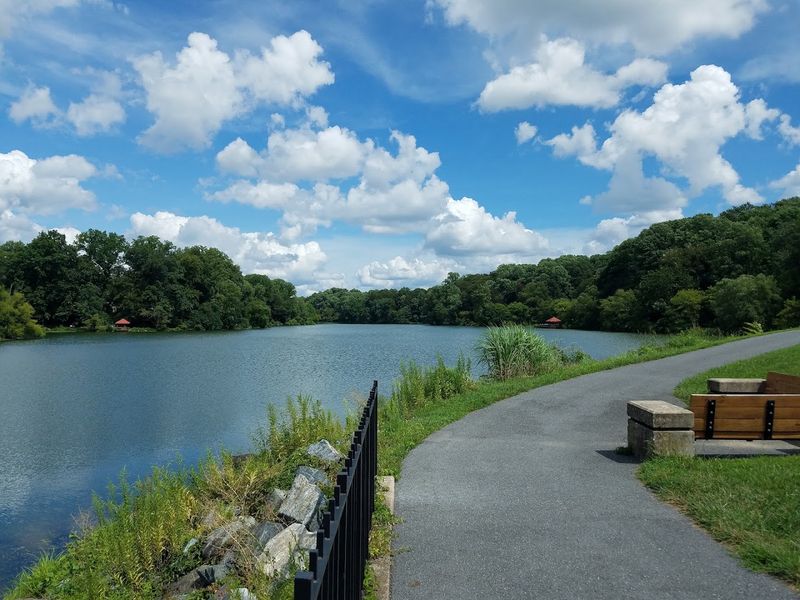
Lake Elkhorn and Wilde Lake offer their own quieter charms, with looping paths that invite long, unhurried walks. I spent a morning circling Wilde Lake and barely noticed the time passing.
That is the kind of environment these paths create, effortless and genuinely restorative.
The pathways connecting the villages make it easy to navigate much of Columbia without ever getting in a car. Cyclists, joggers, and families with strollers share the trails in a way that feels organic rather than crowded.
It is active living without the pressure of a gym schedule.
Beyond the lakes, streams and ponds are hidden into neighborhoods throughout the town, providing wildlife habitats and quiet green pockets that soften the everyday pace of life. Nature here is not an afterthought.
It is a foundation.
Parks and Outdoor Adventures
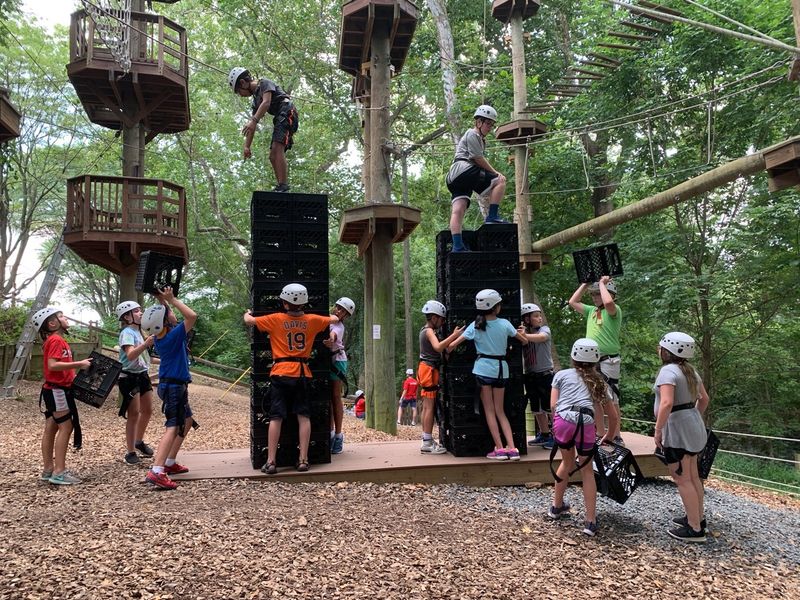
Columbia’s relationship with the outdoors goes well beyond its famous lakes. The town and surrounding Howard County are home to a collection of parks that offer something genuinely different from your standard patch of grass with a bench on it.
Blandair Regional Park is a standout, featuring lighted sports fields, an ADA-compliant playground, and wide open areas perfect for everything from weekend soccer games to casual afternoon picnics.
The park has a comfortable, community-minded feel that makes it easy to spend a few hours there without any particular agenda.
Sometimes that is exactly what you need.
For families with a curiosity for the natural world, the Robinson Nature Center is one of those places that surprises you. Interactive exhibits, nature trails, and planetarium shows focused on local wildlife and conservation make it genuinely engaging for both kids and adults.
The adjacent Middle Patuxent Environmental Area extends that experience further into real wilderness.
Centennial Park, just a short drive away in Ellicott City, features a 54-acre man-made lake that draws fishing enthusiasts and kayakers throughout warmer months. The trails around the lake are well-maintained and offer a peaceful escape from busier parts of the region.
Designated picnic areas and playgrounds round out the experience nicely.
What strikes me most about Columbia’s outdoor spaces is how accessible they feel. Nothing is hidden behind complicated logistics.
The parks are simply there, ready and welcoming, which is exactly how it should be.
A Lively Arts and Culture Scene
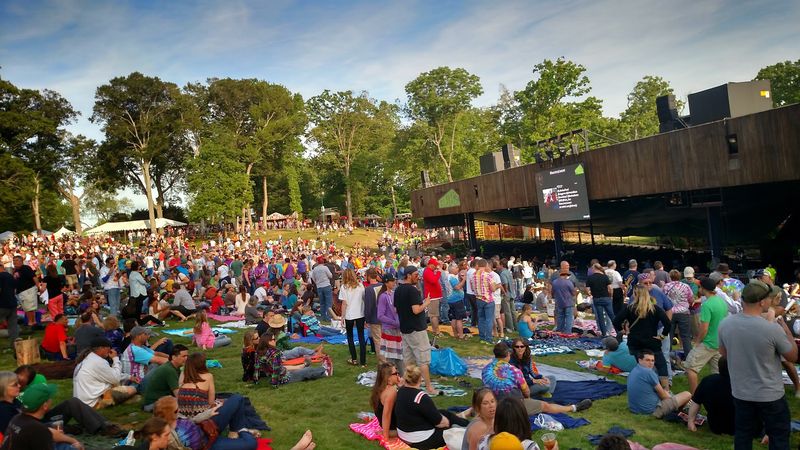
When Rouse imagined Columbia, he never intended it to be a cultural desert. Arts and community expression were baked into the original vision, and today that investment shows in a scene that feels alive rather than obligatory.
Merriweather Post Pavilion is the crown jewel. This iconic outdoor music venue has hosted some of the biggest names in music for decades, and its wooded setting gives every concert a slightly magical quality.
Whether you are on the lawn or closer to the stage, the atmosphere is consistently great.
Right next door, Merriweather Park at Symphony Woods features the Chrysalis Amphitheater, a striking open-air structure that hosts community events, art installations, and performances throughout the year. The park itself is beautiful to walk through even when nothing is scheduled.
It is the kind of space that makes a neighborhood feel proud.
The Columbia Festival of the Arts brings performances, exhibitions, concerts, classes, and workshops to the area each year, drawing a wide and enthusiastic crowd.
The Lakefront Summer Festival at Lake Kittamaqundi offers free evening entertainment with music and outdoor movies, which is the sort of community tradition that keeps people genuinely attached to a place.
Toby’s Dinner Theatre adds a wonderfully intimate layer to the local arts scene, presenting musicals and plays in an in-the-round format that feels personal and warm.
The Horowitz Visual and Performing Arts Center rounds things out with exhibitions and live performances that reflect the town’s creative depth.
Recreation for All Ages
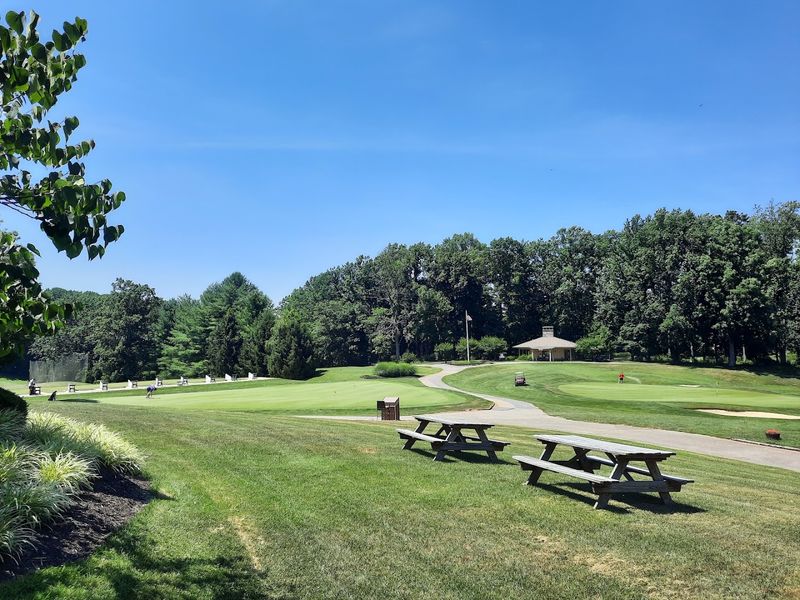
One of the quiet strengths of Columbia is how it handles the question of what to actually do here. The answer, it turns out, is a lot.
The Columbia Association alone operates fitness clubs, multiple pools, tennis courts, and an ice rink, covering year-round activity without much effort required on your part.
Columbia SportsPark is a genuinely fun destination, offering miniature golf, batting cages, go-karting, and a skate park all in one place. It has the kind of energy that brings out the competitive side in people who thought they left that behind in middle school.
Good luck keeping it casual at the batting cages.
Inside, Monster Mini Golf delivers a glow-in-the-dark mini golf experience complete with an arcade and laser maze. It is a perfect option for a rainy afternoon or an evening when you want something a little unexpected.
Kids love it, and honestly, so do adults who are willing to admit it.
Younger children have their own special corner of Columbia at the Play Street Museum, an interactive children’s museum built around a Great Outdoors theme.
Exhibits centered on fishing, camping, and outdoor exploration give little ones a hands-on experience that is both educational and genuinely entertaining.
It is the kind of place parents appreciate as much as the kids do.
Columbia’s recreational variety means that no matter your age or energy level, there is always something that fits the mood. That kind of range is harder to find than it sounds.
Shopping and Culinary Delights
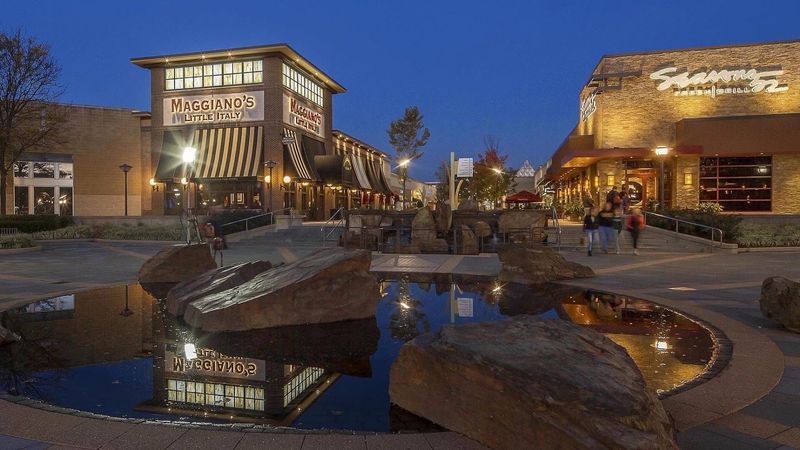
Food and shopping in Columbia carry the same thoughtful variety that defines the rest of the town. This is not a place where every block looks identical or every restaurant menu feels interchangeable.
There is genuine range here, and it reflects the diverse community that calls Columbia home.
The Mall in Columbia serves as a central retail hub with a wide selection of shops, restaurants, and entertainment options. It is well-maintained and busy without feeling overwhelming, which is a balance not every mall manages to strike.
You can handle most practical shopping needs without ever leaving the area.
Beyond the mall, the village centers and Town Center area offer a more neighborhood-scale dining experience. DOK KHAO Thai Eatery brings bold, authentic Thai flavors to the table, while Akira delivers a polished Japanese dining experience that regulars clearly love.
Eggspectation and GrillMarx serve up crowd-pleasing American fare with enough personality to keep things interesting.
For a slower, more relaxed kind of meal, Busboys and Poets offers a welcoming atmosphere that blends food, community, and a genuinely comfortable vibe. It is the sort of spot you end up staying at longer than planned.
That is usually a good sign.
Coffee lovers are well covered too, with various cafes scattered across the town’s village centers. The dining scene overall feels like a reflection of Columbia itself: diverse, accessible, and quietly proud of what it has to offer without needing to announce it loudly.
A Community of Connection
Everything about Columbia, from its layout to its lakes to its festivals, points toward a single underlying value: connection. This is a place that was built to bring people together, and after spending real time here, it becomes clear that the design actually works.
The ten villages create natural social clusters where neighbors are more likely to cross paths regularly. Shared pathways, communal parks, and accessible community centers give people reasons to be outside and present.
That kind of informal daily contact builds something real over time.
Community events like the Columbia Festival of the Arts and the Lakefront Summer Festival are not just entertainment. They are shared rituals that give residents something to look forward to together.
There is a difference between a town that hosts events and a town that genuinely gathers around them. Columbia feels like the latter.
The Columbia Association plays a steady, behind-the-scenes role in keeping this all functioning, organizing programs, maintaining facilities, and ensuring that the infrastructure of community life stays in good shape.
It is not glamorous work, but it matters enormously to the daily experience of living here.
What Rouse imagined back in the 1960s was a city where people from all backgrounds could genuinely thrive alongside one another. That vision has not faded.
Columbia remains one of those rare places where the idea of community is not just a marketing phrase but something you can actually feel.
