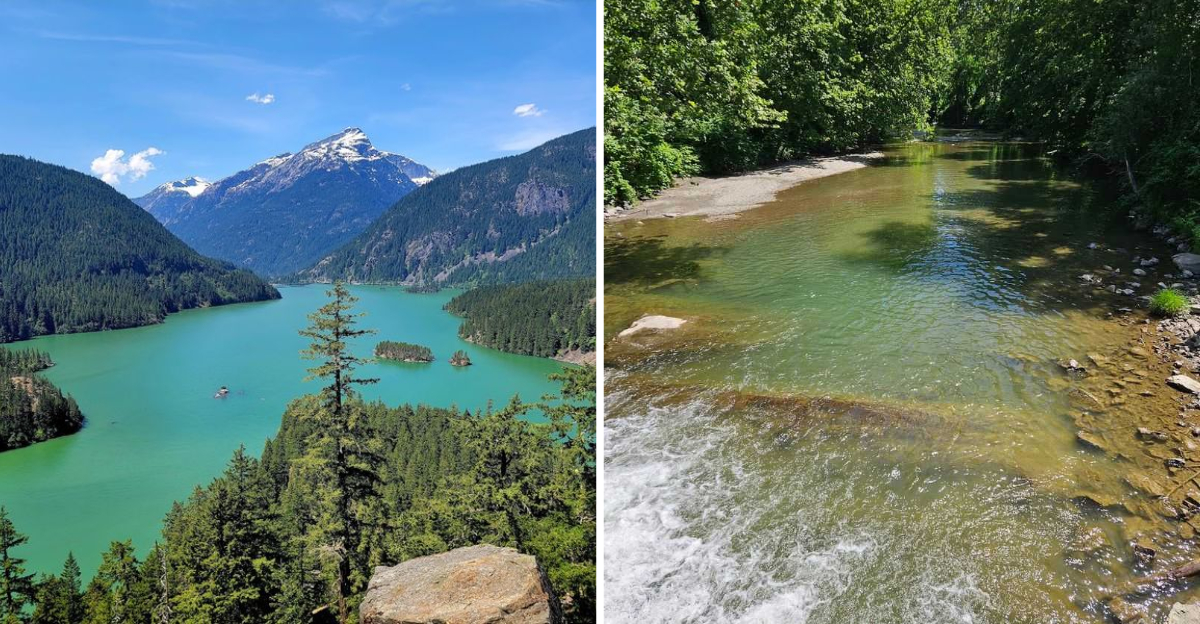
Pulling off a forest service road, pushing through a curtain of ferns, and suddenly finding yourself standing at the edge of a river so clear you can count every smooth stone on the bottom feels almost surreal.
This Washington river runs an impossible shade of emerald green, cold enough to make you gasp and refreshing enough to make you stay all afternoon.
Most people blasting down the interstate have no idea it exists, and honestly, that is a big part of what makes it so special.
I stumbled across this spot on a whim one summer, and it genuinely felt like a personal discovery.
No crowds, no fee booth, no noise, just towering fir trees, mossy boulders, and a river that feels completely untouched. I sat on a sun-warmed rock with my feet in that freezing water and felt the rest of the world disappear entirely.
How to Actually Find This Hidden Spot
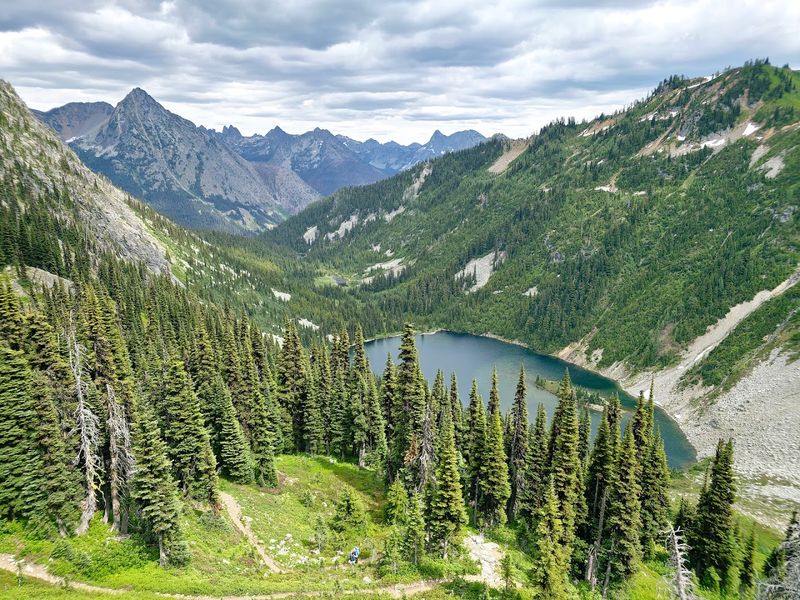
Getting here is half the adventure, and knowing the route ahead of time makes it feel less like guesswork and more like an expedition. From Seattle, take Interstate 90 East toward North Bend and look for Exit 62, which is the Kachess Lake Road exit.
That turn is easy to miss if you are not paying attention, so set a reminder on your phone before you leave.
Once you are off the highway, turn left onto National Forest Road 54, also labeled NF-54. From that point, you drive roughly 13.2 miles through the forest, crossing the Yakima River and passing under power lines while following Sunday Creek alongside you.
The road winds and narrows, so keep your speed low and your eyes open.
One thing to watch for: any slight Y-fork in the road means you should keep left. There are no big signs pointing you toward the swimming spots, which is honestly part of why this place stays so quiet.
The drive itself is gorgeous, threading through cathedral-like stands of conifers that block out most of the sky. Pack a paper map or download offline directions because cell service gets spotty fast once you leave the highway behind.
The final stretch of gravel road feels like it goes on just long enough to make you wonder if you took a wrong turn, and then the trees part and the water appears, exactly as it should be. You will hear the creek before you see it, and that sound will tell you everything you need to know.
The Water Color Will Stop You in Your Tracks
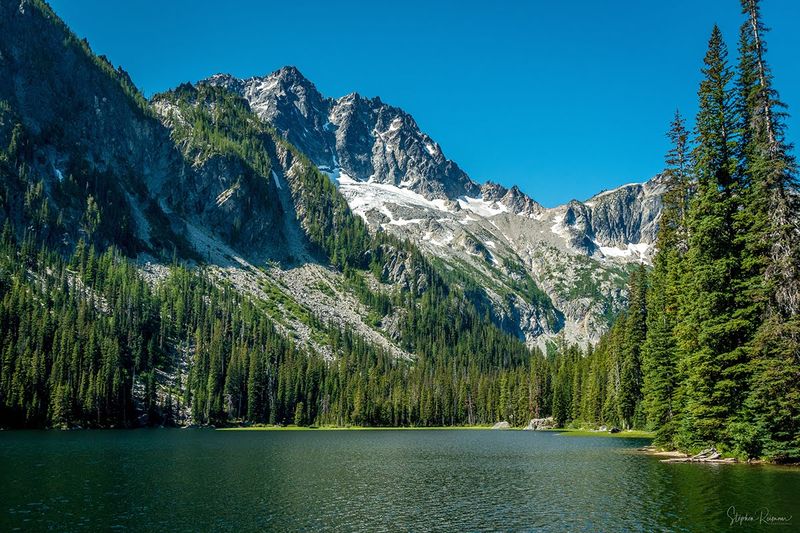
Nothing really prepares you for the color of this river. The Upper Green River earns its name in the most literal way possible, running a vivid, almost glowing emerald green that looks more like something out of a fantasy novel than a real place in Washington State.
On a sunny afternoon, the light hits the surface and turns the whole river into something genuinely otherworldly.
The clarity is just as impressive as the color. You can see every pebble, every submerged rock, every ripple on the sandy bottom, even in sections that are several feet deep.
It is the kind of water that makes you want to cup it in your hands just to confirm it is real.
That color comes from the way the water filters through the forested watershed above, picking up minerals and organic matter that give it that distinctive hue. The riverbanks are lined with massive Douglas firs and western red cedars, their roots gripping mossy boulders right at the waterline.
The whole scene feels deliberately composed, like someone designed it to be as visually striking as possible. Bring a camera, because photos here genuinely do not do it full justice.
The stillness of the water in the deeper pools makes the reflections so sharp that you have to look twice to tell where the river ends and the sky begins. When the breeze stops and the surface goes glassy, the whole world seems to hold its breath for a moment.
What Swimming Here Actually Feels Like
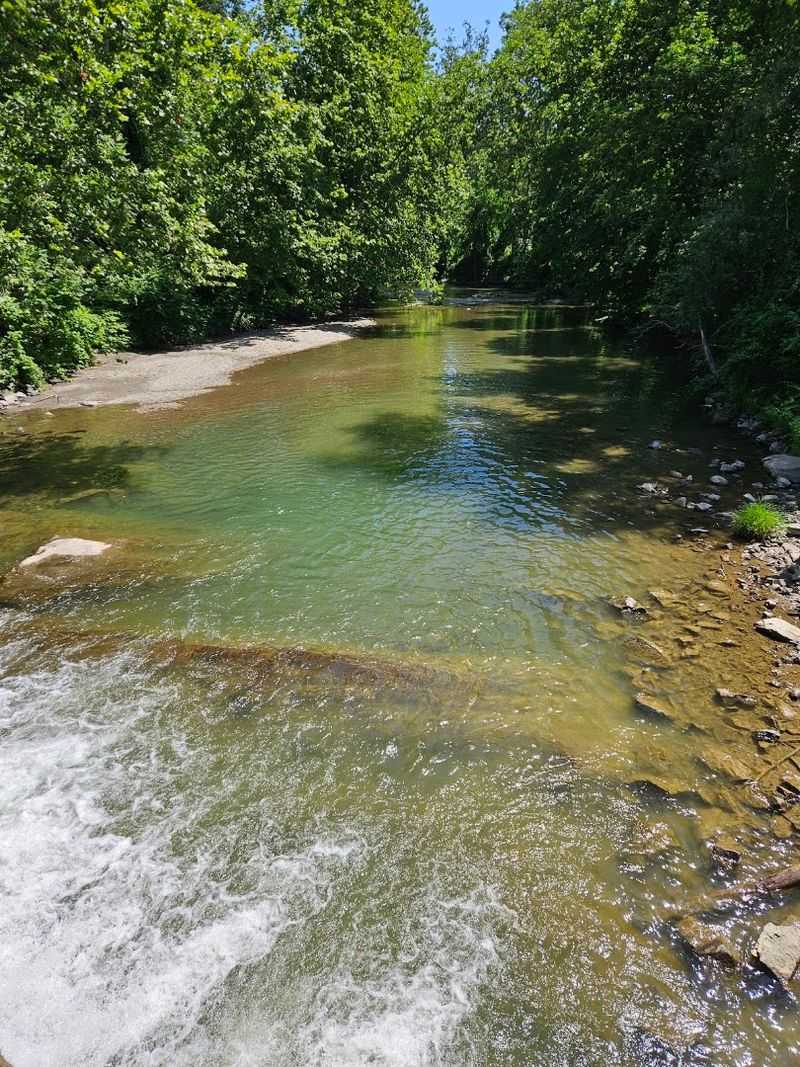
The moment you step into the Upper Green River, your body gets the message immediately. Cold.
Genuinely, refreshingly, catch-your-breath cold. On a hot July afternoon, that first plunge feels less like swimming and more like a full-body reset, the kind that clears your head and makes the rest of the day feel lighter.
The swimming experience here is elemental in a way that public pools and even some popular lakes just cannot replicate. There are no roped-off lanes, no lifeguard stands, no speakers playing background music.
Just moving water, birdsong, the occasional splash of a jumping fish, and the sound of wind through the canopy above.
That said, the river does have current, and it demands respect. Before getting in, take a few minutes to watch the water and read how it moves.
Late spring runoff can make the flow surprisingly powerful, while July and August tend to offer the gentlest conditions and the warmest water temperatures. There are no staff on site, so every swimmer is responsible for their own safety.
Confident swimmers who are comfortable in moving water will find this place absolutely worth it. Beginners should wade carefully and stay close to the shallower edges.
The Forest Surrounding the River Is Its Own Reward
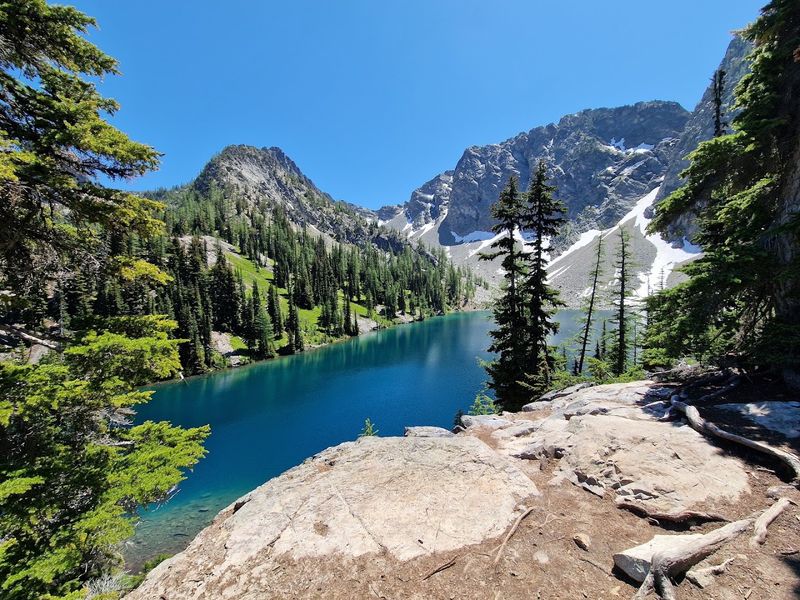
Even if you never got in the water, the forest here would be reason enough to make the drive. The trees along the Upper Green River are enormous, the kind of old-growth Douglas firs and western red cedars that take centuries to grow to their current size.
Their roots grip the mossy boulders at the water’s edge like they have been there forever, which they basically have.
The understory is thick with ferns, especially in late spring when everything turns an almost aggressive shade of green. Wildflowers push up through gaps in the canopy, and the whole forest floor feels soft and layered, like the land has been building itself up for a very long time.
Autumn shifts the mood entirely, painting the hillsides in gold, amber, and rust.
Wildlife is genuinely present here, not in a zoo-exhibit kind of way but in a real, unscripted sense. Songbirds move through the branches overhead, deer sometimes appear at the river’s edge in the early morning, and black bears occasionally pass through the tree line.
The broader Okanogan-Wenatchee National Forest also supports elk, bald eagles, and northern spotted owls. You are not just visiting a swimming hole, you are stepping into a functioning, breathing ecosystem.
Best Time of Year to Make the Trip
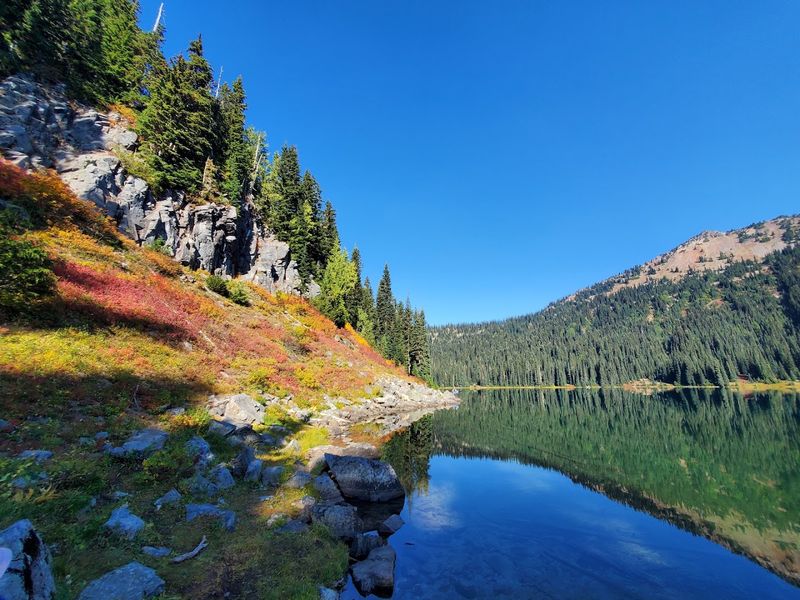
Timing your visit makes a real difference at the Upper Green River. The swimming season generally runs from June through September, but not all of those months feel the same.
Late spring is beautiful for the lush greenery and wildflower blooms covering the hillsides, though the snowmelt can push the river flow higher and faster than comfortable for swimming.
July and August hit the sweet spot. Water temperatures climb to their most tolerable levels, currents settle into a gentler rhythm, and the long daylight hours mean you can linger well into the evening without losing the light.
Those two months are when the swimming here is at its absolute best, and the forest feels fully alive around you.
September brings a quieter, more contemplative mood. The crowds, such as they are at this low-key spot, thin out noticeably, and the early signs of fall color start creeping into the hillside trees.
Always check recent weather conditions before you go, especially if there has been heavy rain or an unusual warm spell that could accelerate snowmelt. Water levels and clarity can shift quickly, and a quick check before leaving home could save you a disappointing drive.
Why This Spot Stays a Secret and How to Keep It That Way
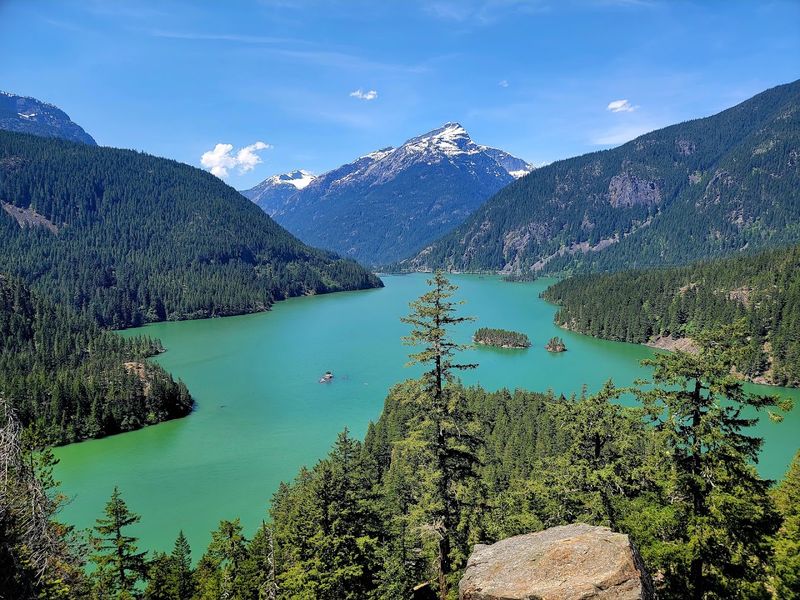
Part of what makes the Upper Green River so special is exactly what makes it hard to describe without feeling a little guilty about it. There is no parking lot, no ranger booth, no trail map at the trailhead.
The access roads are unmarked enough that most casual day-trippers never find the good spots. That informality is the whole point.
Because there are no facilities, visitors carry full responsibility for what they bring in and what they take out. Trash left behind at spots like this has a way of ending up in the water, which damages the very thing that makes the place worth visiting.
Pack a bag for your garbage, and honestly, pick up anything that was not yours if you see it on the bank.
Respect goes beyond just trash. Keep noise low, give wildlife space, and avoid trampling the ferns and riverbank vegetation that hold the soil in place.
The Washington’s Okanogan-Wenatchee National Forest covers over 4 million acres, but individual spots within it are fragile. The reason this river still looks and feels like a discovery is because the people who found it before you treated it well.
Carry that forward, and the next person who stumbles onto this place will feel just as lucky as you did.
