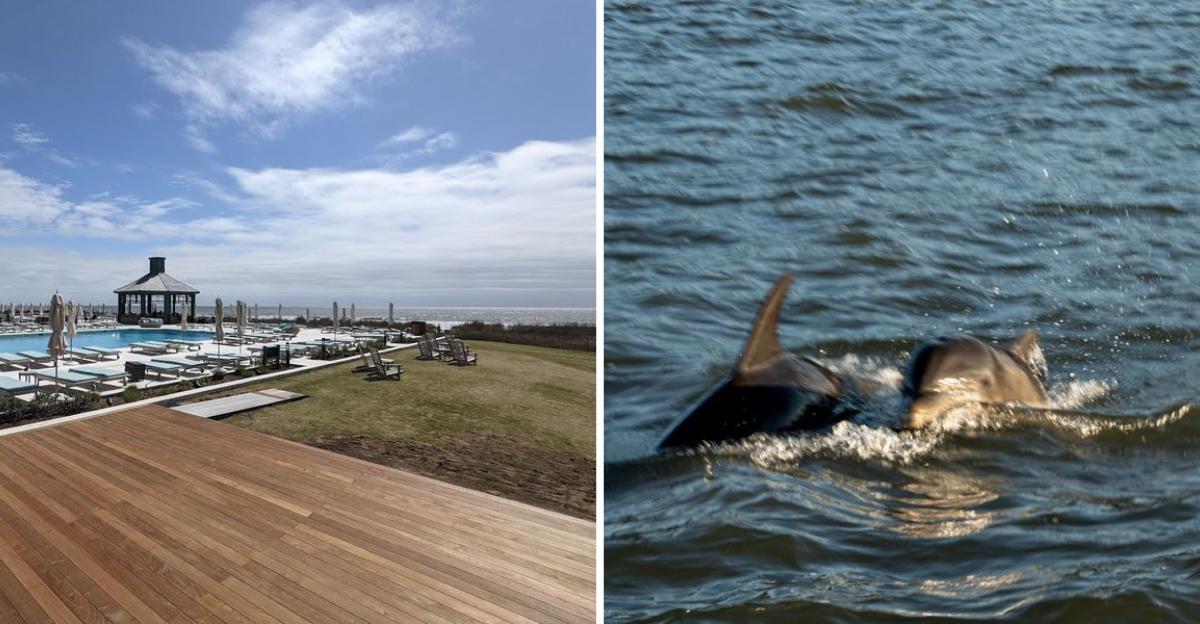
Some barrier islands along the South Carolina coast still move at a slower rhythm, where miles of uninterrupted Atlantic shoreline stretch between maritime forest and shifting salt marsh.
Wide beaches open into long, quiet expanses where footprints disappear quickly and the horizon feels almost endless. Dolphins often surface just beyond the breaking waves, moving close to shore as if the water belongs entirely to them.
Nothing about the landscape feels rushed or crowded, shaped instead by tide, wind, and open space that refuses to be filled. A quiet barrier island on the South Carolina coast with wide beaches and maritime wildlife quietly resets what a beach escape can feel like.
The 10-Mile Beach That Feels Like It Was Made for Solitude
Most beaches I have visited come with a soundtrack of beach umbrellas snapping open and radios competing for airspace. Kiawah’s beach is different in a way that takes a moment to fully register.
The shoreline runs for ten full miles, and the island’s strict development rules mean that most of it stays beautifully, almost stubbornly, empty.
The sand here is packed firm near the water’s edge, which makes it easy to walk long distances without your legs giving out. Shorebirds pick along the tideline with great seriousness.
Ghost crabs dart sideways into the wet sand like tiny, panicked commuters.
What strikes you most is the quiet. Not the absence of sound, because the ocean is plenty loud, but the absence of human noise.
No vendors, no jet ski engines, no music bleeding from a nearby bar. Just the rhythm of the Atlantic doing what it has always done.
Kiawah’s beach is one of those places where you actually feel your shoulders drop the moment your feet hit the sand. It rewards slow walking, early mornings, and absolutely zero agenda.
Bottlenose Dolphins That Treat the Shoreline Like a Buffet
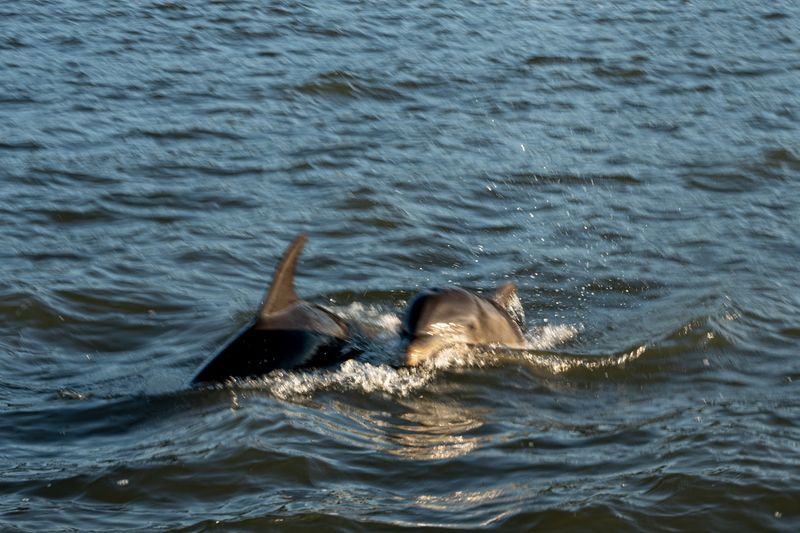
Kiawah Island is home to one of the most jaw-dropping wildlife behaviors you can witness anywhere on the East Coast. A resident pod of roughly 25 bottlenose dolphins lives in the island’s waterways year-round, and they have developed a hunting technique so clever it has drawn the attention of marine biologists from around the world.
It is called strand feeding. The dolphins work together to herd schools of fish toward the shoreline, then surge partway onto the bank to snatch them up before sliding back into the water.
The whole sequence happens fast and looks almost choreographed. Captain Sam’s Inlet is one of the best spots to catch this behavior in action.
Seasonal migration brings additional dolphins into the area during warmer months, so the population swells beyond the resident pod. Seeing this up close requires no boat, no gear, and no special timing.
You simply show up, pay attention, and let the water do the rest. It is the kind of wildlife encounter that feels genuinely wild rather than staged, and it tends to permanently change how you think about dolphins.
Captain Sam’s Inlet and the Art of Watching Wildlife Do Its Thing
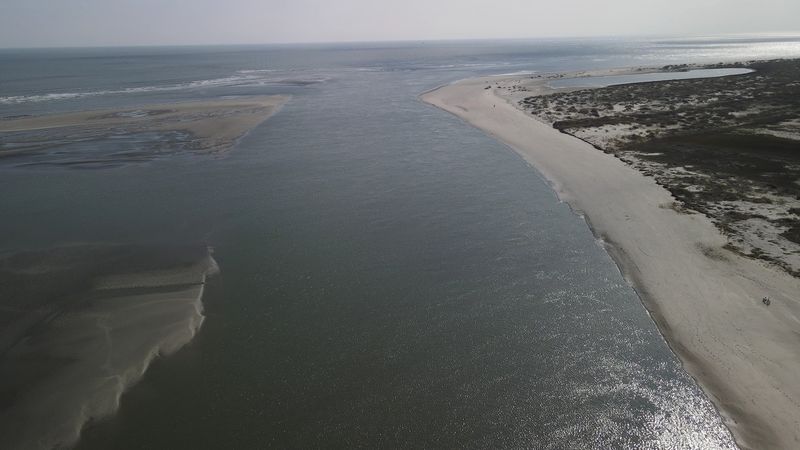
Captain Sam’s Inlet sits at the southwestern tip of Kiawah Island, where the beach curves and the tidal creek meets the ocean in a shallow, fish-rich mixing zone. It looks unremarkable at first glance, just a sandy bend where the water changes color and the current slows down.
But spend twenty minutes there and you start to understand why it matters.
This is ground zero for the island’s famous strand feeding events. The geography of the inlet creates the perfect trap for baitfish, which in turn draws the dolphins back again and again.
Local wildlife enthusiasts have watched this behavior play out here for decades.
Beyond dolphins, the inlet draws wading birds like great blue herons and reddish egrets, plus the occasional loggerhead sea turtle during nesting season. The whole scene operates on its own schedule, completely indifferent to human plans.
I found it oddly comforting to sit at the water’s edge and simply watch something unfold that had nothing to do with me. Bring patience, a pair of binoculars if you have them, and a willingness to sit still longer than you think you need to.
Maritime Forest Trails That Keep Things Interesting Between Beach Days
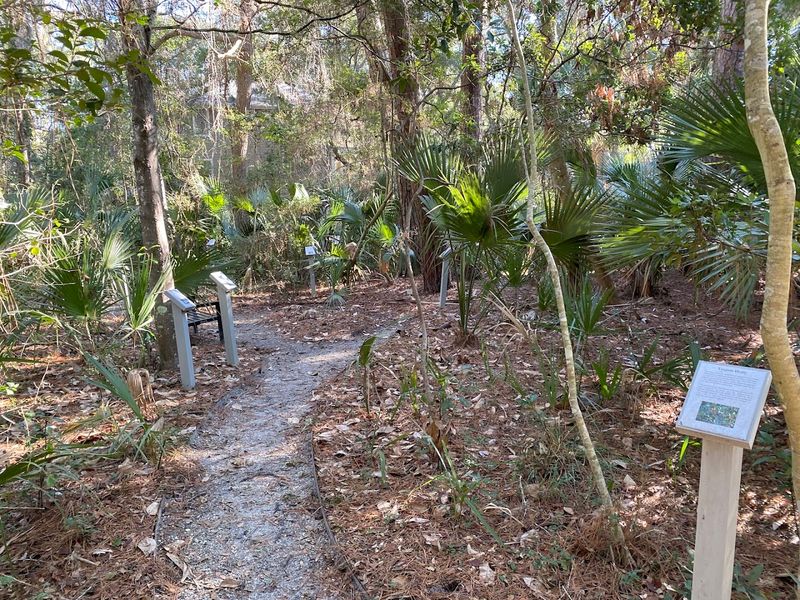
Not every great moment on Kiawah Island happens at the water’s edge. The island’s interior is threaded with more than 30 miles of paved and natural surface trails that cut through one of the most intact maritime forests on the South Carolina coast.
Live oaks draped in Spanish moss lean over the paths and block out the midday heat in the best possible way.
Biking is the most popular way to cover ground here. Rentals are easy to find, and the flat terrain makes it approachable for almost any fitness level.
The trails connect the beach to the marsh, the resort areas to the quieter residential edges of the island.
I took a solo morning ride through the forest section near the Nature Center and spotted a white-tailed deer browsing in the undergrowth without any concern for my presence. River otters occasionally appear near the freshwater ponds.
Painted buntings, which are arguably one of the most colorful birds in North America, pass through during migration. The forest feels like a full ecosystem operating in parallel to the beach, and it is worth setting aside at least half a day to explore it properly.
Sea Turtle Nesting Season and the Quiet Drama of a Loggerhead Beach
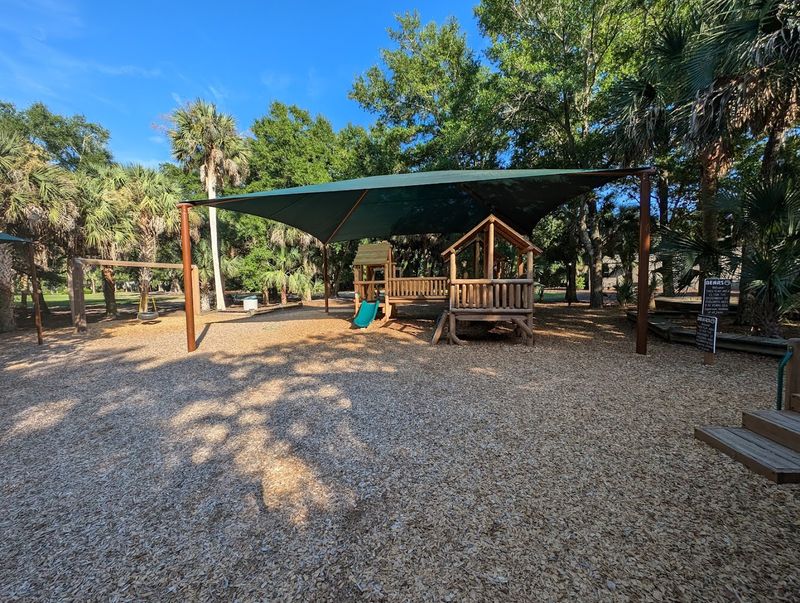
From late May through August, Kiawah Island’s beach becomes one of the most important loggerhead sea turtle nesting sites on the entire East Coast. Female loggerheads, some of them decades old, haul themselves onto the beach after dark to dig nests and lay clutches of eggs in the warm sand.
It is a slow, ancient process that has been repeating itself long before anyone built a resort here.
The Kiawah Island Golf Resort and local conservation teams monitor the nests carefully throughout the season. Marked nest stakes become familiar sights along the beach by midsummer, and the hatchling emergence events later in the season draw quiet crowds of respectful watchers.
The island takes this responsibility seriously. Beachfront lighting is managed to avoid disorienting nesting females and hatchlings, and public education about nesting etiquette is visible throughout the community.
Witnessing a nest emergence, dozens of tiny turtles scrambling toward the surf in the predawn light, ranks among the most moving natural spectacles I have ever seen at a beach. It is not guaranteed, but if the timing works out, it is the kind of thing you carry with you long after you have gone home.
The Kiawah Island Golf Resort and Why Non-Golfers Still Love It Here
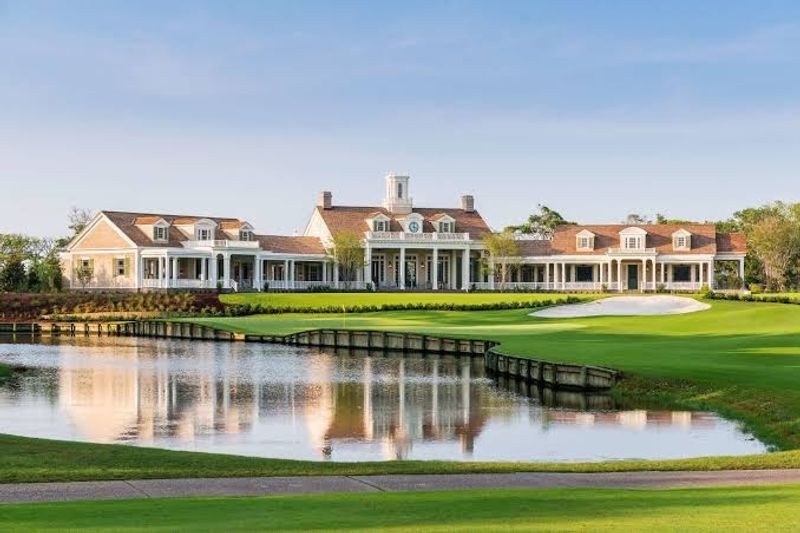
Golf is woven into Kiawah Island’s identity in a way that is hard to ignore, but it does not define the whole experience. The Kiawah Island Golf Resort operates five championship courses, including the Ocean Course, which has hosted major professional tournaments and is widely considered one of the most scenic and challenging layouts in the country.
The fairways run along the ocean with views that make even non-golfers stop and stare.
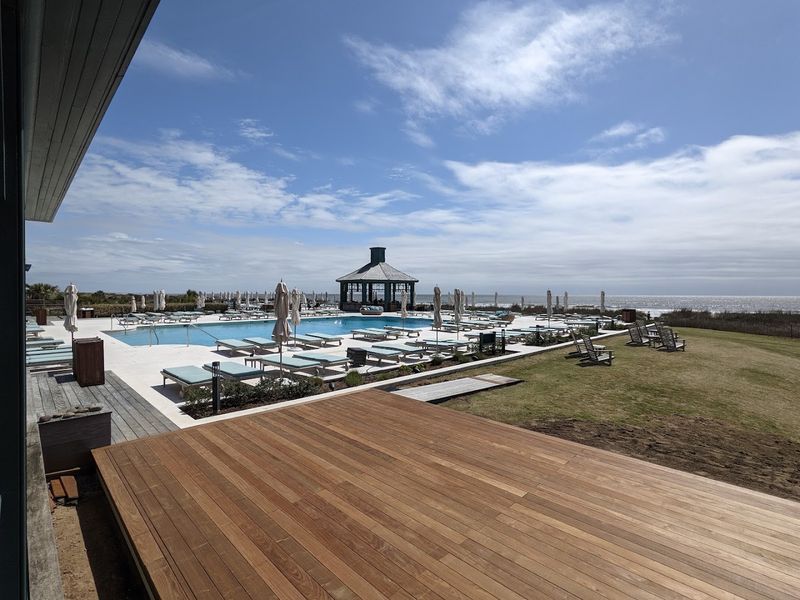
The resort itself functions as a self-contained destination with spa services, pools, tennis courts, and dining options spread across the property. It sits comfortably within the larger island without overwhelming the natural character of the place.
That balance is something Kiawah pulls off better than most resort communities.
Even if you never pick up a club, the resort’s presence means the island has solid infrastructure: well-maintained trails, beach access points, and a general sense of care about the environment. The Sanctuary Hotel, the resort’s flagship property, sits back from the beach in a way that feels respectful rather than domineering.
Kiawah Island Golf Resort is located at 1 Sanctuary Beach Drive, Kiawah Island, South Carolina.
Getting to Kiawah Island and Making the Most of Your Time There
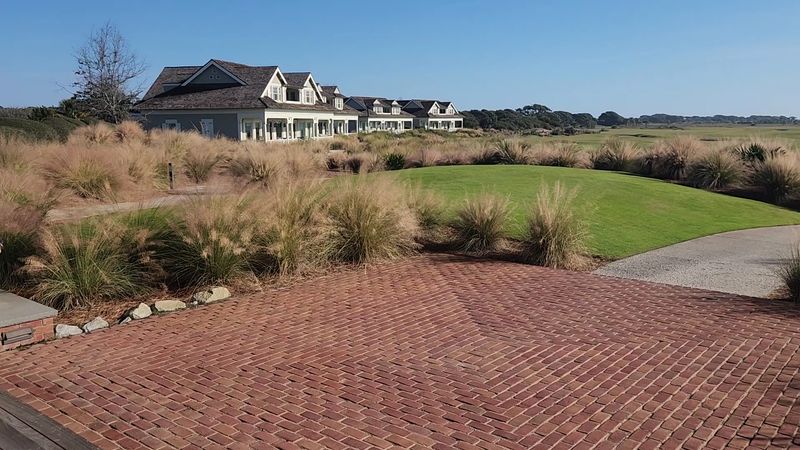
Kiawah Island sits about 25 miles southwest of downtown Charleston, which makes Charleston the natural gateway for most visitors. The drive from the city takes roughly 45 minutes depending on traffic, and the approach through the Sea Islands feels like a gradual decompression, each mile a little quieter than the last.
Charleston International Airport is the closest major airport and is served by multiple airlines.
The island operates as a gated community, so day visitors typically access it through the Kiawah Island Beachwalker Park, which is the only public beach access point on the island. It is managed by Charleston County and sits at the western end of the island near Captain Sam’s Inlet.
Parking fills up on summer weekends, so arriving early genuinely makes a difference.
Accommodation options range from the full-service Kiawah Island Golf Resort to privately rented villas and homes scattered across the island’s residential areas. Staying on the island overnight changes the experience significantly.
Mornings before the day visitors arrive are extraordinary, cool light, empty beach, dolphins already working the shallows. That early quiet is worth planning around.
Address: South Carolina, Kiawah Island.
