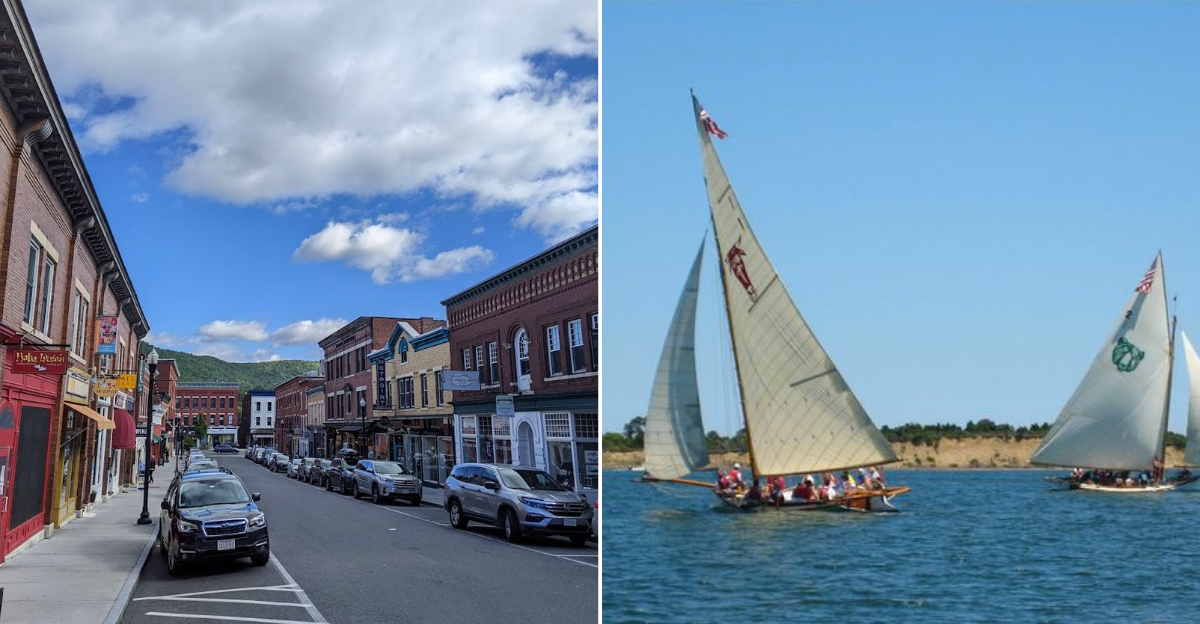
It is hard for a town to keep feeling stable when the cost of living keeps rising and more residents start realizing the numbers no longer work in their favor. That is the pressure building in parts of Massachusetts right now, where climbing housing costs, taxes, and everyday expenses are making it tougher for some people to stay rooted where they are.
These changes do not always arrive with one obvious turning point. More often, they show up gradually through smaller populations, shifting neighborhoods, and the quiet sense that daily life is getting more expensive than many households can comfortably absorb. That is what makes this topic feel heavier than a typical population story.
It is not just about towns losing people on paper. It is about communities feeling the strain as higher costs reshape long-term plans, local stability, and who can still afford to remain.
Some places are adapting, while others are feeling the pressure more sharply with each passing year. This list takes a closer look at Massachusetts towns where that shift is becoming harder to ignore.
1. Provincetown
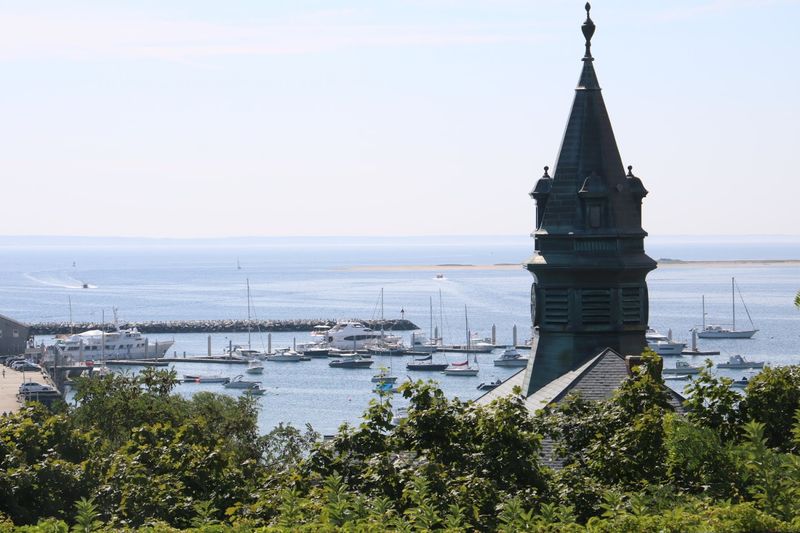
You know that feeling when a place still sparkles but the crowd tilts more seasonal than steady? That is the rhythm you notice on Commercial Street now, where gallery lights glow, bikes lean against fences, and a quiet pause settles in between bursts of summer energy.
Talk to folks at the hardware store or outside a studio, and you hear the same thing said in different ways, which is that year round life keeps getting trickier.
Housing sits at the center of it, with older cottages snapped up as investments and small apartments disappearing into renovations that look great yet leave fewer options for people who keep the lights on in winter. Even if you love the dunes and the harbor air, the choice gets hard when everyday costs stack up and the ferry feels like a bridge to a more affordable future.
No one blames anyone, but you can feel the drift.
Walk past the library, peek at a quiet seating nook, and notice how many windows are dark on weeknights. That is not failure, just the reality of a postcard town adapting to the pressures that hit much of Massachusetts.
Creative people still show up here, and the spirit is stubborn, but the base of permanent neighbors seems thinner than it used to be. If you need proof, pause on a chilly afternoon and listen to the wind carry conversations about roommates, side gigs, and long drives to service jobs across the water.
2. Gloucester
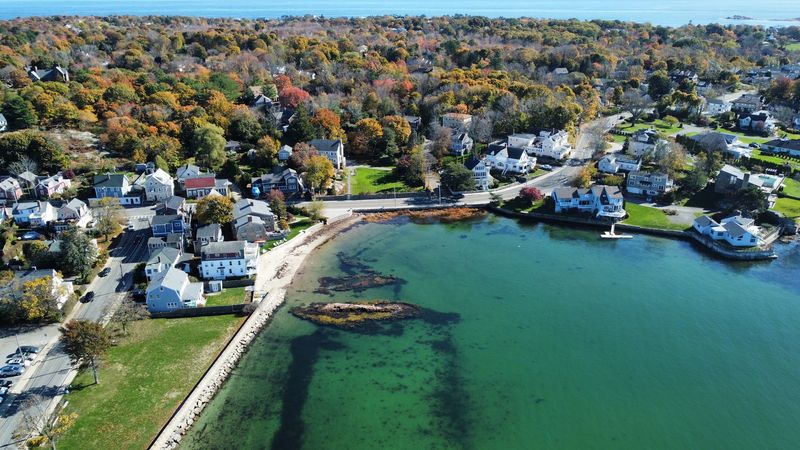
Stand by the harbor and you can read the story in the boats and the quiet. Gloucester still works hard, and you feel that pride everywhere, but there is also a steady whisper that the numbers for living close to the docks do not pencil out like they used to.
People weigh commuting from farther inland or moving altogether, and that choice wears on families.
Look at the older multifamily homes and the tight streets, and you see how renovations have reshaped the mix. A fresh coat of paint is nice, yet it sometimes ends with the same apartment split differently or priced beyond what crew members or teachers can swing.
The historic core holds its character, but the baseline cost of staying put creeps upward until long roots start to loosen. It is not dramatic on any single day, though you notice more mailboxes without stickers and porches that stay dark midweek.
What keeps the place grounded is the work ethic and the sea, which do not bend easily. Still, Massachusetts realities ride in on that same tide, and outmigration is not just a headline to folks comparing rent to take home pay.
If you sit on a harbor bench near sunset, you can watch empty stools inside small spaces and imagine the regulars who once gathered nightly. The bones are strong, but the everyday crowd feels thinner, and quieter, than the photos suggest.
3. Falmouth
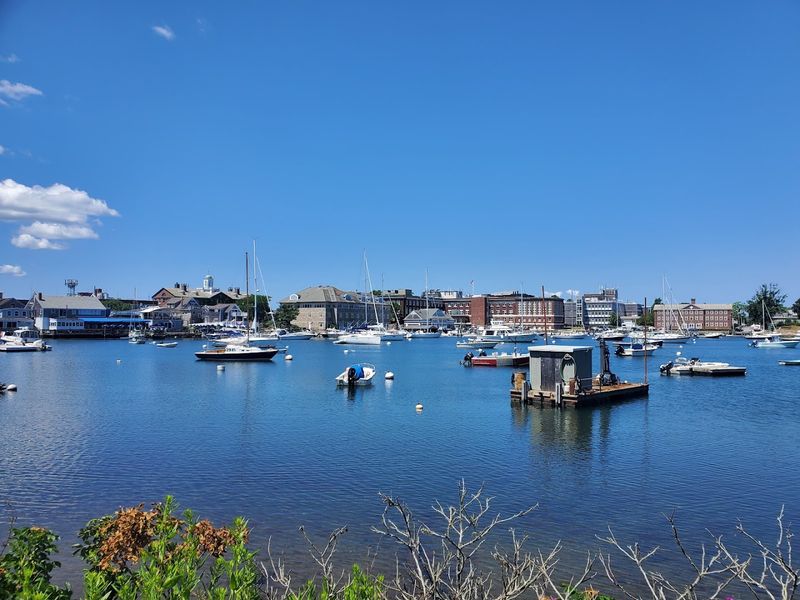
Drive the back roads and you catch those small clues that year round life is fighting for space. Recycling bins lined up only on certain weeks, curtains pulled tight, and real estate flyers tucked behind door handles tell their own story.
People still adore the shoreline and the bike paths, but the middle ground for regular living feels squeezed from both sides.
Ask around and you hear about friends splitting leases or hopping between winter and summer places, which sounds romantic until you try it through a nor’easter. The schools and service jobs still anchor the town, yet the price of entry into a steady, close to work setup keeps floating out of reach.
There are new roofs everywhere and spruced up porches, though fewer homes seem to glow every night, which says plenty about who is actually here in the off season.
None of that erases the charm, it just complicates it. Massachusetts has a lot of towns wrestling with the same pressures, and Falmouth shows the tension clearly while still feeling welcoming on a slow morning.
Sit near a small green and look at the empty benches, and you will picture the families who left because the budget lost the argument. The shoreline is not going anywhere, but neighbors are, and that subtle shift changes the sound of the place the moment the weekend crowd heads home.
4. Dennis
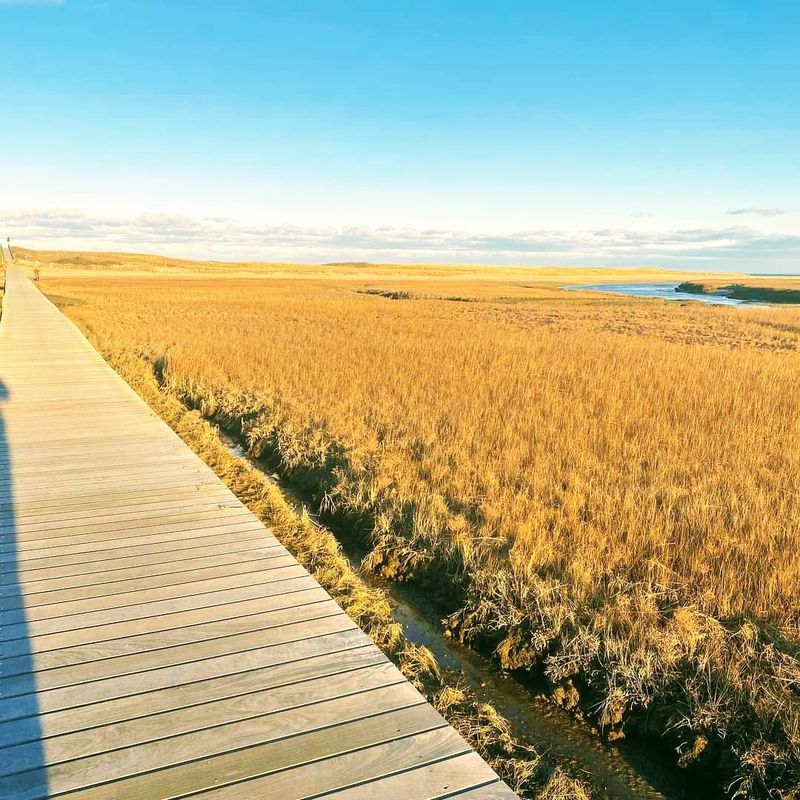
Here is a town that looks steady from a distance and feels lighter when you slow down and notice the cadence. Drive past the beaches on a chilly weekday and you can hear your own footsteps on the boardwalk, which tells you who is around and who is not.
Locals talk about friends pushing inland because the rent leapfrogged their raises.
Every conversation circles back to housing, but it is also about energy bills, car repairs, and the tax bite that stacks right up to the ceiling. When people start adding up costs like that, they make different choices, and Dennis watches those choices in real time.
You see houses with lawn signs twice a year and cozy cottages locked tight for long stretches, which is how a neighborhood turns into a patchwork. The town keeps the basics humming, though the weekday hum is definitely softer than it once was.
Massachusetts is proud and resilient, and you feel that on the village greens, yet the migration path out of town keeps getting smoother. Sit on a bench by the library or the town hall and it almost feels like the set of a show between scenes.
That pause can look peaceful, but it also speaks to families who could not line up a workable budget. The coastline still brings joy, just not enough monthly stability to keep everyone planted.
5. Orleans

You can spot the shift here by how quickly the sidewalks empty once the weekend wraps. Orleans has that compact center that feels practical and neighborly, but the constant climb in expenses has made casual stability feel like a special trick.
People who once lived above shops or just off the rotary now eye longer drives or different zip codes.
Talk to someone locking up a studio and they might tell you they love the work but cannot justify the rent, and that is the whole story in one sentence. The town’s buildings look tidy and grounded, yet inside the spreadsheets do not forgive.
A fresh door, a new roofline, and tasteful lighting can signal reinvestment, or a turnover that leaves one fewer spot for a barista or a plumber. It is a delicate balance, and lately the weight has been tilting away from full time neighbors.
Massachusetts towns everywhere are asking similar questions, and Orleans adds a clear voice to that chorus. Park near a small green and you will notice open seats, calm sidewalks, and quiet houses at dusk, all of which suggest a softer resident base.
There is still warmth in the greetings, and people still root for each other, but endurance needs math to cooperate. When the math will not, people drift inland or south, and the evening streets remember them.
6. Eastham
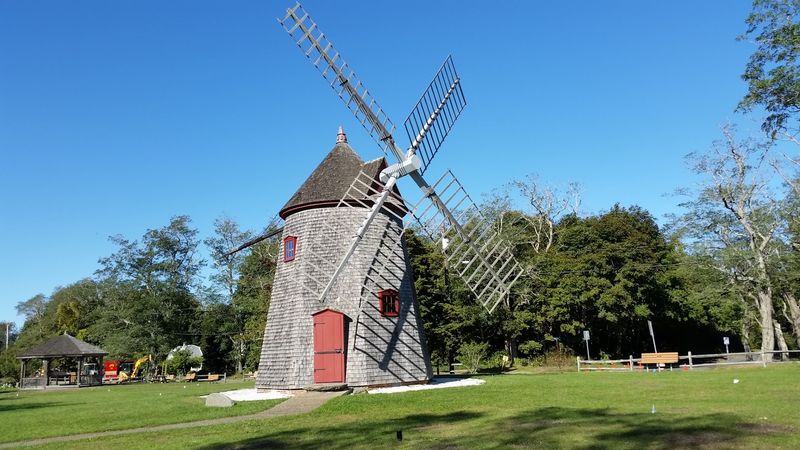
Out here you feel the edge of the Cape in the wind and in the calendar. Eastham holds tight to a quieter rhythm, which once made it a reliable year round setup for folks who liked calm nights and quick beach access.
Lately, even that calmer lane feels squeezed by rising bills that do not blink for small paychecks.
Neighbors compare notes about seasonal rentals, house shares, and winter friendly options that still keep them near work, and the math gets old fast. You will spot more homes with fresh trim and fewer with steady porch lamps through the week, an easy shorthand for who is living here consistently.
The conversation is not angry, just tired, because everyone knows the coast is special and the costs will keep following that value. The question becomes how long you can stretch a budget before something gives.
Massachusetts has plenty of towns in the same bind, but Eastham’s spread out feel makes the gaps more visible. Sit by a trailhead or a small community building and count the empty parking spaces, then picture the volunteers who used to fill them.
That is where the change shows up, in the little rhythms that anchor a year, and lately those rhythms sound thin. The horizon stays gorgeous, and the sand stays soft, while the resident list quietly shortens.
7. Chatham
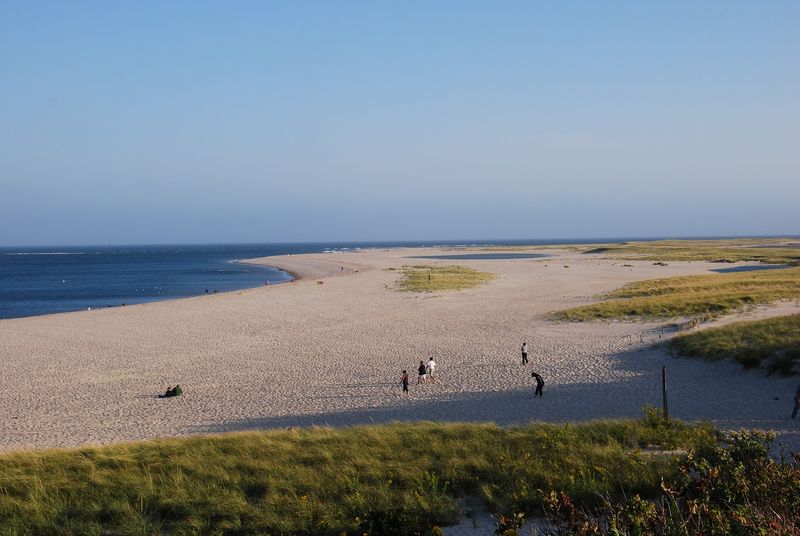
Some towns wear their polish lightly, and Chatham is one of them, but polish does not pay the heating bill. You can walk the central stretch and admire the windows and the trim while sensing a thinner weekday crowd than the postcards promise.
Longtime residents talk about the slow squeeze without drama, which honestly makes it hit harder.
There is a tug of war between seasonal brightness and everyday stability, and stability keeps giving ground. A house that once fit a year round crew gets refitted into something lovely that serves a different calendar, and each of those changes nibbles at the edges of the community.
People adjust, but the adjustments stack up until a goodbye becomes the practical answer. You notice it at the post office lines and in the quiet corners of small municipal buildings where neighbors used to bump into each other daily.
Across Massachusetts, those little signals have been multiplying, and Chatham is a clear example you can feel with a single slow stroll. Benches stand open, porches glow fewer nights, and conversations turn toward carpooling from towns that still pencil out.
The coast remains steady, and pride runs deep, though the math of staying close to that blue water keeps pushing. When you linger at dusk, it is the silence that tells the story.
8. Great Barrington
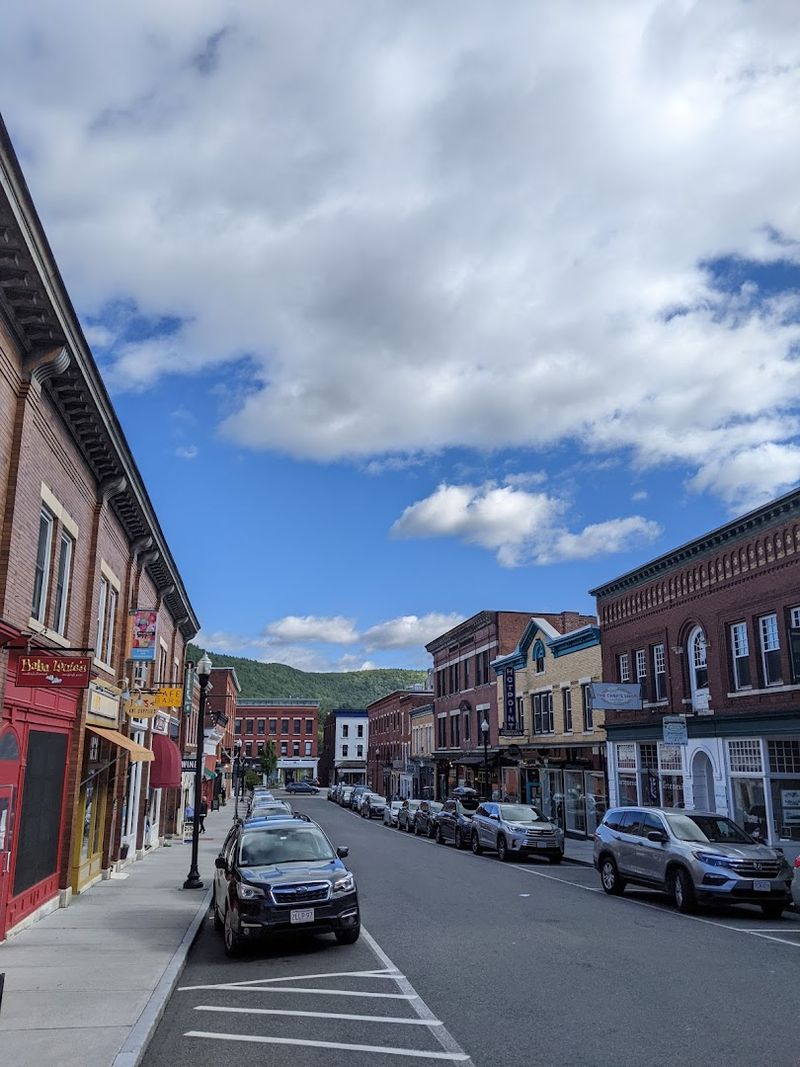
Head west and the picture changes, yet the theme stays familiar. Great Barrington still feels creative and comfortable, with bookstores and theaters that make a rainy day feel like a plan.
Even so, the everyday costs in the Berkshires have climbed, and people are quietly choosing simpler spreadsheets in nearby states or farther down the valley.
What stands out here is the mix of second homes, cultural anchors, and a service economy that has to chase rising bills. Apartments above shops are limited, older houses shift into short calendars, and starter places get snapped up before a young family even books a viewing.
It is not about one culprit, just a layered pile of expenses that never stops growing. The result is that midweek energy softens, and neighbors who once waved daily become folks you catch only during events.
Massachusetts remains proud of these small towns, and rightly so, yet pride does not lower monthly costs. Sit on a bench near the river and you will see the charm is undimmed while the baseline resident crowd feels lighter.
People still chat warmly about trails and art, but then they swap notes on commutes from farther out. That combination tells you exactly why the population picture wobbles, even when the streets look beautifully kept.
9. Boston
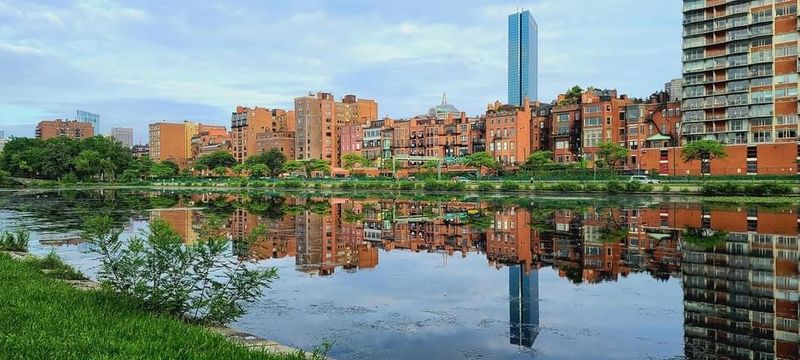
I know, the city feels like it is booming, and in many ways it is, but that is only part of the story. Plenty of people come for opportunity and energy while another group quietly decamps because the day to day arithmetic just will not budge.
You can love the neighborhoods, the parks, and the skyline, and still realize your budget breathes easier elsewhere.
Walk a side street lined with brick rowhouses and count how many units keep lights off most weeknights, which hints at roommates juggling shifts or places held by folks who will not settle long term. It is not dramatic on a single block, yet across the city the strain adds up.
The conversation among friends has shifted to finding jobs that match remote life or planning a reset in a state where winters feel cheaper. That churn shows up in building lobbies and on moving days that do not wait for weekends.
Massachusetts depends on this hub, but the hub depends on residents who can actually stay. Sit on a stoop and the quiet between passing buses tells you what the spreadsheets already said.
People still root for the city, and it rewards that loyalty, but the affordability squeeze keeps pushing. Some stick, some stretch, and more than a few step away.
10. Salem
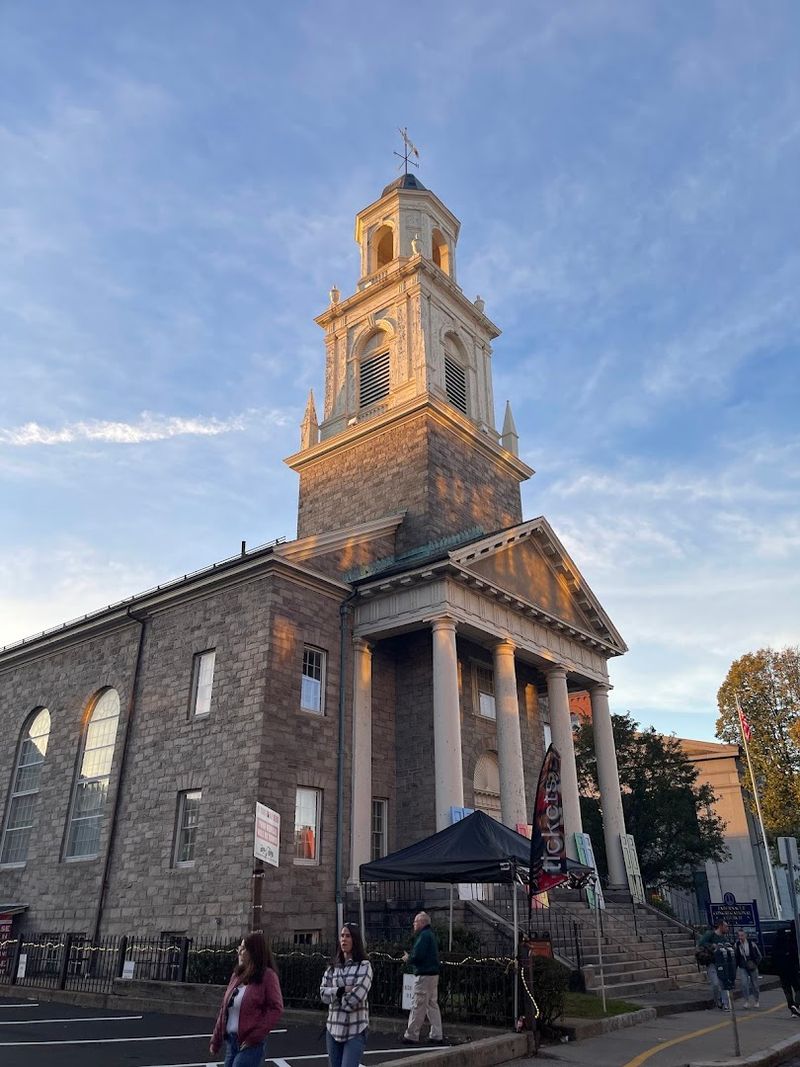
Strip away the festival buzz and look at an ordinary Tuesday, and you will hear a quieter story. Salem’s historic core remains magnetic, yet the expenses that ride along with that magnetism can make settling in feel like a long uphill walk.
People love the history and the train, but when rents rise faster than pay, plans change.
Local workers talk about patchwork solutions that used to feel temporary and now stretch into regular life. A roommate turns into three, a short commute becomes longer, and the search for a stable lease becomes its own job.
The architecture is as handsome as ever, and the sidewalks look welcoming, but behind the shutters there is a lot of budget math that does not add up. That disconnect shows up in quieter porches, fewer weeknight lights, and goodbyes said without fanfare.
Across Massachusetts, that pattern is playing out, and Salem fits the broader plot while still feeling undeniably itself. Sit on a brick bench near a small square and the calm feels lovely until you notice how many nearby windows are dark.
People will keep visiting, and the museums will keep telling stories, while residents decide whether they can keep telling their own here. Lately, more are choosing to tell them somewhere else.
11. Yarmouth
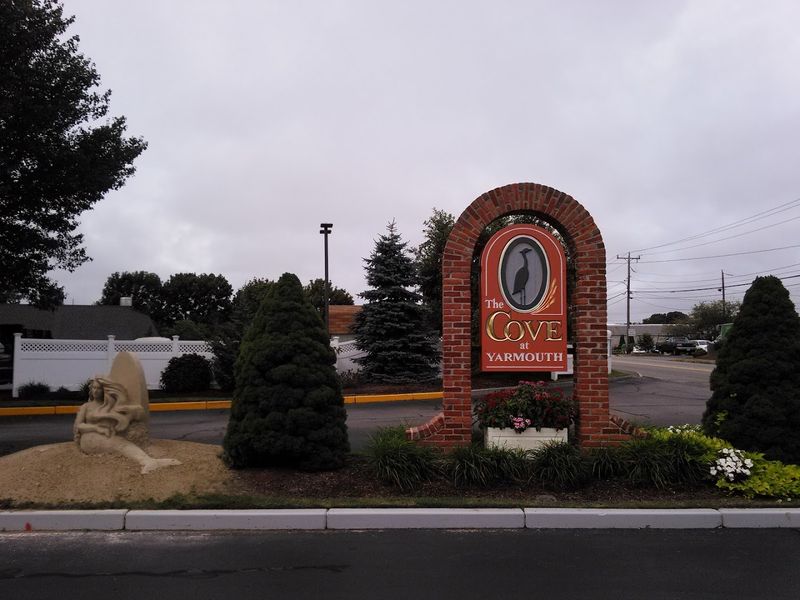
Some towns whisper their changes, and Yarmouth is one of them. You drive a few blocks off the main road and sense a lighter midweek beat, with fewer porch lights and more locked storm doors.
Talk to someone at a small service counter and they will nod about friends heading for towns where the rent does not swallow half their paycheck.
The shift is not only about housing, though that is the headline most days. Insurance, heat, and the simple cost of getting to work all push against the same wall.
People stretch, then they pivot, and the pivot usually points inland. You see it in the rhythm of neighborhood streets that feel busier on weekends and spare on regular evenings.
Massachusetts has been feeling that tug for a while, and Yarmouth lays it out clearly without drama. Sit by a small playground or a library lot and the stillness is unmistakable.
The coastline remains lovely, the pride remains steady, and the working backbone is still there, but the crowd that carried the weekdays is thinner. When friends say they are leaving, it is rarely about the weather or the scenery, it is about the budget finally winning the argument that heart kept postponing.
Dear Reader: This page may contain affiliate links which may earn a commission if you click through and make a purchase. Our independent journalism is not influenced by any advertiser or commercial initiative unless it is clearly marked as sponsored content. As travel products change, please be sure to reconfirm all details and stay up to date with current events to ensure a safe and successful trip.
