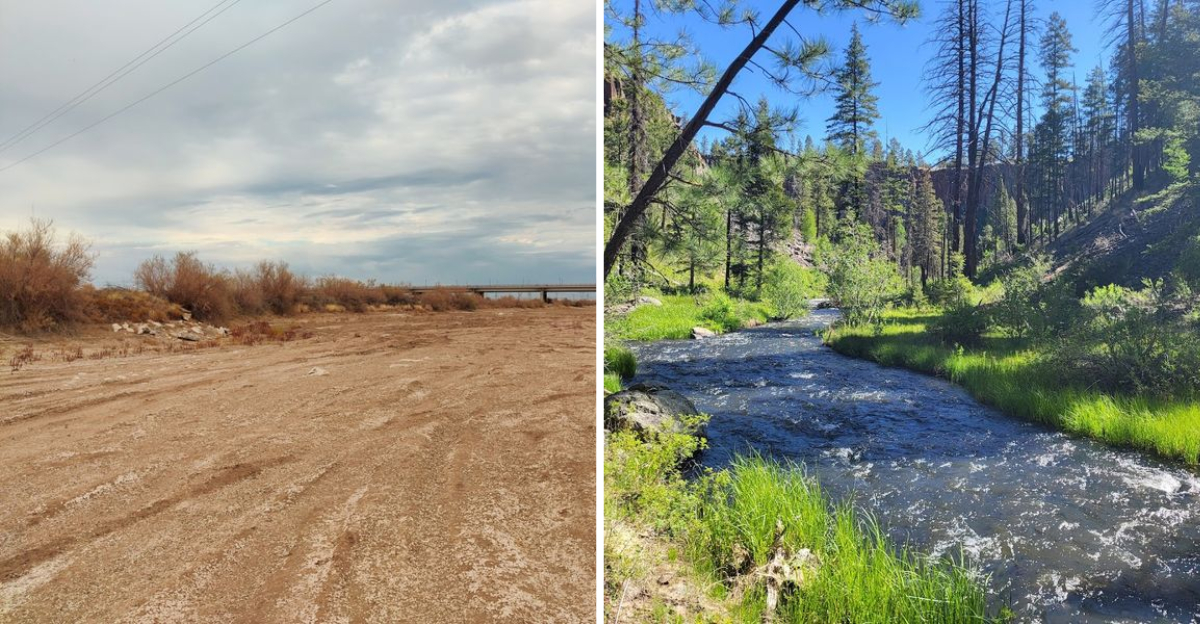
Arizona hides one of nature’s most dramatic secrets beneath its sun-baked surface: rivers that vanish without warning. The first time I reached what should have been a flowing riverbank, there was nothing but cracked earth, pale stones, and a silence that felt almost unreal.
It was as if the landscape had quietly pulled the water underground and refused to explain where it went. These disappearing rivers are not failures of nature.
They follow an ancient desert rhythm shaped by monsoon storms, flash floods, and relentless heat. Water arrives suddenly, rushes across dry channels, then slips back beneath the surface as quickly as it came.
Standing there, it’s easy to forget this cycle has been repeating for thousands of years, carving out one of the most unusual hydrological systems in North America. The desert doesn’t resist water; it simply handles it differently.
Seeing these rivers shifts perception of Arizona completely; less empty land, more living system of appearances and disappearances. Anyone drawn to raw landscapes and quiet natural mysteries finds moments like this hard to forget, where the ground itself seems to breathe in water and release it again without warning.
1. Gila River
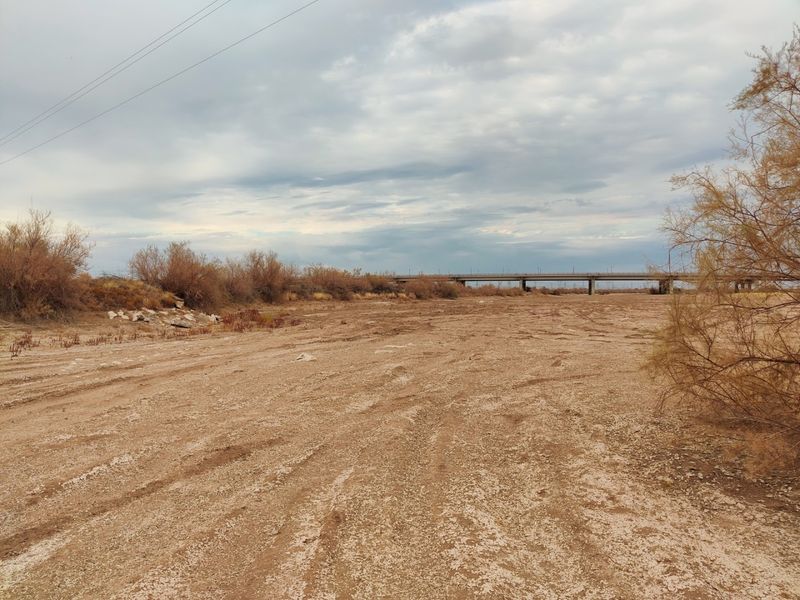
There is something quietly haunting about the Gila River in summer. It stretches for over 600 miles across Arizona, yet in many of its central sections, you will find no water at all.
The riverbed sits wide and pale, baked into hard, cracked patterns that look almost like abstract art.
Historically, the Gila was a perennial river, meaning it flowed year-round. Indigenous communities, Spanish explorers, and early American settlers all relied on its steady current for survival.
That changed dramatically as water diversions, dams, and agricultural demands pulled more and more water away from the channel.
Climate change has accelerated the drying. Summer heat bakes whatever moisture remains in the soil, and the river essentially vanishes into thin air between June and early July.
Then the monsoons arrive. Rain hammers the desert, and the Gila wakes up fast, sometimes violently, surging with muddy brown water that rushes downstream with surprising force.
Watching it transform is genuinely breathtaking. The river goes from ghost to roaring presence in just hours, reminding you that absence in the desert is rarely permanent.
2. Little Colorado River
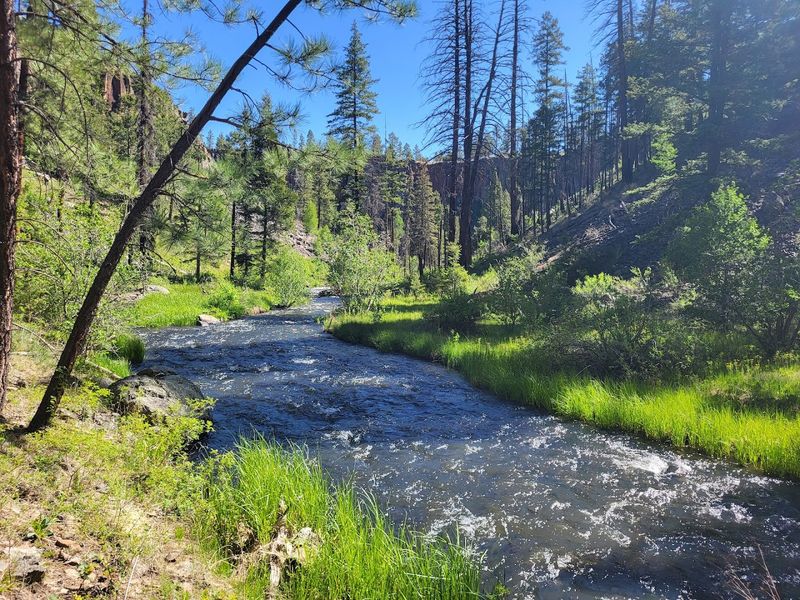
Few rivers in Arizona wear as many faces as the Little Colorado. Born high in the White Mountains, it begins life as a clear, cold stream rushing through pine-scented forests.
By the time it crosses into the open desert of eastern Arizona, something changes completely.
The middle sections spread out into a wide, braided wash, sandy and sun-bleached, with almost no visible water for much of the year. I found it oddly beautiful, this enormous dry channel cutting through rust-colored earth like a memory of a river rather than the real thing.
Birds still visit the banks. Cottonwood trees hold on stubbornly near the edges.
When heavy snowmelt pours down from the mountains in spring, or when monsoon storms pummel the plateau in late summer, the Little Colorado fills suddenly and dramatically. Its waters run a striking turquoise blue near the confluence with the Grand Canyon, stained by calcium carbonate minerals dissolved from the limestone below.
That vivid color against red canyon walls is one of Arizona’s most unexpected natural spectacles. The river disappears and returns, and each time it comes back, it brings something new to look at.
3. Agua Fria River
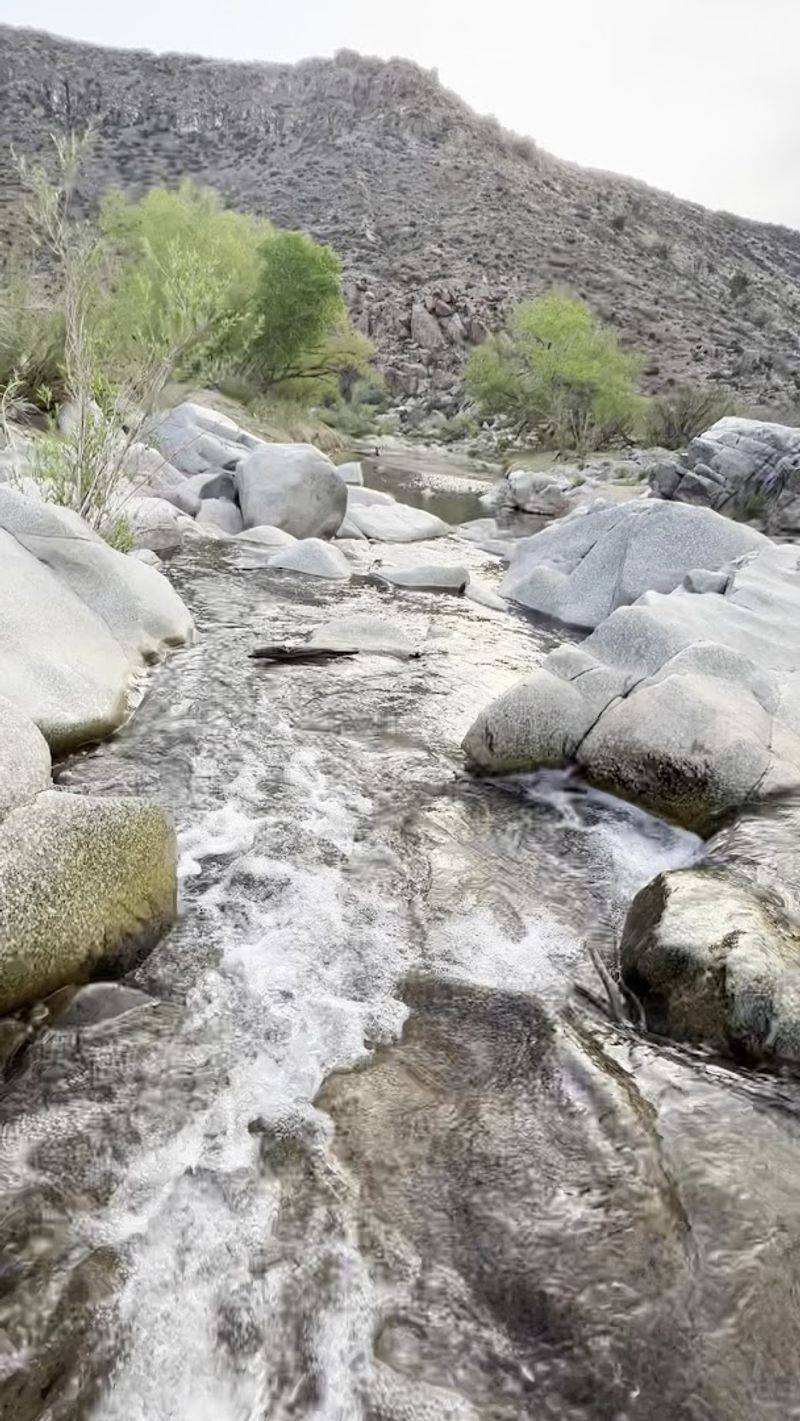
The name means cold water in Spanish, which feels almost ironic when you visit the Agua Fria River in the middle of July. The riverbed sits mostly dry, baking under temperatures that regularly climb past 110 degrees Fahrenheit.
Yet the name is not wrong. When water does flow here, it can run surprisingly cool and clear.
Rising northeast of Prescott, the Agua Fria flows south toward Goodyear, where it eventually joins the Gila River. Along the way, it passes through the Agua Fria National Monument, a stretch of high desert plateau covered in ancient ruins and petroglyphs left by people who lived here over a thousand years ago.
Those communities depended on this river, and their stone villages still overlook the dry channel today.
Monsoon season brings the Agua Fria back to life in a rush. Water fills the rocky gorges below the plateau, creating deep pools that attract herons, kingfishers, and the occasional river otter.
The contrast between the parched summer riverbed and the lush, flowing channel after a good monsoon storm is striking. It makes the whole landscape feel reborn, like the land has been holding its breath and finally exhales.
4. Hassayampa River
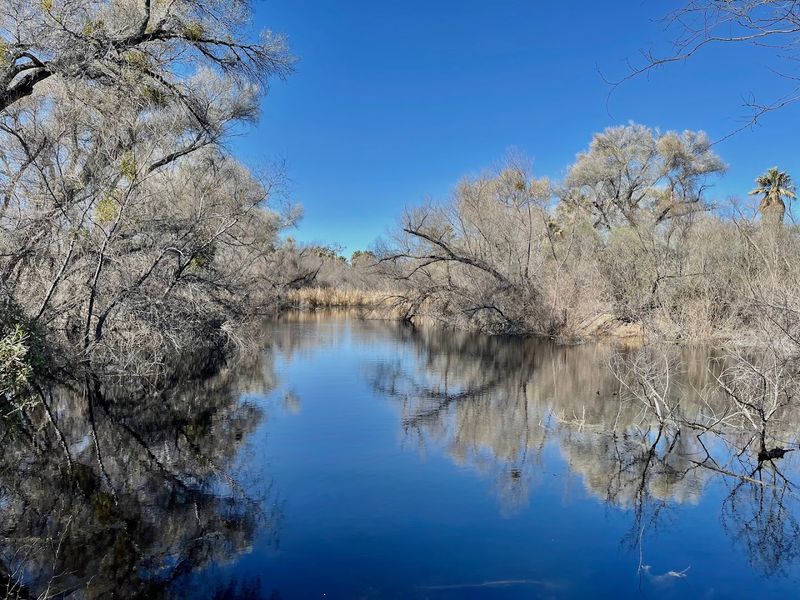
Arizona folklore claims that anyone who drinks from the Hassayampa River will never tell the truth again. Whether or not you believe that, there is something genuinely mysterious about this river.
It disappears underground in some stretches, flowing invisibly beneath the sand before resurfacing miles downstream as if nothing happened.
Near Wickenburg, a remarkable Nature Conservancy preserve protects one of the last cottonwood-willow riparian forests in the American Southwest. Even when the surface channel runs dry, the water table beneath stays relatively high, feeding the roots of massive trees that tower over the desert like green towers.
I was surprised by how lush it felt, standing under a canopy of cottonwood leaves while the surrounding desert baked in silence.
Above Prescott, the Hassayampa runs with more reliable flow, but its lower stretches become seasonal as the river winds south. Monsoon storms push water through the system fast and hard, and the river can rise dramatically within hours of a storm hitting the headwaters.
Then it quiets again, retreating underground or simply drying up as the heat reasserts itself. The Hassayampa is a river that keeps its secrets, flowing on its own schedule, indifferent to expectations.
