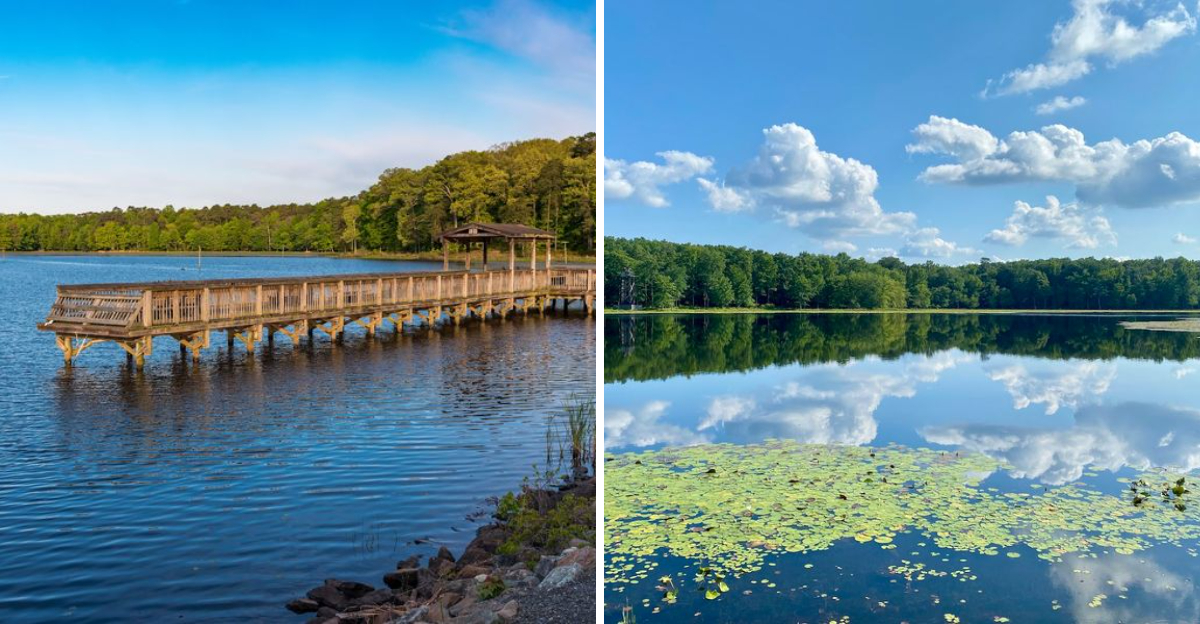
Thirteen thousand acres of protected wetlands. That is a lot of space for wildlife, and a lot of space for you to explore.
This Maryland sanctuary offers trails, a visitor center, and some of the best wildlife watching around. Birds, turtles, deer, and more, all living in a peaceful, protected habitat.
The visitor center is informative and family friendly, with exhibits that help you understand the ecosystem. Trails wind through forests and along wetlands, giving you a front row seat to nature in action.
Locals come here for the quiet. Visitors come for the experience.
Everyone leaves feeling connected to the natural world. That is the power of a Maryland wetland sanctuary.
A peaceful escape with wildlife, trails, and a front row seat to nature.
The History and Purpose Behind Patuxent Research Refuge
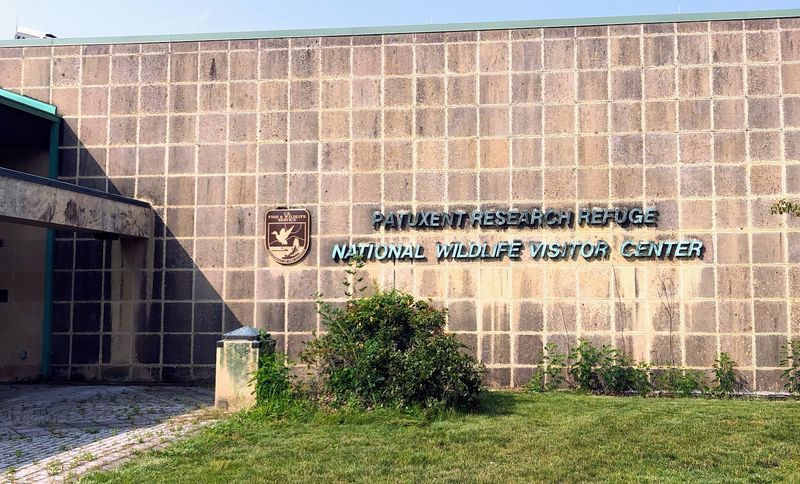
Not many wild places come with a presidential origin story, but Patuxent does. President Franklin D.
Roosevelt signed the executive order that created this refuge back in 1936, and the goal was specific from the start: to give scientists a dedicated space to study wildlife.
That mission has never wavered. For nearly nine decades, researchers here have been working on some of the most pressing environmental questions in North America.
The Bird Banding Laboratory and the North American Breeding Bird Survey both call this place home.
Some of the most impactful environmental work ever done in the United States happened on these grounds. Scientists at Patuxent played a major role in pesticide research that ultimately led to the ban of DDT in 1972.
That single achievement helped save multiple bird species from extinction, including the bald eagle.
The refuge is divided into three tracts: the South Tract, the North Tract, and the Central Tract. The Central Tract is closed to the public because it houses the Eastern Ecological Science Center, where active research continues today.
Research here now covers far more than birds. Scientists study fish, pollinators, freshwater ecology, coastal habitats, and wildlife diseases.
Knowing that history before you visit adds a whole new layer to every trail and every lake you walk past.
This is not just a park. It is a living laboratory that also happens to be extraordinarily beautiful, and that combination is genuinely hard to find anywhere else.
The National Wildlife Visitor Center and What It Offers
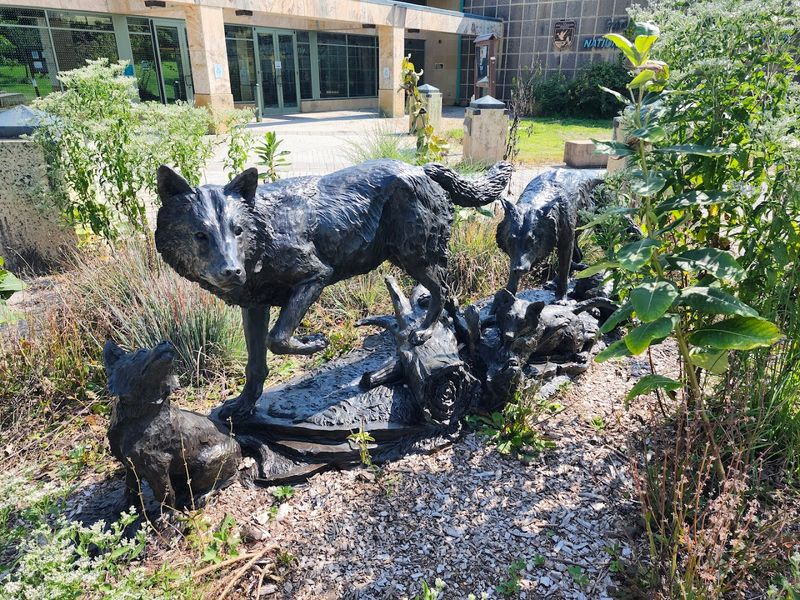
The Visitor Center at Patuxent is the kind of place that surprises you. From the outside it looks modest, but once you are inside, there is a lot more going on than you might expect from a free nature center.
Interactive exhibits cover global environmental issues, migratory bird studies, endangered species, and the tools scientists use in the field. The Kids Discovery Center gives younger visitors hands-on activities that make learning feel like play rather than a lesson.
A gallery inside the center rotates art and photography exhibits, and there is a permanent collection of wildlife photographs that is genuinely worth slowing down to look at. The large viewing area overlooks two lakes, and on a quiet morning, you can spot waterfowl right from inside the building.
Outside the center, a native plant and pollinator garden buzzes with butterflies and bees during the warmer months. A bird feeding station nearby attracts songbirds close enough to see without binoculars, and a photography blind gives visitors a chance to observe without disturbing anything.
The bookstore and nature shop, run by the Friends of Patuxent, stocks field guides, nature toys, and local publications. The entire facility is wheelchair-accessible, which makes it welcoming for all kinds of visitors.
The center is open Wednesday through Saturday from 10 am to 4 pm and is closed on federal holidays. Coming on a weekday morning means fewer crowds and a more relaxed experience overall.
Birding at Patuxent, Over 270 Species and Counting
If you have ever wanted to see a Scarlet Tanager in the wild, the refuge is one of the best places in Maryland to do it. The street address of the Visitor Center, Scarlet Tanager Loop, is not an accident.
These brilliant red-and-black birds are a real presence in the deep forest sections of the refuge during the warmer months.
Over 270 species of birds have been documented here, which is a staggering number for a single site. Spring and fall migrations bring waves of warblers, shorebirds, and waterfowl through the area, and the lakes act as natural gathering spots during those peak periods.
Bald eagles have nested in the North Tract since 1989. Spotting one on a winter morning, perched above a frozen pond, is the kind of moment that genuinely stops you in your tracks.
Great blue herons, wood thrushes, sandpipers, and various finches round out the list of regulars.
The Cash Lake Trail in the South Tract is a favorite for serious birders. Viewing blinds along the trail let you observe waterfowl and beaver activity up close without disturbing the animals.
Early mornings are the best time to visit for bird activity.
Bringing a decent pair of binoculars makes a huge difference here. The forest canopy is dense, and many of the most interesting species stay high in the trees.
A field guide or a birding app on your phone helps with identification when you are still learning.
Trails for Every Kind of Visitor, From Easy Walks to Full Hikes
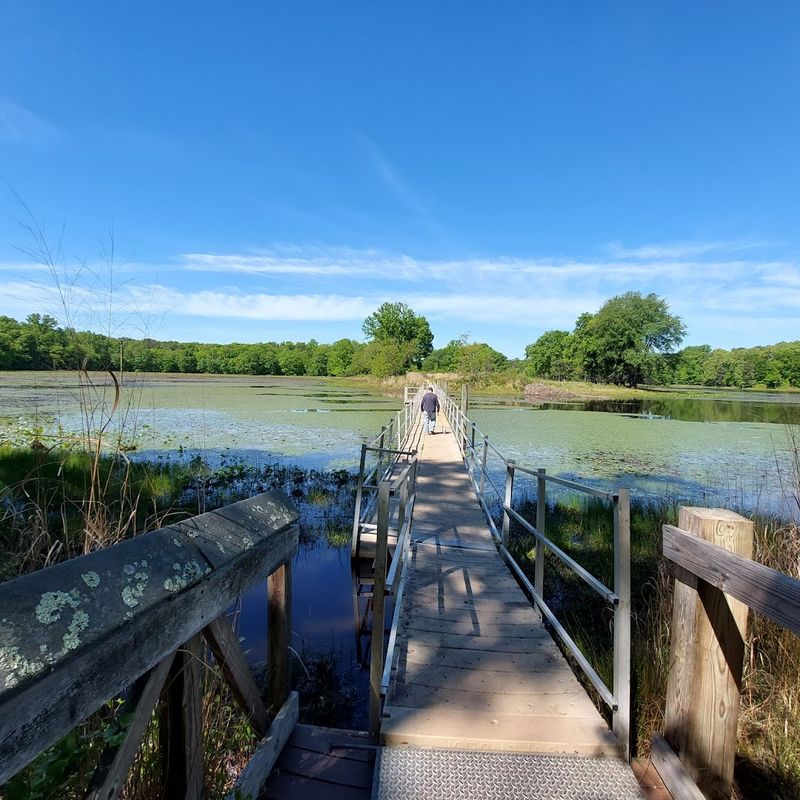
One of the best things about Patuxent is that the trails genuinely work for everyone, whether you are six years old or sixty. The South Tract has about five miles of walking trails, including a 0.3-mile paved loop that is fully accessible and perfect for strollers or wheelchairs.
The 1.4-mile Cash Lake Trail is a crowd favorite for good reason. It wraps around the lake, passes through meadow and forest edges, and offers views of beaver lodges, waterfowl, and sometimes deer stepping out of the tree line in the early morning.
The 1.7-mile Forests of Patuxent Discovery Hike is a self-guided route that teaches you about the different forest types found in the refuge.
A newer trail called the Wisdom Trail opened in fall 2023 and focuses specifically on helping visitors identify common birds by sound and sight. It is a great option for beginners who want to start learning without feeling overwhelmed.
The North Tract is a different experience entirely. With 15 to 25 miles of trails, it draws hikers, mountain bikers, and even horseback riders.
The Forest Trail stretches 2.5 miles through unbroken woodland, and the Merganser Pond Trail offers a quieter, more secluded wetland experience.
All trails are clearly marked, and visitors are asked to stay on them to protect both the habitats and themselves. Sturdy shoes are a good idea on any trail longer than the paved loop, especially after rain when paths get muddy.
The Wetlands, Lakes, and the Wildlife That Call Them Home

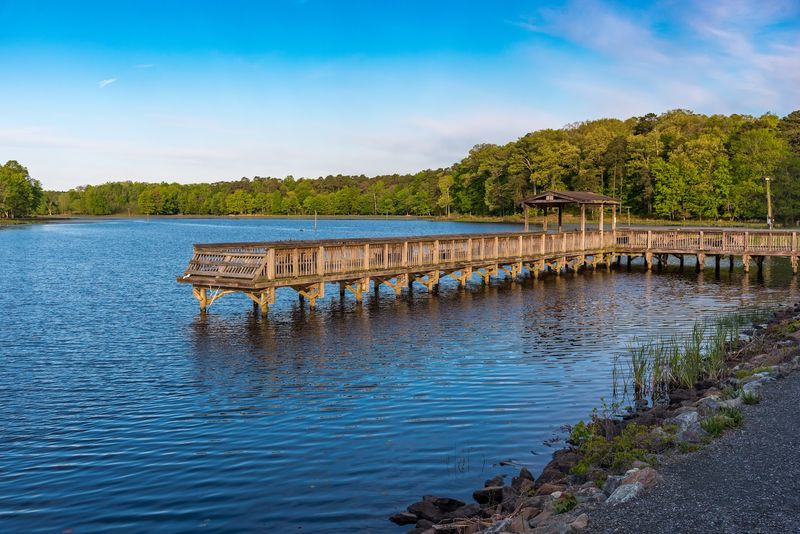
Cash Lake and Lake Redington are the two main bodies of water in the South Tract, and they are worth visiting in every season. In spring, the water edges are busy with nesting birds and newly active frogs.
By summer, dragonflies and damselflies hover over the surface in flashes of blue and green.
Beavers are active around Cash Lake year-round, and their lodges are easy to spot from the trail. Seeing a beaver at dusk, dragging a branch across still water, is one of those small moments that makes a walk feel genuinely worthwhile.
Turtles sun themselves on logs along the shoreline on warm afternoons.
The wetland habitats support a remarkable range of amphibians and reptiles. Frogs, toads, and salamanders are common in the wetter areas, especially in spring when they emerge to breed.
Northern water snakes are occasionally spotted near the water’s edge, usually moving away from people quickly.
Deer are a common sight throughout the refuge, often grazing in the meadow areas near the lake edges at dawn and dusk. Foxes and rabbits appear more sporadically, but patient visitors who move quietly tend to see more.
About 1,100 to 1,250 species of vascular plants have been documented across the refuge, including some that are rare or threatened. The diversity of plant life is what supports everything else, and it shows in how full and alive the wetland edges feel during a slow walk around the lake.
Wildlife Photography Opportunities at Patuxent
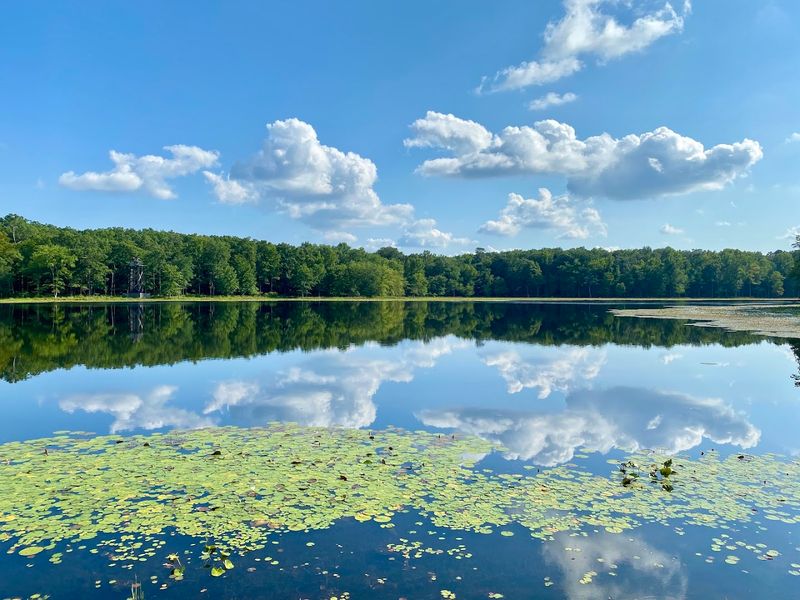
Patuxent Research Refuge is one of those places that photographers come back to over and over again.
The combination of open water, dense forest, meadow edges, and dedicated photography blinds creates conditions that are genuinely hard to replicate at most other public green spaces in the mid-Atlantic region.
The photography blind at Cash Lake is a standout feature. Set up near the water’s edge, it lets you get remarkably close to waterfowl, herons, and shorebirds without flushing them away.
Early morning light hitting the lake surface while a great blue heron stands motionless in the shallows is the kind of shot that keeps people coming back.
The native plant garden outside the Visitor Center is a surprisingly productive spot for macro photography. Butterflies, bees, and other pollinators move through the garden regularly during summer, and the flowers provide natural, clean backgrounds.
Fall brings its own rewards for photographers. The forest canopy turns gold and amber, and migrating birds pass through in large numbers.
Warblers moving through the treetops during peak fall migration are fast and challenging, but the light in October is often spectacular.
Winter photography at Patuxent has a quiet drama to it. Frozen ponds, bare branches, and the occasional bald eagle perched against a gray sky make for stark, powerful images.
Deer are more visible in winter when the vegetation thins out, and they tend to be less skittish in the colder months.
No permits are required for personal photography, which makes this an accessible option for hobbyists and enthusiasts alike.
Seasonal Highlights and the Best Times to Visit
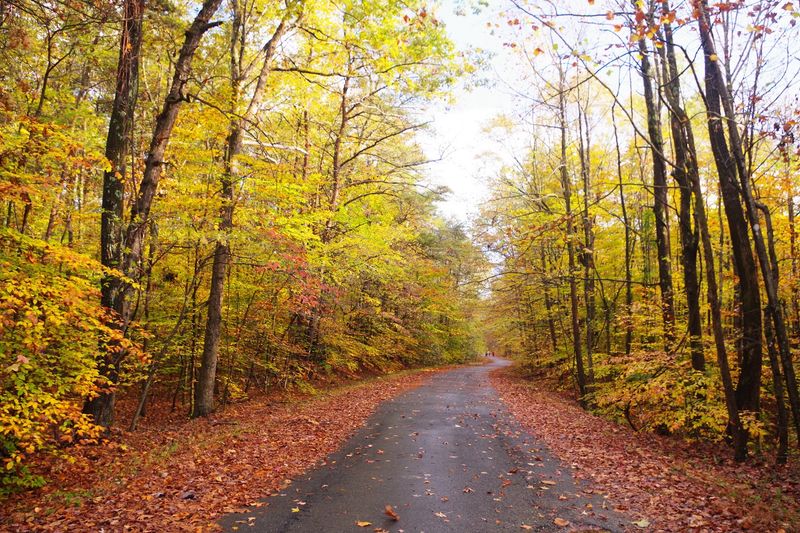
Every season at Patuxent brings something different, and honestly, there is no bad time to visit. Spring is probably the most dramatic.
Migratory birds pour through in April and May, the wetlands wake up with frog calls, and wildflowers bloom along the forest trails in waves of white and yellow.
Summer is quieter in terms of migration but rich with insect life. Dragonflies and damselflies are everywhere near the water, butterflies work through the pollinator garden, and the forest is at its fullest and greenest.
Heat and humidity are real factors in July and August, so early morning visits make the most sense during those months.
Fall migration is a second peak for birdwatchers. Warblers, sparrows, and waterfowl move through in large numbers from September through November.
The foliage change adds a visual layer to every walk, and the cooler temperatures make longer hikes much more comfortable.
Winter is underrated here. The bare trees open up sightlines through the forest, making it easier to spot raptors and larger birds.
Bald eagles are more frequently seen in the colder months, and herons often stand at the edges of partially frozen ponds. The stillness of a winter morning on the Cash Lake Trail is something that is hard to describe but easy to appreciate.
The refuge is open year-round, which is one of its best qualities. Grounds in the South Tract are open from sunrise to sunset, and the Visitor Center runs Wednesday through Saturday from 10 am to 4 pm.
Planning around those hours makes the trip smoother.
Tips for Planning Your Visit to Patuxent Research Refuge
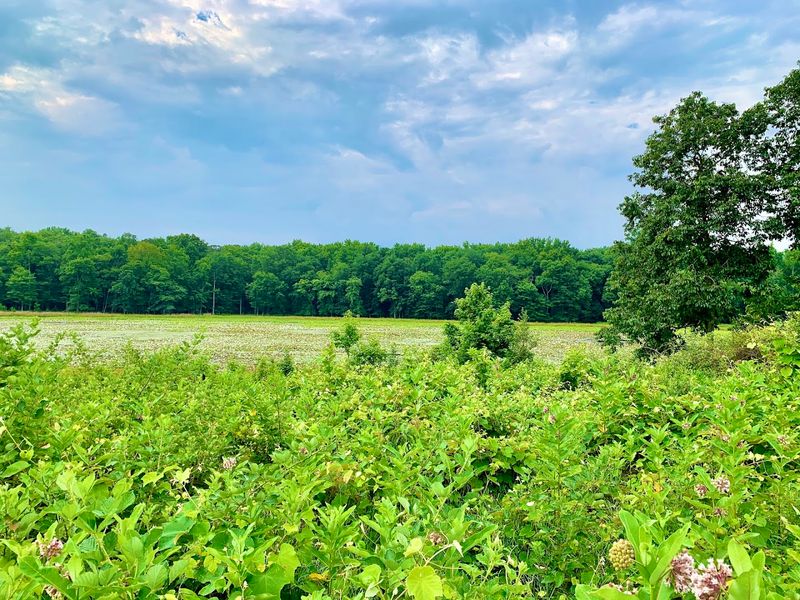
Getting to Patuxent is straightforward. The refuge sits right off Route 197 in Laurel, Maryland, roughly halfway between Washington, D.C., and Baltimore, which makes it a realistic day trip from either city.
There is ample free parking at the Visitor Center, and the grounds themselves are completely free to enter.
Pack your own food and water before you arrive. There are no cafes, vending machines, or food vendors anywhere on the refuge, and the trails can be longer than they look on a map.
Bringing more water than you think you need is always the right call, especially during summer.
Sturdy shoes are worth putting on even if you are only planning a short walk. The paved loop near the Visitor Center is smooth, but most other trails involve uneven ground, roots, and mud after rain.
Binoculars make a real difference for both birding and general wildlife watching.
Pets are welcome on the trails as long as they stay on a leash. Only service animals are allowed inside the Visitor Center and other buildings.
Cleaning up after your dog is required, so bring bags.
The Visitor Center offers tram tours that take visitors through the South Tract with stops for wildlife viewing. These tours are a great option for families with younger kids or anyone who prefers a guided experience over self-guided wandering.
Downloading the Agents of Discovery app before your visit adds an interactive layer to the experience for kids. Rangers also lead public programs at both tracts, so checking the refuge calendar ahead of time can help you catch something special.
Address: 10901 Scarlet Tanager Loop, Laurel, MD
