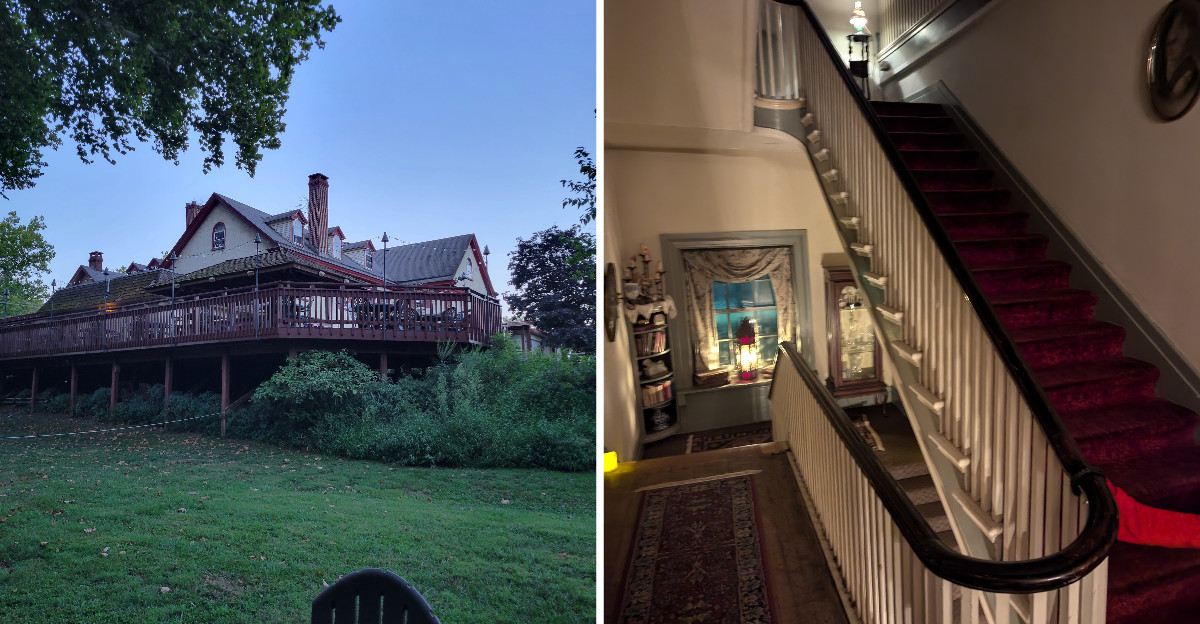
Stone walls and wide porches caught my eye on a winding country road, and I almost missed the turn because staring seemed more important than driving. The building looks like it holds a few secrets, and it turns out it holds about three hundred years of them.
What began as a small farmhouse in the 1700s slowly grew into a sprawling 28-room mansion beside a river. Later, it became a private club where only hand-picked guests could pass through the door.
Today anyone can wander the creaky halls, hear the stories, and maybe feel a chill on the stairs. Pennsylvania keeps this kind of layered history hidden away in its countryside, waiting for curious travelers to notice.
I left that first visit already planning a second one, and the pull to return has not faded since.
A Humble Stone Farmhouse From the Millard Era
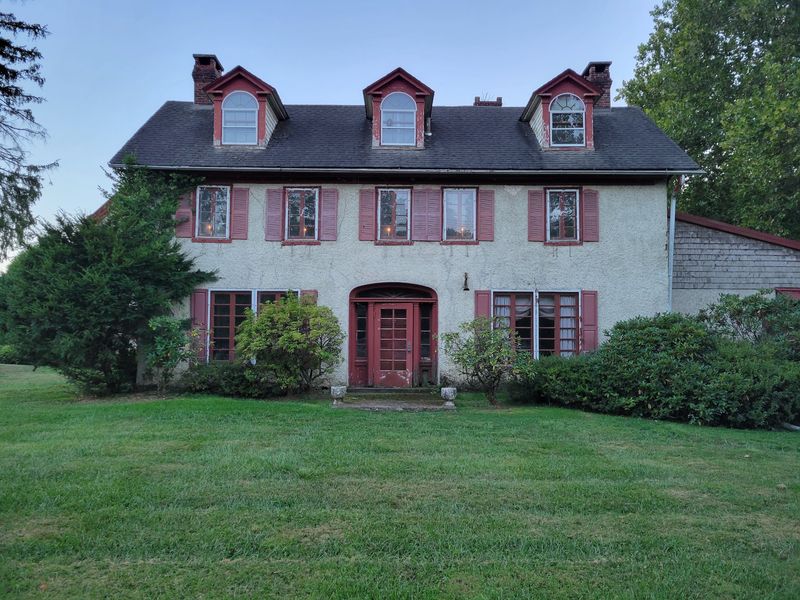
My favorite moment on any visit is finding the oldest stones in the house and resting a hand on them. They are rough, cool, and honestly a little humbling when you realize who stacked them.
The story starts with the Millards, one of the earliest families to settle this part of Berks County. They got their land from William Penn himself, which is about as old school Pennsylvania as it gets.
Records show Thomas Millard arrived in 1711 to set up mills along the local waterways, and he built the first small home right here.
Picture a simple stone farmhouse with thick walls and small windows, built to keep families warm through long winters. There was no grand staircase and no fancy ballroom, just a sturdy shelter near the river and the mills that fed the community.
Life back then moved with the seasons, the harvest, and the turning of a water wheel.
Here is a tip for your visit. Ask the guides to point out where the original farmhouse sits inside today’s building.
Once you know where to look, you start noticing changes in wall thickness and floor levels, like reading tree rings in a giant stone trunk.
John Kirlin Makes the House Grow
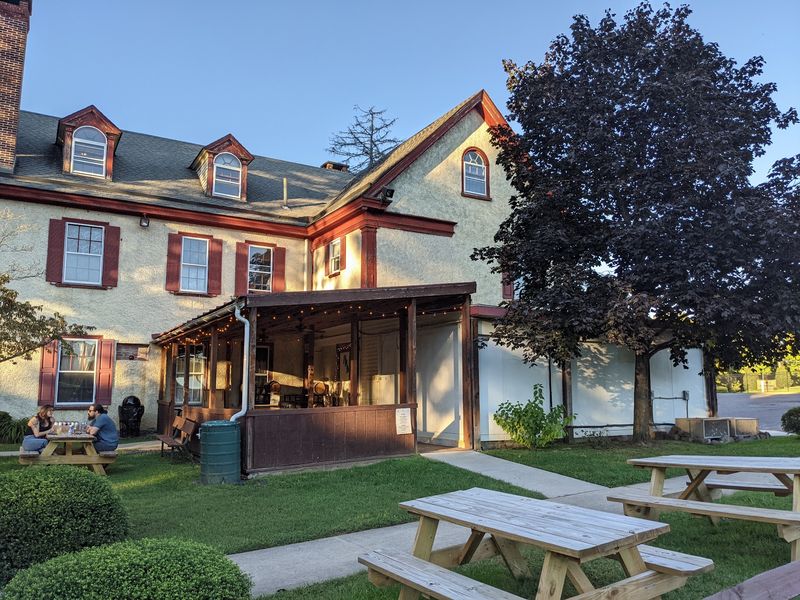
Some homeowners add a deck. John Kirlin nearly doubled his house in every direction and stacked on another floor for good measure.
The Kirlin family bought the property in 1796. John, born in 1753, was a miller by trade, but he also ran a business making gun barrels and sickles during the War of 1812.
That mix of farm tools and wartime work shows how practical life was in early America, where one shop might serve both the field and the fight. The homestead even played a part in making supplies for the war effort, which gives these walls a surprising link to national history.
Kirlin used his success to transform the modest stone house. He pushed out its width and depth and raised it by a full story, turning a cozy cottage into a proper country home.
I found it fun to imagine neighbors watching wagons of stone roll in and wondering what he was building.
When you tour the lodge, pay attention to how rooms connect. Some doorways and hallways feel slightly unexpected, and that is part of the charm.
Each odd corner is a clue left behind by a family who built in stages, one ambitious idea at a time.
The Wittmans Wrap a Mansion Around History
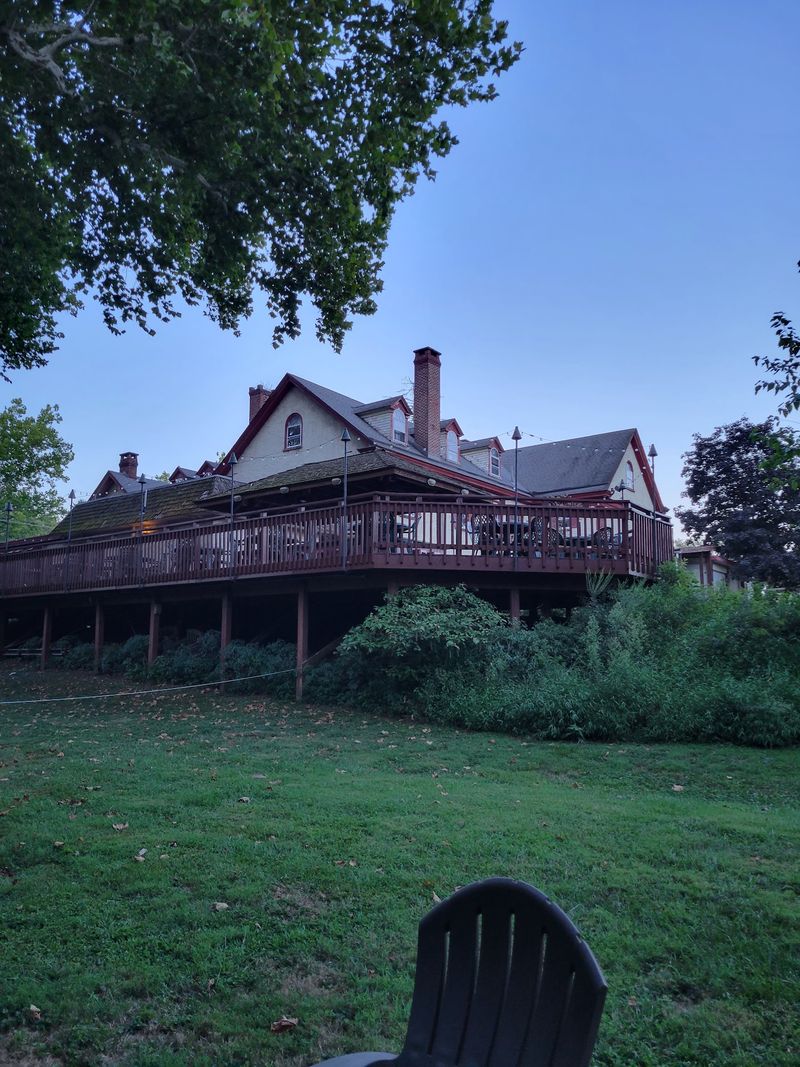
Here is the detail that made my jaw drop: when the Wittmans decided to build their dream mansion, they did not tear down the old farmhouse. They built right around it, like a giant set of nesting dolls made of stone and timber.
The Wittmans were a well-known family tied to the Philadelphia iron industry, and they arrived in the early 1900s with big plans. Their expansion turned the property into a lavish 28-room home measuring around 16,600 to 16,800 square feet.
Work wrapped up around 1910, and the result was a house with enough rooms to get pleasantly lost in.
That choice to keep the original structure is a gift to visitors today. You can move from a polished mansion room into a much older space in just a few steps.
The shift in ceiling height and floor texture is easy to feel, even if you are not a history buff.
My advice is to slow down. Count the rooms if you like, though I lost track somewhere around fourteen.
Look up at the trim, notice the windows, and think about the craftsmen who blended two centuries of building into one home without erasing the past.
Caleb Brinton and the Members-Only Years
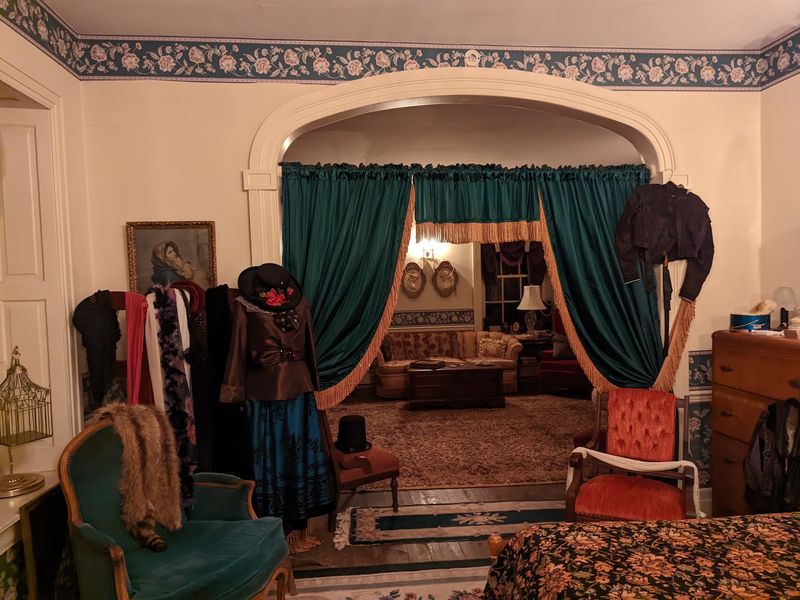
Imagine getting a personal invitation to a secret club tucked in the Pennsylvania countryside. That was the deal at this mansion during the Prohibition era, and only the lucky few made the list.
In 1927, the Wittmans sold the estate to Caleb Brinton, a hotelier from Reading. He turned the home into an exclusive gentleman’s club, and the lodge still carries his name today.
According to the lodge’s own history, Brinton chose his guests himself, welcoming wealthy and notable people from nearby towns and faraway cities alike.
I love thinking about what those evenings looked like. Fancy cars crunching up the drive, people in sharp suits and hats, laughter spilling out of the parlors late into the night.
The rooms were made for conversation, card games, and a little bit of mystery.
When you visit, try to spot the cozy nooks where small groups might have gathered away from the main crowd. The layout, with its many smaller rooms, practically invites private chats.
It is easy to see why a club owner would fall for a building like this one.
Bring your curiosity and a good imagination. The stories fill in the rest.
Whispers, Footsteps, and a Famous Ghost Tour
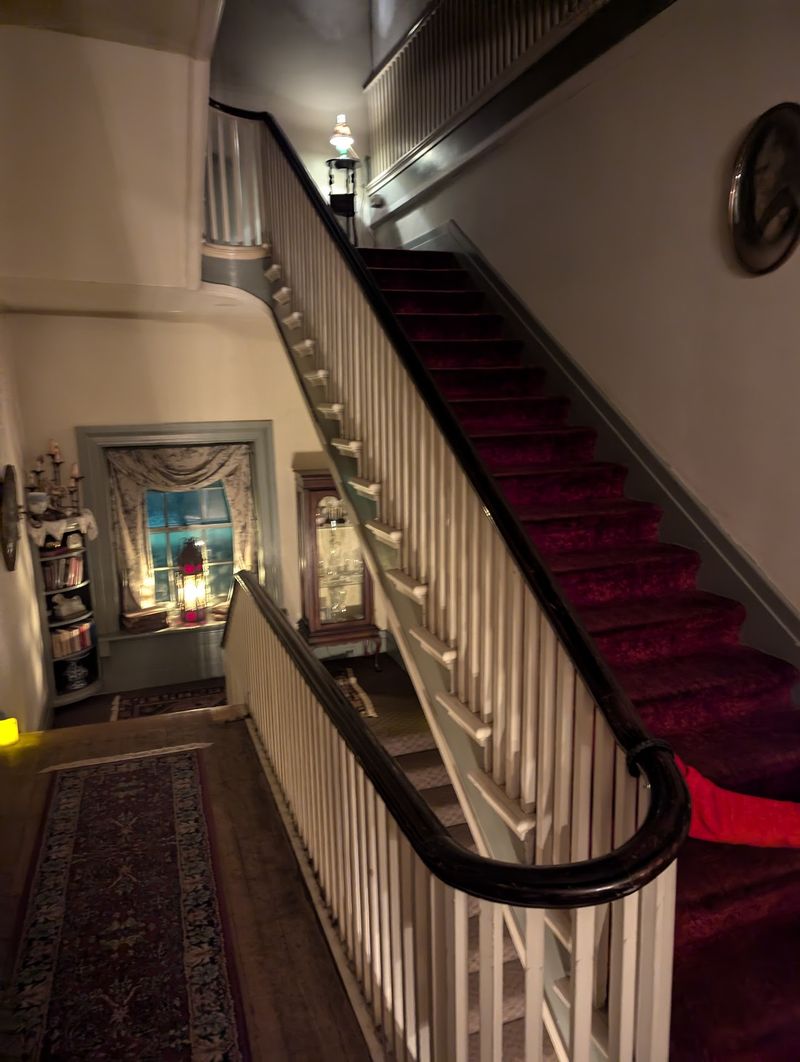
Fair warning: the second floor stairway has a reputation. Brinton Lodge is often called one of the most haunted places in Pennsylvania, and the ghost tour is the reason many people make the drive.
Tours walk you through the three-story mansion while guides share the history of the families who lived and gathered here. The lodge describes itself as about 300 years old, so there is plenty of material.
After the guided portion, visitors often get time to explore with ghost hunting tools like EMF readers and dowsing rods, which turns the evening into a hands-on adventure.
I am not here to tell you what you will or will not experience. What I can say is that the house feels different after dark.
Floors creak, shadows stretch across old wallpaper, and every quiet room seems to be listening.
A few practical tips help a lot. Wear comfortable shoes because there are many stairs, and check the lodge website for tour dates since they can fill up.
Larger groups may be able to book private tours.
Best of all, proceeds from the tours help support the ongoing preservation of the building. Your spooky night out helps keep the history standing.
Rumors of a Hidden Route to Freedom
Not every story here comes with a spooky twist. One of the most meaningful tales connected to the lodge is about courage and hope.
There are rumors that the property once served as a stop on the Underground Railroad, the secret network that helped enslaved people escape to freedom in the 1800s. Pennsylvania sat right on the edge of free territory, and many homes in the region have similar stories.
For this site, it remains a rumor rather than a proven fact, and I think it is fair to share it that way.
Even so, thinking about the possibility changes how you see the old parts of the house. Those thick stone walls and tucked-away corners might have mattered for reasons far bigger than comfort.
History is not always written down, especially when people had to keep things quiet to stay safe.
If this part of the past interests you, ask your guide what is known and what is still uncertain. Good questions make the tour richer for everyone.
You might also enjoy reading more about Underground Railroad history in southeastern Pennsylvania before your trip.
Visiting with that bigger picture in mind gave me a deeper respect for the land along this river.
Hanging Out at the Lodge Today
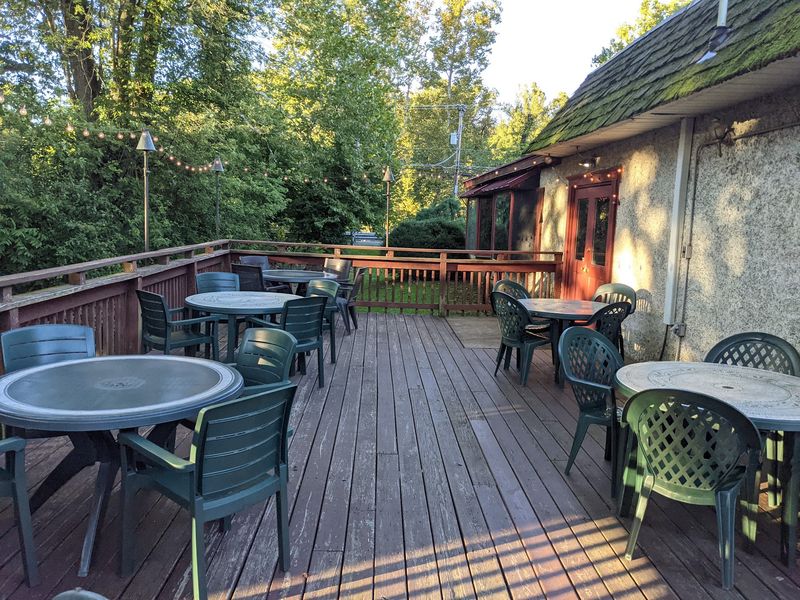
On a sunny afternoon, the deck at Brinton Lodge is where I want to be. People spread out at tables, conversation floats around, and the old mansion stands behind it all like a proud grandparent.
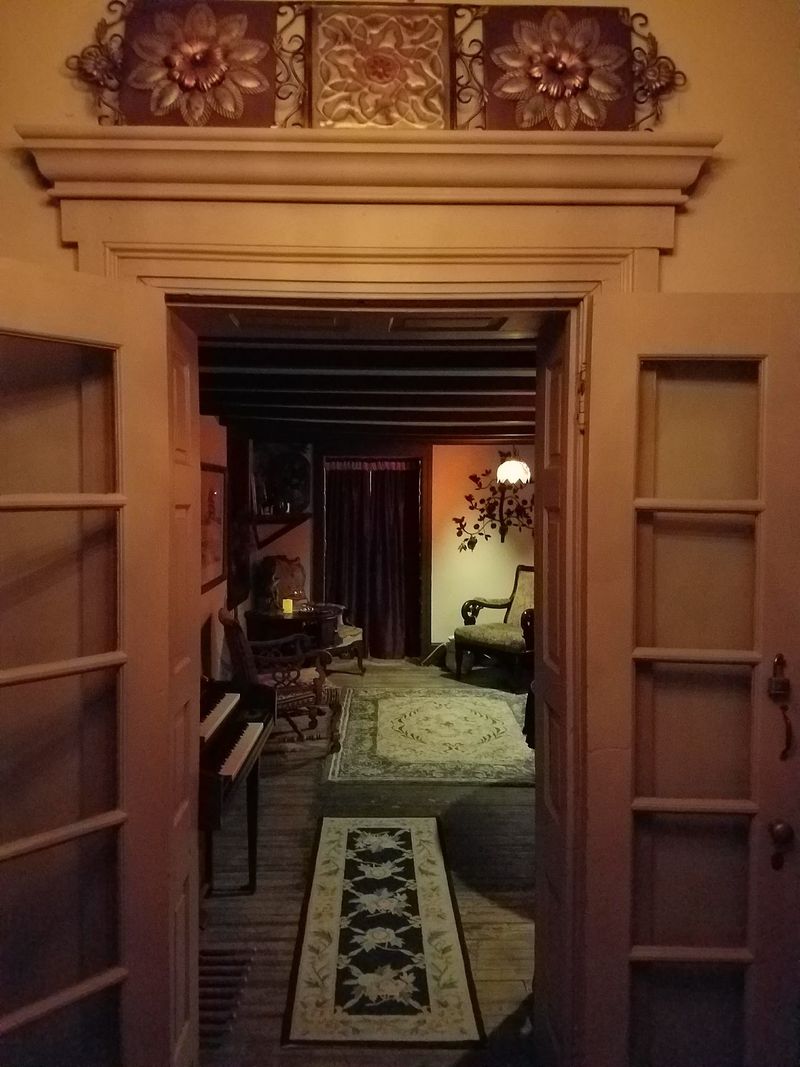
The building once housed Covatta’s Brinton Lodge Restaurant, and today it is home to Hidden River Brewing Co. Inside, guests can roam through many small rooms, each with its own personality.
Some evenings bring live music, and you may find games to play while you settle in. Food trucks sometimes park outside, so the menu can change from visit to visit.
Plan around the hours, because the lodge is closed on Mondays and Tuesdays. It opens in the afternoon on Wednesdays and Thursdays and from noon on Fridays, Saturdays, and Sundays.
Checking the website before you go is always smart, especially if you want to pair your visit with a ghost tour.
Give yourself time to explore instead of rushing. Peek into the rooms, admire the woodwork, and step outside to enjoy the grounds.
The mix of history and relaxed company makes it an easy place to spend a few hours.
Address: 1808 W. Schuylkill Rd., Douglassville, PA 19518
