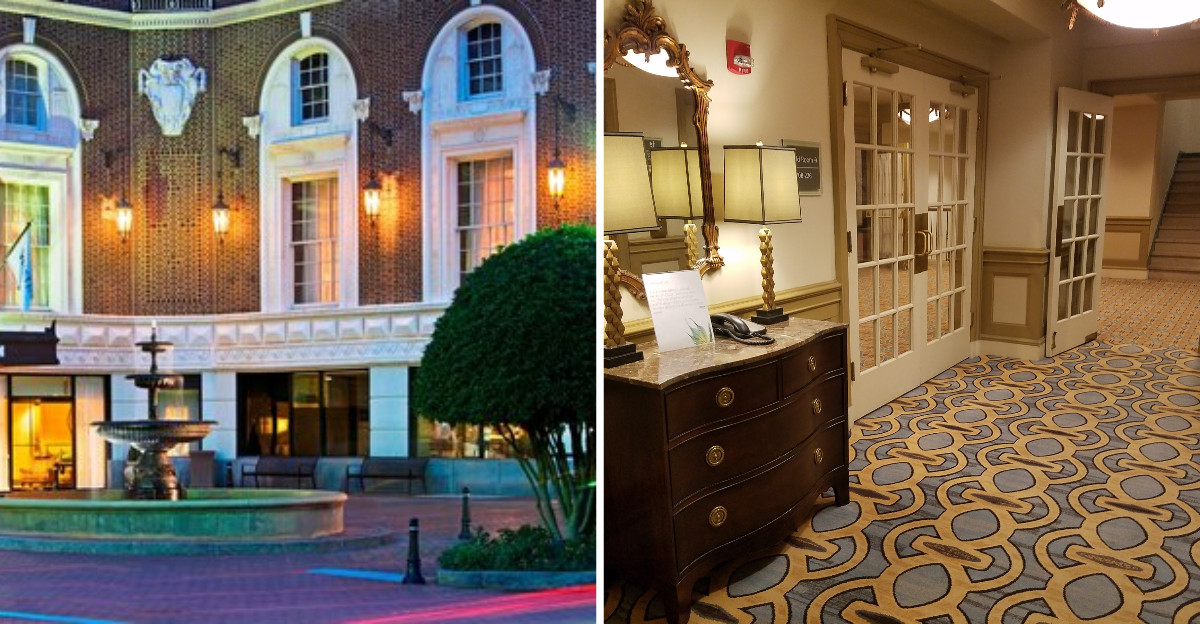
Piano music drifted through a South Carolina hotel lobby while people wandered in after dinner with shopping bags and tired feet. Twelve stories of 1925 brickwork rose above the street, but the real story was the decade the building spent boarded up and empty, written off as one of the most endangered old structures in the state.
Twenty million dollars in restoration brought it back in 2000, and a downtown seemed to wake up right along with it. Ghost stories have been passed around for decades about an older man who appears and then simply is not there.
The plan was a comfortable bed, but a notebook full of history came home instead. This hotel now stands as proof that a city can save what it almost lost.
Evening light spilled across marble floors, and the elevator doors opened with a quiet hum.
Every corner holds the weight of a century, with brass fixtures and worn stair rails.
A 1925 Opening That Gave Greenville Its First Skyline
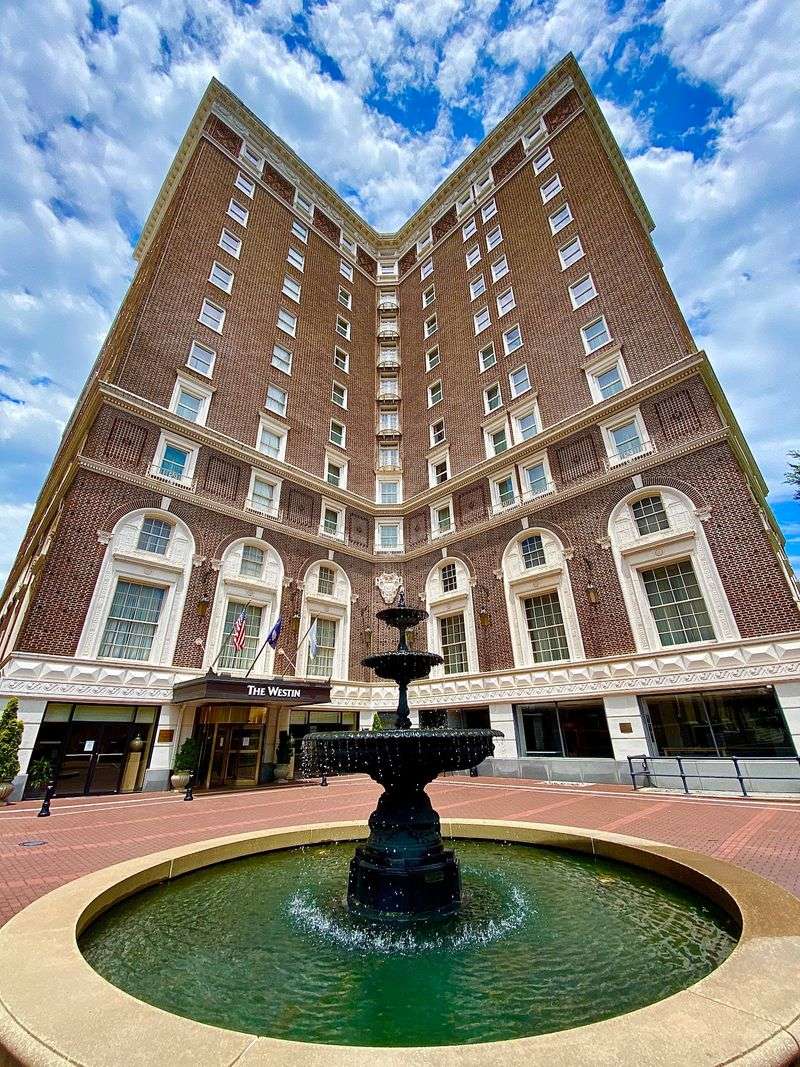
Before the Poinsett existed, this same corner held the Mansion House, a hotel dating all the way back to 1824. That kind of layering still surprises me.
When the doors opened in June 1925, the twelve-story building instantly became one of Greenville’s first skyscrapers, towering over a city that was mostly low brick storefronts at the time. The name honors Joel R.
Poinsett, a South Carolina statesman whose legacy shows up in more places than most visitors realize.
New York architect William Lee Stoddart drew up the plans, and the roughly $1.5 million project was funded in an unusually community-minded way. About 1,700 local residents bought $100 shares of stock, which means regular Greenville families essentially chipped in to build their own landmark.
I find that detail hard to shake when standing outside, looking up at the terra cotta trim and tall arched windows. This wasn’t a corporate development dropped into town.
It belonged to the people who lived here.
If you walk the block slowly, cross to the opposite sidewalk first. The full height and proportions only make sense from a distance, and that’s where the 1920s ambition really shows.
Rocky Beginnings and the Manager Who Turned Things Around
Grand openings don’t guarantee grand results. The Poinsett actually lost money during its very first year, which feels almost unbelievable for a building this impressive.
Then the Great Depression arrived and made everything harder. Travelers stopped traveling, and a luxury hotel in a mid-sized Southern city was a risky place to be.
The turning point came in 1930, when J. Mason Alexander stepped in as general manager.
Rather than chasing wealthy out-of-town guests who weren’t coming, he redirected the hotel’s focus toward local families, community gatherings, and everyday Greenville life.
It worked. By 1940 the hotel was finally profitable, and demand grew enough that 60 additional rooms were added in 1941.
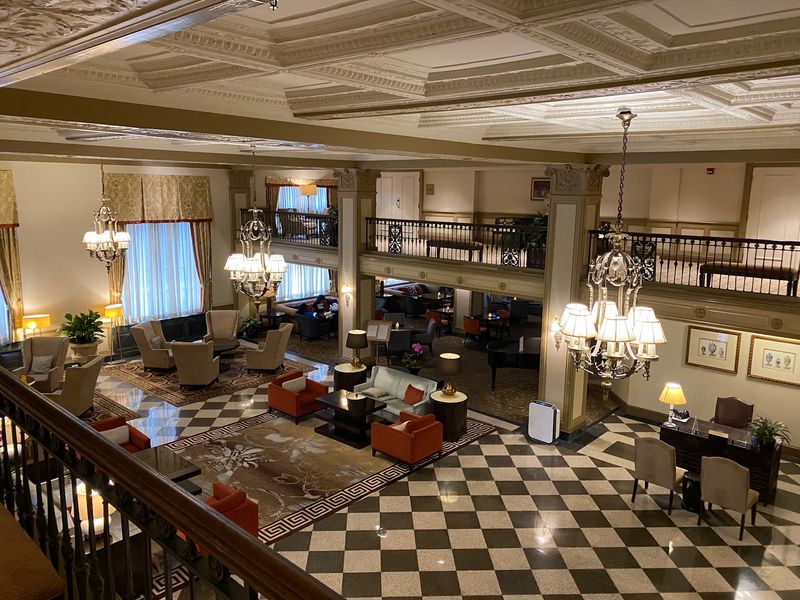
I love this part of the story because it explains something you can still feel today. The Poinsett never became a distant, velvet-rope kind of place.
Locals come here for breakfast, weddings, and concerts, and that habit goes back nearly a century.
So if you’re staying here and wondering whether you’re allowed to just wander the public spaces without an event ticket, the answer has always been yes. That was the whole strategy.
How Highway Motels Quietly Emptied the Halls
Cars changed everything, and not in the hotel’s favor. Through the 1950s, as more American families bought their own automobiles, roadside motels along the big highways started pulling business away from downtown hotels like the Poinsett.
Parking out front beat parking downtown. Convenience won.
The hotel was sold to Jack Tar Hotels in 1959, and ownership kept shifting through the 1970s and 1980s. In 1977, James C.
Bible tried running the property as a residence for retirees, an interesting attempt at giving the building a second purpose.
It didn’t hold. The Poinsett closed in 1987 after foreclosure and problems meeting fire codes, then sat vacant for a full decade.
Here’s the part that stings a little. Even though it had been listed on the National Register of Historic Places in 1982, the building was considered one of the most endangered historic structures in all of South Carolina.
Ten empty years in the middle of a downtown is a long time. Plenty of buildings with similar stories didn’t survive, and knowing that makes the current version feel less like a hotel and more like a rescue.
The $20 Million Rescue That Reopened the Doors in 2000
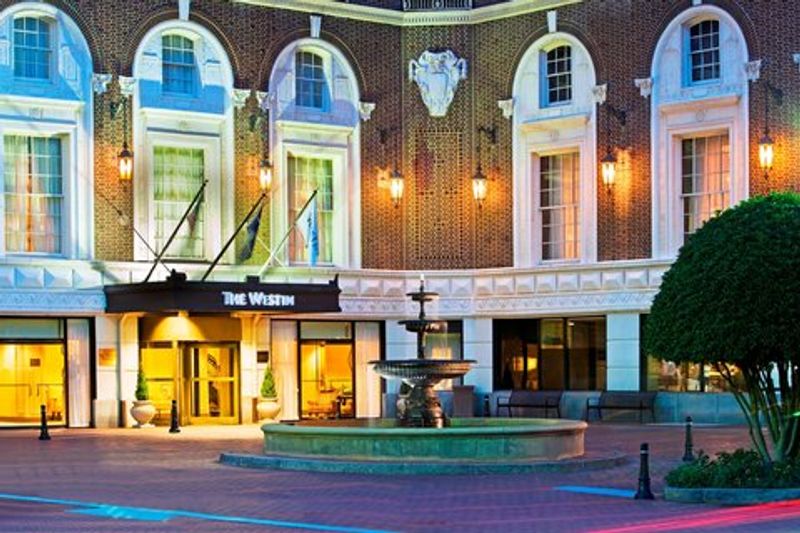
November 1997 is the month the story flips. Developers Steve Dopp and Greg Lenox bought the shuttered building, bringing experience from their work on the Francis Marion Hotel in Charleston.
They secured a franchise with Westin Hotels and Resorts and began a restoration that ran about $20 million. Roughly $4 million came from tax dollars and Federal Historic Rehabilitation Tax Credits, which is how a lot of these enormous preservation projects actually become possible.
The Westin Poinsett reopened on October 22, 2000. From what I’ve read and seen, that date matters far beyond one building, because the reopening became a turning point in downtown Greenville’s revitalization and proved preservation and redevelopment could work together.
What impresses me most is the restraint. The lobby and ballrooms kept a remarkable number of original details, while guest rooms got modern comforts, including the Westin Heavenly Bed that shows up in review after review.
Recognition followed too. Historic Hotels of America named it Best City Center Historic Hotel in 2021, and the property celebrated its 100-year anniversary in 2025.
Sit in the lobby for ten minutes and the investment makes sense.
Ghost Stories Guests Keep Bringing Back Downstairs
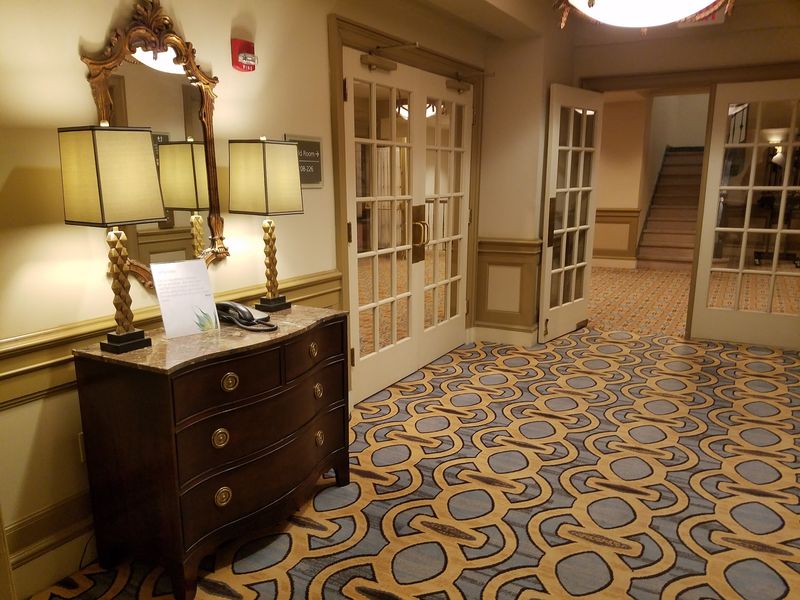
Every old hotel collects a few stories, but the Poinsett has more than a few. It’s regularly named among the most talked-about haunted spots in Greenville, and the accounts have a strange consistency to them.
Some guests have described an elderly man appearing inside their rooms, only to vanish a moment later. No dramatic noise, no warning, just gone.
Another report involves an undiscernible figure in a black coat standing near a third-floor window. The story goes that the figure removed the coat and then disappeared into thin air.
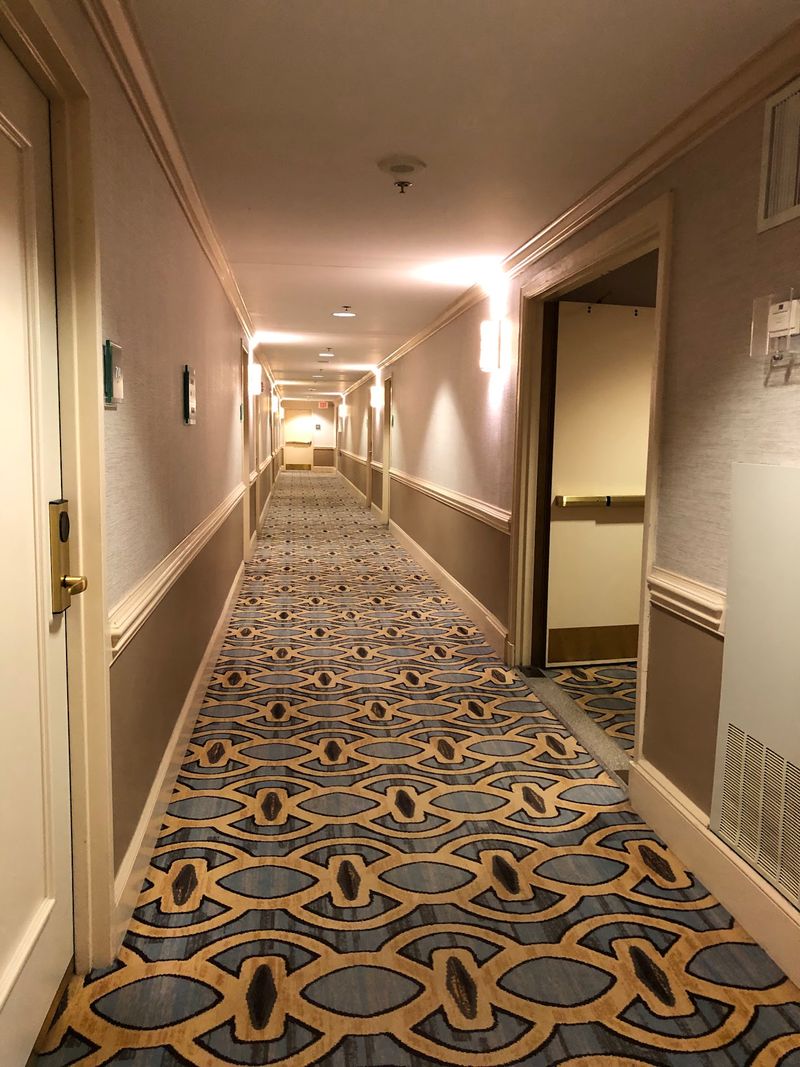
There are also accounts of unexplained knocks and sounds coming from hallways that were completely empty at the time.
I stayed one night without a single odd moment, and honestly I was a little disappointed. What I did notice was how the building sounds after midnight, old floors settling, distant elevator hum, the kind of noises a modern box hotel never makes.
Whether you believe any of it or not, the stories add texture. Ask the staff politely and you may hear which floors people mention most, though nobody is going to promise you an encounter.
Ballrooms, Candlelight Concerts, and a Piano in the Corner
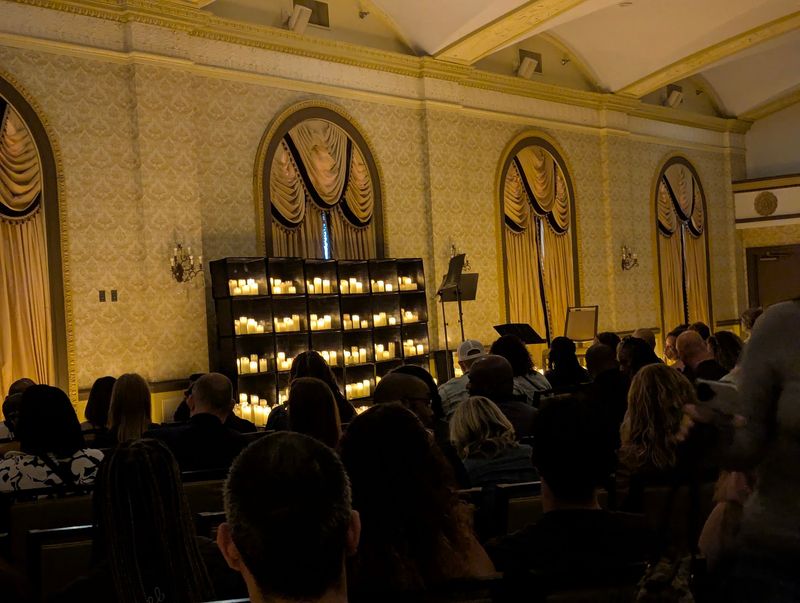
My favorite discovery had nothing to do with my room. The public spaces here work overtime, and the ballrooms are the reason.
The Gold Ballroom hosts Candlelight concert performances, where string quartets play in a room filled with flickering candles, and guests consistently mention how good the acoustics are in that space. Reviewers have described musicians introducing each piece and telling the story behind it, which turns a concert into something closer to a conversation.
Down in the lobby, a piano bar keeps the ground floor humming most evenings. The piano player comes up constantly in guest feedback, and after hearing it drift through the lobby while people checked in, I understand why.
Weddings are a huge part of life here too. The grand ballrooms handle ceremonies and receptions, and the fact that guests can celebrate downstairs then simply ride the elevator to bed is a genuinely practical perk.
Eight meeting rooms handle conferences, and business travelers seem to rate the facilities highly.
My tip: check the event calendar before you book. Landing on a concert night costs you nothing extra in effort and makes the stay memorable.
Rooms, Spoonbread Breakfasts, and Genuinely Warm Service
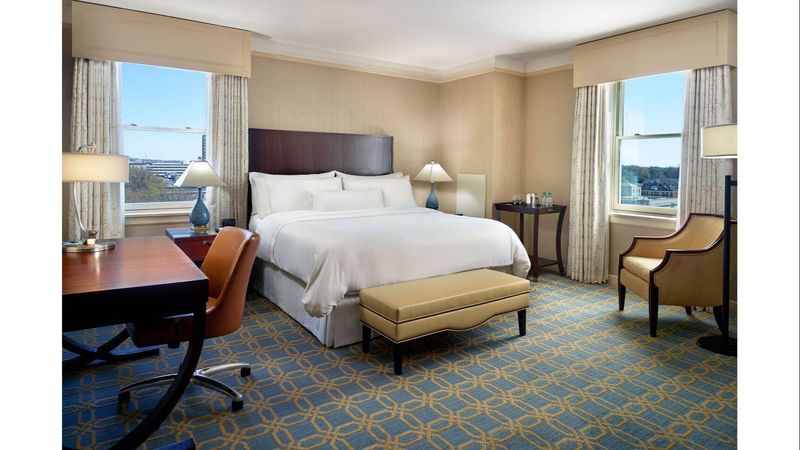
Sleep is where this hotel quietly wins. Guest rooms carry 1920s-inspired furnishings paired with modern basics like free WiFi, flat-screen TVs, and coffeemakers, and suites add pull-out sofas for families.
The Heavenly Bed earns its reputation. One guest liked the pillows so much they ordered a matching set for home, which made me laugh and then made me understand.
Breakfast happens at Spoonbread Restaurant, and repeat visitors talk about looking forward to it each morning. There’s a coffee shop on site as well, plus a fitness center, a pool, room service, and laundry service.
Being a historic building does mean standard rooms can run smaller than you’d expect, so if space matters, a suite is worth considering.
What guests mention most, though, is the staff. Front desk teams, valets, concierges, and housekeeping show up again and again in glowing feedback, including one story about a concierge answering endless questions without a hint of impatience.
Pets are welcome, the airport shuttle is complimentary, and bike rentals are available for a fee. The Peace Center sits four minutes away on foot.
Address: 120 South Main Street, Greenville, South Carolina
