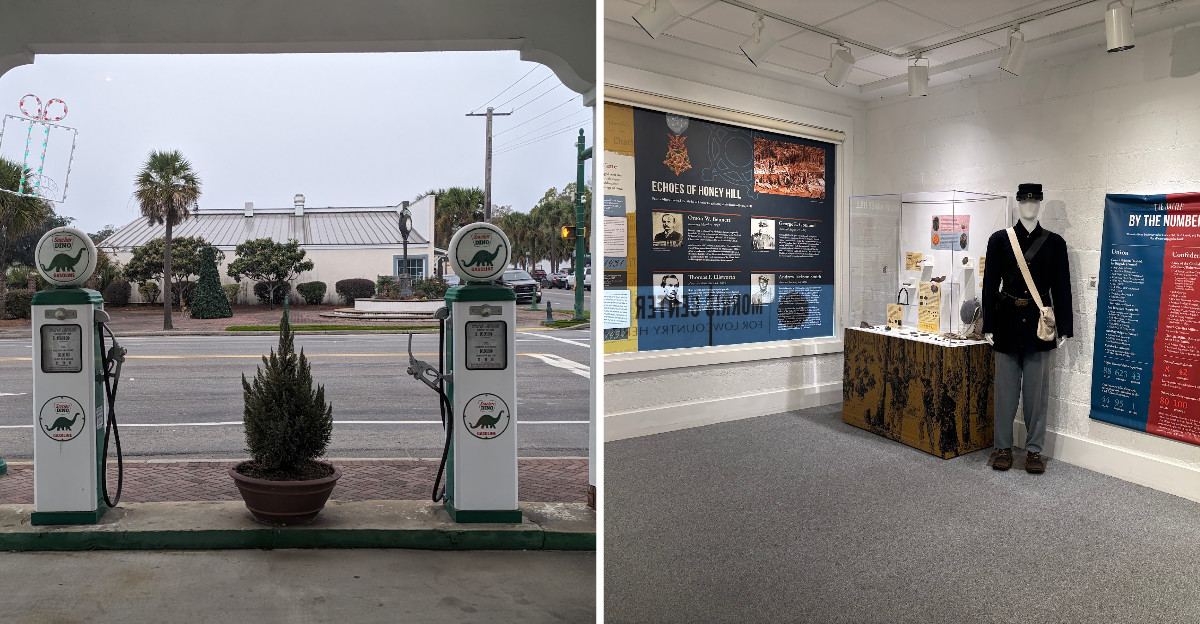
Old gas pumps glowing out front of a 1937 service station make you pull over before you even know why. The little building once served drivers rolling down the main coastal route of South Carolina, long before the interstate pulled all that traffic away.
Today it lives a second life as a free museum, packed with stories about the Lowcountry and the people who shaped it. Happy hour inside left me knowing far more about the corner of the state than breakfast had offered.
The exhibits cover local history and cultural heritage, and the building itself is part of the story. Places with a good backstory tend to stick with you, and this one does.
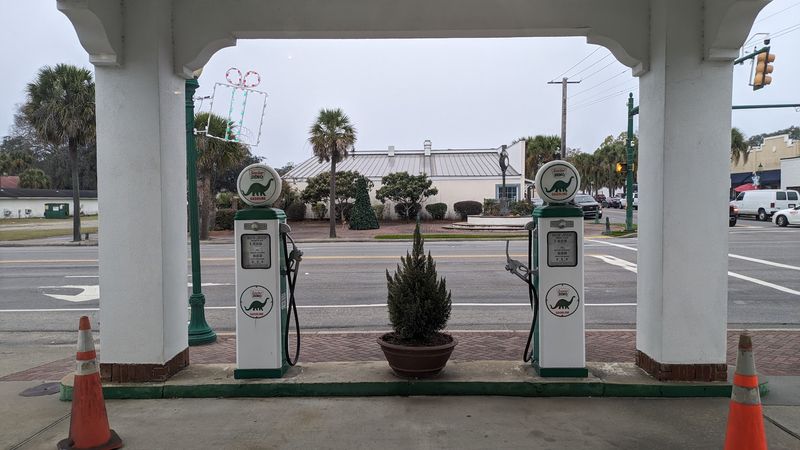
The old pumps still stand outside, a reminder of the drivers who once stopped here for gas and a map. It is a quiet stop, but it leaves a mark.
A Sinclair Station Built for the Old Coastal Road
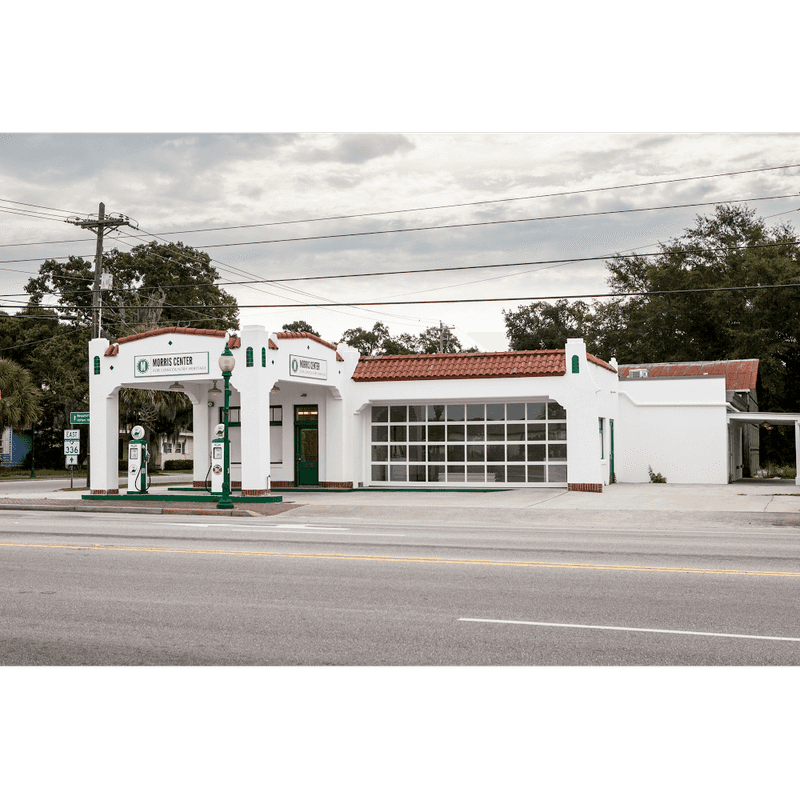
My first reaction was simple delight, because the building is just plain charming. It opened in 1937 as a Sinclair service station, back when this stretch of road carried a steady stream of cars along the main coastal route of South Carolina.
Picture families packed into rounded old sedans, windows down, heading toward Savannah or Charleston. They would pull in here for fuel, a quick look under the hood, and maybe a chance to shake off the long drive.
For years, this little stop was part of the rhythm of travel in the Lowcountry.
Then Interstate 95 arrived, and the traffic slipped away to the faster road. Plenty of roadside stations across the South faded out after that.
This one got lucky, because instead of crumbling, it was saved and given a fresh job.
The antique gas pumps still stand outside, and they make an easy photo stop before you even reach the door. I recommend taking a slow lap around the exterior first.
Notice the scale of the place, which feels tiny next to modern fuel stations with their giant canopies and rows of pumps.
That small size is part of the magic. It reminds you how travel used to feel slower, more personal, and a lot more neighborly.
Honestly, I kind of missed an era I never lived through.
The Man Behind the Name
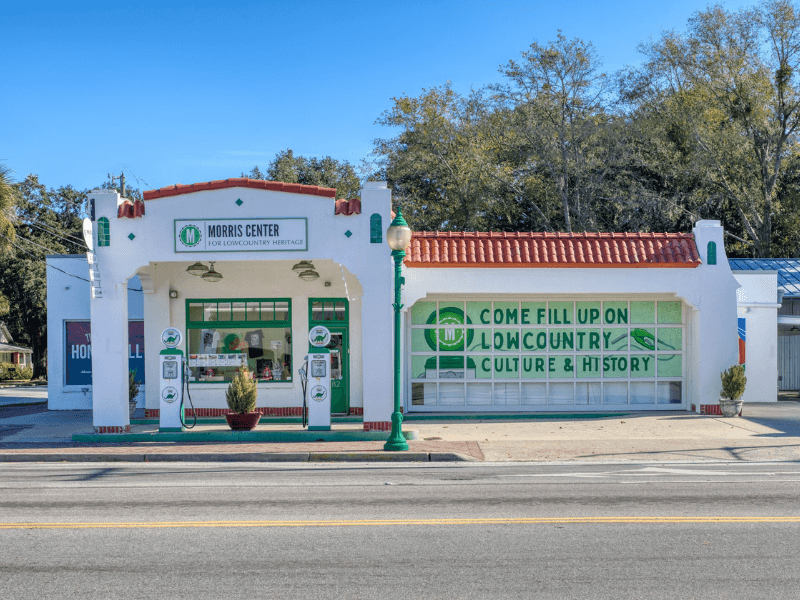
Every museum has a reason for existing, and this one carries the name of Daniel Ollin Morris, known to many as Danny. He was born in 1952 in the nearby Tillman community, so the Lowcountry was never just scenery to him.
It was home.
Morris owned several local businesses over the years. Among them were convenience stores and gas stations, which makes the choice of a 1937 service station feel wonderfully fitting.
He also ran an antique refinishing business, so he clearly had an eye for old things worth saving.
His passion for the history and culture of his region is what shaped the center. The goal was to create a place where history and culture could inspire and lift up future generations.
Knowing that made my visit feel more meaningful, because the building is a tribute as much as a museum.
I found myself thinking about how many small towns lose their stories simply because nobody sets them down in one place. Here, someone decided those stories deserved a home.
That kind of care shows in the details.
If you visit, take a minute to read about Morris before you explore the exhibits. It gives the whole experience a personal thread.
You start to see the center less as a collection of objects and more as a gift to the community he loved.
Rooms That Punch Above Their Size
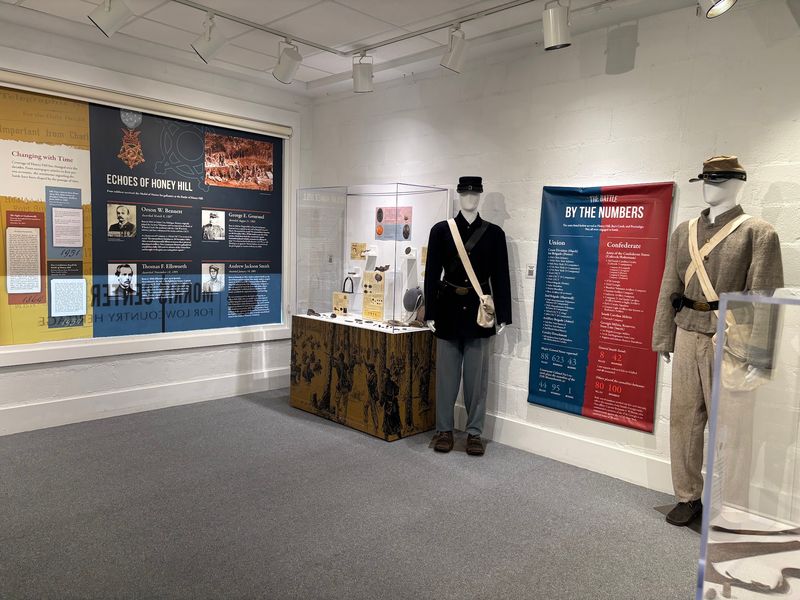
Okay, let me be honest about the size first. The museum is small, and you can see the main exhibits in around half an hour.
That makes it an easy break if you are road tripping along I-95 and need something better than another fast food stop.
Small does not mean thin, though. The rooms are thoughtfully packed with displays, images, and stories covering a wide sweep of local history.
I kept stopping to read one more panel, then another, and my half hour stretched into something longer.
Exhibits here come in two flavors. Some are permanent, while others rotate, so a return visit might show you something completely different.
Past rotating shows have included Lowcountry music and a look at Black servicemen of World War II.
My tip is to check the website before you go. That way you will know which rotating exhibit is on display and whether any special programs line up with your trip.
The layout is simple and friendly, which makes it great for families with younger kids who get restless in huge museums. Nobody gets lost, nobody gets overwhelmed, and everyone walks out having learned something new.
There is real value in a museum you can actually finish without sore feet.
The Battle of Honey Hill in Miniature
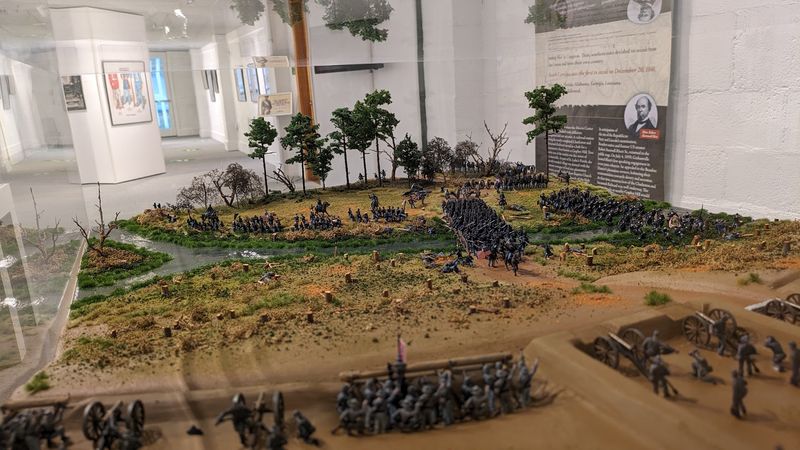
Tiny soldiers, tiny trees, and a very big moment in history. The diorama of the Battle of Honey Hill is one of the permanent highlights, and I could have stared at it for ages.
The Battle of Honey Hill took place in 1864 in this part of South Carolina during the Civil War. Union troops, including African American regiments, tried to cut a key railroad line, and Confederate forces held them back.
It is a piece of local history that many visitors have never heard about.
What makes a diorama so effective is that you can take in the whole scene at once. You see the land, the positions, and the way the terrain shaped the fight.
Suddenly a paragraph from a history book turns into something you can almost walk through.
Kids especially love this kind of display. They lean in close, spot small details, and start asking questions, which is exactly the point.
My advice is to look slowly and pay attention to the landscape features. The swampy, wooded ground of the Lowcountry played a real role in how events unfolded here.
After seeing it in miniature, I drove through the area afterward with fresh eyes, imagining what those roads and trees witnessed long ago.
From Early Tribes to the Antebellum Years
History here starts long before any gas pump showed up. Exhibits reach back to the heritage of the Waccamaw tribe, reminding visitors that Native people shaped this land for generations before European settlers arrived.
From there, the story moves into the antebellum economy. The Lowcountry became known for crops like rice and indigo, which brought great wealth to some and depended on the forced labor of enslaved people.
The displays help connect those big economic forces to the actual ground outside the door.
I appreciated how the center links different eras together. You can trace a line from early communities through the plantation years, the Civil War, and into the twentieth century.
Seeing it laid out in one place makes the region click.
Here is a practical idea for families. Before your visit, ask kids to guess what people in this area grew or made a few hundred years ago.
Then let them hunt for the answers inside, which turns the museum into a friendly little quest.
These exhibits are not flashy, and that is fine. They are honest, clear, and packed with information that makes the surrounding marshes and fields feel far more interesting.
I left with a long list of things to read about later.
Workshops, Yoga, and Hands-On Fun
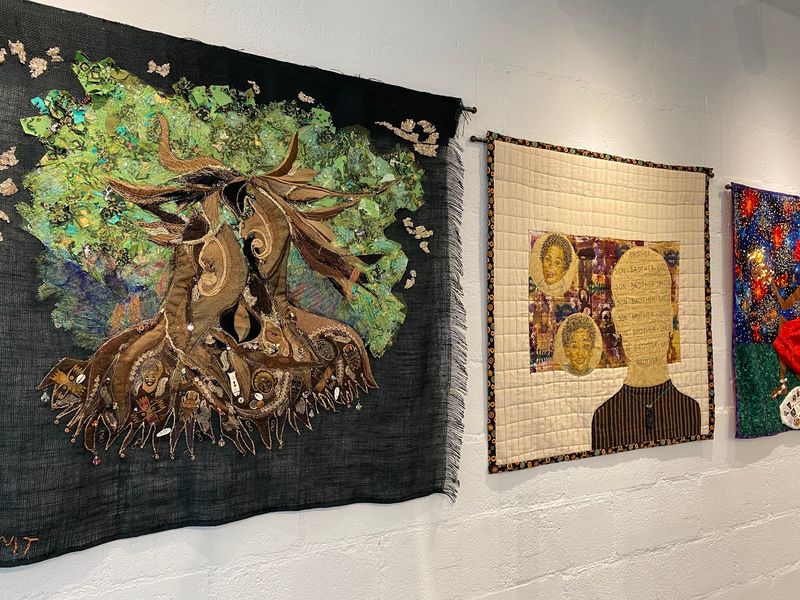
Who knew an old gas station could host yoga? The Morris Center is much more than a place to read display panels, because it doubles as a lively community space.
Programs over the years have included cooking classes, yoga sessions, lectures, storytelling, and cultural presentations. Indigo dyeing workshops have been especially popular, which makes perfect sense in a region with such deep indigo history.
There is something satisfying about learning a craft right where it once shaped the local economy.
The center has also hosted family events featuring reptiles, turtles, and birds of prey, plus programs on Marsh Tacky horses and oysters. Talks on science topics have popped up too.
The variety keeps things fresh for locals who stop by again and again.
A quick heads up from experience with small venues like this: popular programs can fill up fast. Check the website and sign up early if something catches your eye.
I love places that let you use your hands and not just your eyes. Dyeing fabric, tasting a traditional dish, or listening to a storyteller sticks with you in a way a label never can.
If your schedule allows, planning your visit around a workshop is the smartest move you can make here.
Planning Your Stop in Ridgeland
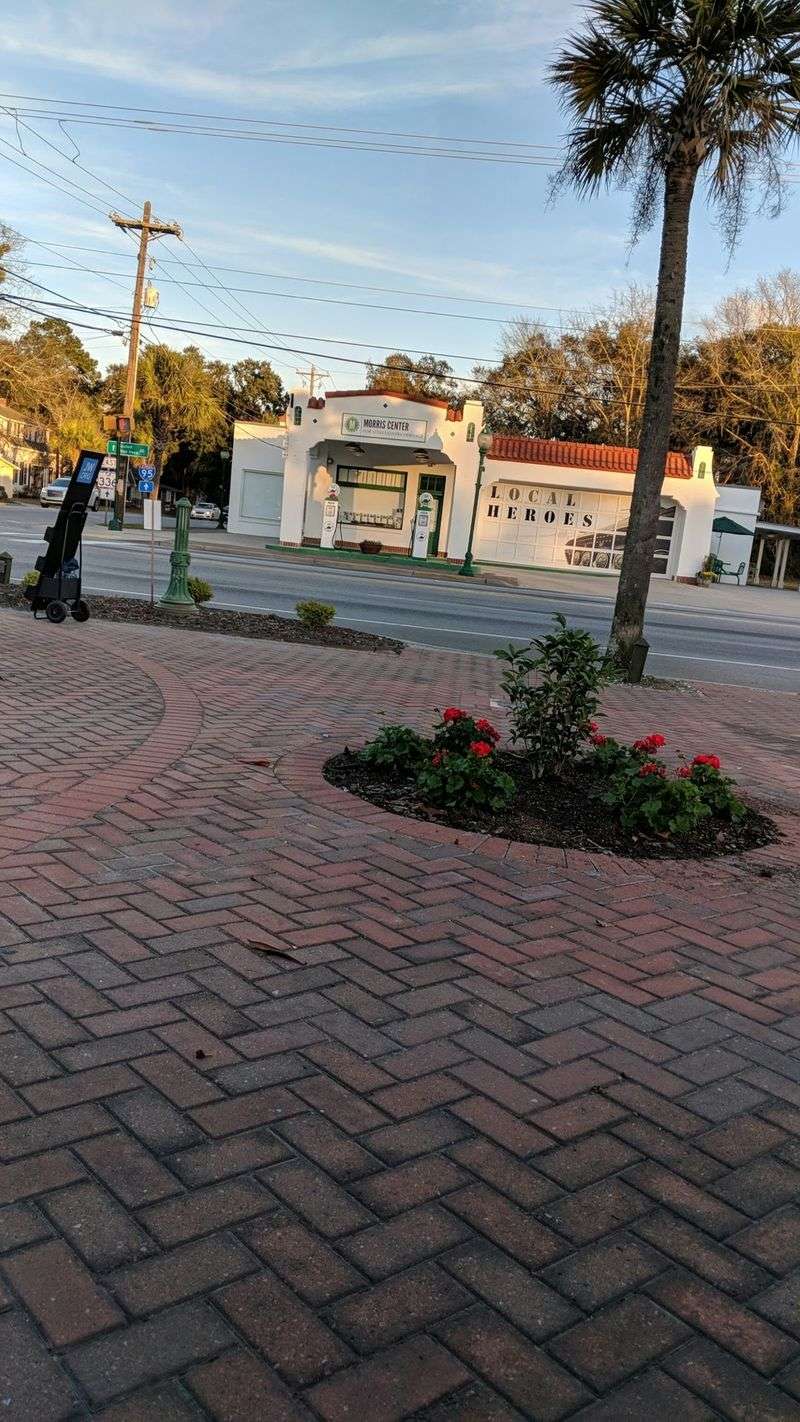
Good news first: admission is free. That alone makes this one of the easiest travel decisions you will make in the Lowcountry.
The center is open Wednesday through Saturday, from 11 AM to 3 PM, and it is closed Sunday through Tuesday. Those hours are fairly short, so plan ahead.
I would aim for late morning, then grab lunch in town afterward.
Ridgeland sits close to I-95, which makes the museum a smart detour on a longer drive. It is also an easy outing for folks staying in Hilton Head or Bluffton who want a break from the beach.
A quiet, meaningful hour inland balances out a week of sand and sun nicely.
Donations and memberships help keep this non-profit running, so consider supporting it if you enjoy your time.
My final tip is to leave room for curiosity. Park, snap a photo with the old pumps, chat with the staff, and let the stories unfold at their own pace.
A gas station that outlived its highway deserves more than a rushed glance.
Address: 10782 S Jacob Smart Blvd, Ridgeland, SC 29936
