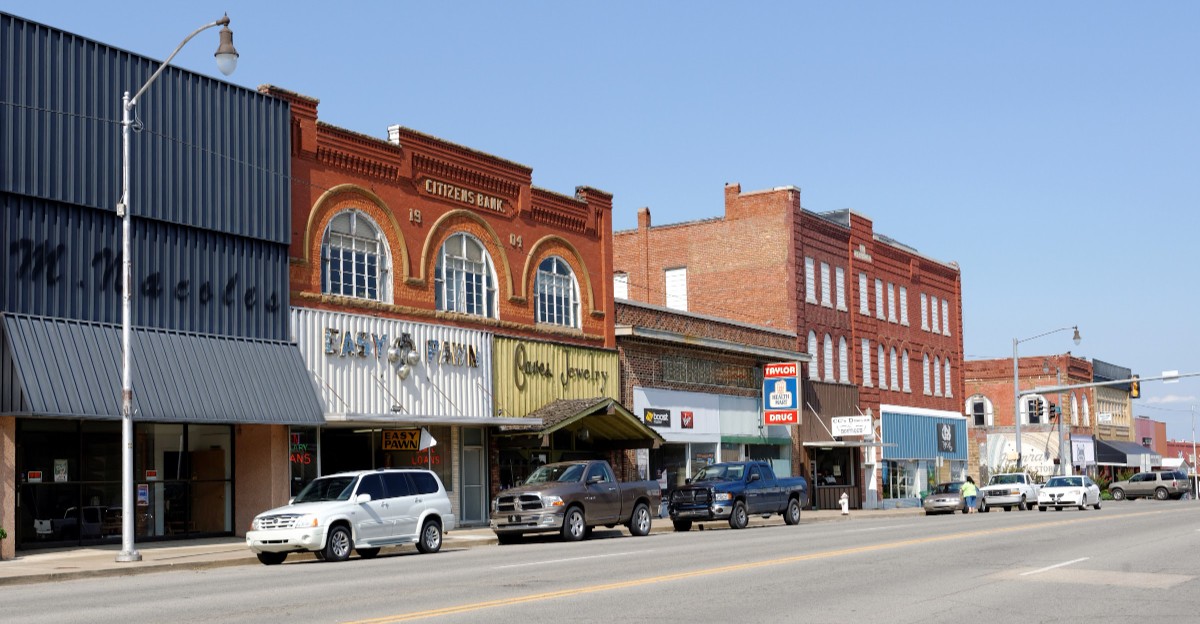
Some Oklahoma towns hand you their whole story in one afternoon, and others make you slow down and look twice. I rolled into this one expecting a gas stop and a stretch of the legs, and left with a notebook full of rodeo names, a lake I did not know existed, and a hankering for chicken-fried steak.
It is small enough that you could drive through it during one song on the radio, yet it has produced more arena hardware than cities fifty times its size. That combination of ordinary streets and extraordinary grit is exactly why it stuck with me.
A Small City Where Two Highways Shake Hands
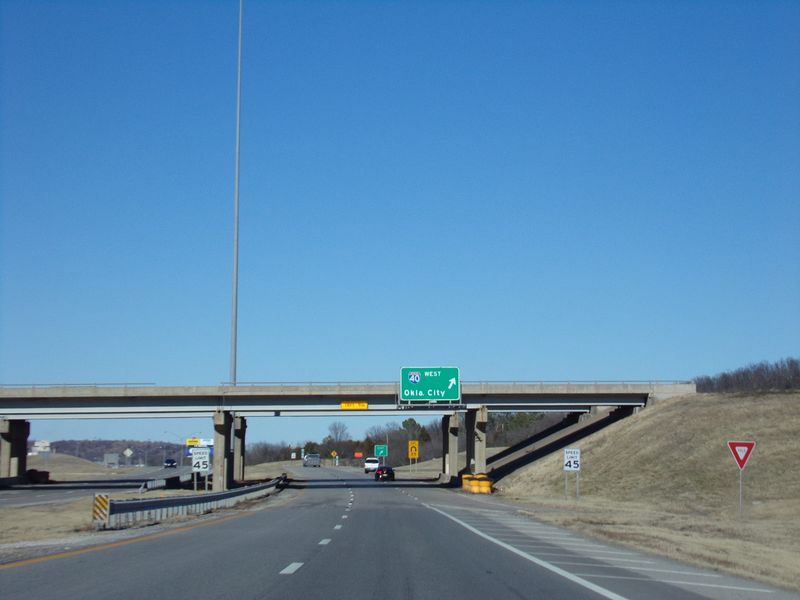
Pull off Interstate 40 about an hour and a half east of Oklahoma City and you arrive in Henryetta, a city of 5,640 people according to the 2020 census. It sits in Okmulgee County under the ZIP code 74437, right where the interstate crosses paths with US Highway 75.
That junction matters more than it sounds. Travelers heading between Tulsa and points south, or between Oklahoma City and Fort Smith, pass within a mile of downtown without ever realizing what the town is known for.
From Tulsa, the drive runs roughly an hour straight down the highway. From Oklahoma City, plan on somewhere near ninety minutes, which puts it comfortably inside the range most Oklahoma families consider an easy Saturday trip.
The landscape here is eastern Oklahoma rather than open prairie. You get low hills, blackjack oak, pasture broken by creek bottoms, and cattle behind wire fences that look like they have been there a while.
Nothing about the approach announces a rodeo dynasty. The story is in the arena dirt, the practice pens, and a name on the water tower side of town.
Coal Seams, Glass Furnaces, and What Came After
Long before anyone hung a rodeo banner here, the ground itself paid the bills. Henryetta grew up in the first years of statehood around coal seams and the industries that followed them, including glass plants and brick works that drew workers from across the country.
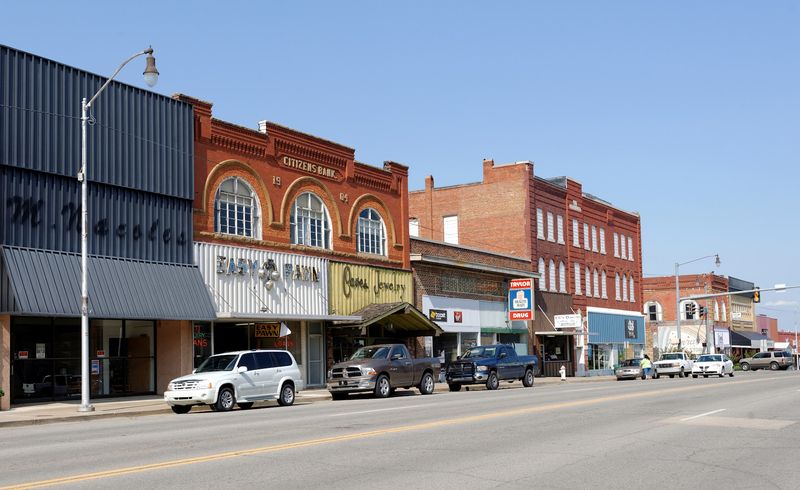
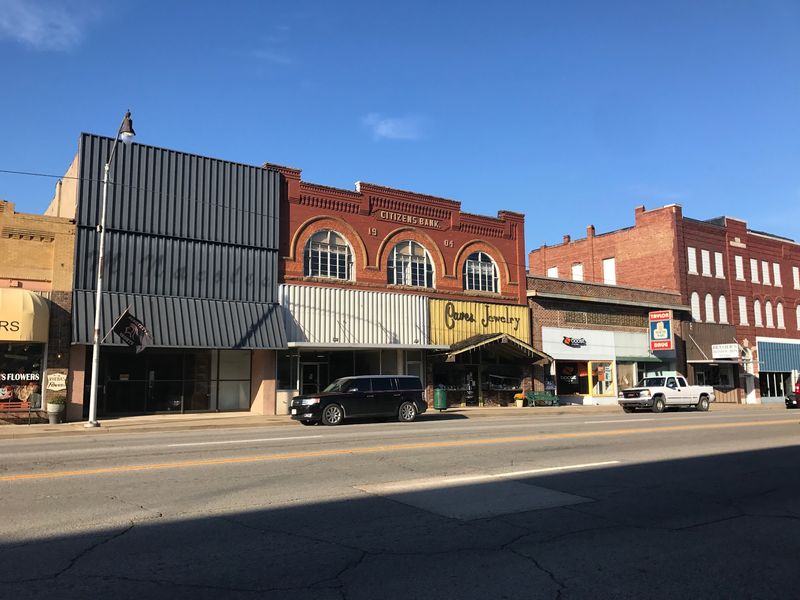
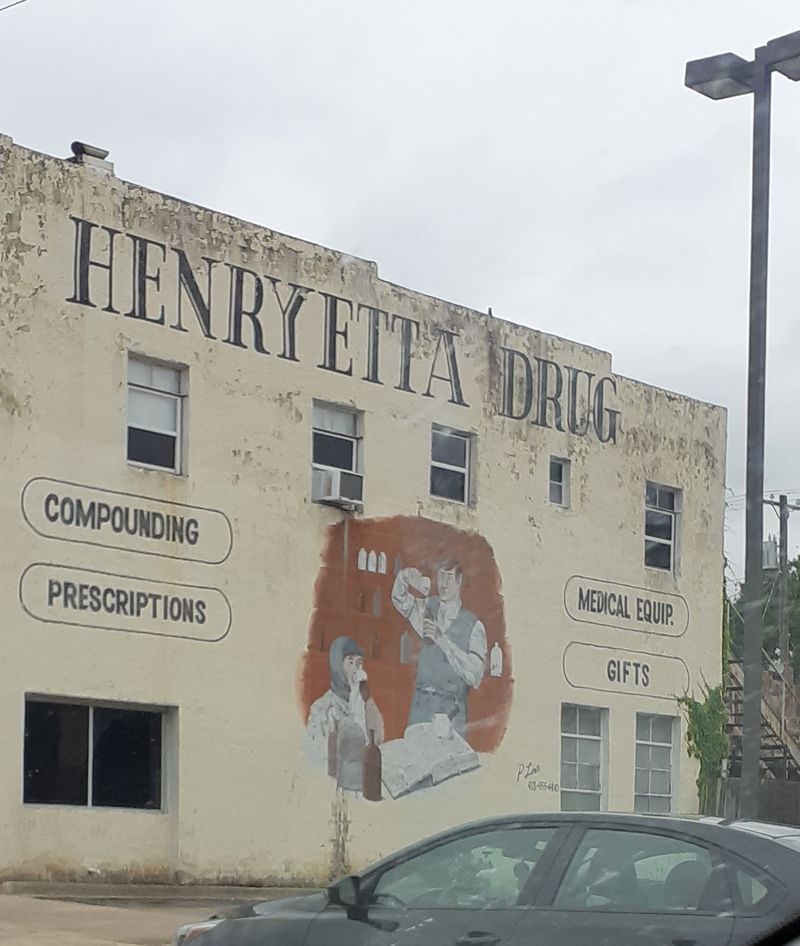
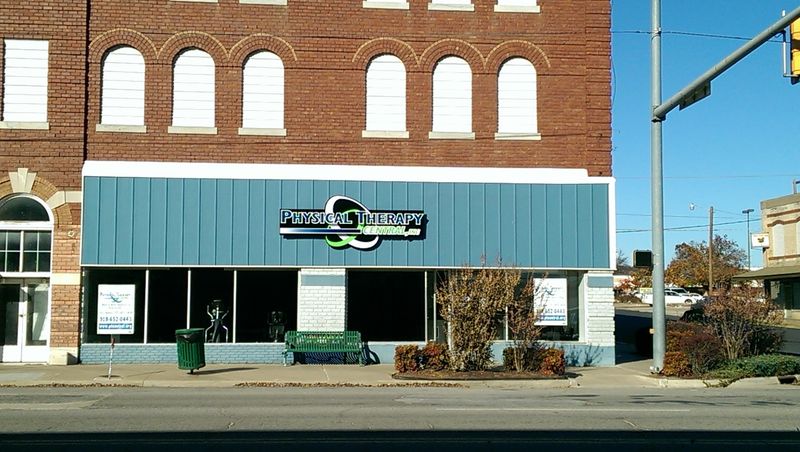
Walk the older blocks and the evidence is still standing. Brick storefronts with high parapets, a few faded painted signs, and buildings built sturdier than a town of this size would need today all point back to boom years.
Mining towns tend to raise a particular kind of person. The work rewarded early mornings, physical toughness, and a willingness to keep showing up, which happens to describe the traits that make a steer wrestler or a roper competitive.
When the mines wound down, cattle and horses filled a lot of the gap. Pasture ground, roping arenas, and family operations became the backbone of the local economy in place of the shafts and furnaces.
Understanding that history helps the rodeo reputation make sense. The town did not stumble into toughness.
It inherited it, then found a new arena to spend it in.
The Jim Shoulders Name You Will Hear First
Ask about rodeo here and one name arrives before you finish the question. Jim Shoulders, who made Henryetta his home base, piled up sixteen world championships across bull riding, bareback riding, and the all-around title, a haul that put him among the most decorated competitors the sport has ever produced.
Sixteen is not a typo. For decades it stood as the benchmark every young cowboy measured himself against, and it came out of a town you could circle on foot in an afternoon.
What mattered locally was not just the buckles. Shoulders ran a rodeo school on his place outside town, and generations of riders came through to learn from someone who had already survived every version of a bad day in the arena.
That teaching habit is the quiet reason the town kept producing talent instead of peaking once. Knowledge stayed put and got passed down over fences and tailgates.
You will see his name attached to the local arena and rodeo, and locals still mention him the way other towns mention a founding family. Around here, he basically is one.
The Living Legends Rodeo That Draws a Crowd
Once a year the population of this place effectively doubles, and it has nothing to do with the interstate. The Jim Shoulders Living Legends Rodeo brings professional contestants, past champions, and a whole lot of pickups with out-of-county tags into town for a multi-day run of competition.
Expect the standard lineup done well rather than anything flashy. Timed events, rough stock, barrel racing, and a grand entry that gets the bleachers on their feet.
Dates have historically landed in the warm months, so it pays to confirm the schedule before you commit a weekend. Small-town rodeo calendars can shift by a week or two year to year.
Gate prices at community rodeos like this usually stay far below what a big-city arena charges, and kids often get in for a reduced rate. Bring cash, since concession windows tend to move faster that way.
The best part is the feel of the thing. Families spread out on the metal seats, announcers know half the contestants by their parents, and the whole event runs on volunteer sweat rather than sponsorship polish.
Arena Dirt as Community Property
An arena in a town this size does not sit idle between big events. The rodeo grounds here function closer to a public park with a fence around it, hosting jackpots, youth events, practice nights, and local club competitions through the season.
Show up on an ordinary weeknight in decent weather and you might find a handful of trailers backed up to the chutes, a tractor dragging the dirt smooth, and somebody’s kid taking runs while relatives lean on the rail.
That routine access is the part outsiders miss. Talent needs repetitions, and repetitions need a place to happen that does not cost a fortune or require a two-hour haul.
Facilities at community arenas are usually simple. Covered seating in places, a concession stand, restrooms, and gravel parking that gets a little loose after a storm.
Plain does not mean unimpressive. Some of the runs you see on a random Thursday here would hold up against what is happening in far bigger buildings, and admission for casual events is frequently free or close to it.
How the Pipeline Actually Works
Champions rarely appear from nowhere, and around here the path is pretty traceable. It generally starts with a kid on a borrowed horse at a junior rodeo, moves through high school competition, and continues into college programs or amateur circuits before anyone talks about professional cards.
Eastern Oklahoma happens to be thick with that infrastructure. Youth associations, 4-H and FFA chapters, roping clubs, and neighboring towns with their own arenas mean a family can find a competition most weekends without leaving the region.
Mentorship carries the rest. Older competitors coach for free, loan horses, and haul teenagers to events, which keeps the sport accessible to families who could never fund a private program.
Cost is still real. Horses, feed, entry fees, and fuel add up fast, and that is part of why a tight-knit town with shared trailers and shared knowledge produces results a wealthier suburb might not.
Watching a practice session, the thing that stands out is patience. Nobody rushes the kid.
They just run it again until it looks right.
Nichols Park and a Lake Most Travelers Never Notice
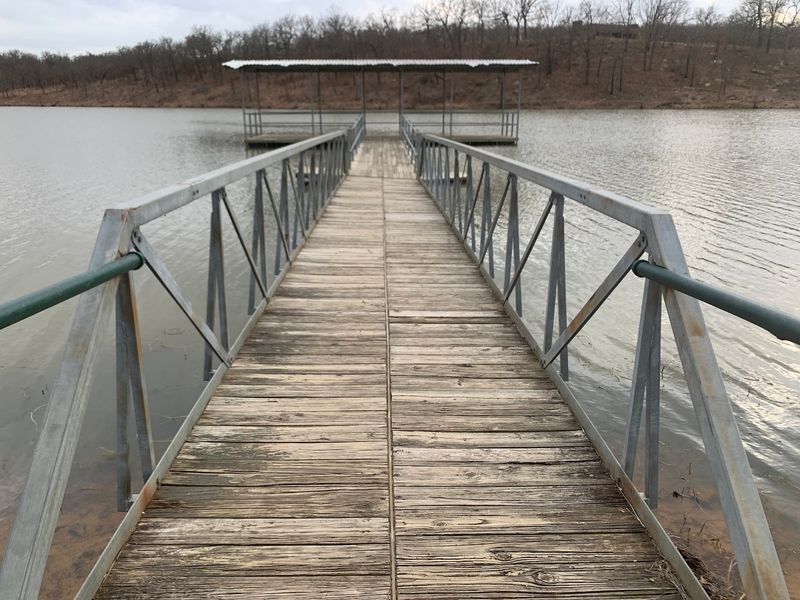
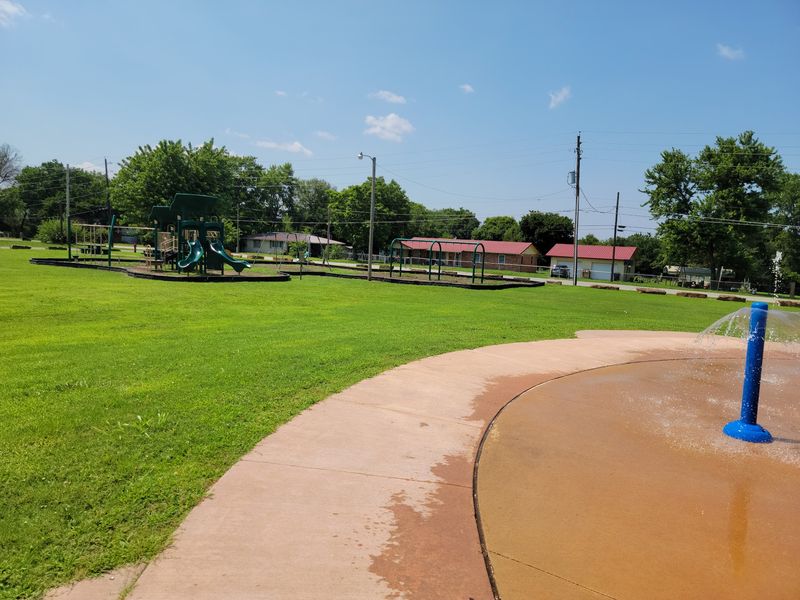
Rodeo may be the headline, but the town’s day-to-day gathering spot involves water. Nichols Park spreads out near Lake Henryetta on the edge of town, giving locals a place for picnics, fishing from the bank, playground time, and slow laps on foot.
It is the kind of park built in layers over decades. Shade trees that took fifty years to get that big, picnic shelters, ball fields, and a road that loops past the water.
Fishing is the main draw for a lot of folks. Bring your own tackle, check current Oklahoma license requirements before you cast, and expect company on pleasant spring weekends.
For road-trippers, the park works as a genuinely useful stop. Kids burn off interstate restlessness, adults get a shady table for sandwiches, and nobody spends a dollar to do it.
Summer here gets hot and the wind can be pushy, so morning and evening are the comfortable windows. Fall is arguably the better play, with cooler air and the oaks starting to turn along the shoreline.
Territorial History Kept Under One Roof
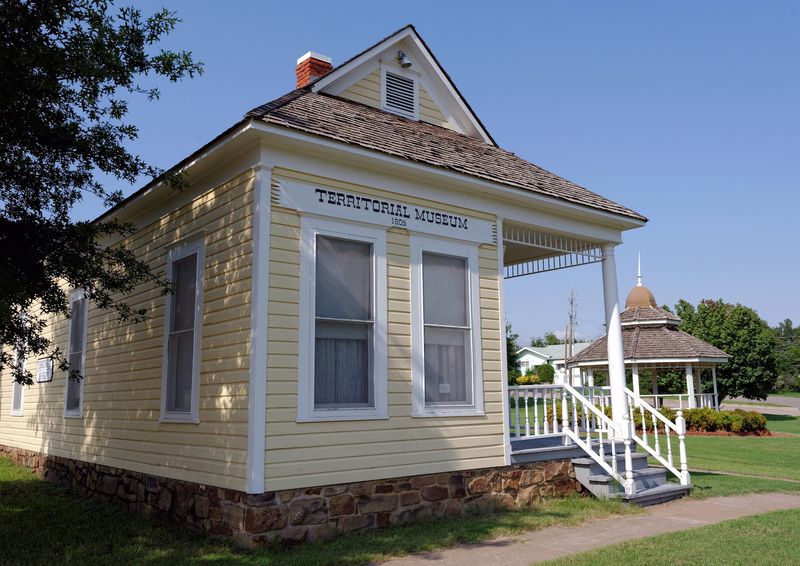
Local museums in towns this size run on volunteers, donated shelving, and stubborn civic pride, and they are often the best thirty minutes you can spend. Henryetta’s territorial-era museum collects the town’s layered past in one place, covering the mining years, early business life, school and sports history, and the ranching culture that followed.
Displays lean personal rather than polished. Family photographs, tools, uniforms, saddles, and newspaper clippings tend to say more about a community than a professionally designed exhibit ever does.
Hours at small heritage museums can be limited and seasonal, sometimes just a few afternoons a week, so a quick call ahead may save you a wasted trip. Admission is frequently free or built around a donation jar.
Grandparents and grandkids do especially well here. One group recognizes the objects and the other cannot believe people used them.
If rodeo brought you to town, this is where the context clicks into place. Seeing the mining photographs next to the arena memorabilia makes the whole champion-producing pattern feel less like coincidence.
Where to Eat Before the Grand Entry
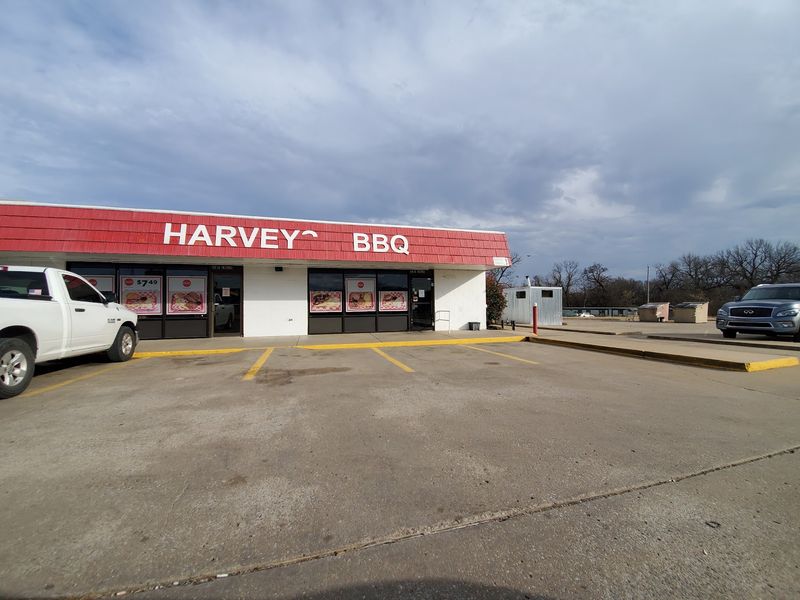
Nobody drives to a rodeo town for tasting menus, thank goodness. Food along the highway strip and around downtown here runs toward what eastern Oklahoma does best, meaning cafes, burger counters, barbecue, and a pie case if you get lucky.
Chicken-fried steak with cream gravy is the regional benchmark, and a plate with two sides at a small-town cafe usually lands in the ten to fifteen dollar range. Prices and hours change, so treat that as a ballpark rather than a promise.
Breakfast is the sleeper meal in towns like this. Early counters fill with ranch folks and road crews well before eight, which is also the best time to overhear who won what last weekend.
Plan around closing times. Plenty of small-town kitchens shut down mid-afternoon or close entirely on Sundays, and the interstate exit becomes your only fallback.
Eat before the rodeo rather than during it. Concession stands handle hot dogs and nachos fine, but the real cooking happens on Main Street, and a full stomach makes bleacher seats a lot friendlier.
Rodeo Is Not the Only Hometown Bragging Right
Here is a fun bit of trivia for the drive home. Alongside its arena champions, this town also raised Troy Aikman, who quarterbacked his way from local high school football to the Pro Football Hall of Fame.
Two very different sports, one shared ingredient. Both reward kids who spend years doing repetitive, unglamorous work in the heat because somebody older kept showing up to coach them.
Friday night football still matters enormously in a community this size. The stadium doubles as a town meeting, and the concession line is where news actually travels.
For visitors, that means autumn is a genuinely good season to drop in. Cooler weather, high school games, and the tail end of rodeo season overlap in a nice way.
Locals tend to mention their famous names casually rather than with fanfare, which somehow makes the list more impressive. When a place with fewer than six thousand residents can point to world champions in the arena and a quarterback in Canton, it has earned the right to be a little smug.
It just is not.
Getting There, Timing It, and What to Bring
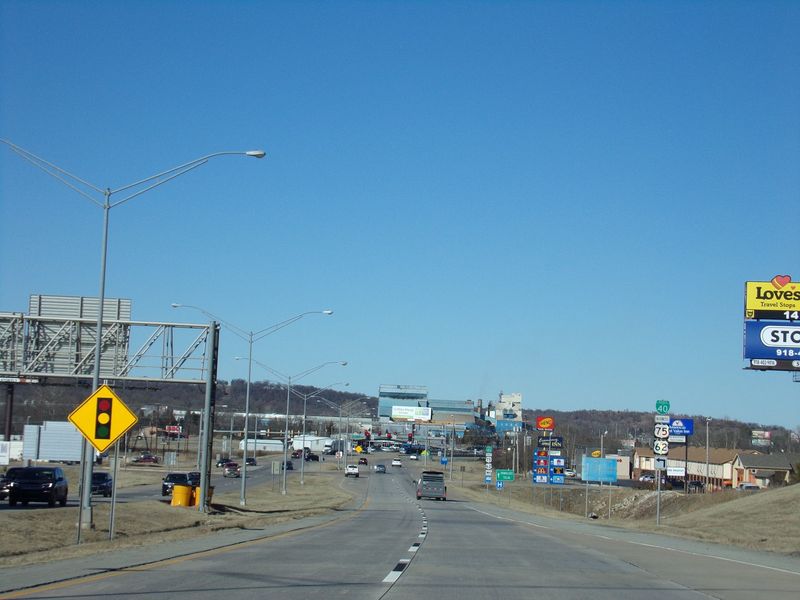
Logistics are refreshingly simple. Interstate 40 and US 75 both run right past town, parking at community events is usually gravel or grass and free, and you will rarely walk more than a few minutes from your vehicle to the gate.
Timing deserves more thought than the route. Oklahoma summers bring real heat, spring carries storm risk, and wind is a year-round factor on open bleachers, so check the forecast the morning you leave.
Pack accordingly. Hats, sunscreen, a light jacket for after sundown, cash for gates and concessions, and closed-toe shoes for dusty arena ground all earn their space.
Families do fine here. Rodeo events are loud but kid-friendly, the park gives you a pressure-free backup plan, and museum stops are short enough to hold young attention.
Lodging is limited in a town this size, with a handful of highway-side options. Tulsa is close enough that many visitors treat this as a day trip, driving down in the afternoon, catching the evening performance, and heading home the same night.
Worth the Exit Ramp
Plenty of Oklahoma towns wave at travelers from the shoulder of the interstate and never get a second look. This one deserves better, mostly because its reputation was built on something you cannot fake.
You do not accumulate world champions by accident when you have fewer than six thousand neighbors. That takes arenas kept open, veterans willing to teach, families hauling kids to events on their own dollar, and a community that treats the sport as shared property.
Would I recommend it as a full vacation? Probably not on its own, and locals would likely agree.
As a half-day stop, a rodeo-weekend destination, or the anchor of a loop through Okmulgee County, it earns the mileage easily.
Go for a rodeo if the calendar cooperates. Go for the museum, the lake, and a plate of something fried if it does not.
What you take home is a small correction to your mental map of the state. Greatness in Oklahoma has a habit of turning up in places with one water tower and a whole lot of arena dirt.
