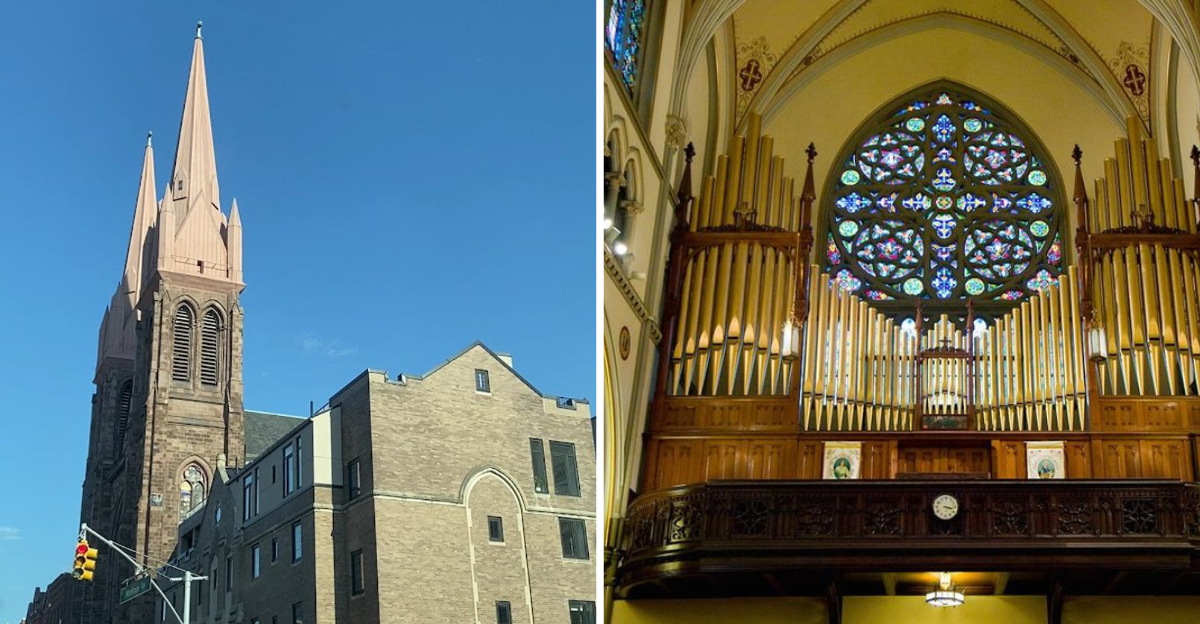
Brooklyn has no shortage of old buildings with secrets. But this one stopped me cold.
Tucked inside a quiet church is a crypt that has been locked for decades. You cannot go inside.
You can only press your face to the gate and peer into the darkness. Inside, several forgotten priests wait in their final resting places, not because anyone wanted to forget them, but because the church lost the keys. Or maybe someone decided it was better to just close the door and move on.
Parishioners whisper about unsettled energy near that gate. I stood there in the dim light and felt something I could not name.
Not fear exactly. Sorrow.
For men who dedicated their lives to faith and ended up sealed away in the dark. New York holds its history close.
Sometimes too close.
The Church That Time Almost forgot
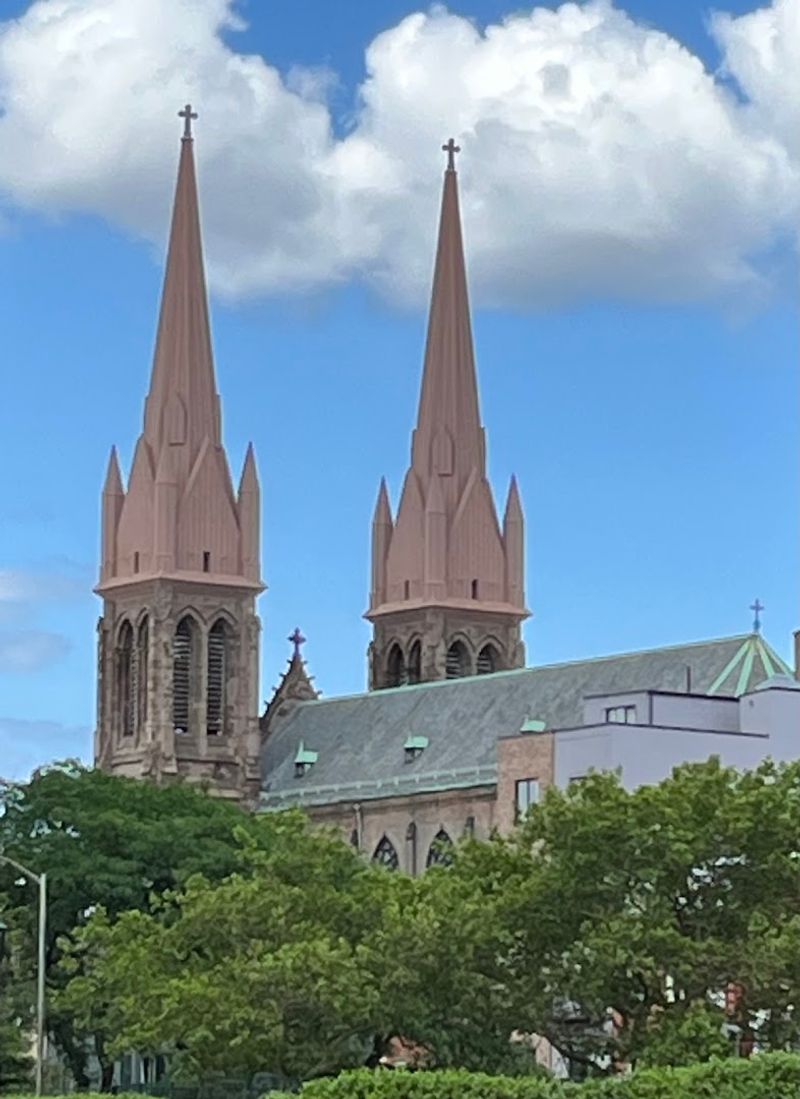
Most Holy Trinity Church in Brooklyn does not announce itself loudly. It sits on its block with the quiet confidence of something that knows it has outlasted everything around it.
Built in 1885, the church was originally founded to serve a growing German Catholic immigrant community, and the craftsmanship of that era is visible in every carved stone and arched window.
The neighborhood around it has changed dramatically over the decades. What was once a densely German enclave became Puerto Rican, then Dominican, and now it blends into the broader tapestry of modern Brooklyn.
Through all of it, the church has remained, adapting its congregation while holding onto its bones.
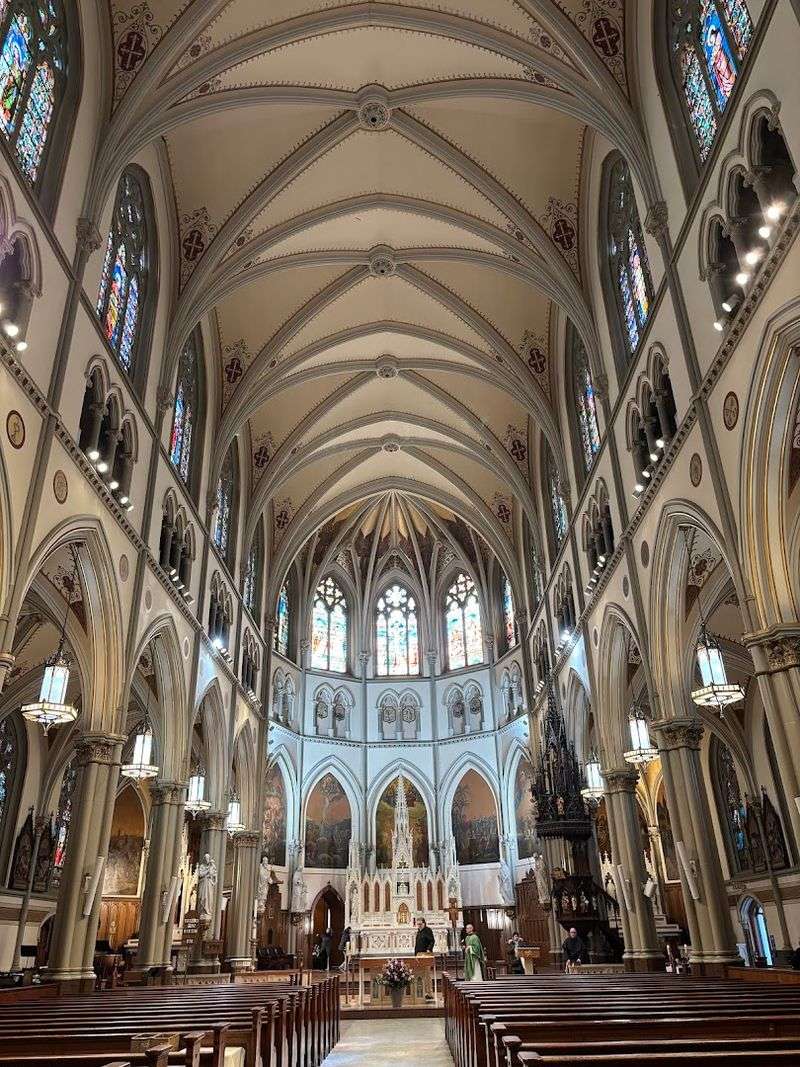
The interior is genuinely breathtaking. High vaulted ceilings, painted murals, and rows of dark wooden pews give the space a weight that newer buildings simply cannot manufacture.
First-time visitors often go quiet the moment they step inside. It is the kind of place that earns its silence.
The history embedded in the walls is not decorative, it is structural, and that distinction matters when you start learning what is hidden beneath the floor.
The Men Who Built The Parish And Never Left It
Father John Stephen Raffeiner was the first pastor of Most Holy Trinity, and his story is one of those quietly extraordinary ones that rarely makes it into popular history books. He arrived in Brooklyn at a time when the German Catholic community desperately needed spiritual leadership, and he gave it everything he had.
When he died, he was buried at the parish cemetery, which felt like a fitting end.
But in 1895, his remains were moved. The decision to re-inter him in the crypt beneath the church’s altar was both an honor and, depending on your perspective, something a little more complicated.
He was brought back to the building he had helped create, sealed beneath the place where Mass is still celebrated every week.
Monsignor Michael May, the church’s second pastor, followed a similar path. These men are not celebrated in the way that famous historical figures are.
There are no statues on busy street corners, no schools bearing their names across the city. They exist mostly in parish records and in the sealed space beneath the altar, their contributions known mainly to those who go looking.
That quiet obscurity is part of what makes their story feel so haunting.
What A Crypt Actually Is And Why This One Is Different
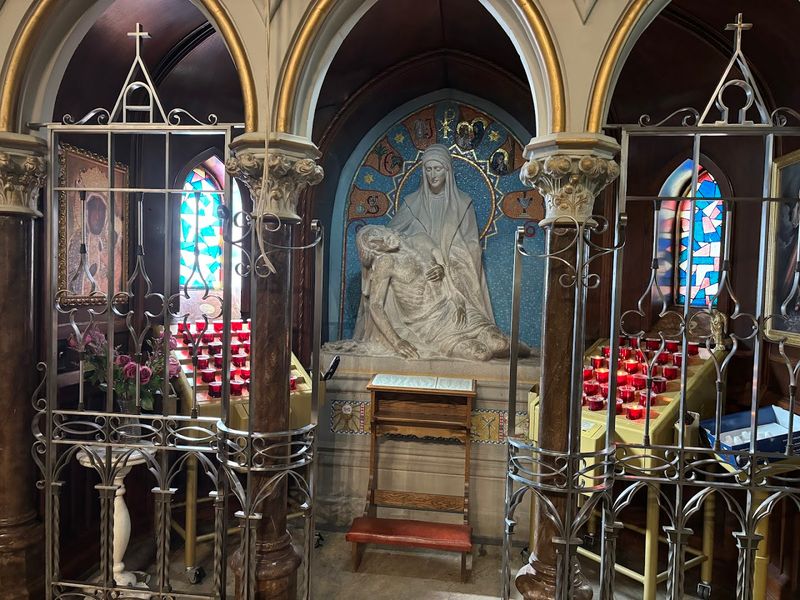
A crypt is not a dungeon, even if the word sometimes carries that association. Church crypts are consecrated spaces, meaning they have been formally blessed and set aside as sacred ground.
They were historically used to inter clergy, benefactors, and important members of religious communities, keeping the deceased close to the liturgical heart of the church.
What makes the crypt at Most Holy Trinity unusual is its inaccessibility. Many church crypts, especially in Europe, have been opened to visitors over the years, becoming part of official tours or historical preservation efforts.
This one has not. It remains locked, not open to the public, and largely unacknowledged in the everyday life of the parish.
That sealed quality gives it a different kind of weight. It is not a museum exhibit or a tourist attraction.
It is a real burial space with real people inside it, tucked beneath a functioning altar where Mass continues to be said. The priests interred there are present, in a sense, at every service, even if no one in the pews is thinking about them.
That overlap between the living and the dead, the active and the forgotten, is what sets this crypt apart from most.
The Legend Of Hidden Passageways Below The Floor
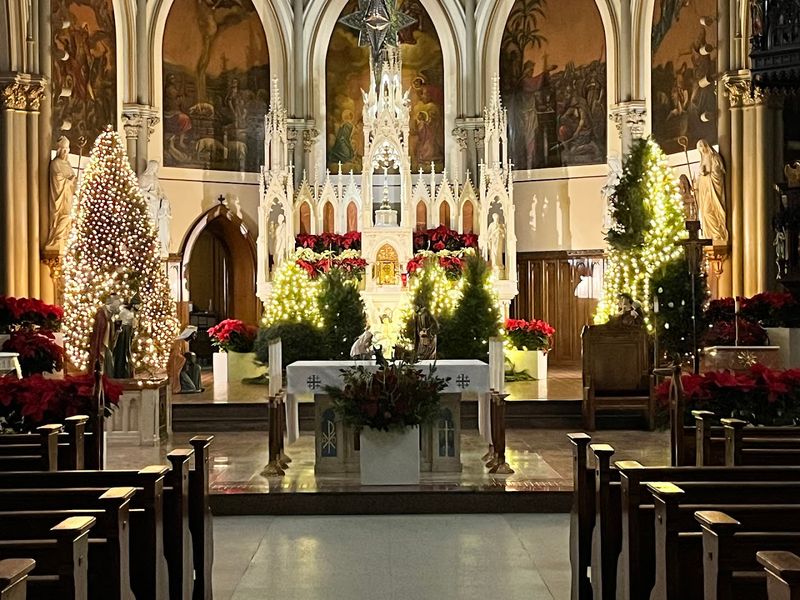
Beyond the confirmed crypt, Most Holy Trinity has accumulated a reputation for something even more elusive: hidden passageways and mysterious sub-basements that may or may not exist depending on who you ask. Parish lore, the kind that gets passed down through generations of churchgoers and local historians, includes references to tunnels and sealed rooms that have never been fully mapped or explained.
These stories are not unique to this church. Many old urban churches, especially those built in the 19th century, have complicated underground structures that were used for storage, utility access, or, in some cases, emergency exits during times of social unrest.
The German immigrant community that founded Most Holy Trinity lived through periods of significant tension in American history, and it is not impossible that the building reflects some of that anxiety in its architecture.
Whether the passageways are real or mythologized, they contribute to the atmosphere the church carries. Every old building eventually becomes a container for the stories people project onto it.
At Most Holy Trinity, those stories have enough historical grounding to feel plausible rather than purely fantastical. That thin line between documented history and neighborhood legend is exactly where the most interesting parts of this church seem to live.
The Architecture As A Kind Of Memory
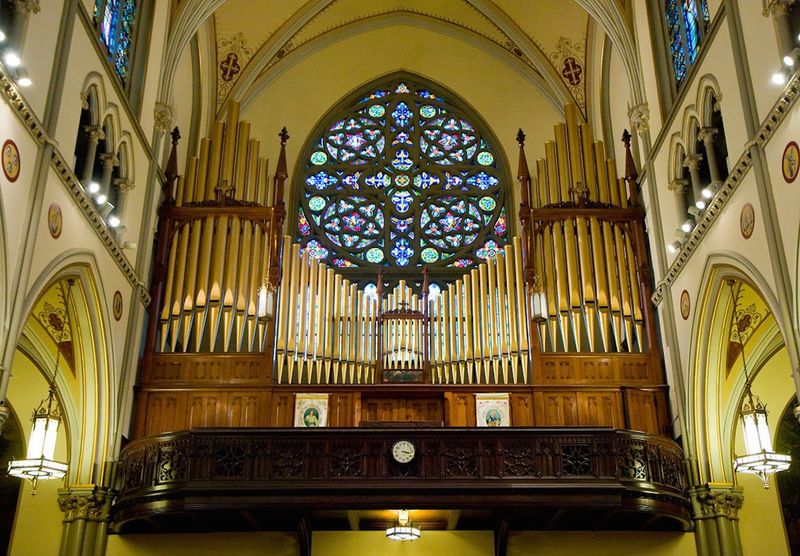
The inside of Most Holy Trinity rewards slow attention. The murals painted across the upper walls and ceiling are not just decorative choices; they are theological statements made by craftsmen who took their work seriously.
Each image connects to a tradition of Catholic visual storytelling that stretches back centuries, and seeing it in a Brooklyn neighborhood church feels genuinely surprising.
The stained glass windows filter light in ways that shift throughout the day. Morning visits and afternoon visits feel like two different experiences entirely.
The wooden pews are original to the building’s early decades, worn smooth by generations of people who sat in them through baptisms, funerals, first communions, and ordinary Sunday mornings that blurred together into a life.
Architecture like this carries grief and joy in equal measure. It was built by people who expected it to outlast them, and it has.
The immigrant families who funded its construction through small donations and enormous labor could not have imagined Brooklyn in the twenty-first century. Yet the building they made still stands, still functions, still holds its locked crypt beneath the altar.
There is something quietly defiant about that kind of endurance, something worth noticing when you take the time to look up.
Why Forgotten Histories Matter More Than We Think
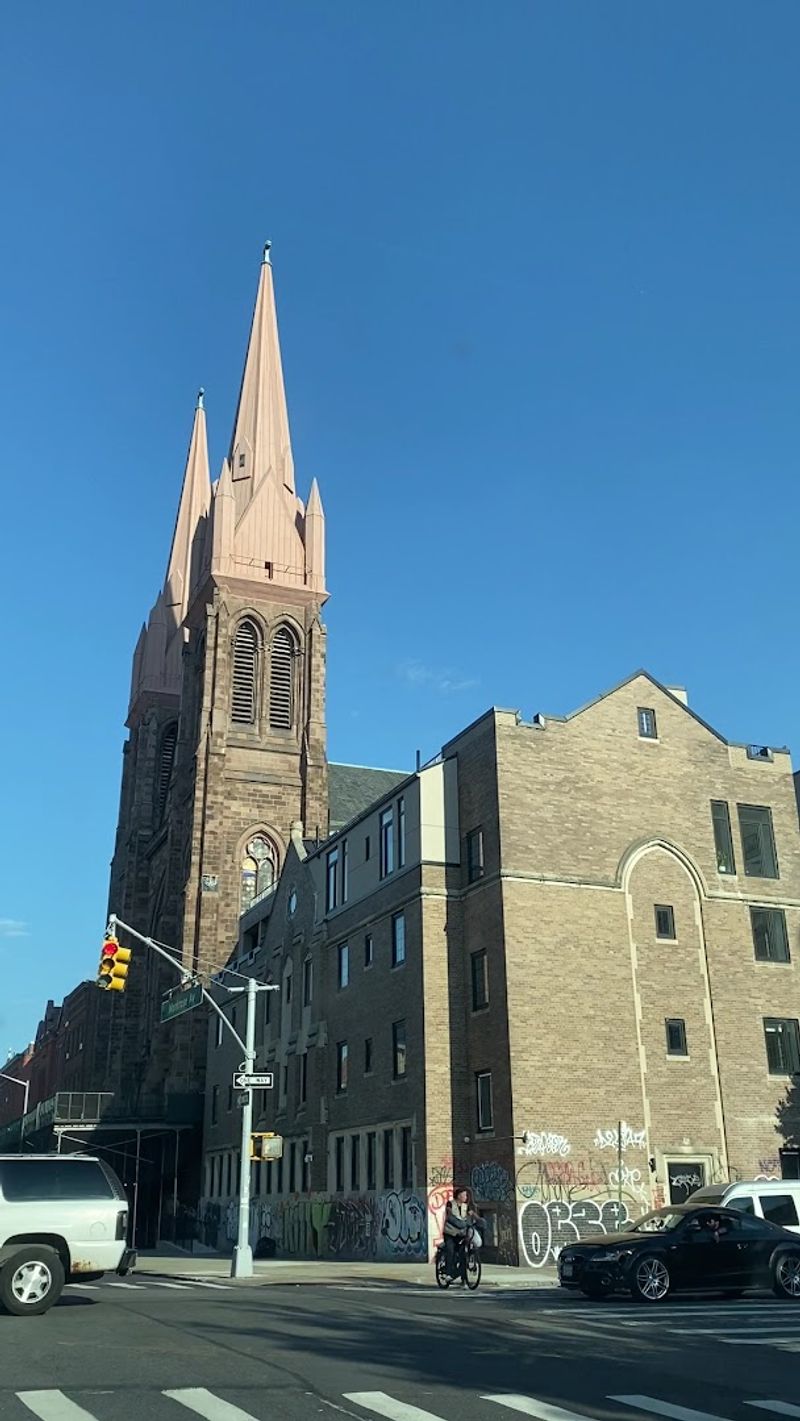
Most people who walk past Most Holy Trinity Church on a given day have no idea what is beneath the floor. That is not a criticism; it is just how cities work.
The visible and the invisible exist side by side, and most of us are too busy to notice the layer underneath the layer. But the priests sealed in that crypt represent something that deserves more than accidental obscurity.
Father Raffeiner and Monsignor May shaped an entire community during one of the most turbulent periods of American urban history. The German Catholic immigrant experience in 19th century Brooklyn was not simple or easy.
Building a parish, maintaining it through generational change, and ultimately being buried beneath it is a profound kind of commitment that most modern lives do not have an equivalent for.
When history gets locked behind a door, literally or figuratively, it does not disappear. It just stops being part of the conversation.
Places like this crypt are reminders that the past is always present in cities, embedded in foundations and sealed in stone. The fact that you cannot visit it makes it more compelling, not less.
Sometimes the most meaningful things are the ones you cannot quite reach.
How To Experience Most Holy Trinity For Yourself
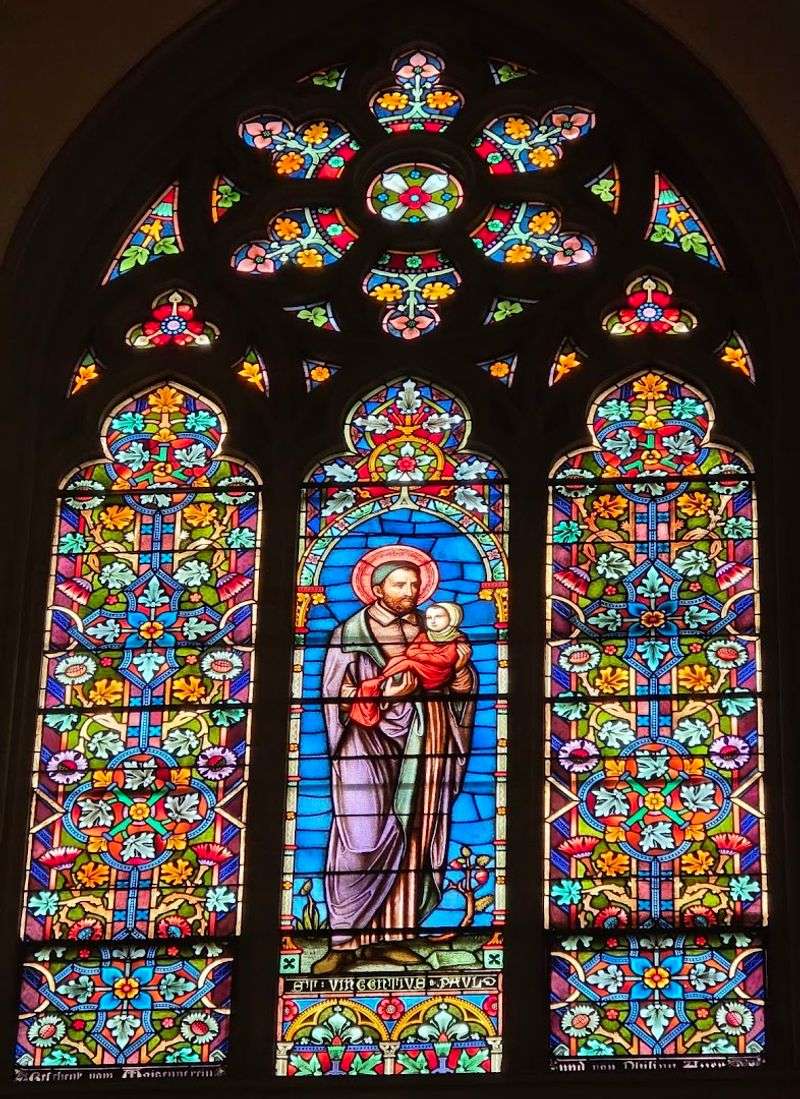
You do not need special access or insider knowledge to start experiencing Most Holy Trinity Church. The building is an active parish, which means it is open for regular Masses and, depending on the time of year, may be accessible for quiet visits during non-service hours.
The parish office at the church can provide information about visiting hours and any ongoing historical programs.
The surrounding neighborhood is worth your time too. Montrose Avenue and the blocks around it have a layered character that reflects the waves of immigration that have passed through this part of Brooklyn.
Small shops, community gardens, and old row houses all coexist with the church in a way that puts the building in context rather than isolating it.
If you are someone who finds meaning in old places, in the specific kind of silence that settles over spaces where generations of people have gathered, then this church will give you something real. The crypt is not accessible, but the building above it is honest about its age and its weight.
That honesty is rare. Going there with a little background knowledge makes the experience richer, and hopefully this article has given you a useful starting point.
Address: 138 Montrose Avenue, Brooklyn, New York
