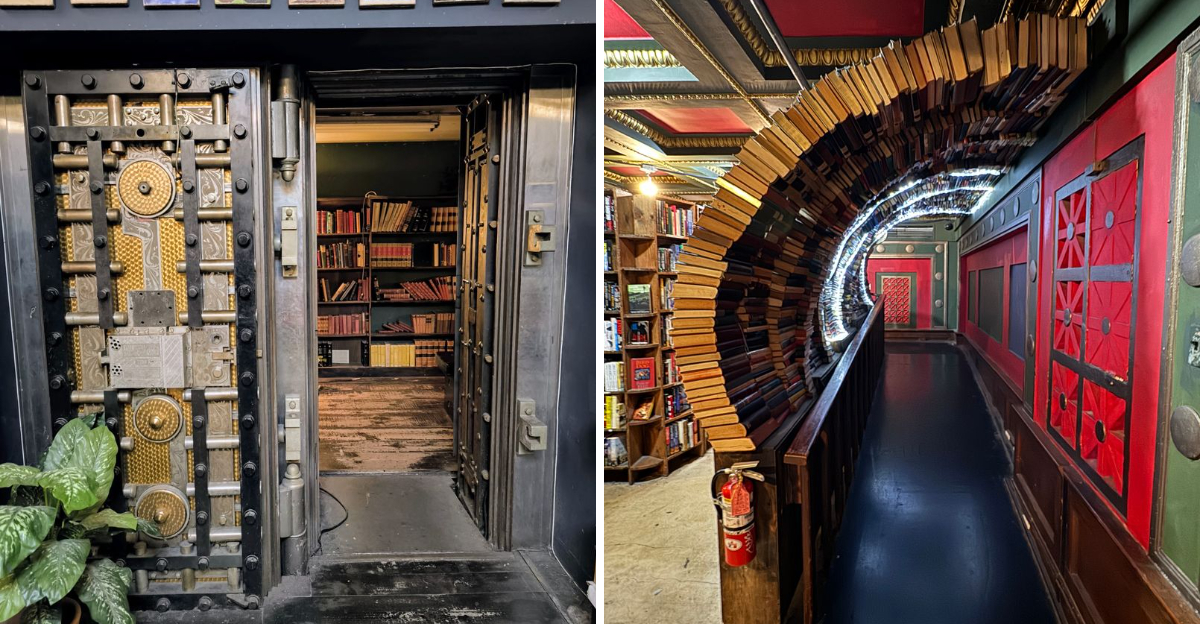
Tucked away in the heart of downtown Los Angeles at 453 S Spring St Ground Floor stands a literary wonderland that defies ordinary expectations.
The Last Bookstore transforms a historic bank building into a multilevel paradise where vintage architecture meets contemporary creativity, drawing book lovers and curious travelers from across the globe.
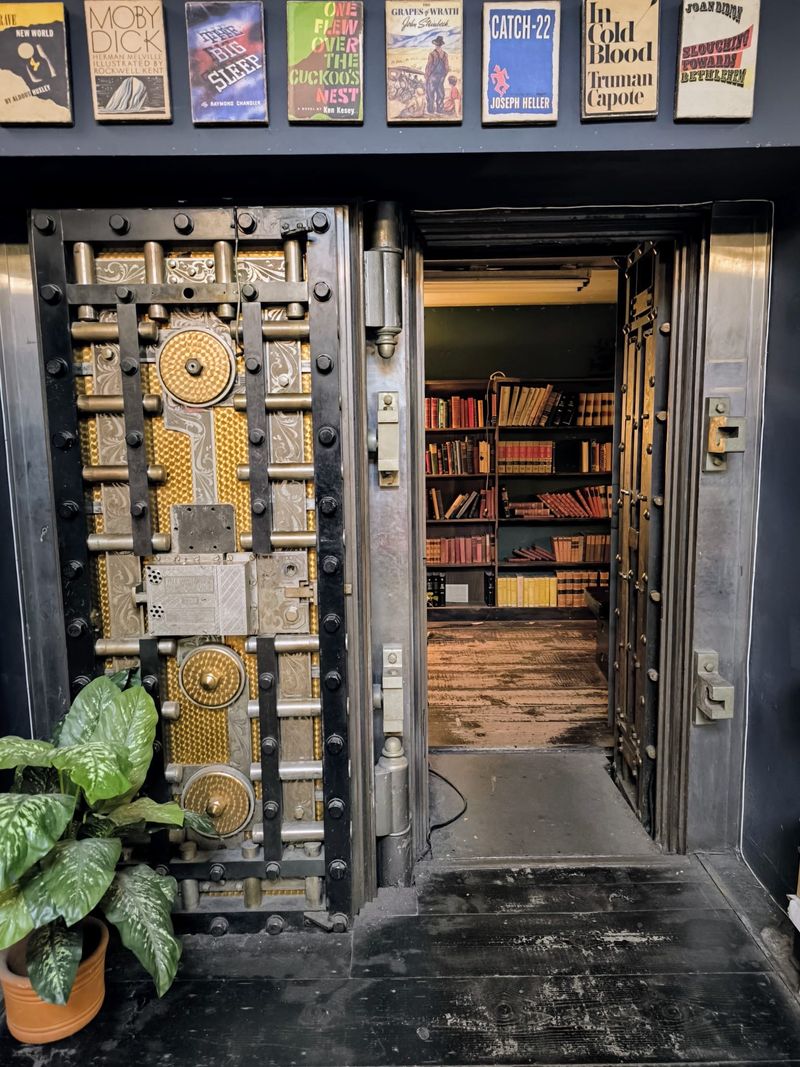
What makes this destination truly extraordinary is its legendary vault, a remnant from the building’s banking days, now repurposed into an intimate space filled with rare finds and mystery.
Visitors wander through towering shelves, discover art installations crafted from books themselves, and lose themselves in a setting that feels equal parts museum, gallery, and cozy reading nook.
Historic Banking Architecture Reimagined as Literary Space
Walking along Spring Street in downtown Los Angeles, you encounter a building that whispers stories from another era.
The structure housing The Last Bookstore dates back to when this neighborhood served as the city’s financial district, where marble floors echoed with the footsteps of bankers and businesspeople conducting transactions that shaped California’s economic landscape.
Today, those same halls welcome readers instead of depositors, creating an unexpected marriage between commerce past and culture present.
The building’s bones tell their own tale through soaring ceilings that reach toward chandeliers, ornate moldings that frame doorways, and windows that filter California sunlight into golden streams across book-lined pathways.
Architectural details that once signified financial security now provide the backdrop for literary exploration.
Original fixtures remain visible throughout the space, reminders of the transformation from cold transaction halls to warm gathering places where strangers bond over shared discoveries.
The juxtaposition creates a unique atmosphere that elevates browsing from mundane shopping to something approaching pilgrimage.
Visitors appreciate how the renovation preserved rather than erased history, allowing the building’s character to enhance rather than compete with its current purpose.
This respectful adaptation demonstrates how adaptive reuse can breathe new life into urban spaces while honoring their origins.
The setting alone makes the journey worthwhile, even before you crack open a single spine.
The Famous Vault’s Mysterious Atmosphere
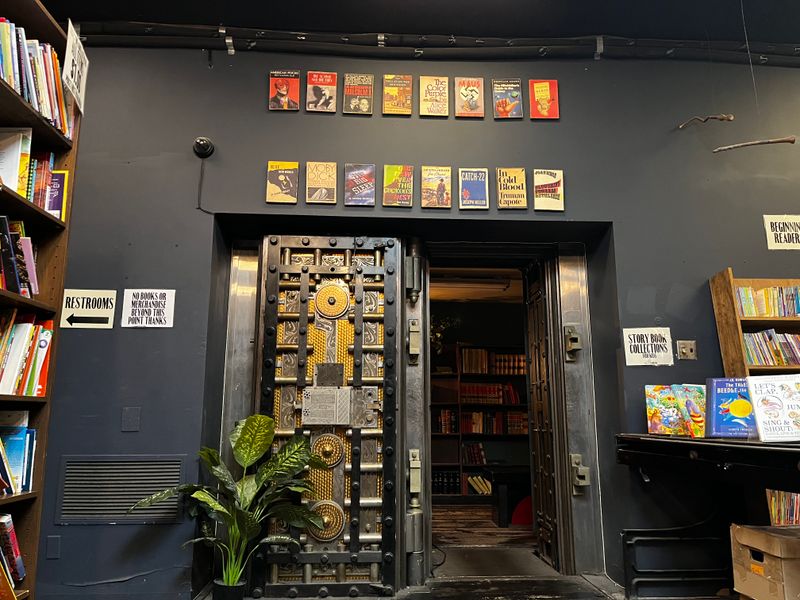
Few experiences compare to stepping through the massive circular door that once protected fortunes and now guards literary treasures.
The vault retains its imposing steel construction, with walls thick enough to withstand almost anything, creating a space that feels simultaneously secure and intimate.
Inside this protected chamber, shelves curve along the rounded walls, holding collections that range from vintage mysteries to specialized topics you would struggle to find anywhere else.
The temperature stays remarkably consistent, a remnant of the climate control systems designed to protect currency now preserving paper pages instead.
Lighting casts dramatic shadows across the confined space, adding to the sense that you have discovered something secret, something not meant for everyone.
Many visitors describe an almost reverential feeling upon entering, as if the vault remembers its original purpose and demands a certain respect from those who enter.
The acoustics change noticeably once you cross the threshold, sounds becoming muffled and contained, creating an isolated pocket away from the bustle of the main store.
This separation makes the vault ideal for focused browsing, where distractions fade and attention narrows to the titles before you.
Photography enthusiasts find endless angles to capture, though images never quite convey the visceral experience of standing inside such a unique space.
The vault embodies the store’s essence, transforming security into discovery and protection into welcome.
Multilevel Layout Creates Endless Exploration
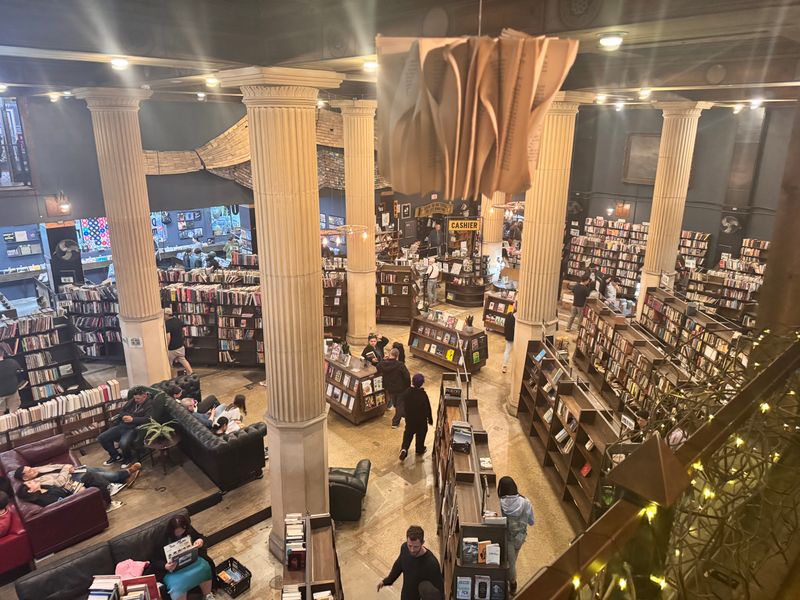
Exploration becomes adventure when a bookstore spreads across multiple floors, each level revealing new surprises and hidden corners.
The Last Bookstore maximizes its vertical space brilliantly, encouraging visitors to climb stairs and discover what awaits above or below their starting point.
Ground level sprawls with popular titles and new releases, creating an accessible entry point for casual browsers while hinting at deeper treasures elsewhere.
Ascending to upper floors transforms the experience, as crowds thin and the atmosphere shifts toward more specialized collections and quieter contemplation.
Each level possesses its own character, from the bustling energy of the entrance floor to the contemplative calm of higher reaches where serious collectors hunt for specific editions.
Staircases themselves become part of the journey, offering vantage points to survey the scope of the collection and plan your next destination.
The layout prevents the overwhelming feeling that sometimes accompanies large bookstores, as dividing the space into distinct zones makes navigation manageable despite the vast inventory.
You might spend an hour on a single floor without exhausting its offerings, or you might flit between levels following the thread of a particular interest.
This vertical design also creates dramatic sightlines, where you can look up or down through open spaces and witness the full scale of the operation.
The multilevel approach turns shopping into exploration, rewarding curiosity with constant discoveries.
Art Installations Crafted From Books Themselves
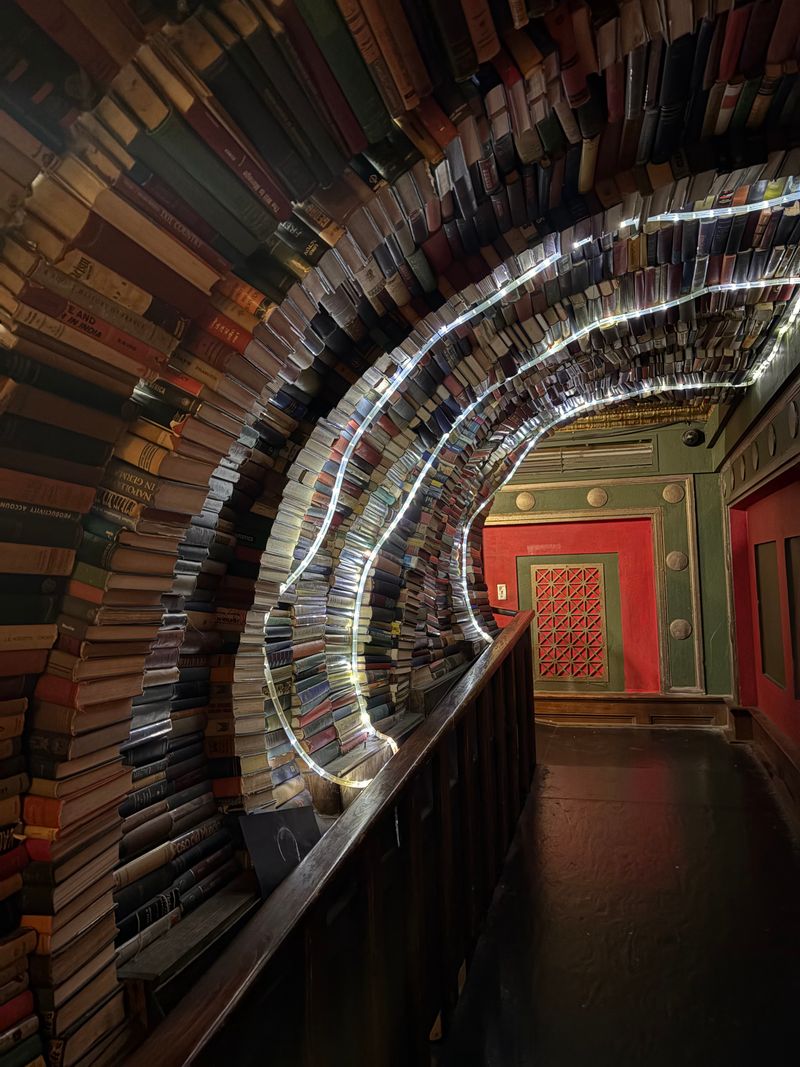
Art and literature merge in spectacular fashion through installations that transform books from reading material into sculptural elements.
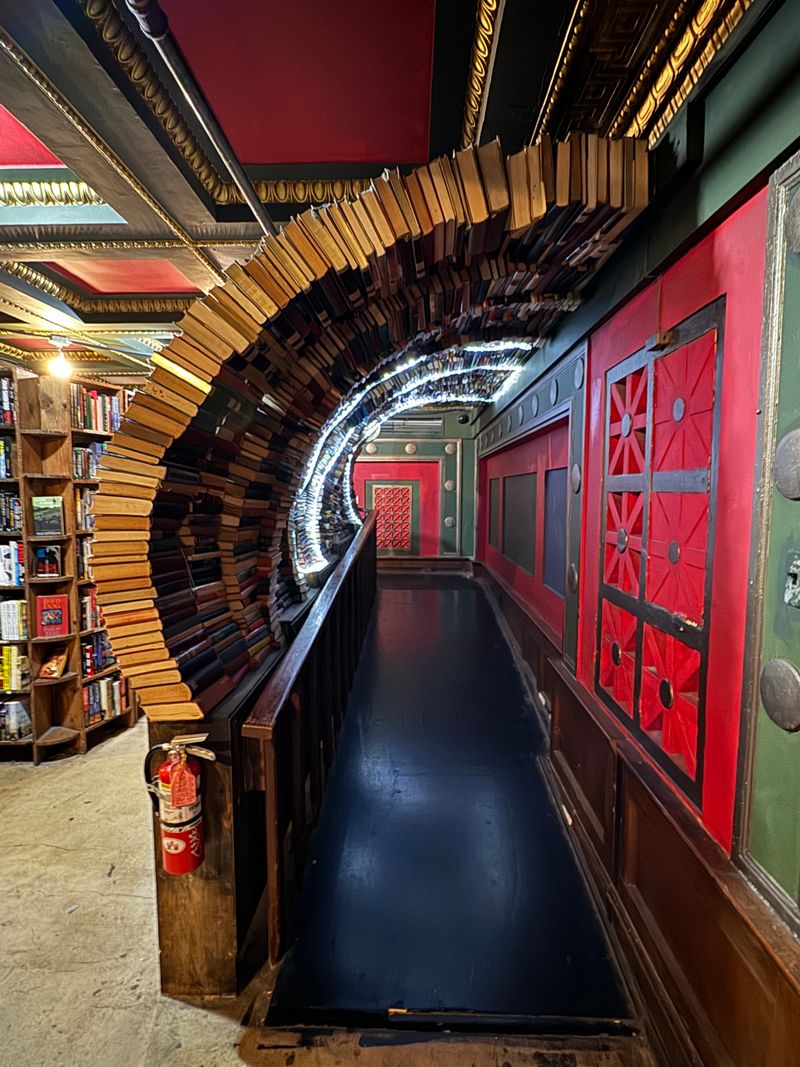
The most famous creation involves books arranged into a flowing tunnel that visitors can walk through, pages fanning outward to create walls that curve overhead like a literary cathedral.
These installations sparked debate among purists who question whether books should serve decorative purposes, but the results prove so visually stunning that criticism fades before the spectacle.
The books used for artistic purposes typically consist of damaged copies or titles so abundant that their transformation serves better than disposal.
Walking beneath arches constructed from suspended volumes creates an immersive experience where you literally surround yourself with literature.
Photographers flock to these installations, recognizing them as some of the most Instagram-worthy spots in Los Angeles, though the experience transcends social media validation.
The art demonstrates creative problem-solving, taking materials that might otherwise end up discarded and elevating them into conversation pieces that draw visitors and generate buzz.
Beyond their visual appeal, the installations reinforce the store’s identity as more than a retail space, positioning it as a cultural destination where commerce and creativity coexist.
Each piece invites interpretation, some seeing celebration of literature while others perceive commentary on information overload or the physical book’s uncertain future.
Whatever your reading, the installations ensure that visiting becomes memorable, transforming a shopping trip into an artistic encounter.
Extensive Vinyl Record Collection Alongside Books
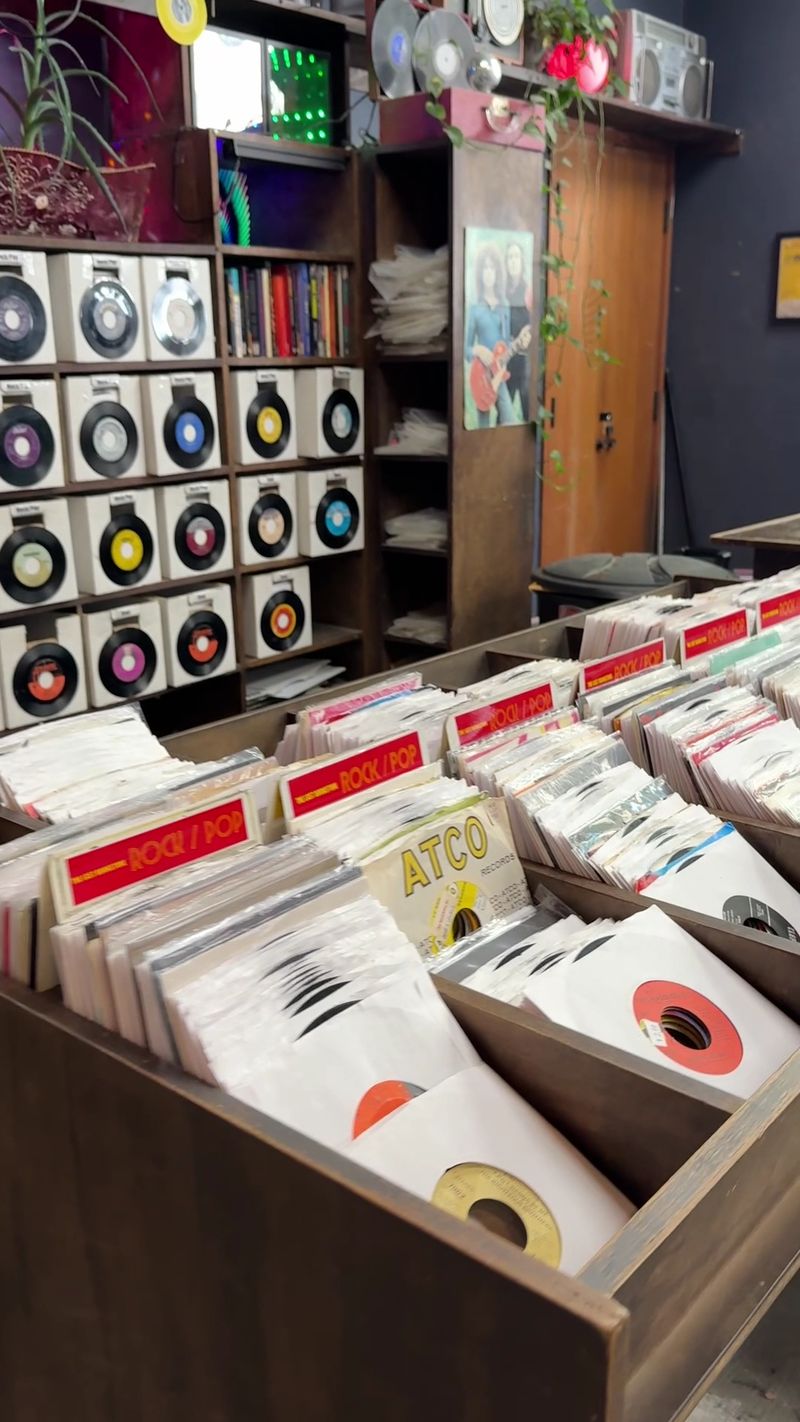
Music and literature share space harmoniously, as The Last Bookstore dedicates significant square footage to vinyl records that span genres and eras.
The record section appeals to collectors hunting rare pressings as well as newcomers curious about analog sound’s warmth and character.
Bins organized by genre invite flipping through titles, that tactile experience of handling album covers and reading liner notes that digital streaming cannot replicate.
Prices range from budget-friendly options perfect for beginning collectors to investment-grade rarities that command serious prices from dedicated enthusiasts.
Staff members demonstrate genuine knowledge about the inventory, offering recommendations and answering questions about pressing variations, condition grading, and artist backgrounds.
The inclusion of records broadens the store’s appeal beyond bookworms, attracting music fans who might not otherwise visit and creating opportunities for crossover discoveries.
Listening stations allow sampling before purchase, solving the challenge of buying music based solely on cover art or reputation.
The vinyl resurgence has made this section increasingly popular, as younger generations discover the format and older visitors reconnect with music from their past.
Album art displayed throughout the section adds visual interest, transforming the space into a gallery of graphic design history.
The marriage of books and records makes sense, as both represent physical media that enthusiasts treasure for reasons beyond mere content consumption.
Used Book Selection Offers Treasure Hunting Opportunities
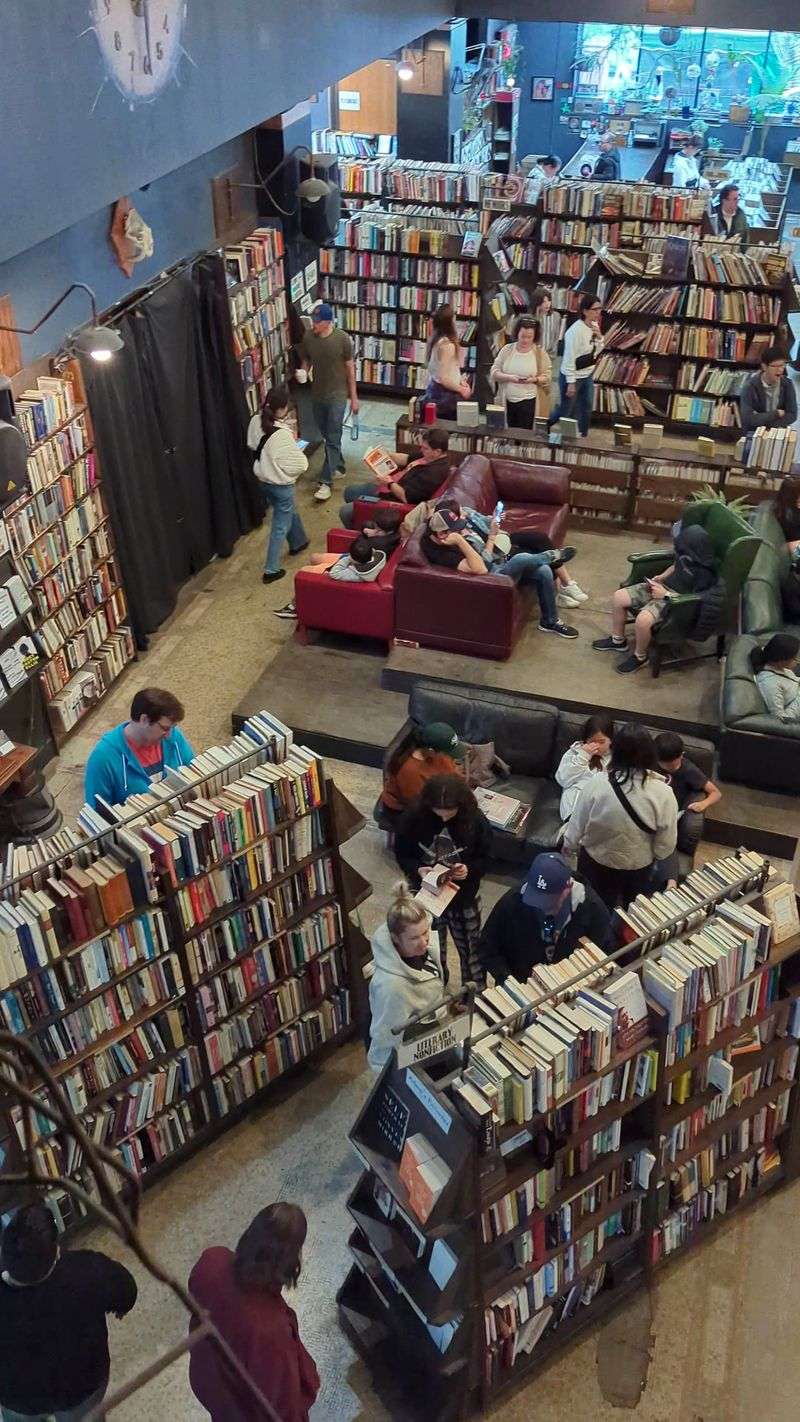
Half the thrill of visiting involves never knowing exactly what you will discover among the used book selection that dominates the inventory.
Unlike chain bookstores where stock remains predictable, used sections constantly change as new arrivals replace sold items, making each visit unique.
Condition varies widely, from nearly pristine copies that previous owners barely touched to well-loved editions bearing marginalia and dog-eared pages that tell their own stories.
Prices reflect this range, with bargain bins offering incredibly cheap options for readers who prioritize content over condition.
The selection spans every imaginable category, though certain sections prove deeper than others depending on recent acquisitions and collector interests.
Patient browsers often uncover remarkable finds, first editions or out-of-print titles that would command premium prices through specialized dealers.
The used book philosophy aligns with sustainability values, giving existing books new readers rather than demanding fresh printing for every sale.
Some visitors arrive with shopping lists of specific titles, while others prefer serendipitous browsing where unexpected discoveries often prove more satisfying than planned purchases.
The smell of old books permeates these sections, that distinctive combination of paper, ink, and time that evokes nostalgia and comfort for dedicated readers.
Staff members excel at helping locate specific titles within the vast used inventory, though part of the adventure involves conducting your own search.
Local Artist Displays Add Visual Interest Throughout
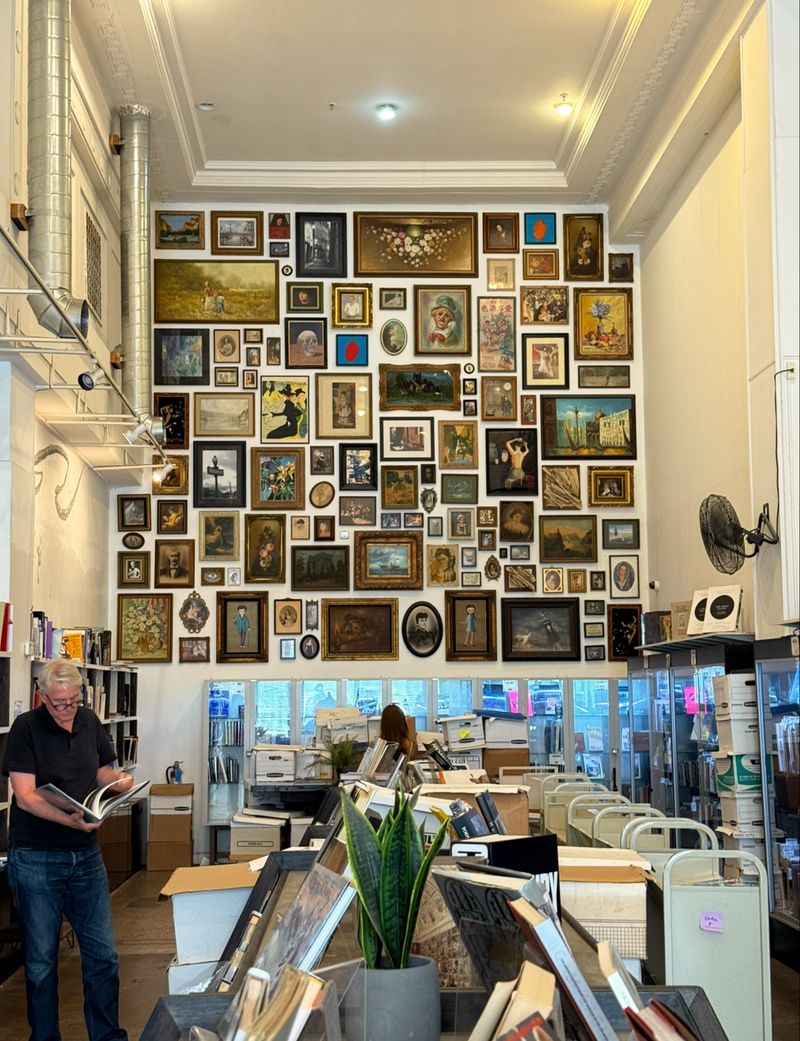
The Last Bookstore functions as informal gallery space, with walls and available surfaces showcasing work by Los Angeles artists seeking exposure.
This arrangement benefits everyone involved, as artists gain visibility while the store enhances its atmosphere with rotating visual interest.
Artwork ranges from paintings and photography to mixed media pieces that complement the literary setting without overwhelming it.
Price tags on displayed art indicate availability for purchase, turning browsers into potential collectors and adding another revenue stream beyond books and records.
The selection reflects Los Angeles’s diverse creative community, with styles and subjects varying as widely as the city’s population.
Some pieces respond directly to literary themes, while others simply coexist with books as separate but compatible forms of creative expression.
First-time visitors often express surprise at the gallery component, not expecting such visual richness in a bookstore setting.
The art changes regularly as pieces sell and new artists cycle through, giving repeat visitors fresh visuals to discover alongside book inventory turnover.
This integration of multiple art forms positions the store as cultural hub rather than mere retail space, fostering community among different creative disciplines.
Visitors might arrive seeking books and depart with paintings, or vice versa, as the cross-pollination expands possibilities for discovery.
Affordable Pricing Makes Literature Accessible
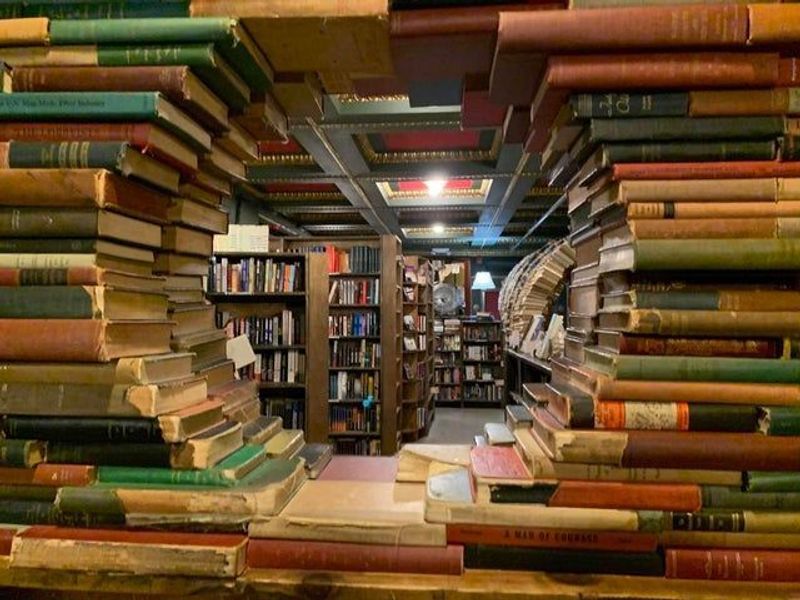
One of the store’s greatest services involves making reading accessible regardless of budget constraints.
Bargain bins near the entrance contain books priced at just a dollar or two, removing financial barriers that might otherwise prevent purchases.
Used book pricing generally runs significantly below new retail, allowing readers to acquire multiple titles for the cost of one new release.
Student discounts and occasional sales events further reduce costs for budget-conscious visitors.
The pricing philosophy recognizes that expensive books benefit nobody if they remain unsold, while affordable books find readers and fulfill their purpose.
Families appreciate the ability to let children select multiple books without financial stress, fostering reading habits through abundance rather than scarcity.
Collectors hunting specific editions might pay premium prices, but casual readers easily fill bags without breaking budgets.
This accessibility serves important social functions, ensuring that literature remains available across socioeconomic lines rather than becoming luxury good.
The contrast with expensive coffee table books and rare editions creates range that accommodates every financial situation.
Affordable pricing also encourages reading experimentation, as low costs reduce the risk of trying unfamiliar authors or genres.
Photography Opportunities Create Social Media Moments
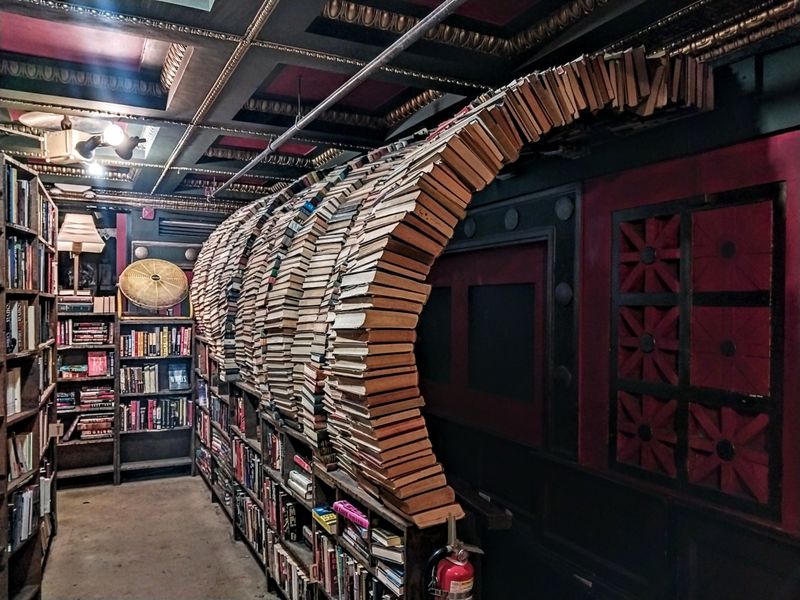
Visual appeal has always mattered for bookstores, but social media elevated photogenic qualities into significant marketing assets.
The Last Bookstore embraces this reality, with numerous spots practically designed for Instagram posts that generate organic promotion.
The book tunnel installation appears in countless photos, becoming recognizable symbol that draws visitors who encountered it online.
Dramatic architectural elements photograph beautifully, from soaring ceilings to the imposing vault door that anchors many compositions.
Natural light streaming through tall windows creates ever-changing conditions that photographers appreciate for adding variety and drama.
Staff members generally welcome photography, understanding its promotional value and the genuine enthusiasm visitors express through sharing images.
The photogenic qualities serve purposes beyond marketing, as they reflect genuine aesthetic consideration in the store’s design and curation.
Visitors who might not consider themselves photographers still snap pictures, recognizing the setting as special and wanting to document their experience.
These shared images function as modern word-of-mouth recommendations, reaching audiences that traditional advertising cannot access.
The photography phenomenon demonstrates how physical spaces compete in digital age, offering experiences that transcend mere shopping.
Events and Readings Foster Community Connections
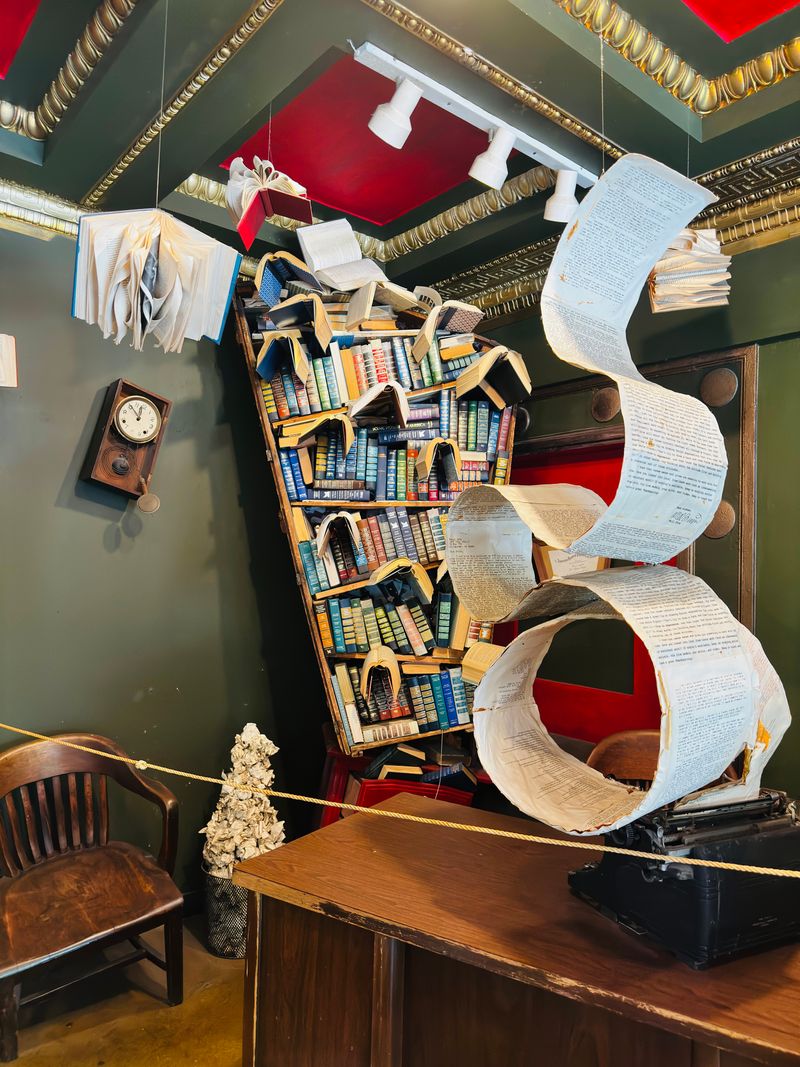
The store functions as community gathering space, hosting events that bring book lovers together beyond solitary browsing.
Author readings and signings allow meeting writers whose work you admire, transforming books from objects into conversations.
These events attract diverse crowds, from devoted fans to curious newcomers, creating mixing opportunities rare in segregated modern life.
Book clubs sometimes meet at the store, appreciating the atmospheric setting and convenient access to titles under discussion.
Special themed events celebrate particular genres, holidays, or literary anniversaries, giving structure to visits and creating shared experiences.
The event schedule varies seasonally, with increased programming during book-friendly months when weather encourages indoor activities.
Attending events often introduces you to books you had not considered, as presentations spark interest in unfamiliar subjects or authors.
The community aspect counteracts isolation that can accompany reading, reminding us that literature connects rather than separates.
Events also support local writers and small presses, providing platforms that commercial success metrics alone might not justify.
These gatherings transform the bookstore from retail space into cultural institution, serving functions that extend far beyond commerce.
The Building’s History Adds Layers of Meaning
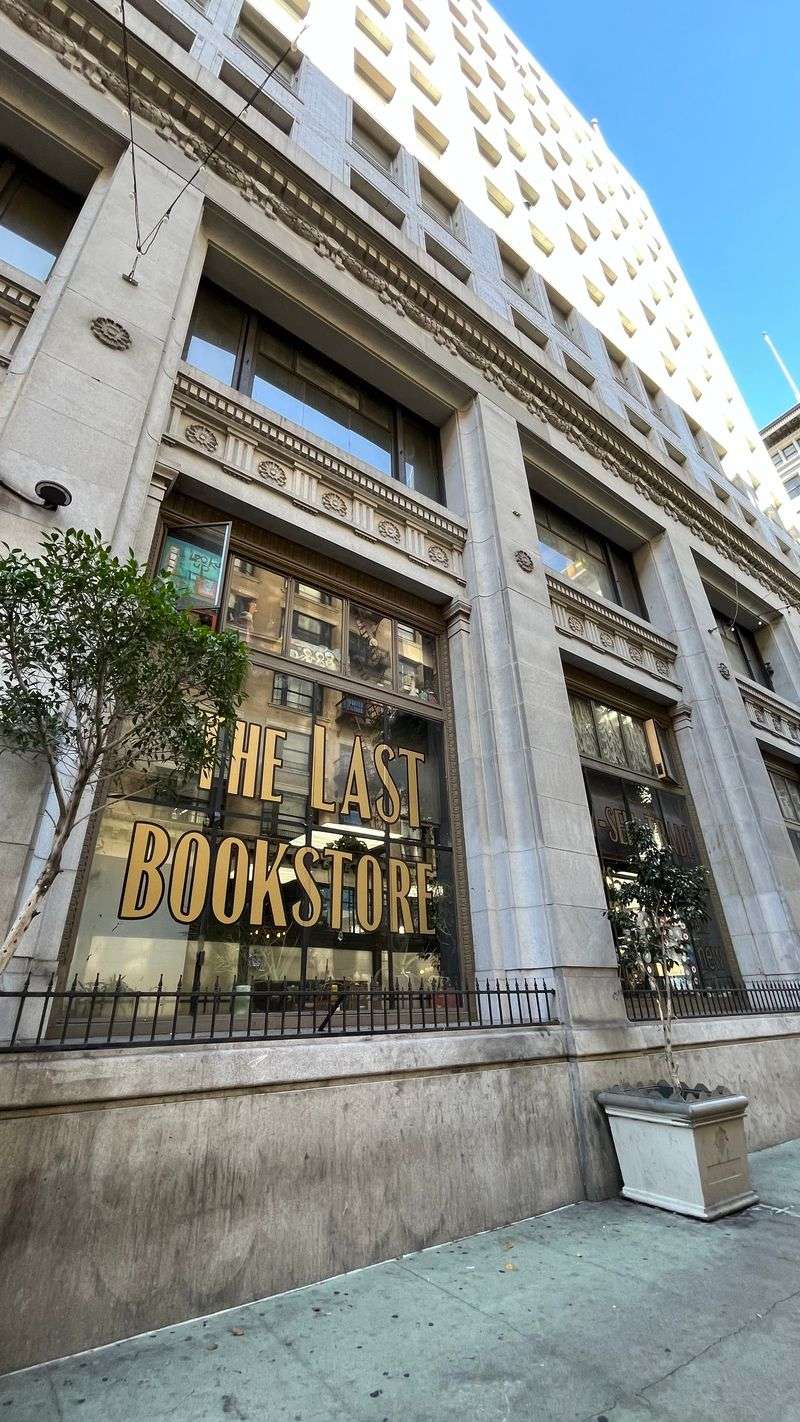
Every building carries history, but former banks possess particularly rich backstories that inform current uses.
The Spring Street address once thrived at the center of Los Angeles financial district, when downtown banking defined the city’s economic power.
Countless transactions occurred within these walls, from mundane deposits to deals that shaped regional development.
The vault protected fortunes during uncertain times, standing guard through economic booms and busts that defined generations.
When banks abandoned downtown for newer locations, buildings faced uncertain futures until creative reuse provided second acts.
The transformation from bank to bookstore carries symbolic weight, replacing financial capital with cultural capital as downtown’s defining resource.
Preservationists appreciate how the conversion maintained architectural integrity while adapting spaces for contemporary needs.
Understanding this history enriches visits, as you recognize yourself as part of ongoing story rather than isolated present-tense consumer.
The building’s survival through changing times mirrors books’ persistence despite predictions of their obsolescence.
This layered past makes the bookstore more than retail destination, positioning it as monument to adaptation and reinvention.
Vintage Magazines and Periodicals Preserve Publishing History
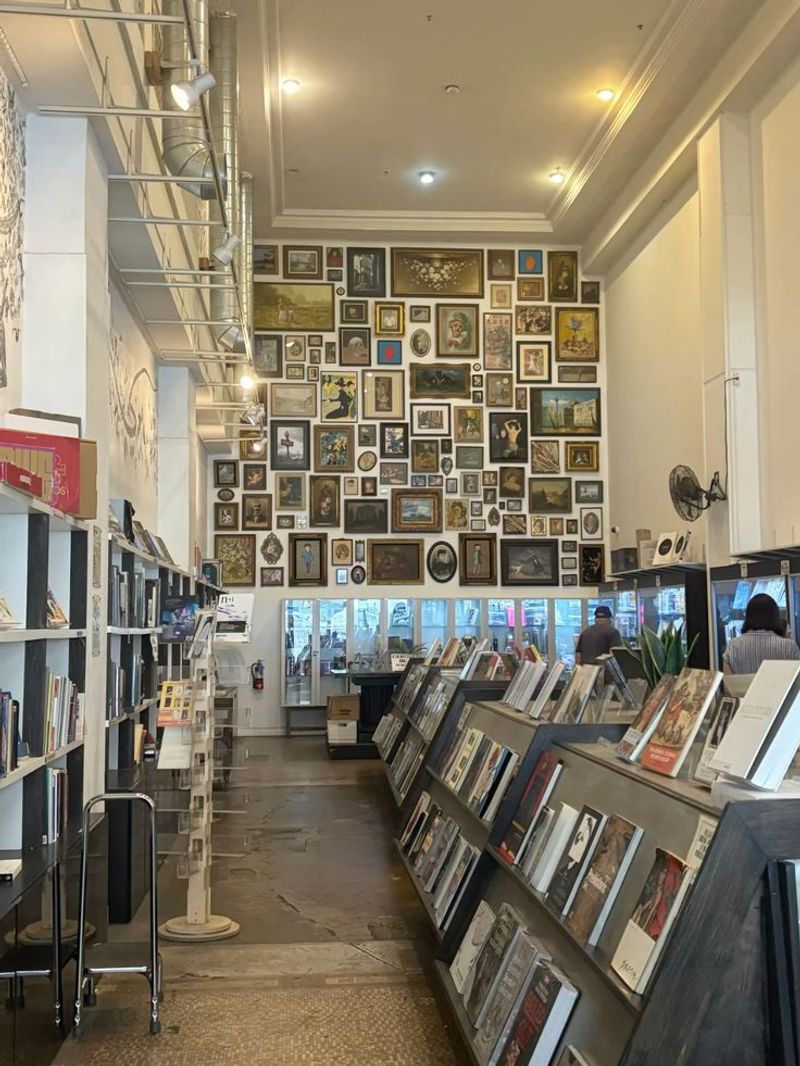
Books dominate inventory, but magazine and periodical sections offer different windows into cultural history.
Vintage issues of Life, National Geographic, and other major publications document decades through photography and reporting.
Entertainment magazines preserve celebrity culture and popular tastes from eras now distant enough to feel historical.
Collectors seek specific issues containing first appearances of important articles, interviews, or photography.
Magazine covers themselves function as art, with illustration and design styles reflecting changing aesthetic values.
Researchers appreciate access to primary sources that libraries might not maintain in browsable formats.
The ephemeral nature of magazines makes surviving copies increasingly valuable as time passes and most issues disappear.
Browsing vintage periodicals offers addictive time travel, as advertisements and articles reveal assumptions and concerns of different eras.
Prices remain generally affordable since most magazines lack the collectible cachet of books, making them accessible impulse purchases.
The magazine section attracts different browsers than book areas, diversifying the customer base and creating cross-shopping opportunities.
Central Downtown Position Enables Combined Itineraries
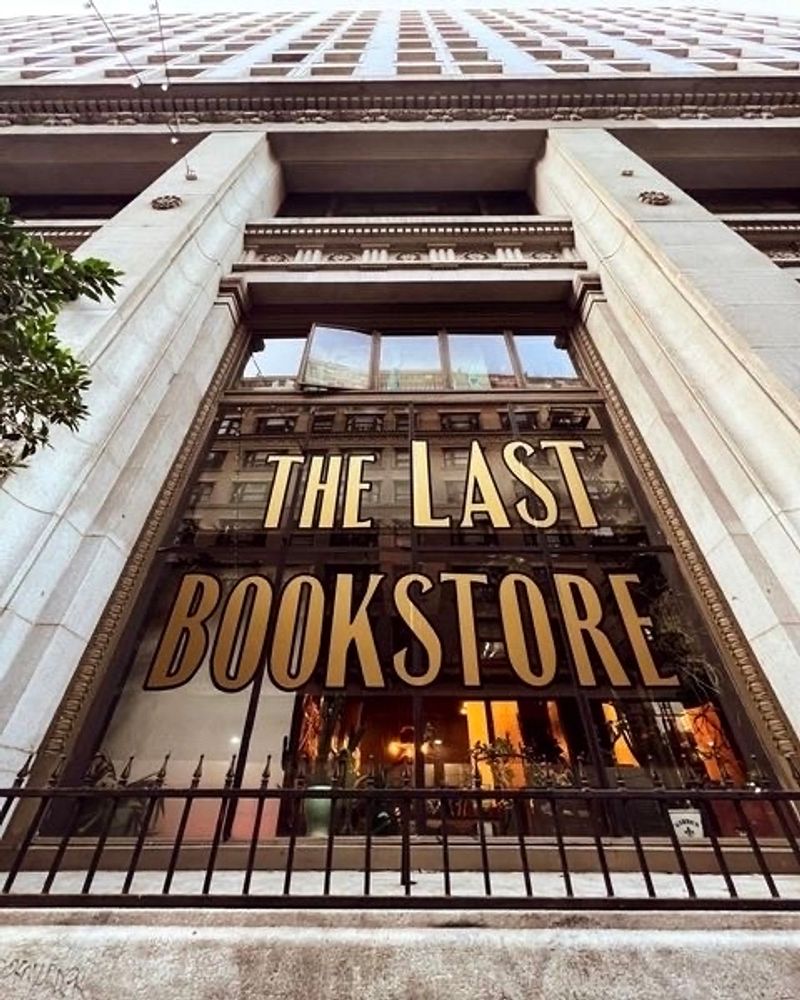
Efficient travelers combine multiple destinations into single outings, and The Last Bookstore’s location facilitates exactly this approach.
The Bradbury Building stands just steps away, offering stunning Victorian architecture that film buffs recognize from Blade Runner.
Grand Central Market provides lunch options ranging from traditional to trendy, with cuisines representing Los Angeles’s diversity.
The Arts District lies within walking distance, where galleries and street art create outdoor museum experiences.
Music Center and other performing arts venues cluster nearby, making the bookstore perfect pre-show or post-show destination.
Coffee shops and cafes populate surrounding blocks, offering places to read new purchases immediately.
Metro accessibility means you can structure entire car-free days around downtown destinations with the bookstore as anchor.
This concentration of attractions justifies longer trips for visitors coming from across the Los Angeles region.
The walkable area contradicts Los Angeles’s car-dependent reputation, revealing pedestrian-friendly zones that many residents never experience.
Combined itineraries transform bookstore visits into full experiences rather than isolated errands, maximizing the value of downtown trips.
Children’s Section Welcomes Young Readers
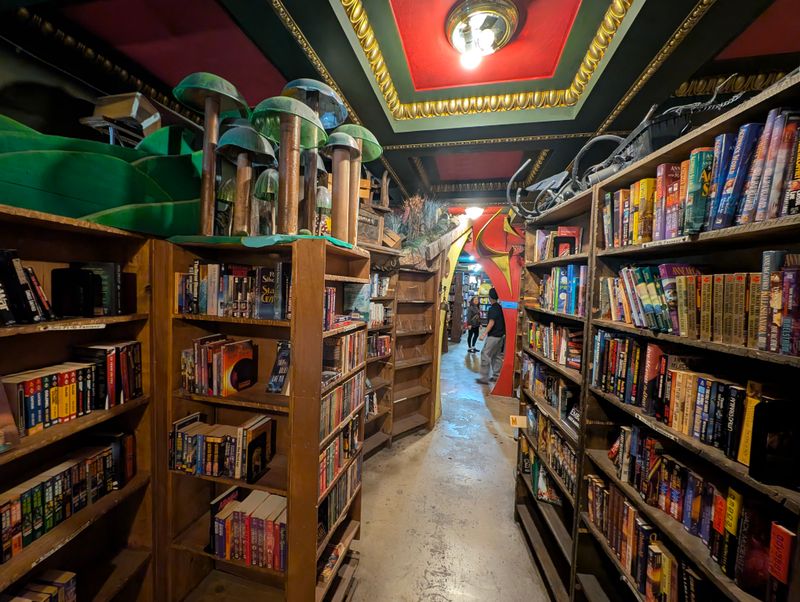
Cultivating next generations of readers requires welcoming children, and The Last Bookstore maintains dedicated space for young visitors.
Picture books occupy accessible lower shelves where small hands can reach without adult assistance.
Middle grade and young adult sections provide age-appropriate selections that acknowledge developing reading skills and interests.
The children’s area receives design attention that makes it inviting rather than afterthought, with colorful displays and comfortable browsing space.
Parents appreciate finding quality used children’s books at prices that acknowledge how quickly kids outgrow reading levels.
The selection includes classics that parents remember from their own childhoods alongside contemporary titles reflecting current interests.
Staff members offer recommendations for age-appropriate books, helping adults navigate unfamiliar territory of children’s publishing.
The presence of children adds energy to the store, reminding everyone that reading communities span generations.
Family visits create positive associations with bookstores that children carry into adulthood, building future customer base.
The commitment to serving young readers demonstrates understanding that bookstores’ survival depends on continued relevance across age groups.
Poetry Section Celebrates Verse in Dedicated Space
Poetry struggles commercially despite its cultural importance, making dedicated sections in bookstores increasingly rare.
The Last Bookstore maintains substantial poetry inventory, acknowledging the form’s significance regardless of sales volumes.
The collection includes canonical poets whose work defines the tradition alongside emerging voices pushing boundaries.
Used poetry books prove especially valuable, as many volumes go out of print quickly despite containing important work.
The section attracts serious readers who appreciate finding depth beyond the handful of poets marketed to general audiences.
Browsing poetry shelves reveals unexpected connections between poets and movements, education that casual exposure cannot provide.
The slim volumes characteristic of poetry collections allow maintaining large selection without consuming excessive shelf space.
Los Angeles’s vibrant poetry community supports the section, with local poets visiting to check their own presence and discover peers.
Staff members passionate about poetry provide recommendations that help newcomers navigate intimidating territory.
The section’s existence makes statement about bookstore values, prioritizing cultural contribution over pure profit maximization.
Dear Reader: This page may contain affiliate links which may earn a commission if you click through and make a purchase. Our independent journalism is not influenced by any advertiser or commercial initiative unless it is clearly marked as sponsored content. As travel products change, please be sure to reconfirm all details and stay up to date with current events to ensure a safe and successful trip.
