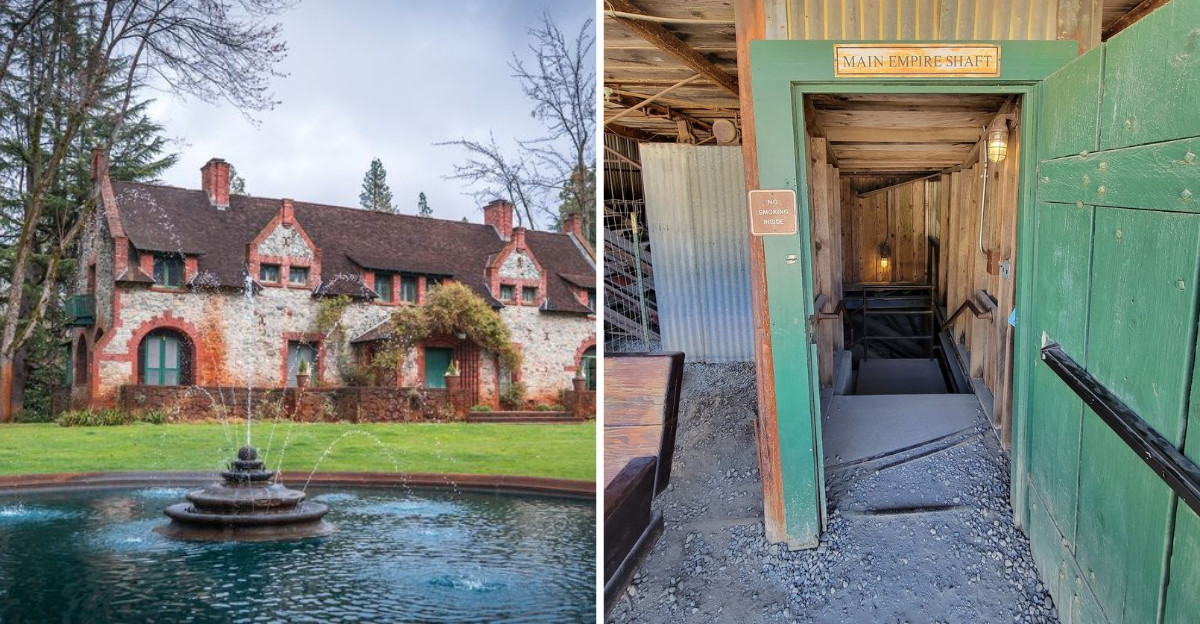
Warm pine needles baking in the morning sun gave off a smell I noticed first. I had driven up into the foothills mostly on a whim, curious about a gold mine that ran for more than a hundred years before shutting its gates in 1956.
What I did not expect was how quiet it would feel, or how strange it is to stand on solid ground knowing hundreds of miles of flooded tunnels twist somewhere below your boots. This California state historic park holds all of that history in plain sight, with rusting headframes and a stone mansion set behind rose hedges.
I spent hours wandering between old machine shops and shady trails, and I still left feeling like I had only scratched the surface. Places where the past still hums a little tend to stick with you.
The Numbers That Made My Jaw Drop
Over a century of continuous work. That figure alone kept rattling around my head as I read the exhibit panels near the entrance.
Empire Mine began operating around 1850 and did not stop until 1956, which makes it one of the oldest and deepest hard rock gold mines in California. Across those decades, it produced somewhere between 5.6 and 5.8 million ounces of gold.
Hearing a number like that is one thing. Seeing the scale of the effort behind it is another entirely.
Workers chased quartz veins downward year after year, adding tunnel after tunnel until the underground network stretched roughly 367 miles. Much of that labyrinth spread beneath an area of about five square miles.
What struck me most was the persistence. Generations of families in Grass Valley built their lives around this single operation, and many miners came from Cornwall in England, bringing hard rock techniques with them.
When the mine closed, the pumps stopped, and groundwater slowly reclaimed nearly everything below. The State of California acquired the property in 1975 and opened it as a historic park.
So what you walk through today is essentially the surface of an enormous frozen moment, preserved instead of demolished.
Those numbers become even harder to process once you realize nearly all of that work happened underground, beneath hills that now look peaceful enough to give no hint of what remains below.
Inside the Visitor Center and That Famous Secret Room
My visit started indoors, which turned out to be the smartest choice I made all day. The visitor center is compact, but it packs in more than I expected, with old drills, ore samples, photographs, and buttons you can press for short explanations.
The highlight for me was the reproduction of the mine’s Secret Room. Windows blacked out, lights low, and in the middle of it all a scale model showing the full underground workings.
A volunteer pointed out something that reframed the entire park for me. When you stand at the real shaft entrance outside, you have only traveled about an inch down on that model.
Anything past roughly two inches sits underwater today.
I stared at that little model far longer than I planned. Hundreds of miles of passages, reduced to something you could almost fit in a living room.
The staff and volunteers here clearly love what they do, and they answer questions without rushing you along. If you are traveling with kids who get restless around text panels, the model tends to hold their attention.
There is also a small gift shop tucked into the museum area, where little souvenirs like vials of gold flake are popular with younger visitors.
Seeing the underground network laid out in miniature also makes the landscape outside feel completely different, because suddenly every ordinary-looking patch of ground seems like it could have tunnels running beneath it.
Peering Down the Shaft Where Miners Disappeared
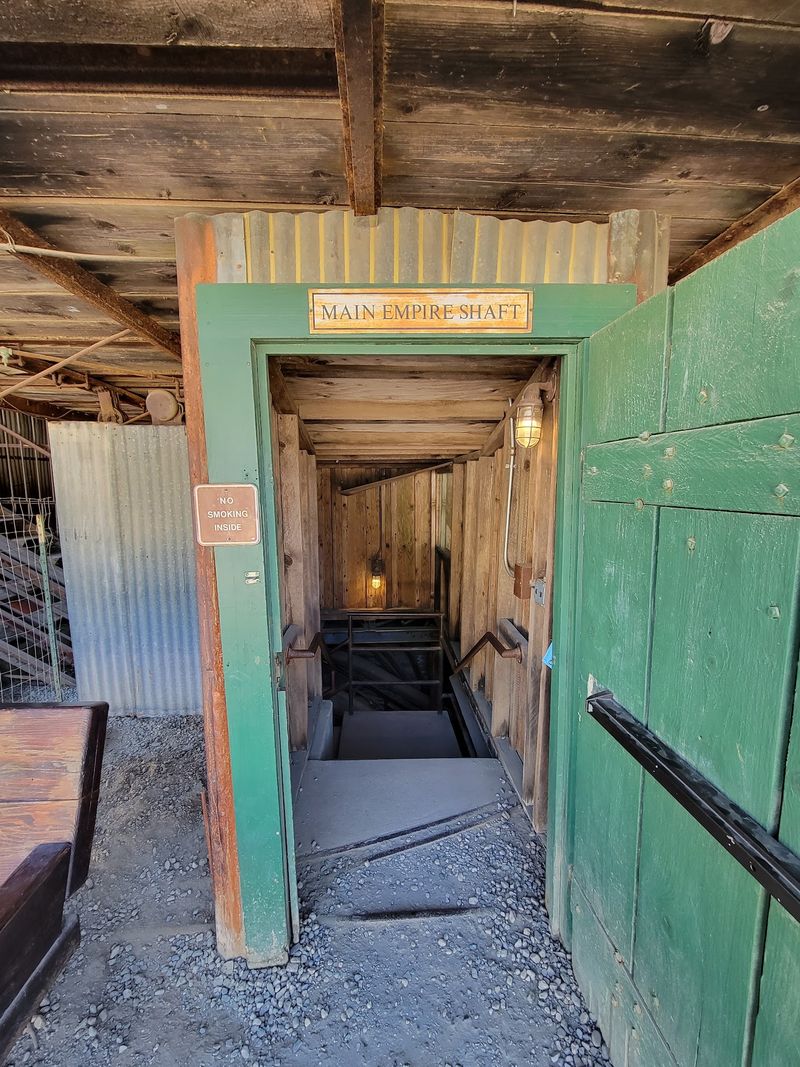
Cool air drifts up out of the shaft entrance, and I felt it before I even got close. The timber-framed opening angles downward into blackness, and visitors can walk a short way in to look.
You cannot go deep, obviously. Everything below is flooded and has been for decades.
Still, that brief look was the most memorable moment of my whole visit. Miners once rode small cars down this incline in the dark, descending thousands of feet, sometimes working by candlelight in heat that built the farther they went.
Shifts were long, the rock was hard, and the ride back to daylight took real time.
Standing at the mouth of it, the spooky factor is real but never overwhelming. It is more like a quiet kind of respect that creeps in.
Nearby, old ore cars and rail tracks sit where they were left, and photographs show crews crowded together before going below. I found myself imagining the sound of that machinery echoing across the yard all day and night.
If you visit with older kids or teens, this is the spot that usually gets them genuinely interested. It makes the history physical instead of theoretical.
Even knowing visitors can only enter a short distance, standing there gives you a surprisingly strong sense of scale and makes those thousands of underground working feet much easier to imagine.
Blacksmiths, Machine Shops and the Working Heart of the Yard
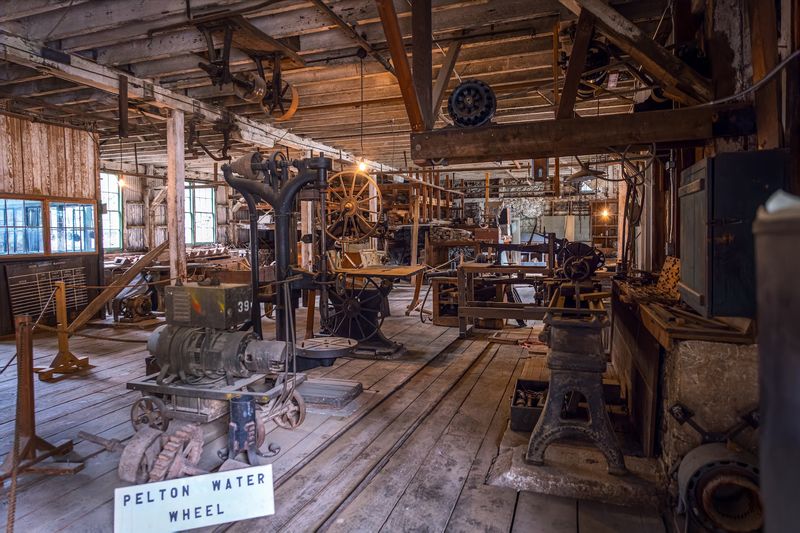
Clang. Hiss.
Then the smell of hot metal drifting out an open doorway.
The blacksmith shop was easily the liveliest corner of the park when I passed through. Demonstrations run on certain days, and watching iron glow orange and get shaped on an anvil explained more about mining than any sign could.
Every drill bit, every tool, every broken piece of equipment came back here for repair. The blacksmiths who work these forges now are volunteers, and they are happy to talk shop while they hammer away.
Some visitors walk away with small handmade items, which makes for a pretty unforgettable souvenir.
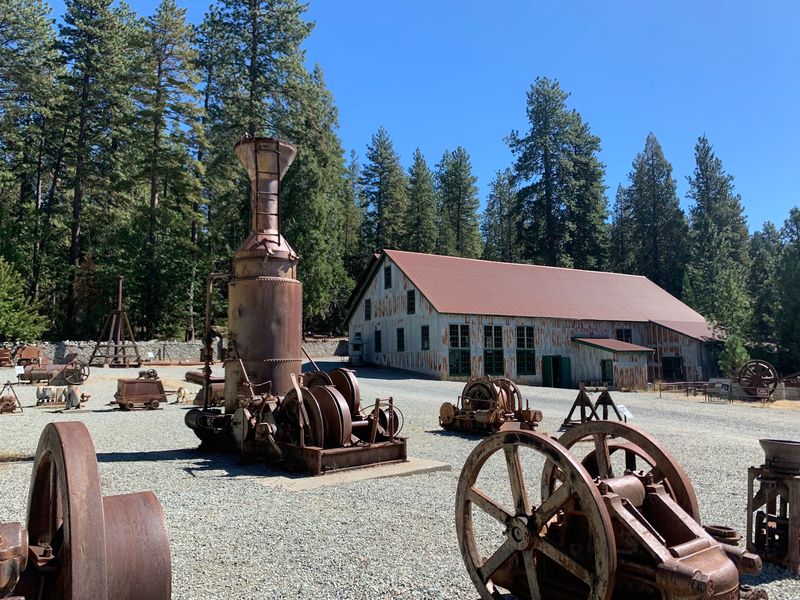
Next door sits the compressor building, which powered the drills that chewed into hard rock far below. The machine shop, refinery building, and mine manager’s office stand nearby, each with push-button audio explaining what happened inside.
I liked wandering this cluster slowly. Buildings sit close together, so you get a sense of how the whole operation functioned as one busy organism.
Worth checking whether the blacksmiths are working on the day you go. Their demonstrations turn an interesting walk into something you will actually tell people about later.
Together, these surviving buildings make the mine feel less like a collection of old equipment and more like a workplace that simply went quiet, leaving its machinery and routines behind.
Bourn Cottage and Thirteen Acres of Roses
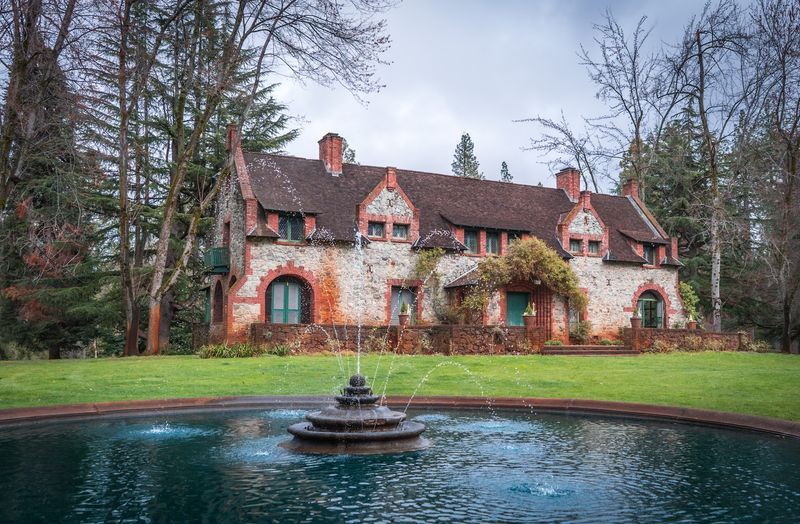
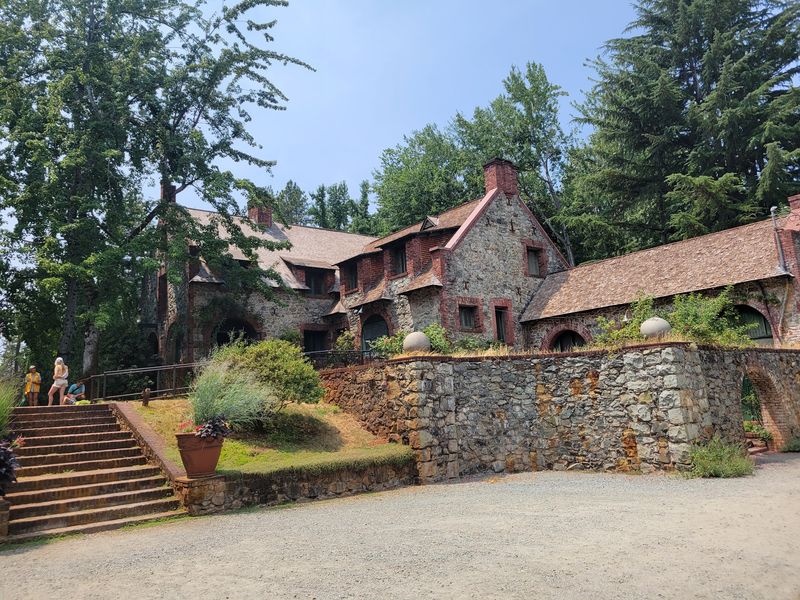
Calling it a cottage is a bit of a joke, honestly. William Bowers Bourn II owned the mine in the late 1800s, and his country home is a handsome two story stone residence styled after an English country estate.
The stone came from mine waste rock, which I thought was a wonderful detail. The elegance was literally built from leftovers of the digging.
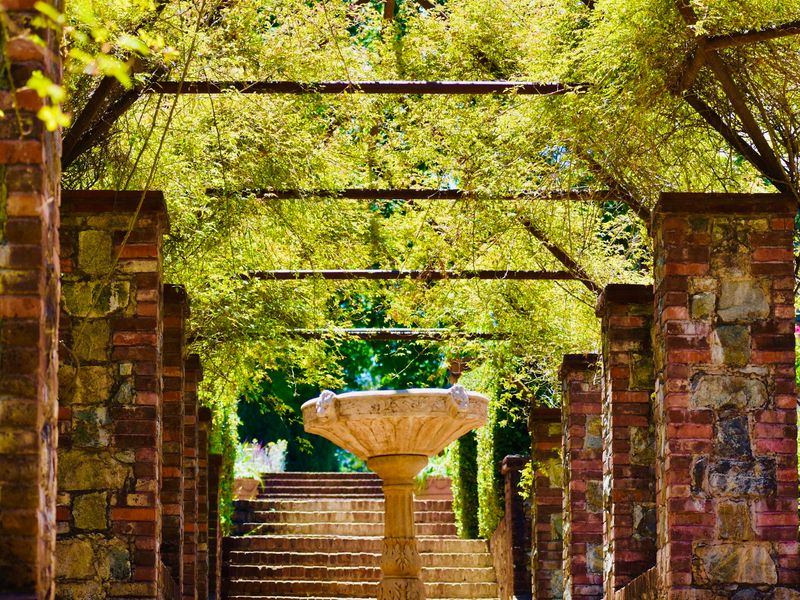
Around it spread about thirteen acres of restored grounds, with formal beds, clipped lawns, mature trees, and a reflecting pool that sits perfectly still in the afternoon. When the roses are blooming, the color is genuinely startling against all that gray stone.
Access to the interior is by guided tour only, so calling ahead or checking the schedule is smart. I did not manage the inside tour on my first visit, which is honestly the main reason I want to return.
The contrast here is the whole point. A few hundred steps away sit the grimy workshops and the shaft, while here you get shade, birdsong, and garden paths.
Benches are scattered throughout, and picnic tables sit under trees elsewhere in the park. Take advantage of them.
Walking between the industrial mine yard and these carefully maintained gardens also says plenty about the enormous divide between the people who owned the operation and those who worked underground.
Fourteen Miles of Trails Through the Backcountry
After all that history, my legs wanted trees. Luckily the park includes roughly 856 acres of forested backcountry with about 14 miles of trails for hiking, biking, and horseback riding.
I picked a shaded loop and barely saw anyone. Footsteps on packed dirt, a woodpecker somewhere overhead, and manzanita crowding the edges of the path.
Old mining scars still show up along the way if you look closely, which gives the walk an odd double layer. Peaceful forest above, forgotten industry below.
Bring water, especially in summer, because the foothills get hot by midafternoon and shade comes and goes. Sturdy shoes help on the rockier stretches.
Dogs are welcome in the park, and parking is free, which makes it easy to build a relaxed half day here. Most people spend around ninety minutes on the historic core, but the trails can easily stretch that into a full outing.
Gates open at 10 AM daily and close at 5 PM, so arriving early gives you the best shot at a guided tour. Guided walks cover mining, the cottage, and the gardens separately.
Address: 10791 East Empire Street, Grass Valley, California
