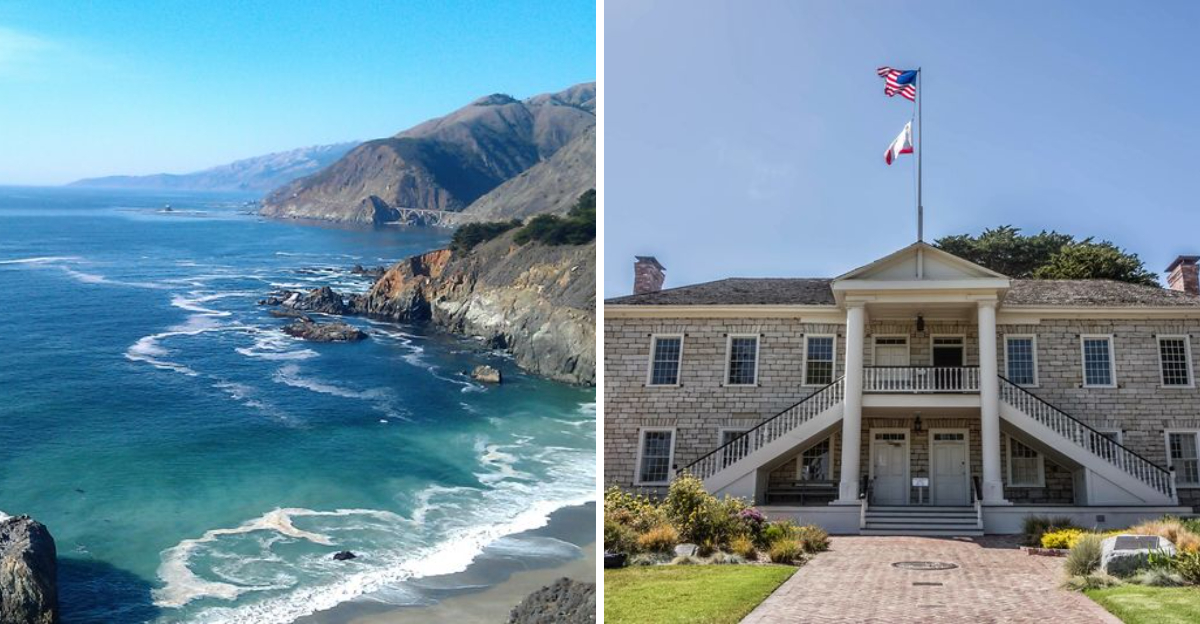
Monterey sits perched on California’s central coast, where cypress trees twist against ocean winds and sea otters float lazily in kelp forests just offshore.
Many travelers zip through this historic town on their way to Big Sur or Carmel, dismissing it as just another tourist trap with overpriced restaurants and crowded attractions.
But those who linger past sunset discover something entirely different: a coastal community where fog rolls in like a blanket, harbor seals bark goodnight from the docks, and the real magic happens after the day-trippers head home.
Spending the night transforms Monterey from a checkbox destination into an unforgettable experience that reveals layers most visitors never see.
We’ve based this piece on first-hand stays, common traveler complaints, and how opinions tend to shift once the day-trippers leave.
“Overrated” and “worth it” depend heavily on timing, expectations, and personal taste.
This take is unavoidably subjective.
Morning Fog That Wraps the Coastline in Mystery
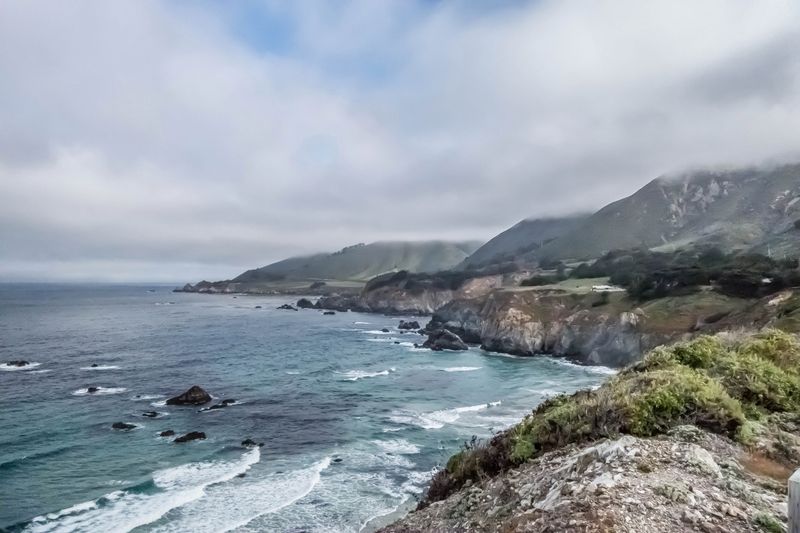
Waking up early in Monterey means witnessing one of nature’s most spectacular performances.
The marine layer creeps inland during the night, transforming the entire coastline into an ethereal landscape by dawn.
When you step outside your hotel before breakfast, the world feels different than it did the afternoon before.
Cypress trees emerge from white mist like ghostly sentinels, and the sound of foghorns echoes across water you can barely see.
This atmospheric phenomenon is something day visitors completely miss because they arrive after the sun burns through the clouds.
Walking along the Monterey Bay Coastal Recreation Trail at sunrise, you’ll have entire stretches to yourself.
The fog muffles sound in a way that makes every footstep and wave crash feel amplified and intimate.
Photographers love this golden hour when light filters through moisture-heavy air, creating soft shadows and glowing halos around street lamps still burning from the night.
Local joggers and dog walkers nod as they pass, part of a morning ritual that feels like a secret club.
By mid-morning, when tour buses start unloading passengers, the fog typically retreats offshore, taking its magic with it.
But overnight guests know the truth about Monterey’s moody mornings.
They understand that this coastal town reveals its most beautiful face not in bright afternoon sunshine, but in those quiet, misty hours when the peninsula feels like it exists outside of time.
The temperature drops significantly once the sun sets, making the warmth of your hotel room feel especially welcoming after an evening stroll.
Cannery Row After the Crowds Disappear
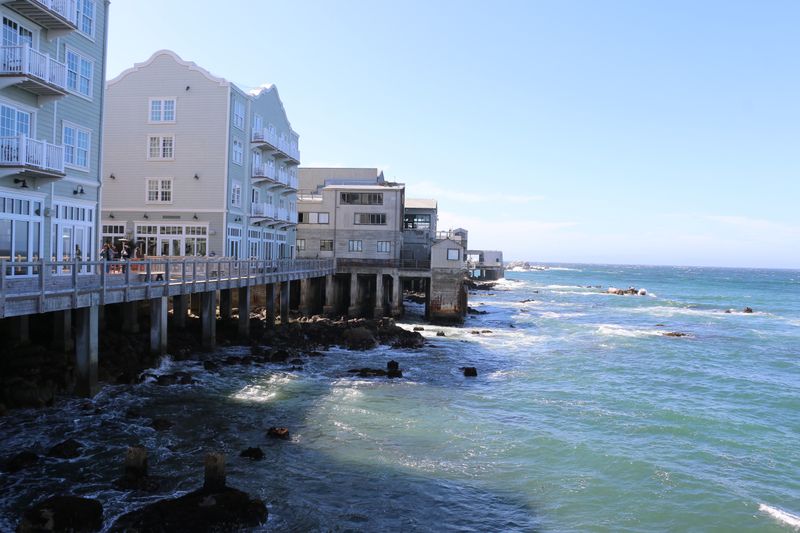
John Steinbeck immortalized this waterfront street in his 1945 novel, but most tourists only see its commercial face.
During daylight hours, Cannery Row buzzes with families navigating between souvenir shops, fudge stores, and seafood restaurants competing for attention.
The historic sardine canneries that once defined this industrial strip now house galleries and wine tasting rooms.
But when evening arrives and the last tour groups board their buses, something remarkable happens.
The neon signs reflect off wet pavement from the ocean spray, creating a noir atmosphere that feels straight out of the 1940s.
You can actually hear the waves crashing against the rocks below the street, a sound completely drowned out during busy afternoons.
Walking past the shuttered shops, you notice architectural details invisible in the daytime chaos.
Old cannery equipment still decorates building exteriors, rusted and beautiful against weathered wood.
A few restaurants remain open, their warm light spilling onto sidewalks and the smell of clam chowder drifting through the salt air.
The Monterey Bay Aquarium, located at 886 Cannery Row, closes its doors but its distinctive architecture becomes even more striking when lit against the darkening sky.
Couples stroll hand in hand where crowds pushed and jostled hours before.
The rhythm of the ocean becomes the soundtrack instead of chattering voices and car engines.
This quieter Cannery Row connects you to the working waterfront Steinbeck wrote about, when the smell of fish processing filled the air and the street belonged to laborers rather than tourists.
Harbor Seals Singing Their Evening Chorus
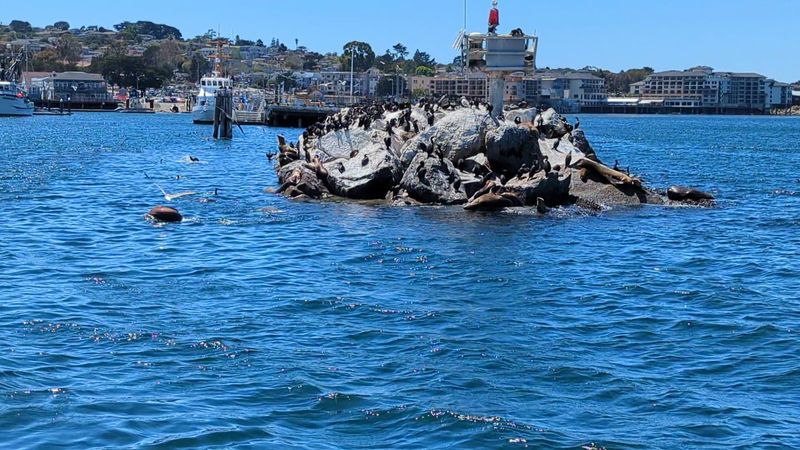
Fisherman’s Wharf transforms into an unexpected wildlife theater as daylight fades.
Harbor seals haul themselves onto floating docks beneath the pier, settling in for the night with theatrical barks and bellows.
Their vocalizations create a symphony that ranges from puppy-like yelps to deep, resonant roars that echo across the harbor.
During busy daytime hours, these marine mammals compete with boat engines, street performers, and tourist chatter.
But in the evening, their voices become the dominant sound, reminding you that this harbor belongs to them as much as to the fishing fleet.
Standing on the wharf after dinner, you can watch them jostle for prime sleeping spots, pushing each other with flippers and occasionally splashing back into the water before hauling out again.
Their dog-like faces and whiskered snouts catch the last light as they arrange themselves into comfortable positions.
Some stack themselves on top of each other in piles that look uncomfortable but apparently feel perfect.
The smell of the ocean mingles with the faint scent of fish from the day’s catch being cleaned at nearby docks.
Pelicans roost on pier posts, tucking their heads under wings while seagulls continue their restless patrols.
This evening wildlife show costs nothing and requires no reservation, yet most visitors miss it entirely.
Staying overnight means you can return to your hotel room with the sound of seal barks still echoing in your ears.
You fall asleep knowing that just blocks away, an entire community of marine life is settling in for the night alongside you.
Sunset Views From Lovers Point That Day Trippers Miss
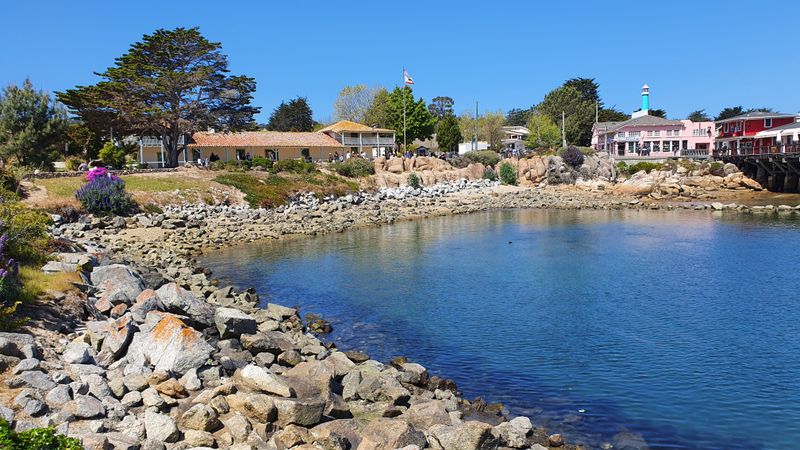
Pacific Grove borders Monterey to the west, and Lovers Point Park offers one of the most spectacular sunset viewing spots on the entire California coast.
The rocky outcropping juts into Monterey Bay, providing panoramic views that stretch from Santa Cruz to the south and toward the Monterey Peninsula to the north.
Day visitors typically explore this area in harsh afternoon light when the sun beats down and the water looks flat and uninviting.
But as evening approaches, the entire scene transforms into a painter’s palette of colors.
The sun descends toward the Pacific horizon, turning the sky shades of orange, pink, and purple that reflect off the calm bay water.
Rocks that looked ordinary hours before become silhouettes against the glowing backdrop.
Photographers set up tripods along the coastal path, and locals arrive with blankets and thermoses of coffee.
Sea otters often feed in the kelp beds just offshore during these golden hours, their furry bodies bobbing in the waves as they crack open shellfish on their bellies.
The temperature drops quickly once the sun touches the horizon, and the breeze picks up, carrying the scent of salt and seaweed.
This is when you truly understand why people choose to live on this foggy, sometimes chilly coastline.
The beauty feels almost overwhelming in its intensity, a natural spectacle that happens every evening but never quite the same way twice.
After the sun disappears, the sky continues to glow for another twenty minutes, deepening through shades of blue until stars begin appearing overhead.
Walking back to your car or hotel, you feel grateful you stayed long enough to witness this daily miracle.
Nighttime Bioluminescence in the Bay Waters
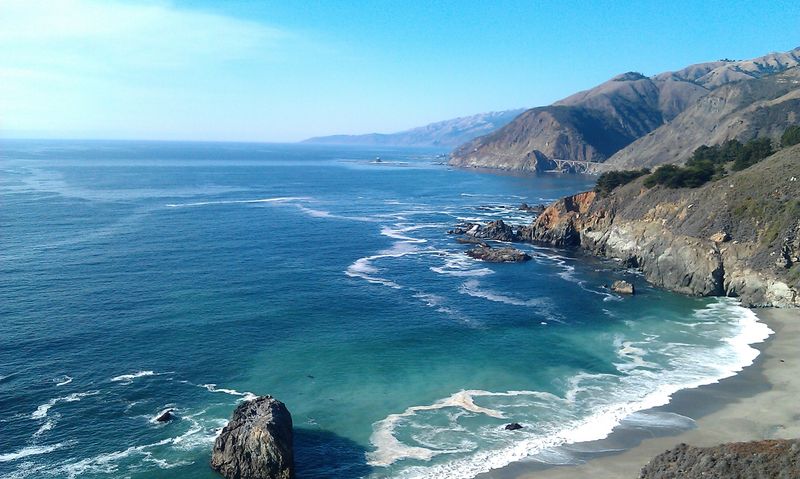
Certain times of year bring an extraordinary phenomenon to Monterey Bay that only reveals itself after complete darkness falls.
Bioluminescent plankton light up the water with electric blue sparkles whenever something disturbs them.
Waves breaking on the beach glow with an otherworldly luminescence, like liquid starlight washing ashore.
This natural light show happens most frequently during late summer and fall when conditions align perfectly.
Walking along the beach after ten o’clock, you might notice the strange blue flashes in the surf and wonder if your eyes are playing tricks.
But as you watch, the pattern becomes clear with each wave crest illuminating before crashing onto sand.
If you’re brave enough to wade into the cold water, every movement of your legs creates swirls of blue light around you.
It feels like something from a science fiction movie, except it’s completely natural and happens right here in Monterey.
The bioluminescence comes from dinoflagellates, tiny organisms that produce light through chemical reactions when agitated.
During the day, these same organisms can create red tides that discolor the water, but their nighttime display is pure magic.
Photographers struggle to capture this phenomenon because it requires long exposures and very dark conditions.
Standing on the beach with bioluminescent waves at your feet and stars overhead creates a connection to the natural world that feels increasingly rare.
Day visitors have zero chance of witnessing this spectacle because it only happens in complete darkness.
Even overnight guests might miss it if they don’t venture out late or visit during the wrong season, but those who experience it never forget the sight of glowing blue waves.
Early Morning Kayaking With Otters and Dolphins
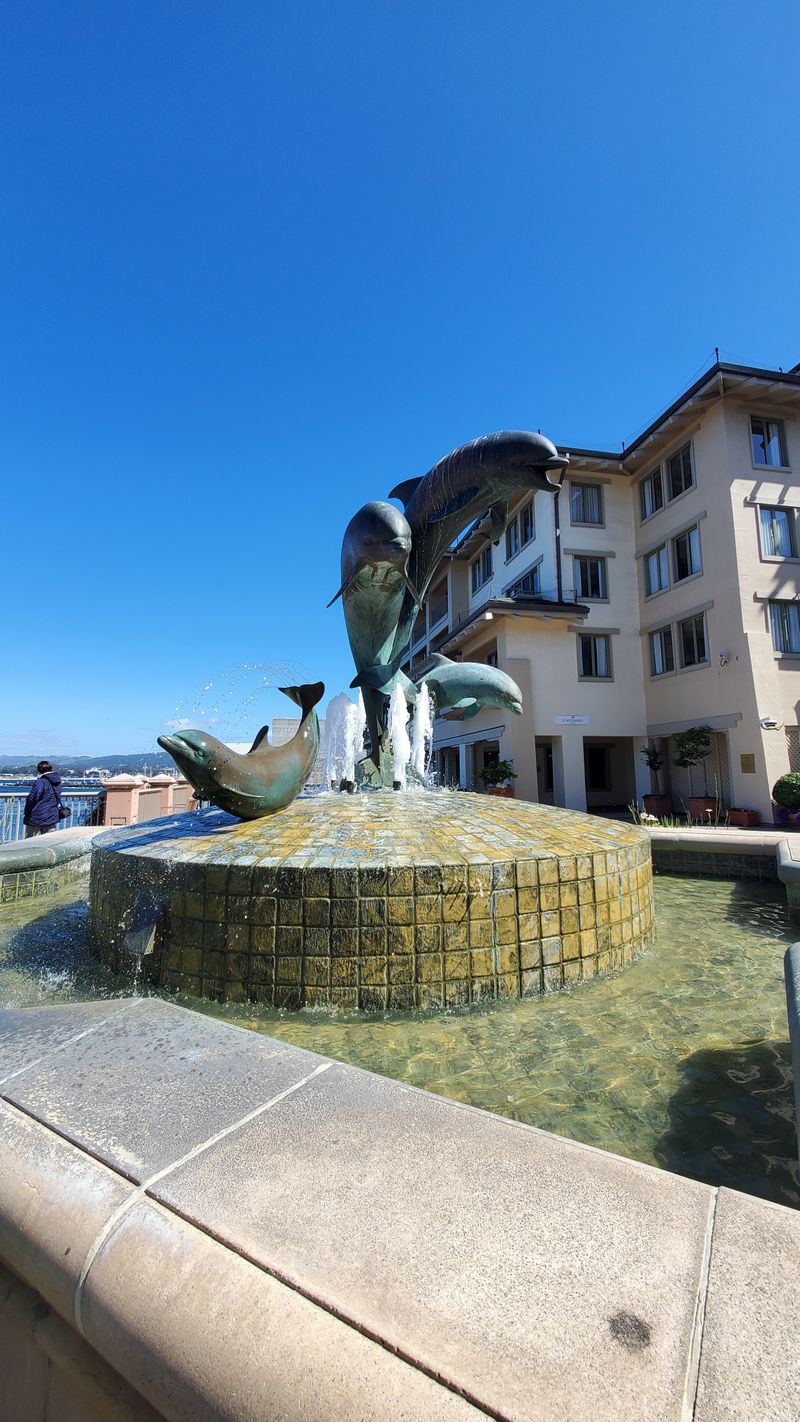
Monterey Bay Kayaks and other outfitters offer dawn paddle tours that launch before most tourists finish breakfast.
Slipping your kayak into calm morning water feels like entering a different world than the busy harbor scene that develops later.
The bay lies glassy and smooth, reflecting the sky and coastline in perfect mirror images.
Sea otters are most active during early morning hours, hunting for food after a night of resting in kelp beds.
Paddling quietly, you can approach within respectful distances and watch them dive for sea urchins, crabs, and abalone.
They surface with their catch, roll onto their backs, and use rocks as tools to crack open shells while floating.
Their whiskered faces and dexterous paws make them endlessly entertaining to observe.
Sometimes dolphins appear, their sleek bodies cutting through the water in graceful arcs.
Pacific white-sided dolphins and bottlenose dolphins both frequent these waters, often traveling in pods that suddenly materialize alongside your kayak.
The sound of their breathing, that distinctive exhale through blowholes, carries clearly across the quiet water.
Harbor seals pop their heads up curiously, watching you with large, dark eyes before disappearing beneath the surface.
Pelicans glide past at eye level, their wingspans impressive and their flight surprisingly graceful for such ungainly looking birds.
By the time you paddle back to shore, the sun has fully risen and the waterfront begins filling with activity.
But you’ve already experienced the best part of the day, sharing the bay with its wild residents in the peaceful morning hours.
This intimate wildlife encounter only happens for those who stay overnight and wake early enough to join the dawn patrol.
Local Restaurants That Come Alive After Dark
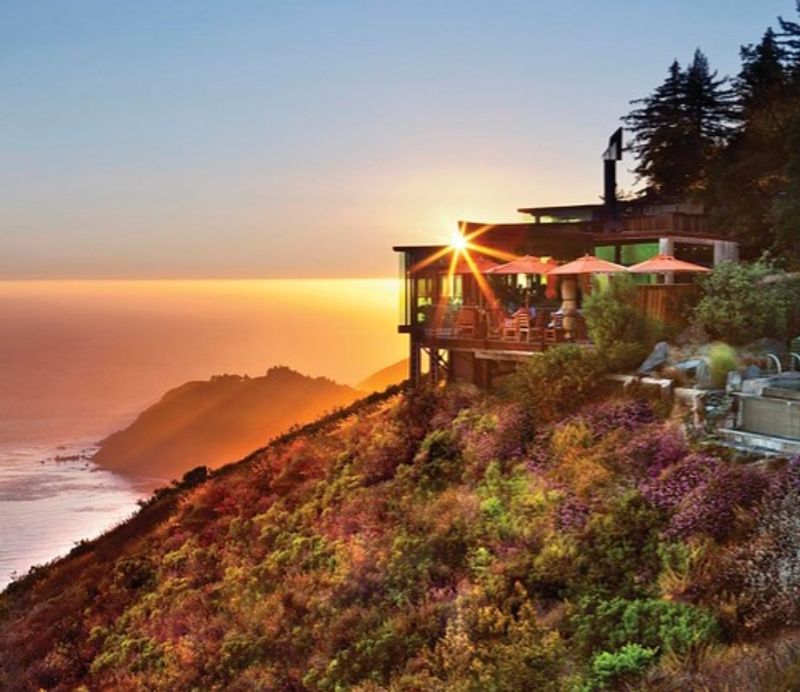
Montrio Bistro at 414 Calle Principal serves dinner in a converted firehouse with exposed brick walls and an atmosphere that feels sophisticated yet welcoming.
The restaurant fills with locals during evening hours, people who know the chef and chat with servers by name.
This is when Monterey’s dining scene reveals its true character, beyond the tourist-focused seafood spots lining Cannery Row.
Downtown Monterey contains numerous restaurants that day visitors never discover because they leave before dinner time.
These establishments focus on farm-to-table cuisine using ingredients from nearby Salinas Valley, one of California’s most productive agricultural regions.
The quality and creativity exceed what you’d expect from a town often dismissed as overly commercial.
Sitting at a bar or tucked into a corner booth, you overhear conversations about fishing conditions, local politics, and upcoming community events.
The energy feels completely different from lunchtime when tourists dominate the restaurant scene.
Servers relax slightly, taking time to explain menu items and make genuine recommendations rather than rushing through their spiel.
Many restaurants feature local wines from the nearby Carmel Valley and Santa Lucia Highlands appellations.
The wine lists showcase small producers you won’t find in most stores, and staff members actually know the winemakers personally.
Dessert arrives as you notice the dining room still full at nine o’clock, a sign that people come here for the experience, not just to refuel between attractions.
Walking back to your hotel afterward, pleasantly full and slightly wine-buzzed, you appreciate that Monterey has a genuine food culture that exists separately from its tourist economy.
This culinary depth only becomes apparent when you stick around long enough to eat dinner like a local.
The Historic District’s Architecture Under Street Lamps
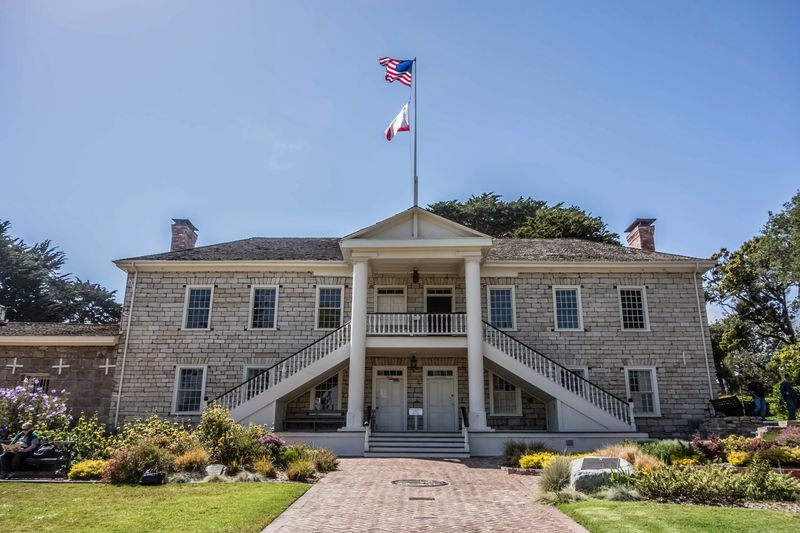
Monterey served as California’s capital under Spanish, Mexican, and early American rule, leaving behind architectural treasures that most visitors rush past.
The Path of History winds through downtown, connecting preserved adobes and historic buildings with yellow tiles embedded in the sidewalk.
During daylight hours, you might glance at these structures while heading somewhere else.
But in the evening, when street lamps cast warm light on thick adobe walls and ancient oak trees, the historic district becomes genuinely atmospheric.
Colton Hall, where California’s first constitution was written in 1849, looks particularly striking when lit against the night sky.
The Custom House, California’s oldest government building, sits quiet and dignified near Fisherman’s Wharf.
These structures represent layers of history that predate the Gold Rush, connecting modern California to its Spanish colonial and Mexican past.
Walking these streets after dark, you can almost imagine the town as it existed in the 1840s when Richard Henry Dana described it in Two Years Before the Mast.
The Robert Louis Stevenson House, where the famous author stayed in 1879, occupies a corner that feels frozen in time once the sun sets.
Fewer cars pass through this area at night, allowing you to hear your footsteps on old sidewalks.
The smell of wood smoke occasionally drifts from chimneys, and through lit windows you glimpse residents going about their evening routines in buildings that have sheltered families for generations.
This historic atmosphere feels authentic rather than manufactured, a living neighborhood rather than an outdoor museum.
Overnight guests who take evening walks discover this quieter, more contemplative side of Monterey that reveals the town’s deep roots and enduring character.
Stargazing From Asilomar State Beach
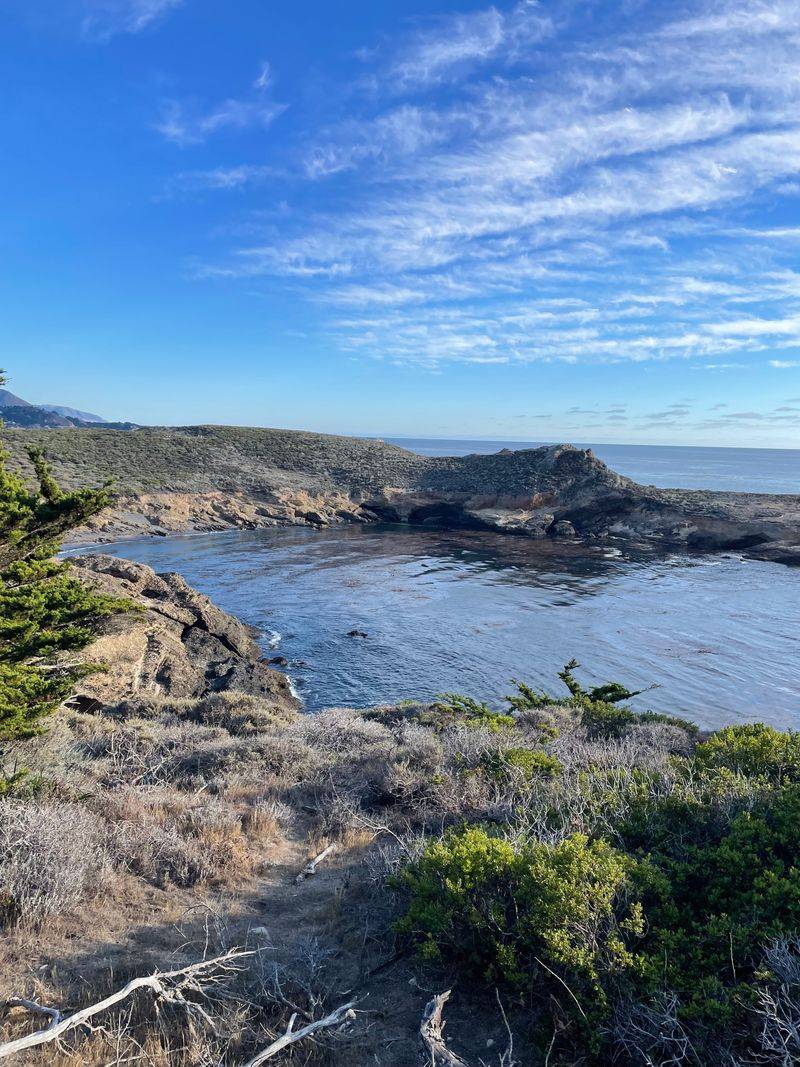
Just a short drive from downtown Monterey, Asilomar State Beach offers something increasingly rare along California’s coast: genuine darkness.
The beach faces directly west toward open ocean, with minimal light pollution once you walk away from the parking area.
On clear nights, the Milky Way stretches across the sky in a luminous band that urban dwellers rarely see.
Lying on the sand with waves crashing nearby and stars wheeling overhead creates a sense of connection to something vast and timeless.
The marine layer often clears by late evening, even when fog lingered all day, revealing spectacular night skies.
Constellations appear so bright and numerous that picking out individual patterns becomes challenging.
Shooting stars streak across the darkness with surprising frequency, especially during meteor shower seasons.
The sound of the ocean provides a rhythmic soundtrack that enhances rather than distracts from the celestial display.
Bringing a blanket and warm layers allows you to stay comfortable while your eyes adjust to the darkness and reveal ever more stars.
Sometimes bioluminescence in the surf adds an extra dimension, with glowing blue waves below and stars above creating a sandwich of light with you in the middle.
The beach stretches for a mile of white sand and rocky tide pools, all of it accessible and uncrowded after dark.
This experience requires staying overnight because the best stargazing happens between ten and midnight when the sky is fully dark.
Driving back to your hotel with sand in your shoes and the memory of countless stars still vivid, you understand that Monterey offers experiences that have nothing to do with aquariums or shopping.
Nature provides the entertainment, free and spectacular, for those who stay long enough to witness it.
Morning Coffee With Locals at Small Neighborhood Cafes
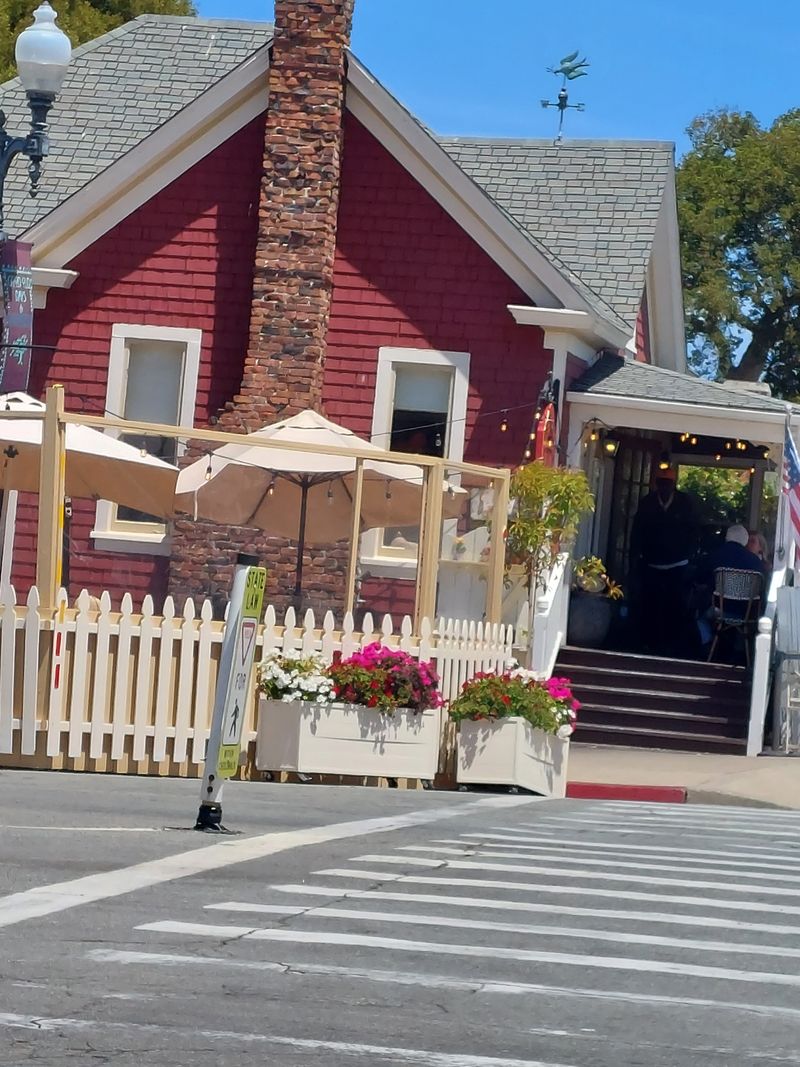
Monterey’s best coffee shops have nothing to do with chains or tourist traffic.
Places like Cafe Lumiere at 421 Alvarado Street open early to serve neighborhood regulars who stop by before work.
The morning crowd consists of fishermen, teachers, nurses finishing night shifts, and retirees meeting friends for their daily ritual.
Everyone seems to know each other, or at least recognize familiar faces from previous mornings.
Baristas remember orders and ask about family members by name.
The coffee quality exceeds what you’d find at most tourist spots because these shops depend on repeat local customers rather than one-time visitors.
Pastries come from nearby bakeries, still warm and genuinely delicious rather than mass-produced and shipped from warehouses.
Sitting at a small table with your cappuccino and almond croissant, you overhear conversations about fishing conditions, upcoming local elections, and whose kid made the soccer team.
This everyday community interaction reveals the real Monterey that exists beneath and alongside the tourist economy.
The morning newspaper gets passed around, and people linger over their coffee rather than gulping it down.
Outside the windows, the town slowly wakes up as shop owners unlock doors and early joggers pass by on their routes.
This peaceful morning rhythm feels like a privilege to witness, a glimpse into authentic local life.
Day trippers miss this entirely because they’re still driving down Highway 1 or eating hotel breakfast when these neighborhood cafes buzz with their morning energy.
Overnight guests who wake early and seek out these local spots discover that Monterey functions as a real community, not just a tourist destination.
That realization transforms how you see the entire town for the rest of your visit.
Dear Reader: This page may contain affiliate links which may earn a commission if you click through and make a purchase. Our independent journalism is not influenced by any advertiser or commercial initiative unless it is clearly marked as sponsored content. As travel products change, please be sure to reconfirm all details and stay up to date with current events to ensure a safe and successful trip.
