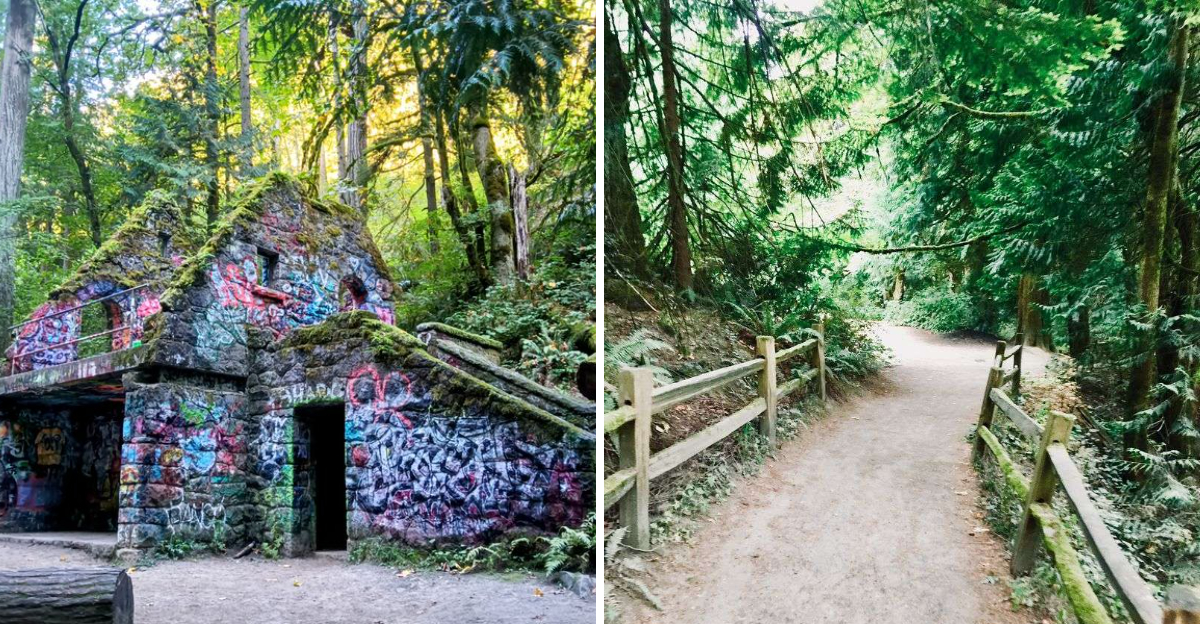
Stone ruins deep in the woods don’t usually come with a name like this one. Something about the title alone makes people walk faster down the trail just to see it themselves.
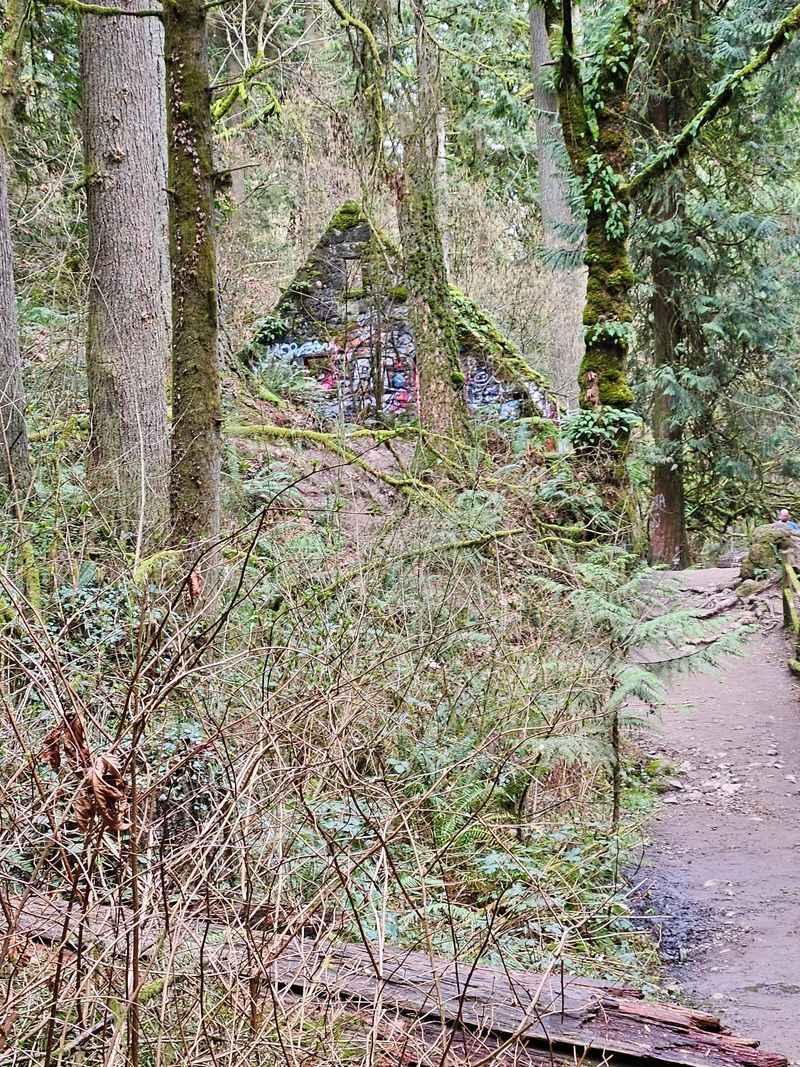
Crumbling walls stand quietly among the trees, moss covering most surfaces by now, giving the whole structure an abandoned feeling that fits the eerie name perfectly.
Stories about its past circulate constantly, each version stranger than the last, though nobody seems entirely certain which parts are actually true.
Plenty of odd landmarks sit scattered throughout Oregon’s forests, but few carry a backstory quite this unsettling. Hikers often pause here longer than expected, half curious and half unsettled by how genuinely creepy the ruins feel in person.
Nothing about this trail warns you beforehand how strange it gets. Oregon apparently saves its stranger stories for the places people least expect them.
What the Building Actually Was Before the Legends
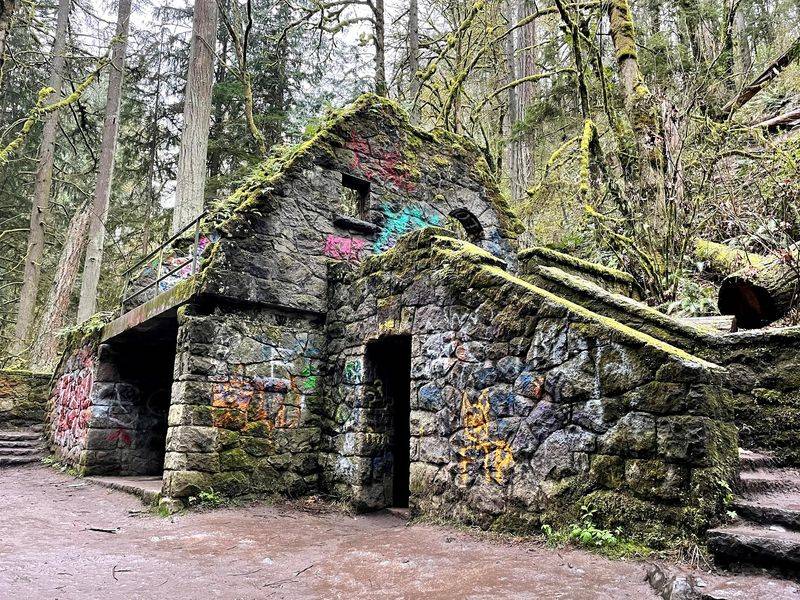
Here is the twist that makes people laugh out loud on the trail. The famous castle was built in the 1930s as a public restroom and ranger station for Macleay Park.
Crews from the Works Progress Administration era shaped the stone, added a roof, and created a small comfort stop for hikers heading into Forest Park. Practical, tidy, completely unmagical.
Then came the Columbus Day Storm of 1962, which tore through Oregon with hurricane-force winds and wrecked the building badly enough that repairs were abandoned. Plumbing was removed, the roof disappeared, and the forest quietly took over the rest.
Within a few decades the ruin looked ancient rather than mid-century, which is exactly why so many visitors assume it dates back centuries. Knowing the truth does not spoil the mood at all. If anything, a former restroom becoming Portland’s most photographed ruin is the strangest part.
Following Balch Creek Through a Green Tunnel
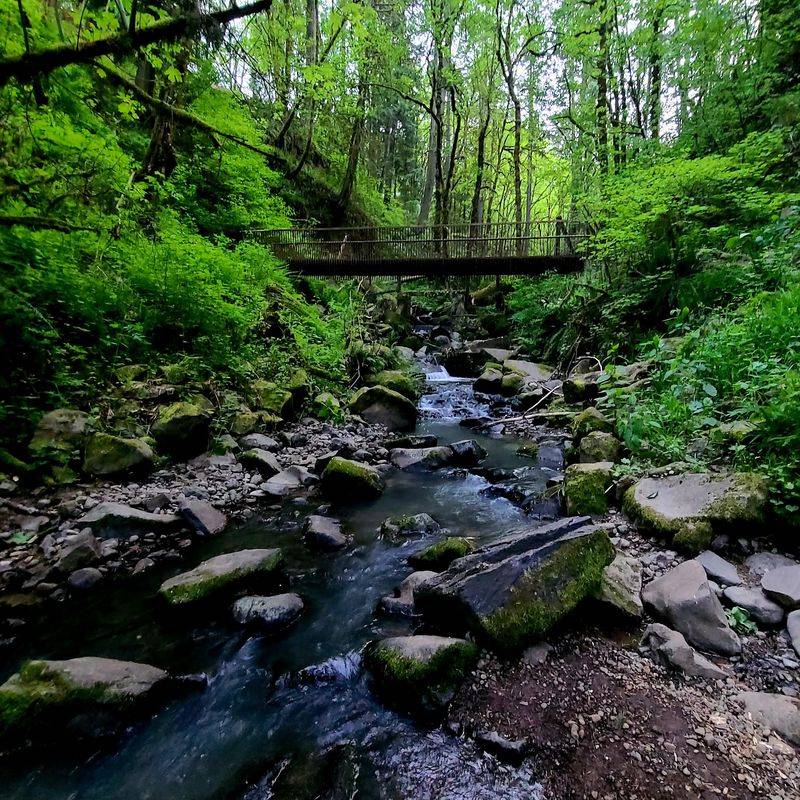
Balch Creek is the real star of the walk, and I say that as someone who came for the ruin. Water runs shallow and clear over stones, close enough to the path that its sound never fades.
Ferns spill across the banks, big-leaf maples lean overhead, and light filters down in soft green patches even at midday.
Fallen logs cross the water in places, and a few brave hikers use them as makeshift bridges, though slipping into that cold water would end a hike quickly. Cutthroat trout live in the creek, which surprises people who forget this canyon sits inside a major city.
The trail crosses small footbridges that creak just enough to feel charming.
Rain makes everything glossy and slightly slick, so trail shoes with grip earn their keep here. Early mornings bring mist that hangs low between trunks, and the whole canyon feels muffled. Honestly, the walk alone justifies the trip, castle or no castle.
Graffiti That Somehow Belongs There
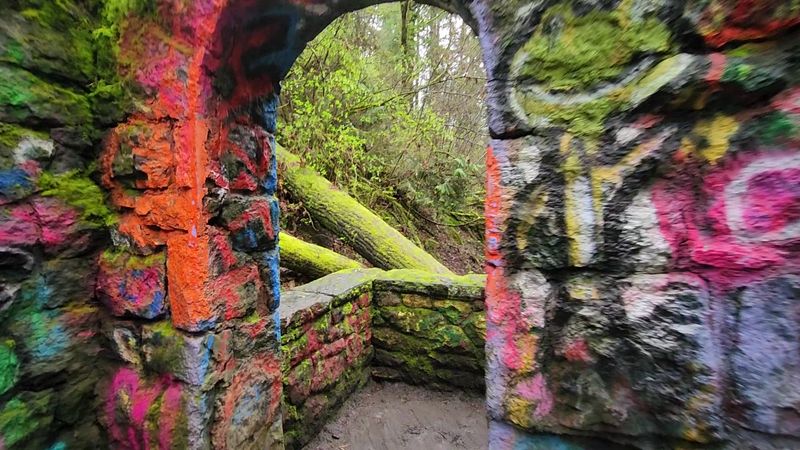
Opinions split hard on the paint. Every inch of the interior carries tags, murals, hearts, initials, and phrases layered over older layers like tree rings made of color.
Some visitors see vandalism on a historic structure and feel genuinely disappointed. Others see a rotating gallery that changes month to month.
Standing inside those walls, the effect is stranger than expected, because the bright pinks and blues glow against all that green forest light. Photographers love it. Preservationists do not. Both reactions make sense.
City crews have painted over the walls at times, and within weeks new work appears, which says something about how attached people feel to the place. Reading the messages becomes its own activity, since plenty of them are surprisingly heartfelt rather than crude.
Whatever side you land on, arriving without expectations helps. Treat it as a living surface rather than a museum piece, and the visit lands better. Adding your own paint, though, only speeds up the damage.
Small Offerings Left on the Windowsills
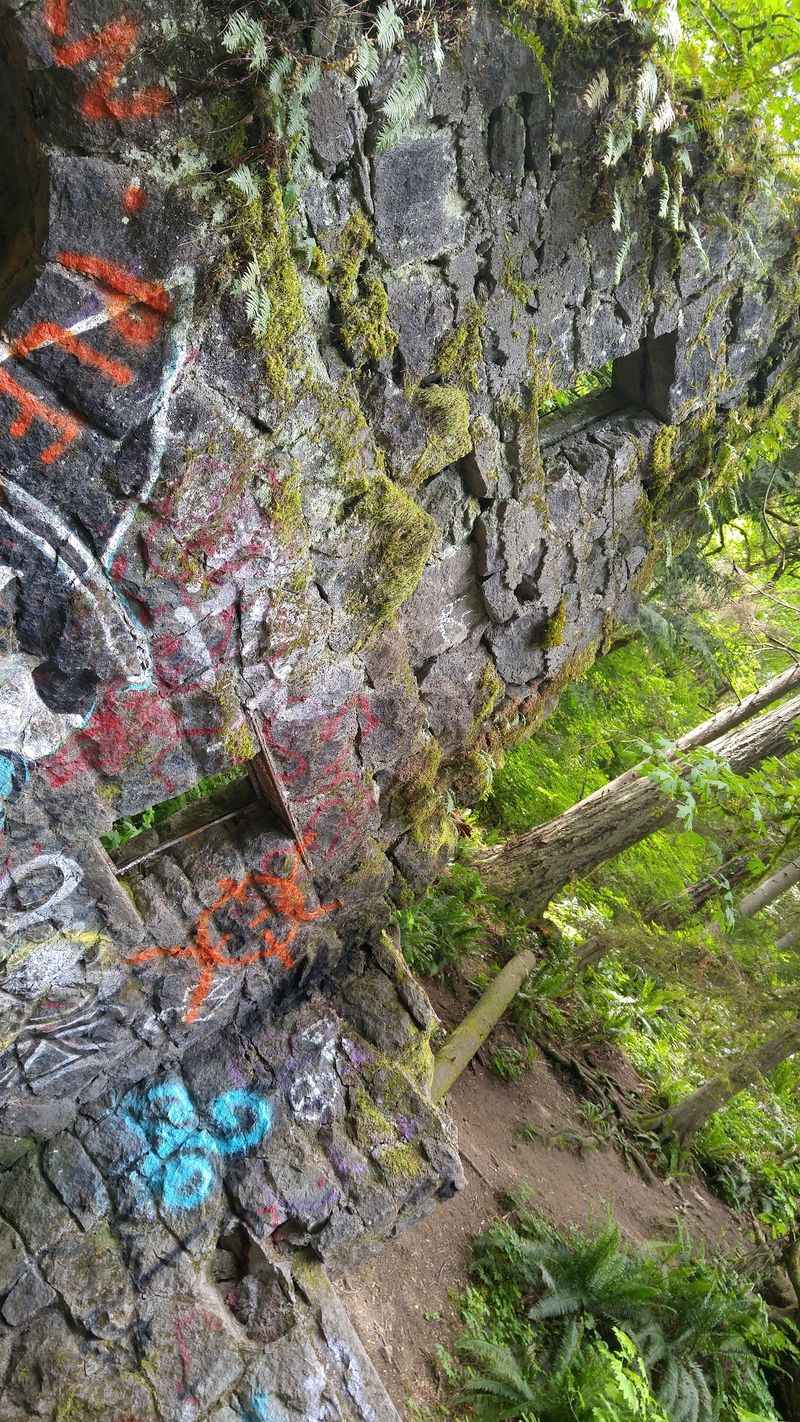
Tucked into the stone openings sit little collections that catch you off guard. Coins, smooth pebbles, dried flowers, painted rocks, tiny figurines, sometimes a note folded against the weather. Nobody organizes any of it, yet everything looks oddly arranged, as if the ruin sorts its own gifts.
Some items clearly serve as memorials, left by people remembering someone. Others feel playful, like a plastic dinosaur wedged into a crack for the next visitor to find. The mix creates a hush that graffiti alone never could.
Watching a group of loud hikers go quiet when they notice the sills is a small, lovely thing. Whatever you believe about the site, those objects turn cold stone into something people clearly care about.
Leaving a rock or flower fits the spirit. Leaving trash does not, and unfortunately both happen. If you add something, keep it natural or biodegradable, and resist rearranging what others placed. Half the charm comes from not knowing the story behind any single item.
The Nickname That Stuck for All the Wrong Reasons
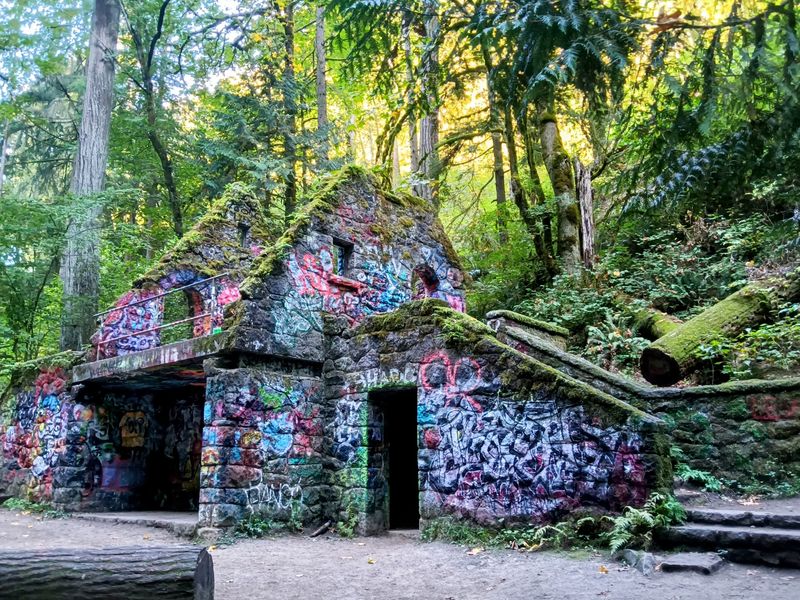
Nobody officially named it Witch’s Castle. The title grew out of local storytelling, passed between teenagers, hikers, and campfire conversations until it became the only name anyone uses.
Look at the structure and the logic clicks fast. Stone arches, a doorway with no door, empty window frames staring into the trees, all of it swallowed by moss that never seems to dry out.
What makes the nickname stranger is how little it matches the building’s actual purpose, which was far more practical than magical. Older tales tied the site to a grim 1850s land dispute that ended in violence, and that shadow attached itself to the stones long before the graffiti arrived.
Signs and maps often list it as the Stone House, which feels almost disappointing after hearing the folklore. Ask ten people on the trail what they call it, though, and the witch version wins every single time. Legends are stubborn like that.
Choosing Between the Easy Route and the Steep One
Two main approaches lead here, and picking the right one changes the whole outing. From the Lower Macleay trailhead at the bottom, the walk runs roughly a mile with a gentle grade beside the creek, which suits families and casual walkers.
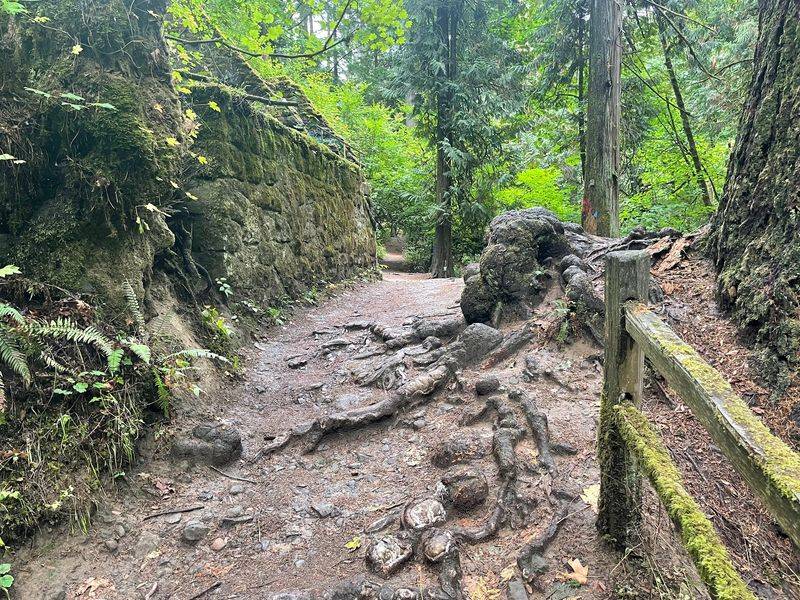
From the Upper Macleay lot near the bird sanctuary, the distance shrinks to about half a mile, but the path drops sharply. Going down feels easy. Climbing back up is where legs start complaining, especially on wet rock and exposed roots.
Several hikers mention embedded stones that shift underfoot, so anyone with knee or hip trouble should think carefully about the steeper option. Trekking poles help more than they look like they should.
Mud lingers for months during the rainy season, turning short sections into slow, careful steps.
My honest suggestion is starting low and finishing low, since the creekside grade gives your body time to warm up. Whichever way you go, allow more time than the mileage suggests, because stopping for photos is guaranteed.
Parking Puzzles and How to Avoid Them
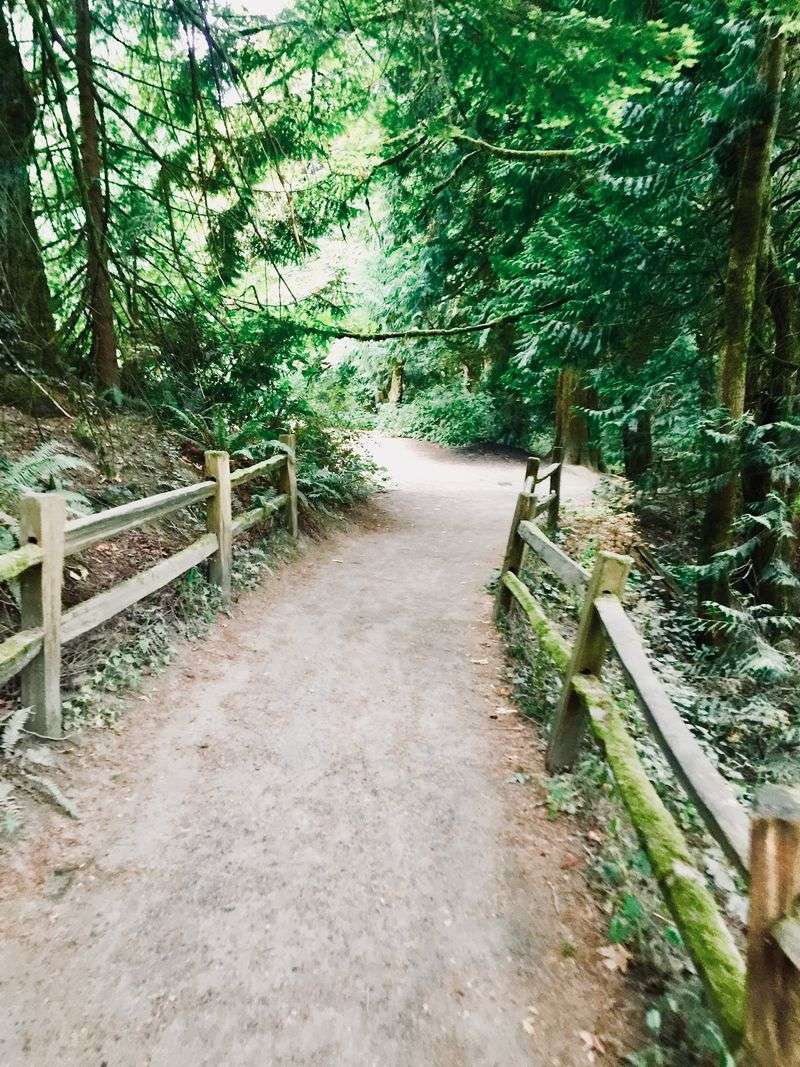
Parking causes more frustration than the hike itself. The lot at Lower Macleay Park fills fast on weekends and sunny afternoons, and nearby residential streets carry restrictions that are easy to miss. Arriving before nine in the morning solves most of it.
Another option sits at the Upper Macleay lot off NW Cornell Road, near the Audubon sanctuary, though that space is small too. Roadside pullouts along Cornell tempt people, but several stretches post no parking signs and steep drop-offs make cutting through the trees genuinely dangerous.
Stick to marked trailheads. Seriously. Weekday visits feel like a different place altogether, with long stretches of empty trail and only birdsong for company. Rainy days thin the crowd even more, and the forest looks its best when everything drips.
Portable restrooms sit near the lower trailhead, but hand-washing facilities are not available, so packing wipes or sanitizer is a smart move. Cell service holds up reasonably well throughout the canyon.
Wildlife, Slugs, and Other Trailside Surprises
Banana slugs steal the show, and finding one feels weirdly rewarding. Bright yellow, unbothered, roughly the length of a hand, they inch across the path after rain and force everyone into careful sidesteps. Kids love them. Adults pretend to be above it, then take three photos.
Overhead, the canopy fills with birds heading toward the Audubon sanctuary just up the hill, and spotting a pileated woodpecker hammering a snag is a real possibility. Chipmunks rustle through ferns, and the creek occasionally reveals small trout holding steady in the current.
Deer wander through the quieter hours. Massive fallen trees lie beside the trail, their root plates standing taller than most people, giving a sense of scale that photos never quite capture. Sword ferns, salmonberry, and thick moss cover nearly everything else.
Dogs are welcome on leash and clearly enjoy the terrain, though muddy paws are part of the deal. Bring a towel for the car if your dog is enthusiastic.
When the Light Turns the Ruin Into a Movie Set
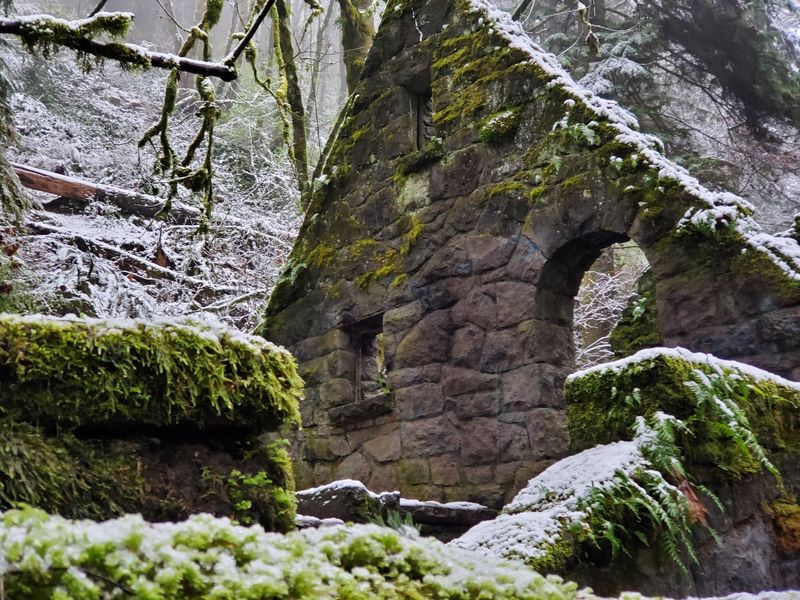
Timing changes everything at this spot. Early morning brings fog that settles between the trunks and softens the stone into something almost unreal, especially between fall and spring. Photographers show up at sunrise for a reason.
Midday sun cuts through the canopy in sharp beams, lighting up individual ferns like stage props while the ruin stays shadowed and cool. Late afternoon warms the graffiti colors and makes the moss glow.
Autumn adds gold from the big-leaf maples, and October traffic spikes as people plan costume photo shoots among the stones.
Winter strips the leaves back and reveals how deep the canyon really is, with bare branches framing the walls. Rain, oddly enough, might be the best condition of all, since the forest smells incredible and the crowds vanish.
Park hours run from 5 AM to 10 PM daily, so early risers get first pick of the quiet. Bring a headlamp if you push toward the edges of those hours, because the canyon darkens well before the sky does.
Turning the Visit Into a Longer Forest Park Adventure
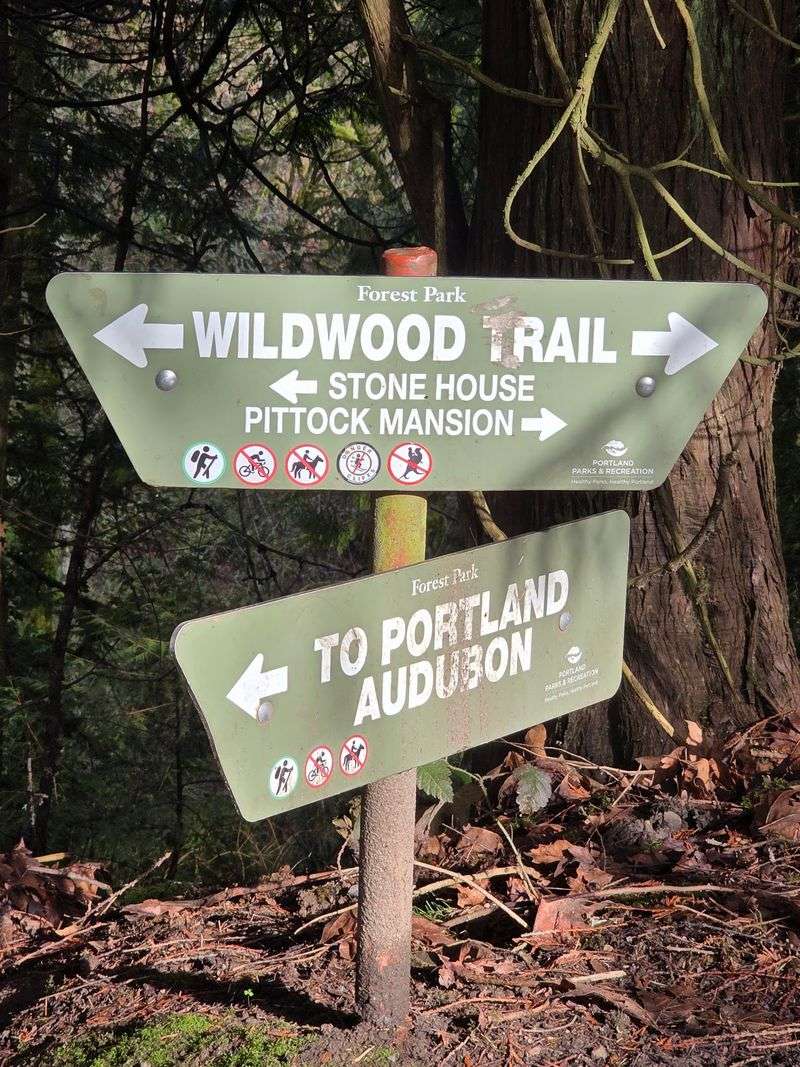
Stopping at the ruin is fine, though continuing on rewards anyone with extra energy. From the stone walls, the Wildwood Trail climbs uphill and connects to a network stretching for miles through Forest Park, one of the largest urban forests in the country.
Head one direction and you reach the Pittock Mansion, roughly a mile and a half further, with a viewpoint over Portland and Mount Hood on clear days. That climb is steady and earns its views.
Head another way and you can wander for hours without repeating a single stretch of trail. Junction signs help, but carrying a downloaded map prevents the classic mistake of following a path that runs far longer than expected.
Water, snacks, and a light rain layer make the difference between a good day and a soggy retreat.
The trailhead sits at Lower Macleay Trail, Portland, OR 97210, United States, tucked into the northwest edge of the city. Reaching it takes minutes from downtown, which still feels slightly unbelievable once you are surrounded by all that green.
