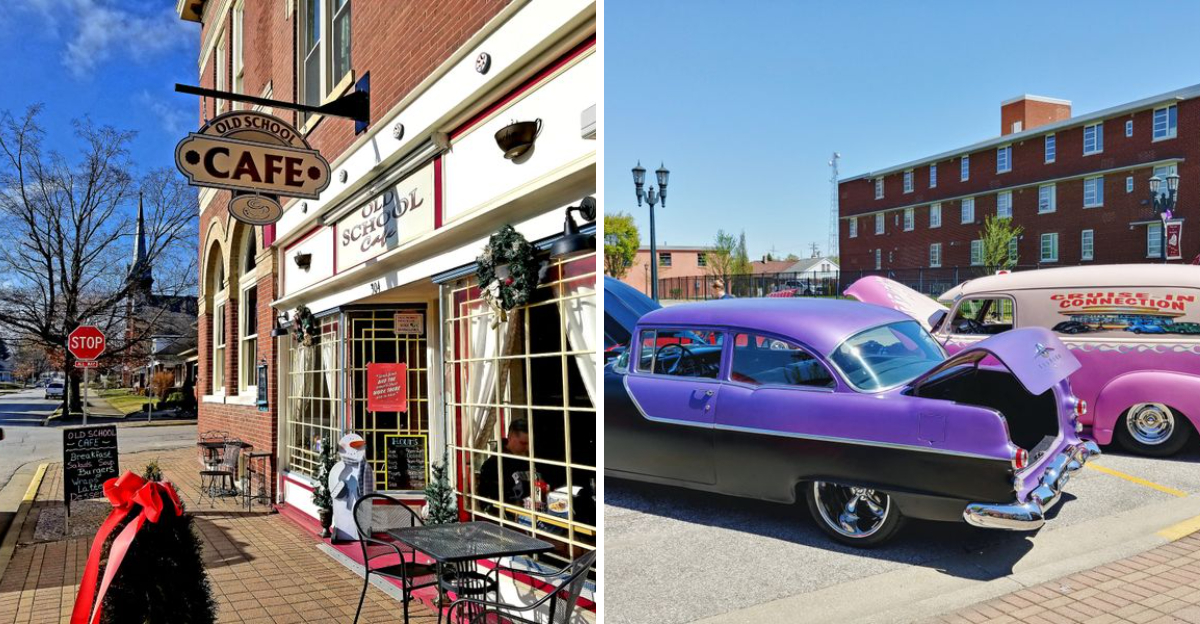
I still remember the first time I drove through Huntingburg on a crisp autumn afternoon, sunlight filtering through the trees that line the streets of this southwestern Indiana gem. Something about this place felt different from other small towns I’d passed through.
Maybe it was the way locals waved from their porches, or how the historic downtown seemed frozen in the best possible way, but I knew immediately this wasn’t just another stop on the map. Huntingburg sits quietly in Dubois County with just over 6,000 residents who’ve discovered what the rest of us are missing.
The cost of living here makes you wonder why you’re still paying big city prices for half the quality of life.
From antique treasures tucked into every corner of downtown to baseball fields that Hollywood noticed, this town offers something rare in today’s world: authenticity without pretension, community without crowds, and charm that doesn’t quit.
Downtown Antique District That Feels Like Treasure Hunting
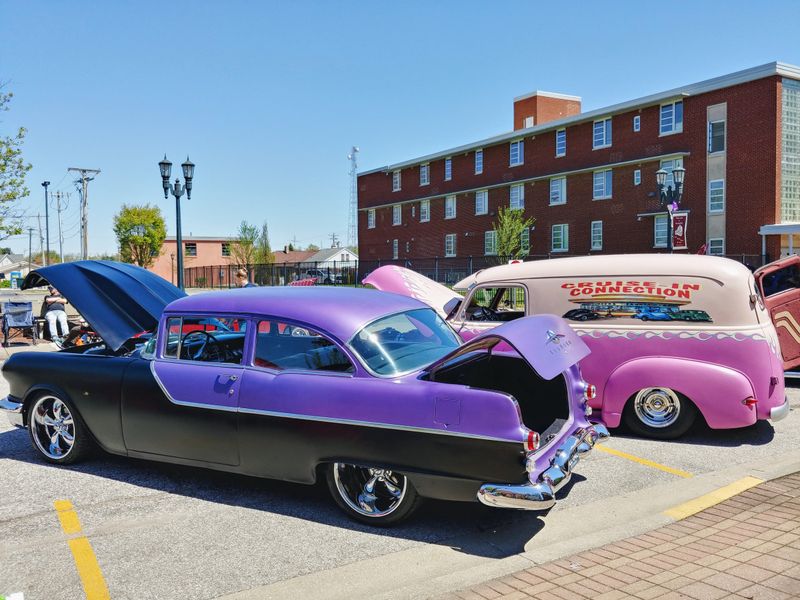
Walking down Huntingburg’s Main Street feels like stepping into your grandmother’s attic, except everything is organized and someone actually wants to sell you that vintage lamp you’re eyeing. The downtown area stretches several blocks, packed with antique shops that range from serious collector destinations to quirky spots where you might find a 1950s lunch box next to Victorian furniture.
What makes this different from your typical antique mall is the authenticity. These aren’t manufactured vintage experiences or carefully curated Instagram backdrops.
Shop owners know their inventory, remember where pieces came from, and can tell you stories about the families who owned them first.
You’ll find everything from Depression glass to mid-century modern furniture, old farm equipment to delicate china sets. One shop might specialize in primitives while another focuses on jewelry and collectibles.
The prices remain reasonable because Huntingburg hasn’t been discovered by tour buses yet.
Plan to spend at least half a day browsing if you’re serious about antiques. Wear comfortable shoes because you’ll be on your feet, and bring measurements if you’re furniture shopping.
Most shops cluster around Main Street and 4th Street, making it easy to park once and explore on foot. The owners are friendly and happy to hold items while you continue browsing other stores.
League Stadium Where Hollywood Came Calling
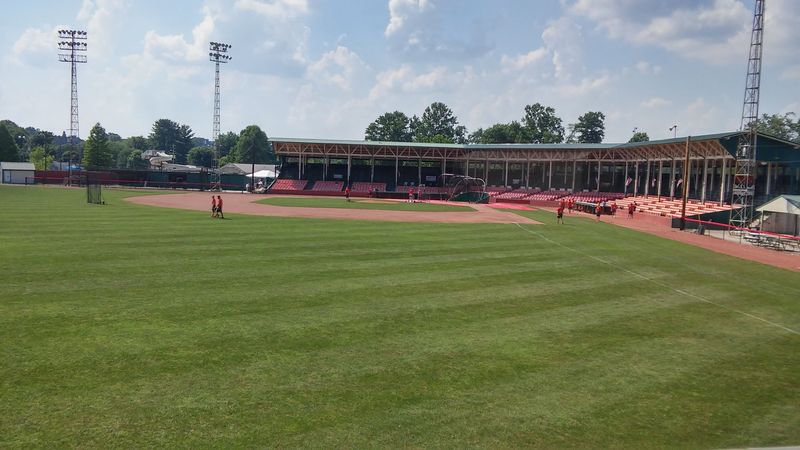
Baseball fans know this place even if they’ve never heard of Huntingburg. League Stadium, built in 1894, is one of the oldest ballparks in America still hosting games.
The wooden grandstand creaks in all the right places, and the view from the bleachers hasn’t changed much in over a century.
This is where they filmed much of “A League of Their Own” back in 1992. Tom Hanks, Geena Davis, and Madonna walked these same baselines.
The stadium stood in for several different parks in the movie, and if you’re a fan, you’ll recognize scenes immediately.
But League Stadium isn’t just a movie location living on past glory. The Dubois County Bombers still play here during summer months, and watching a game feels like time travel to when baseball was simpler and ticket prices didn’t require a second mortgage.
You can find League Stadium at 203 South Cherry Street.
The stadium sits in a residential neighborhood, which adds to its charm. Kids still ride bikes to games, and the smell of popcorn drifts through the evening air.
Admission costs less than a movie ticket, and you’re supporting local amateur athletics. Check the schedule before visiting because games run seasonally, typically from late spring through summer.
Cost of Living That Makes Financial Sense
Let’s talk numbers because they matter when you’re considering a move. The median home price in Huntingburg hovers around $150,000, which in today’s housing market sounds like a typo.
You can find three-bedroom houses with yards, garages, and updated kitchens for what a down payment costs in most metropolitan areas.
Rental prices follow the same reasonable pattern. A decent two-bedroom apartment runs $600 to $800 monthly, and you’re not sacrificing quality for affordability.
Many rentals include yards, off-street parking, and space to actually breathe.
Utilities cost less than urban areas because you’re not paying city premiums. Groceries, gas, and everyday expenses all trend below state and national averages.
Your paycheck stretches further here, which means more money for savings, travel, or whatever matters to you beyond just surviving paycheck to paycheck.
Property taxes remain reasonable compared to neighboring counties, and insurance rates reflect the low crime statistics. If you’re working remotely or can transfer your job, the financial benefits multiply quickly.
Even if you take a slight pay cut moving here, the reduced cost of living often means you’re actually ahead financially. The town has seen steady growth without the price spikes that destroy affordability in other desirable small towns.
Huntingburg City Park With Something For Everyone
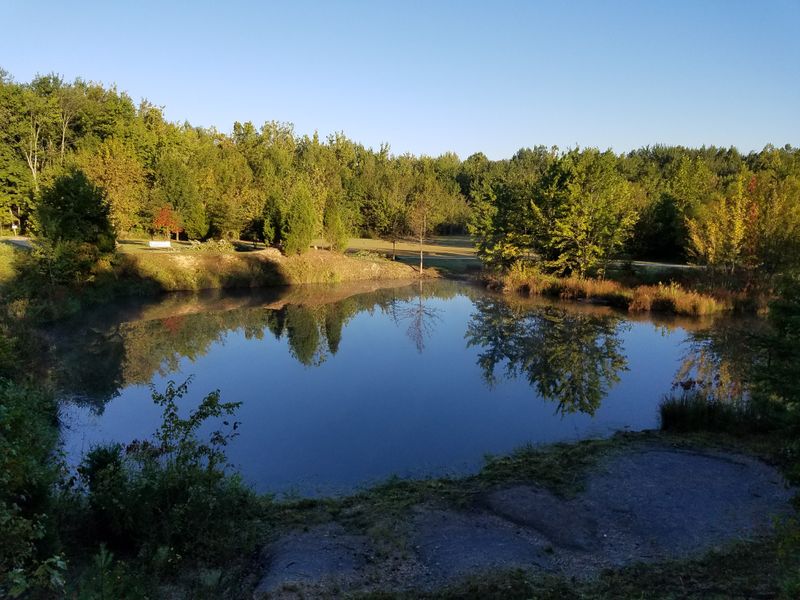
Sometimes the best things about a town are the simple spaces where community happens naturally. Huntingburg City Park spreads across enough acres to accommodate everything from family reunions to solo morning walks without feeling crowded.
The park sits at 802 East 26th Street and serves as the town’s outdoor living room.
Playgrounds here are well-maintained and thoughtfully designed for different age groups. Parents can actually sit on benches that aren’t broken while kids burn energy on equipment that’s been updated within the last decade, not the last century.
Walking trails wind through the park, perfect for morning exercise or evening strolls when you need to decompress.
Picnic shelters can be reserved for gatherings, or you can claim a table on a first-come basis for impromptu lunches. Sports facilities include basketball courts, tennis courts, and open fields where pickup games materialize on nice afternoons.
The park doesn’t charge admission, doesn’t require memberships, and doesn’t close at inconvenient hours.
What strikes you most is how locals use this space. It’s not just for special occasions.
People are here daily, treating the park like an extension of their homes. That’s the kind of community resource that improves quality of life in ways that are hard to quantify but easy to feel.
Local Restaurant Scene That Surprises Visitors
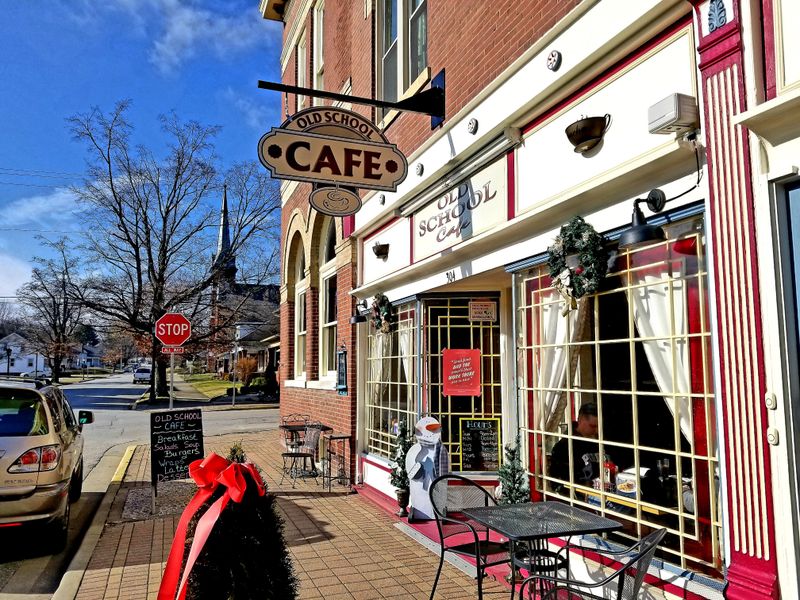
You might assume a town of 6,000 people offers limited dining options, and you’d be wrong. Huntingburg punches above its weight when it comes to local restaurants that serve real food made by people who care about what leaves the kitchen.
This isn’t a chain restaurant desert where your only options have drive-through windows and identical menus nationwide.
Family-owned establishments dominate the scene, each bringing different flavors and specialties. You’ll find classic American comfort food done right, not just adequately.
Burgers actually taste like beef, not filler. Sandwiches come piled with quality ingredients, and breakfast portions satisfy without being wasteful.
Several spots have become local institutions, the kind of places where regulars have their usual orders and new faces get welcomed genuinely. Prices remain reasonable because owners aren’t paying downtown Indianapolis or Chicago rents.
A good meal for two runs $25 to $35, and you’ll leave satisfied, not searching for a snack an hour later.
The restaurant owners know each other, support each other, and create a dining scene with variety despite the town’s size. You won’t find every cuisine imaginable, but what exists is executed well.
Service feels personal because it is. Your server might be the owner’s daughter, and the cook might be working from their grandmother’s recipe.
Strong School System That Families Actually Trust
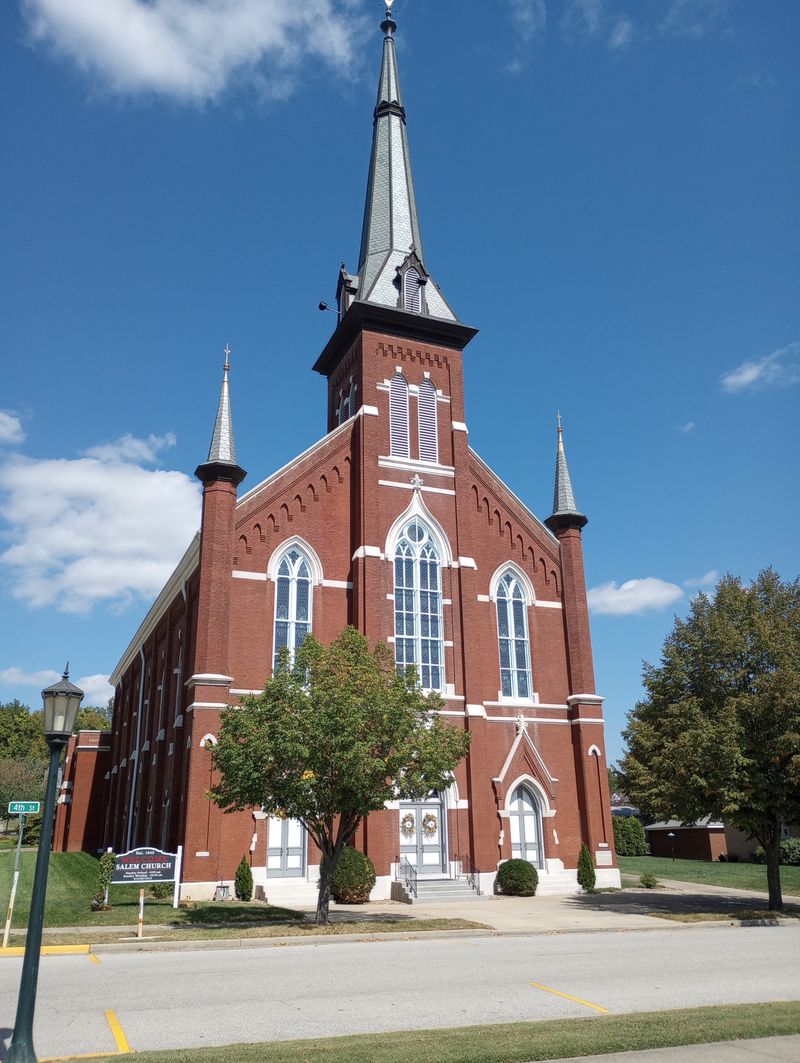
Parents researching Huntingburg inevitably land on school quality, and the news is good. The Southridge School Corporation serves the area with a reputation that extends beyond county lines.
Test scores consistently meet or exceed state averages, but numbers only tell part of the story.
Class sizes remain manageable, meaning teachers actually know their students as individuals rather than faces in an overcrowded classroom. The student-to-teacher ratio allows for personalized attention that struggling students need and advanced students deserve.
Extracurricular programs include sports, arts, and academic clubs that keep kids engaged beyond regular school hours.
Facilities are well-maintained and updated as needed, not left to decay while administrators debate funding. The community supports schools through volunteering and attendance at events, creating an environment where education matters to everyone, not just parents with kids enrolled.
School safety statistics reflect the town’s overall low crime rate.
What you won’t find is the bureaucratic dysfunction that plagues many urban school districts. Decision-making happens locally, and parents have actual access to administrators and teachers.
School board meetings are attended by community members who care, not just by people with specific grievances. Graduation rates stay high, and many graduates either pursue higher education or enter skilled trades with solid prospects.
Genuine Community Connection Beyond Social Media
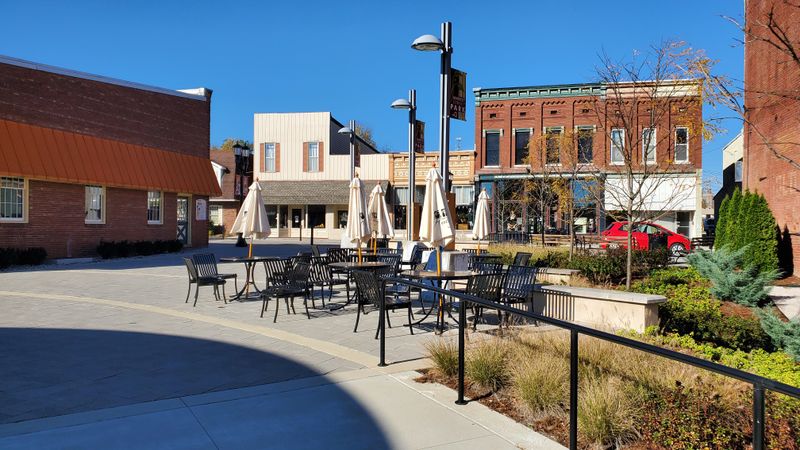
Moving to Huntingburg means joining a community that still functions the way towns used to before everyone retreated behind screens. People know their neighbors, not just their names but their kids’ names, what they do for work, and when they might need a hand.
This isn’t forced or intrusive. It’s just how life works when you’re not anonymous.
Local events draw actual crowds because people want to participate, not just post about participating. Friday night football games, summer festivals, and holiday celebrations bring out residents who genuinely enjoy each other’s company.
You’ll recognize faces quickly, and within months, you’ll be one of those familiar faces to others.
The town’s size works in your favor. It’s large enough to offer amenities and avoid that everyone-knows-everything-about-you fishbowl feeling, but small enough that isolation isn’t really possible unless you work at it.
Churches, civic organizations, and volunteer groups always need help, providing instant connection points if you’re new.
What strikes transplants most is the authenticity. People aren’t networking or collecting contacts.
They’re building relationships because that’s what makes life in a small town work. Need to borrow a tool?
Your neighbor probably has it. Looking for a reliable mechanic?
Someone at the coffee shop knows one. This organic support system can’t be manufactured, only joined.
Dear Reader: This page may contain affiliate links which may earn a commission if you click through and make a purchase. Our independent journalism is not influenced by any advertiser or commercial initiative unless it is clearly marked as sponsored content. As travel products change, please be sure to reconfirm all details and stay up to date with current events to ensure a safe and successful trip.
