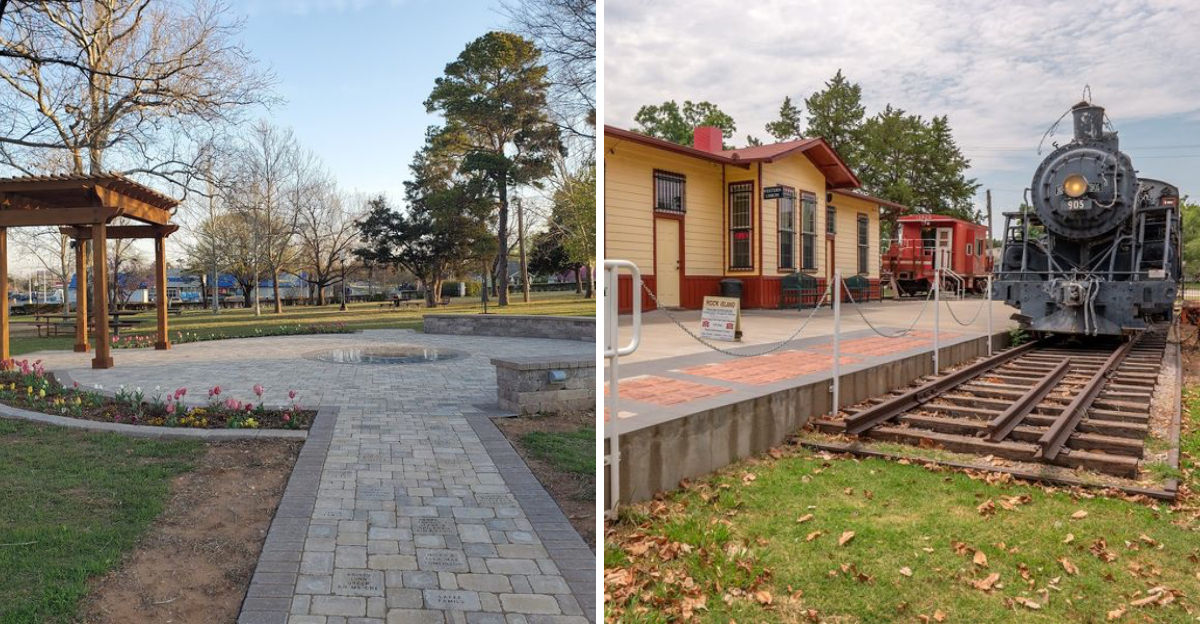
Most people scroll right past Duncan, Oklahoma on a map without a second glance, and honestly, that is their loss.
This small city in Stephens County has a personality that punches well above its weight, blending oil boom history, genuine small-town warmth, and a surprisingly lively local culture that most travelers never get to experience.
With a population just over 22,000, it is the kind of place where everyone waves, the food is real, and the stories run deep. If you have been craving an authentic American road trip stop that does not feel staged or overpriced, Duncan might just be the answer you did not know you were looking for.
The Feeling You Get the Moment You Arrive
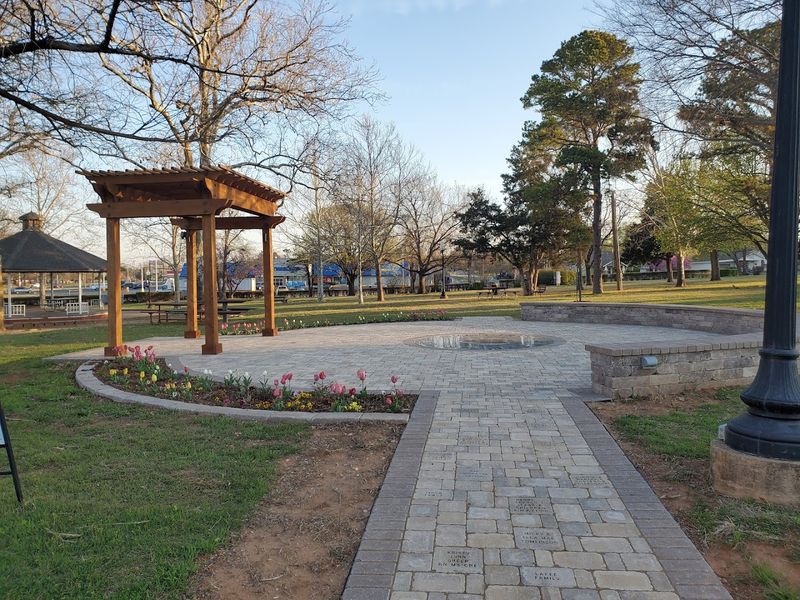
Pull off the highway and something shifts almost immediately. Duncan does not greet you with billboards or chain restaurant signs fighting for your attention.
Instead, you get a slower pace, wide roads, and the kind of quiet confidence that only a town with real roots can pull off.
The air feels different here, and I mean that in the most literal, non-cheesy way possible. There is space to breathe.
The streets are clean, the people are unhurried, and nobody is trying to sell you anything you did not ask for.
Duncan sits centrally in Stephens County in south-central Oklahoma, and that geography matters. It is not isolated or forgotten.
It is simply a place that chose to grow on its own terms. The town became the county seat after Oklahoma achieved statehood in 1907, and that civic pride never really left.
You notice it in the way the downtown is maintained, in the community events posted on bulletin boards, and in the way locals still refer to the town with a kind of quiet ownership. This is their place, and they take care of it.
For a first-time visitor, that energy is surprisingly infectious and strangely comforting.
Oil, History, and the Story That Built This Town
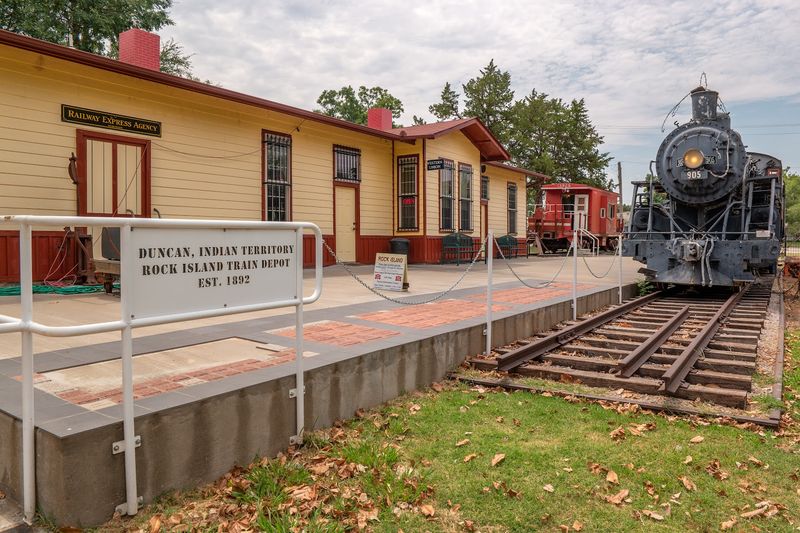
Everything changed in Stephens County in 1918. That was the year oil was discovered, and Duncan went from a quiet agricultural stop to a boomtown almost overnight.
The kind of rapid development that followed left a permanent mark on the town’s character, its architecture, and its collective memory.
Walking through certain parts of Duncan, you can still feel echoes of that era. The buildings have a solidity to them, the kind that comes from a community that suddenly had money and ambition at the same time.
It is genuinely fascinating to stand in front of older structures and think about what was happening here a century ago.
The oil industry shaped not just the economy but the social fabric of Duncan. Families came from all over, communities formed quickly, and a distinct identity emerged that blended Oklahoma frontier toughness with the restless energy of an oil rush.
That combination still shows up in the locals today.
For anyone who loves American history, especially the messy, real, complicated kind, Duncan offers a window into a pivotal era that most textbooks gloss over. It is not a museum piece.
It is a living town that grew directly from that moment, and knowing that backstory makes every street corner feel a little more meaningful.
The Simmons Center and Where the Community Gathers
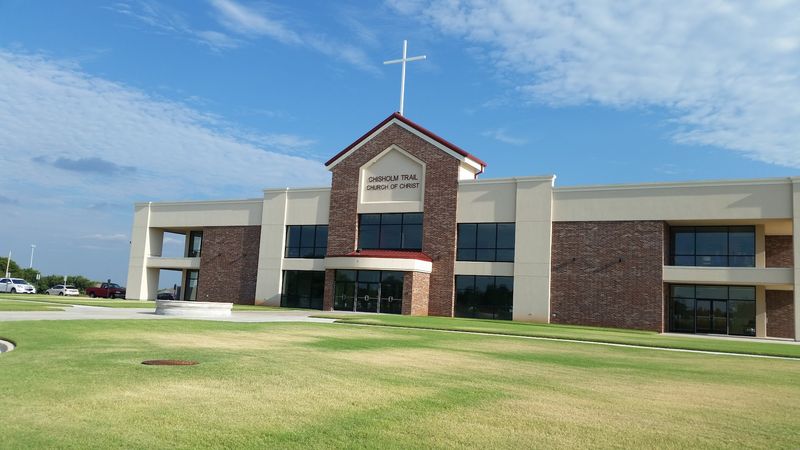
One of the first things you notice about Duncan is how seriously the community invests in gathering spaces. The Simmons Center is a prime example, a large recreation and community facility that locals genuinely use and genuinely love.
It is not just a building. It is a hub.
On any given day, you might find families using the fitness areas, community events filling the main spaces, or local groups meeting in the side rooms. There is an energy here that feels productive and warm rather than transactional.
People are not just passing through. They are actually here for each other.
Visitors are welcome, and the atmosphere is refreshingly unpretentious. Nobody is putting on a show for tourists because, frankly, Duncan does not get many tourists.
That means what you see is exactly what the community is like every single day, which is a rare and genuinely valuable thing when you travel.
The Simmons Center reflects something important about Duncan as a whole. This town chooses to reinvest in itself.
Rather than letting public spaces decay, the community keeps them functional, welcoming, and alive. For a traveler used to big-city anonymity, walking into a place like this and feeling immediately included is one of those small travel moments that stays with you long after you leave.
Fuqua Park and the Outdoors That Locals Swear By
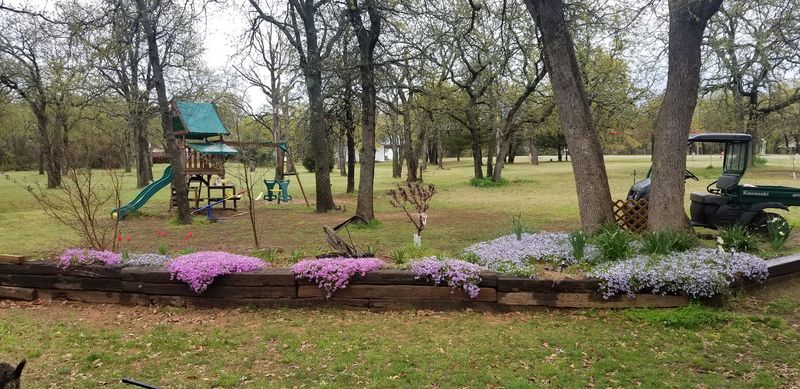
Ask a local where they go to clear their head, and there is a good chance Fuqua Park comes up. It is one of those parks that does exactly what a good park should do: it gives people a reason to step outside, slow down, and just exist for a while without an agenda.
The park has open green space, walking paths, and a genuinely pleasant atmosphere that invites you to stay longer than you planned. I ended up sitting on a bench watching kids play while a older couple walked laps nearby, and it struck me how much life was happening in this one quiet corner of town.
Oklahoma weather can be intense, so timing your visit matters. Spring and fall are the sweet spots when the temperature is just right and the light has that golden, cinematic quality that makes even an ordinary afternoon feel like something worth remembering.
Summer visits work too if you go early in the morning.
What makes Fuqua Park special is not any single dramatic feature. It is the accumulation of small, comfortable details: the shade trees, the clean paths, the sense that this space was designed for real people living real lives.
That is harder to find than it sounds, and Duncan seems to have figured it out without making a big deal about it.
Local Food That Actually Delivers
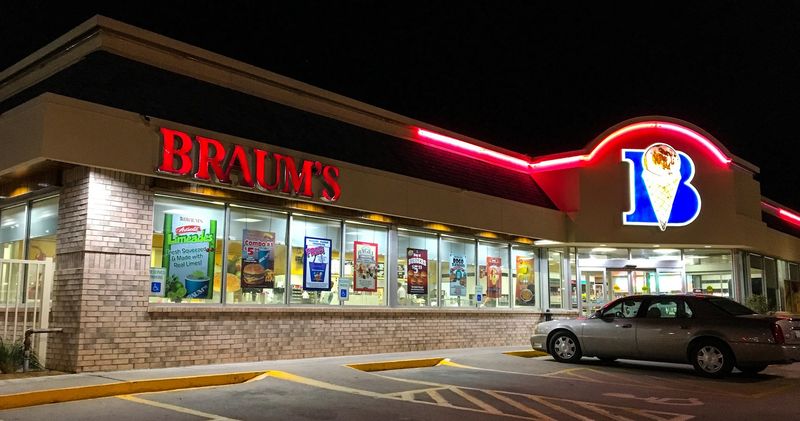
Let me be honest with you: Duncan is not a food destination in the Michelin star sense. But that is not the point, and it was never supposed to be.
What Duncan does offer is honest, filling, no-nonsense food that reminds you why you liked eating in the first place.
The local diners and family restaurants around town serve up the kind of meals where portions are generous, prices are reasonable, and the person taking your order actually seems happy to be there.
That last part might sound like a small thing, but after enough forgettable restaurant experiences in bigger cities, it starts to feel like a luxury.
Oklahoma comfort food has its own identity. You will find hearty plates built around beef, biscuits, and flavors that are unapologetically rich and satisfying.
It is the kind of food that makes you want to find a porch and sit quietly for a while afterward, which, in Duncan, is entirely possible.
The local food scene also reflects the community’s values: straightforward, welcoming, and not interested in impressing anyone. There is no pretense here.
You sit down, you eat well, and you leave feeling like a human being again. For road-weary travelers especially, that simple equation is worth more than any trendy tasting menu could ever offer.
The Chisholm Trail Heritage Center
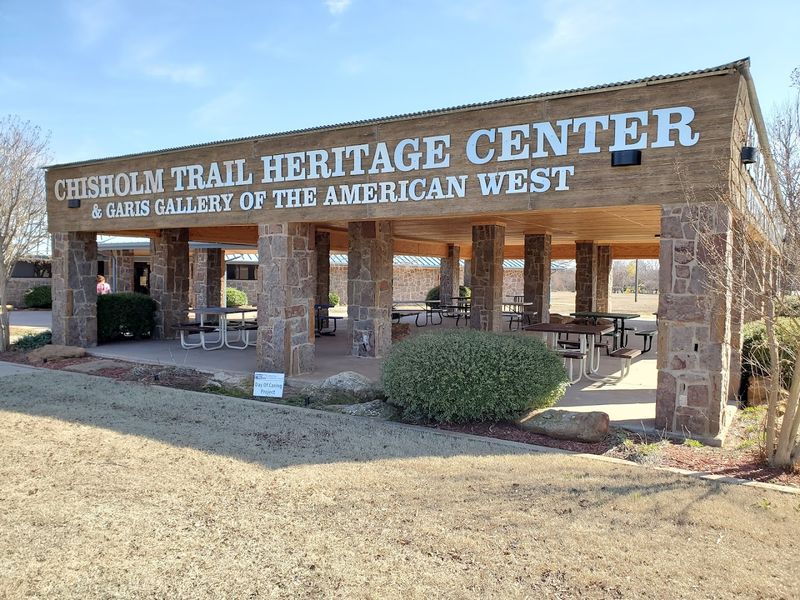
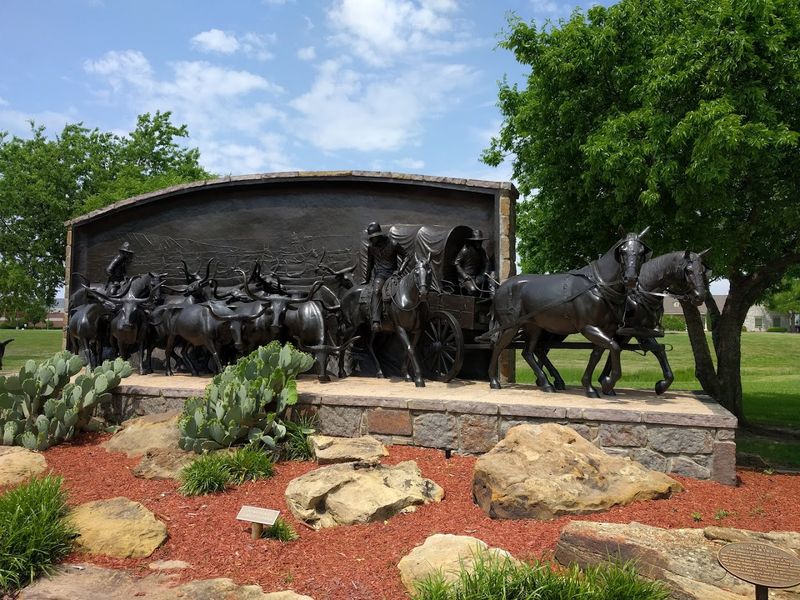
Here is the one that genuinely surprised me. Duncan is home to the Chisholm Trail Heritage Center, and if that name means anything to you, then you already understand why this is a big deal.
The Chisholm Trail was one of the most significant cattle driving routes in American history, and this museum brings that story to life in a way that is anything but dusty or dull.
The center uses immersive exhibits, life-sized recreations, and vivid storytelling to put you right in the middle of what life looked like on the trail in the 1800s.
It is the kind of museum that even people who do not normally enjoy museums end up talking about afterward, because it connects emotionally rather than just informing academically.
Kids respond to it especially well. The scale of the exhibits and the sensory details make history feel immediate and real rather than distant and abstract.
But adults are equally pulled in, particularly anyone with even a passing interest in the American West or frontier life.
Located right in Duncan, the center is a legitimate cultural attraction that could anchor an entire day trip on its own. It is one of those places that makes you reconsider what you thought you knew about a region, and it makes a strong argument for why Duncan deserves a spot on more travel itineraries.
Affordable Living and What That Actually Looks Like
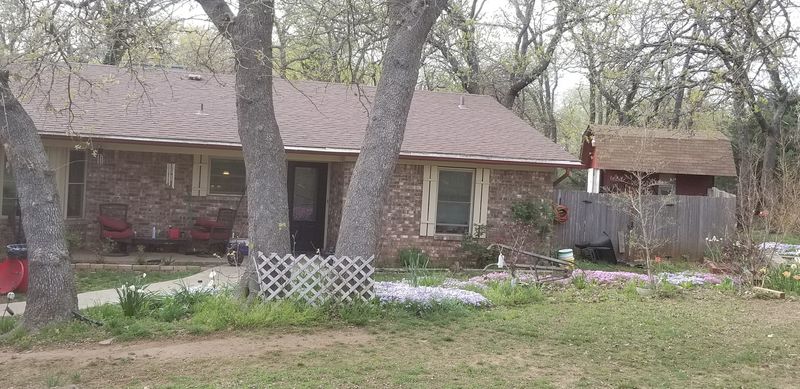
One of the most talked-about things among people who have discovered Duncan is just how far your money goes here. Housing costs, everyday expenses, and the general cost of living sit well below national averages, and it shows in the quality of life residents seem to enjoy.
Walking through the residential neighborhoods, you see homes that are well-maintained, yards that are cared for, and a general sense that people here are not financially stressed out of their minds.
That might sound like a strange thing to notice as a visitor, but it creates a noticeably different energy compared to towns where economic pressure is constantly visible.
For anyone considering a relocation or simply curious about what affordable American living actually looks like in practice, Duncan is a useful and honest case study. It is not a compromise destination.
People here are not settling. They made a choice, and the choice is working.
The affordability also means that small businesses can survive here without charging premium prices to cover impossible overhead. That keeps the local economy more diverse and interesting than you might expect for a city this size.
Local shops, independent restaurants, and community services all benefit from a cost structure that does not squeeze the life out of every entrepreneurial idea before it gets started.
Why Duncan Sticks With You After You Leave
There is a specific kind of travel experience that does not hit you until you are already back home. You are sitting at your desk, doing something completely ordinary, and a memory from the trip surfaces unexpectedly and makes you pause.
Duncan is that kind of place.
It is not the most dramatic destination. There is no iconic skyline, no famous landmark that everyone already has a photo with.
What Duncan has instead is a cumulative effect: small kindnesses, genuine moments, a pace of life that feels sustainable rather than exhausting.
The people you meet here have a directness and warmth that feels earned rather than performed. Conversations happen naturally.
Strangers say hello without an agenda. The town functions like a community is actually supposed to function, and spending even a short time inside that dynamic reminds you of what you might be missing elsewhere.
Duncan, Oklahoma sits in Stephens County in south-central Oklahoma, United States, roughly 80 miles south of Oklahoma City. It is accessible, affordable, and genuinely worth the detour.
Sometimes the best travel discoveries are the ones that nobody put on a list yet, and Duncan is very much still in that category. Go before everyone else figures it out.
Dear Reader: This page may contain affiliate links which may earn a commission if you click through and make a purchase. Our independent journalism is not influenced by any advertiser or commercial initiative unless it is clearly marked as sponsored content. As travel products change, please be sure to reconfirm all details and stay up to date with current events to ensure a safe and successful trip.
