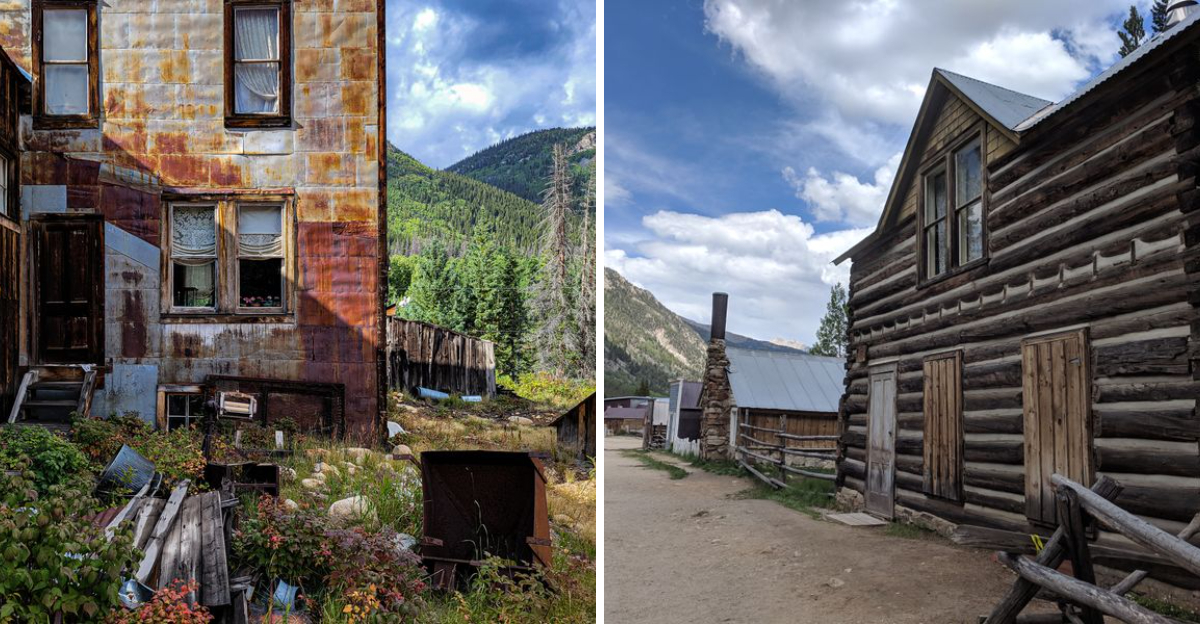
You arrive at St. Elmo with the crisp mountain air catching your breath as weathered false fronts line a quiet main street.
The hush feels intentional, preserved by private caretakers who patch roofs, steady boardwalks, and welcome curious travelers with gentle guidance.
History sits close to the surface here, where mining dreams once rang like anvils and now echo through creaking doors and sunlit windows.
Colorado stories feel tangible in this valley where the Sawatch peaks frame every turn.
Stay a while because this ghost town rewards slow steps and open eyes.
A living ghost town with steady hands behind the scenes
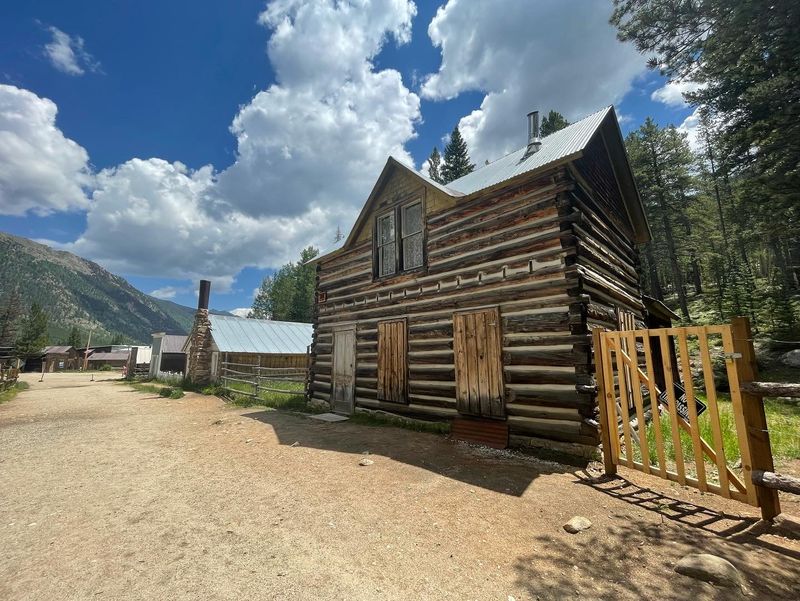
Walk into St. Elmo and the first thing you feel is care woven into wood grain and windowpanes.
Private caretakers coordinate routine repairs, organize seasonal cleanup days, and monitor visitor traffic so fragile structures stay upright.
The result is a ghost town that still breathes, where time moves slowly and deliberately.
Founded in 1880 during a rush for gold and silver, the town once bustled with hotels, saloons, and a telegraph office.
Most residents left when the rails stopped running, yet buildings remained, waiting for someone to keep watch.
Colorado weather can be rough, so preservation work focuses on roofs, foundations, and siding that take the brunt.
Interpretive signs near the main street share context without crowding the scene or breaking the spell.
You can read about mining claims while standing between storefronts that held equipment, dry goods, and hopes.
Some interiors are closed to protect artifacts, and that boundary keeps the town intact for future wanderers.
The caretakers encourage respectful photography, asking visitors to stay on paths and leave no trace behind.
Volunteers sometimes help stabilize stair rails and reattach loose clapboards during scheduled days.
Each small fix becomes a promise that the next season will still look familiar.
Winter arrives early at nearly ten thousand feet, so much work happens in late spring and summer.
During shoulder seasons, the quiet deepens and the mountains loom larger across the valley.
You may hear wind slip between buildings where piano music once drifted from gathering halls.
Standing here, you realize guardianship is not just a job but a shared ethic shaped by place.
Main Street storefronts that frame a perfect mountain backdrop
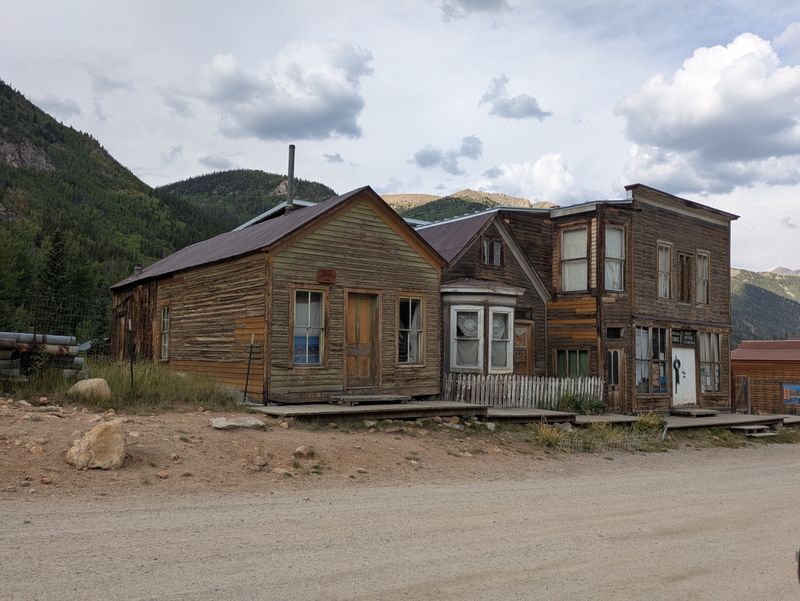
Main Street in St. Elmo runs like a wooden ribbon between the mountains and the sky.
False fronts lift the eye upward, giving small buildings the presence of theaters and stages.
Every step on the boardwalk knocks a gentle beat that sets your pace.
Some storefronts carry subtle signage that hints at mercantile goods, freight services, or postal work.
Other facades keep their secrets, showing only peeled paint and neatly braced doorways.
The composition is as photogenic as any Main Street in Colorado, yet refreshingly uncommercial.
Look closely at window glass that ripples with old imperfections and holds soft reflections.
Morning light shoots along the street, while late afternoon glows warm across timber and dust.
Cloud shadows slide over the Sawatch Range and change the palette minute by minute.
You can linger and frame scenes that feel cinematic without needing elaborate angles.
Caregivers ask visitors to respect barriers set to protect soft soils and porous foundations.
That small courtesy keeps the balance between access and conservation healthy.
Interpretive panels are placed sparingly so the visual rhythm remains uncluttered and calm.
Benches along the street offer a good pause point for sketching or journaling.
Main Street makes you slow down and notice tiny textures that tell the story.
It is the kind of place where patience rewards you with new details every few minutes.
Mining echoes in the valley and at the edge of town
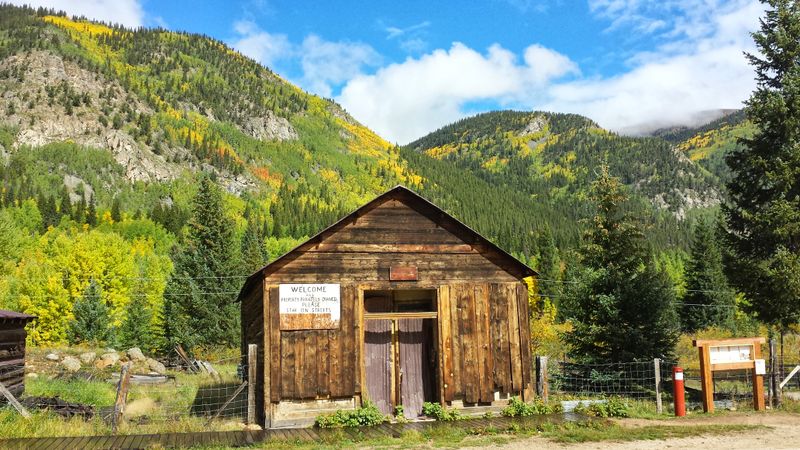
Mining built St. Elmo, and the landscape still carries that imprint in clear lines and subtle scars.
Near town you may spot remnants of prospect adits, scattered timbers, and tailings softened by time.
You can feel the grit of history underfoot even when trails are quiet.
Most major shafts are closed for safety, and the closures protect both visitors and wildlife.
Interpretation focuses on methods, tools, and the economics that powered the boom and bust.
Think of stamp mills, mule trains, and the cold arithmetic of ore grades.
Some relics are visible from public routes, while others sit on private land with no access.
Reading the terrain becomes part of the adventure as you trace old road cuts and benches.
Morning is best for soft light that defines slopes and textured piles.
Afternoons often bring clouds that add drama to the high basin environment.
The town rests at 9961 feet, so adjust pace and water breaks while exploring.
Colorado high country weather can swing fast, and extra layers help you linger comfortably.
Caregivers work with agencies and owners to stabilize meaningful features without overrestoring.
That restraint keeps the place honest and avoids museum gloss that feels out of place.
You leave understanding the cost of extraction and the fragile beauty that remains.
The quiet up here carries stories if you give it time to speak.
The storied general store and summer hum of visitors
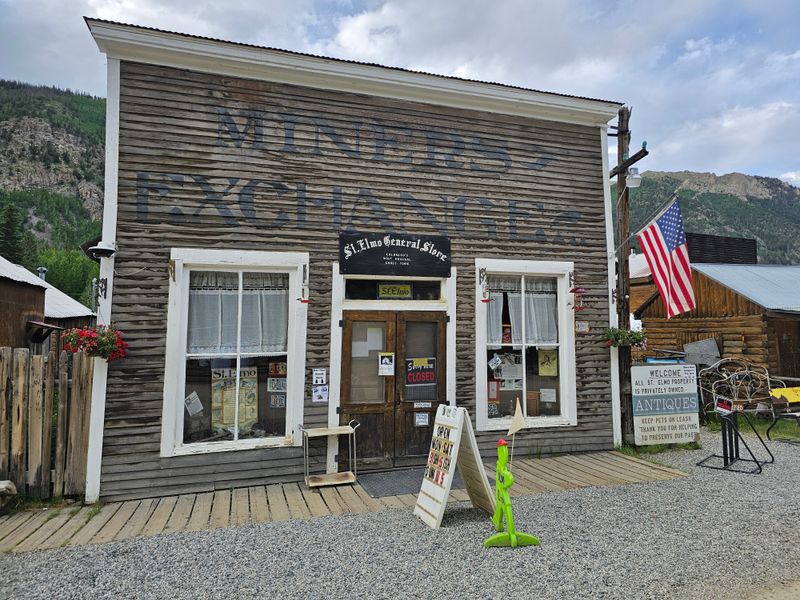
When summer arrives, the general store becomes the friendly hum at the center of St. Elmo.
You can browse shelves of souvenirs and maps while picking up small essentials for the day.
The porch often hosts an easy stream of conversations about trails and weather.
Exact hours can shift with the season, so check posted signs when you roll into town.
Inside, displays lean into local history with photos and artifacts that add context.
The charm lies in the balance between utility and storytelling that feels genuine.
It is a simple stop that adds texture to your visit and supports caretaking expenses.
Purchases ripple outward because preservation takes steady funding and reliable attention.
Staff share updates on road conditions and current projects that keep buildings safe.
They also encourage thoughtful behavior like staying on paths and packing out trash.
On busy weekends expect a friendly crowd that ebbs and flows with the daylight.
Quiet mornings reward early risers with empty porches and wide angled views.
If you sketch or journal, the porch rail makes a handy rest for a notebook.
Ask about interpretive materials that point to public viewpoints without crossing private lines.
Leave with a sense that every small action makes the town more resilient.
The general store sets the tone for a day that feels grounded and welcoming.
Ghost town etiquette that protects fragile places
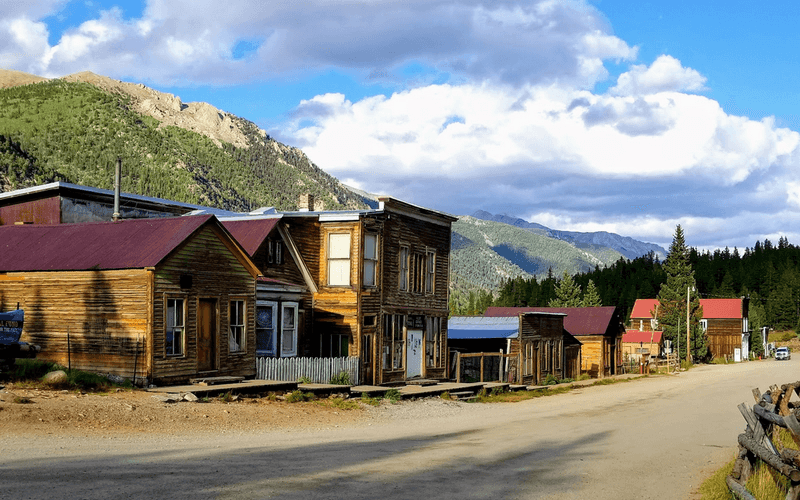
Respectful travel keeps St. Elmo strong and lets future visitors discover the same quiet beauty.
Stay on marked paths and boardwalks so foundations and native plants do not crumble underfoot.
Step gently on wood surfaces that flex with age and seasonal moisture.
Signs indicate closed interiors, and that boundary protects artifacts from damage and theft.
Photography is welcome outdoors, and tripods should not block walkways or entrances.
Drones are discouraged due to wildlife and privacy concerns in this small valley.
Pack out everything you bring so wind does not scatter wrappers into creeks and meadows.
Pets should stay leashed near buildings to prevent disturbances and accidental scrapes.
Give right of way on narrow paths and offer patience while others line up photos.
Speak softly near nesting seasons when birds use eaves and rafters for shelter.
Weather shifts quickly at altitude, so carry layers and extra water for safety.
Colorado sun can be intense even on cool days, so sunscreen goes a long way.
Respect private property signs that mark areas under active stabilization work.
That cooperation speeds projects and reduces the need for heavier restrictions later.
Gratitude shows in small choices that add up to real preservation over time.
Good etiquette becomes part of the story you help write with every visit.
Wildlife, chipmunks, and smart viewing habits
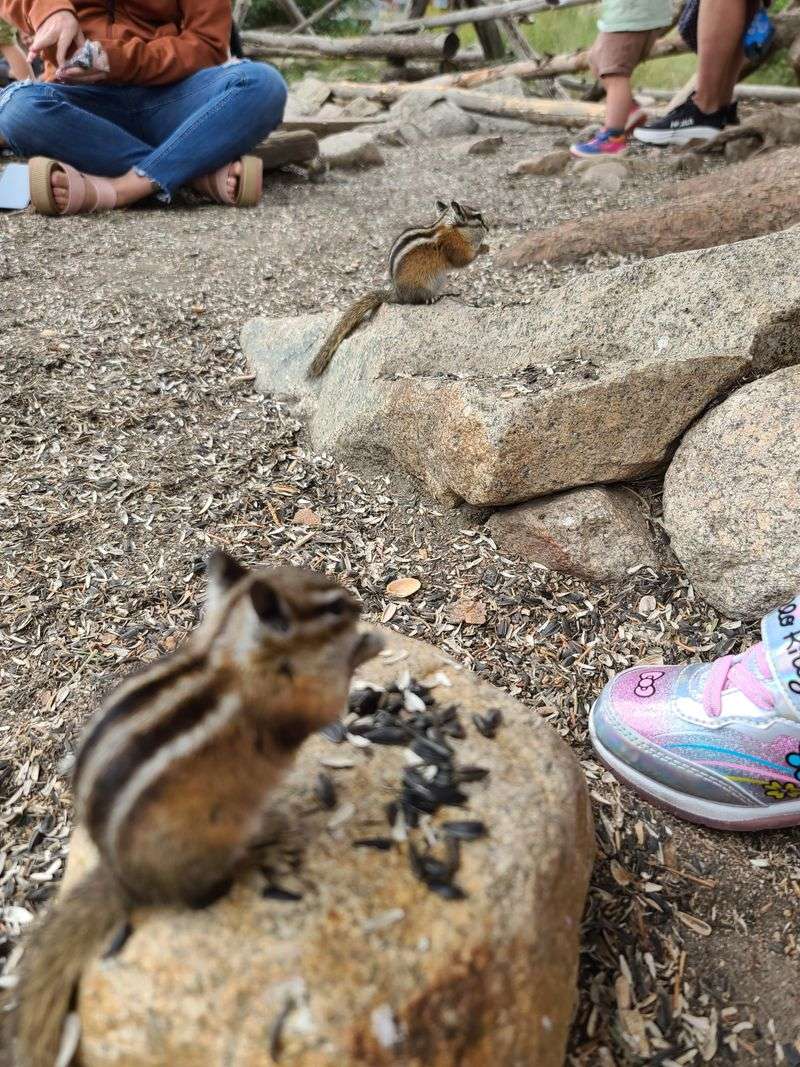
St. Elmo is famous for chipmunks that dart between porch steps and low rails.
They are cute and curious, yet feeding wildlife harms their health and alters behavior.
Enjoy the antics from a distance and keep snacks sealed away in your bag.
You may also spot hummingbirds, jays, and mule deer grazing near the tree line.
Morning and dusk bring calmer scenes when animals feel more comfortable along the edges.
Binoculars help you watch without crowding habitats or blocking boardwalks.
Teach kids to observe with quiet voices and still hands so animals stay relaxed.
Wildlife needs space to move freely, especially during nesting and late summer foraging.
Winter diets run lean, so good habits in summer support survival later in the year.
Printed reminders around town outline the reasons for no feed policies.
That clarity keeps both animals and visitors safer during busy months.
Colorado mountain ecosystems are resilient yet sensitive to small changes in routine.
Carry a small trash bag to keep wrappers from becoming accidental temptations.
Use zoom on your camera rather than stepping into burrows or brush.
Your patience leads to natural behavior and better photographs that feel authentic.
The best souvenir is a memory of wild animals acting wild in their own home.
Alpine seasons and practical planning at 9961 feet
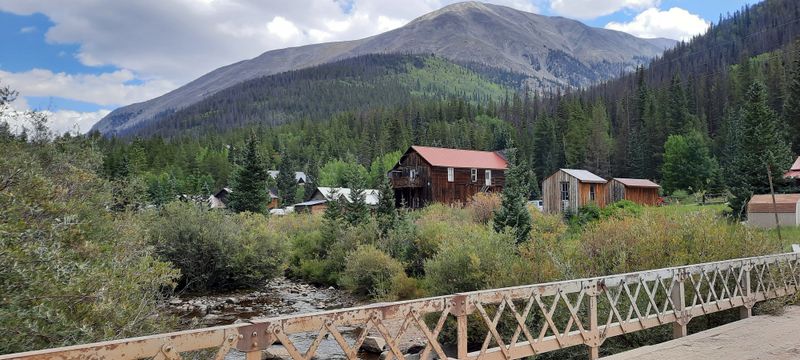
Seasons define St. Elmo as sharply as the ridgelines that cradle the valley.
Snow can linger well into spring, and cold nights return early in fall.
Summer brings accessible roads, open services, and lingering light for long strolls.
Road conditions change with storms, so check regional updates before driving from Buena Vista.
Gravel surfaces can develop washboards that slow progress and rattle gear.
Tires with good tread make the trip smoother and more relaxed.
Carry extra water, layers, and a basic first aid kit even for a short visit.
Altitude at 9961 feet can surprise newcomers and deserves a measured pace.
Short walks feel easier if you take steady breaks and notice the views.
Storm cells often form after lunch, and sheltering in your vehicle is best.
Morning light is clear, so early arrivals get the quietest photographs.
Fall color along the valley paints the slopes with bands of gold and green.
Winter access can be limited, and some visitors arrive on over snow routes.
Ask caretakers about seasonal closures that protect structures from drifts and ice.
Flexible plans help you enjoy whatever the weather offers on a given day.
Colorado rewards prepared travelers with easy confidence and unhurried time outside.
Photography tips for historic textures and big sky
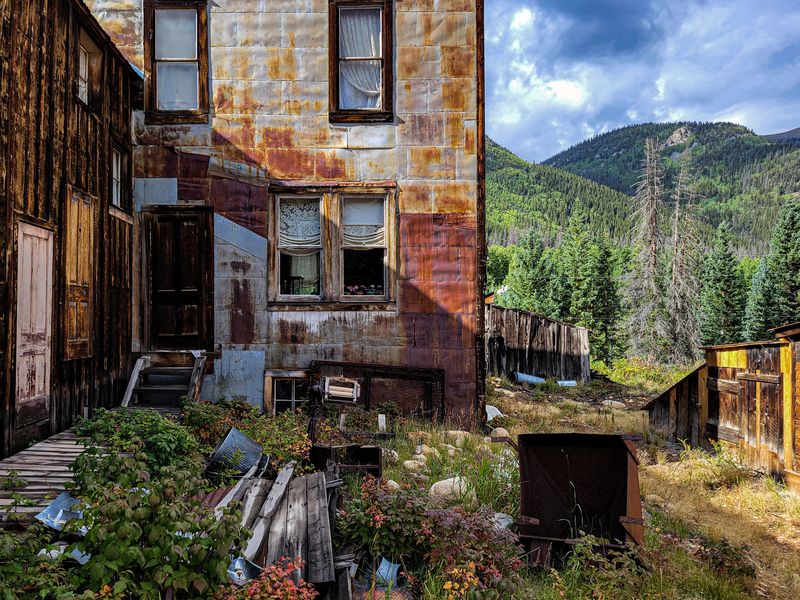
Photographers fall hard for St. Elmo because textures and sky compose themselves.
Start with a low angle on the boardwalk to make planks lead into the frame.
Side light in morning or late day teases out grain and peeling paint.
Use a moderate wide lens to hold facades and the Sawatch skyline in balance.
Step back rather than pushing in close so foundations handle fewer vibrations.
Tripods should be set where foot traffic remains open for others.
Look for reflections in old glass that map clouds across the street.
Avoid pressing lenses to windows so seals and hardware stay unharmed.
Cloud build ups add mood, and clear days deliver crisp lines and contrast.
On windy afternoons, brace elbows and shoot in short bursts for sharpness.
Black and white treatments suit the austere geometry of false fronts.
Color frames shine when aspens flare or flower boxes brighten porches.
Sequence one tight texture shot with a wider context for storytelling.
Respect signs and barriers so you leave nothing but footprints and goodwill.
Patience matters because people thin out in waves between tour peaks.
The best images feel unforced and let the town set the rhythm.
Nearby trails and gentle walks from the town edge
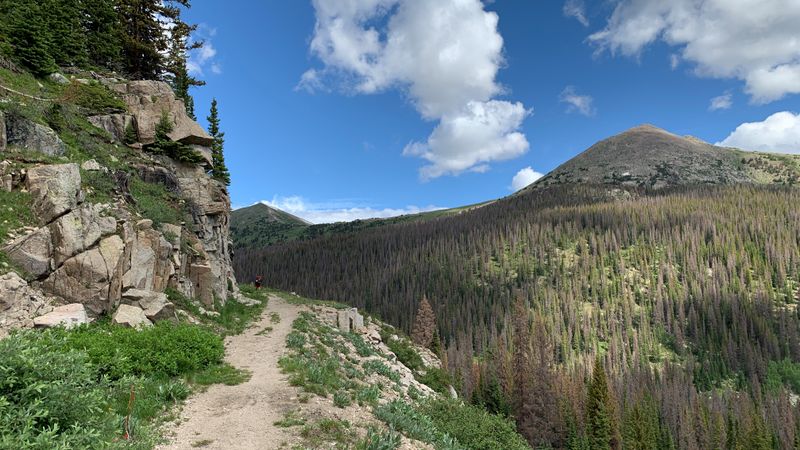
From the edge of St. Elmo you can take gentle walks that frame the town from new angles.
Short paths lead to overlooks where rooftops sit against a sweep of peaks.
Wildflowers dot the meadows in late spring and early summer after snows recede.
Trails vary in difficulty, so choose lengths that match time and comfort.
Carry maps and check route information since signage can be minimal in places.
Storms move in quickly, and the safest choice is to turn around when clouds build.
You will hear birds along willow lined creeks that track the valley floor.
Look for historic road cuts that hint at ore wagon routes and supply runs.
Footing changes from gravel to packed dirt and back again over short distances.
Good shoes and a hat make the difference between rush and ease.
Water is essential at altitude, and shade is limited across open meadows.
Give wildlife space and scan for closures that protect nests and sensitive areas.
Colorado trails reward patience with expansive views that open step by step.
Leave enough time to return with daylight since nights fall fast in the basin.
Trail conversations in town can yield local tips that improve your plan.
The best days end with a quiet sit on the boardwalk after an easy loop.
Responsible winter visits and what to expect
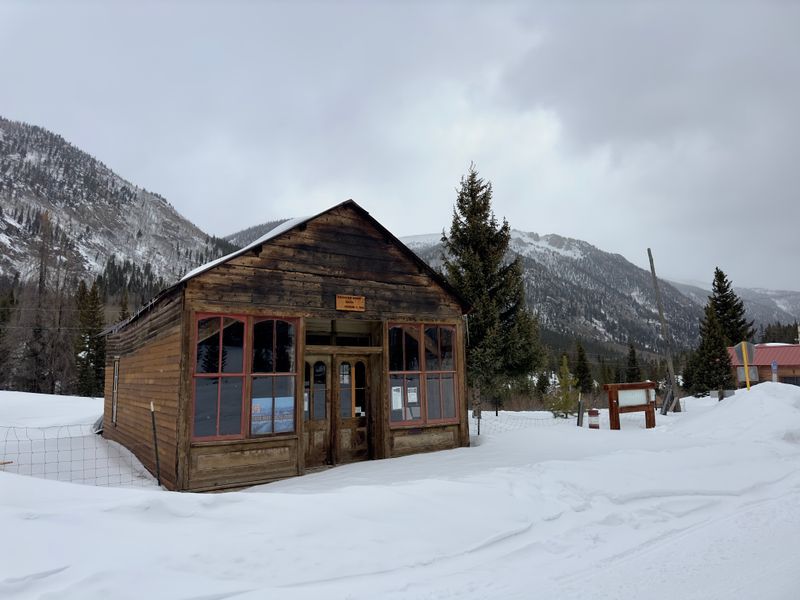
Winter in St. Elmo feels like a long held breath under a soft blue sky.
Snowbanks line the street and muffle sounds so footsteps seem to float.
Access can shift based on storms, plowing, and local decisions about safety.
Carry traction devices and warm layers because shade keeps temperatures low.
Short daylight windows make planning important for drives and short walks.
Services may be limited, so arrive prepared with water and charged batteries.
Photography rewards early starts when frost patterns decorate windows and rails.
Avoid touching icy surfaces on historic structures to prevent damage to finishes.
Wind chills rise quickly in the valley when weather fronts move across the range.
Turn back without hesitation if visibility drops or roads glaze over.
Quiet defines the experience and invites thoughtful time with the landscape.
You can read interpretive panels without crowds and frame uncluttered scenes.
Wildlife grows wary in lean months, so give extra distance to every movement.
If you snowshoe nearby, keep routes on established corridors and respect closures.
A winter visit underscores how much caretaking keeps the town intact.
That awareness travels home with you and shapes future choices in Colorado.
Support the caretakers who keep St. Elmo standing
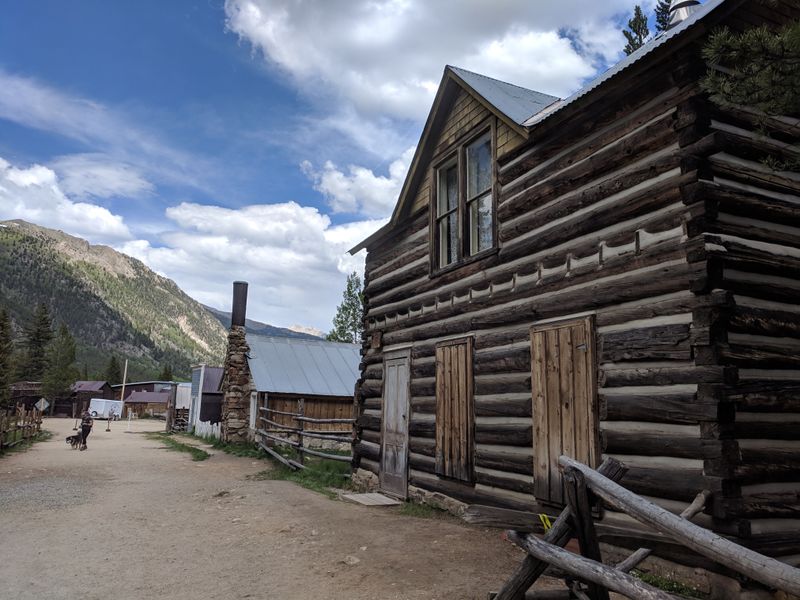
St. Elmo remains compelling because dedicated caretakers give steady time and practical skill.
Donations fund tools, lumber, and hardware that slow the march of mountain weather.
Seasonal volunteers join work days to paint trim, replace boards, and tidy pathways.
Information on how to help appears on signage and through local visitor outlets.
Ask about current priorities so contributions match real needs on the ground.
Even small amounts add resilience to budgets that stretch across busy seasons.
Spread the word with respectful photos and accurate descriptions that honor preservation.
People often visit because a friend captured the quiet glow of a good afternoon.
Consider returning in shoulder months when crews can focus with fewer interruptions.
Thoughtful timing opens space for projects that require uninterrupted hours.
Advocacy also looks like following etiquette and modeling good trail behavior.
That culture keeps the town safe while welcoming new travelers with kindness.
Share verified facts and label rumors clearly so stories stay trustworthy.
Accurate details build trust that sustains stewardship year after year.
When you leave, you carry a piece of the work forward in your choices.
Support makes sure the next visit still feels like a step back in time.
Dear Reader: This page may contain affiliate links which may earn a commission if you click through and make a purchase. Our independent journalism is not influenced by any advertiser or commercial initiative unless it is clearly marked as sponsored content. As travel products change, please be sure to reconfirm all details and stay up to date with current events to ensure a safe and successful trip.
