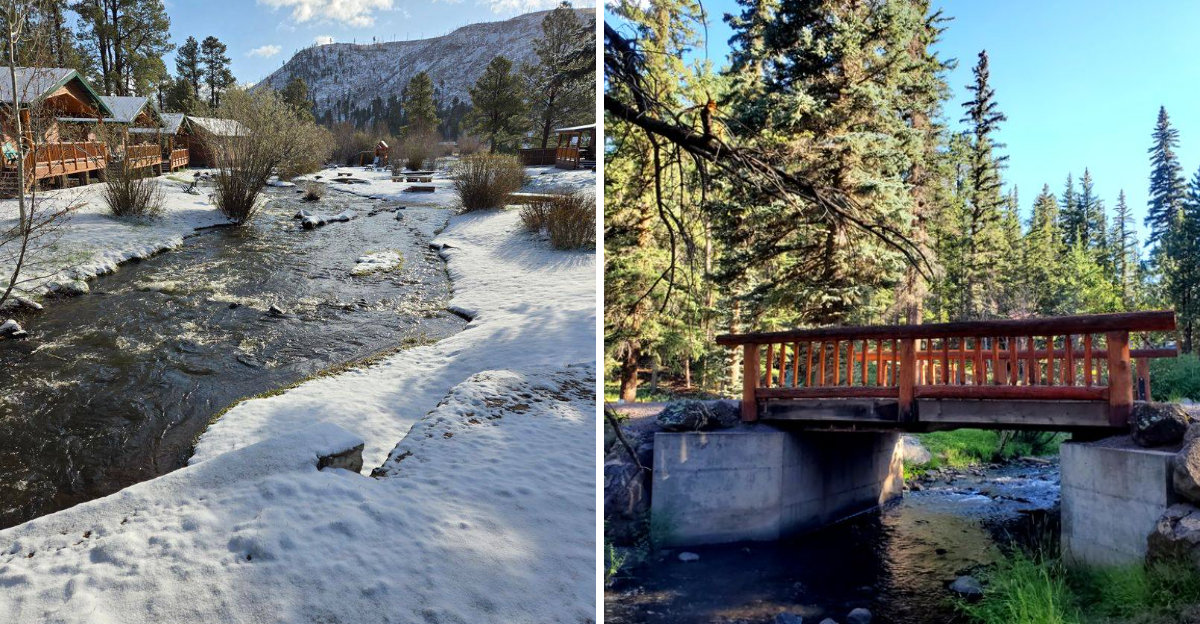
Nestled high in the White Mountains of Arizona at an elevation of approximately 8,400 feet, Greer stands as the highest town in the entire state.
This unincorporated community in Apache County offers travelers an escape from the desert heat and a journey into a landscape of towering ponderosa pines, crystal-clear streams, and meadows dotted with wildflowers.
Surrounded by the vast Apache-Sitgreaves National Forest, Greer attracts visitors seeking tranquility, outdoor adventure, and a chance to experience a side of Arizona that defies all expectations of what the state looks like.
The Enchanting High-Altitude Setting
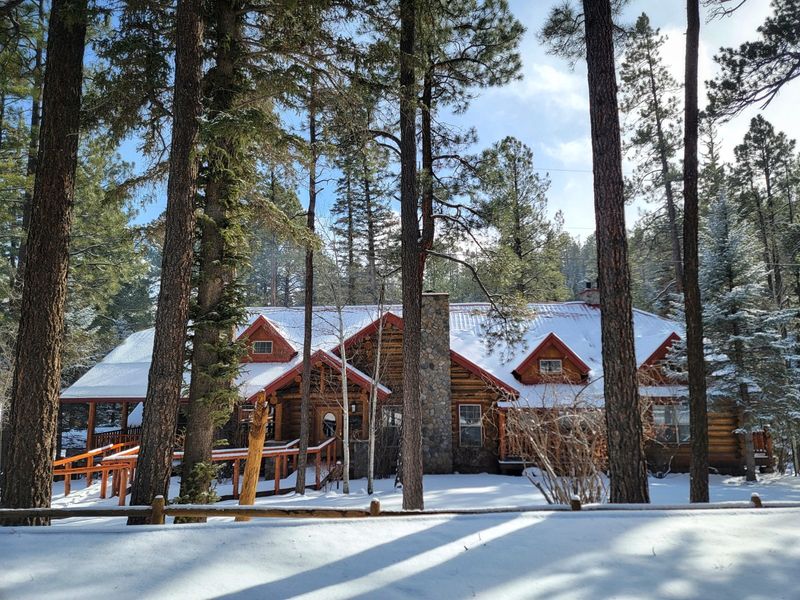
Perched at a breathtaking 8,400 feet above sea level, Greer claims the title of Arizona’s highest town, a distinction that shapes every aspect of the visitor experience.
The elevation brings a climate that feels worlds away from the scorching desert valleys below.
Cool mountain air fills your lungs the moment you arrive, carrying the fresh scent of pine needles and wildflowers.
Summer temperatures rarely climb above the mid-70s, offering perfect conditions for hiking, fishing, and simply sitting on a cabin porch with a good book.
Winter transforms Greer into a snowy wonderland where the landscape disappears beneath blankets of white powder.
The thin mountain air creates incredibly clear night skies where stars seem close enough to touch.
This high-altitude location means visitors should take a day or two to acclimate, drinking plenty of water and taking things slowly at first.
The elevation also creates a unique growing season where wildflowers bloom later than in lower areas, extending the spring display well into summer.
Photographers find endless inspiration in the way morning mist rises from the meadows and afternoon light filters through the towering pines.
The setting provides natural air conditioning during Arizona’s brutal summer months, making Greer a popular retreat for Phoenix and Tucson residents seeking relief from triple-digit temperatures.
Surrounded by Apache-Sitgreaves National Forest
The Apache-Sitgreaves National Forest wraps around Greer like a protective embrace, covering over two million acres of pristine wilderness.
This massive forest creates an environment where wildlife outnumbers people and the sounds of nature replace the noise of modern life.
Ponderosa pines dominate the landscape, their cinnamon-colored bark and towering trunks creating cathedral-like groves that inspire quiet contemplation.
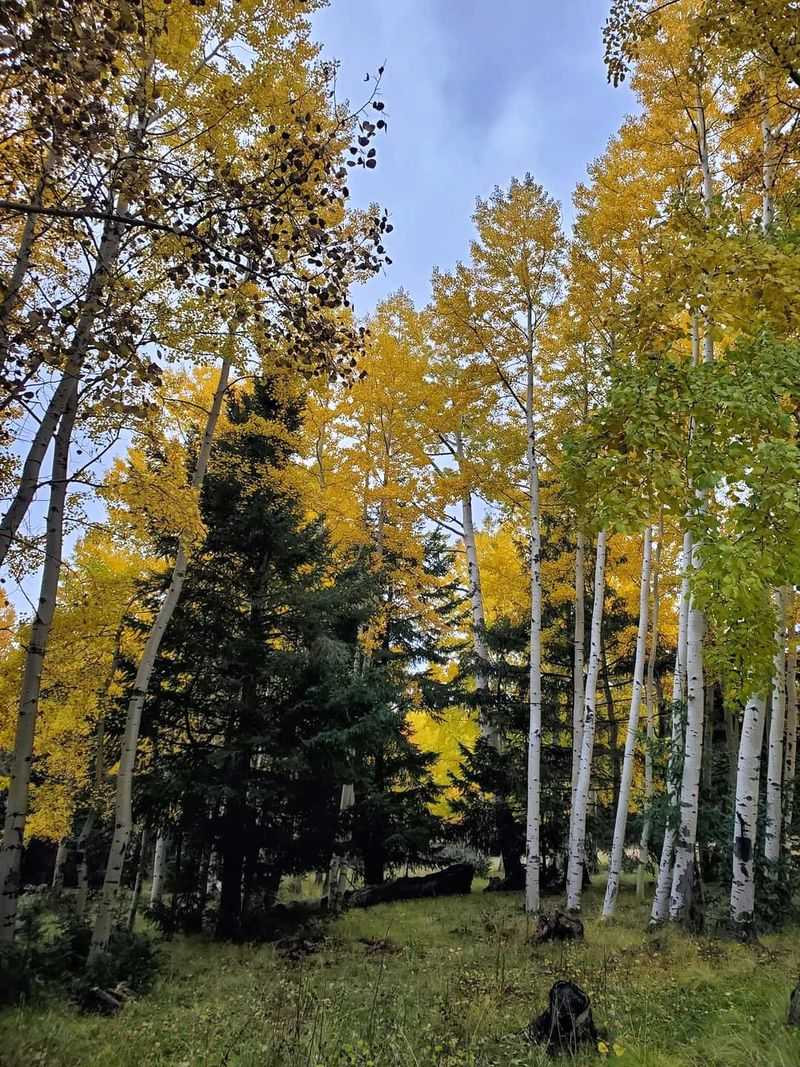
Mixed among the pines, stands of quaking aspen add seasonal drama, their leaves turning brilliant gold each autumn and creating one of Arizona’s most spectacular fall color displays.
The forest provides endless opportunities for exploration, with trails ranging from easy nature walks to challenging backcountry routes.
Elk, deer, wild turkeys, and even black bears call this forest home, though sightings require patience and early morning or evening timing.
The forest canopy creates a natural temperature regulation system, keeping the ground shaded and cool even on warmer days.
Birdwatchers find the forest particularly rewarding, with species like Steller’s jays, mountain bluebirds, and various woodpeckers making regular appearances.
The national forest designation means these lands remain protected from development, ensuring that future generations will experience the same unspoiled beauty.
Camping spots dot the forest surrounding Greer, offering everything from developed campgrounds with amenities to dispersed sites for those seeking total solitude.
The Little Colorado River’s Mountain Origins
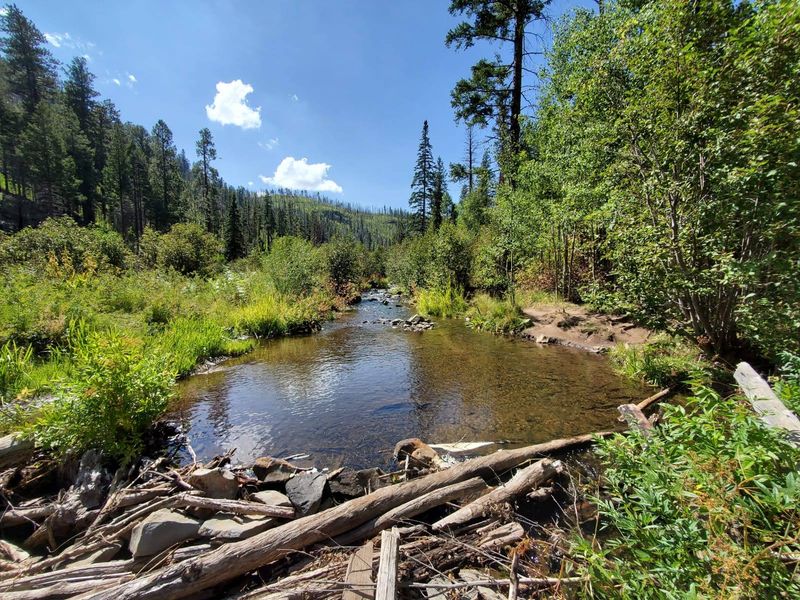
Few visitors realize that the mighty Little Colorado River begins its 315-mile journey right here in the meadows and forests surrounding Greer.
The river starts as a collection of cold mountain springs that bubble up from the ground, forming small streams that gradually merge into a proper river.
In Greer, the Little Colorado remains small enough to wade across in most spots, its water so clear you can count every pebble on the bottom.
The sound of flowing water becomes the soundtrack to any Greer visit, whether you’re fishing, hiking along the banks, or simply relaxing nearby.
Fly fishermen consider this stretch of river particularly special because the cold mountain water creates ideal conditions for rainbow and brown trout.
The river meanders through meadows where wildflowers crowd the banks in summer, creating postcard-perfect scenes at every bend.
Watching the river change with the seasons offers its own rewards, from the rushing spring snowmelt to the quieter flows of late summer to the ice formations of winter.
The riverbanks provide natural pathways for exploration, with game trails and fishing access points leading to secluded spots.
Children find endless entertainment in the river, building small dams with rocks, searching for aquatic insects, or simply splashing in the shallow pools.
The river’s presence creates a riparian ecosystem that supports a richer variety of plant and animal life than the surrounding forest.
Seasonal Transformations and Year-Round Appeal
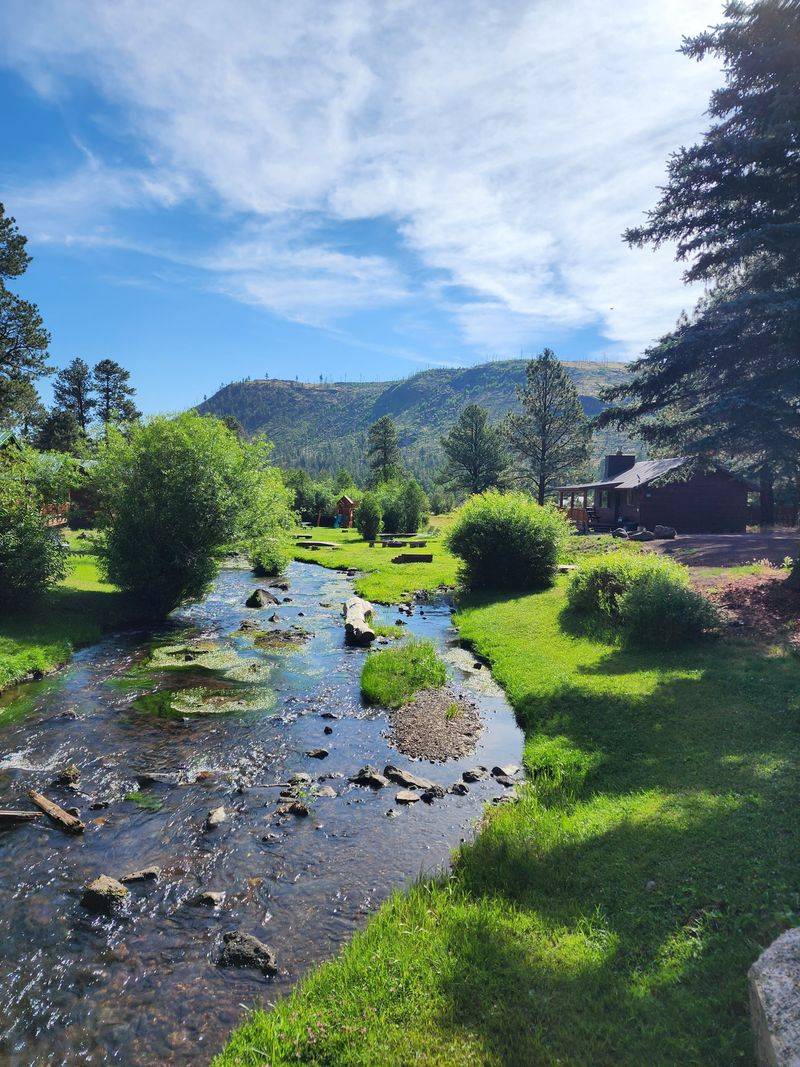
Greer’s dramatic seasonal changes give the community a chameleon-like quality, transforming completely as the year progresses.
Spring arrives late at this elevation, usually not taking hold until May, when snowmelt swells the streams and the first wildflowers push through the damp earth.
Columbines, lupines, and Indian paintbrush create carpets of color in the meadows, attracting butterflies and hummingbirds fresh from their migration.
Summer brings the busiest visitor season, with families seeking escape from the lowland heat and enjoying temperatures that rarely require air conditioning.
Afternoon thunderstorms roll through regularly during monsoon season, creating dramatic cloud formations and the sweet smell of rain on pine needles.
Autumn steals the show when the aspen groves transform into shimmering gold, creating a spectacle that rivals any New England fall foliage display.
The crisp air and brilliant colors draw photographers from across the Southwest, all seeking that perfect shot of golden aspens against deep blue skies.
Winter blankets everything in snow, typically from November through March, transforming Greer into a quiet retreat where cross-country skiing and snowshoeing replace hiking.
The nearby Sunrise Park Resort provides downhill skiing options, but many visitors prefer the peaceful solitude of winter in Greer itself.
Each season offers distinct advantages, making Greer a destination worth visiting multiple times throughout the year.
A Refuge from Desert Heat
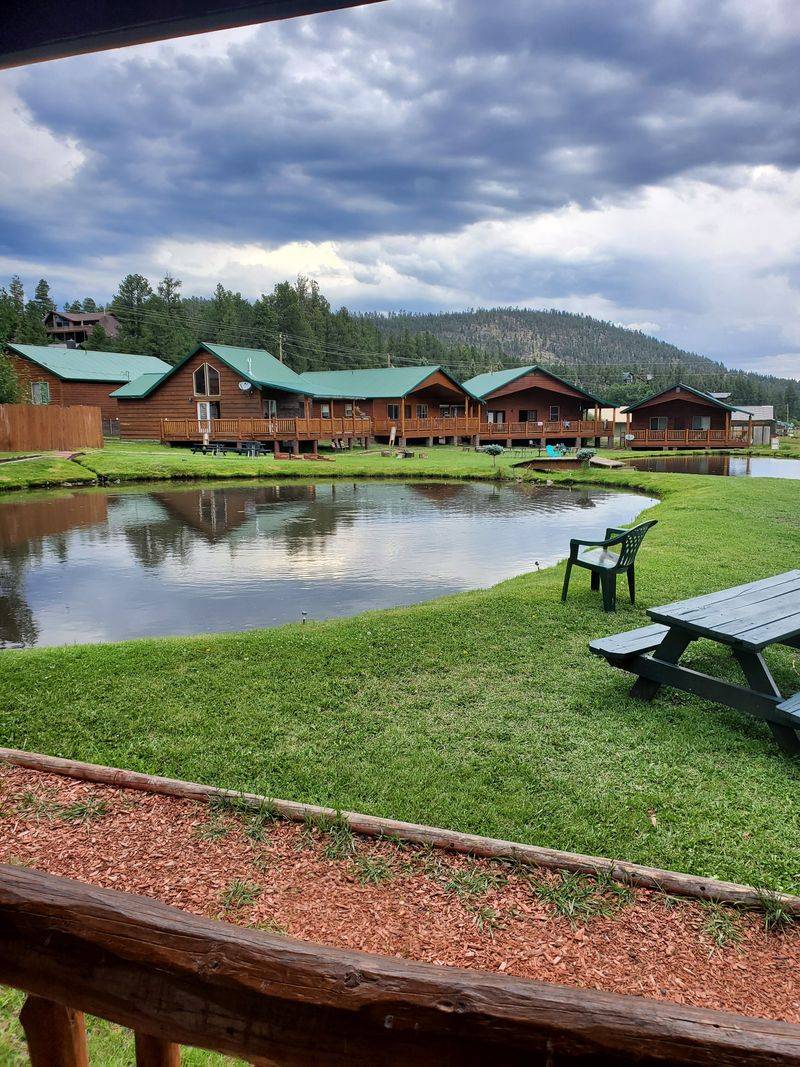
When Phoenix thermometers push past 110 degrees and Tucson sidewalks become hot enough to fry eggs, Greer remains a cool oasis where jackets often feel necessary even in July.
The temperature difference between the desert cities and Greer can exceed 40 degrees on the same summer day, making the three-hour drive from Phoenix feel like traveling to another country.
This dramatic climate contrast has made Greer a traditional summer escape for Arizona families who maintain cabins here as their seasonal refuge.
The cool mountain environment allows for activities that would be dangerous or impossible in the desert heat, from midday hikes to campfires that actually feel pleasant.
Visitors from the desert often comment on the simple joy of needing a blanket at night or being able to sit outside during the afternoon without seeking shade.
The relief from heat extends beyond mere comfort, offering genuine health benefits for those sensitive to extreme temperatures or dealing with heat-related conditions.
Local cabin rentals book months in advance for the peak summer season as families return to their favorite properties year after year.
The temperature differential creates interesting ecological zones, with plants and animals in Greer that would never survive in the desert below.
Even the quality of sleep improves in the cool mountain air, with many visitors reporting their best rest in months during Greer stays.
This natural air conditioning comes without the energy costs or environmental impact of mechanical cooling systems.
The Intimate Village Atmosphere
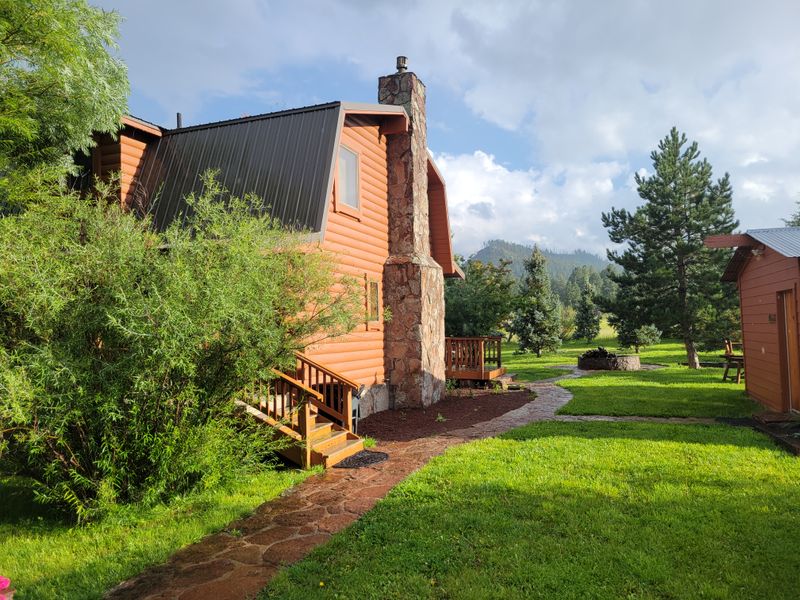
Walking through Greer feels like stepping into a storybook mountain village where everyone waves and the pace of life slows to match the gentle flow of the river.
The entire community consists of just a few hundred year-round residents, though that number swells during summer weekends and holidays.
There are no traffic lights, no chain restaurants, and no big box stores, just a handful of locally owned businesses that have served the community for decades.
The Greer Lodge and several smaller establishments provide dining options that emphasize home-cooked meals and friendly service over speed or fancy presentations.
A small general store stocks essentials and fishing supplies, operating on hours that reflect the relaxed mountain lifestyle rather than urban convenience expectations.
The absence of commercial development means dark skies at night, quiet mornings, and an overall sense of being far removed from the pressures of modern life.
Neighbors know each other by name, and visitors quickly experience the welcoming nature of a community that values its peaceful character.
The intimate scale means you can walk from one end of the developed area to the other in about fifteen minutes, though most people prefer to linger and enjoy the scenery.
This small size creates a sense of safety and ease, with children riding bikes and families walking after dinner without the concerns that plague larger towns.
The village atmosphere represents what many mountain communities once were before development changed their character forever.
World-Class Trout Fishing Opportunities
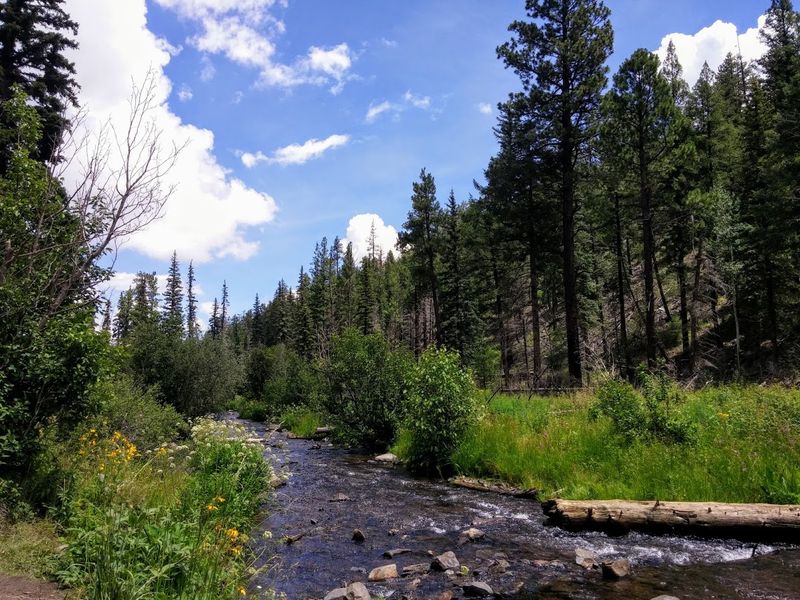
Anglers travel from across the country to cast their lines in the cold, clear waters surrounding Greer, where rainbow, brown, and Apache trout thrive.
The Little Colorado River and nearby Greer Lakes provide diverse fishing experiences, from technical stream fishing to more relaxed lake angling.
Fly fishing reaches an art form here, with local guides teaching the delicate presentations required to fool these educated mountain trout.
The Arizona Game and Fish Department stocks the lakes regularly, but wild trout populations in the streams provide the ultimate challenge for skilled anglers.
Early mornings bring the best fishing, when mist rises from the water and trout feed actively on emerging insects.
The three Greer Lakes (River Reservoir, Tunnel Reservoir, and Bunch Reservoir) sit within easy walking distance of each other, each offering slightly different fishing conditions.
Bunch Reservoir at 3 Main St, Greer, AZ 85927 provides accessible shoreline fishing perfect for families with children learning the sport.
Catch-and-release practices help maintain healthy fish populations, though anglers can keep a limited number within size and bag limits.
The cold water temperatures, rarely exceeding 60 degrees even in summer, create ideal conditions for trout to grow strong and healthy.
Local fly shops offer equipment rentals, guided trips, and invaluable advice about current conditions and productive fly patterns.
Winter ice fishing adds another dimension when the lakes freeze solid enough to support anglers drilling holes and dropping lines.
Hiking Trails for Every Ability Level
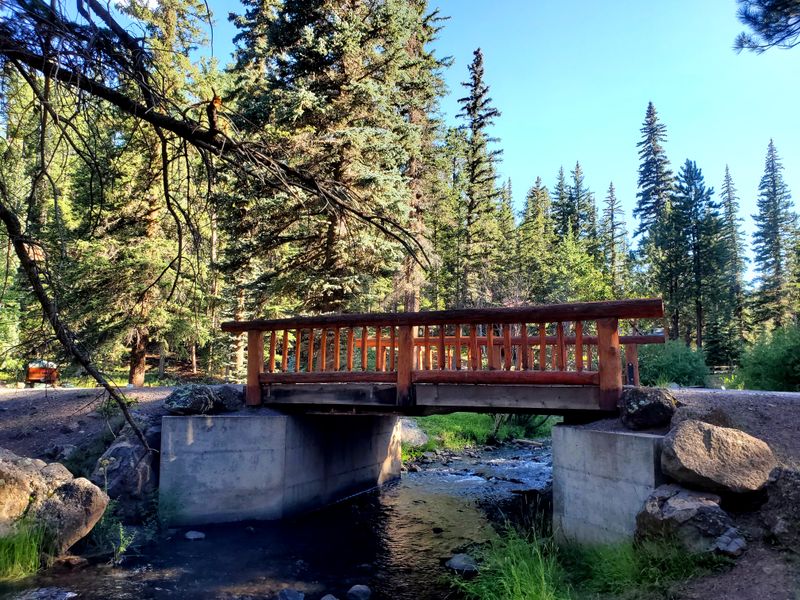
Hundreds of miles of trails radiate from Greer into the surrounding national forest, offering everything from wheelchair-accessible nature walks to multi-day backcountry adventures.
The West Baldy Trail presents one of the most popular challenges, climbing toward Mount Baldy, Arizona’s second-highest peak, through changing vegetation zones.
Families with young children appreciate the easy paths along the river and around the lakes, where the terrain stays gentle and destinations remain close.
The Mount Baldy Wilderness Area begins just outside Greer, protecting over 7,000 acres of pristine alpine environment where motorized vehicles cannot enter.
Wildflower enthusiasts plan hikes for late June through August when the meadows explode with color and variety.
Trail conditions vary dramatically with the seasons, with some routes becoming impassable during winter while others transform into excellent snowshoeing paths.
The elevation means hikers should pace themselves, taking breaks more frequently than they might at lower altitudes.
Wildlife sightings happen regularly on the trails, from elk grazing in meadows at dawn to hawks circling overhead searching for prey.
Many trails follow old logging roads or historic routes used by Native Americans and early settlers, adding cultural interest to the natural beauty.
The Forest Service maintains detailed trail maps and updates on conditions, available at ranger stations or online before your visit.
Solitude comes easily on weekdays or less popular trails, where hours can pass without encountering another hiker.
Historic Cabins and Rustic Accommodations
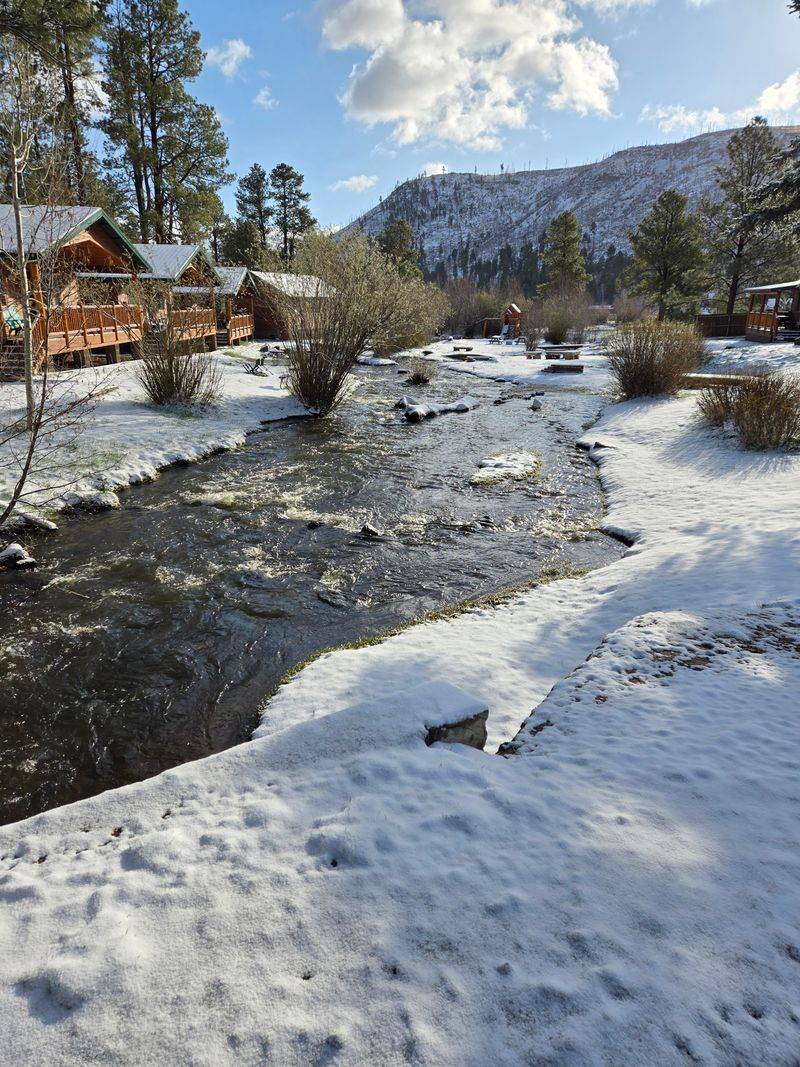
Greer’s accommodations reflect the community’s history and character, with many cabins dating back decades and maintaining their authentic mountain charm.
These aren’t luxury resorts or cookie-cutter hotels, but genuine mountain retreats where wood smoke scents the air and fireplaces provide the primary heat source.
The Greer Lodge at 44 Main Street, Greer, AZ 85927 has welcomed guests since the early days, offering rooms and cabins with that perfect balance of comfort and rustic appeal.
Many private cabins available for rent have been in the same families for generations, passed down and lovingly maintained as treasured mountain escapes.
Staying in these historic structures connects visitors to Greer’s past, when the community served as a remote outpost far from modern conveniences.
Original log construction, stone fireplaces, and wood-paneled interiors create an atmosphere that modern construction simply cannot replicate.
The cabins typically feature covered porches perfect for morning coffee or evening relaxation, with views of the forest or meadows.
While most have been updated with modern plumbing and electricity, many owners deliberately maintain the vintage character rather than renovating into contemporary spaces.
Booking well in advance becomes essential for summer weekends and holidays when demand far exceeds the limited number of available properties.
The accommodations encourage a different pace of vacation, one focused on reading, conversation, and enjoying simple pleasures rather than entertainment and amenities.
This lodging style perfectly matches Greer’s overall character and appeals to visitors seeking authenticity over luxury.
Wildlife Viewing and Natural Solitude
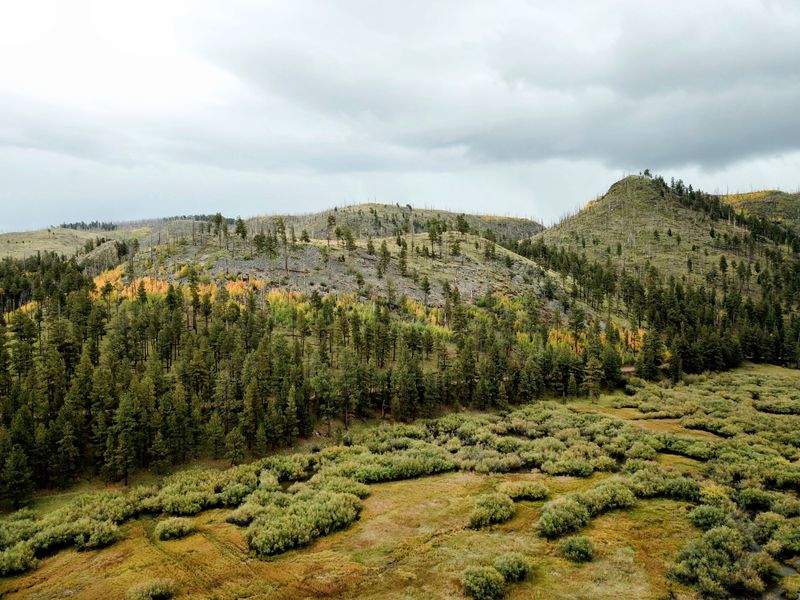
The forests and meadows around Greer teem with wildlife, offering patient observers remarkable opportunities to witness animals in their natural habitat.
Elk herds move through the area regularly, particularly during early morning and evening hours when they emerge from the forest to graze in open meadows.
The distinctive bugling calls of bull elk during autumn rut season create an unforgettable soundtrack that echoes through the valleys.
White-tailed deer and mule deer appear frequently, often becoming quite tolerant of human presence while still maintaining their wild nature.
Black bears inhabit the surrounding forest, though encounters remain rare because the bears generally avoid human activity areas.
Proper food storage becomes essential for campers and cabin renters, protecting both visitors and bears from dangerous interactions.
Wild turkeys strut through the woods in impressive flocks, their size and wariness making them challenging subjects for photographers.
Smaller creatures like Albert’s squirrels, with their distinctive ear tufts, and chipmunks provide constant entertainment around cabins and campsites.
The combination of forest, meadow, and riparian habitats creates ecological diversity that supports an unusually rich variety of species.
Birdwatchers can spot everything from tiny hummingbirds to massive ravens, with migratory species passing through during spring and fall.
The natural solitude surrounding Greer means wildlife viewing often happens spontaneously rather than requiring special trips or guided tours.
This abundance of wildlife reminds visitors that they are guests in a functioning ecosystem rather than tourists in a managed park.
Dear Reader: This page may contain affiliate links which may earn a commission if you click through and make a purchase. Our independent journalism is not influenced by any advertiser or commercial initiative unless it is clearly marked as sponsored content. As travel products change, please be sure to reconfirm all details and stay up to date with current events to ensure a safe and successful trip.
