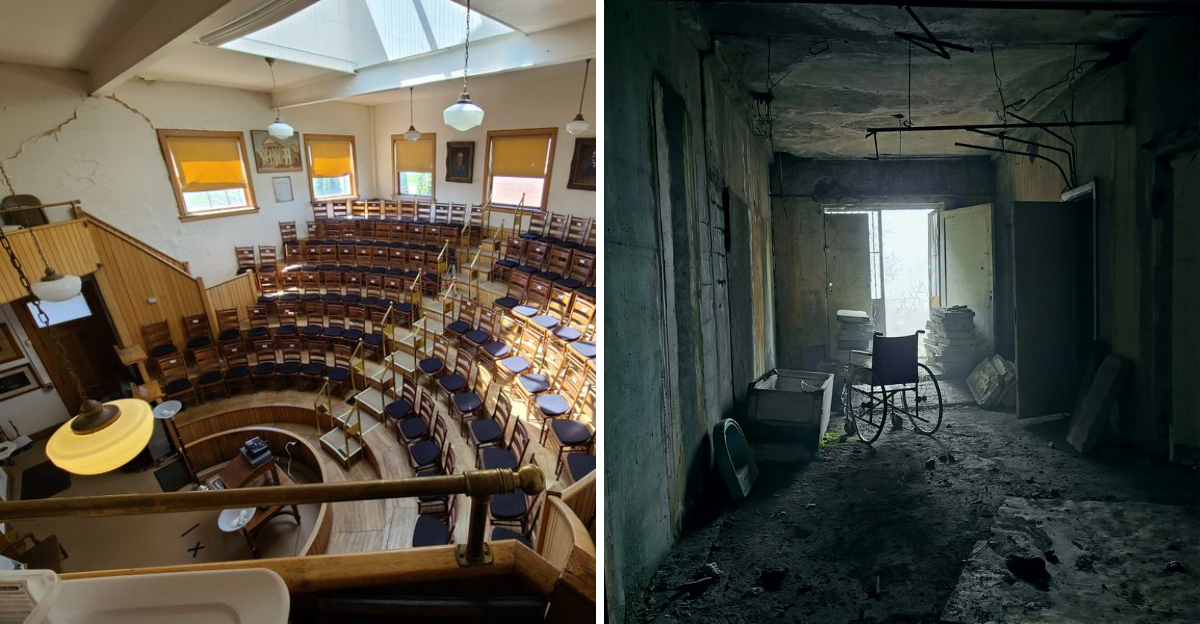
I never expected a museum visit to give me actual chills, but the Indiana Medical History Museum proved me completely wrong. Walking through the preserved 1890s pathology building feels like stepping into a time machine that forgot to leave the unsettling parts behind.
The old surgical theaters, rows of vintage medical instruments, and authentic asylum architecture create an atmosphere that lingers long after you step back outside. There’s something about standing in a space where doctors once studied diseases with methods that now feel almost unimaginable.
Sunlight filters through tall windows onto wooden floors that have seen more than a century of medical experimentation and psychiatric history. The details aren’t recreated for effect; they’re original, which somehow makes everything more powerful.
Original Pathology Laboratory Frozen in Time
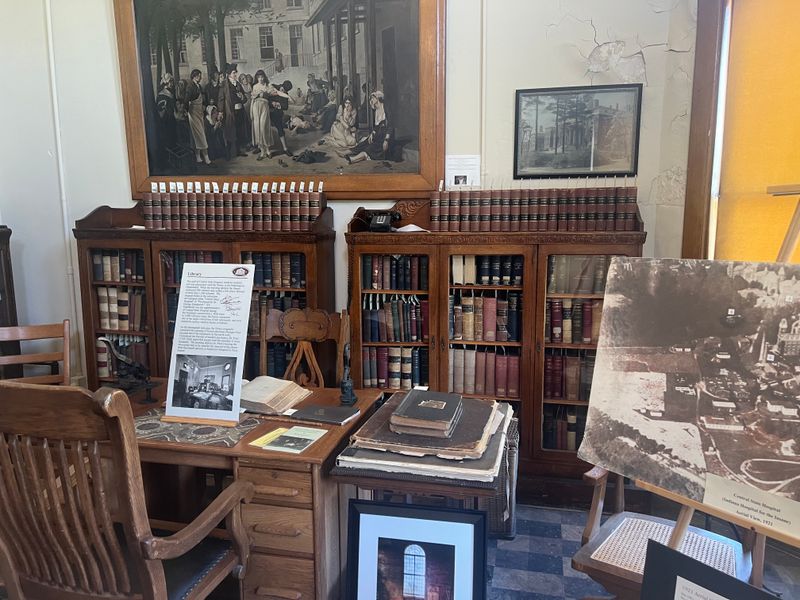
Walking into the Old Pathology Building feels like the doctors just stepped out for lunch and never returned. The wooden cabinets still hold glass slides from actual medical cases over a century old.
Brass microscopes sit ready for examination, their lenses catching whatever light filters through the tall windows.
This isn’t a recreation or Hollywood set. Everything you see actually functioned as Indiana’s first pathology laboratory back when understanding diseases meant peering through primitive equipment and making educated guesses.
The room maintains its original layout, complete with specimen jars that would make modern medical students grateful for digital imaging.
What makes this space genuinely unsettling is how ordinary it looks despite its extraordinary purpose. The floorboards creak under your feet as you imagine doctors in long coats hunching over their work stations, racing to understand illnesses that killed people by the thousands.
You can almost smell the formaldehyde that once permeated every surface.
The preserved instruments tell stories about medical procedures that would horrify us today but represented cutting-edge science back then. Each tool served a specific purpose in the quest to understand human anatomy and disease.
Standing here, you realize how recently we developed modern medicine and how brave those early researchers truly were.
Anatomical Theater With Original Amphitheater Seating
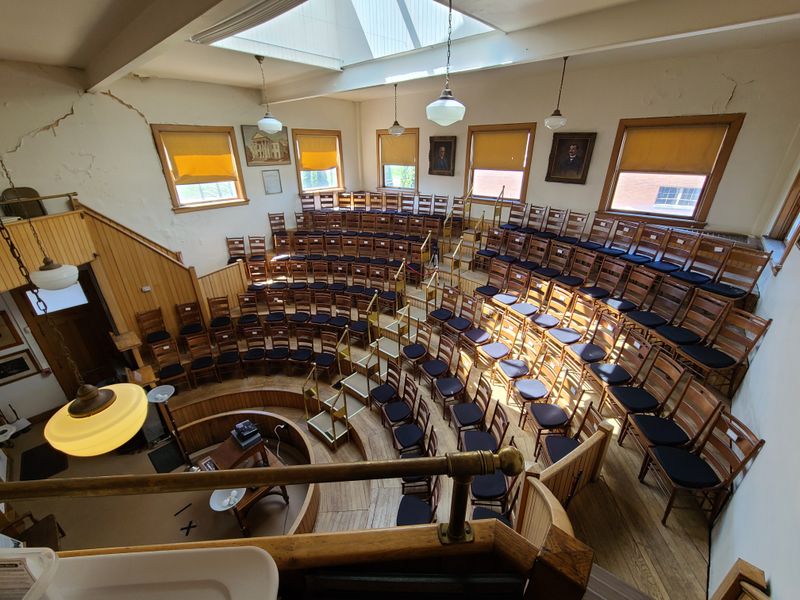
The anatomical amphitheater stops visitors in their tracks every single time. Wooden benches rise in steep tiers around a central demonstration table, just like they did when medical students crowded in to watch procedures.
The skylight above once provided the only illumination for delicate work below.
Picture dozens of young doctors-in-training leaning forward to catch every detail as instructors explained human anatomy using real specimens. The acoustics still carry whispers remarkably well, which adds another layer of eeriness when you’re standing at the demonstration table looking up at empty seats.
This room witnessed countless lessons that shaped Indiana medical practice for generations.
The original surgical instruments remain displayed nearby, their purposes sometimes obvious and sometimes mysteriously specific. Some tools look surprisingly modern while others seem better suited to carpentry than medicine.
Each piece represents someone’s attempt to heal, to learn, or to understand the human body better.
What really gets under your skin is imagining the sounds that once filled this space. The scratch of pencils taking notes, the murmur of questions, the clinical explanations of procedures that would make contemporary audiences faint.
After visiting White River State Park at 801 West Washington Street, this amphitheater provides a stark contrast to modern Indianapolis attractions.
Preserved Brain Collection in Historic Jars
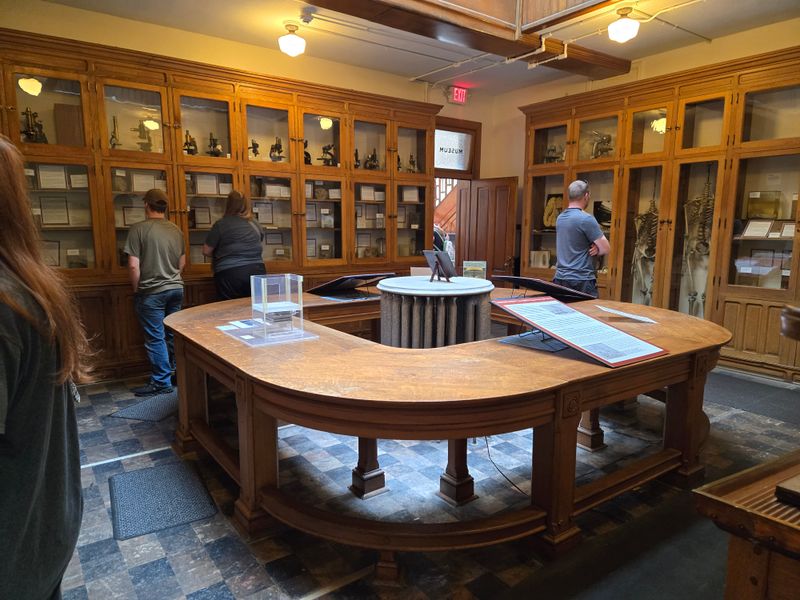
Nothing prepares you for the brain collection. Row after row of glass containers hold actual human brains preserved over a century ago, each labeled with handwritten tags noting the medical conditions they represented.
The specimens float in yellowed fluid, silent witnesses to lives long ended and medical mysteries once puzzling.
These weren’t collected for shock value but for genuine scientific study. Before MRI machines and CT scans, doctors learned about neurological conditions by examining actual tissue samples.
Each brain tells a story about someone who suffered from epilepsy, tumors, or other conditions that nineteenth-century medicine struggled to treat effectively.
The preservation techniques themselves fascinate modern scientists. How did these specimens survive so long in relatively good condition?
What chemicals did early pathologists use, and how did they know those methods would work for decades? The answers reveal surprising sophistication in Victorian-era scientific practices.
Standing before these jars forces uncomfortable questions about medical ethics, consent, and how we treat human remains in the name of science. The museum handles these topics respectfully while acknowledging the complicated history.
Visitors often leave this section quietly, processing what they’ve seen. Nearby Newfields at 4000 Michigan Road offers a completely different museum experience if you need something lighter afterward.
Kirkbride Asylum Architecture and Design Philosophy
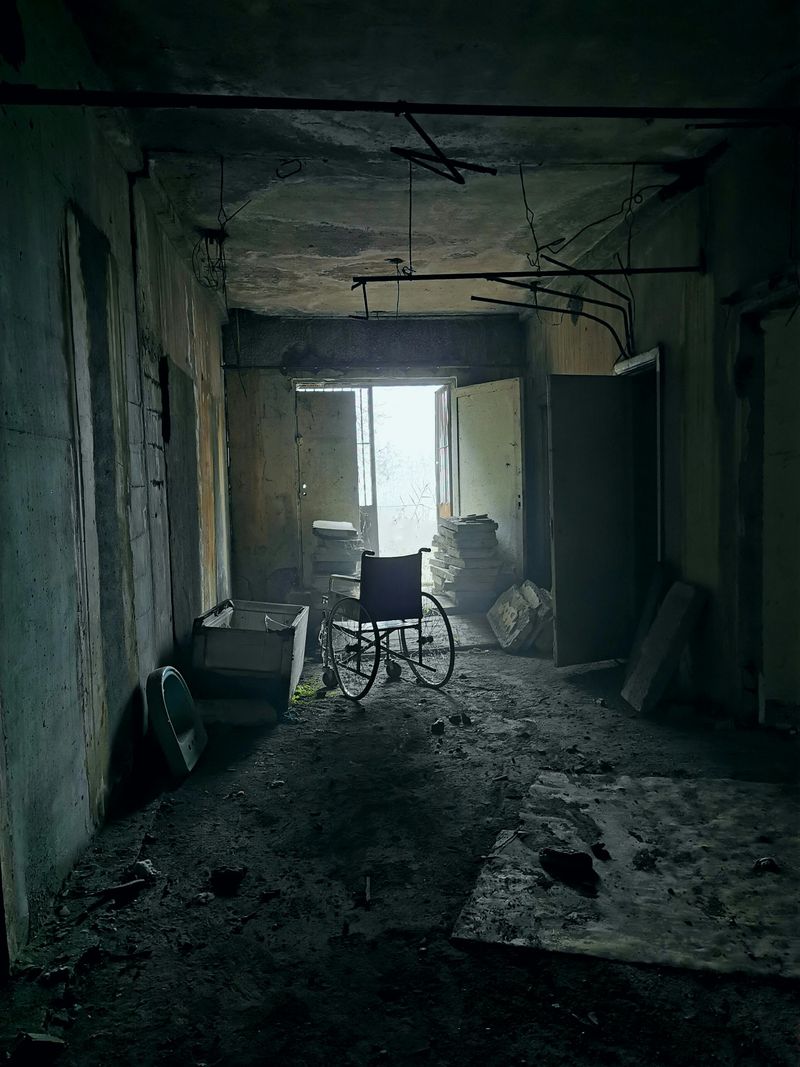
The building itself embodies the Kirkbride Plan, a revolutionary approach to mental health treatment that prioritized architecture as therapy. Dr. Thomas Kirkbride believed proper building design could actually help patients recover, so he created specifications for psychiatric facilities that emphasized light, air circulation, and dignified living spaces.
The museum occupies one of the few remaining examples of this philosophy in its original condition.
Walking the long corridors, you notice how windows face specific directions to maximize natural light throughout the day. The high ceilings allowed air to circulate before mechanical ventilation existed.
Even the paint colors were chosen deliberately to create calming environments for troubled minds.
What seems creepy today actually represented compassionate care for its era. Before Kirkbride’s reforms, people with mental illness faced chains, darkness, and abuse in many institutions.
This building offered something radically different, treating patients as humans deserving respect and proper medical attention rather than criminals requiring punishment.
The architecture tells stories about changing attitudes toward mental health. Some design elements that made sense in the 1890s now seem ominous, like the long isolated hallways or the heavy doors with observation windows.
Context matters tremendously when evaluating historical medical facilities. The nearby Indianapolis Motor Speedway Museum at 4750 West 16th Street showcases a completely different aspect of Indiana history.
Vintage Surgical Equipment and Procedure Rooms
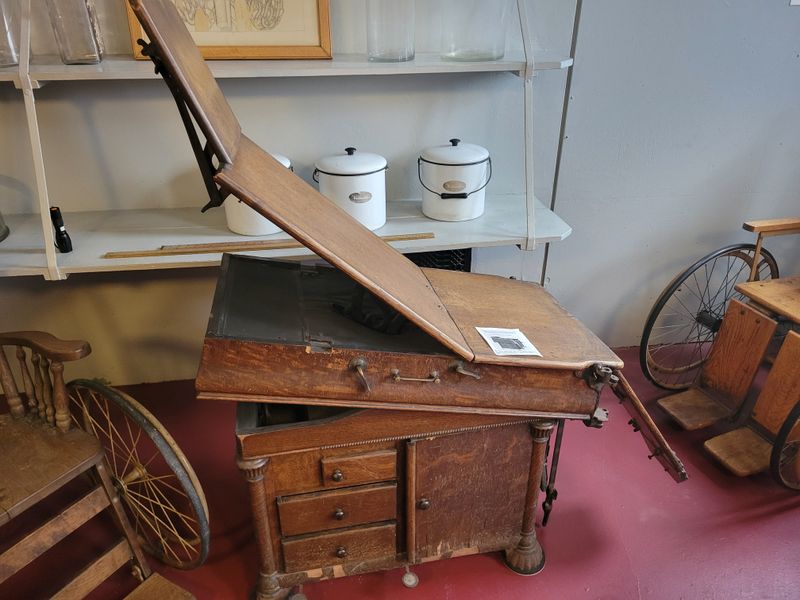
The surgical equipment collection makes modern patients extremely grateful for contemporary medicine. Bone saws that look like carpentry tools, forceps resembling pliers, and anesthesia masks that appear more likely to suffocate than sedate patients fill display cases throughout the museum.
Each instrument served real purposes on actual patients who had no better options available.
Before antibiotics, before sterile technique, before reliable anesthesia, surgery meant excruciating pain and frequent death from infection. The tools here operated under those brutal conditions.
Surgeons worked as fast as humanly possible because patients couldn’t tolerate prolonged procedures. Speed mattered more than precision when someone was conscious and screaming.
Some procedure rooms retain their original setups, complete with drainage systems that carried away blood and other fluids. The practical considerations of nineteenth-century surgery created spaces that look more like butcher shops than healing environments.
Yet skilled surgeons saved lives here using these primitive tools and their own hard-won knowledge.
What strikes visitors most is how recently these conditions existed. Your great-great-grandparents might have faced surgery in rooms exactly like these, with equipment just as frightening.
Medical progress happened remarkably fast once germ theory took hold and technology advanced. For lighter fare afterward, try Shapiro’s Delicatessen at 808 South Meridian Street for classic Indiana comfort food.
Tuberculosis Treatment Wards and Isolation Rooms
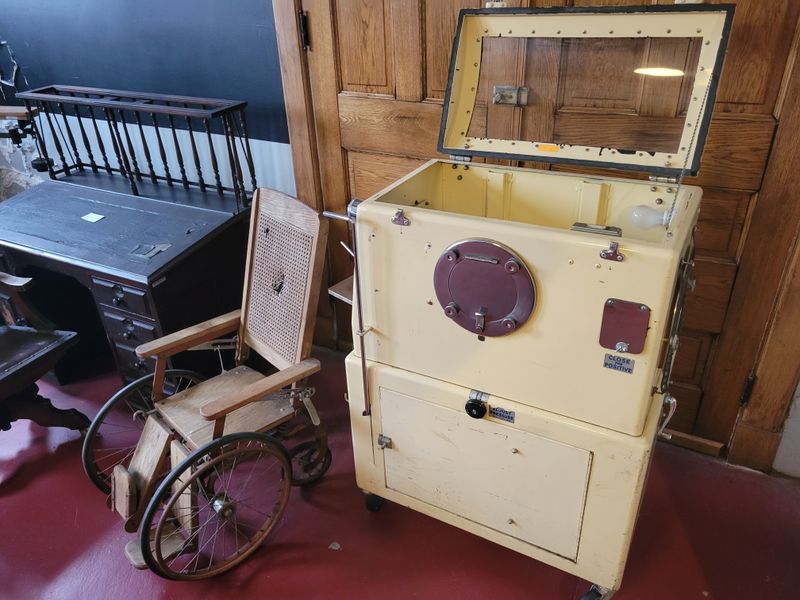
The tuberculosis wards reveal the desperate fight against a disease that once killed millions. Before antibiotics, fresh air and isolation represented the only treatments available.
Patients spent months or years confined to these wards, hoping their immune systems would somehow overcome the bacterial infection ravaging their lungs.
Large windows dominate the ward design because doctors believed fresh air helped patients recover. They weren’t entirely wrong, though they didn’t understand why.
The isolation prevented disease spread while patients either improved slowly or deteriorated despite all efforts. Families said goodbye to loved ones who might never leave these rooms alive.
Reading patient records and treatment notes brings the human cost into sharp focus. Young mothers, factory workers, teachers, and children all fell victim to tuberculosis without regard for age or circumstance.
The disease respected no boundaries and offered no mercy. Medical staff could only provide comfort and hope while nature took its course.
The isolation rooms feel especially oppressive with their heavy doors and small windows. Patients spent weeks alone, separated from other patients to prevent infection spread.
The psychological toll of such isolation, combined with serious illness and uncertain outcomes, must have been devastating. The Children’s Museum of Indianapolis at 3000 North Meridian Street offers a much more uplifting family experience if you’re visiting with kids.
Medicinal Plant Garden and Historical Pharmacy
Behind the main building at the Indiana Medical History Museum, located at 3270 Kirkbride Way, Indianapolis, Indiana 46222, the medicinal plant garden grows the same herbs doctors once prescribed as treatments. Digitalis for heart conditions, willow bark for pain relief, and dozens of other plants that formed the backbone of nineteenth-century pharmacology thrive in carefully tended beds.
Many modern medications derive from these same plants, just in purified and standardized forms.
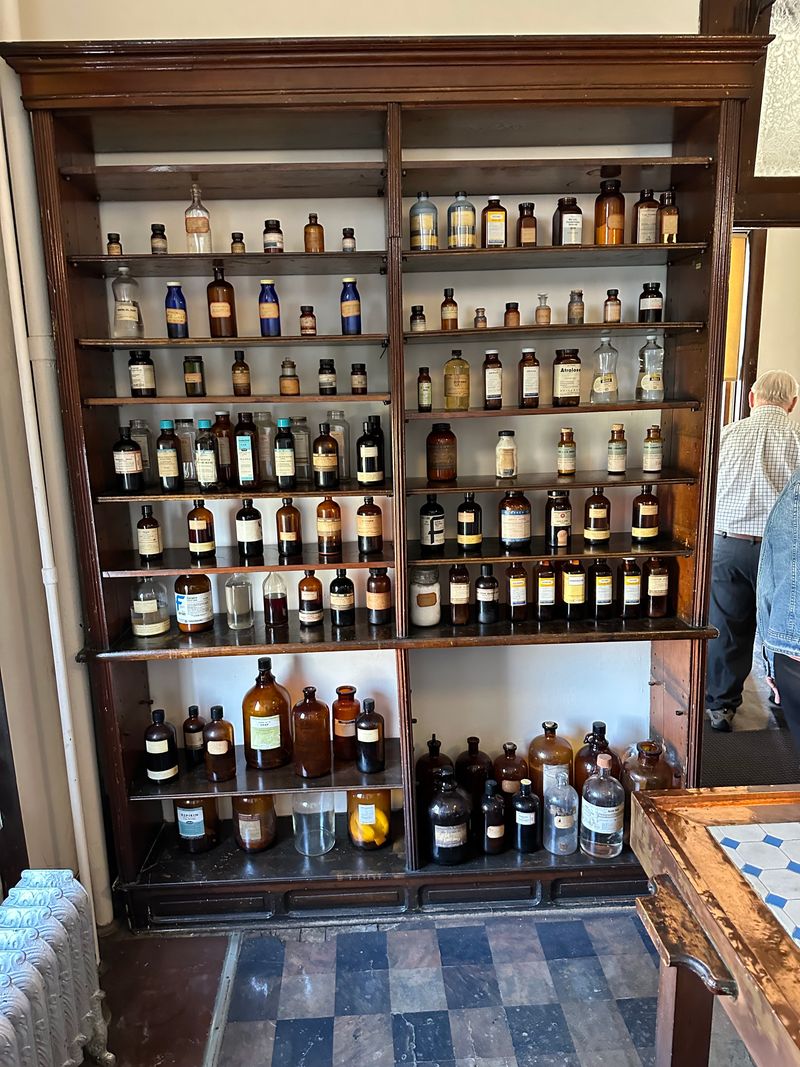
The historical pharmacy inside showcases beautiful wooden cabinets filled with glass bottles bearing handwritten labels. Tinctures, powders, and compounds line the shelves in an arrangement that looks more like an apothecary from a fantasy novel than real medical history.
Yet pharmacists actually worked here, carefully measuring and mixing these ingredients according to physician orders.
Some remedies actually worked through mechanisms we now understand scientifically. Others did nothing or actively harmed patients despite the best intentions of prescribers.
Medical knowledge advanced through trial and error, with patients bearing the consequences of mistakes and misconceptions. The pharmacy represents both the wisdom and the ignorance of its era.
Visitors often express surprise at how botanical many early medicines were. Before synthetic chemistry, plants provided nearly all medicinal compounds.
The garden demonstrates remarkable knowledge about which plants affected which conditions, even if doctors didn’t understand the underlying chemistry.
Dear Reader: This page may contain affiliate links which may earn a commission if you click through and make a purchase. Our independent journalism is not influenced by any advertiser or commercial initiative unless it is clearly marked as sponsored content. As travel products change, please be sure to reconfirm all details and stay up to date with current events to ensure a safe and successful trip.
