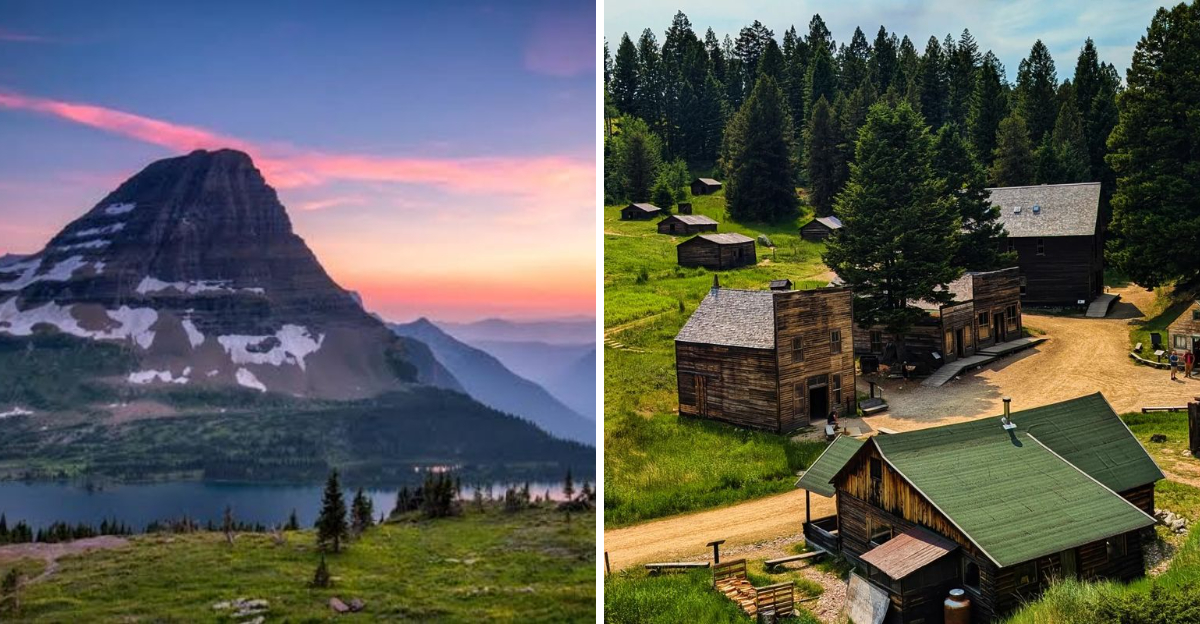
Montana calls to those who crave freedom from screens and notifications.
The Big Sky State offers endless opportunities to reconnect with nature and yourself.
Stepping away from the digital world becomes easy when surrounded by mountains, rivers, and wide-open spaces.
Whether you seek adventure or peaceful solitude, Montana provides the perfect backdrop for a technology-free day.
The state’s natural beauty reminds us what matters most when we unplug from our devices.
Fresh air, stunning landscapes, and genuine experiences await those willing to leave their phones behind.
Trading scrolling for exploring might just become your new favorite habit. Montana’s wilderness areas and charming small towns make disconnecting feel like a privilege rather than a sacrifice.
From hiking rugged trails to fishing crystal-clear streams, the options for screen-free activities seem limitless.
This guide presents seven meaningful ways to spend an entire day in Montana without digital distractions.
Each suggestion offers something unique, whether you’re traveling solo, with friends, or with family.
Get ready to discover how liberating and refreshing a day away from technology can truly feel.
These experiences will remind you of the simple joys that existed long before smartphones took over our lives.
Montana’s magic lies in its ability to make you forget you ever needed a screen in the first place.
Hike Through Glacier National Park’s Untouched Wilderness
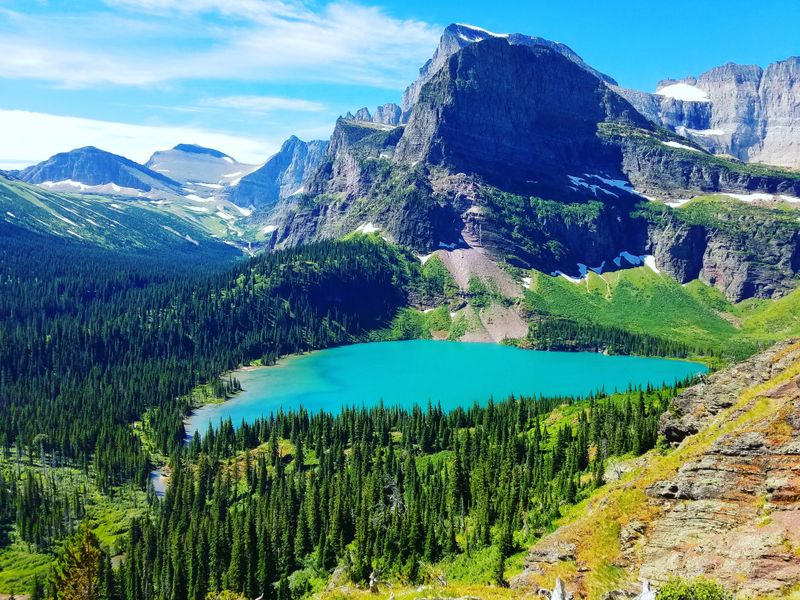
Glacier National Park stands as one of America’s most breathtaking natural treasures, where cell service fades and real connection begins.
The park spans over one million acres of pristine wilderness, offering more than 700 miles of trails that range from easy walks to challenging backcountry adventures.
Leaving your phone in the car becomes easy when surrounded by such overwhelming beauty.
Trails like the Highline Trail or Avalanche Lake provide stunning views that no photograph could ever truly capture.
Wildflowers carpet the meadows in summer, while mountain goats navigate steep cliffs with remarkable grace.
The sound of rushing waterfalls replaces notification pings, and the crisp mountain air clears your mind in ways no app ever could.
Many visitors report feeling a sense of peace they hadn’t experienced in years after just a few hours on the trails.
The physical challenge of hiking keeps your body engaged while your mind finally gets the rest it desperately needs.
Packing a simple lunch to enjoy beside a glacial lake creates memories far more valuable than any social media post.
Glacier’s famous Going-to-the-Sun Road offers pullouts where you can stop and simply breathe in the landscape.
Wildlife sightings; from bears to elk to eagles; remind you that life existed long before technology and thrives beautifully without it.
The park’s visitor centers, located at Apgar Village and Logan Pass, provide maps and information to help plan your screen-free adventure.
By day’s end, your legs might be tired, but your spirit will feel remarkably refreshed.
The digital world will still be there tomorrow, but today belongs entirely to the mountains, the trails, and you.
This experience proves that the best moments in life happen when we’re fully present rather than constantly connected.
Fish the Legendary Waters of the Madison River
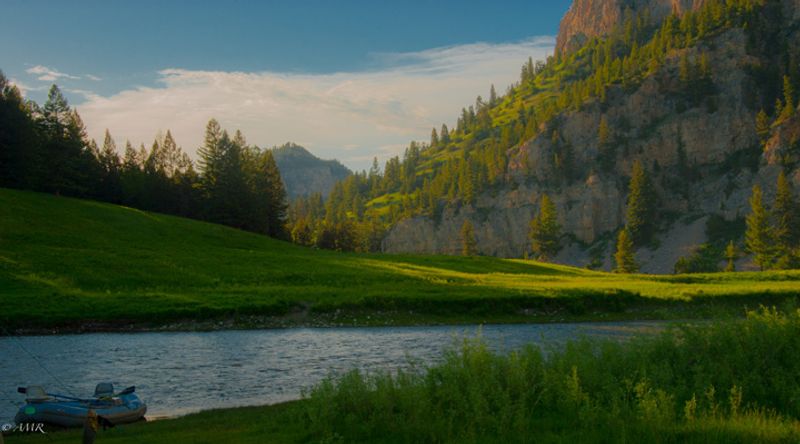
Few activities demand your complete attention quite like fly fishing, making it the perfect digital detox.
The Madison River, flowing through southwestern Montana, ranks among the world’s premier trout fishing destinations.
Anglers travel from across the globe to cast their lines into these legendary waters, where technology becomes irrelevant.
Learning to read the water requires observation skills that smartphones have dulled in many of us.
You’ll watch for rising fish, study insect hatches, and adjust your approach based on conditions rather than algorithms.
The rhythmic motion of casting creates a meditative state that no mindfulness app could replicate.
Local fly shops in Ennis and West Yellowstone offer equipment rentals and guided trips for beginners.
Experienced anglers often prefer wading solo through sections like the Fifty Dollar Hole or Beaver Meadows.
The river’s consistent flows and healthy trout populations mean you’ll likely hook into several fish throughout the day.
There’s something profoundly satisfying about matching your fly to what the fish are actually eating.
This problem-solving happens through observation and experimentation, not through Google searches.
Each catch brings a rush of excitement that feels earned rather than algorithmically delivered.
The Madison flows through stunning canyon country where bald eagles soar and ospreys hunt.
Between fishing spots, you’ll find yourself simply standing in the current, feeling the water’s power and presence.
Conversations with fellow anglers happen face-to-face, sharing tips and stories the old-fashioned way.
As shadows lengthen across the water, you’ll realize hours have passed without once checking your phone.
Your hands smell like fish and river water; evidence of a day genuinely lived.
This ancient practice of outsmarting trout with feathers and thread connects you to generations of anglers who never needed Wi-Fi to feel fulfilled.
Explore Historic Ghost Towns Frozen in Time
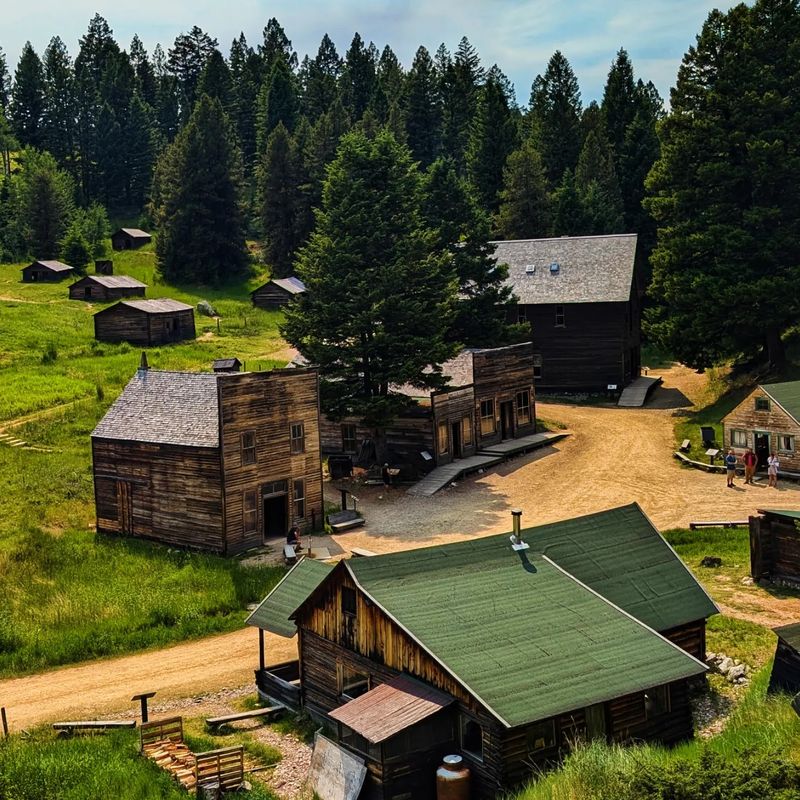
Montana’s abandoned mining towns offer fascinating glimpses into the past, where history speaks louder than any podcast.
Places like Bannack State Park, Garnet Ghost Town, and Elkhorn provide tangible connections to the 1800s gold rush era.
Walking through these preserved settlements requires no headphones or audio guides; the stories reveal themselves through weathered buildings and rusted equipment.
Bannack, located near Dillon at 4200 Bannack Road, served as Montana’s first territorial capital.
Over 60 structures still stand, including the hotel, school, church, and jail where the infamous Sheriff Henry Plummer once held office.
You can peer through dusty windows into homes and businesses exactly as they were left when the gold ran out.
The silence in these ghost towns feels almost sacred, broken only by wind whistling through broken windows.
Children especially love exploring these real-life history lessons, using their imaginations instead of screens.
Rangers occasionally offer guided tours, but self-guided exploration allows you to move at your own contemplative pace.
Garnet Ghost Town, accessible via a gravel road from Highway 200 near Missoula, sits nestled in the mountains.
Winter visits offer a particularly magical experience, with snow-covered buildings creating postcard-worthy scenes.
The town’s remote location means cell service is nonexistent, making disconnection automatic rather than optional.
Photographing these locations with an old-fashioned camera rather than a smartphone adds to the vintage experience.
Many visitors bring sketchbooks to capture architectural details or simply journal about their impressions.
Learning about boom-and-bust cycles, frontier justice, and pioneer hardships provides perspective on our modern complaints about slow internet.
These ghost towns remind us that entire communities once thrived without electricity, let alone smartphones.
Their stories of determination, hope, and eventual abandonment feel more real when experienced without digital mediation.
Leaving these places, you’ll carry genuine appreciation for both historical resilience and the value of unplugged exploration.
Horseback Ride Through Mountain Meadows and Valleys
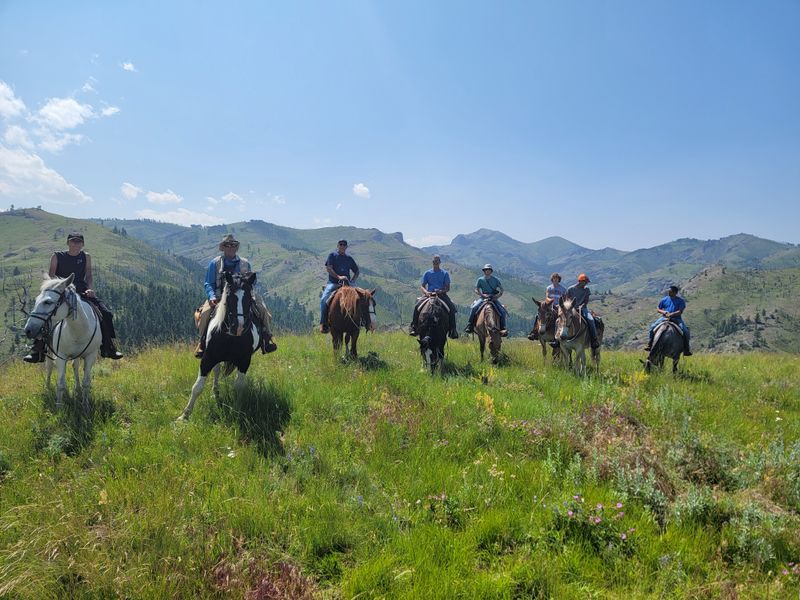
Climbing into a saddle and heading into Montana’s backcountry creates an instant connection with the Old West.
Horseback riding demands your full attention; you can’t scroll and ride safely, making it perfect for digital detachment.
Numerous ranches and outfitters throughout Montana offer guided trail rides ranging from two hours to full-day adventures.
The Bob Marshall Wilderness Complex, often called “The Bob,” represents one of the largest roadless areas in the lower 48 states.
Multiple outfitters near Augusta and Choteau provide pack trips where horses carry both riders and gear deep into pristine wilderness.
Your phone becomes useless weight when you’re miles from any tower, surrounded only by peaks, forests, and wildlife.
The relationship between horse and rider requires nonverbal communication and trust.
Your mount responds to subtle shifts in weight and gentle rein guidance rather than typed commands.
This partnership feels refreshingly straightforward compared to navigating complicated user interfaces.
Many guest ranches near Bozeman and Livingston offer riding as part of their authentic Montana experience.
You might help move cattle, check fence lines, or simply explore mountain trails at a leisurely pace.
Lunch breaks happen beside mountain streams, where the only soundtrack comes from rushing water and birdsong.
Riding through aspen groves in fall creates visual magic no filter could enhance.
The golden leaves shimmer in the breeze while your horse’s steady gait provides a soothing rhythm.
Conversations with your guide often cover ranch life, local history, and wildlife behavior; real knowledge from real experience.
Children who normally beg for screen time become completely absorbed in caring for and riding their horses.
Grooming, tacking up, and learning basic horsemanship skills teach responsibility and patience.
By day’s end, you’ll feel physically tired but mentally restored, having spent hours completely present in each moment.
The simple act of traveling at a horse’s pace rather than internet speed shifts your entire perspective on time and presence.
Camp Beneath Star-Filled Skies in Remote Wilderness
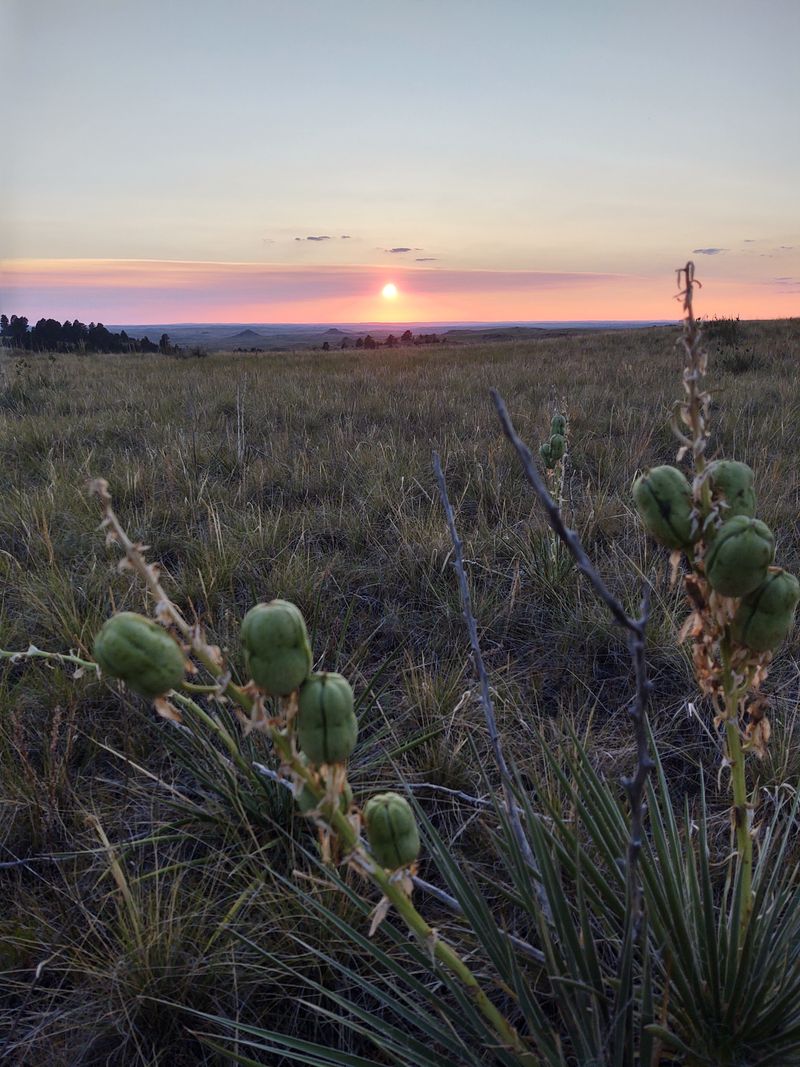
Nothing resets your relationship with technology quite like spending a night under Montana’s legendary dark skies.
The state’s low population density and vast open spaces create ideal conditions for stargazing that urban dwellers rarely experience.
Campgrounds throughout Montana offer everything from developed sites to primitive backcountry spots where you’re truly off the grid.
The Beartooth Highway near Red Lodge provides access to stunning alpine camping areas above 9,000 feet.
At this elevation, the stars appear so numerous and bright that you’ll understand why ancient peoples created entire mythologies around them.
Without light pollution or screen glow, your eyes adjust to reveal celestial details invisible in most places.
Setting up camp requires practical skills that feel satisfying in their simplicity.
Choosing a level tent site, gathering firewood, and purifying water from a nearby stream engage you in basic survival tasks.
Building and tending a campfire provides entertainment far more engaging than any streaming service.
Conversations around the fire tend toward deeper topics than typical social media exchanges.
Stories get shared, marshmallows get roasted, and laughter echoes through the darkness.
The absence of screens allows genuine connection with your camping companions or peaceful solitude if you’re solo.
Many of Montana’s national forest campgrounds, like those in the Kootenai or Lolo National Forests, offer affordable sites with minimal amenities.
This simplicity becomes a feature rather than a bug when you’re intentionally disconnecting.
Waking to birdsong instead of alarm tones starts your day with gentleness rather than jarring interruption.
Watching sunrise paint the mountains in shades of pink and gold reminds you why people once worshipped dawn.
Morning coffee tastes better when brewed over a campfire and sipped while watching wildlife emerge.
Packing up camp and leaving no trace teaches respect for nature that Instagram posts about environmentalism never could.
This experience proves that entertainment doesn’t require electricity, and connection doesn’t require Wi-Fi.
Raft Wild Rivers Through Stunning Canyon Country
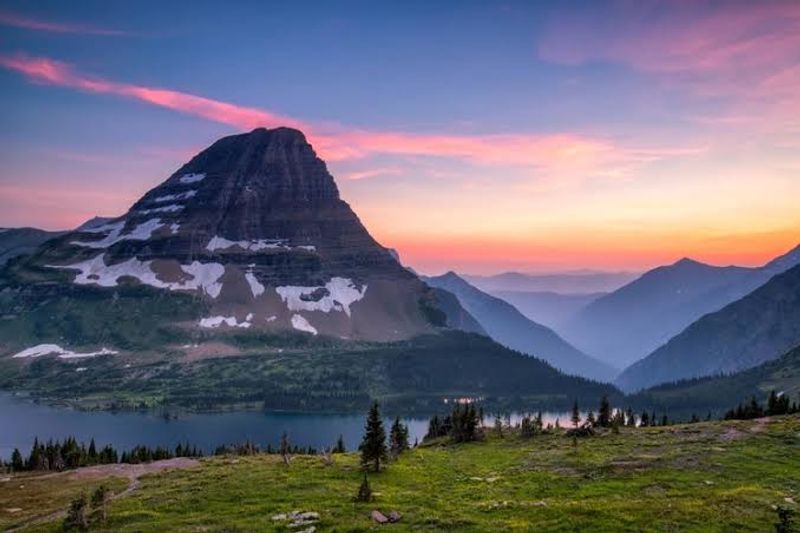
Whitewater rafting demands complete presence—one moment of distraction could mean a swim in frigid glacial water.
Montana’s rivers, including the Gallatin, Yellowstone, and Flathead, offer thrilling rapids that make phones irrelevant.
Commercial outfitters throughout the state provide everything needed, from rafts and paddles to life jackets and waterproof storage.
The Gallatin River, flowing through a scenic canyon south of Bozeman, features continuous Class III and IV rapids.
Your guide shouts commands over the roar of whitewater, and your crew must paddle in perfect synchronization.
There’s no time to check notifications when you’re navigating holes, waves, and powerful hydraulics.
Calmer sections between rapids allow you to catch your breath and admire towering canyon walls.
Bald eagles nest in riverside cliffs, and you might spot deer or elk coming to drink.
The cold spray on your face and adrenaline in your veins create visceral sensations no virtual experience could match.
Full-day trips typically include a riverside lunch where guides prepare surprisingly delicious meals.
Wet and laughing, your group bonds over shared adventure in ways that online gaming never facilitates.
Stories from the morning’s biggest waves get retold and embellished, creating instant memories.
The Middle Fork of the Flathead River, forming Glacier National Park’s southern boundary, offers multi-day wilderness trips.
These expeditions take you so deep into roadless country that the outside world truly disappears.
Camping on sandbars and falling asleep to the river’s constant song provides profound peace.
Photographers should invest in waterproof cameras rather than risking smartphones in the rapids.
Many outfitters offer photo packages, capturing action shots while you focus on paddling.
The physical exhaustion after a day on the river ensures deep, dreamless sleep; no screen time needed.
Rafting teaches teamwork, trust, and respect for nature’s power in ways that feel earned rather than observed.
Your sore muscles the next day serve as pleasant reminders of a day fully and physically lived.
Visit Working Ranches and Learn Traditional Skills
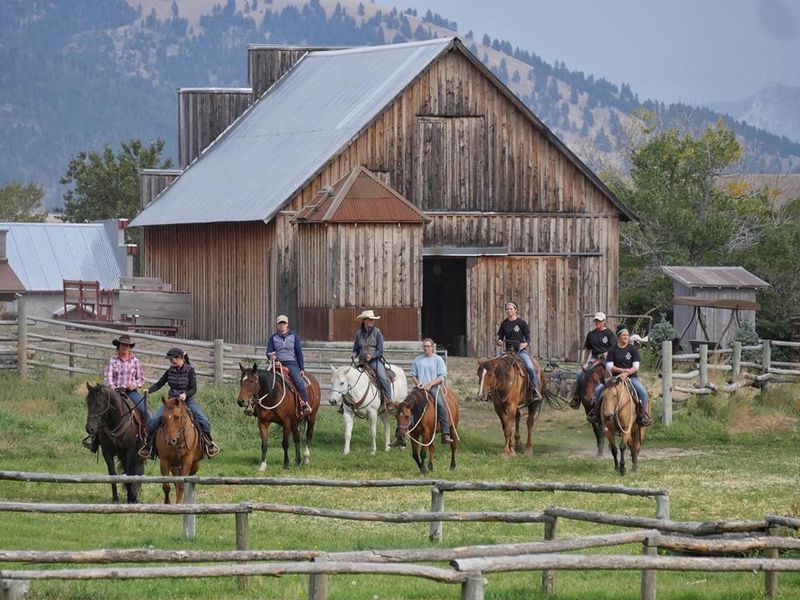
Several Montana ranches welcome visitors to experience authentic agricultural life that hasn’t changed much in a century.
These working operations offer hands-on opportunities to participate in daily tasks that require skill, not software.
Guest ranches near towns like Livingston, Big Timber, and Ennis provide immersive experiences where technology takes a backseat to tradition.
Your day might begin before sunrise, helping feed horses and cattle as dawn breaks over the mountains.
The simple rhythm of physical labor; scooping grain, forking hay, filling water troughs; provides meditative satisfaction.
Ranchers often share stories passed down through generations, oral histories more compelling than any podcast.
Learning to rope, even just basic lasso techniques, requires hand-eye coordination and practice.
Children and adults alike discover that mastering physical skills brings pride that achievement badges in apps never could.
You might help move cattle from one pasture to another, working alongside experienced cowboys and their dogs.
Many ranches teach fence mending, a surprisingly complex skill involving wire stretchers, post-hole diggers, and problem-solving.
Fixing what’s broken with your hands creates tangible results visible immediately.
Lunch often happens in the ranch kitchen, where home-cooked meals are served family-style around a big table.
Conversations flow naturally when everyone contributes to preparing and cleaning up after meals.
Ranch life operates on nature’s schedule; animals need care regardless of weather, holidays, or personal convenience.
This reliability and responsibility feel refreshing compared to the arbitrary nature of social media algorithms.
Some ranches offer lessons in leather working, horseshoeing, or even branding during appropriate seasons.
These traditional crafts connect you to skills humans have practiced for millennia.
Watching a blacksmith shape hot metal or a leather worker tool a saddle demonstrates mastery that years of practice develop.
By evening, you’ll understand why ranchers sleep so soundly; honest work produces honest tiredness.
The satisfaction of contributing to something real and essential stays with you long after you return to digital life.
Dear Reader: This page may contain affiliate links which may earn a commission if you click through and make a purchase. Our independent journalism is not influenced by any advertiser or commercial initiative unless it is clearly marked as sponsored content. As travel products change, please be sure to reconfirm all details and stay up to date with current events to ensure a safe and successful trip.
