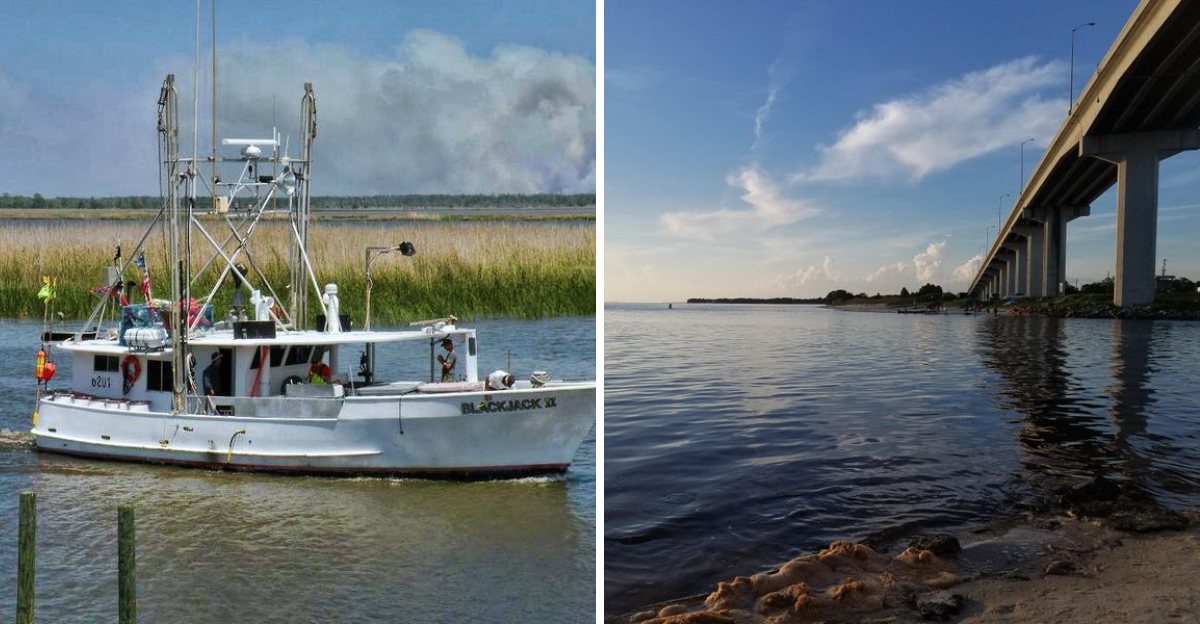
Tucked along the Forgotten Coast of Florida’s panhandle, Apalachicola is a small fishing village where time seems to move at its own unhurried pace.
This historic town sits on the shores of Apalachicola Bay, an inlet of the Gulf of Mexico, and has been famous for its oyster harvests and maritime heritage for generations.
With a population of just over 2,300 residents, Apalachicola offers travelers an authentic glimpse into Old Florida, complete with weathered docks, shrimp boats bobbing in the harbor, and streets lined with Victorian-era buildings that whisper stories of the past.
Visitors are drawn here not for theme parks or crowded beaches, but for the chance to experience a genuinely laid-back atmosphere where fresh seafood, natural beauty, and Southern hospitality create an unforgettable escape from the modern world.
Historic Downtown Architecture and Charm
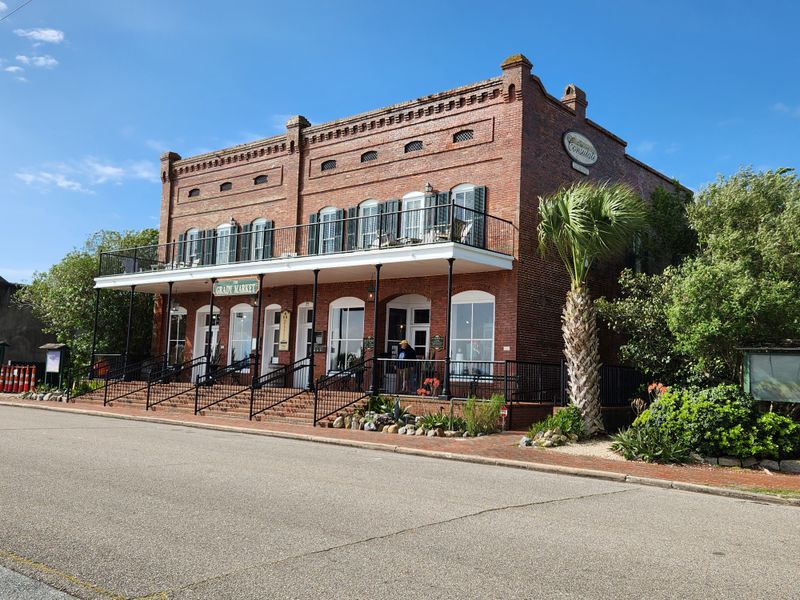
Walking through downtown Apalachicola feels like stepping into a living museum where every building has a tale to tell.
The historic district showcases beautifully preserved 19th-century architecture, with brick facades, wrought-iron balconies, and colorful awnings that create a postcard-perfect streetscape.
Many of these structures date back to the 1800s when Apalachicola thrived as one of the busiest cotton ports in the Gulf of Mexico.
Today, these historic buildings house charming boutiques, antique shops, art galleries, and cozy cafes that invite leisurely exploration.
The unhurried pace of life here encourages visitors to slow down and appreciate the architectural details that make each storefront unique.
Unlike bustling tourist destinations, downtown Apalachicola maintains an authentic small-town atmosphere where locals greet visitors with genuine warmth.
You can spend hours wandering the tree-shaded streets, discovering hidden courtyards and reading historical markers that explain the town’s fascinating past.
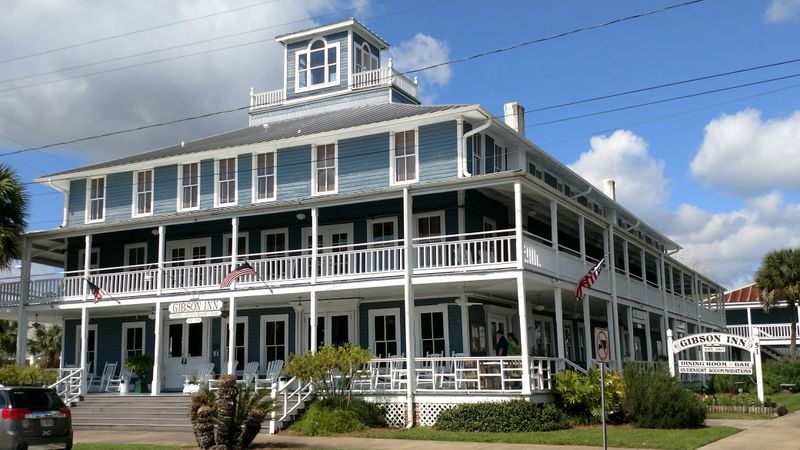
The Gibson Inn, built in 1907, stands as the crown jewel of the historic district with its wraparound porches and Victorian elegance.
Art lovers will appreciate the numerous galleries showcasing works by local artists inspired by coastal landscapes and maritime traditions.
The relaxed vibe extends to the shopping experience, where there’s never pressure to buy and store owners are happy to chat about local history.
Evening strolls become even more magical when the streetlights cast a golden glow on the old buildings, creating an atmosphere of timeless tranquility.
This commitment to preservation means that Apalachicola’s downtown remains refreshingly free from chain stores and modern development that might compromise its historic character.
World-Famous Oyster Culture and Seafood
Apalachicola Bay produces some of the most celebrated oysters in the entire United States, earning the town its reputation as the oyster capital of Florida.
For over 150 years, oystermen have worked these pristine waters, harvesting the plump, briny mollusks that have become synonymous with the region’s identity.
The unique combination of freshwater from the Apalachicola River mixing with Gulf saltwater creates the perfect environment for oysters to develop their distinctive flavor.
Visitors can taste this heritage at numerous waterfront restaurants where oysters are served raw, steamed, fried, or baked with creative toppings.
The annual Florida Seafood Festival, held each November, celebrates this maritime bounty with oyster-shucking competitions, seafood tastings, and live music.
Beyond oysters, local menus feature incredibly fresh shrimp, grouper, mullet, and blue crabs pulled straight from nearby waters.
Many restaurants maintain a casual, no-frills atmosphere where the focus remains squarely on the quality of the seafood rather than fancy presentations.
You might find yourself sitting at a picnic table overlooking the water, cracking crab legs while pelicans glide past at eye level.
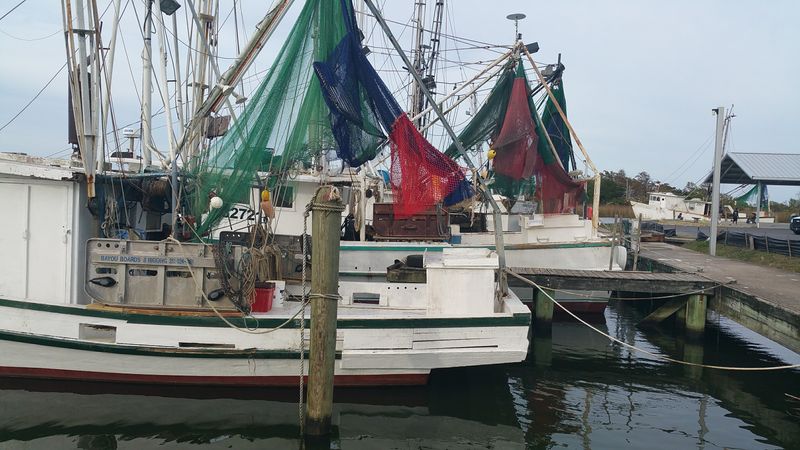
The town’s seafood processing facilities and working docks remind visitors that this is an authentic fishing community, not a manufactured tourist attraction.
Local oystermen still use traditional tonging methods, standing in shallow boats and pulling oysters from the bay bottom with long-handled tools.
This connection to sustainable harvesting practices helps preserve both the ecosystem and the cultural traditions that define Apalachicola.
Sampling the local oysters isn’t just about eating; it’s about participating in a culinary tradition that stretches back through generations of families who have made their living from these waters.
Apalachicola Bay and Waterfront Views
The expansive waters of Apalachicola Bay define the rhythm and character of this coastal community in ways both practical and poetic.
This shallow estuary system, protected by a chain of barrier islands, creates calm waters that shimmer with changing colors throughout the day.
At sunrise, the bay glows with soft pinks and oranges that reflect off the glassy surface, while sunsets paint the western sky in dramatic purples and golds.
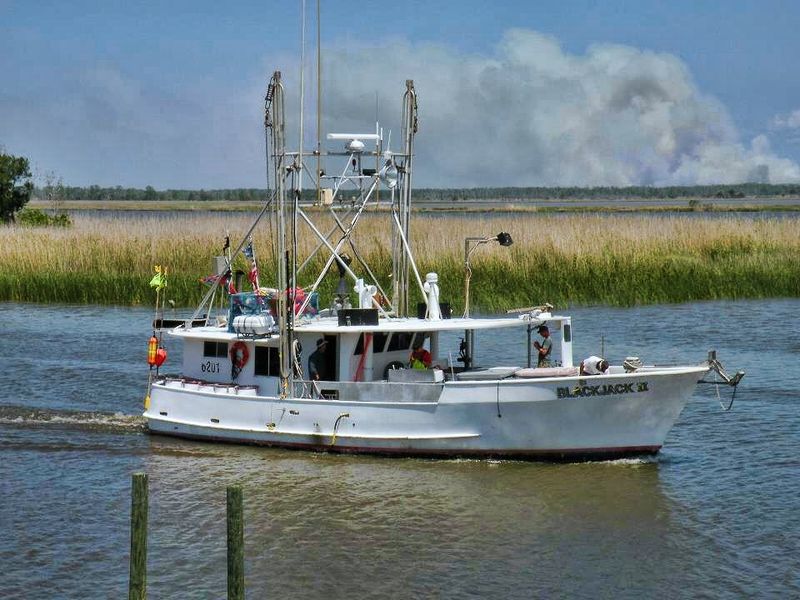
The waterfront becomes a natural gathering place where locals and visitors alike pause to watch shrimp boats heading out for the day’s catch or returning with holds full of seafood.
Numerous public access points allow visitors to sit on benches or stand at the water’s edge, breathing in the salty air and watching dolphins surface in the distance.
The bay’s ecological importance cannot be overstated, as it serves as a nursery for countless fish species and supports the thriving seafood industry.
Birdwatchers will delight in the variety of species that feed in these rich waters, from elegant herons to diving pelicans and soaring ospreys.
The gentle lapping of waves against wooden pilings creates a soothing soundtrack that seems to slow down time itself.
Unlike crowded beach destinations, Apalachicola’s waterfront maintains a working-class authenticity, with commercial fishing operations existing alongside recreational enjoyment.
You can watch skilled workers mending nets, unloading catches, and maintaining vessels that have served their families for decades.
The bay’s relatively undeveloped shoreline means that natural beauty takes precedence over resort development and high-rise condominiums.
This commitment to preserving the waterfront’s character ensures that Apalachicola remains a place where the connection between people and water feels immediate and genuine.
St. George Island and Pristine Beaches
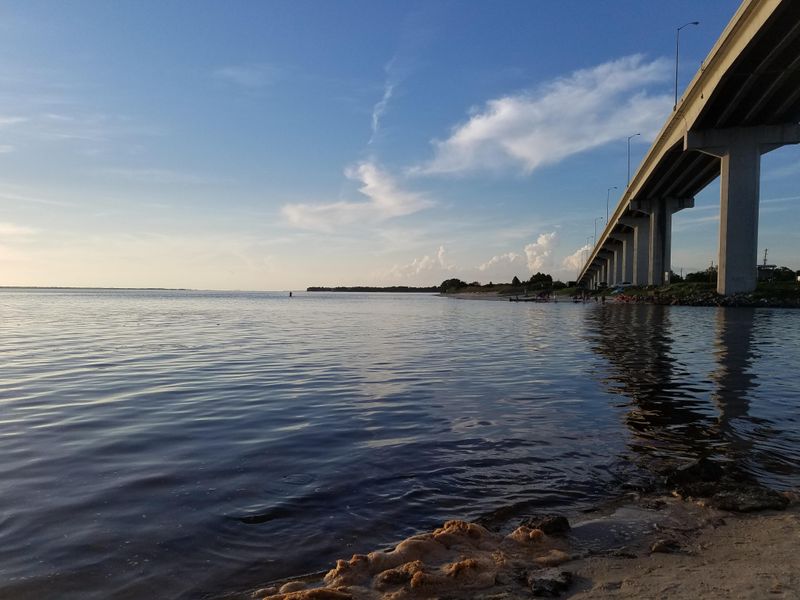
Just a short drive across the John Gorrie Memorial Bridge lies St. George Island, a barrier island paradise that embodies the unspoiled beauty of Florida’s Forgotten Coast.
This 22-mile-long island features some of the most pristine and uncrowded beaches in the entire state, with sugar-white sand and emerald-green waters.
Unlike commercialized beach towns, St. George Island maintains a refreshingly low-key atmosphere with no high-rise hotels or neon-lit boardwalks.
The island’s eastern end is protected as Dr. Julian G. Bruce St. George Island State Park, offering nine miles of undeveloped beachfront where nature reigns supreme.
Visitors can spend entire days beachcombing for shells, watching ghost crabs scuttle across the sand, or simply lounging under an umbrella with a good book.
The shallow, gentle surf makes these beaches particularly appealing for families with young children who want to play safely in the waves.
Sea oats wave in the breeze atop sandy dunes, and shorebirds leave delicate tracks along the water’s edge at dawn.
The island’s permanent population remains small, which means that even during peak season, you can often find stretches of beach where you’re the only person in sight.
Swimming, kayaking, paddleboarding, and fishing are popular activities, all conducted at a pace that matches Apalachicola’s laid-back philosophy.
The lack of commercial development means that nights on the island are exceptionally dark, perfect for stargazing or watching the moon rise over the Gulf.
Many visitors make St. George Island a day trip from Apalachicola, packing a cooler with local seafood and spending hours enjoying the natural beauty.
This easy access to unspoiled beaches adds another dimension to Apalachicola’s appeal as a destination for travelers seeking authentic coastal experiences.
The John Gorrie Museum State Park

At 46 Sixth Street in downtown Apalachicola, a small museum honors one of the town’s most remarkable residents and his world-changing invention.
Dr. John Gorrie, a physician who practiced in Apalachicola during the 1800s, invented mechanical refrigeration and is considered the father of air conditioning.
His revolutionary work began as an attempt to cool the rooms of his yellow fever patients, leading to a patent for an ice-making machine in 1851.
The museum showcases a replica of his ice machine along with exhibits explaining how his invention transformed medicine, food preservation, and eventually modern life itself.
This modest facility offers visitors a fascinating glimpse into 19th-century medical practices and the innovative spirit that thrived in this small coastal town.
Gorrie’s story resonates particularly well in Florida’s hot climate, where air conditioning has made modern development possible.
The museum’s intimate size means you can explore the entire collection in about an hour, making it a perfect addition to a downtown walking tour.
Informative displays explain the scientific principles behind refrigeration in accessible language that both adults and children can understand.
The park grounds surrounding the museum provide a shaded spot to rest and reflect on how one person’s curiosity and determination changed the world.
Visiting this museum reinforces the sense that Apalachicola has always been a place where resourceful people find creative solutions to challenges.
The admission fee is remarkably modest, and the knowledgeable staff members are happy to answer questions and share additional stories about Gorrie’s life.
This attraction perfectly captures the town’s character by celebrating intellectual achievement and historical significance without any pretension or over-commercialization.
Apalachicola River and Estuarine System
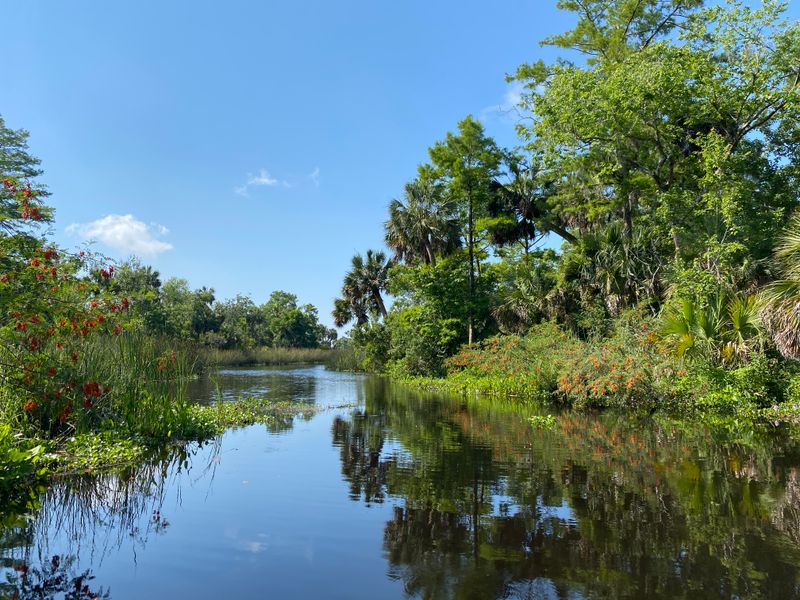
The mighty Apalachicola River flows southward from the Georgia border, carrying freshwater through diverse ecosystems before emptying into the bay that bears the same name.
This river system serves as the lifeblood of the region, nourishing wetlands, forests, and the productive estuary that supports the famous oyster beds.
The mixing zone where river meets bay creates a brackish environment rich in nutrients, making it one of the most biologically productive areas in North America.
Kayakers and canoeists can explore quiet tributaries and backwater channels where cypress trees draped with Spanish moss create cathedral-like settings.
The river’s floodplain forests provide critical habitat for countless species, including endangered ones like the Gulf sturgeon that migrate upstream to spawn.
Wildlife enthusiasts might spot alligators sunning on muddy banks, river otters playing in the current, or bald eagles perched in towering trees.
The Apalachicola River’s importance extends beyond ecology to include history, as it once served as a major transportation route for cotton and other goods.
Steamboats once churned these waters regularly, connecting inland plantations to the port at Apalachicola and the wider world beyond.
Today, the river offers recreational opportunities like fishing for bass, catfish, and bream in waters that remain remarkably clean and healthy.
The relatively undeveloped riverbanks mean that paddling here feels like a journey into wilderness, despite being just minutes from town.
Conservation efforts work to protect this watershed from upstream threats, recognizing that the river’s health directly impacts Apalachicola’s economy and way of life.
Experiencing the river helps visitors understand why this community feels so connected to natural rhythms and seasonal changes in the environment.
Small-Town Festivals and Community Events
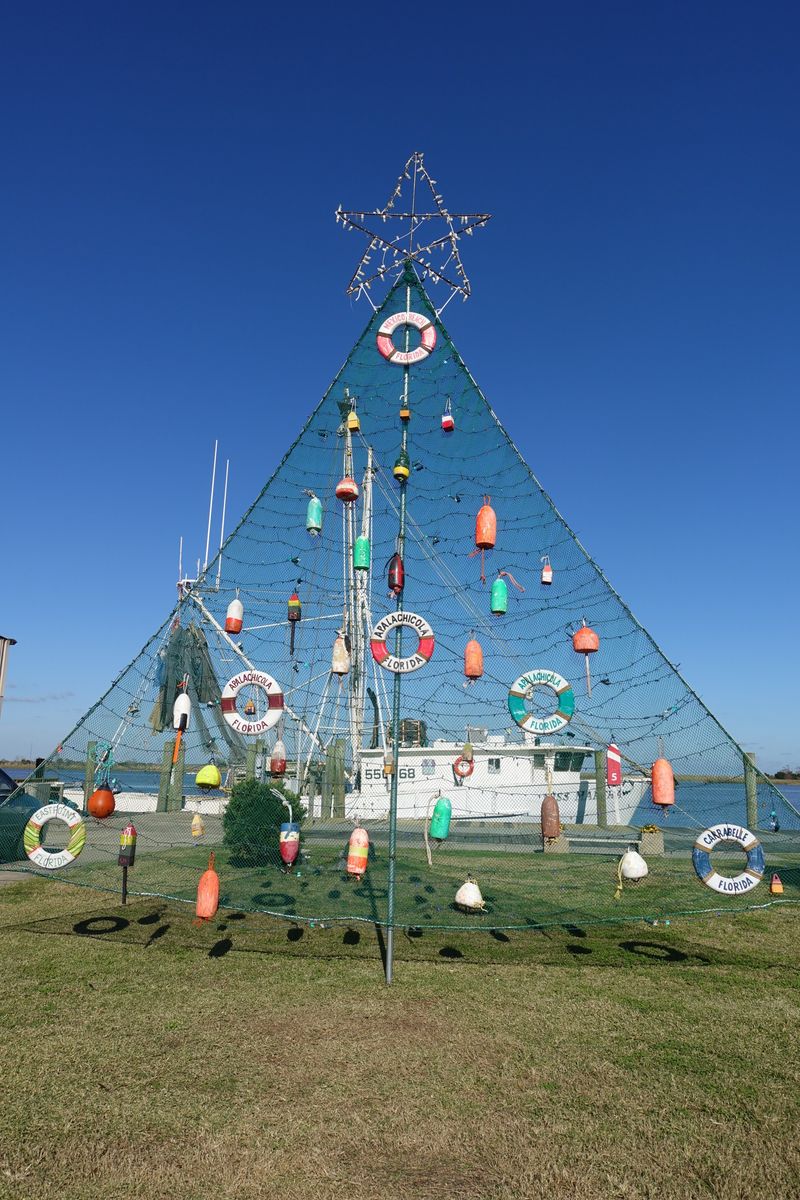
Throughout the year, Apalachicola hosts festivals and community gatherings that showcase the town’s friendly spirit and cultural traditions.
The Florida Seafood Festival, established in 1963, ranks as the oldest maritime event in Florida and draws thousands of visitors each November.
This beloved celebration features oyster-eating and shucking contests, a blessing of the fleet, arts and crafts vendors, and plenty of opportunities to sample local seafood prepared in traditional ways.
Live music fills the air throughout the festival weekend, with stages featuring everything from blues and country to rock and folk performers.
The event maintains a wonderfully unpretentious atmosphere where locals and visitors mingle freely, sharing picnic tables and swapping stories about the best way to prepare grouper.
Beyond the seafood festival, the town hosts art walks, holiday parades, fishing tournaments, and other events that bring the community together.
These gatherings never feel overly commercialized or manufactured for tourist consumption; instead, they reflect genuine community pride and hospitality.
Attending a local event provides insight into the values and traditions that make Apalachicola special, from the importance of sustainable fishing to the appreciation for local artists.
The intimate scale of these festivals means you might find yourself chatting with the mayor, a fourth-generation oysterman, or an artist whose gallery you visited earlier.
This accessibility and authenticity create memorable experiences that large-scale tourist events simply cannot replicate.
Even during quieter months, you might stumble upon a fish fry at the local church or a farmers market where vendors sell fresh produce and homemade preserves.
These community touchpoints reinforce the sense that Apalachicola remains a real town where people live year-round, not just a seasonal destination that empties out after tourist season ends.
Maritime Heritage and Working Waterfront
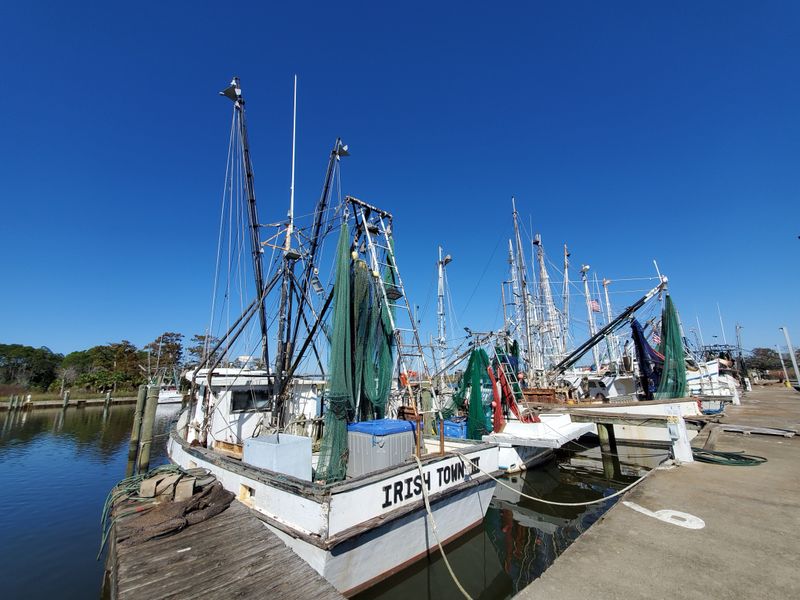
Apalachicola’s identity remains deeply rooted in its maritime traditions, and the working waterfront serves as a constant reminder of this heritage.
Commercial fishing vessels line the docks, their nets hanging to dry and diesel engines rumbling as crews prepare for another day on the water.
This is not a sanitized, theme-park version of fishing culture but the real thing, complete with the smell of fish, the cries of gulls, and the weathered faces of people who make their living from the sea.
The Apalachicola Maritime Museum works to preserve and share this heritage through exhibits, educational programs, and special events that honor local traditions.
Visitors can learn about the evolution of boat-building techniques, the importance of sustainable harvesting practices, and the family dynasties that have fished these waters for generations.
The sight of shrimp boats heading out before dawn, their outrigger nets folded against the sky, creates iconic silhouettes that photographers and artists never tire of capturing.
Ice houses, seafood processing facilities, and net repair shops operate alongside restaurants and galleries, creating a authentic mixed-use waterfront.
This integration of commerce and culture means that visitors experience a living, breathing community rather than a carefully curated tourist district.
The challenges facing the fishing industry, from environmental changes to regulatory pressures, are openly discussed by locals who remain committed to their way of life.
Supporting local seafood restaurants and purchasing from local vendors becomes a way for visitors to contribute to the preservation of these maritime traditions.
The pride that fishermen take in their work is evident in the well-maintained vessels and the careful attention they give to sustainable practices.
This commitment to heritage ensures that Apalachicola will continue to be a genuine fishing village rather than transitioning into just another beach resort town.
Charming Bed and Breakfasts and Inns
Accommodations in Apalachicola tend toward the intimate and historic, with charming bed and breakfasts housed in beautifully restored Victorian homes.
These establishments offer personalized hospitality that chain hotels simply cannot match, with innkeepers who know the area intimately and love sharing recommendations.
Waking up in a room filled with antique furnishings, then enjoying a homemade breakfast on a wraparound porch, sets the perfect tone for a relaxing day.
Many of these historic properties feature original architectural details like heart-pine floors, pressed-tin ceilings, and fireplaces that add character and warmth.
The Gibson Inn, located at 51 Avenue C, stands as the most iconic lodging option, offering old-world elegance with modern comforts in a building that has welcomed guests since 1907.
Smaller bed and breakfasts throughout the historic district provide equally memorable experiences, often with just a handful of rooms that ensure quiet and privacy.
Staying in these intimate properties helps visitors feel more connected to the community and its history than they would in a generic hotel room.
Innkeepers often prepare breakfast using local ingredients, including fresh-caught seafood, farm eggs, and seasonal produce from nearby growers.
Evening hours might include wine and cheese on the porch, where guests can swap stories about their day’s adventures and get tips for tomorrow’s explorations.
The slower pace and personal attention found at these establishments perfectly complement Apalachicola’s laid-back atmosphere.
Many properties are within easy walking distance of downtown shops, restaurants, and the waterfront, making a car unnecessary once you’ve arrived.
This style of accommodation reinforces the feeling that visiting Apalachicola is about stepping away from the hectic modern world and embracing a more gracious, unhurried way of experiencing travel.
Natural Surroundings and Wildlife Watching
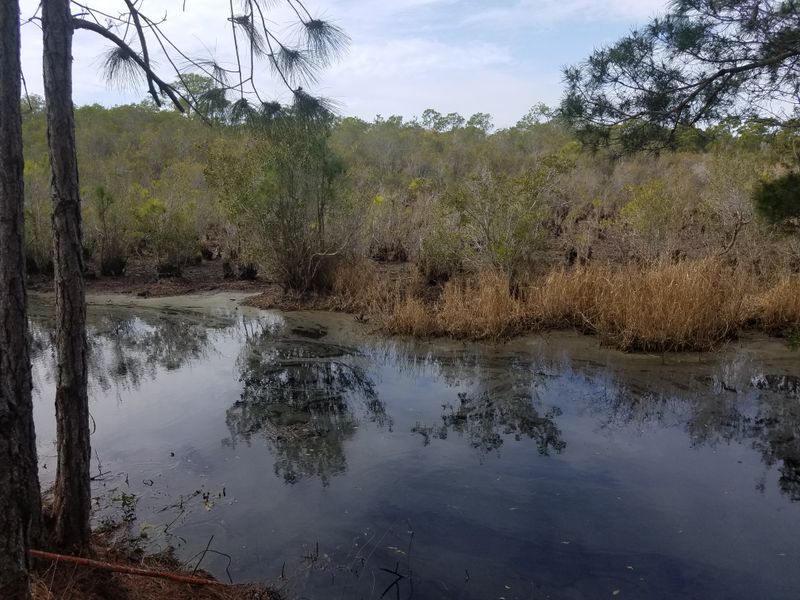
Beyond the town’s historic streets and working waterfront, Apalachicola is surrounded by remarkable natural environments that attract nature lovers and wildlife enthusiasts.
The Apalachicola National Forest, the largest national forest in Florida, lies just north of town and encompasses over 600,000 acres of diverse habitats.
Hiking trails wind through longleaf pine forests, past sinkholes and wetlands where rare plants and animals thrive in protected wilderness.
Birdwatchers can add numerous species to their life lists, as the region serves as an important stopover for migratory birds traveling along the Gulf Coast.
The nearby barrier islands and coastal marshes provide nesting habitat for sea turtles, shorebirds, and wading birds that feed in the nutrient-rich shallows.
Dolphin sightings are common from shore or boat, as pods of bottlenose dolphins regularly patrol the bay in search of fish.
During certain seasons, manatees enter the warmer waters of the river system, and lucky observers might spot these gentle giants surfacing to breathe.
The area’s relative lack of development means that wildlife encounters feel authentic and unforced, happening on the animals’ terms rather than in controlled viewing areas.
Photographers will find endless subjects, from dramatic landscapes to intimate portraits of herons stalking prey in shallow water.
The changing seasons bring different opportunities, whether watching monarch butterflies migrate through in autumn or seeing wildflowers carpet forest clearings in spring.
Local guides offer eco-tours that help visitors understand the complex relationships between freshwater, saltwater, and terrestrial ecosystems.
This abundance of natural beauty reminds visitors that Apalachicola’s laid-back character stems partly from its close connection to the rhythms and wonders of the natural world.
Dear Reader: This page may contain affiliate links which may earn a commission if you click through and make a purchase. Our independent journalism is not influenced by any advertiser or commercial initiative unless it is clearly marked as sponsored content. As travel products change, please be sure to reconfirm all details and stay up to date with current events to ensure a safe and successful trip.
