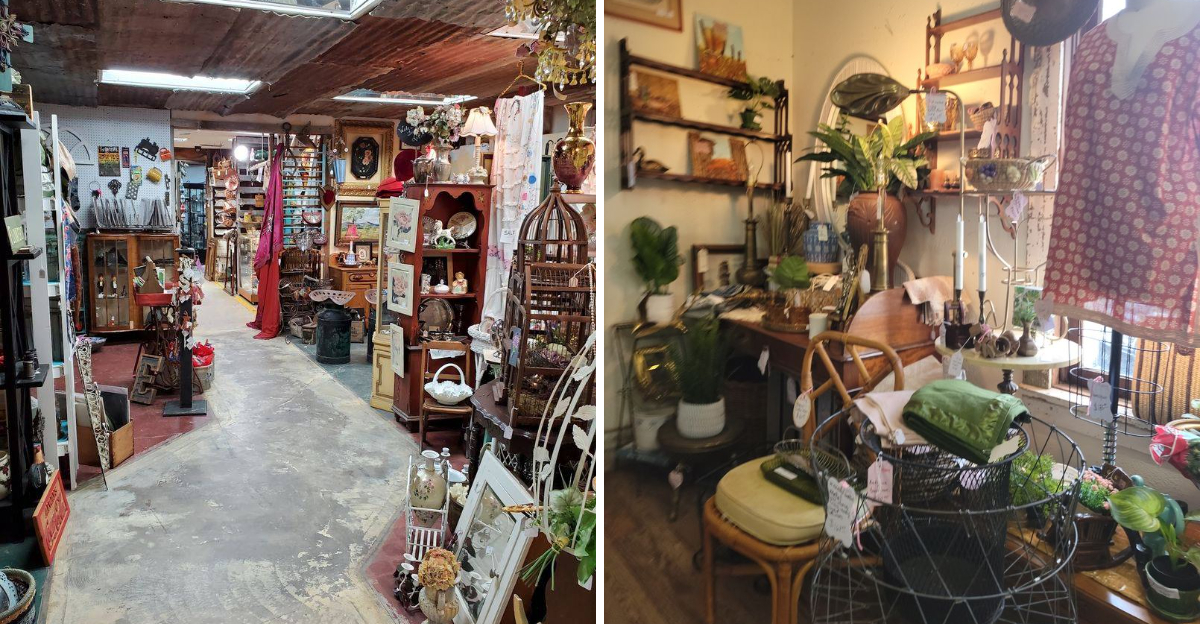
There are stores where you browse neatly arranged shelves, and then there are antique malls where every few feet your brain goes, “Wait, what is THAT?”
This Texas treasure hunt is firmly in the second category, with vintage furniture, collectibles, artwork, décor, and assorted finds filling a longtime shopping spot just off a historic town square.
The fun is not arriving with a perfectly organized shopping list, because half the point is discovering something wonderfully unnecessary that somehow becomes impossible to leave behind.
Antique hunting in Texas can require patience, curiosity, and a healthy willingness to inspect one more corner before heading for the door, and this is exactly the sort of place where “one quick look” has very little chance of remaining quick.
A Big Plain Building Hiding A Maze Of Booths
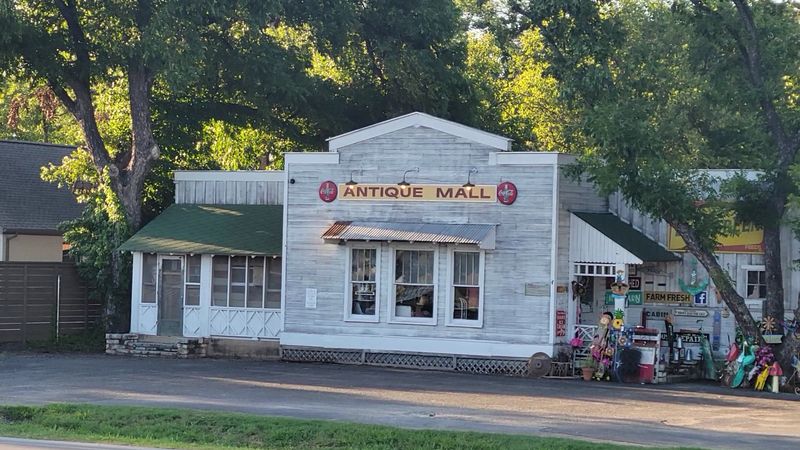
From the parking lot, the building gives away almost nothing. It reads as practical, roomy, and a little industrial, the kind of place you might drive past twice.
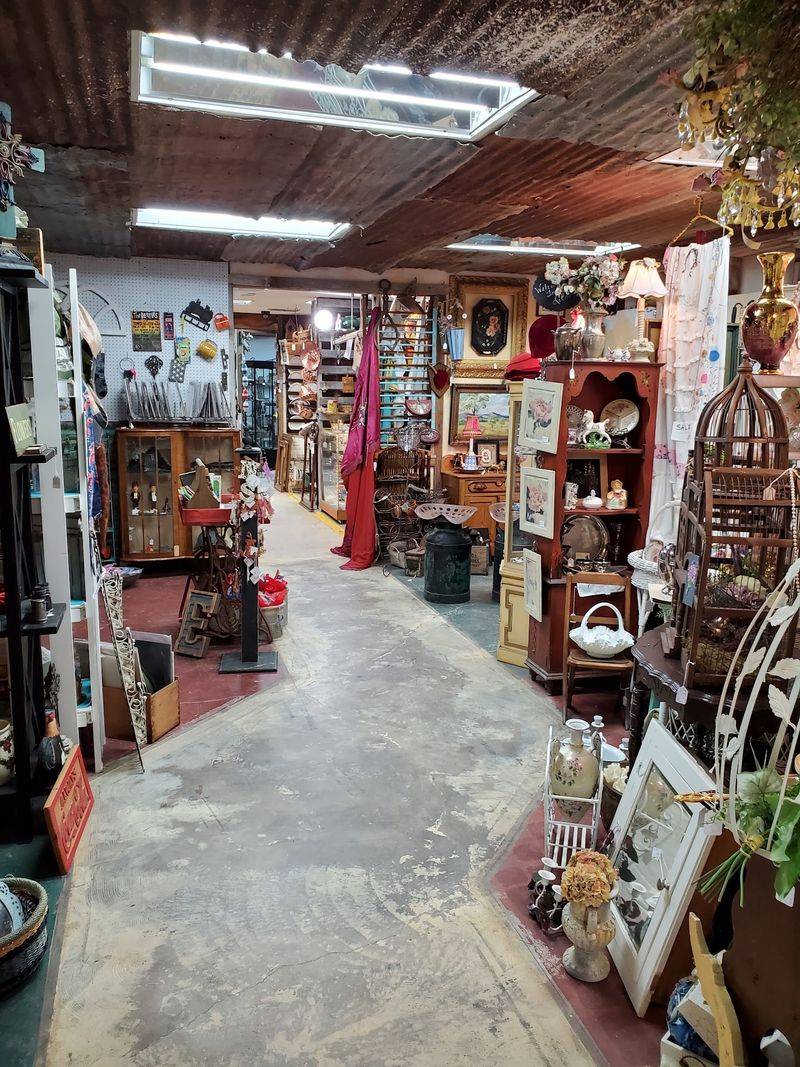
Push through the door and the scale changes fast. Aisles branch off in several directions, and over fifty-two separate vendors have carved the interior into small shops, each with its own look and logic.
Some booths lean farmhouse, with chipped white paint and enamelware. Others go full mid-century, with clean wooden lines and lamps that would look right in a 1962 living room.
What makes the layout work is the pathways. Shelves climb high, but the walkways stay clear enough that browsing never turns into a squeeze-and-shuffle situation.
Vendors clearly care about presentation here. Items are grouped by color, era, or theme instead of tossed together, which means eyes can actually rest on something instead of scanning noise.
Practical tip for first-timers: pick one direction and commit to it. Zigzagging across the mall guarantees missing entire sections, and the sections are worth finding.
The mall has been part of Granbury since 1996, which explains the settled, unhurried feeling in the air. Nothing about it feels staged for tourists.
Anyone who enjoys treasure hunting will appreciate that the inventory rotates constantly, so a repeat visit rarely looks like the last one. Two trips in the same season can feel like two different stores.
Bring patience and comfortable shoes, because a proper look at every booth takes real time.
Glass That Catches Light In Every Direction
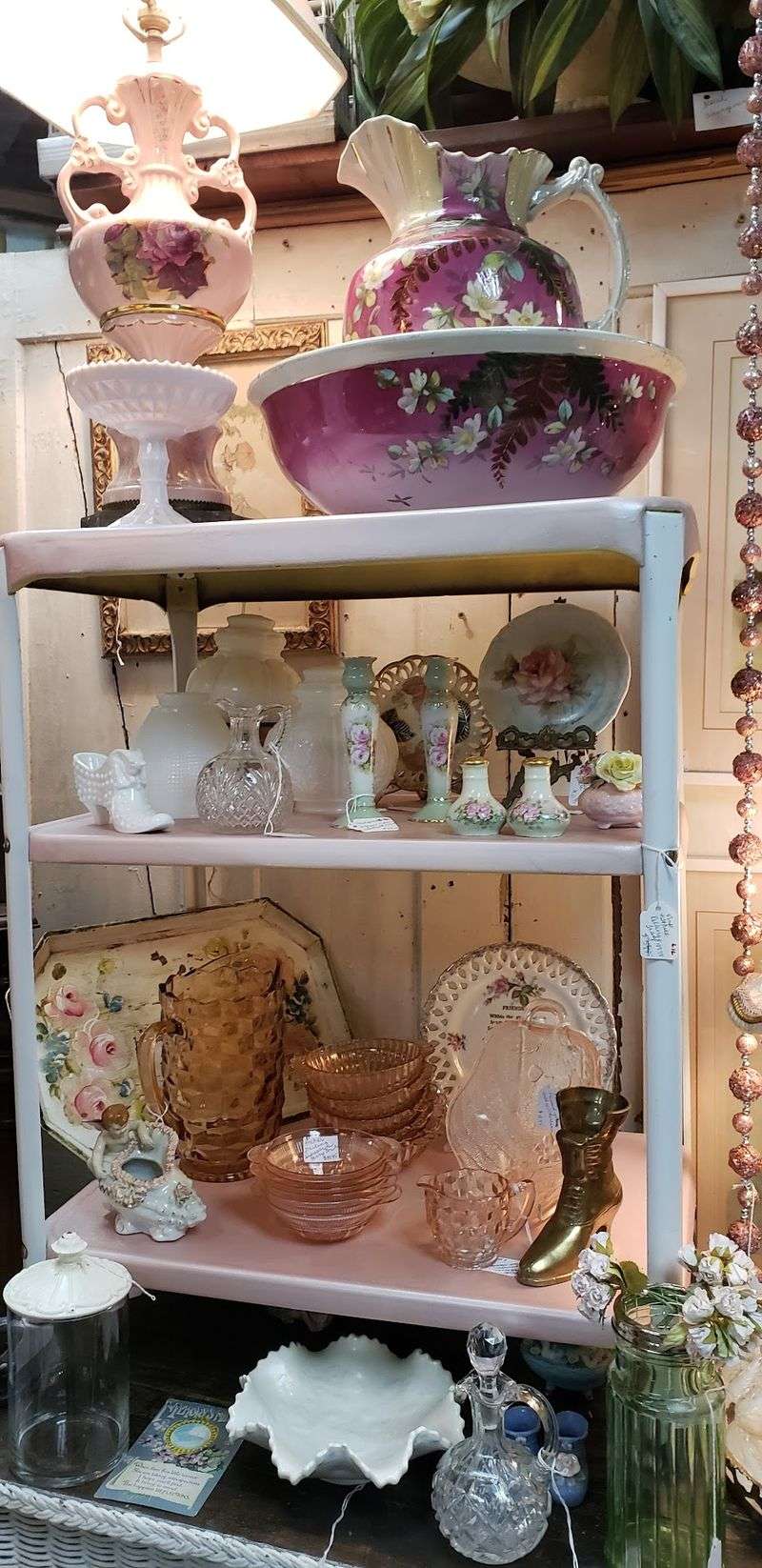
Collectible glass might be the loudest quiet thing in the whole building. Pink and green Depression glass lines the shelves, and when the store lights hit it, whole rows seem to glow.
Carnival glass turns up too, with that oily shimmer that shifts between orange, purple, and gold depending on where a person stands. Carnival glass lamps have appeared here, and they stop foot traffic cold.
Cake stands, juice pitchers, sherbet dishes, small candy bowls. Whole sets sit beside lonely single pieces waiting to be adopted.
A useful trick when shopping glass: run a fingertip gently along the rim to check for tiny chips, since damage hides better than expected under bright lighting. Hold pieces up toward a light source to spot hairline cracks.
Depression glass earned its name honestly, handed out free inside flour sacks and oatmeal boxes during the 1930s to encourage sales. Something meant as a giveaway now sits behind careful displays, which is a fun bit of history to carry around while browsing.
Collectors tend to hunt specific patterns, and the mix here rewards that kind of focus. Casual shoppers usually just grab whatever color makes them happy.
Glass also makes a smart souvenir choice for travelers, because a single tumbler or small dish packs easily and costs less to carry home than furniture.
Wrap anything fragile in a jacket for the drive, then unwrap it slowly at home. Half the joy is that second look.
Lace, Linens, And Postcards From Somebody’s Attic

Softer treasures hide in the corners where fabric and paper live. Antique lace shows up folded into neat squares, sometimes yellowed at the edges, sometimes bright as the day it was stitched.
Embroidered pillowcases, hand-hemmed tablecloths, and doilies with impossibly small stitching sit in stacks. Somebody spent evenings making these by hand, and that thought lingers.
Nearby, boxes of vintage postcards invite slow flipping. Faded skies, old hotels, curly script on the back, messages sent to people whose names now belong entirely to strangers.
Reading postcards is my favorite way to slow down in a shop like this. Even the shortest note carries a small piece of a real day.
For anyone decorating on a budget, linens are a smart entry point. A single embroidered runner changes a plain table instantly and stores flat in a suitcase.
Check fabric near seams and folds, since those spots weaken first. Light stains often lift with gentle soaking, though heavy discoloration usually stays put.
Framing works beautifully here. A piece of antique lace mounted under glass turns into wall art, and a grid of postcards makes a hallway feel like a travel scrapbook.
Crafters raid these bins for scraps, while collectors chase specific towns or printing styles. Both leave satisfied.
Prices on paper goods tend to be gentle, which makes this section low-risk browsing. Grabbing a handful of postcards is an easy yes.
Take the time to sort. Patience pays off in the paper aisles.
Lamps, Furniture, And Mid-Century Finds Worth The Trunk Space
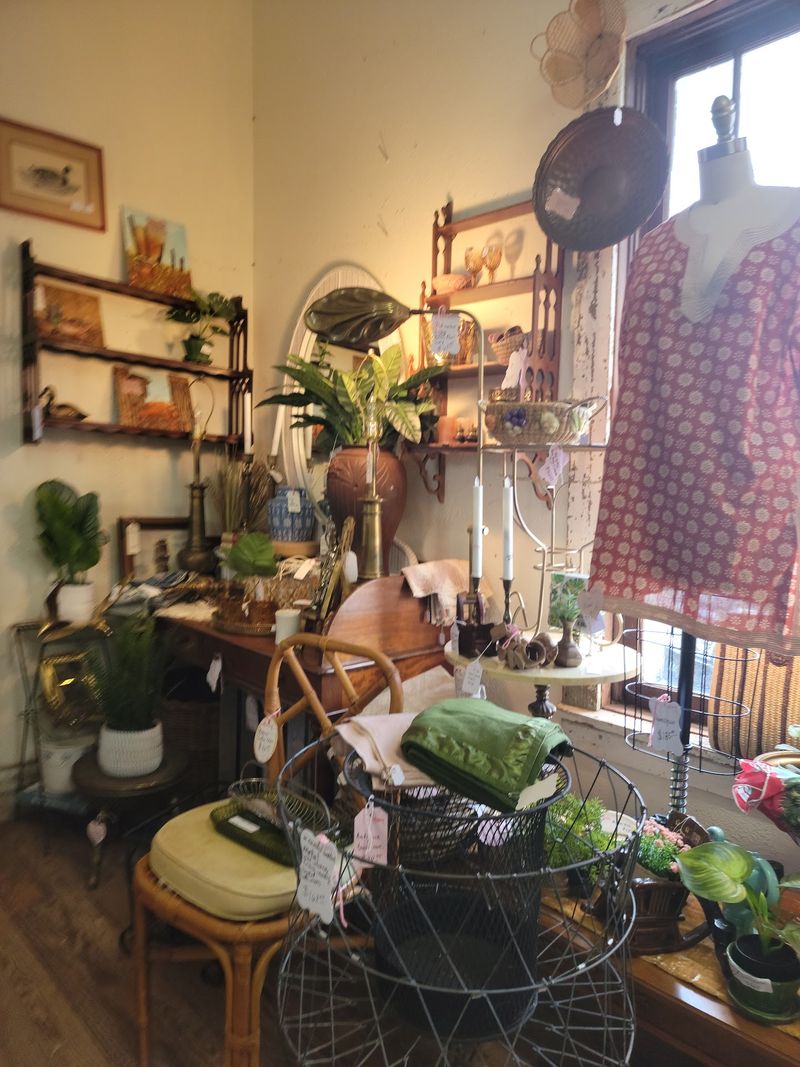
Furniture is where this place gets genuinely dangerous for anyone driving a small car. Mid-century pieces appear regularly, with tapered legs, warm walnut tones, and that low, easy shape people keep chasing.
A vintage Drexel Heritage glass top dining table once passed through here, the kind of piece that makes a room feel intentional. Dressers, side tables, chairs, and cabinets fill out the rest.
Lamps deserve their own mention. Some are heavy ceramic with fabric shades, others are brass and slightly dramatic, and a few are just plain odd in the best way.
Rustic and farmhouse pieces balance the sleeker stuff, so a booth of clean modern lines might sit right beside weathered pine and iron hardware. That contrast keeps the walk interesting.
Practical advice before falling in love with a sideboard: measure the space at home and measure the vehicle. Photos of the room help, and a tape measure in a pocket helps more.
Open every drawer and check that it slides. Wobble chairs gently, because loose joints are fixable but worth knowing about first.
Older furniture often uses solid wood rather than particleboard, which is why so much of it survived decades of moves and kids. Refinishing is possible, though plenty of shoppers prefer keeping the original patina.
Loading help and a blanket in the back make the trip home smoother. Plan ahead and the big finds come home safely.
Old Tools, Primitives, And Folk Art With Working Hands Behind Them
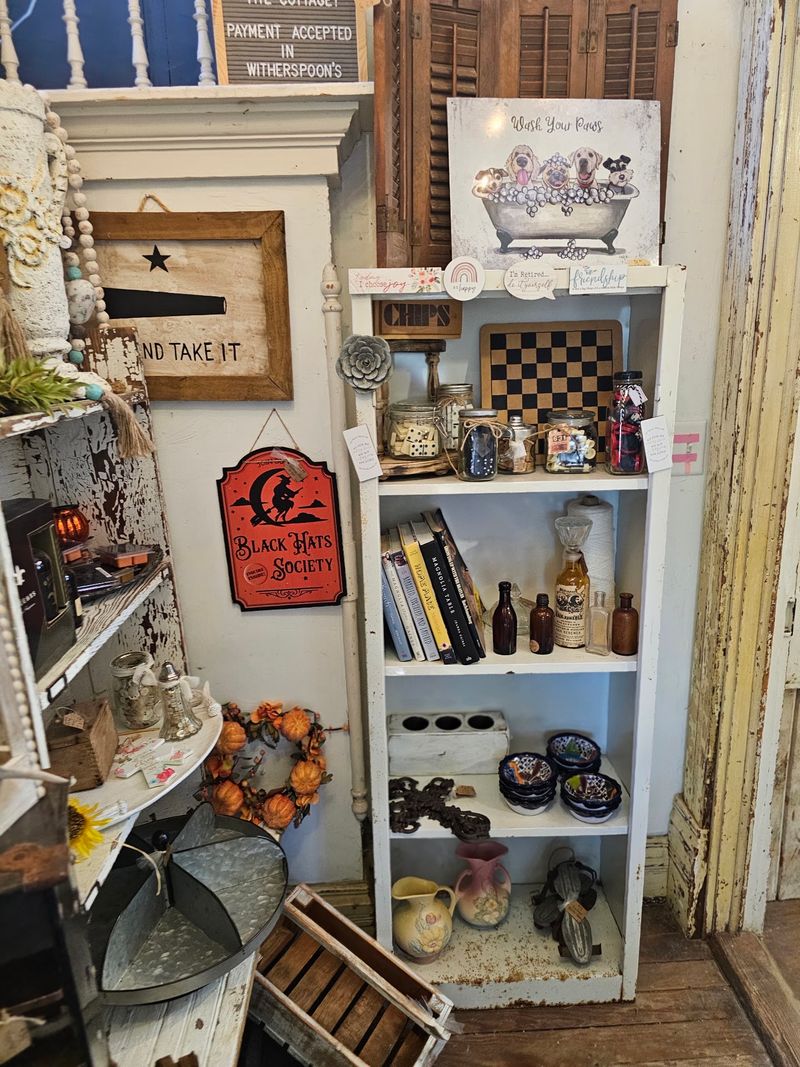
Given the hardware store energy of the space, the tool booths feel especially right. Hand planes, wrenches, saws with wooden handles worn smooth, oil cans, and metal boxes with faded lettering fill shelves and crates.
Primitives sit alongside them, meaning simple handmade objects built for daily use rather than display. Butter paddles, bread boards, buckets, ladders that lean instead of stand.
Folk art turns up in unexpected shapes. Carved figures, painted signs, quirky little sculptures made from whatever material somebody had nearby.
Vintage advertising is a big draw here too. Metal signs, tins, and packaging with bold old typography that graphic designers would happily study for hours.
Rust does not automatically mean ruined. Surface rust on iron often cleans up with steel wool and oil, while deep pitting is a different conversation.
Tools make excellent decor for anyone who likes texture on a wall. A row of old wrenches mounted on wood looks better than most store-bought art.
Woodworkers still buy vintage hand planes and chisels because older steel holds an edge remarkably well. Function and nostalgia in one purchase.
This section carries a different mood than the glass and lace aisles, heavier and more grounded. I found myself picking things up just to feel the weight.
Anyone traveling light should note that tools are dense and heavy, so a single cast iron piece adds up quickly in a suitcase. Choose favorites carefully.
Estate Jewelry, Vintage Clothing, And Small Sparkling Things
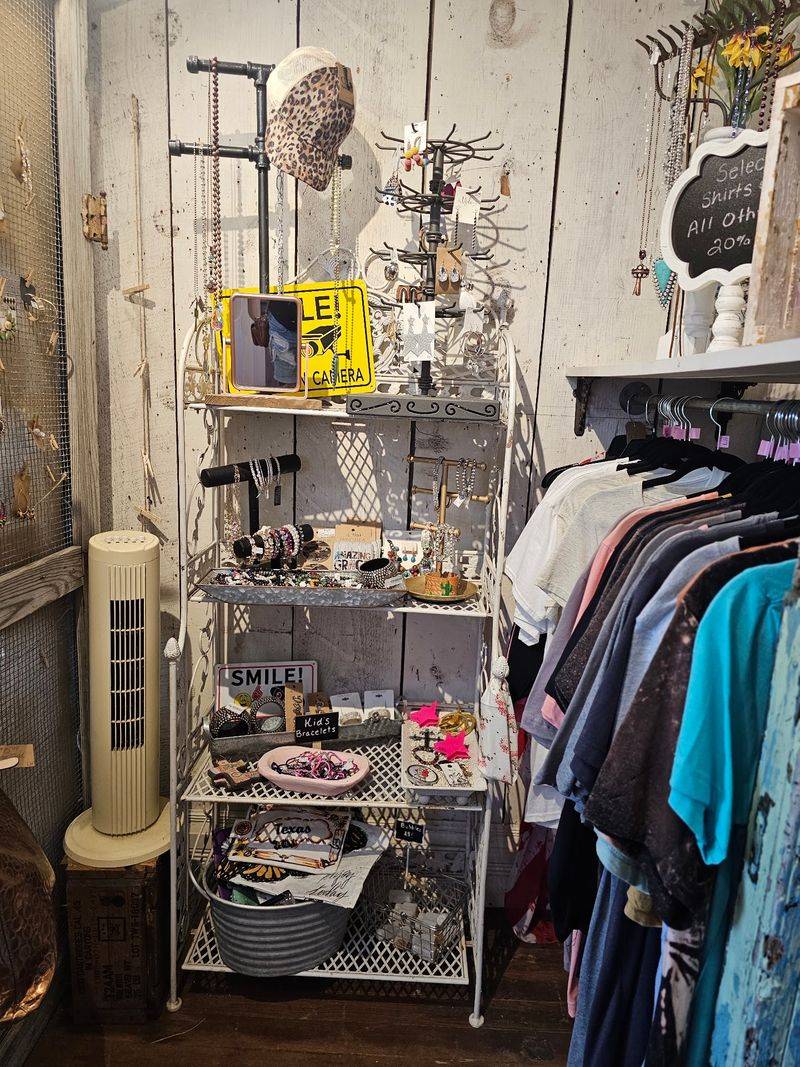
Glass cases near several booths hold the small stuff, and small stuff is often the best souvenir. Estate jewelry fills these cases with brooches, beaded necklaces, clip earrings, and rings that have clearly seen a few decades of parties.
Rhinestones, enamel flowers, chunky mid-century designs. Some pieces are dainty enough to disappear on a wrist, others make a statement across a room.
Vintage clothing hangs nearby, and the range keeps things fun. Western shirts, printed dresses, hats, purses with sturdy clasps and satin linings.
Trying things on is not always possible in a booth setting, so measuring at home first helps enormously. Vintage sizing runs very different from modern labels.
Check zippers, hooks, and underarm seams, since those areas wear out earliest. Small repairs are usually easy, and a tailor can rescue a lot.
Brooches have quietly come back into style, pinned onto jackets, bags, and even hats. Buying one here costs less than most new accessories and comes with actual history attached.
Jewelry travels beautifully, which makes this section ideal for visitors flying in and out of the area. A brooch hidden into a bag weighs nothing.
The mix rotates often, so the cases rarely look identical on a return trip. Repeat visitors have an advantage.
Ask staff to unlock a case for a closer look. Handling a piece tells more than staring through glass ever will.
Steps From The Square That Made Texas History
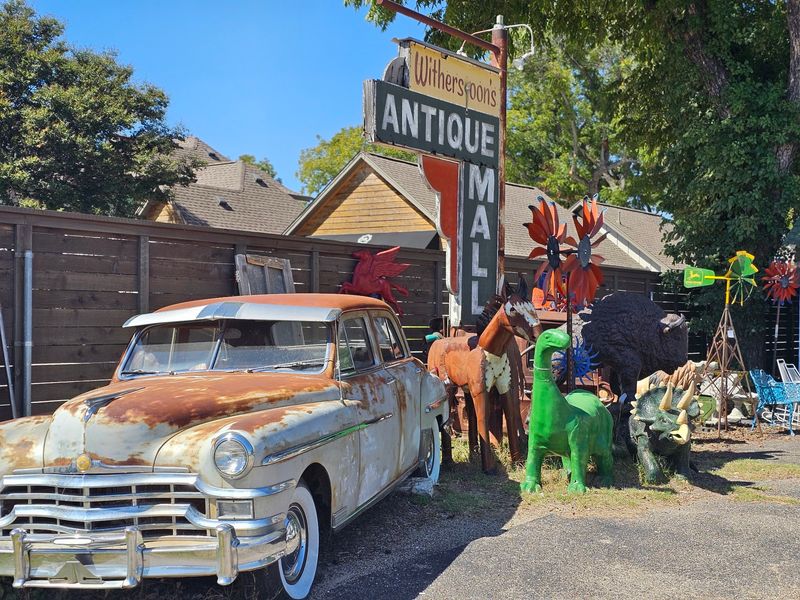
Location does a lot of quiet work for this mall. It sits less than a mile from downtown, just off the Historic Granbury Square, which happens to be the first town square in Texas listed on the National Register of Historic Places.
Buildings ringing the square date to the late 1800s. Pressed tin ceilings, exposed brick, and original hardwood floors survive inside many of them.
Walking the square after browsing the mall makes the whole trip click. Antiques stop feeling like objects and start feeling like leftovers from the town itself.
The mall also sits directly across from the Granbury Convention Center and near Granbury Lake, so parking and orientation stay simple. Anyone attending an event downtown can wander over easily.
My suggestion is to hit the mall first, then the square. That order leaves energy for the treasure hunting, which takes more focus than a stroll.
Lake views nearby give a nice breather between shops. A few minutes of water and sky resets tired eyes.
Granbury has kept much of its old architecture intact rather than replacing it, which is rarer than it should be. That preservation gives the whole area a cohesive, lived-in charm.
Photographers do well here in late afternoon, when limestone facades warm up in the light. Bring a camera and take the long way back.
Combining both stops turns a shopping errand into a proper half-day outing. Worth building a schedule around.
Planning A Visit Without Rushing The Good Part
Timing matters more than most people expect at a place this size. The mall opens seven days a week, Monday through Saturday from 10 am to 5 pm, and Sundays from noon until 5 pm.
Arriving early in the day gives the most breathing room. Late afternoon visits work, though racing the clock through fifty-two booths is not much fun.
Budget at least an hour, and plan on two if collecting is a serious hobby. Every aisle hides something the last aisle did not.
Bring a small notebook or use a phone to jot booth numbers when something catches attention. Backtracking without notes turns into a maze problem fast.
Measure spaces at home before arriving, and keep those numbers handy. Nothing stings like discovering a beautiful cabinet misses fitting by two inches.
Cash and cards both make sense to carry, and reusable bags help with smaller purchases. A blanket in the trunk protects anything fragile on the drive.
Kids usually enjoy the toy, tin, and retro electronics sections, though a gentle reminder about looking rather than grabbing goes a long way.
Since inventory keeps changing, treat a first visit as a scouting trip. Serious shoppers here tend to become regulars, and that is exactly the point.
Collectors, designers, and casual browsers all find footing under this roof, which is a rare balance for one building.
Address: 600 E Pearl St, Granbury, TX 76048
