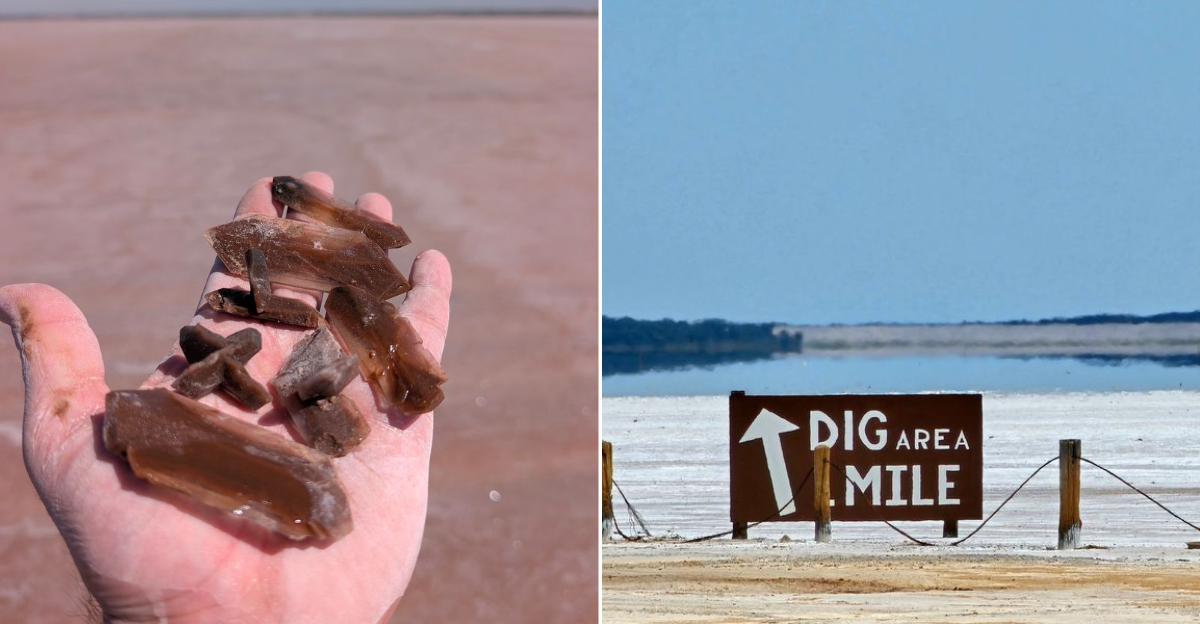
Before the neon lights and fried dough of the state fair take over, there is a quieter kind of adventure waiting in the wide-open spaces of Oklahoma. A vast salt flat, the remnant of an ancient ocean, holds a secret just beneath its crusty surface.
Hidden in the white soil are delicate selenite crystals, each one containing a unique hourglass shape found nowhere else on earth. Families and rockhounds alike grab a shovel and a screen, kneeling in the sun to uncover these natural treasures.
The digging is free, and the thrill of discovery is genuine. For kids, it feels like a real-life treasure hunt.
For adults, it is a chance to connect with a landscape that feels otherworldly. It is the perfect way to spend a late summer day before the fairgrounds fill with crowds and carnival lights.
The Best Time To Go Digging
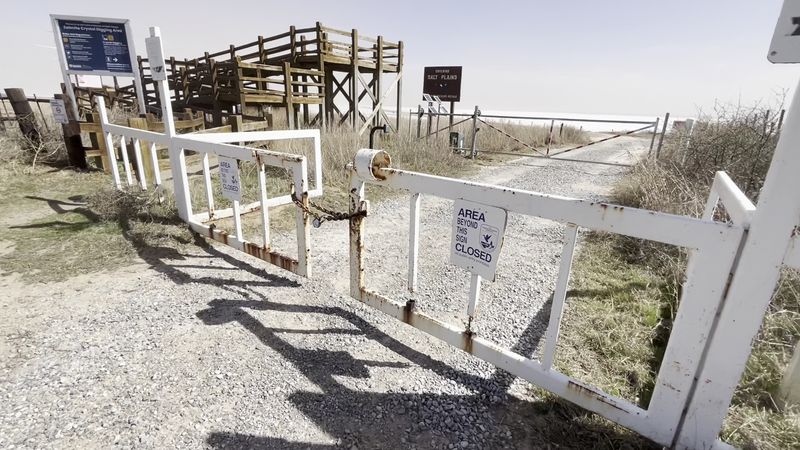
Timing matters here more than almost anything else, because the crystal digging area is not open all year long. The season runs through the warm stretch of spring, summer, and early fall, and during that window you can dig from sunrise all the way until sunset.
The rest of the year it stays closed for a genuinely good reason, since the refuge protects thousands of migratory birds that need the flats left alone. Endangered whooping cranes pass through, along with sandhill cranes and plenty of shorebirds, so the closure is about giving them room rather than keeping people out for fun.
If you are trying to squeeze this in before the state fair rush, you are working right at the tail end of the open season, which is actually pleasant because the heat has usually backed off a little. Morning trips tend to be kinder to everyone involved, especially if you have younger kids who wilt in the sun.
Before you commit to a date, it is smart to check the refuge information for any short-term closures, because weather can flood the digging area and shut it down temporarily. A quick look ahead saves you a long drive across Oklahoma for nothing.
Finding Your Way To The Treasure
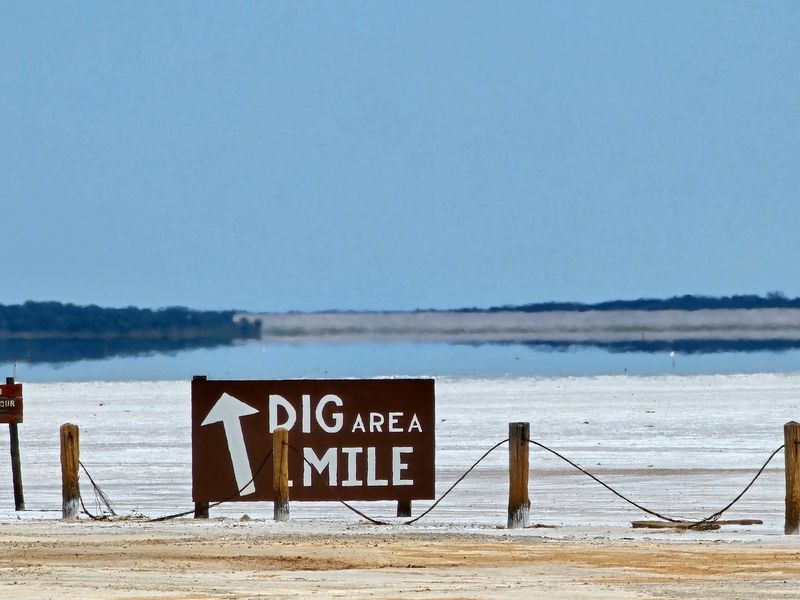
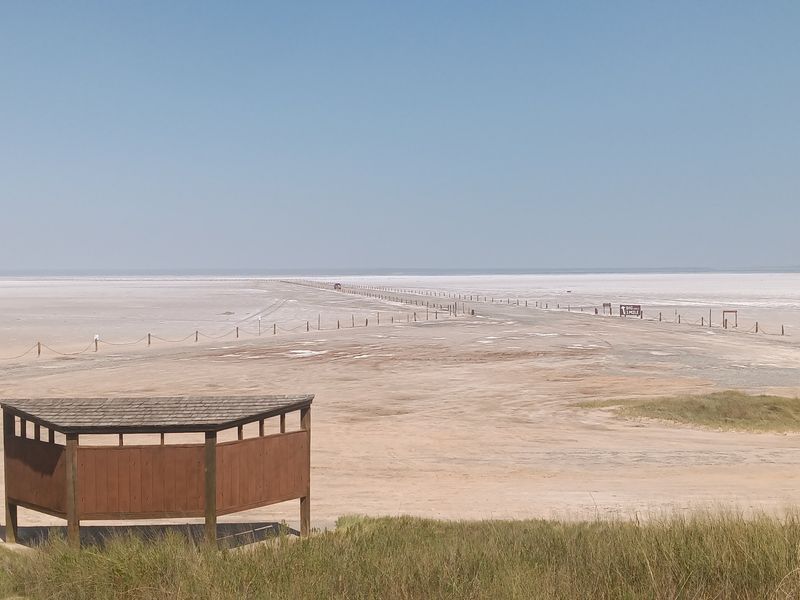
Half the adventure is the drive, because you are heading into a quiet corner of farm country where the roads run straight and the sky feels enormous. The spot you want is the Selenite Crystal Digging Area inside Salt Plains National Wildlife Refuge, and the address to plug into your phone is 66003 Garvin Road, Cherokee, OK 73728.
Once you pass through the main gate, keep rolling for about another mile until you see bright orange signs standing out against all that white ground. Those signs mark the boundaries of where digging is allowed, and staying inside them keeps you legal and keeps the sensitive bird habitat undisturbed.
Cell service can get thin out there, so it is worth pulling up directions before you leave the last town with a signal. Screenshot the route if you are the type who panics when the map stops loading.
The nearest services are back in Cherokee, so top off your gas tank and grab snacks while you have the chance. Once you are standing on the flats, there is nothing between you and the horizon but salt, sky, and whatever you remembered to bring along in the trunk.
What Makes These Crystals So Special
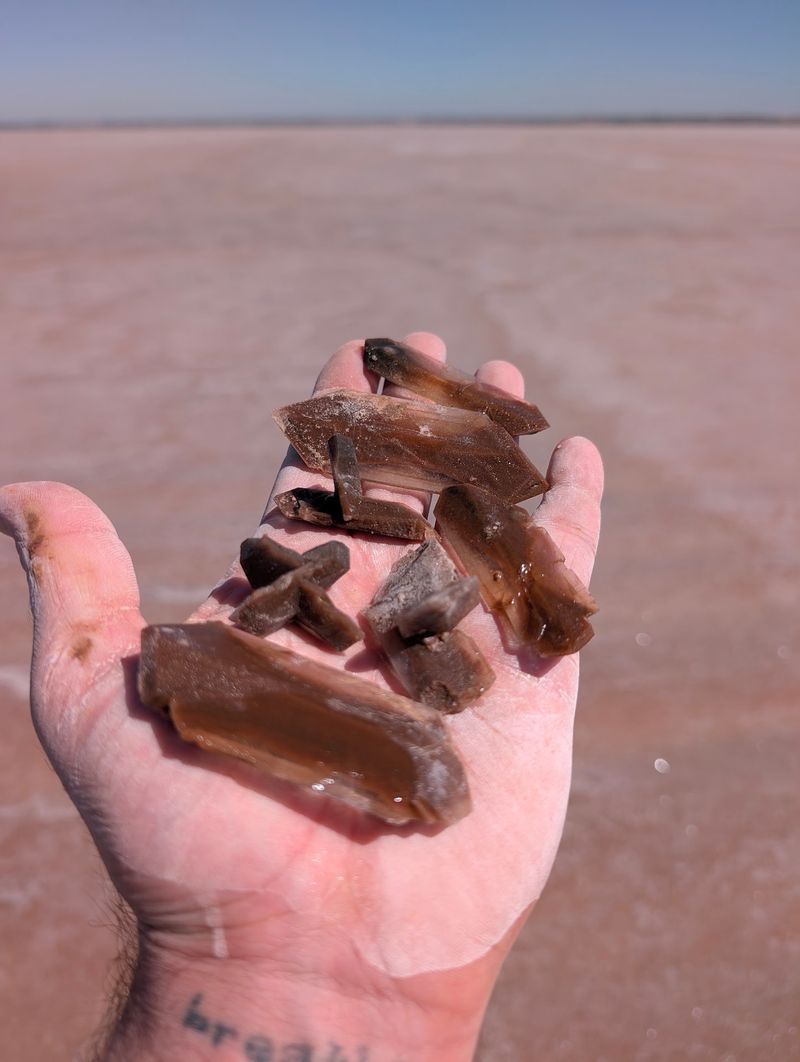
Selenite shows up in lots of places around the world, so what is the big deal about the ones buried out here? The answer is the shape hiding inside them, because these particular crystals grow with a brown hourglass pattern locked in the middle, and that formation happens naturally nowhere else on Earth.
The pattern comes from tiny bits of iron oxide, sand, and clay that get trapped as the crystal slowly builds itself under the salty surface. Basically the ground around it becomes part of the design, which is a pretty wonderful thing to explain to a curious kid holding one up to the light.
They also come in single blades, clusters, and twinned shapes, so no two hauls end up looking the same. Some are small enough to sit in a palm, and larger ones turn up too if you are patient with your digging.
Oklahoma recognizes the hourglass selenite as its official state crystal, which gives the whole outing a nice bit of local pride. You are not just collecting rocks, you are pulling up something the state literally claims as its own signature mineral.
Packing Smart For A Salty Day
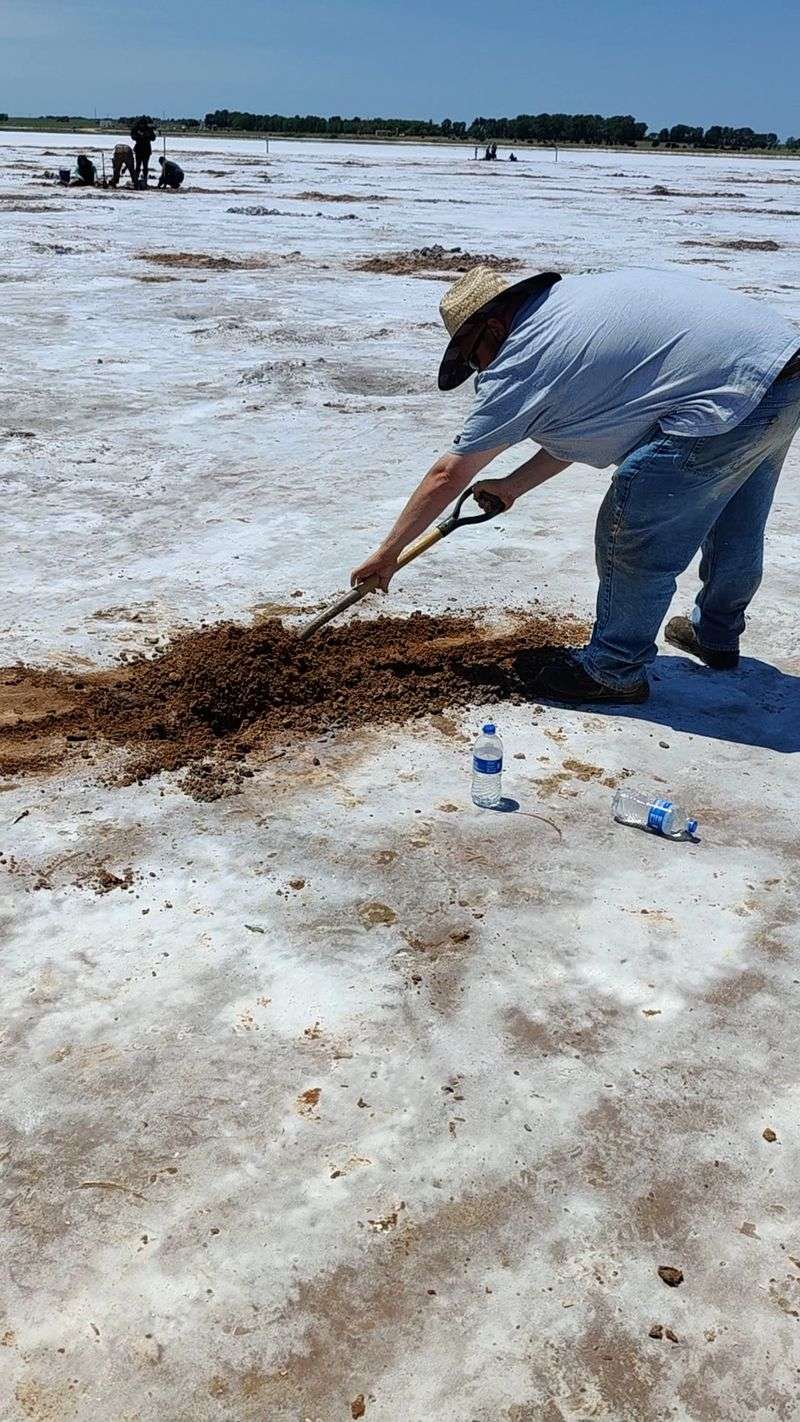
Let me save you some frustration on the gear front, because showing up underprepared out here is a genuine bummer. A sturdy long-handled shovel is the main thing, since you will be digging down into the surface and a little hand trowel simply will not move enough material.
Bring far more water than you think you need, because it does double duty out there. You drink some of it, and you pour the rest over your dig site to rinse mud off the crystals you uncover.
Sun protection is not optional on a bright white surface that bounces light straight back at your face. Hats, sunglasses, and sunscreen for everyone in the group, plus maybe a pop-up shade if you own one.
Wear clothes and shoes you genuinely do not care about, because salty mud gets into everything and it does not politely wash out. Old sneakers or rubber boots beat sandals every single time.
Round it out with buckets or a cooler for hauling crystals, towels for the ride home, and a few plastic containers so your best finds do not snap in the back seat.
How The Actual Digging Works
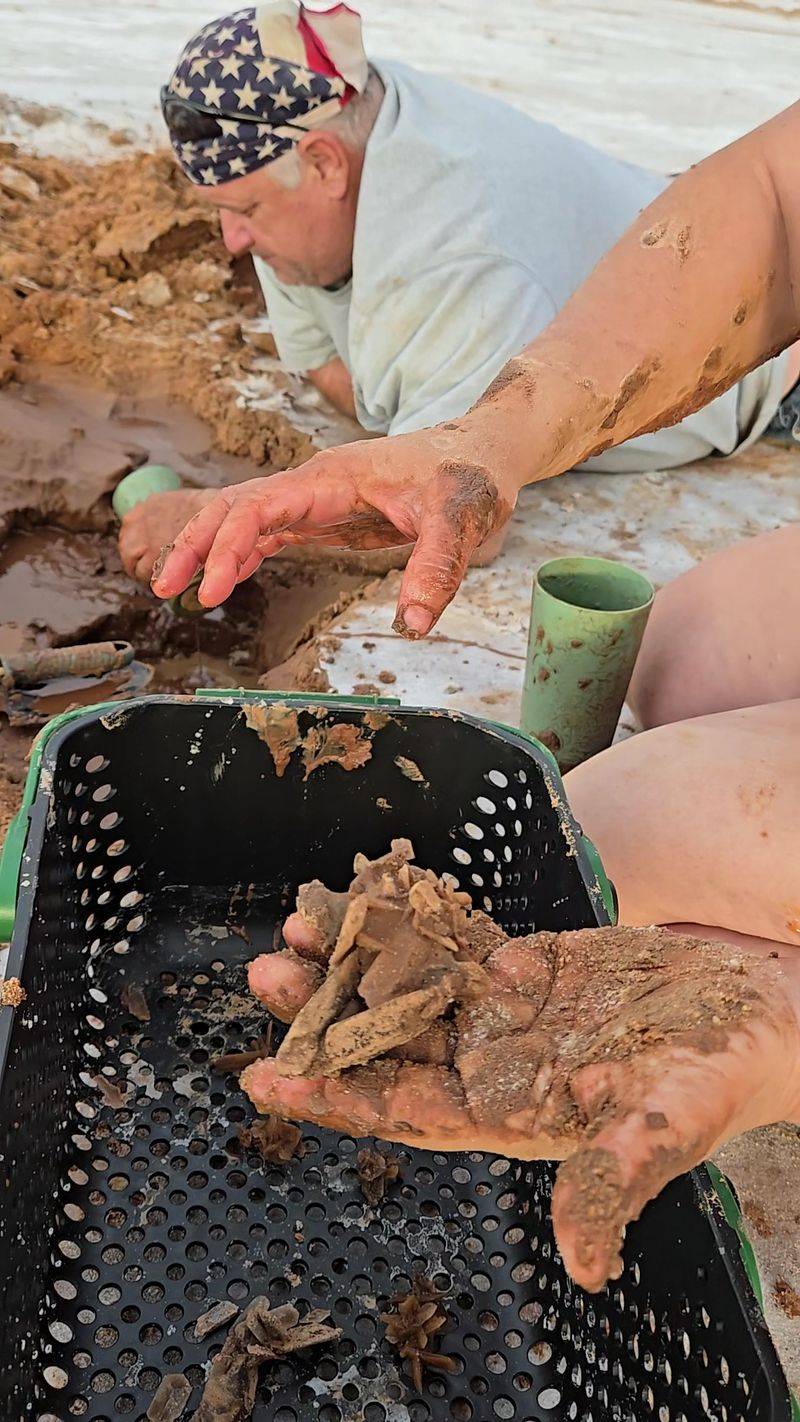
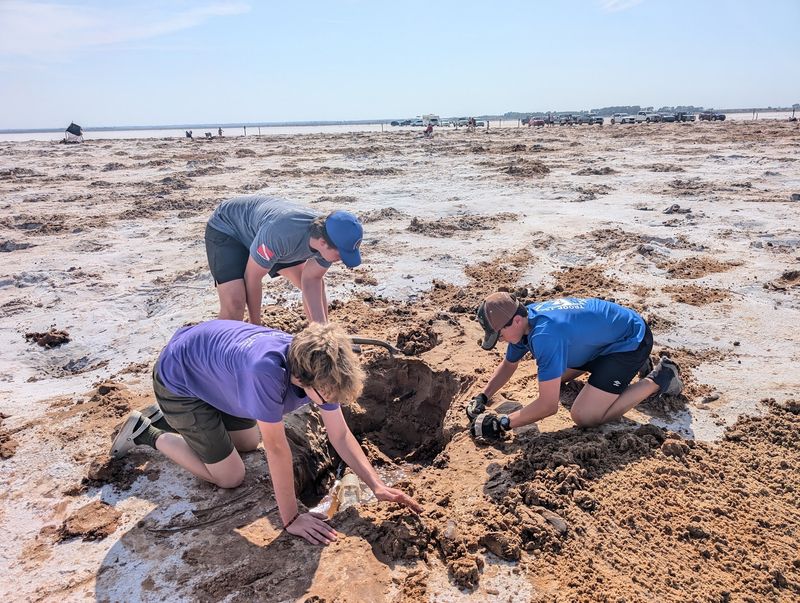
Here is the part people always get wrong on their first try, and it is easy to fix. Pick a spot inside the orange markers and dig a hole that goes down maybe a couple of feet, no deeper, because the crystals usually sit just beneath that crusty salt layer.
Once the hole is started, pour water along the edges and across the bottom, then let it soak and loosen everything up. The muddy water carries away loose soil and the crystal faces begin to catch the light, which is the moment kids tend to start yelling.
Work slowly with your fingers when you feel something solid, because selenite is soft and breaks if you pry at it with metal. Patience genuinely pays off here more than muscle does.
If a hole comes up empty after a while, move over and start fresh instead of grinding away in the same place. Some pockets are loaded and others are not, and wandering a bit is part of the game.
Rinse your finds gently and let them air dry rather than scrubbing them, since aggressive cleaning can dull the surfaces.
Why You Can Leave Your Holes Behind
This one always surprises people, and I love telling it. You do not have to fill your holes back in when you are finished, which goes against everything we normally learn about tidying up outdoors.
The reason is genuinely charming, because those holes and the little mounds of dirt piled beside them end up helping the wildlife that lives here. Shorebirds like snowy plovers use the raised mounds for nesting and shelter, and the water that collects in the holes creates habitat for brine flies.
Brine flies might not sound glamorous, but they are food for a lot of the birds passing through this part of Oklahoma. So your afternoon of digging quietly feeds into the food chain, which is a fun thing to point out to kids.
What you should still do is carry out every scrap of trash, wrappers, bottles, and broken gear included. The refuge exists for the birds first, and leaving litter behind undoes all the good that your holes accidentally accomplish.
Keep vehicles on the designated areas too, since driving out onto the flats can damage nesting ground and get you badly stuck.
Restrooms And Other Small Comforts
Somebody in your group is going to need a bathroom about twenty minutes after you start digging, and that is just how family trips go. Good news on that front, because there is a restroom located right inside the gate at the crystal digging area.
That means nobody has to pack up shovels and buckets and drive back toward town for a quick stop. It is a basic facility rather than anything fancy, so bringing your own hand sanitizer and wipes is a sensible move.
Beyond that, plan on the flats being wide open with very little shade, so whatever comfort you want you should carry in with you. Camp chairs, a shade canopy, and a cooler of cold drinks turn the whole thing from a chore into a genuinely relaxed afternoon.
Snacks matter more than you would expect, because digging is real physical work and moods drop fast when blood sugar does. Keep something salty and something sweet in the bag.
A change of clothes waiting in the car is the final touch, and future you will be extremely grateful for that decision on the drive home.
Washing The Salt Off Everything Later
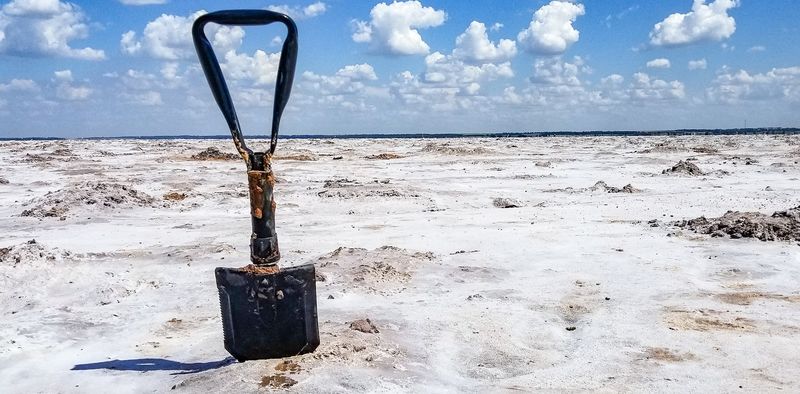
Here is the practical warning nobody thinks about until it is too late. Salt gets on absolutely everything out there, including the parts of your car you never look at, and salt is rough on metal over time.
So plan a stop at a car wash on the way home and pay attention to the undercarriage rinse rather than just the shiny outside. Your vehicle will thank you months later when nothing is quietly corroding underneath.
Same idea applies to your gear, because shovels, buckets, and shoes all come home coated in a salty film. Hose them down in the driveway before they go back into the garage and they will last a lot longer.
Clothes are worth washing separately since the mud is stubborn and gritty. Shake them out well before they ever touch your washing machine.
As for the crystals themselves, a gentle rinse and slow air drying keeps them looking their best, and some people set them on a towel in a shady spot for a day or two. Handle them carefully, because selenite scratches easily and the hourglass pattern is worth protecting.
