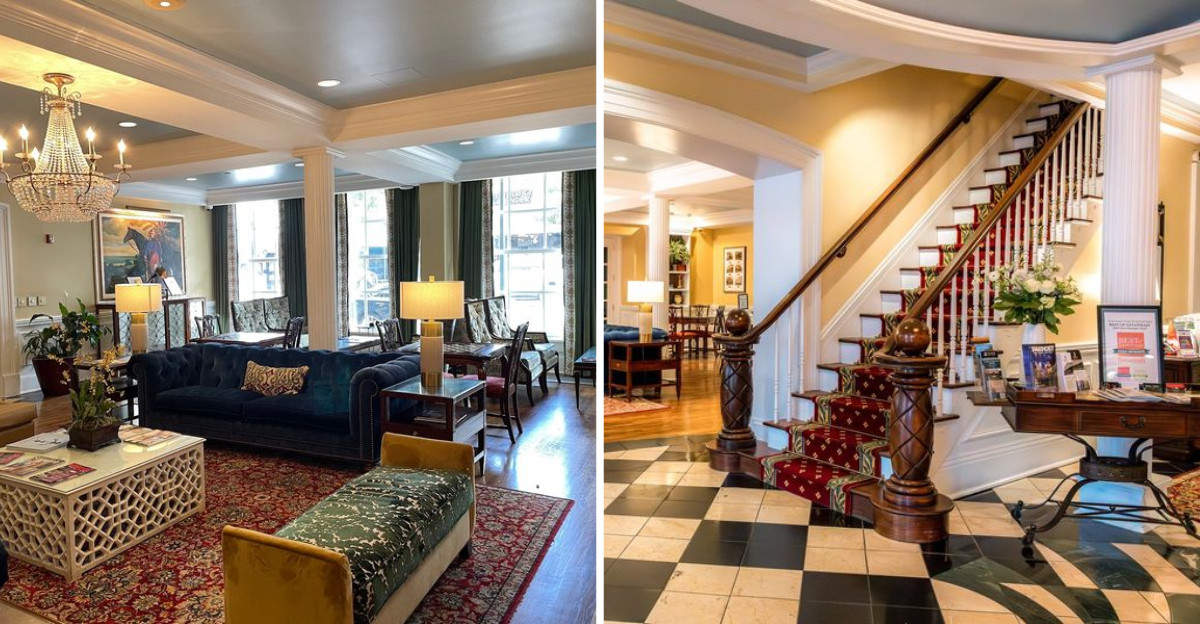
Wide old planks creaked like they were trying to tell me something the first time I walked into that Savannah hotel, and I had come for the squares and the Spanish moss.
I ended up spending most of my trip fascinated by one building on a main street, a place built in the 1850s that has been a hotel, a hospital, and a quiet keeper of stories people still whisper about today.
Somewhere on the upper floor sits a regular guest room with a bed, a window, and a reputation that has followed it for decades, and you can actually book it, no special tour or permission needed.
The floors are original pine, worn smooth by generations of footsteps, and the iron veranda wraps around the front of the building like a balcony from another century.
Between the wine and cheese hour, the history talks in the library, and the quiet hum of the city just outside, I found a place that feels warm and a little mysterious at the same time.
Georgia has a way of holding onto its past without making it feel heavy, and this hotel does exactly that.
Room 414 and the Reputation That Never Faded
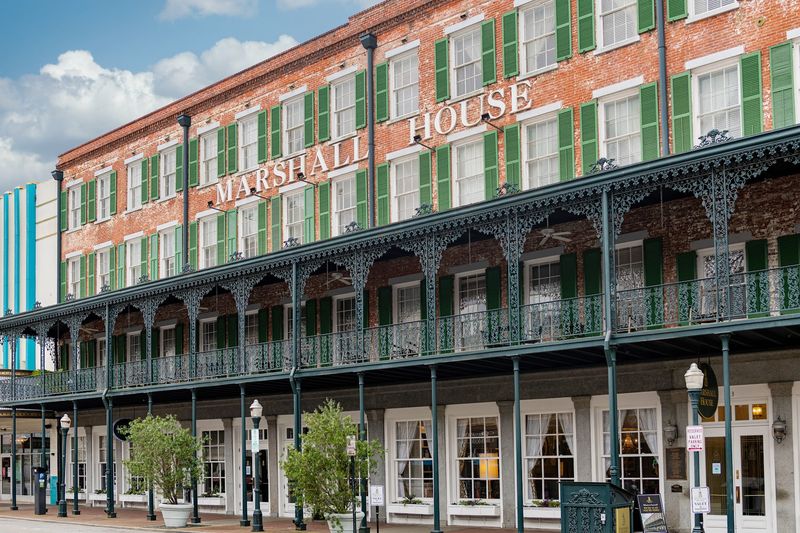
Of all the rooms in this hotel, one keeps getting requested by name. Room 414 sits on the fourth floor, and guests have been trading stories about it for years.
Reports linked to the room include shadowy shapes drifting across the walls, sudden banging sounds, small items ending up somewhere they were not left, and odd smells that come and go without explanation. Room 420 gets mentioned in the same breath fairly often.
What I found interesting is how ordinary the room looks in daylight. Wooden floors, tall windows, tidy bedding, nothing staged or spooky about it.
Booking it is simple enough, though you may want to call the front desk directly and ask, since it tends to get claimed quickly around Halloween and during festival weekends.
My honest advice is to go in curious rather than nervous. Plenty of people sleep straight through the night and wake up wondering what all the fuss was about.
Either way, you get a comfortable bed in one of the oldest operating hotels in Savannah, steps from the shops on Broughton Street. The story is a bonus, not the whole reason to stay.
But it certainly makes the night more interesting if you are open to it.
An 1851 Landmark Built by Mary Marshall
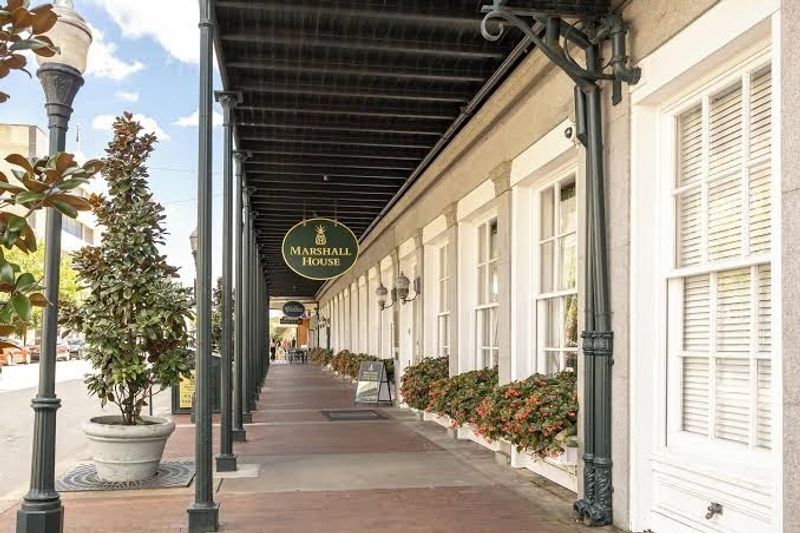
Mary Marshall put her name on this building back in 1851, which was no small thing for a businesswoman in that era. Her hotel has outlasted almost everything around it.
The exterior still shows off Philadelphia pressed brick, and Savannah grey brick turns up throughout the building. The iron veranda that wraps the front went up in 1857 and remains the feature people photograph most.
Inside, the original staircases, wooden floors, fireplaces, and even the original guest room doors are still doing their job. I ran my hand along a bannister that has been touched by roughly 175 years of travelers, which is a strange and lovely thought.
Guests say Mary herself never really left. A young visitor once described seeing a lady standing in the hallway, and the story has stuck around ever since.
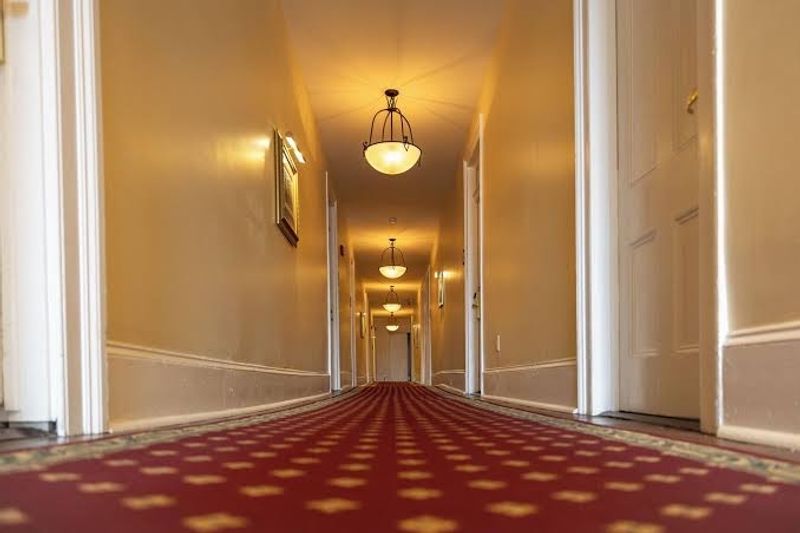
Walk the corridors slowly and you will spot framed artifacts and historical pieces hung on every floor. Honestly, you could spend an hour just reading the walls.
That mix of preserved craftsmanship and lived-in comfort is what makes the place feel less like a museum and more like a home with a very long memory.
When the Hotel Served as a Civil War Hospital
History here takes a heavy turn between 1864 and 1865, when Union forces used the building as a hospital for wounded soldiers. It also served as a hospital twice during the yellow fever outbreaks of the 1800s.
That chapter explains most of the ghost stories people repeat today. Guests and staff have described apparitions in Civil War era clothing moving through the halls, and one account involves a young soldier in the lobby holding his missing arm, appearing to search for a surgeon.
Others have woken with the feeling that someone was checking their pulse, as a nurse might have done. Spirits connected to the fever patients are said to linger too.
Learning all this changed how I walked through the building. The creaks felt less like old wood and more like punctuation.
You do not have to believe any of it to appreciate the weight of what happened inside these walls. Real people suffered here, and the hotel treats that history with respect rather than turning it into a gimmick.
Ask a staff member about it and you will usually get a thoughtful, well-researched answer instead of a spooky sales pitch.
What Workers Found Beneath the Floorboards
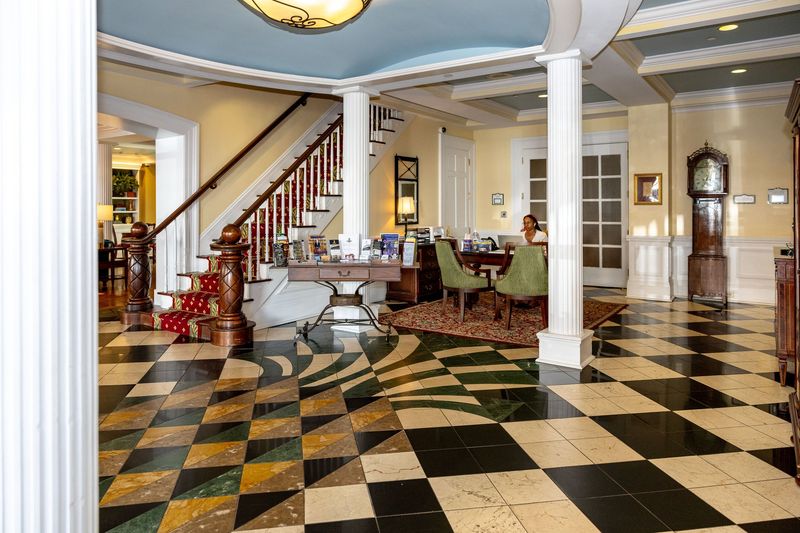
During restoration work in the late 1990s, crews pulled up floorboards in a downstairs space and found human bones underneath. Not a rumor, an actual discovery.
Historians looking at the find believe the remains were amputated limbs from Civil War soldiers, and that the area had likely functioned as a surgery room. The location made grim sense given how the building was used.
I remember standing in the lobby afterward and thinking about how casually people walk over that history with coffee in hand. It reframes the whole building.
Some accounts suggest the fourth floor was chosen for the most seriously injured soldiers, and that amputations happened up there partly so the sounds would not carry down to the street.
Whether or not that detail can ever be fully proven, it explains why the top floor carries the strongest reputation among guests who come looking for something unusual.
If you enjoy history that feels tangible rather than tucked behind glass, this is the kind of detail that sticks with you long after checkout. Bring your curiosity, and maybe skip reading about it right before bed.
The Fourth Floor, Where Most Stories Begin
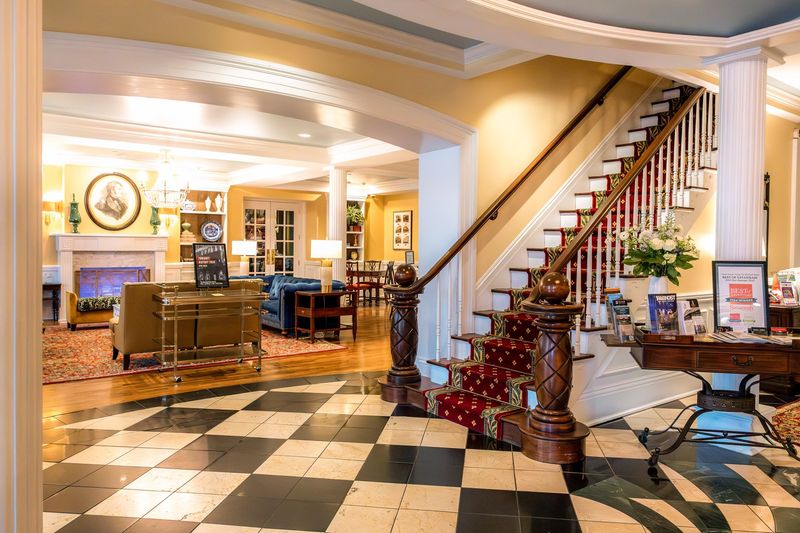
Ask around and almost every story eventually leads upstairs. The fourth floor gets described as the most active part of the building, and Room 414 sits right in the middle of it.
Guests have reported faucets turning themselves on and off, lights flickering with no clear cause, and electronics powering up on their own. Rattling doorknobs, banging in the hallway, and voices with no visible source show up in accounts too.
A surprising number of people mention waking around three in the morning for no particular reason.
Children come up often as well. Small figures skipping and running through the corridors, laughter, playful chatter, and the sound of a baby crying have all been described by different visitors over the years.
There is also the typewriter. Author Joel Chandler Harris, who wrote the Uncle Remus stories, stayed at the hotel, and people claim to hear old-fashioned keys clacking near his former room.
I walked that hallway twice on purpose and heard nothing but my own footsteps. Still, the quiet up there has a certain thickness that is hard to describe until you feel it.
Evenings in the Library and Mornings in the Atrium
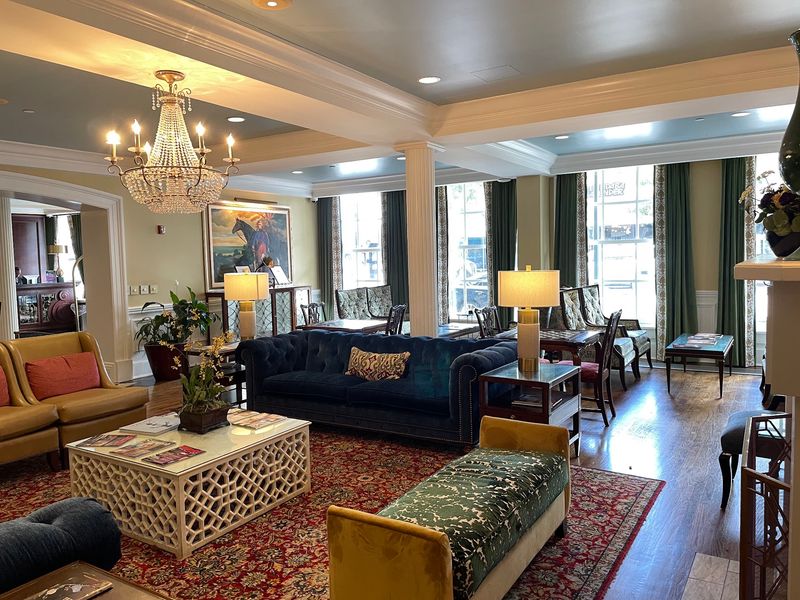
Beyond the ghost talk, this hotel simply knows how to run an evening. Guests gather in the library most nights for a social hour with cheese boards and live music, and on some nights a harpist plays.
The part I liked best was the historian who shares stories about the building. It turns a casual snack break into something you actually remember.
Mornings shift the mood completely. Breakfast happens in the bright atrium courtyard with table service rather than a buffet line, which means you are out the door faster than you expect.
Rooms lean cozy and simple, with flat-screen TVs, free Wi-Fi, and upgraded options that add claw-foot tubs, decorative fireplaces, or balcony access with rocking chairs. Kids twelve and under stay free.
Location seals it. River Street is about five minutes on foot, City Market roughly seven, and shops sit right outside the door.
Bring earplugs if you sleep lightly, since Broughton Street gets lively on weekends. Otherwise, expect creaky floors, kind staff, and a stay that feels rooted in something real.
The combination of old-world charm and genuine hospitality makes the hotel feel less like a place to sleep and more like a place to linger. The morning light in the courtyard is soft and golden, and the tables are spaced generously so that conversations stay private and unhurried.
I found myself sitting longer than I needed to, just sipping coffee and watching the city wake up around me. By the time I checked out, I had already started planning my return.
It is the kind of place that makes you want to slow down and stay a while, and that is exactly what a good hotel should do.
Address: 123 East Broughton Street, Savannah, Georgia 31401
