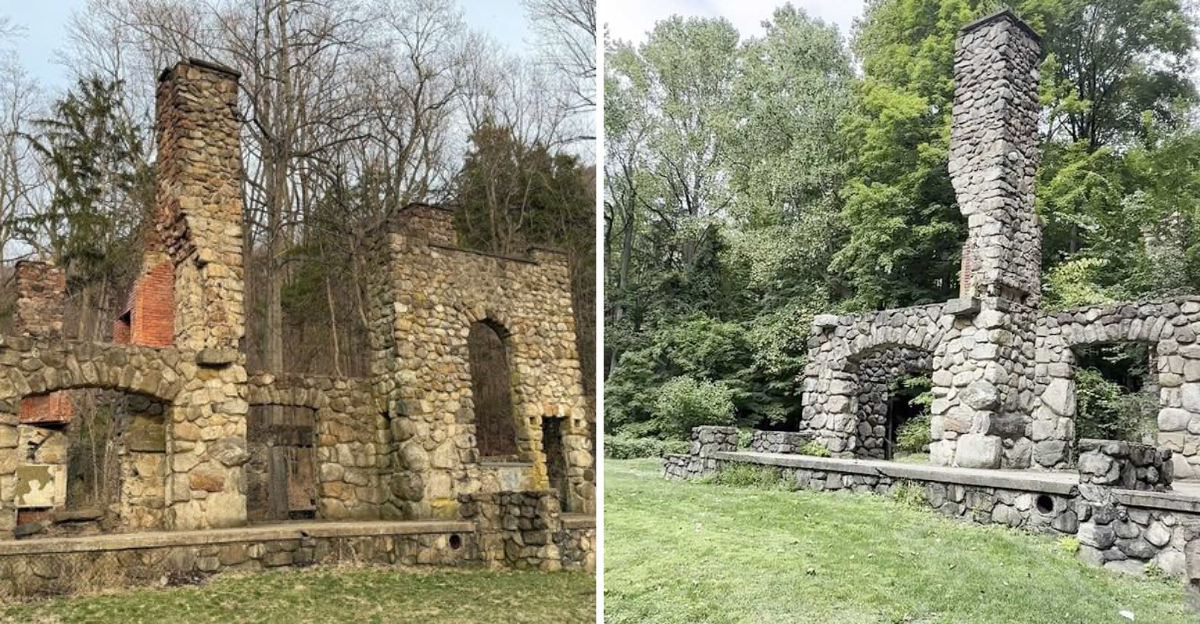
A trail through dense New York forest leads you somewhere that feels completely removed from the present day. The leaves crunch underfoot, the air smells like damp earth and fading autumn, and every step takes you deeper into a quiet that city lungs forget exists.
Then the trees part, and there they are. Stone ruins sitting silently in the middle of nowhere, slowly being swallowed by moss, vines, and decades of perfect silence.
I stumbled onto this place on a grey October afternoon, and I have not stopped thinking about it since. Crumbling walls with hollow window frames stare back at you like empty eye sockets.
An old swimming pool half filled with leaves and rainwater catches the grey sky. Nature wraps around every corner, pulling the past back into the ground one season at a time.
Something about the way light moves through those broken walls makes you feel like history is still happening just slightly out of view. A flicker at the edge of your vision.
A sound that might have been wind or might have been something else. Pack a camera, wear sturdy boots, and bring your curiosity.
This forgotten place belongs on every adventurer’s list.
The History Behind the Estate That Started It All
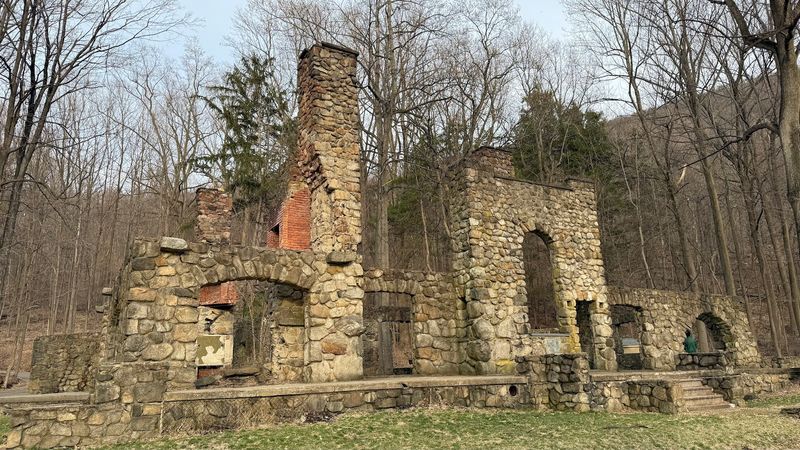
Edward Joel Cornish was not a man who did things halfway. He built his Cold Spring estate in the early 1900s as a full retreat from city life, complete with a mansion, greenhouse, swimming pool, and sprawling grounds that made it one of the more impressive private properties in the Hudson Valley.
The Cornish family used the estate for lavish gatherings, filling the rooms with guests and energy for decades. It was the kind of place that seemed built to last forever.
Then, in May 1938, both Edward and his wife Selina passed away within two weeks of each other. That double loss marked the beginning of the end for the estate.
Without the family to maintain it, the property fell into neglect quickly.
By 1958, a fire tore through the main mansion and destroyed much of what remained. What you see today are the bones of something that was once genuinely grand.
The story of the Cornish Estate is not just about ruin. It is about how quickly time can erase even the most carefully built lives, and how a place can still carry the emotional weight of everything that happened inside it.
Getting There: The Hike That Sets the Mood
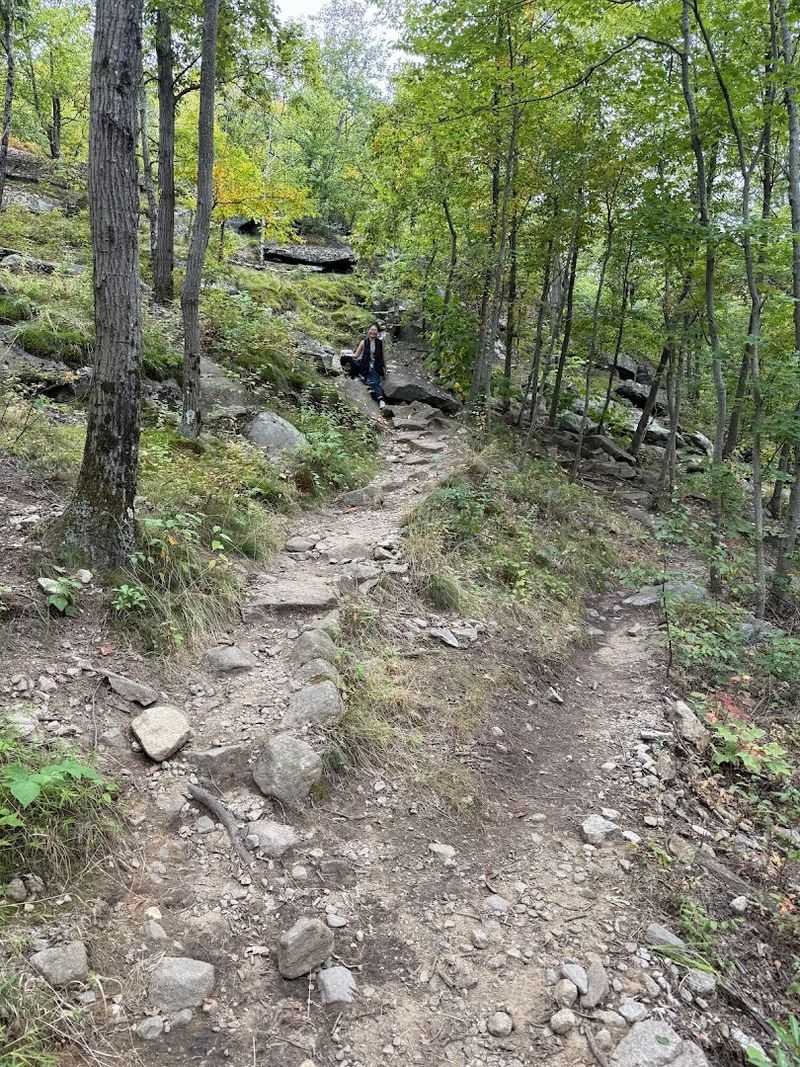
Part of what makes the Cornish Estate so memorable is that you have to earn it. The ruins are not visible from any road, and there is no parking lot that drops you right at the front door.
You hike roughly 1.8 miles through the woods to reach them, and that walk does a lot of work before you even arrive.
The trail passes through thick forest that gradually shifts in character the deeper you go. Sounds from the outside world fade.
The light changes. By the time the first stone wall appears between the trees, your mind is already in the right place to receive it.
The trailhead connects to Hudson Highlands State Park, and the path itself is not especially difficult. It is manageable for most hikers with basic fitness.
That said, the terrain can get muddy after rain, so proper footwear matters.
I noticed that the trail felt longer than 1.8 miles, not because it is hard but because the atmosphere slows you down. You find yourself pausing more than usual.
The forest around the estate has its own quiet energy, and most visitors seem to feel it without anyone having to point it out.
The Mansion Ruins: Stone Walls and Open Sky
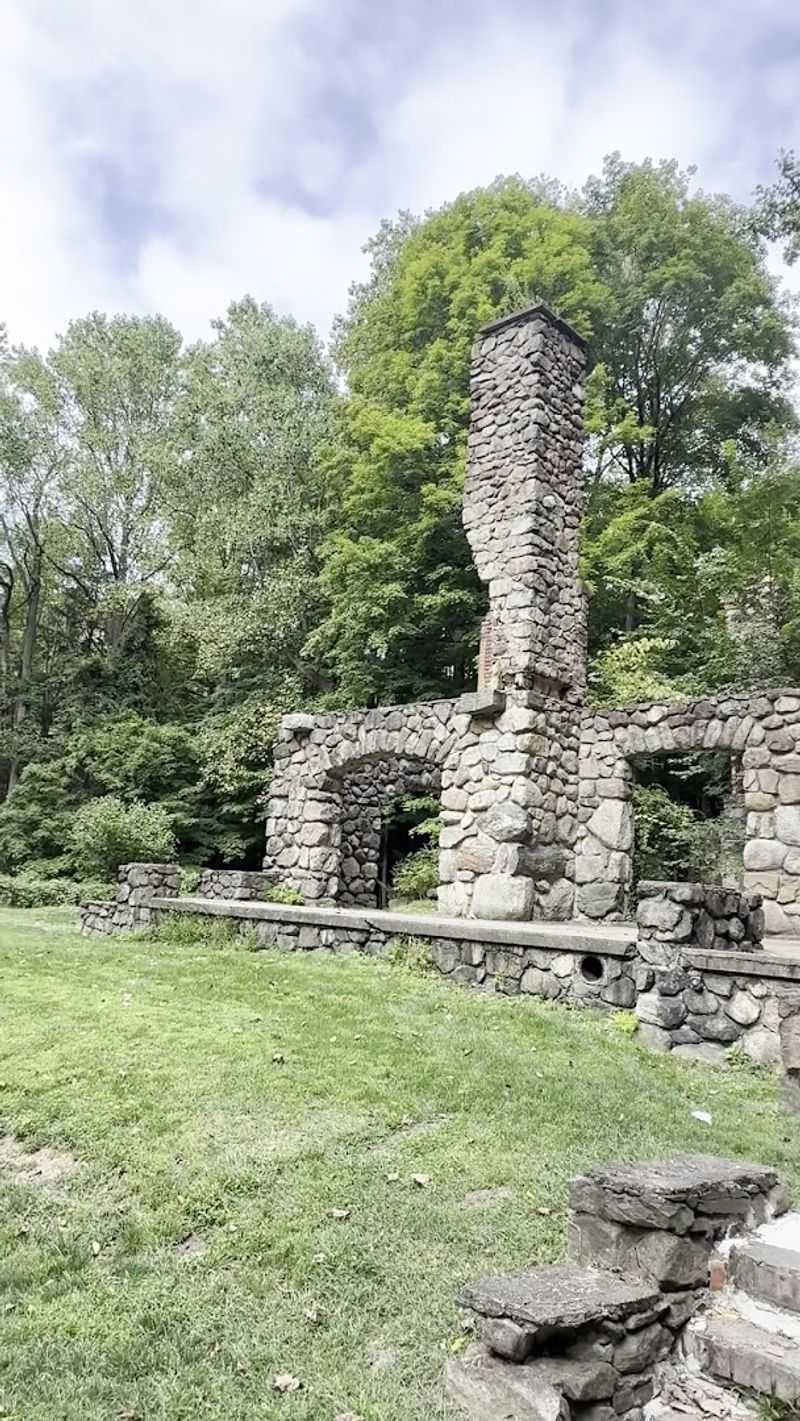
The main mansion ruins are the centerpiece of the whole experience, and they hit differently than photos suggest. The walls rise two stories in some places, their window frames open to the sky like hollow eyes staring upward.
Ivy and moss have claimed most of the surface, and trees grow up through what used to be the interior floors.
There is something deeply cinematic about the space. It does not feel abandoned so much as it feels transformed.
Nature has been doing its own renovation for over sixty years, and the result is genuinely striking.
You can walk through what remains of the rooms, though there are no roofs and no floors in most sections. The foundation outlines give you a rough sense of how large the original building was, and it was substantial.
This was not a modest country house.
Visitors often go quiet when they enter the ruins. It is not a spooky quiet exactly, more like the kind of silence you give a place that deserves respect.
The stone holds heat in summer and cold in winter, and touching the walls feels like making brief contact with something that has been waiting here for a very long time.
The Swimming Pool Nobody Swims In Anymore
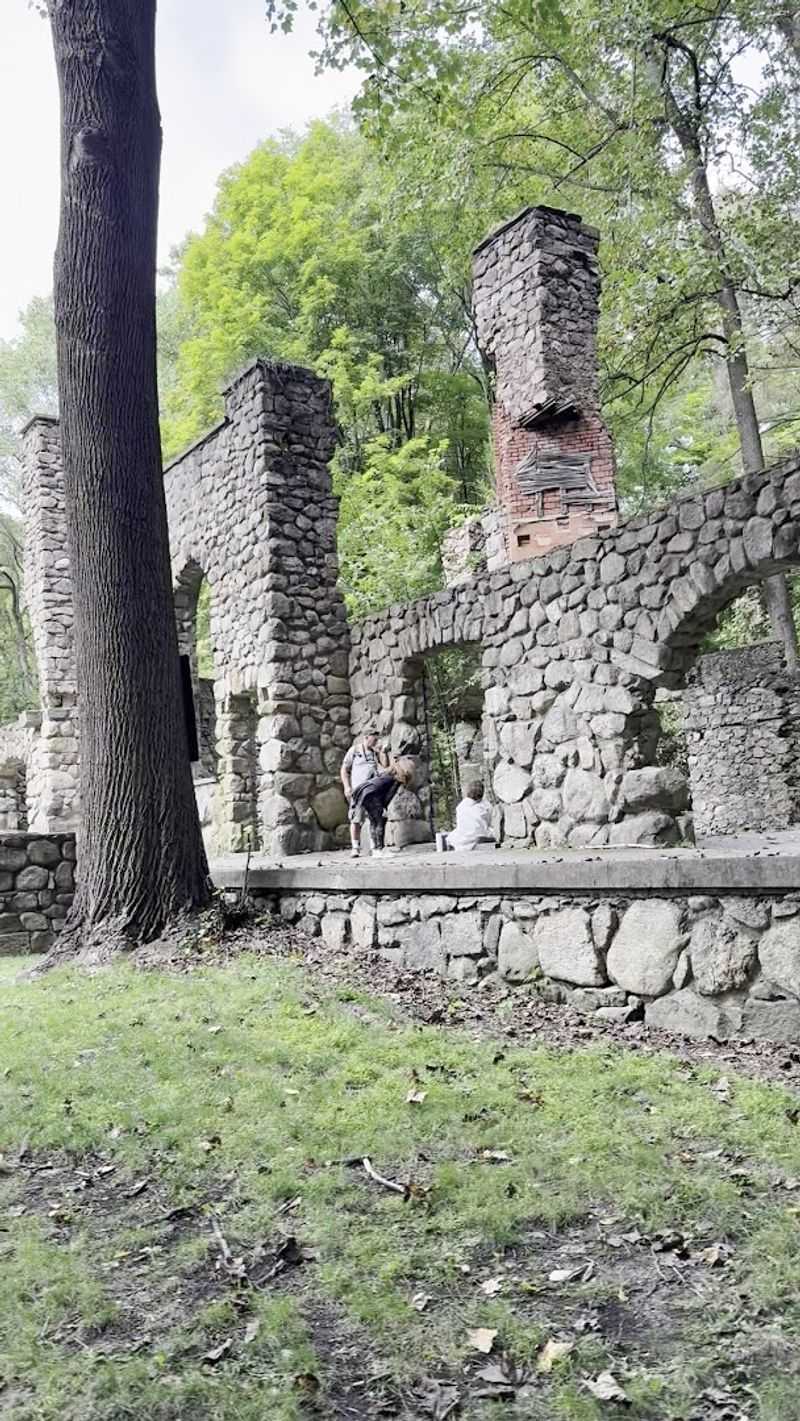
Of all the remnants scattered across the Cornish Estate, the old swimming pool is the one that tends to stop people mid-step. It sits off to one side of the main ruins, rectangular and deep, its concrete walls stained dark green with decades of moisture and algae.
Leaves collect at the bottom every autumn and never fully clear.
Pools are supposed to be places of noise and movement, splashing and laughter. Seeing one this still and this overgrown creates a jarring contrast that your brain takes a moment to process.
It is one of those details that makes the estate feel more personal somehow, like you are looking at something that was once full of life on a specific Tuesday afternoon and is now just completely empty.
The pool structure is still largely intact, which makes it one of the better-preserved elements on the property. You can see the steps that once led down into the water.
The shape is clear and readable even after all these years.
Some visitors find this spot the most unsettling part of the estate. Others find it oddly beautiful.
I found it to be both at the same time, which is probably the most honest reaction available.
The Greenhouse Shell and What Grows There Now
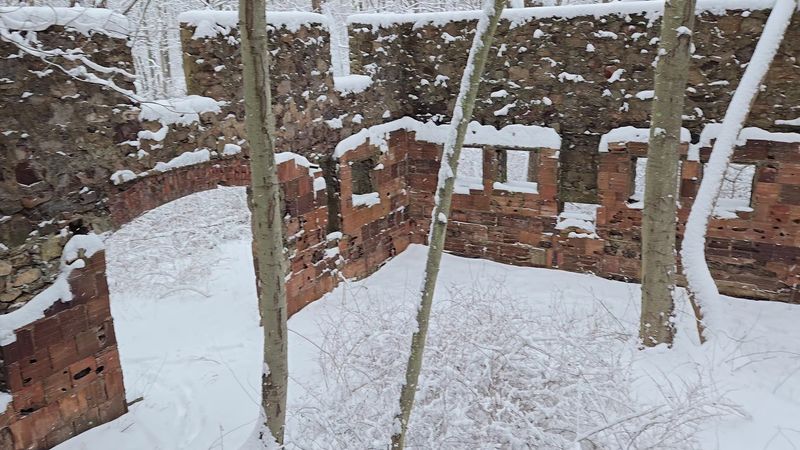
The greenhouse that once stood on the Cornish Estate was built to support a lifestyle that expected fresh flowers and cultivated plants year-round. What remains of it today is a skeletal stone and metal frame, the glass panels long gone, the interior now open to whatever the wind and birds decide to bring in.
Wild plants have moved in and made themselves comfortable. You can see where the original planting beds were laid out, but the organized rows have given way to a cheerful chaos of weeds, ferns, and small saplings.
Nature is not sentimental about reclaiming its space.
The greenhouse shell is worth exploring slowly. The ironwork that supported the glass roof is still visible in sections, and you can get a real sense of how carefully designed this structure originally was.
Someone put genuine thought and money into building it to last.
There is a specific quality of light inside the roofless frame that photographers tend to love. The walls block the wind but not the sky, creating a sheltered openness that feels different from the surrounding forest.
It is a quieter, slightly gentler corner of the estate, which gives the whole visit a nice sense of variety as you move from ruin to ruin.
Why Visitors Keep Saying Something Feels Off
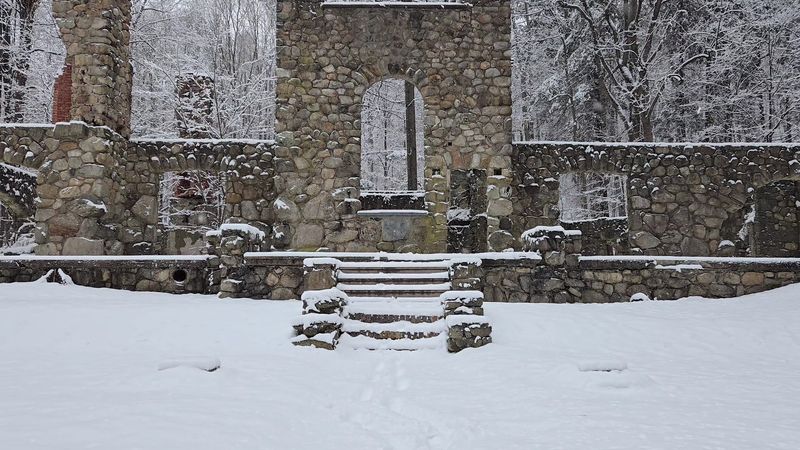
Nobody is handing out ghost tour brochures at the Cornish Estate trailhead. There are no official paranormal claims attached to the property, and the historical record does not include any dramatic supernatural events.
And yet, a noticeable number of visitors come away from this place describing a feeling they struggle to name.
Some describe a sense of being watched. Others mention hearing sounds they could not trace back to animals or wind.
A few people have noted that their dogs behaved strangely near the main ruins, refusing to go further or circling back repeatedly.
Whether any of this points to something genuinely unexplained or simply to the power of an atmospheric location is a question each visitor gets to answer for themselves. The estate has all the ingredients that make a place feel haunted, a tragic ending, a fire, decades of silence, and walls that absorb sound in unusual ways.
What I can say personally is that I felt a persistent low-level unease that I did not feel on other trails that same week. It was not fear exactly.
It was more like the feeling of walking into a room where something important had just happened and the air had not quite settled yet. Make of that what you will.
Planning Your Visit: What to Know Before You Go
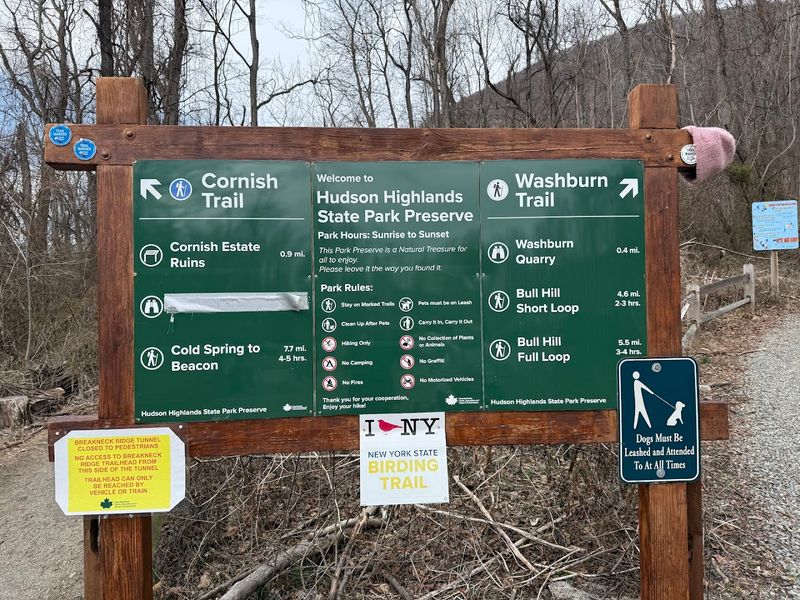
The Cornish Estate ruins are part of Hudson Highlands State Park, and access is free. The trailhead is located near the Bull Hill area of the park, and you can find it with a quick search for Cornish Estate Ruins Cold Spring, NY before you leave home.
Cell service gets spotty once you are on the trail, so downloading an offline map beforehand is genuinely useful.
Plan for at least two to three hours if you want to explore the ruins properly without rushing. The hike itself is moderate, but the ruins reward slow exploration.
Bringing water and snacks is a good idea, especially in warmer months when the trail offers little shade in its early sections.
The estate is most atmospheric in shoulder seasons. Spring brings green growth pushing through the stone, and autumn wraps the whole site in color that makes the ruins look almost staged.
Winter visits are possible and offer a stark, dramatic version of the experience, but the trail can be slippery.
Cold Spring village is nearby and worth building into your day. The main street has good spots for coffee and food after the hike.
The address for the general trailhead area is: Hudson Highlands State Park, Route 9D, Cold Spring, NY 10516.
