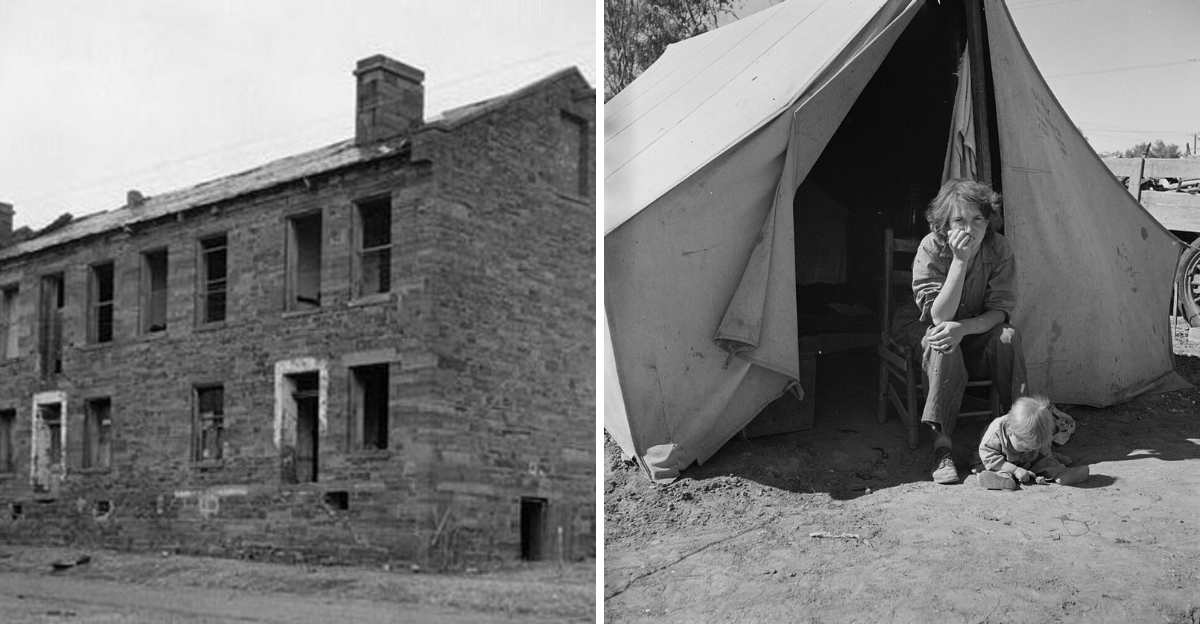
Oklahoma holds stories that most history books barely skim. A road trip through this state during the right season feels less like sightseeing and more like walking straight into a black-and-white photograph that suddenly gains color.
The land remembers the 1930s in a way that is hard to explain until you are standing on it yourself. Dust Bowl scars, Route 66 relics, and the quiet dignity of small towns all pull together into one of the most emotionally powerful drives you can take in America.
Pack light, bring curiosity, and get ready for a journey that will genuinely change how you think about resilience, home, and the human spirit.
1. Route 66 and the Mother Road’s Oklahoma Stretch
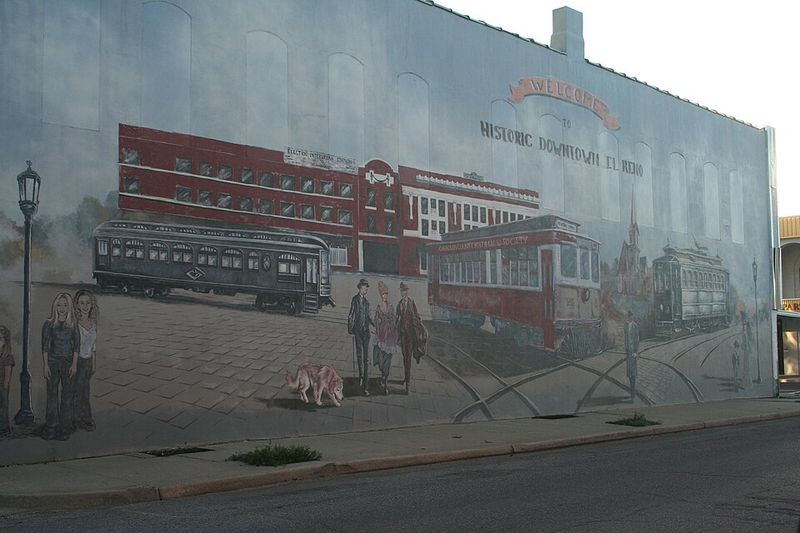
Few highways in the United States carry the emotional weight of Route 66. During the 1930s, as drought and economic collapse gripped the Great Plains, this road became something far more important than a transportation route.
For thousands of Oklahoma families caught in the Dust Bowl and the Great Depression, Route 66 represented the possibility of survival.
John Steinbeck famously called it the “Mother Road,” a name that captured exactly what it meant during those desperate years. Families loaded everything they owned into aging cars and trucks and headed west toward California, hoping to find farm work and a fresh start.
Many of those journeys began in Oklahoma, where failing crops, collapsing farm prices, and relentless dust storms made daily life nearly impossible.
Driving the Oklahoma stretch of Route 66 today offers a quiet connection to that history. The state contains more than 400 drivable miles of the historic highway, the longest continuous stretch of Route 66 in the country.
Along those miles, traces of the past still appear in ways that feel surprisingly intact.
Weathered gas stations sit beside the road like time capsules. Old motor courts and diners stand quietly in towns that once thrived on passing travelers.
Hand-painted signs fade in the sun while vintage storefronts line main streets that have changed very little in decades.
What makes driving this road so powerful is the sense that it was never designed to be a tourist attraction. Route 66 was a working road, a lifeline for people who had few other options.
During the Depression, families often traveled in overloaded vehicles packed with mattresses, cookware, and whatever belongings they could not bear to leave behind.
The Oklahoma towns along the route still reflect that history. Places like Chandler, Stroud, and Bristow are not carefully staged recreations of the past.
They are communities that simply continued living alongside the road that once carried so many people away.
Pulling over along these stretches of highway, it is easy to imagine the long lines of cars and trucks that once rolled westward across the plains. Engines overheated in the summer heat, tires failed on rough pavement, and entire families slept beside the road when money ran out.
Today the drive is peaceful, even beautiful. But every mile of Oklahoma’s Route 66 carries the memory of those difficult journeys, reminding travelers that this road once held the hopes of thousands of families searching for a better future.
2. Tent Living Along the Arkansas River
When people imagine the Great Depression, they often picture shuttered factories or empty storefronts in big cities. In eastern Oklahoma, the reality could look very different.
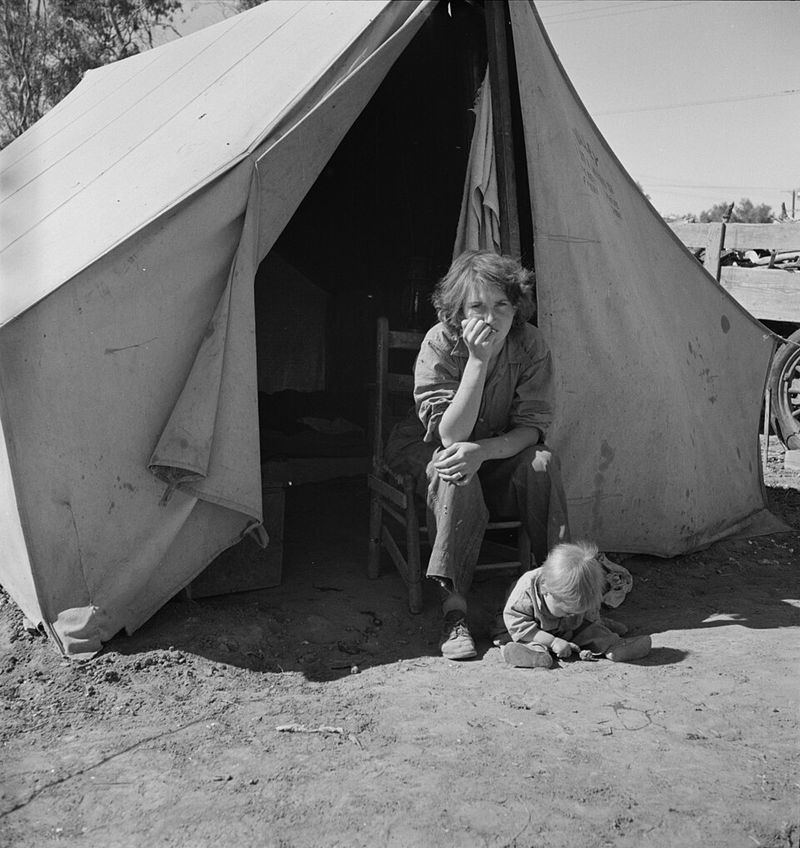
Along stretches of the Arkansas River and its tributaries, some families found themselves living in tents or temporary shelters when traditional housing slipped out of reach.
Economic pressure during the early 1930s forced many rural and working-class families to improvise. Jobs disappeared, crop prices collapsed, and rent became impossible for households already operating on the edge.
Canvas tents, scrap lumber, and salvaged materials offered a way to stay together when there were few other options.
The Arkansas River corridor provided a practical place to settle, at least temporarily. Water was accessible, fishing supplemented thin food supplies, and the riverbanks offered open ground where families could set up camp without the expense of formal housing.
These camps were rarely permanent communities. They were fluid spaces where people stayed until they could find work, save a little money, or move on to somewhere more stable.
Photographs from the 1930s, especially those taken by Farm Security Administration photographers, show camps with a surprising sense of order. Tents were arranged carefully.
Cooking fires were tended with care. Bedding and clothing were folded neatly, even in conditions that would have made daily life exhausting.
These images reveal something important about the people who lived through this era. The families in these camps were not passive victims of economic disaster.
They were adapting constantly, using whatever resources they could gather to maintain stability for their children.
Driving through Muskogee County today, especially near the Arkansas River’s quiet bends, the landscape looks peaceful and wide. Cottonwood trees shade the banks, and the water moves slowly past fields and small towns.
It is easy to imagine that this land has always been calm.
But the riverbanks hold deeper memories. Historical accounts and photographs remind visitors that during the hardest years of the Depression, people gathered along waterways like this because they had nowhere else to go.
Several historical markers in eastern Oklahoma quietly reference the hardships of the 1930s. They are easy to overlook while driving, but stopping to read them adds depth to the landscape around you.
The river still flows the same way it did ninety years ago. What changed was how people learned to endure beside it.
3. Sallisaw and the Grapes of Wrath Connection
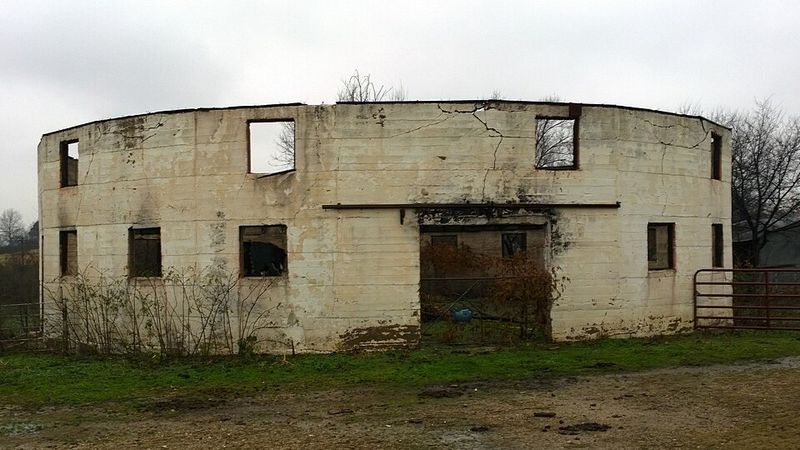
Sallisaw may appear at first glance like any other small town in eastern Oklahoma, but it carries a quiet literary connection that reaches far beyond the state. John Steinbeck chose this region as the starting point for the fictional Joad family in The Grapes of Wrath, one of the most influential novels about the Great Depression ever written.
The choice was not accidental. Steinbeck drew heavily from real migration patterns he studied while researching the Dust Bowl era.
Families from eastern Oklahoma and surrounding counties often joined the stream of migrants heading west toward California, hoping to escape economic collapse and find work in agricultural fields.
Sallisaw sits in Sequoyah County, near the Arkansas River and along important travel routes that eventually connected to Route 66. For many families during the 1930s, these roads became the first steps in a journey that could stretch across multiple states.
The town itself was never a major Dust Bowl epicenter like the western Oklahoma Panhandle. Eastern Oklahoma received more rainfall and avoided the worst of the massive dust storms that defined the region farther west.
But economic hardship did not stop at county lines.
Farm failures, falling crop prices, and job shortages pushed families to make decisions that reshaped their lives. Some left the state entirely.
Others tried to hold on, working whatever jobs appeared and relying on extended family networks to survive the lean years.
Walking through Sallisaw today, traces of that earlier era remain visible in the modest scale of its downtown buildings. The storefronts reflect a working town that grew gradually rather than through bursts of speculation or dramatic wealth.
Outside the city limits, the countryside unfolds into rolling hills dotted with cedar and hardwood trees. Red clay soil and open pastures create a landscape that feels both welcoming and slightly unforgiving.
It is easy to understand why people formed deep attachments to this land. At the same time, it becomes equally clear why some families felt they had no choice but to leave.
Stopping in Sallisaw during a road trip through eastern Oklahoma is less about visiting a specific attraction and more about standing in a place that helped inspire one of the defining stories of American migration.
The fictional Joad family began their journey here. So did thousands of real families whose names rarely appeared in history books.
4. Tenant Farming History in Rural Oklahoma
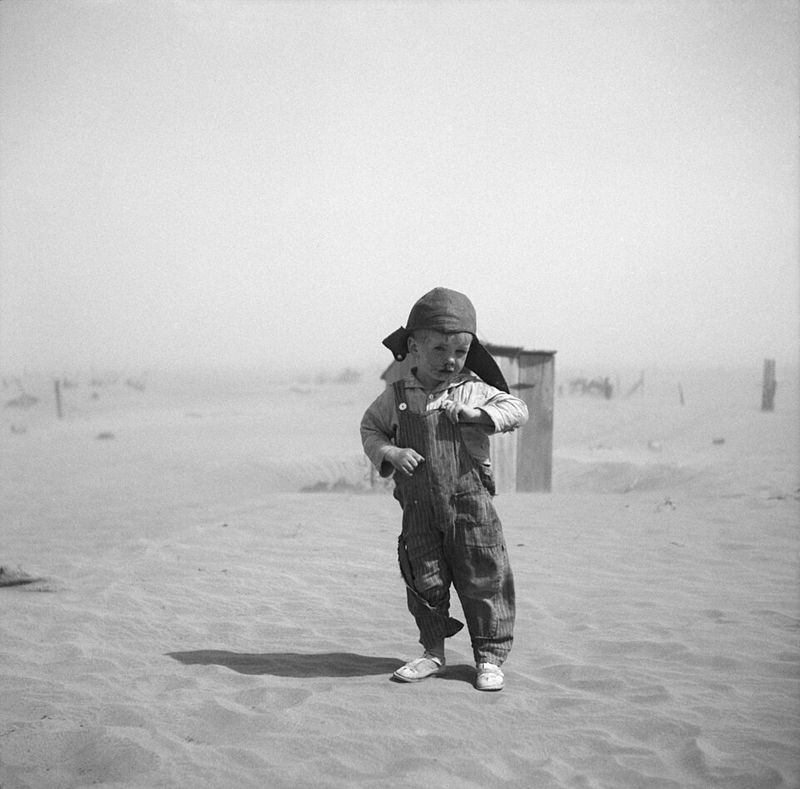
Tenant farming shaped much of rural Oklahoma life during the early twentieth century, and the Great Depression intensified the pressures that farmers were already facing. Across many parts of the state, including eastern Oklahoma counties near Muskogee and Vian, families worked land they did not own.
Instead of holding property outright, tenant farmers rented fields from landowners and paid their rent through a share of the crops they produced. The system could function during strong agricultural years, but when crop prices collapsed during the Depression, the balance became brutally fragile.
Cotton, one of the region’s primary crops, experienced dramatic price drops during the early 1930s. A farmer could work an entire season only to discover that the harvest barely covered basic living expenses.
After paying rent and purchasing supplies for the next planting cycle, very little remained.
Homes built for tenant farmers reflected the economic reality of the system. Many were small wooden structures constructed with minimal materials.
Some had electricity and finished floors, but others relied on kerosene lamps and simple plank flooring.
Despite these conditions, families created lives inside these modest homes. Gardens supplemented limited food supplies.
Neighbors shared equipment and helped one another during harvest seasons.
Farm Security Administration photographers documented rural Oklahoma during this period with striking clarity. Their images show children standing barefoot in dusty yards, families gathered on wooden porches, and farmhouses that appear fragile against the open landscape.
Yet those same photographs also reveal determination. Families maintained their homes carefully.
Clothes were washed and hung to dry. Tools were repaired again and again rather than replaced.
Driving the back roads east of Muskogee today, it is still possible to see remnants of that agricultural past. Old barns lean at the edges of fields.
Abandoned farmhouses sit quietly beneath trees that have grown for generations.
The land itself carries a worn but resilient character. Fields that once supported tenant farmers now produce different crops or lie fallow between planting seasons.
Understanding this history changes how the countryside feels during a road trip. Instead of empty farmland, each stretch of land becomes part of a long story about work, survival, and the people who refused to give up on the soil that sustained them.
5. Women Who Held Everything Together
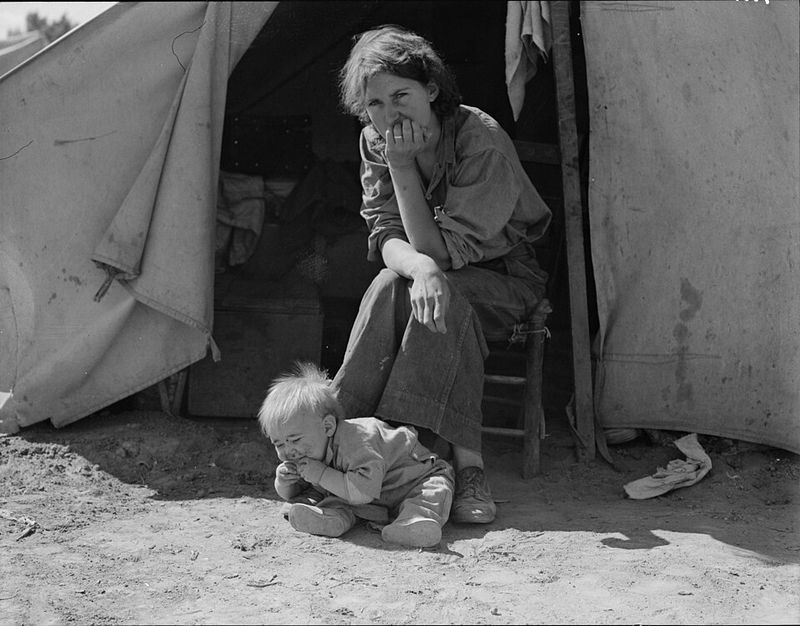
Much of the historical narrative surrounding the Great Depression focuses on economics, migration, and government programs. But inside thousands of Oklahoma homes, survival depended on quieter forms of strength.
Women played a central role in holding families together during the hardest years of the 1930s.
Across rural communities and small towns, women carried enormous responsibility for managing daily life when resources were scarce. Many worked alongside men in agricultural fields during planting and harvest seasons, helping to gather whatever income the land could still provide.
After long days outdoors, they returned home to cook meals from limited supplies, mend clothing, and organize household routines for children whose futures felt uncertain.
These responsibilities often expanded dramatically when husbands traveled in search of work or left temporarily for jobs in distant cities. Women became the primary caretakers, financial planners, and emotional anchors for entire households.
Historical photographs from the era capture women standing in doorways or holding children beside them. Their expressions often convey a mixture of fatigue and quiet resolve.
The images are powerful because they show individuals who were not simply enduring hardship but actively shaping how their families navigated it.
Resourcefulness became a daily necessity. Leftover fabric was transformed into quilts and clothing.
Gardens produced vegetables that stretched through the winter months. Food preservation methods such as canning helped families survive seasons when grocery money was scarce.
Community networks also relied heavily on women’s leadership. Church gatherings, school events, and neighborhood support systems often revolved around women organizing food, childcare, and shared labor.
The Oklahoma History Center in Oklahoma City preserves many of these personal stories through photographs, letters, and household objects from the Depression era. These materials help visitors understand that survival during the 1930s depended on countless small decisions made every day.
The women who made those decisions rarely appear as headline figures in history textbooks.
But their work shaped the stability of entire communities.
Without their resilience, many families would never have endured the decade that reshaped Oklahoma and much of the nation.
6. Migration, Community Camps, and the Road West
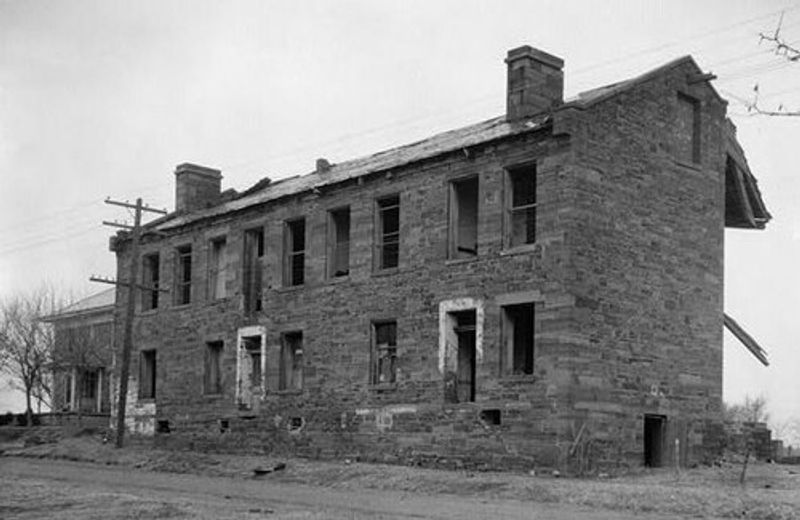
By the mid-1930s, the idea of leaving Oklahoma had shifted from a distant thought to a daily conversation in many households. Crops had failed repeatedly, jobs were scarce, and families who had spent generations on the same land began facing a difficult reality.
Staying no longer guaranteed survival.
For thousands of people, the road west offered the only remaining option.
Route 66 became the most visible pathway out. Families loaded aging cars and trucks with everything they could carry: mattresses tied to roofs, cooking pots packed between boxes, children squeezed into whatever space remained.
The journey toward California often began quietly at dawn, with neighbors watching from front porches as another household disappeared down the road.
Not every family left immediately. Some gathered temporarily in small camps while deciding what to do next.
These informal communities appeared along riverbanks, outside town limits, or near abandoned buildings where displaced families could share space.
The camps were rarely comfortable, but they provided something essential: cooperation.
Families shared firewood, cooking supplies, and whatever food they could gather. Someone might repair a broken truck while another watched the children.
Conversations at night revolved around rumors of jobs farther west or relatives who had already reached California.
Government relief programs tried to ease the pressure. New Deal agencies like the Civilian Conservation Corps and the Works Progress Administration created employment projects across Oklahoma.
Men found work building roads, planting trees, or constructing public buildings that still stand today.
These programs helped many families remain in their communities, but the scale of the crisis meant they could never reach everyone who needed assistance.
For those who chose to leave, the journey along Route 66 became one of the defining migrations in American history. Entire caravans of migrants traveled the highway, moving slowly across the Southwest toward agricultural regions that promised seasonal work.
Some families eventually returned to Oklahoma after conditions improved. Others settled permanently in California and built new lives far from the plains where their stories began.
Driving these roads today, it is easy to forget how many life-altering decisions unfolded along the same stretches of pavement. The towns and highways look quiet now, the crisis long past.
But the migration that began here reshaped families, communities, and the national understanding of hardship and resilience. The road west carried sorrow, hope, and determination all at once.
And in many ways, those stories are still traveling these highways today.
Dear Reader: This page may contain affiliate links which may earn a commission if you click through and make a purchase. Our independent journalism is not influenced by any advertiser or commercial initiative unless it is clearly marked as sponsored content. As travel products change, please be sure to reconfirm all details and stay up to date with current events to ensure a safe and successful trip.
