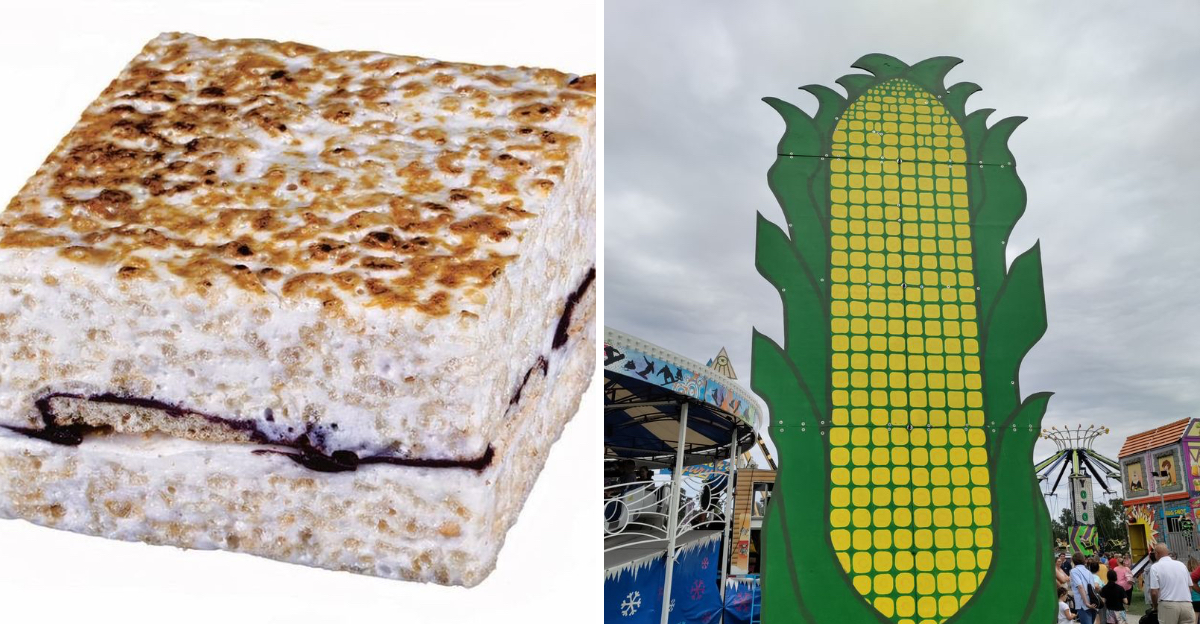
Ohio’s food culture is built on layers of history, immigration, and agricultural tradition.
From German-inspired breakfasts to lakeside fish fries, the state’s kitchens tell stories of practicality, community, and adaptation.
Visitors looking to understand Ohio beyond its cities and highways will find its traditional foods both accessible and rooted in the everyday rhythms of Midwestern life.
1. Cincinnati-Style Chili
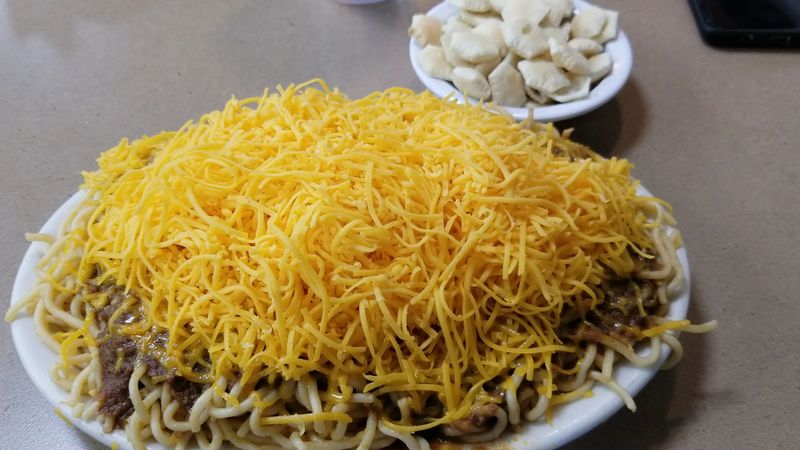
No dish stirs more debate among Ohio residents than Cincinnati chili, a regional specialty that defies the expectations of anyone who grew up eating Tex-Mex versions.
The sauce is thin, almost gravy-like, and laced with cinnamon, allspice, and cocoa.
It arrives over a bed of spaghetti, not in a bowl, and is topped with a mountain of finely shredded cheddar that melts into the noodles.
Ordering follows a numbered system that locals navigate without hesitation.
A two-way means chili and spaghetti, while a three-way adds cheese.
Four-ways bring in onions or beans, and five-ways include both.
This structure reflects a culture of customization that developed in working-class diners during the mid-20th century.
Greek and Macedonian immigrants introduced the spice blend, adapting their own culinary traditions to suit local tastes and budgets.
The result became a fixture in southwestern Ohio, particularly around Cincinnati, where chili parlors operate as neighborhood institutions.
Visitors often find the combination strange at first, especially those expecting heat or thick texture.
What defines this dish is restraint in spice and an unexpected sweetness that balances the savory elements.
It is not designed to overwhelm but to complement the pasta and cheese in every bite.
Chili parlors across the state serve it with oyster crackers and hot sauce on the side, allowing diners to adjust seasoning as they go.
The dish remains polarizing but unmistakably Ohioan, representing a culinary identity shaped by immigrant creativity and regional pride.
For travelers, trying Cincinnati chili means engaging with a food tradition that locals defend fiercely and outsiders often misunderstand.
It is best experienced in its original context, at a counter seat in a bustling parlor where the rhythm of orders never slows.
2. Goetta
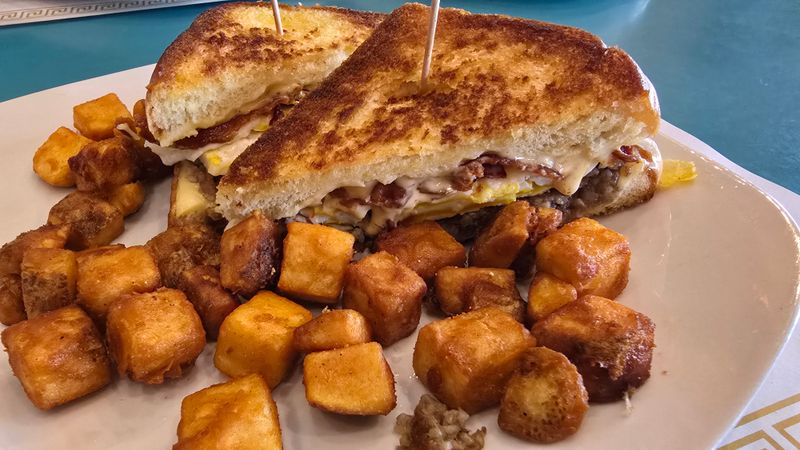
Rooted in the frugality of German immigrants, goetta is a breakfast staple in southwestern Ohio that combines ground pork or beef with steel-cut oats and a blend of spices.
The mixture is cooked slowly, poured into loaf pans, and chilled until firm.
Slices are then pan-fried until crispy on the outside and soft within, creating a contrast in texture that defines the dish.
It appears most often on breakfast tables, paired with eggs, toast, and coffee in diners and home kitchens alike.
The oats give goetta a grainy consistency that distinguishes it from traditional sausage, and the seasoning tends toward pepper, bay leaf, and onion rather than sweetness or smoke.
This reflects the practical cooking methods of families who stretched meat supplies by adding grains and preserved ingredients.
Goetta was originally made in large batches during butchering season, when every part of the animal was used and nothing went to waste.
Today, it remains a point of local pride, especially in Cincinnati and surrounding counties, where annual festivals celebrate its place in regional food culture.
Visitors unfamiliar with goetta may compare it to scrapple, another German-American dish, but the oat base and spice profile set it apart.
It is not widely known outside Ohio, which adds to its appeal for travelers seeking foods that reflect specific immigrant histories.
Many butcher shops and grocers in the region still make goetta in-house, following recipes passed down through generations.
Ordering it at a local diner offers a straightforward introduction to a dish that prioritizes substance over presentation.
The flavor is mild but savory, and the crispy edges provide the main appeal.
For those interested in understanding how European traditions adapted to Midwestern agriculture, goetta serves as an edible example of that intersection.
It is unpretentious, filling, and deeply tied to the rhythms of working-class life in Ohio.
3. Buckeye Candy

Named after the nut of Ohio’s state tree, buckeye candy is a simple confection made from peanut butter, powdered sugar, and chocolate.
The peanut butter mixture is rolled into balls, chilled, and then dipped in melted chocolate, leaving a small circle exposed to mimic the appearance of an actual buckeye.
This candy appears at holiday gatherings, potlucks, and tailgate parties, especially during football season when Ohio State fans embrace anything bearing the buckeye name.
The recipe requires no baking and few ingredients, making it accessible to home cooks of all skill levels.
Its popularity lies in the balance between creamy peanut butter and the snap of hardened chocolate, a combination that appeals to both children and adults.
Buckeyes are not sold widely in commercial settings, which reinforces their status as a homemade tradition rather than a mass-produced treat.
Families often prepare large batches to share during the winter months, and the candy has become a symbol of Ohioan hospitality.
The buckeye tree itself holds cultural significance across the state, representing resilience and regional identity.
Translating that symbolism into a candy reflects a broader tendency in Ohio to celebrate local heritage through food.
Visitors attending community events or staying with local hosts are likely to encounter buckeyes, often presented in tins or on dessert trays.
The candy is rich and sweet, best enjoyed in small portions alongside coffee or as a post-meal treat.
While the flavor profile is straightforward, the cultural meaning attached to buckeyes gives them a significance beyond their ingredients.
They represent pride in place, a connection to the landscape, and the importance of homemade food in Ohioan social life.
For travelers, accepting a buckeye candy is a small but meaningful gesture of participation in local tradition.
It is unpretentious, easy to share, and deeply embedded in the state’s identity.
4. Lake Erie Perch and Walleye

In towns along the northern edge of Ohio, freshwater fish defines the local food culture in ways that reflect both geography and tradition.
Lake Erie perch and walleye are the most prized catches, and both are typically prepared in the same straightforward manner.
Fillets are lightly breaded, fried until golden, and served with coleslaw, tartar sauce, and lemon wedges.
The preparation emphasizes the delicate flavor of the fish rather than masking it with heavy batter or spice.
Perch is smaller and sweeter, while walleye offers a firmer texture and slightly richer taste.
Both are staples in family-run restaurants and fish fries that operate along the lakeshore, especially in towns like Sandusky, Port Clinton, and Vermilion.
These establishments often source their fish locally, and the freshness is noticeable in both texture and flavor.
Fishing culture remains strong in this part of Ohio, and many residents take pride in the quality of the catch that comes from Lake Erie.
For visitors, ordering perch or walleye offers a direct connection to the region’s natural resources and the communities that depend on them.
The fish is often served on paper-lined baskets or simple plates, reflecting the unpretentious atmosphere of lakeside dining.
Friday fish fries are a weekly tradition in many towns, drawing crowds from across the region.
The ritual of gathering for fried fish, often accompanied by live music or community conversation, reinforces the social role that food plays in northern Ohio.
Travelers seeking an authentic taste of the area should look for restaurants with handwritten menus and local clientele.
These are the places where recipes have remained largely unchanged for decades, and where the focus stays on quality ingredients rather than trends.
Lake Erie perch and walleye represent a quiet but enduring part of Ohio’s culinary landscape, rooted in the rhythms of the water and the seasons.
5. Barberton-Style Fried Chicken

Barberton, a small city in northeastern Ohio, developed its own approach to fried chicken that stands apart from Southern traditions.
The coating is crisp and thin, seasoned with salt and pepper but little else, allowing the flavor of the chicken itself to come through.
It is always served with a specific combination of sides: coleslaw, french fries, and hot rice, a pairing that locals consider non-negotiable.
The rice is typically prepared with tomato sauce or a light gravy, adding a savory element that balances the richness of the fried chicken.
This style emerged in the mid-20th century, when Serbian immigrants opened chicken houses that became gathering places for workers and families.
The restaurants were simple, often family-run, and focused on consistency and volume rather than innovation.
Over time, Barberton-style chicken became a point of local pride, with several restaurants claiming to serve the definitive version.
Visitors often notice the lack of spice or heat compared to fried chicken from other regions.
The emphasis here is on crunch, juiciness, and the ritual of the full plate rather than bold seasoning.
Portions are generous, and the meal is designed to be filling and affordable.
Barberton chicken houses remain community institutions, where regulars return weekly and where the menu has changed little over decades.
For travelers, experiencing this style of fried chicken means understanding a different set of culinary values, one that prioritizes simplicity and tradition over complexity.
The chicken is fried to order, and the wait is part of the experience.
Tables are often communal, and the atmosphere is casual and welcoming.
This is not food meant for Instagram or fine dining reviews, but rather for satisfying hunger and bringing people together over a shared meal.
Barberton-style fried chicken reflects a specific time and place in Ohio’s industrial history, and it continues to serve the same purpose it always has: feeding people well without pretension.
6. Ohio Sweet Corn

Late summer in Ohio brings a wave of sweet corn that dominates roadside stands, farmers markets, and backyard meals across the state.
The corn is picked at peak ripeness, when the kernels are plump and the sugar content is highest, and it is often eaten the same day it is harvested.
Preparation is minimal, usually just boiling or grilling, with butter and salt added at the table.
This simplicity reflects a broader culinary philosophy in Ohio that values freshness and restraint over elaborate seasoning or technique.
Sweet corn season is brief, lasting only a few weeks, which makes it a celebrated part of the agricultural calendar.
Families plan meals around it, and the arrival of the first corn signals the height of summer.
Roadside stands pop up along rural highways, often run by the farmers themselves, who sell corn by the dozen directly from the field.
These stands operate on an honor system in some areas, with customers leaving cash in a box and selecting their own ears.
For visitors, buying corn this way offers a glimpse into the trust and community-oriented values that persist in rural Ohio.
The corn itself is sweet without being cloying, and the texture is tender but still has some bite.
It pairs well with grilled meats, coleslaw, and tomatoes, forming the backbone of many summer meals.
Sweet corn also appears at county fairs and festivals, where it is roasted in the husk and served hot from the grill.
The ritual of shucking, cooking, and eating corn together is a shared experience that crosses generational and regional lines.
Travelers passing through Ohio in August should take advantage of the corn season, as it represents a connection to the land and the rhythms of farming that still shape much of the state’s identity.
It is unpretentious, seasonal, and best enjoyed in the company of others.
7. Pawpaw Desserts

Pawpaw is a native fruit that grows wild in the understory of Ohio’s forests, particularly in the southeastern part of the state.
The fruit has a creamy texture and a flavor that combines notes of banana, mango, and melon, making it unlike anything commonly found in grocery stores.
Its season is brief, lasting only a few weeks in late summer and early fall, which limits its availability and keeps it a regional specialty.
Pawpaw appears in pies, custards, ice cream, and breads, often prepared by home cooks or small-scale bakers who forage the fruit themselves.
The fruit does not transport or store well, which is why it remains largely unknown outside areas where it grows naturally.
For visitors, encountering pawpaw desserts means being in the right place at the right time, as the fruit is rarely sold commercially.
Farmers markets in southeastern Ohio sometimes carry pawpaws during the harvest season, and a few festivals celebrate the fruit and its culinary uses.
The flavor is rich and tropical, a surprising contrast to the temperate climate where it thrives.
Pawpaw has a long history in the region, having been eaten by Indigenous peoples and early settlers long before European fruit trees were planted.
Today, it is experiencing a modest revival among foragers, chefs, and food enthusiasts interested in native ingredients.
Desserts made with pawpaw are often simple, designed to showcase the fruit’s natural flavor rather than mask it with heavy spices or sugar.
Custards and puddings are particularly popular, as the fruit’s creamy texture lends itself well to these preparations.
For travelers with an interest in regional and seasonal foods, seeking out pawpaw desserts offers a chance to taste something that is both rare and deeply rooted in Ohio’s landscape.
It is not a statewide tradition, but rather a localized one, tied to specific ecosystems and the knowledge of those who know where to find the fruit.
Trying pawpaw means engaging with a quieter, more seasonal side of Ohio’s food culture, one that values the land and the fleeting gifts it offers each year.
Dear Reader: This page may contain affiliate links which may earn a commission if you click through and make a purchase. Our independent journalism is not influenced by any advertiser or commercial initiative unless it is clearly marked as sponsored content. As travel products change, please be sure to reconfirm all details and stay up to date with current events to ensure a safe and successful trip.
