A boat inside a museum is already a good start. This free Missouri stop has a half-scale Lewis and Clark keelboat sitting right inside, and it grabs your attention fast.
From there, the exhibits keep things simple. You can check out old railroad pieces, wagon displays, steamboat history, and local stories without feeling overwhelmed.
The museum is small enough to enjoy at your own pace. You can stop, look around, and move on whenever something catches your eye.
That makes it a nice fit for families, road-trippers, or anyone who wants an easy indoor stop. The free admission helps too.
It is relaxed, interesting, and much more approachable than a museum that expects you to spend hours reading every sign.
The Half-Scale Keelboat That Anchors The Whole Room
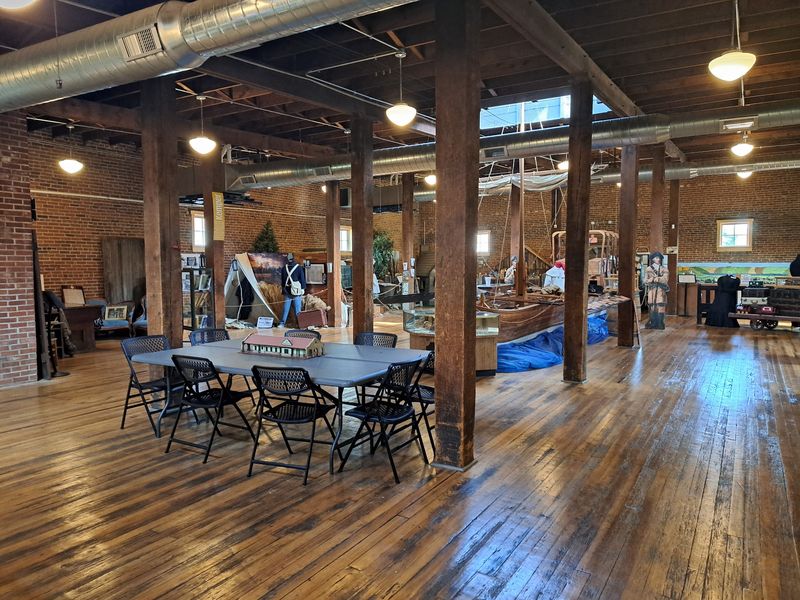
The keelboat is the thing everybody comes for, and honestly, it does not disappoint once you are standing next to it. Even at half scale, the replica gives you a real sense of how narrow and crowded that boat must have felt with a full crew and all their supplies packed aboard.
Lewis and Clark pushed up the Missouri River past the spot that would eventually become Boonville, and the exhibit builds the story around that moment. You get the sense of how slow and grinding that trip was, with men poling and pulling the boat upstream against current the whole way.
What I like about seeing it indoors is that you can actually study the construction, the mast, the deck layout, and the storage areas without weather getting in the way. Kids tend to circle it a few times, which is a good sign for any museum piece.
Give yourself more than a quick glance here, because the surrounding panels fill in details about the expedition that most people never learned in school. Read a couple of them, then look back at the boat, and the scale of what those men attempted really lands.
A Free Visitor Center Hiding In An Old Warehouse
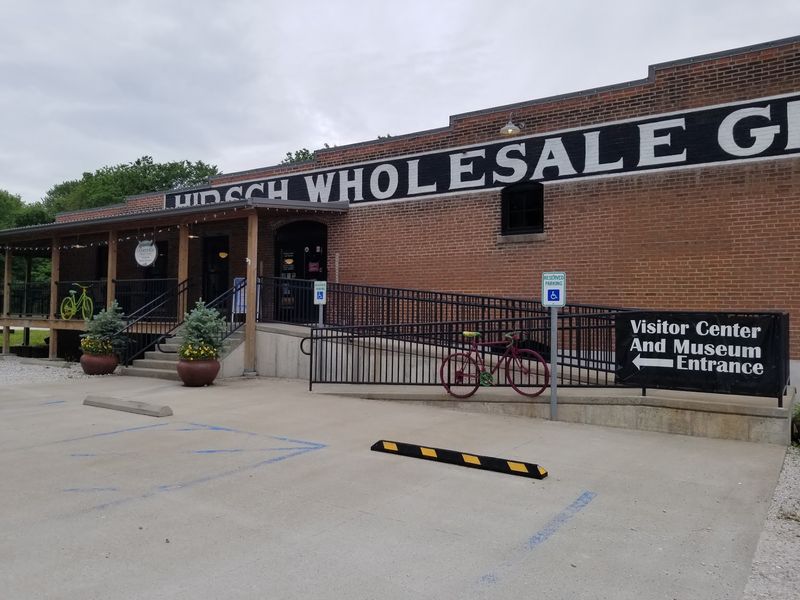
Here is the practical stuff you probably want up front. The museum lives at 100 E Spring St, Boonville, MO 65233, and it works as the official visitor center for the city, run by the local tourism folks.
Admission is free, which always makes me a little suspicious until I walk in and realize the exhibits are genuinely well put together. There is no ticket booth, no upsell, just a front desk where you can grab maps and ask about what else is happening around town.
The building itself used to be a grocery wholesaler warehouse, and the restoration kept enough of that industrial bones feeling to make the space interesting. High ceilings help a lot when you are trying to fit a keelboat indoors, as you might imagine.
Because it doubles as a visitor center, this is the smart first stop if you are new to the area and want recommendations on where to eat or what to see next. Clean restrooms and a gift shop round things out, and after a long stretch of driving through Missouri, that combination matters more than people admit.
Steamboat Relics Pulled From The River Bottom
Long before highways cut through the middle of the state, the Missouri River was the interstate, and steamboats were the trucks. The museum leans into that hard with a collection of steamboat memorabilia that shows how much commerce ran right past this town.
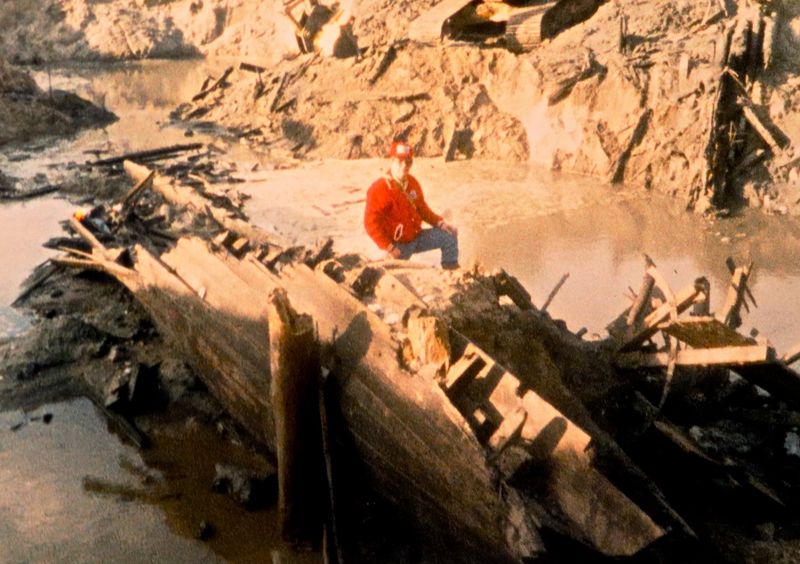
Some of the artifacts on display came from sunken riverboats, which is one of those details that stops you for a second. The river swallowed a lot of boats over the years, and pieces of them keep turning up.
There are also models of paddle-wheel boats set up to show how the mechanics actually worked, which is way easier to understand when you can see the wheel and the linkage rather than read a paragraph about it. I find that kind of exhibit does more teaching than any wall of text ever could.
Boonville was a real player in river trade, and the displays make that case without overselling it. Walk through slowly and you start to picture the landing crowded with cargo, passengers, and crews hollering at each other.
If you have any interest in how goods moved before trains took over, this section earns your time.
Katy Railroad History And A Model Train Setup
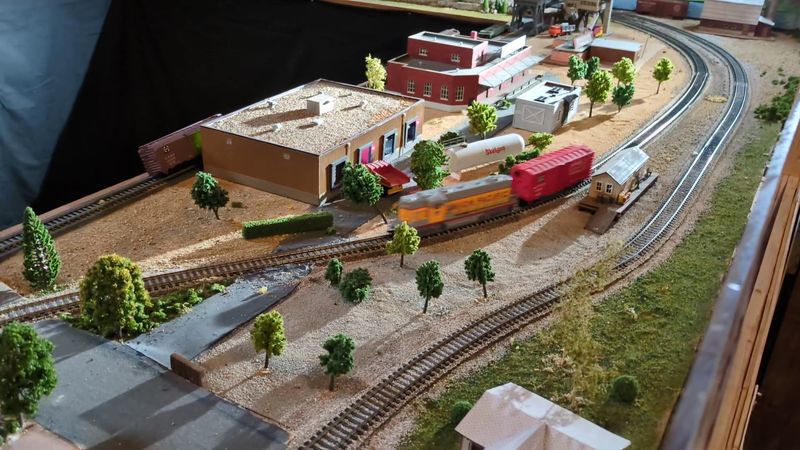
Trains changed everything for Boonville, and the museum makes sure you understand why. The Missouri-Kansas-Texas line, known to pretty much everyone as the Katy, turned this town into a regional hub back when rail was the fastest thing going.
There is a model train display that draws people in immediately, adults just as much as kids. Something about watching a small train loop through a miniature landscape resets your brain a little, and I have never seen anyone walk past one without pausing.
Around the model you will find railroad artifacts that tell the working side of the story, the tools, the hardware, the everyday objects that kept a rail line running. It is a nice contrast to the romantic version of train travel most of us carry around.
The connection matters even more once you step outside, because the old Katy corridor is now the trail that runs right past the door. Standing in an exhibit about a railroad, then walking out onto the path that replaced it, gives the visit a neat sense of continuity.
Rail buffs will linger here, and casual visitors will still find plenty to look at.
An Authentic Wagon With Santa Fe Trail Roots
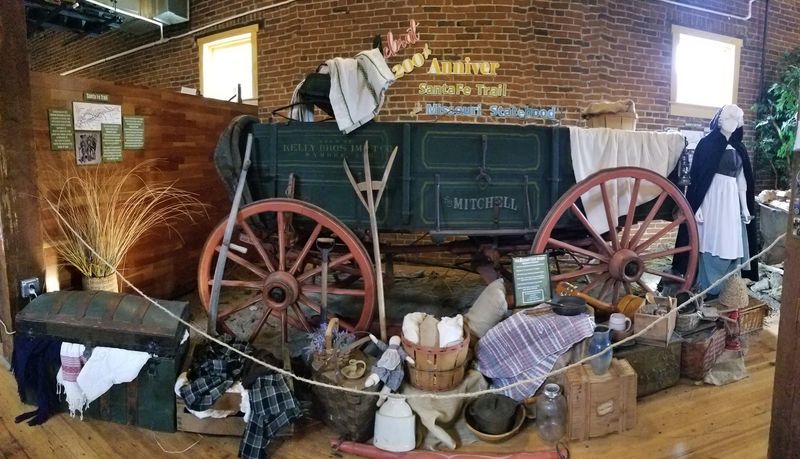
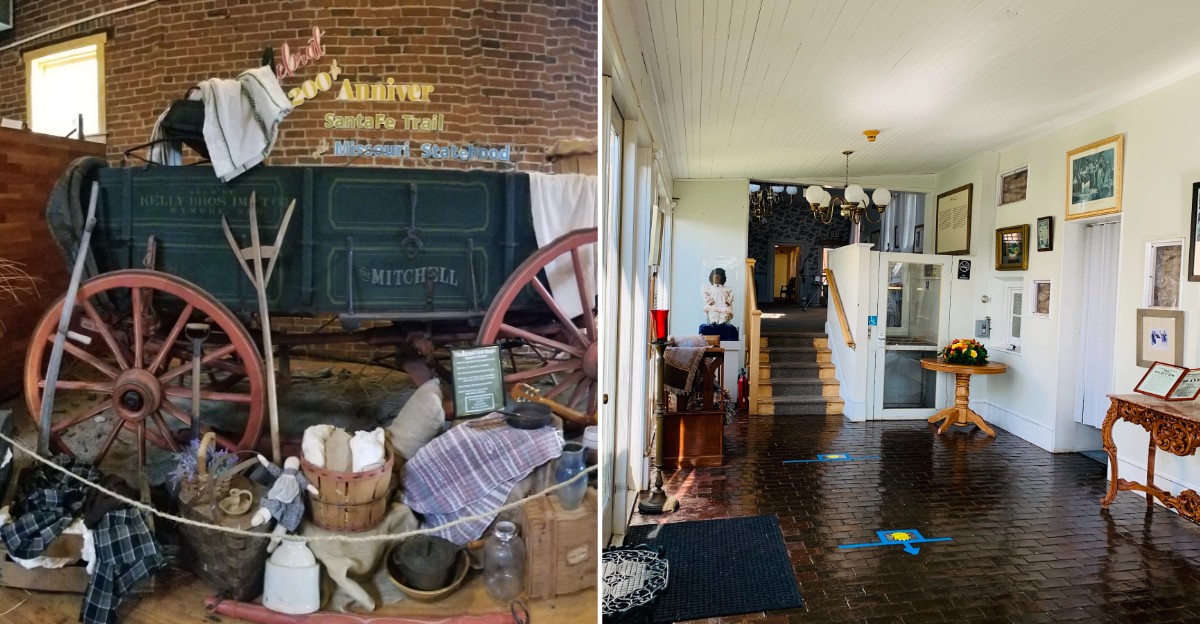
Ever stood next to a real trail wagon and thought about fitting your entire life inside one? That is the reaction the wagon exhibit tends to pull, because the thing is smaller than most people picture.
The wagon on display carries genuine Santa Fe Trail history, and it represents the overland side of the story that the boats and trains cannot tell. Families loaded up everything they owned and rolled west through Missouri with no guarantee any of it would work out.
Looking at the wheels and the wood, you start doing the math on how many miles that rig covered on dirt and rock. Repairs happened on the road with whatever tools people carried, and a broken axle in the wrong place could end a journey.
The exhibit does a good job connecting the wagon to the wider pioneer trail network that funneled through this region. Boonville sat near the routes heading west, so travelers and supplies passed through constantly.
Bring kids over to this one and let them compare the wagon to the family car. The conversation writes itself, and it usually turns into the part of the visit they remember.
The Civil War Corner Most Visitors Do Not Expect
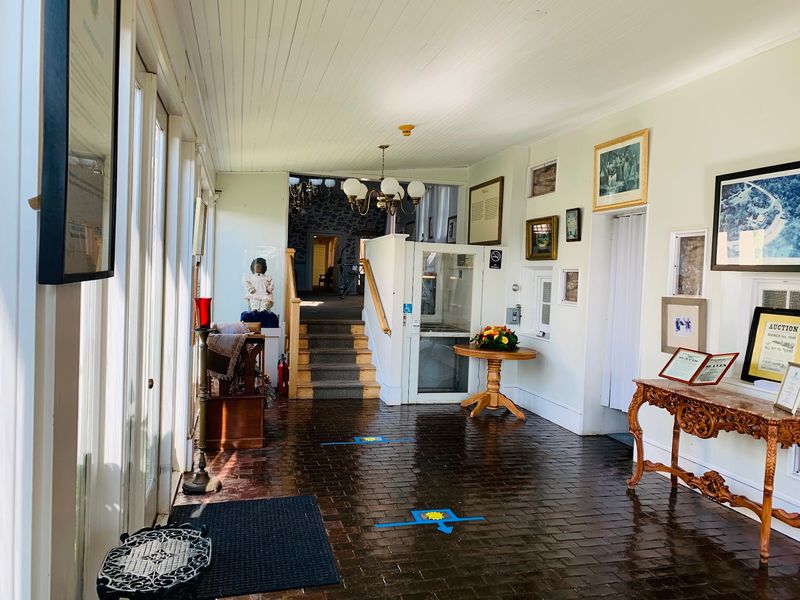
A museum about boats and trains does not sound like a place to learn about the Civil War, and yet here we are. Boonville sat in a genuinely complicated position during the conflict, and the exhibit dedicated to that era gives you the local angle.
Missouri was pulled in several directions at once during the war, with families and neighbors landing on opposite sides. The displays walk through how that tension showed up right here rather than treating it as distant national history.
I appreciate that the exhibit exists at all, because transportation history and wartime history are tangled together more than people realize. Rivers and rail lines were strategic assets, and whoever controlled them held real advantages.
Take your time reading the panels in this section, since the details are specific to the area and you will not find the same framing at a big national site. Local museums often preserve the stories that larger institutions summarize into a sentence.
It is a thoughtful addition to the overall visit and helps explain why this stretch of Missouri kept showing up in bigger events.
Kemper Military School Memorabilia On The Walls
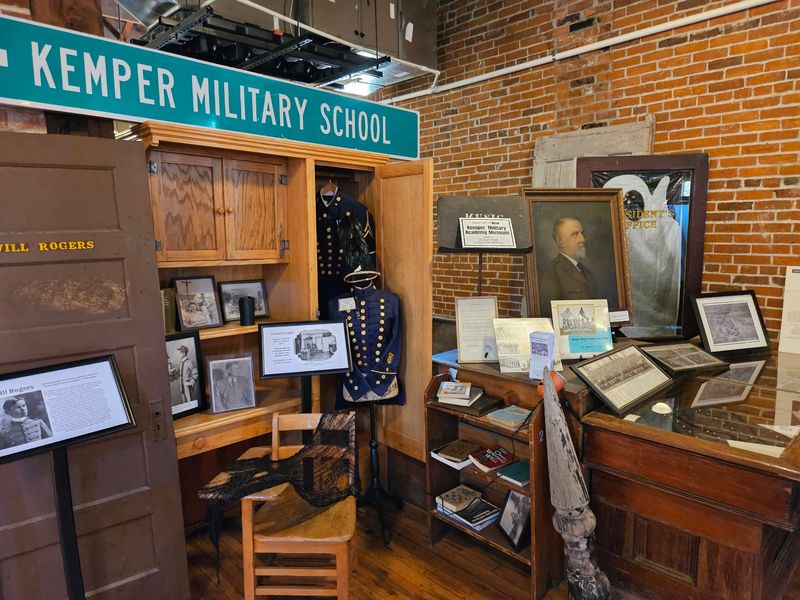
Kemper Military School was a huge part of Boonville life for generations, and the museum keeps that memory in circulation. Uniforms, photographs, and assorted memorabilia fill out a section devoted to the school and the students who passed through it.
For anyone with a family connection to the place, this part of the museum hits differently than the rest. Alumni and their descendants come through looking for familiar faces, and the collection gives them something real to stand in front of.
Even if you have no link to the school at all, the display works as a window into how much a single institution can shape a small town. Cadets shopped in the local stores, marched in the local parades, and left their mark on the streets.
The photographs are probably the strongest piece, since old group portraits tell you a lot about the era in a glance. Hairstyles, posture, uniforms, all of it dates the images instantly.
It also rounds out the museum nicely, because transportation brought people here and institutions like this one gave them reasons to stay. Boonville history is not only about things passing through.
Stepping Straight Onto The Katy Trailhead
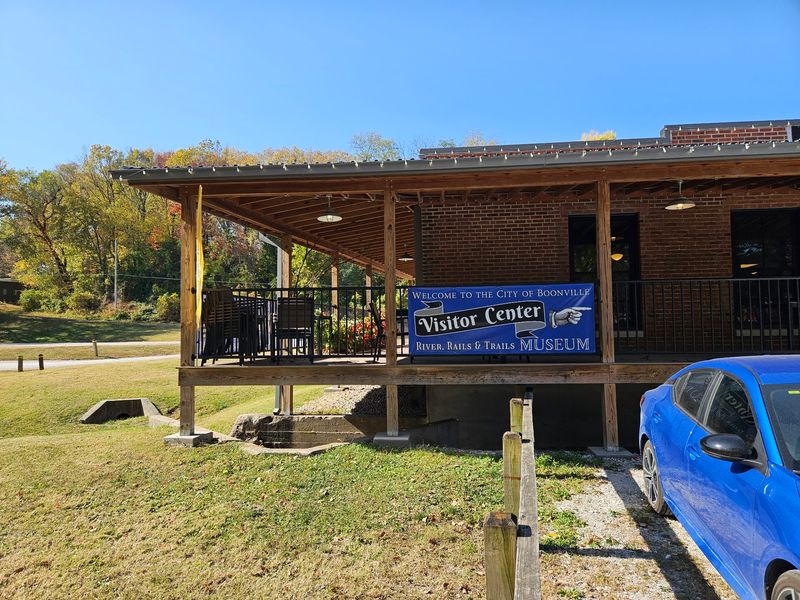
Right outside the door sits the Katy Trailhead, which changes how you plan the whole stop. Cyclists riding the long rail-trail across Missouri can roll in, park the bike, use the restrooms, and wander through the exhibits without going out of their way at all.
The museum sits in the historic Depot District, so the surroundings match the subject matter. Old buildings, rail history, and the river all sit within a short walk of each other.
For trail riders, having a free indoor stop with clean facilities is worth quite a bit on a long day of pedaling. Add in air conditioning during a hot stretch and it becomes the obvious place to catch your breath.
If you are not on a bike, walking a short piece of the trail after your visit gives the exhibits some context. You are literally standing on the path the railroad used to run.
Plan an hour or so for the museum, then add whatever time you want for wandering the district afterward. The combination makes a satisfying half-day out of what looks on paper like a quick stop.
The Water Exhibit That Quietly Makes A Point
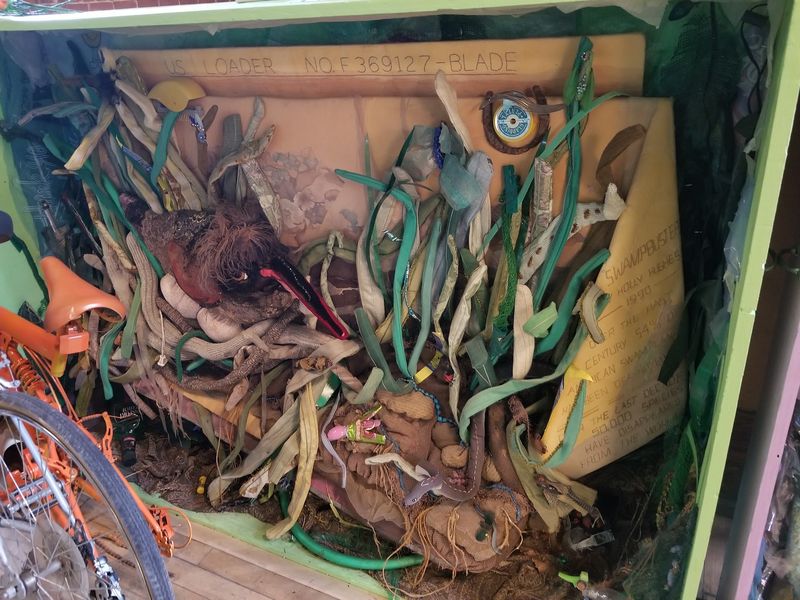
Tucked in among the boats and trains is an environmental exhibit about the nation’s waters, and it sneaks up on you. The setup shows how wetlands, streams, and other water features filter and feed the environment, and how human activity affects all of it.
Placing that message inside a museum built around river transportation is a smart move. You spend the whole visit learning how much the Missouri River gave this town, then you get a section explaining what keeps a river healthy.
Kids seem to respond to it because the concepts are visual rather than abstract. Seeing water move through a model beats reading about watersheds any day of the week.
Adults tend to walk away with a slightly different view of the river outside, which I think is the whole point. It stops being scenery and starts being a system.
None of it is heavy-handed or preachy, just clear information presented in a way that sticks. Combined with everything else under that roof, it makes the museum feel like more than a collection of old objects, and it gives the Missouri River story an ending that reaches into right now.
