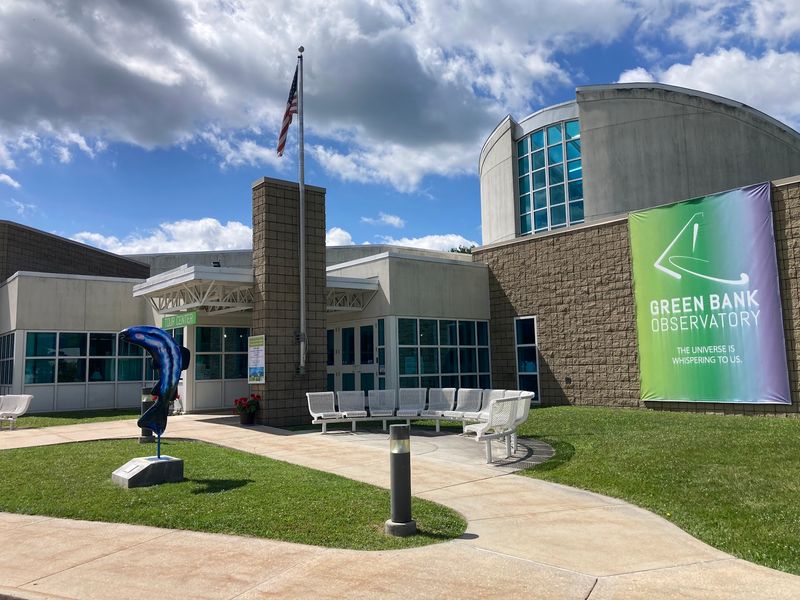
My phone lost its signal miles before I spotted it, and honestly, I thought I had taken a wrong turn somewhere in the West Virginia hills. Then the trees opened up, and a gleaming white shape rose over the valley like something out of an old science fiction picture show.
It was not a restaurant, and it was not the kind of dish you eat, but it fed my curiosity better than any meal I have had in years. If you like big surprises tucked into small mountain places, this one is worth the drive.
A Giant White Dish Hiding in the Allegheny Hills
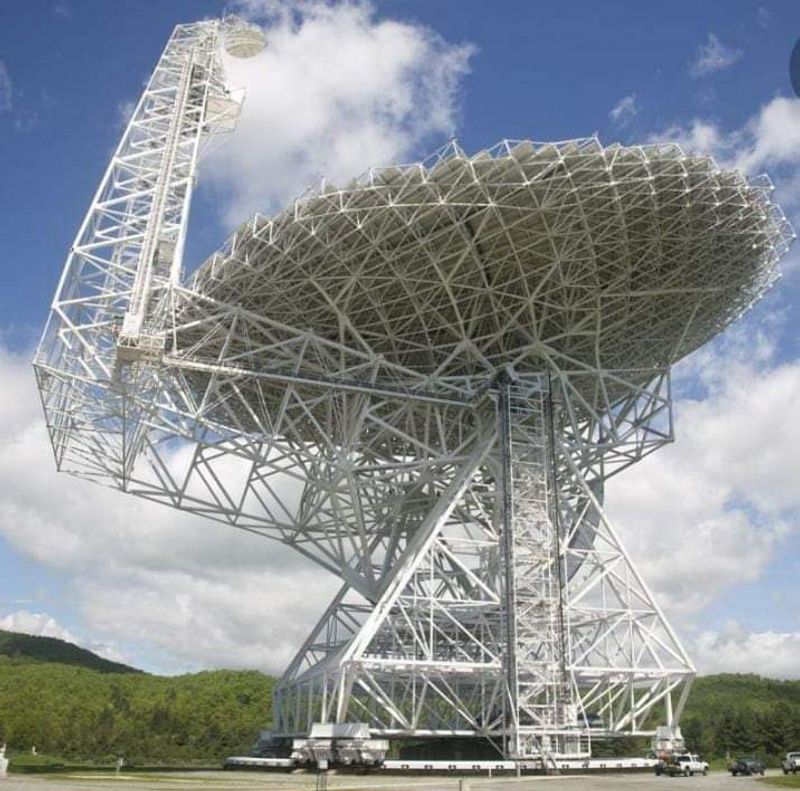
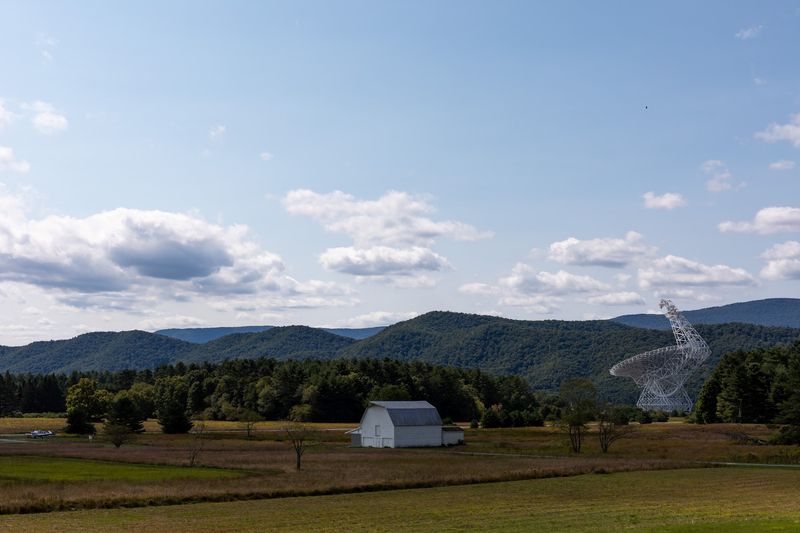
Picture a quiet mountain valley in eastern West Virginia, the kind of place where farm fields meet thick forest and traffic means one pickup truck every ten minutes. Now drop the largest movable radio telescope in the world right in the middle of it.
That is the Green Bank Observatory, and it looks every bit as surprising in person as it sounds.
The observatory sits in the small community of Green Bank, far from big cities and busy highways. Its main attraction is the Green Bank Telescope, a massive white dish that tilts and turns to listen to faint signals from deep space.
Visitors often describe their first glimpse as jaw-dropping, especially when the dish appears suddenly through the trees.
So why call it a dish? Radio telescopes are shaped like giant bowls, and this bowl happens to be big enough to swallow a football field with room to spare.
Folks who come expecting a quick roadside stop usually end up staying for hours.
Beyond the famous telescope, the grounds hold a science center, exhibits, a cafe, a gift shop, walking trails, and several other antennas. Put together, it is one of the most unusual day trips anywhere in the Mountain State.
Radio Astronomy Roots and Hometown Pride
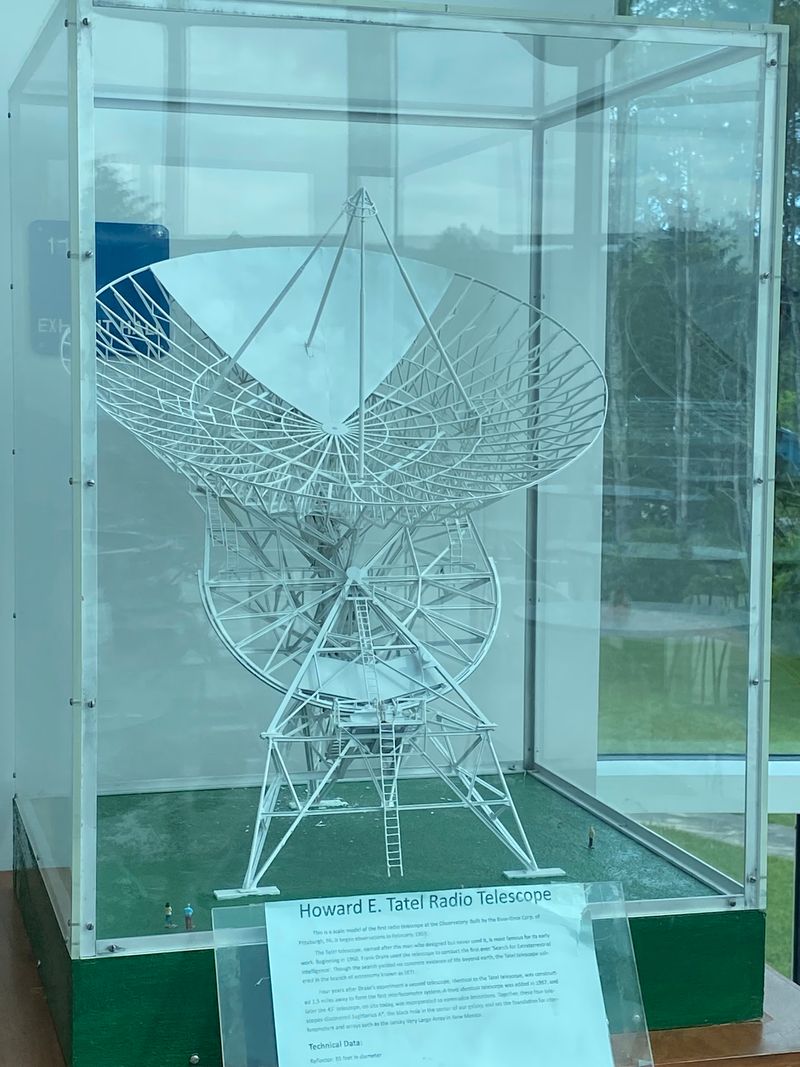
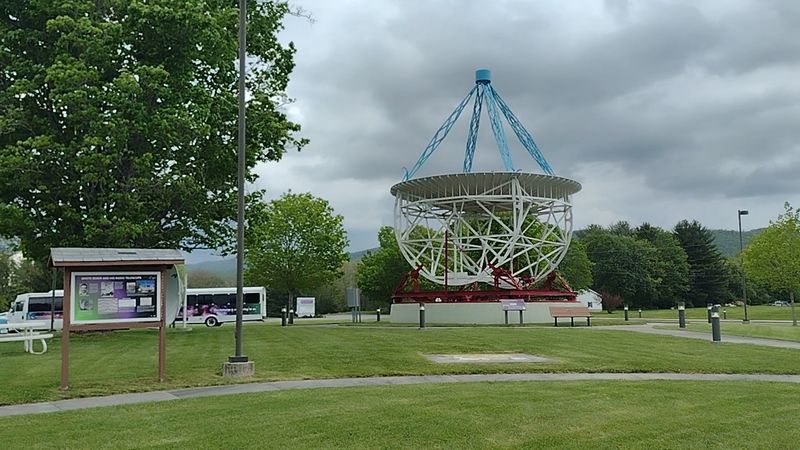
Long before anyone was snapping photos on a smartphone, scientists were quietly pointing strange-looking antennas at the sky from this corner of West Virginia. The history of radio astronomy runs deep here, and the observatory does a fine job of telling that story in plain, friendly terms.
Inside the science center, exhibits walk you through how the field grew and how the technology behind it developed over the decades. Visitors mention that a model of one of the earliest radio telescopes sits on site, giving you a sense of how humble the beginnings were compared to the giant dish outside.
Seeing old and new side by side makes the progress feel real.
What makes the story even warmer is the local connection. Some visitors say relatives helped with the founding and early discoveries, and they come back with a lump of pride in their throats.
Others grew up inside the surrounding quiet zone and somehow never visited as kids, only to finally make the trip as adults and find it fascinating.
That mix of big science and small-town roots is what gives Green Bank its heart. It is not a museum dropped in from somewhere else.
It feels like a piece of West Virginia that just happens to study the stars.
Seventeen Million Pounds of Steel on the Move
Numbers can sound dry until you stand at the base of this thing and crane your neck. The Green Bank Telescope reportedly weighs more than 17 million pounds, and visitors often note that its dish covers about 2.3 acres.
For comparison, a regulation football field, end zones and all, comes in at roughly 1.3 acres.
In other words, you could lay a whole football field inside the collecting area and still have plenty of surface left over. Yet this enormous structure is not frozen in place.
It is known as the largest movable, or fully steerable, radio telescope in the world, able to tilt and rotate toward different parts of the sky.
Guests who see it up close describe the size as mind-blowing. Photos simply do not capture how the dish towers over the valley floor or how small people look standing beneath it.
One visitor even planned a honeymoon around seeing it in person after getting hooked on online videos.
Here is a fun bonus: the telescope is not the only giant on the property. Visitors point out that the campus is home to two of the largest antennas in the world, along with a collection of smaller dishes scattered across the fields.
Life Without Bars in the National Radio Quiet Zone
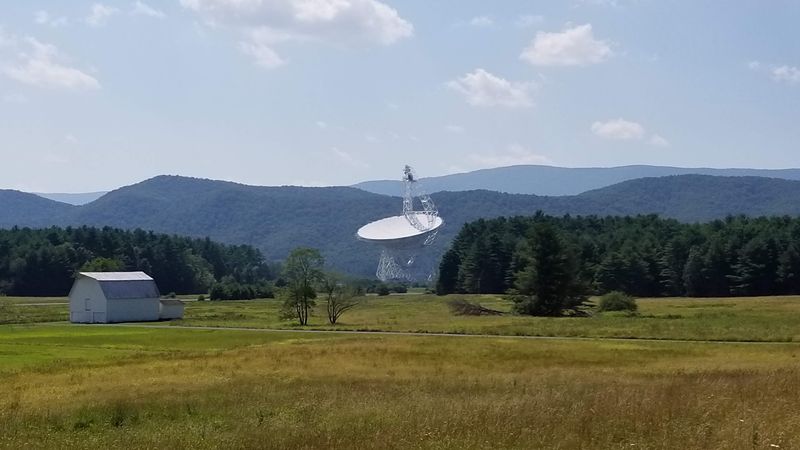
Remember when a drive through the country meant rolling down the windows and just listening? Around Green Bank, that old habit comes right back, because your phone is going to lose its signal long before you reach the parking lot.
The observatory sits inside the National Radio Quiet Zone, an area where outside signals like cell service, radio, and Wi-Fi are limited. Those signals can interfere with the sensitive telescopes as they pick up whispers from space.
The exhibits inside explain how the zone works and why it matters so much to the science happening here.
Many guests end up loving the break. Visitors describe it as a refreshing digital detox, a chance to slow down, look around, and actually enjoy the moment without buzzing notifications.
It feels a lot like the good old days, when folks talked to each other at the table instead of scrolling.
A little preparation goes a long way, though. Regulars suggest downloading your music and maps to your phone before you head into the area.
One traveler admitted to hunting down a gas station for Wi-Fi after running into trouble, so plan your route ahead and you will be just fine.
The Guided Bus Tour and Its Metal Box Ritual
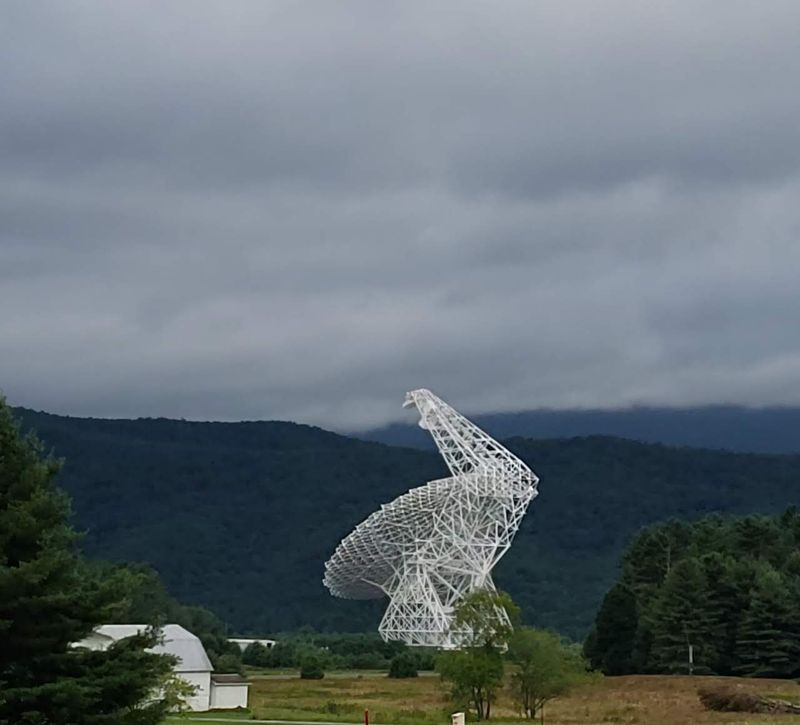
Hand over your phone, please. That is the unusual first step of the popular guided bus tour, and most visitors find the whole routine part of the fun.
Before boarding, guests can snap pictures from an observation deck with phones or digital cameras. Once you climb onto the bus, though, everything gets switched off and tucked into a metal box so no stray signals reach the telescopes.
It sounds strict, but it quickly becomes a shared little adventure.
The bus is small and cozy, and visitors mention drivers who are local and narrate the ride with stories about the telescopes, the satellites, and the surrounding area. Guides earn frequent praise for being knowledgeable, patient, and fun to listen to.
You roll past a whole field of antennas before arriving at the star of the show, the Green Bank Telescope itself.
At the big dish, you can step off and take pictures, as long as you use a disposable or film camera. Regulars strongly recommend bringing one along, since phones stay off the entire time.
According to visitors, tours begin at 10 a.m. and run about every two hours, so a midday arrival still leaves options.
Buttons, Games, and Hands-On Science Inside
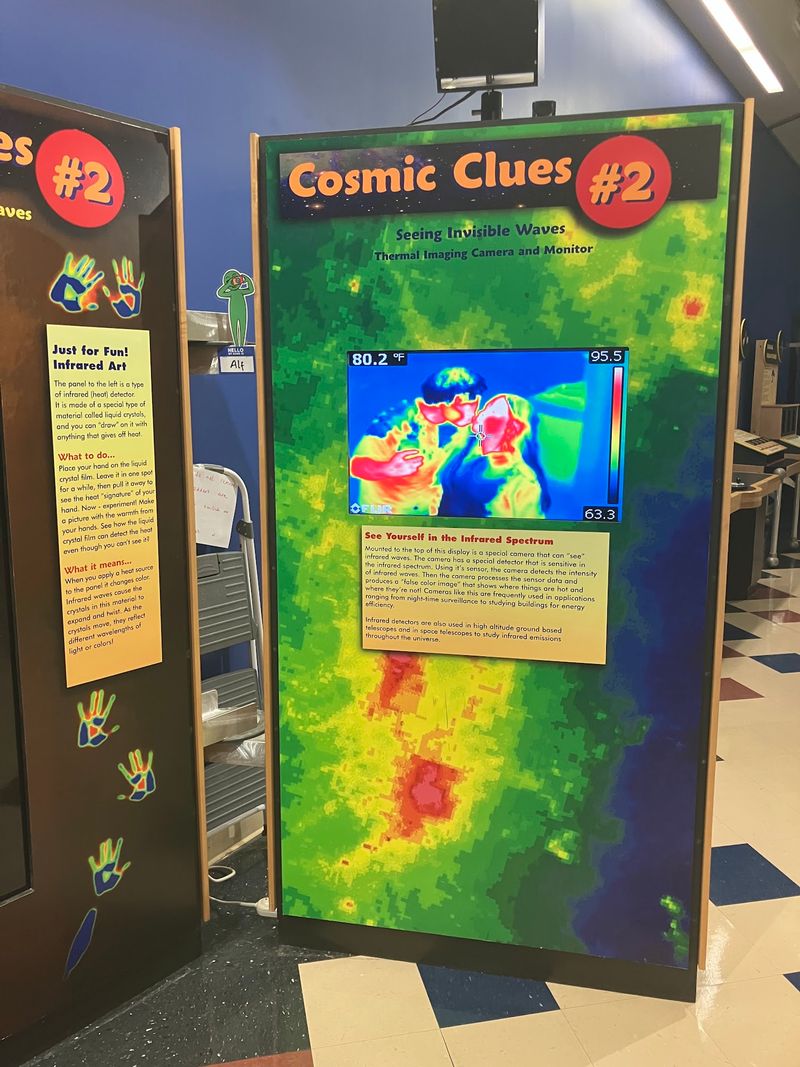
Kids tend to race toward the exhibit hall, and grown-ups are usually not far behind. The science center at Green Bank is packed with interactive tools and games that turn tricky ideas about radio waves into something you can actually touch and play with.
Visitors describe the museum as engaging and easy to follow, explaining radio astronomy, the science behind the telescope, and the special quiet zone that protects it. The welcome center itself earns compliments for being clean and well organized.
Nothing feels stuffy or overwhelming, which makes it a comfortable spot for all ages.
Families say it is a wonderful place for children, with hands-on learning activities that keep young minds busy. Teachers bring student groups here too, and one educator mentioned how friendly and accommodating the staff were during a summer field trip.
Adults often admit they learned just as much as the kids did.
A common regret among guests is simply running out of time. Some wish they had lingered longer before their bus tour pulled out.
If you have a curious youngster, or you are a science lover at heart yourself, set aside a generous chunk of your visit for exploring the exhibits properly.
An In-Depth SETI Tour for Serious Stargazers
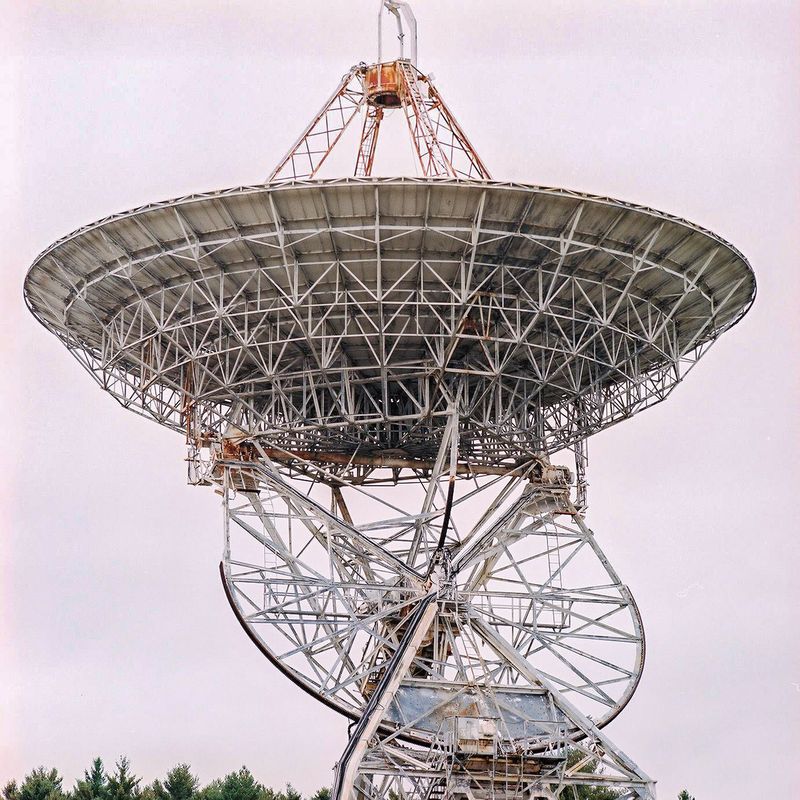
For some folks, the standard bus ride is only an appetizer. The observatory also offers a more in-depth experience, and visitors who take the SETI tour come away absolutely thrilled.
One guest called it among the top ten trips of their life. They described getting up close to several telescopes and even stepping inside some of them, which gives you a whole new appreciation for their size and capability.
The guide was praised as thoroughly informed and able to answer tough questions with ease.
That kind of access is rare, and it shows in how people talk about it afterward. Standing inside the machinery that listens to the universe is a feeling that stays with you.
For anyone who grew up watching space shows on a black-and-white television, it is a real dream come true.
There is one catch worth knowing. Visitors warn that the more detailed tour books up fast, so you will want to reserve well in advance rather than hoping to grab a spot on arrival.
Several guests mentioned missing out on their first trip and planning a return just for this. Check the observatory website ahead of time for current availability and details.
Walking the Solar System Out to Pluto
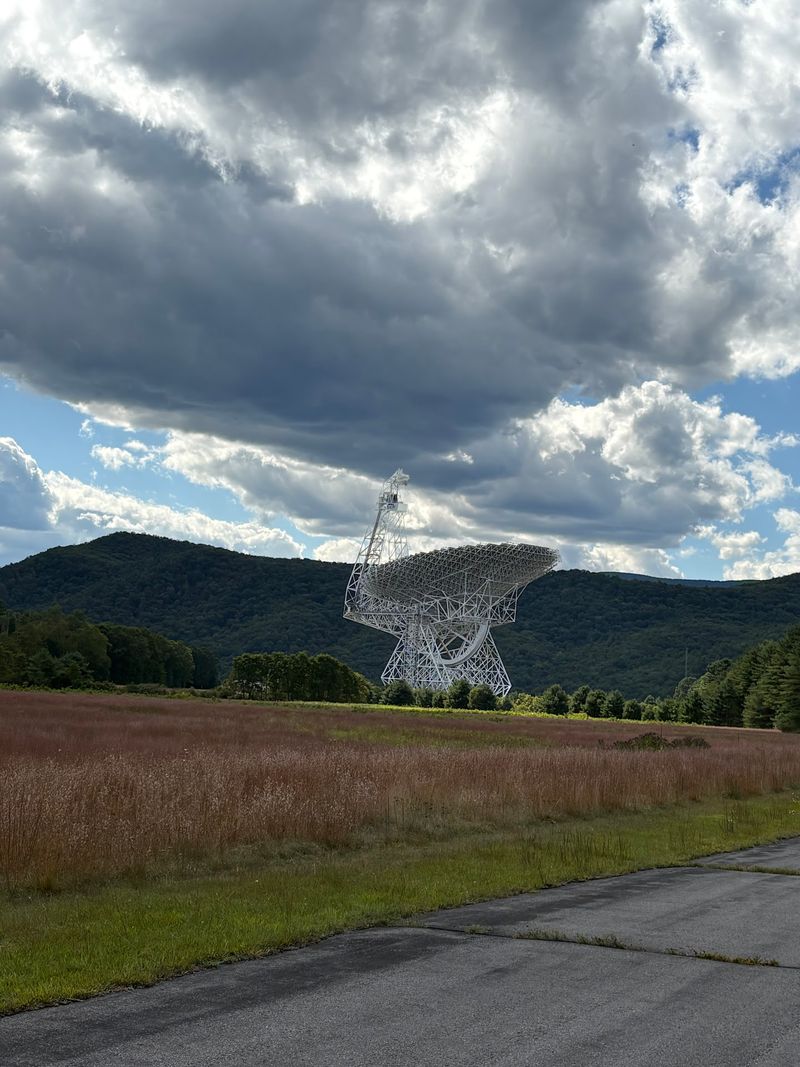
Lace up your walking shoes, because there is a free-feeling way to reach the big dish on your own two feet. Visitors describe a self-guided walk of roughly three miles round trip that leads from the science center out to the Green Bank Telescope.
The best part is what lines the way. The road doubles as a scale model of the solar system, with information boards marking each planet as you go.
Pluto waits all the way out at the largest telescope, which makes for a clever finish line and a neat lesson in just how spread out space really is.
Along the route, you pass many of the other telescopes on the property. Several walkers mentioned spotting deer grazing nearby, so the stroll feels like a nature outing as much as a science lesson.
On the way back, a nature trail lets you turn the trip into a pleasant loop instead of retracing your steps.
Keep the rules in mind, though. As you approach the telescopes, all electronics need to be switched off completely.
Visitors who could not make a bus tour say this walk was a wonderful alternative and a fine reason to return.
Autumn Color, Wildlife, and Room to Roam
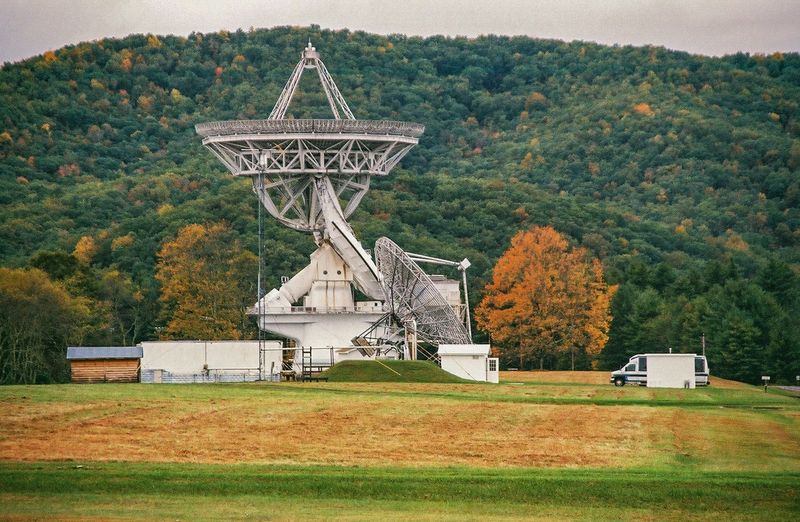
Come October, the hills around Green Bank seem to catch fire in the best possible way. Visitors who time their trip for fall rave about seeing the giant white dish framed by red, orange, and gold leaves across the Appalachian ridges.
The grounds are kept mostly natural, with plenty of forest and open land that serves as habitat for native plants and animals. Guests often mention how much wildlife they spot during a visit.
The setting feels calm and quiet, surrounded by rolling hills that make even a simple walk feel special.
Outdoor lovers have options beyond the solar system road. Visitors say the campus trails welcome hiking, walking, running, cycling, and even horseback riding.
It is easy to spend a whole day outside without ever feeling crowded.
Some travelers get their first look from afar. One family spotted the observatory from Bald Knob while riding the Cass Railroad, then made the short trip over for a closer view.
Pairing the two makes a lovely mountain outing. However you arrive, the natural beauty here is a big part of the draw, and many regulars list it among their favorite places in the state for scenery alone.
A Friendly Cafe and a Gift Shop Worth Browsing
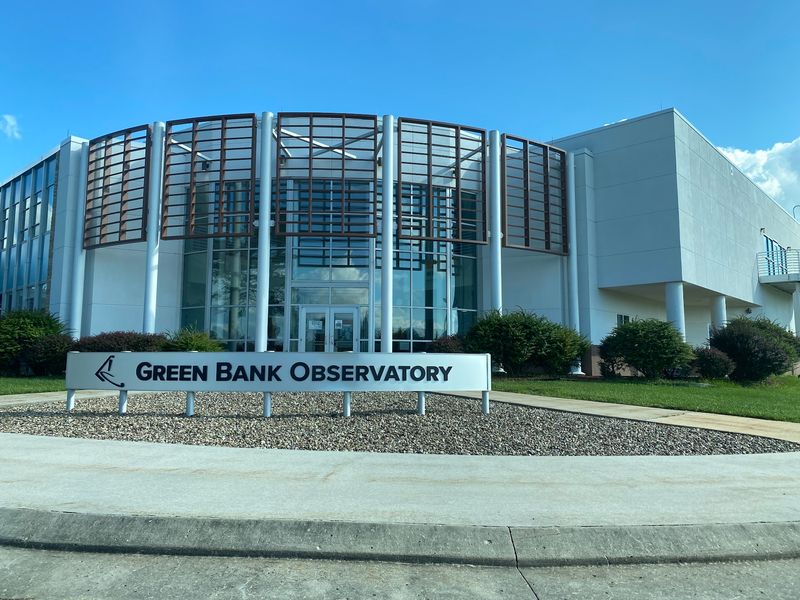
All that walking and learning builds up an appetite, and thankfully you do not have to leave the grounds to take care of it. The on-site cafe offers a small menu, but visitors consistently say the food is very good.
Guests have mentioned enjoying an Italian sub, a club sub, and a hot dog that one person called delicious. It is simple, hearty fare, the kind of lunch that hits the spot after a morning of exploring.
Think of it less as fancy dining and more as a comfortable stop to refuel before the next tour.
Right nearby, the gift shop is a hit of its own. Visitors describe it as cute, super nice, and stocked with items at great prices.
It is a handy place to grab a souvenir for the grandkids or a little something to remind you of the day.
The staff get plenty of praise here too, with guests calling them sweet, friendly, and knowledgeable. Friendly staff actually ranks among the most commonly mentioned highlights of the whole visit.
Between a warm lunch and a friendly chat at the register, the visitor center feels welcoming in that familiar West Virginia way.
Families, Field Trips, and Curious Grown-Ups Alike
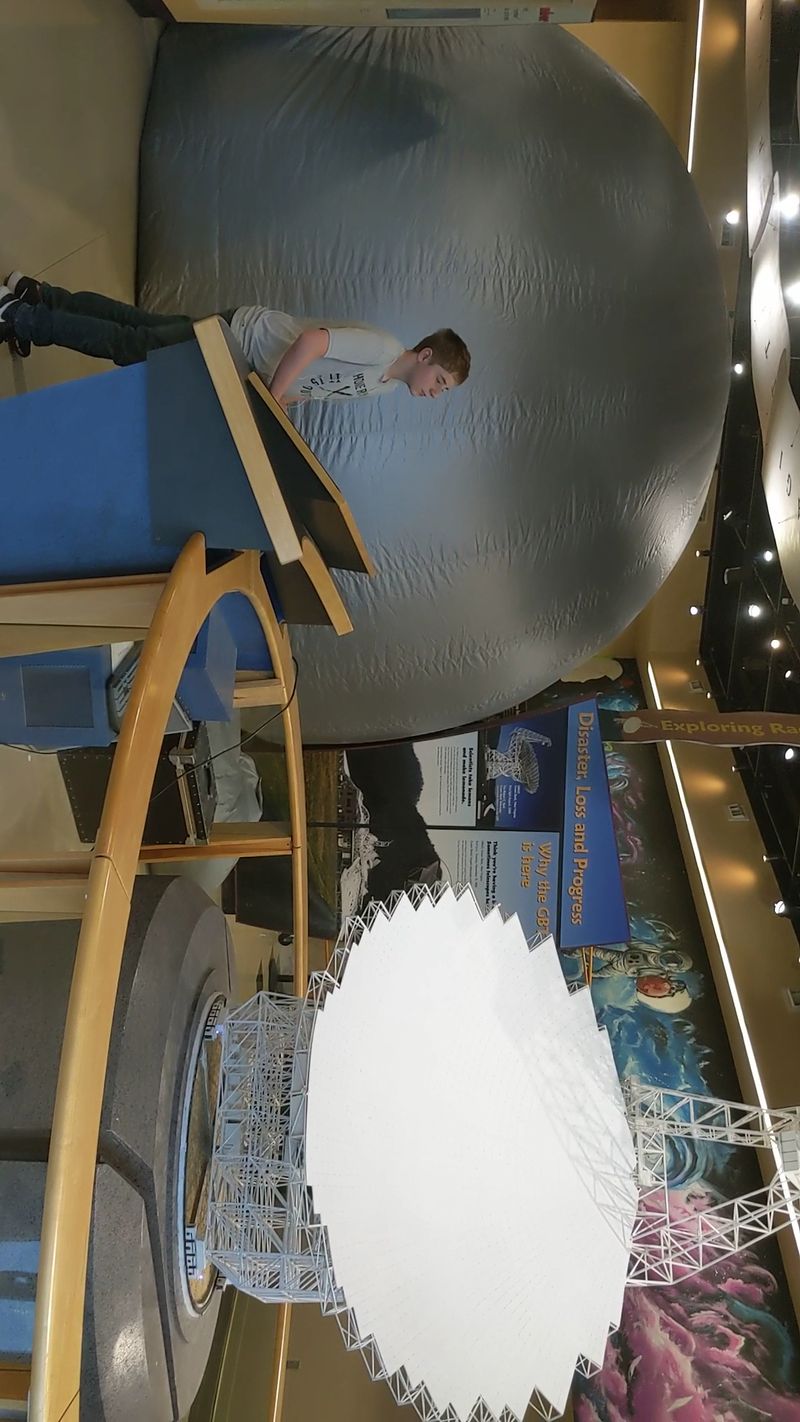
Honeymooners, retirees, schoolteachers, and wide-eyed kids all seem to find their way here, and remarkably, each group leaves happy. That broad appeal is one of the observatory’s quiet strengths.
Families say it is an awesome spot for children, thanks to the hands-on exhibits and the thrill of seeing something so enormous. Science fans of every age call it a treasure, and some describe it as the highlight of their entire trip.
Even people who live a couple of hours away enjoy bringing out-of-town guests to show off this one-of-a-kind place.
Grandparents looking for an affordable, meaningful outing with the grandkids will find plenty to share. It is a chance to swap stories about the space race days while the little ones press buttons and ask endless questions.
Few places spark that kind of conversation across generations.
Special events add another layer. One family attended the Space Rumpus event and described having a blast, calling it a great tech-free weekend in the mountains.
Whether you come for a scheduled event or a spur-of-the-moment afternoon, you will likely feel the same pull that keeps visitors planning return trips before they even pull out of the parking lot.
Planning Tips Before You Head for the Hills
A little homework makes this trip go smoothly, especially since your phone will not be much help once you arrive. The observatory is located at 155 Observatory Rd, Green Bank, WV 24944, so jot that down or save your directions before losing signal.
According to visitors, guided tours start at 10 a.m. and leave roughly every two hours, at 10, noon, 2 p.m., and so on. One guest noted that online listings once showed the site open when it was actually closed.
Checking the official website at greenbankobservatory.org for current hours, tour times, and pricing is the safest bet.
Pack a disposable or film camera if you want photos at the big dish during a tour. Visitors also advise against pulling over on the roadside for pictures, since the mountain curves can be risky.
Take a tour or use the observation deck instead.
So, is it worth the winding drive? For most people, the answer seems to be a resounding yes.
Between a telescope larger than a football field, friendly guides, peaceful trails, and a welcome break from screens, Green Bank offers a memorable taste of West Virginia wonder that lingers long after you head home.
