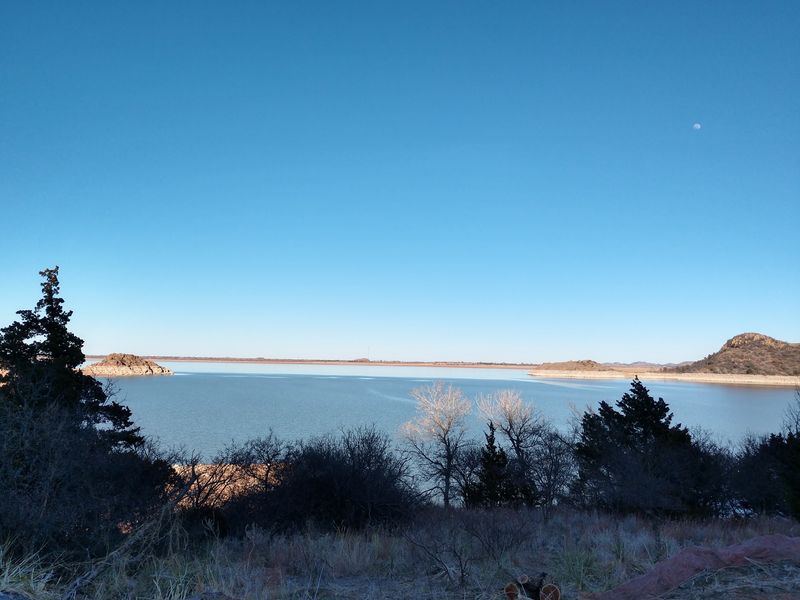
I pulled over in southwestern Oklahoma expecting nothing more than a quick stretch and a look at some water. Instead, I found myself squinting at a row of old bricks poking out of the mud where a lake should have been.
Turns out an entire town once stood right there, and every time drought pulls the water back, pieces of it come up for air. It was the kind of stop that made me forget all about the slice of pie I had been craving.
A Sunken Townsite in the Southwest Corner
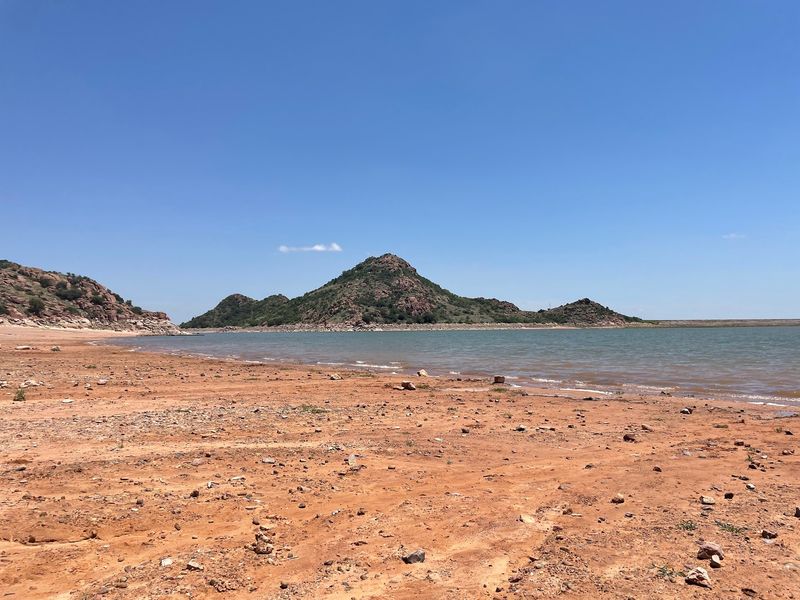
Out where farmland rolls toward the horizon in southwestern Oklahoma, a reservoir called Lake Altus-Lugert shimmers under a huge sky. On a map, it sits in the 73655 ZIP code, fed by the North Fork of the Red River.
Most folks who drive past see a pleasant lake and keep going.
What they miss is the story sitting on the bottom. Beneath that water lies the old town of Lugert, a real community with stores, a bank, and hotels that once served hundreds of residents.
When the lake level falls far enough, parts of that town rise back into view.
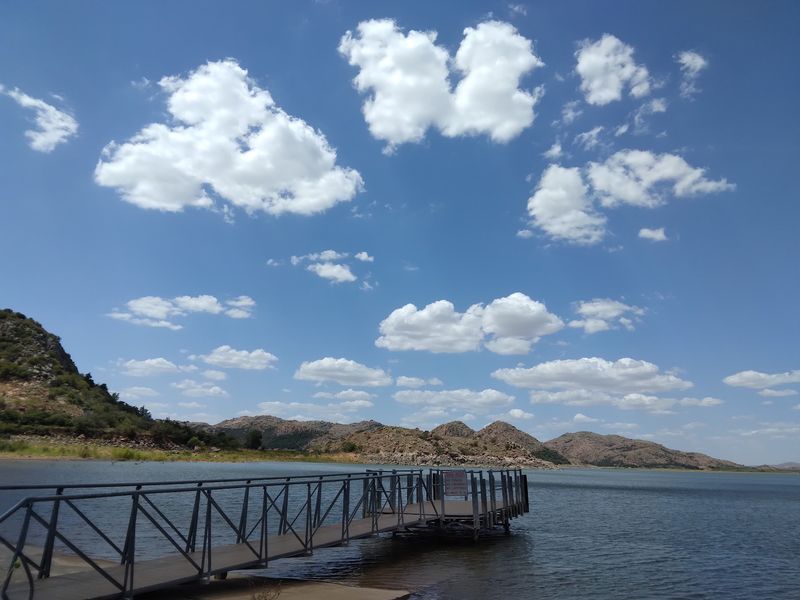
That double life makes the lake a rare kind of destination. On a full-water year, it’s a spot for fishing, lounging near a small dock, and watching the sun come up.
In a dry year, it turns into an open-air history lesson where you can walk streets that disappeared generations ago.
Either way, the place rewards curiosity. Locals know the lake as a vital water source for the city of Altus and for farms across the region, so its ups and downs matter to real people.
For visitors, those same ups and downs are exactly what make every trip feel a little different from the last one.
Frank Lugert’s Frontier Boomtown
Back in 1901, an Austrian immigrant named Frank Lugert looked at this patch of Oklahoma prairie and saw a future. He planted a town, gave it his name, and set about building a community from scratch.
Within a few short years, Lugert had become a lively stop in the fast-growing southwestern part of the state.
Main street had just about everything a pioneer family could want. There was a general store that doubled as the post office, a bank, a pair of hotels, and a couple of restaurants ready to feed hungry travelers.
Imagine the smell of fresh coffee and fried potatoes drifting onto a dusty road while wagons rolled past.
Frank himself owned that general store, and he had a clever streak. He even created his own currency for customers to spend inside his shop, a quirky detail that history buffs still love to bring up.
At its peak, the town counted somewhere around 300 to 400 residents. That may sound small today, but for early Oklahoma it was a bustling little hub full of farmers, merchants, and families betting on the land.
Nobody walking those streets could have guessed that one day fish would swim over their rooftops.
The Spring Storm That Changed Everything
April 27, 1912, started like any other spring day on the southern plains. By evening, a powerful tornado had torn straight through Lugert.
Anyone who has lived through Oklahoma storm season knows how quickly the sky can turn.
The damage was staggering. Out of 42 business buildings in town, the twister flattened 41 of them, leaving only one standing.
For a young community still finding its footing, losing almost its entire commercial district in a single afternoon was a blow few towns could absorb.
Frank Lugert refused to give up on his dream. He rebuilt his general store.
Many neighbors, though, packed up and looked for fresh starts elsewhere, and the population slowly thinned.
Historians often point to that storm as the turning point. Lugert never quite recovered the energy it had enjoyed during its first decade, and the town began a gradual slide into quieter days.
In hindsight, the tornado set the stage for an even bigger change that was still decades away.
It’s a humbling reminder of how much the weather shapes life in this part of the state. Even now, if you plan a visit in spring, keep an eye on the forecast.
The same wide-open skies that make for gorgeous sunrises can brew up trouble quickly.
Two Dams and a Fifty-Foot Rise
Water, not wind, delivered the final chapter. In 1927, the city of Altus needed a dependable supply for its growing population, so crews built the Altus Dam across the North Fork of the Red River.
The new reservoir crept over part of the old townsite, but not all of it.
Bigger plans arrived in 1938. That year, the federal government authorized the W.C.
Austin Project, an ambitious effort to expand the lake and send irrigation water to roughly 48,000 acres of farmland across southwestern Oklahoma.
Construction on the larger dam kicked off in 1941. Work paused briefly during World War II, then picked back up and wrapped in 1947.
When it was finished, the dam stood about 50 feet higher than before, and the rest of Lugert slipped quietly beneath the surface.
Frank Lugert, stubborn as ever, simply moved his general store to a new spot beside the growing lake. He kept it running for many more years, which says a lot about the grit of early Oklahoma settlers.
Today the reservoir still serves Altus as a municipal water source and supports farms across the area. That dual job explains why levels can swing so much from year to year.
Bricks, Crockery, and a Sidewalk to Nowhere
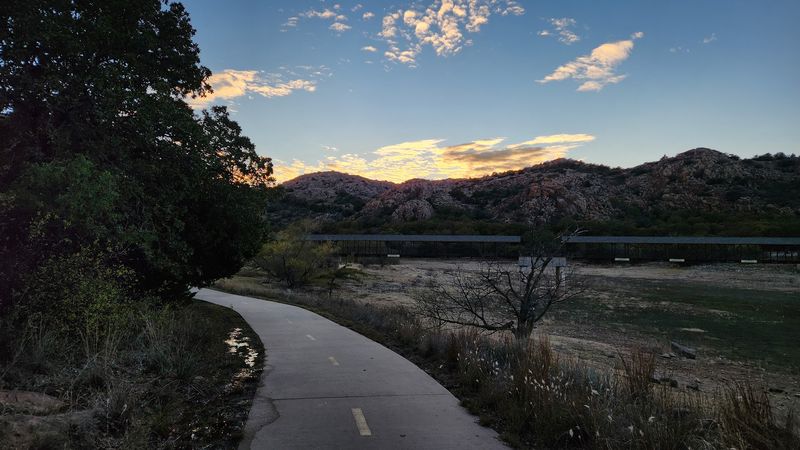
Every five to ten years or so, drought grabs hold of southwestern Oklahoma and the lake starts to shrink. As the shoreline pulls back, the old streets of Lugert begin to show themselves again.
Folks who happen to visit during those dry stretches get a rare chance to stroll across what used to be a busy town.
So what actually turns up? Visitors have spotted the outlines of house foundations and other buildings, giving a real sense of how the town was laid out.
Piles of old bricks sit among the weeds, along with bits of broken crockery and smooth pieces of glass polished by years underwater.
Perhaps the most haunting sight is a stretch of sidewalk that simply leads nowhere. Someone once walked that path to the store or a neighbor’s porch, and now it ends in cracked mud and scrub.
Standing there, it’s easy to feel a little shiver of wonder.
Recent visitors have mentioned the lake running roughly 22 feet low, so the timing may be right for exploring. Please treat anything you find with respect and leave it where it lies, so the next curious family can enjoy the same discovery.
The WPA Schoolhouse That Barely Got Used
Here’s a twist that surprises almost everyone. Even as Lugert faded, the Works Progress Administration went ahead and built a two-story school building there as late as 1939.
The WPA was a Depression-era program that put people to work on public projects, and schools were a big part of that effort.
The timing could hardly have been stranger. Less than a decade after workers laid those foundations, the rising water of the expanded lake swallowed the building for good.
Kids who once carried lunch pails up its steps may have lived to see their classrooms become fishing grounds.
When drought exposes the lakebed, that school foundation is one of the most talked-about finds. It’s a striking reminder of how much hope the community still held for the future.
For families visiting with children, the school makes a great conversation starter. Ask the kids to imagine their own classroom sitting underwater, then let them picture what recess looked like on those very grounds.
History lands differently when you can stand on it.
Grandparents who grew up in small Oklahoma towns often connect with this spot, too. Many remember WPA buildings from their own childhoods, which makes the story feel close to home.
Catfish, Clear Water, and Patient Anglers
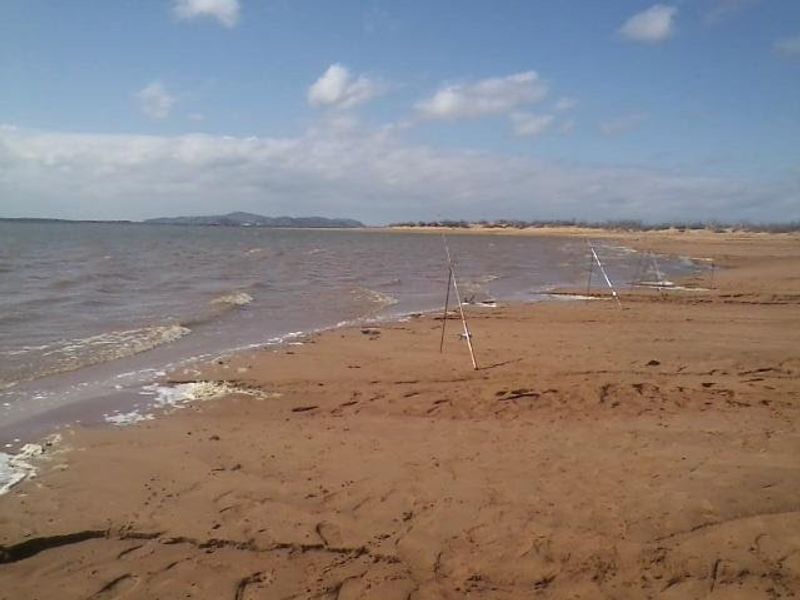
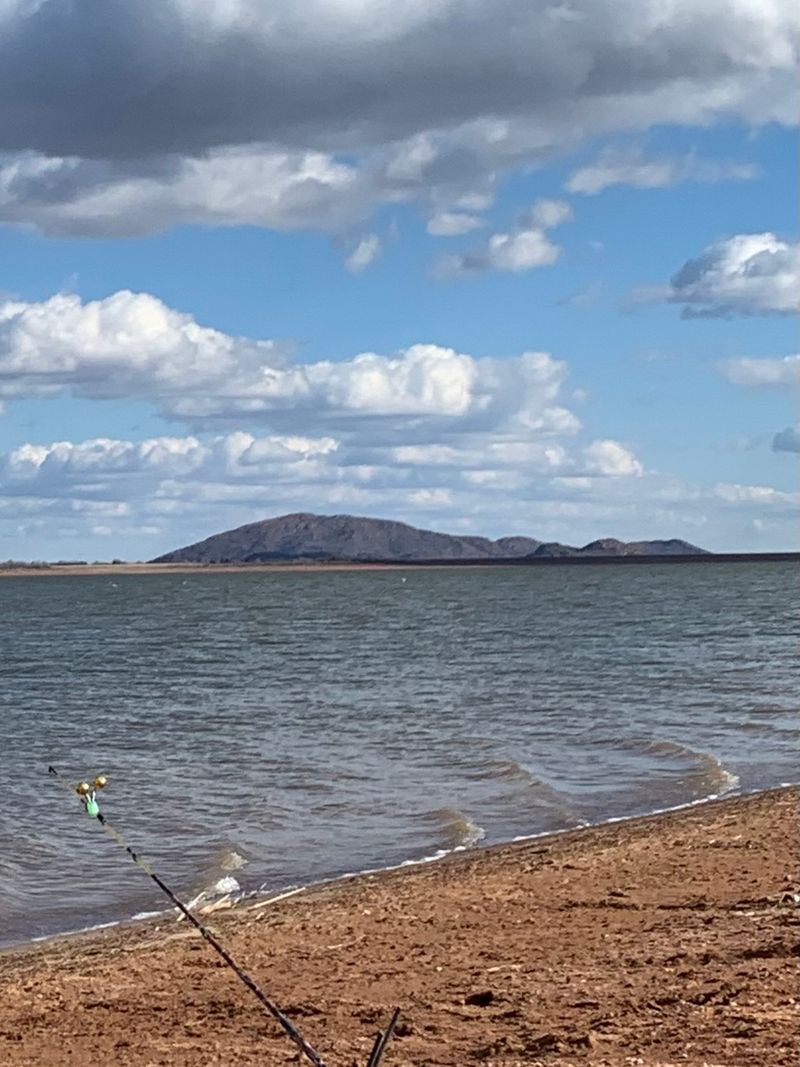
Talk to anyone who has spent a lazy morning here, and fishing comes up fast. Visitors regularly mention good catches, and more than one angler has left planning a quick return trip.
Some even describe the fishing as the main reason they make the drive.
Catfish seem to be a popular target. One traveler admitted driving halfway across the state just to chase them, which tells you how seriously folks take it.
There is a catch, though. That same angler was disappointed to learn night fishing wasn’t an option during the visit, so check current rules before planning an after-dark session.
Regulations can change, and a quick call ahead may save some frustration.
Water level matters here too. Longtime visitors say the fish were better when the lake ran fuller, and low levels can shift where fish gather.
On the bright side, earlier visitors have praised the clear water, which makes a peaceful backdrop for casting.
If you’re bringing youngsters, pack snacks, sunscreen, and plenty of patience. A slow day on the bank still beats a busy day anywhere else, especially with a thermos of sweet tea.
Just remember an Oklahoma fishing license is typically required for anglers of licensing age.
Sunrise Views and a Photo-Ready Dock
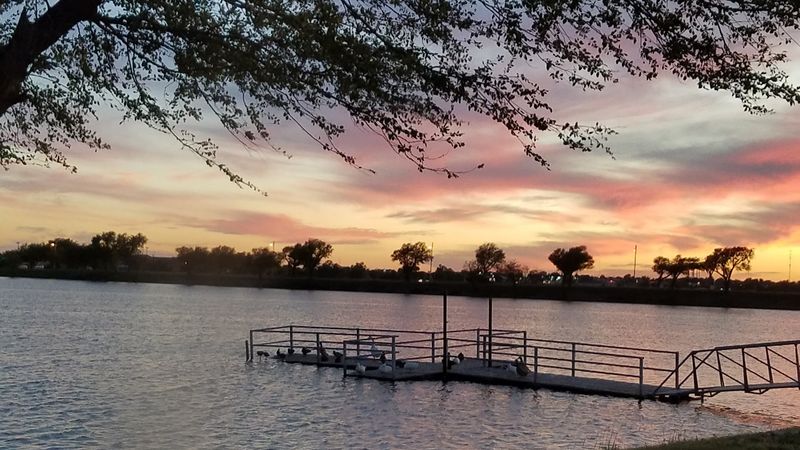
Early risers get the best show at this lake. Visitors rave about the sunrises, when pink and gold light spills across the water and the whole landscape seems to wake up slowly.
There’s a charming little dock that works beautifully for photos. One traveler from overseas described arriving on a Monday afternoon and feeling like the entire lake belonged to them alone.
That kind of solitude is hard to find at busier reservoirs closer to the big cities.
Weekends bring more people, but even a Sunday evening crowd reportedly left plenty of room to spread out. Several parking lots help keep things from feeling cramped.
The mood here leans calm and unhurried. Many guests describe the lake as relaxing and peaceful, the sort of place for reading a paperback, soaking up sunshine, or simply watching clouds drift.
Friendly park rangers get warm mentions too, adding to the welcoming feel.
That said, the lake may suit some groups better than others. One visitor noted that playgrounds had been removed and wished for more family-friendly features, describing the current vibe as better suited to retirees and folks who prefer a slower pace.
Families with energetic kids might want to plan extra activities of their own.
Planning Notes for the Road Trip
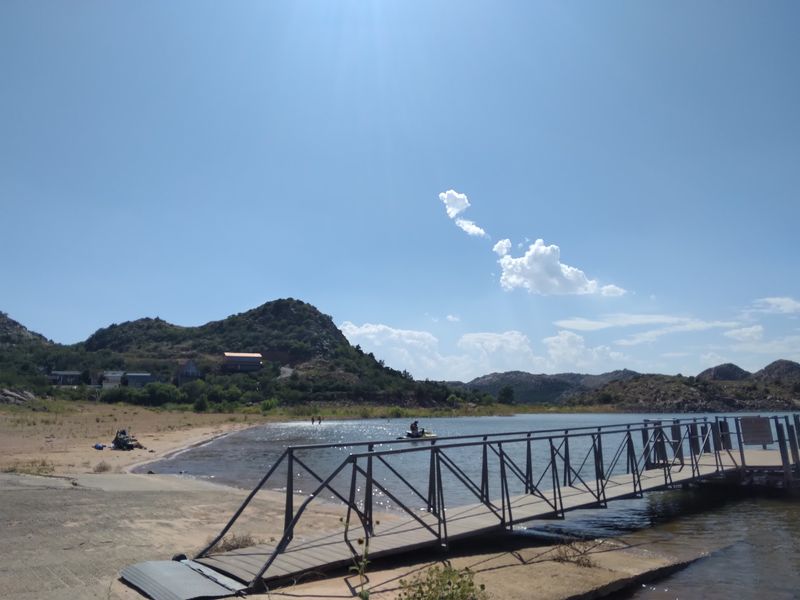
A little preparation goes a long way out here. The lake sits in southwestern Oklahoma near the city of Altus, within the 73655 ZIP code, so plug that into your map app along with the lake name.
Roads in this part of the state are wide and open, but services can be spread out.
Specific hours and fees can shift, so check current details before leaving home. Visitors have mentioned free life jackets hanging for public use, which is a wonderful touch for families.
Please return them when you’re done so the next swimmer stays safe.
Rest rooms are available, but one traveler warned that the water sits farther from the facilities than expected, especially in low years. Use them before trekking toward the shoreline.
Overnight options exist too. Cabins were spotted near the lake, with some vacancies reported in summer 2022, so availability may vary by season.
Campers have asked about primitive sites, so call ahead if roughing it is your plan.
Weather deserves a spot on your checklist. Summers can be sunny and hot, while one recent winter visitor called the experience great but extremely cold.
Spring storms roll through fast, so keep a weather app handy and pack layers no matter the month.
A Lake Worth Checking Twice
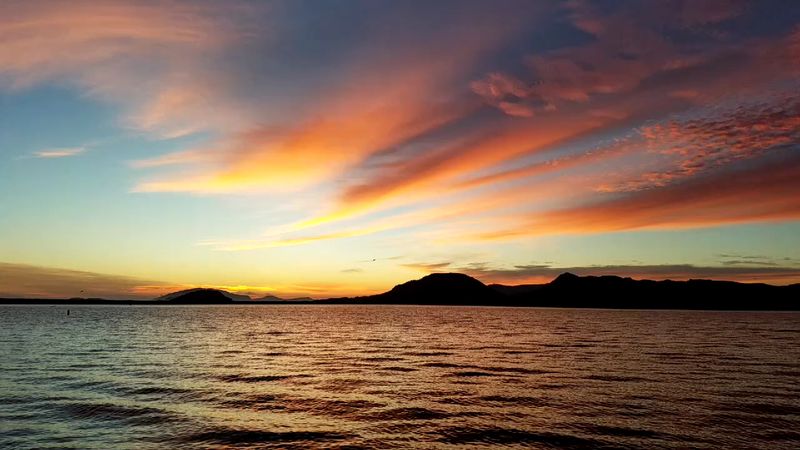
Some places look the same every time you visit. Lake Altus-Lugert isn’t one of them, and that’s exactly its charm.
In a wet year, you get calm water, good fishing, sunrise views, and a quiet dock that feels made for family photos. In a dry year, you get something even rarer: a chance to walk among the foundations of a pioneer town, spot an old sidewalk leading nowhere, and stand beside the remains of a WPA schoolhouse.
Neither version is flashy, and that’s part of the appeal. There are no big crowds or pricey attractions, just a peaceful stretch of Oklahoma with a remarkable story sitting right under the surface.
For folks who love local history, it’s the kind of stop that sparks dinner-table conversation for weeks.
Consider pairing a visit with a meal at a small-town cafe in the area, then swapping stories about Frank Lugert and his homemade currency on the drive home.
Keep an eye on news about lake levels, especially during long dry spells. When the water drops, the town comes back to say hello, and that’s a sight worth a road trip from anywhere in the state.
