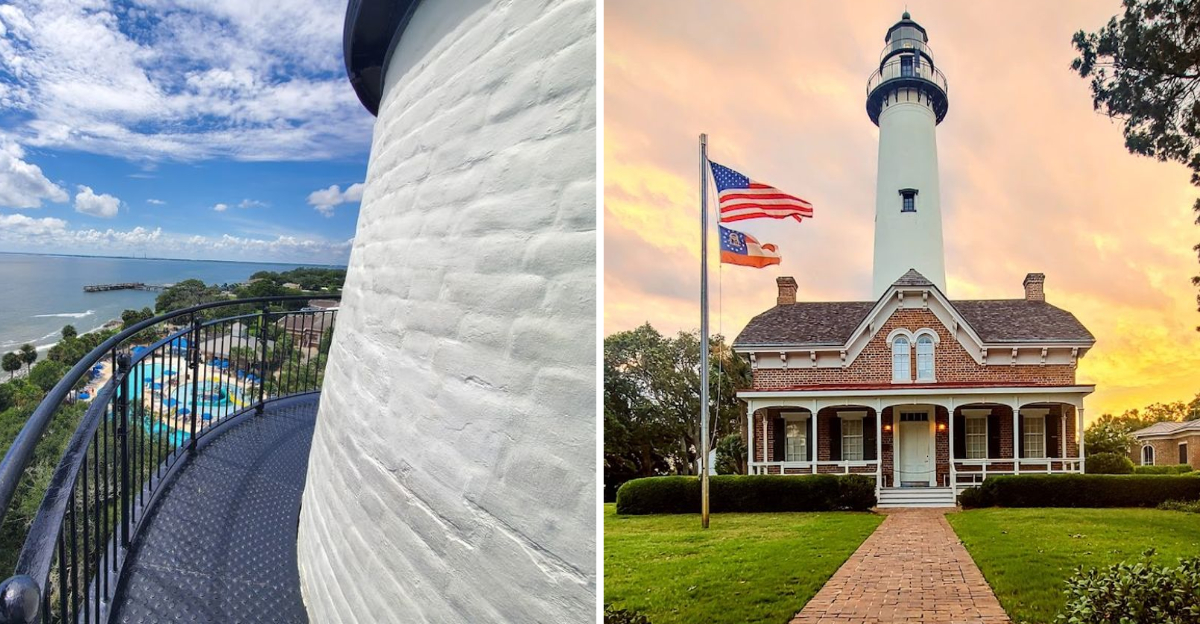
There is something about this Georgia island that feels different the moment you arrive, like the air itself is carrying old stories. A lighthouse stands 165 feet tall, and it has been watching over this coastline since 1872.
I visited on a bright afternoon, and even in the sunshine, the tower had a quiet intensity that made me slow my pace.
People around me were snapping photos and chatting, but more than a few paused to look up at the windows with a curious, almost cautious expression. I found myself lingering near the base, trying to imagine what those walls had witnessed over nearly a century and a half.
This place is not just a historic landmark.
It is one of the most talked-about haunted lighthouses in the entire country, and once you hear the stories, you will understand exactly why visitors keep coming back. Climb the stairs if you dare, but do not say nobody warned you.
The Tragedy That Started It All, Frederick Osborne’s Tragic End
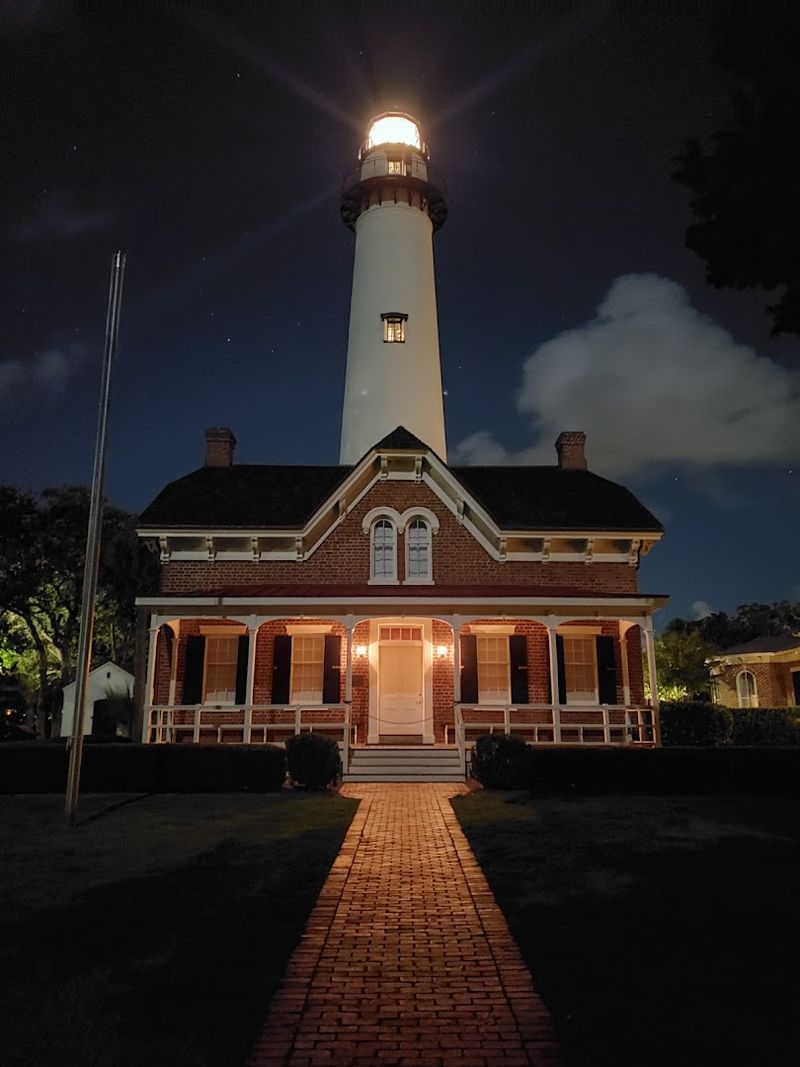
Few ghost stories have as clear a starting point as the one at St. Simons Lighthouse Museum. In 1880, head lightkeeper Frederick Osborne was shot by his assistant, John Stephens, following a heated argument.
The dispute was reportedly over a woman, and it ended in violence that shocked the small island community.
Osborne did not die immediately. He lingered for ten days before passing, which some paranormal enthusiasts believe is part of why his presence feels so unresolved here.
The story is not invented or embellished for tourists. It is documented history, and the museum does not shy away from telling it.
What makes this origin story so compelling is how human it feels. Two men, a disagreement, a tragedy.
The lighthouse did not stop operating after Osborne’s death, and neither, according to many accounts, did Osborne himself. His energy, if you believe in such things, seems to have stayed behind.
Visitors who know nothing about the history have reportedly described feeling watched near the base of the tower. That detail tends to stick with people long after they leave the island.
Footsteps on the Spiral Staircase That No One Can Explain
Climbing the 126 spiral stairs inside St. Simons Lighthouse is genuinely impressive on its own. Your legs feel it, your breath shortens, and when you glance down over the railing, your toes involuntarily curl.
But some visitors report something else entirely during that climb: the sound of footsteps above or below them when no one else is on the stairs.
Multiple accounts over the years describe the same sensation. A steady, rhythmic sound, like someone pacing the landings with purpose.
Staff members have grown accustomed to these reports, though they tend to share them with a calm, matter-of-fact tone rather than dramatic flair.
The staircase itself is beautiful in a haunting way. The ironwork is original, the walls are thick and cool to the touch, and light filters down from the lantern room in a way that feels almost theatrical.
Whether you are a believer or a skeptic, the atmosphere inside that tower does something to your senses. It sharpens them.
You notice every small sound, every shift in temperature. It is hard to say whether that is the ghost of Osborne or simply the power of being inside a 150-year-old structure that has seen so much.
The 1908 Account That Refuses to Be Forgotten
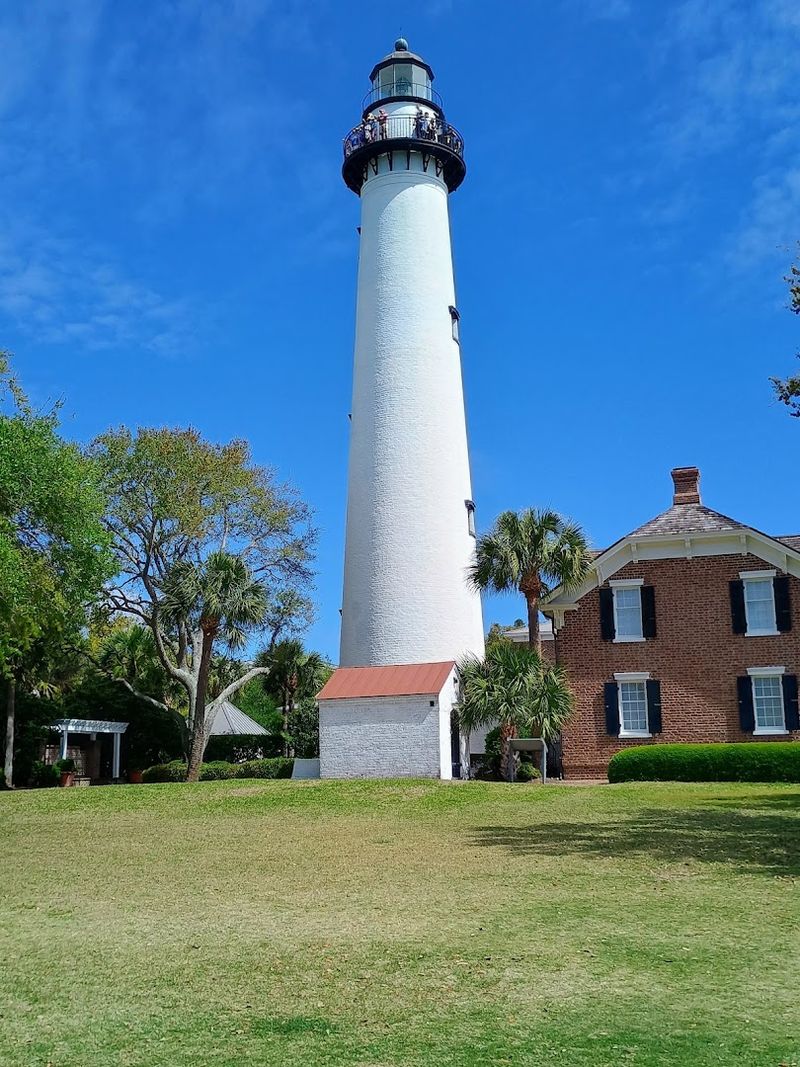
Of all the strange encounters tied to St. Simons Lighthouse, the 1908 account is the one that gets repeated most often. The lightkeeper’s wife at the time reportedly called out to Frederick Osborne’s spirit when the lighthouse light malfunctioned.
What happened next is what people cannot stop talking about.
According to the account, she saw the figure of Osborne working on the machinery. Shortly after, the light began functioning again.
Whether you interpret that as a supernatural event, a stress-induced hallucination, or something else entirely, the story has endured for over a century because it feels so specific and so strange.
It is worth noting that this was not a woman prone to sensationalism. She was the wife of a working keeper, living a practical, demanding life on a coastal island.
That context matters. The account was passed down and documented, not invented after the fact for ghost tour purposes.
The museum presents the lighthouse’s history with genuine care, and moments like this one are treated seriously rather than exploited. It adds a layer of credibility that makes the story land differently than your average haunted house tale.
Skull Photographs in the Lighthouse Window
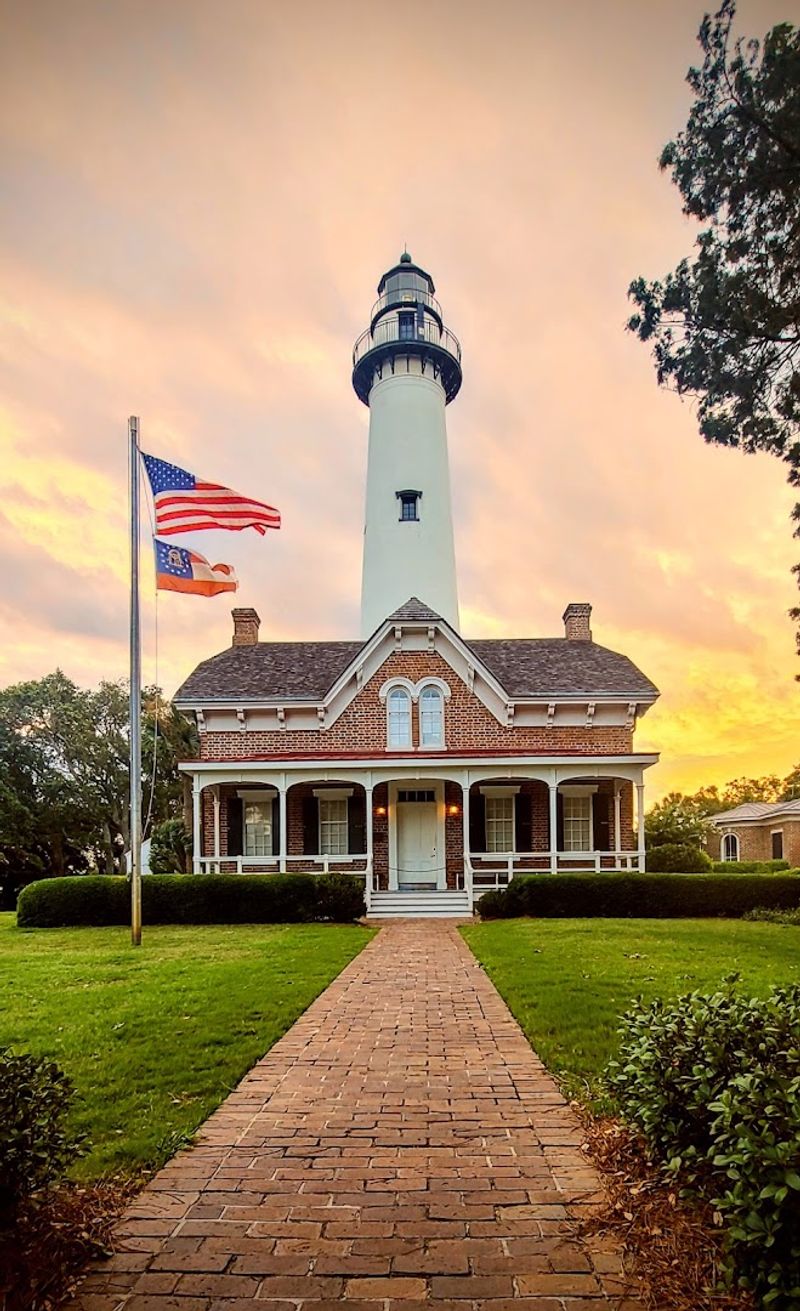
Photography has a way of capturing things the naked eye misses, and at St. Simons Lighthouse, that idea takes on a genuinely unsettling dimension. Over the years, visitors have photographed the lighthouse windows and later noticed something unexpected in the images: shapes that resemble a human skull looking back at them.
These are not isolated incidents. Multiple people, at different times and with different cameras, have documented similar appearances in the window frames.
The phenomenon has been noted and discussed enough that it has become one of the more well-known details associated with the lighthouse’s haunted reputation.
I looked up at those windows myself during my visit. In the afternoon light, they reflected the sky and the surrounding trees in a way that shifted depending on your angle.
It is easy to see how shadows and reflections could create unexpected shapes. But it is also easy to understand why someone who captured a clear, skull-like image in their photo would feel a cold rush of something unexplainable.
The lighthouse ranks third nationally among haunted lighthouses in the United States, and accounts like these are a big reason why that reputation has held so firmly over the decades.
What the Museum Inside the Keeper’s Dwelling Tells You
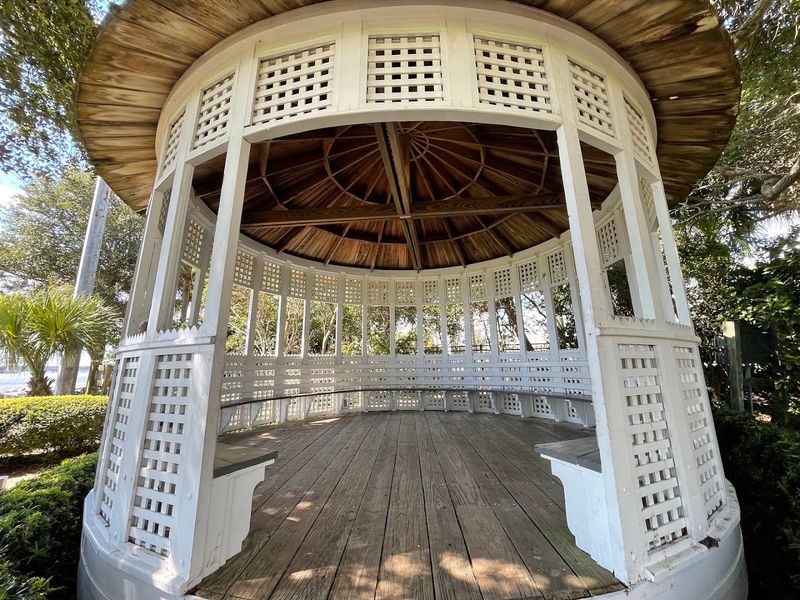
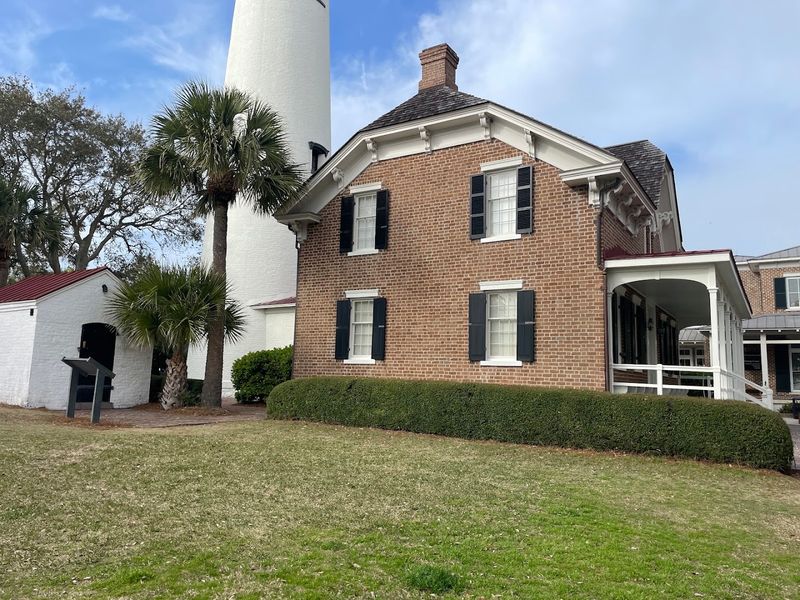
Before you even approach the lighthouse tower, the museum inside the former keeper’s dwelling gives you a real sense of the life lived here. The rooms are staged to reflect how a lighthouse keeper and their family actually existed, and the detail is thoughtful rather than theatrical.
Nothing can be touched, but the displays draw you in anyway.
There is a short video, roughly ten minutes long, that covers the history of the lighthouse with clarity and depth. Staff members are genuinely knowledgeable and seem to enjoy sharing what they know.
I asked a few questions and got answers that went well beyond the basics.
The museum is operated by the Coastal Georgia Historical Society, and that institutional care shows in how the space is maintained. Exhibits cover the lighthouse’s construction in 1872, the keepers who served here, and the broader coastal history of St. Simons Island.
The combination ticket option, which includes the nearby World War II Home Front Museum, is a smart choice if you want a fuller picture of the island’s layered past. The gift shop carries a solid selection of locally relevant items, and the staff there are just as friendly as the docents upstairs.
The View From the Top and Why People Keep Climbing
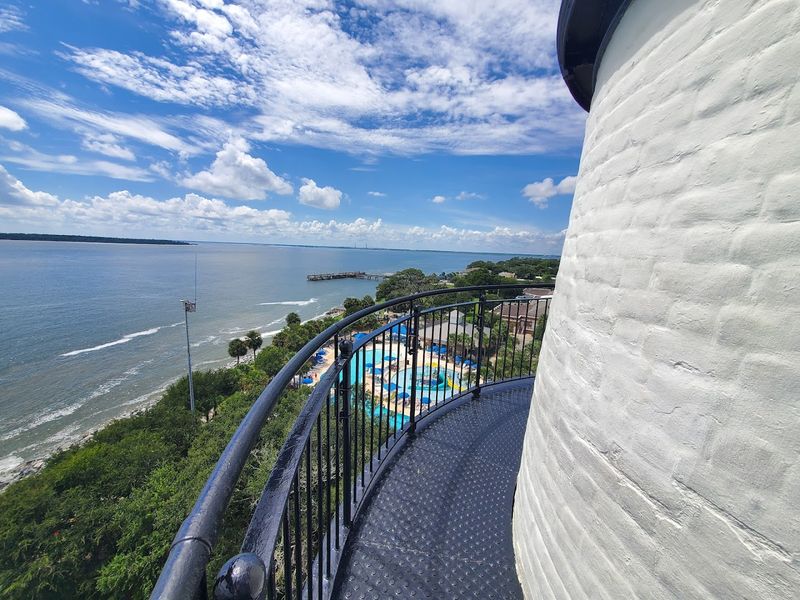
At 165 feet, the view from the top of St. Simons Lighthouse is the kind that makes the climb feel completely worthwhile. The Georgia coastline spreads out in every direction, and on a clear day you can spot dolphins in the water below.
One visitor even caught sight of a small plane approaching the nearby airport, which is the sort of unexpected detail that makes a moment feel genuinely alive.
The stairs have three landing points along the way, each with historical information posted on the walls. That design is smart because it gives you a reason to pause, catch your breath, and actually absorb some context before continuing upward.
My legs were tired by the top, but the effort felt earned rather than punishing.
What strikes you up there is the scale of what the original keepers were responsible for. They climbed these stairs every single day, often multiple times, to keep the light burning for ships navigating the coast.
That physical reality lands differently when you are standing at the top yourself, slightly out of breath, looking out at the same water they watched over for decades. The view is beautiful.
The history makes it something more.
Ghost Tours and Why the Haunted Legacy Lives On
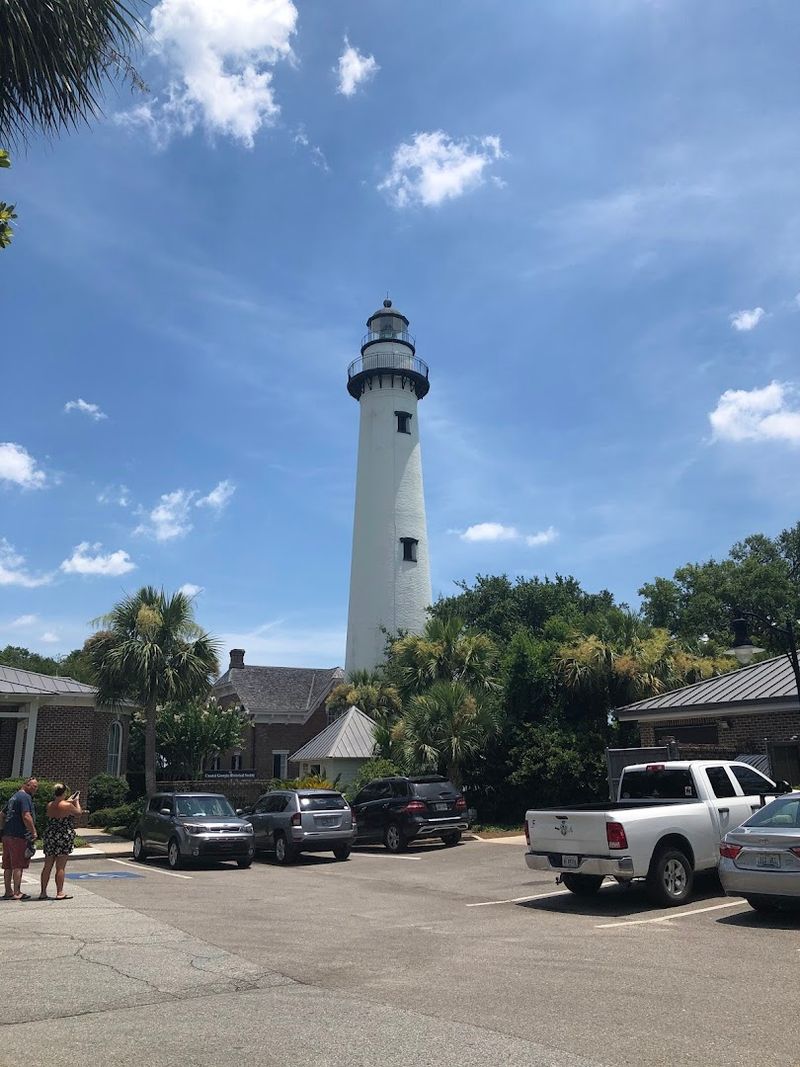
The haunted reputation of St. Simons Lighthouse has grown organically over generations, not manufactured by marketing teams. Local tour operators like Lighthouse Land and Sea and Lighthouse Trolleys have incorporated the lighthouse’s paranormal history into their offerings, giving visitors a way to experience the stories in context and on location.
What makes these tours worthwhile is not just the ghost angle. They weave together the documented history, the island’s geography, and the human stories behind the landmark in a way that feels genuinely educational.
The Frederick Osborne story is central, but there is always more layered around it.
The lighthouse is open Tuesday through Sunday, with Sunday hours starting at noon, and the site is well-maintained and easy to navigate for families. Children seem to love the combination of history and mystery, and parents appreciate that the storytelling stays grounded rather than sensationalized.
Whether you visit during the day and simply absorb the atmosphere, or you join an evening tour and let the darkness do its work, St. Simons Lighthouse leaves a mark. It is the kind of place you find yourself describing to people later, not just because of what you saw, but because of what you felt.
Address: 610 Beachview Dr, St Simons Island, GA 31522
