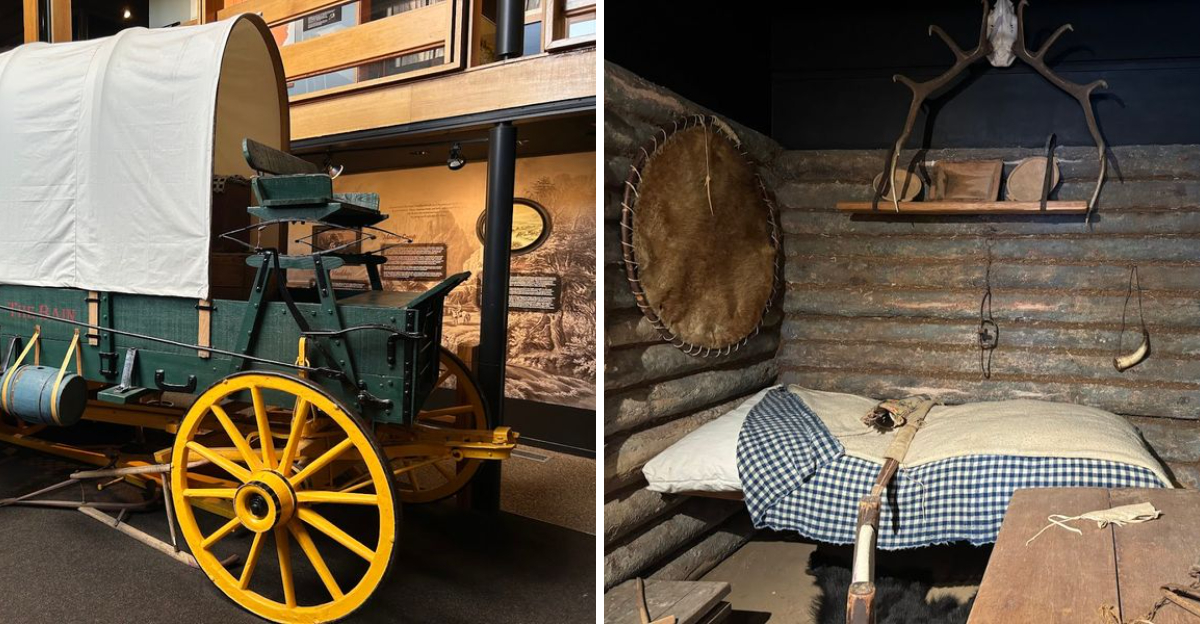
You walk through the doors and immediately feel the weight of ten thousand years pressing gently against your curiosity. This award winning museum does not just display artifacts, it brings the past to life in ways that feel both intimate and grand.
You can trace the footsteps of indigenous peoples who called this land home long before settlers arrived. The exhibits are rich with stories, from ancient tools and woven baskets to pioneer relics and logging equipment.
You will stand before massive fossil displays that remind you how dramatically this landscape has changed over time. There are also fascinating exhibits dedicated to the region’s volcanic history and the forces that shaped the valleys.
Children press their noses against glass cases, marveling at the creatures that once roamed these very hills. The museum also features a stunning collection of Native American beadwork and traditional regalia that is simply breathtaking.
Oregon’s history runs deep, and this place captures its essence with remarkable care and attention.
A Museum With Deep Roots in Oregon History
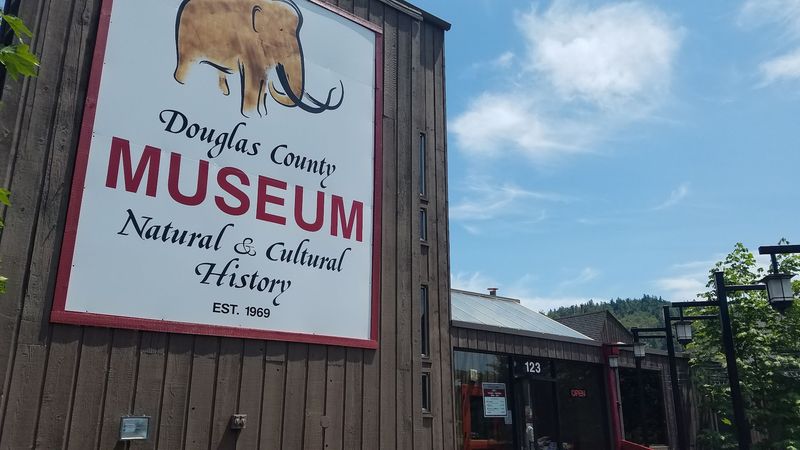
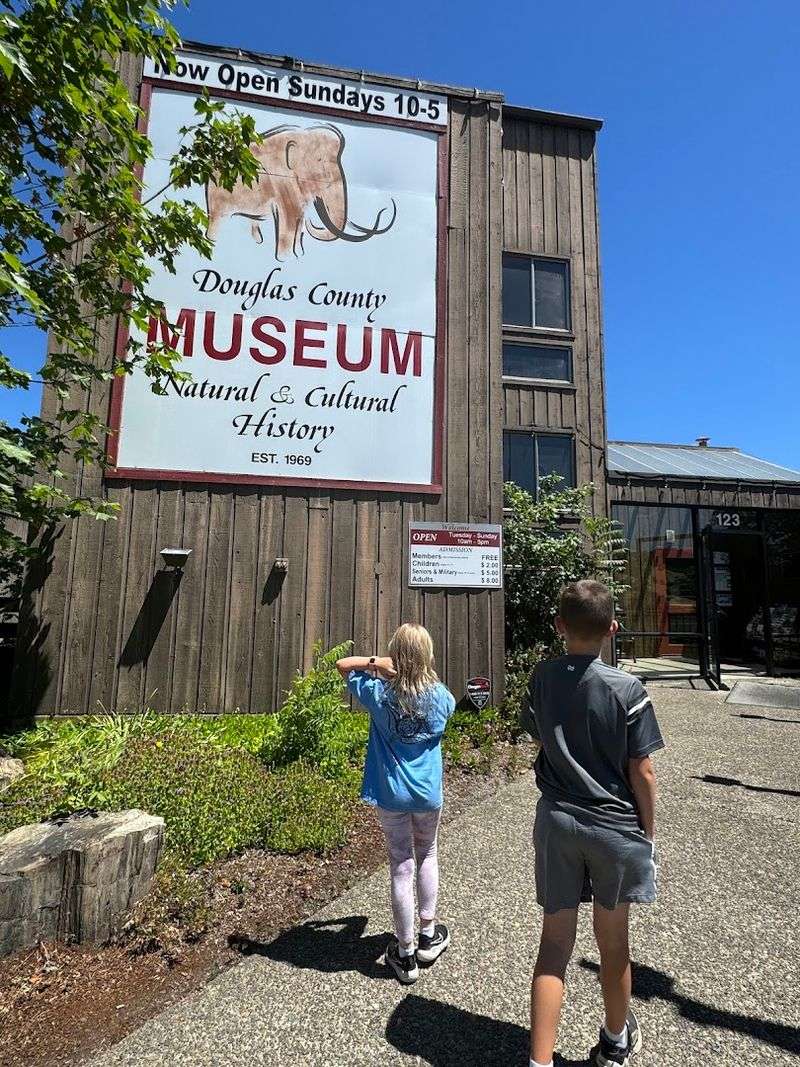
Founded in 1969, the Douglas County Museum has been growing ever since. Major expansions in 1979 and 1989 gave the building more room to breathe.
Today it holds one of the most impressive regional collections in the entire Pacific Northwest.
Walking through the front entrance, you immediately sense that people here genuinely care about preservation. Exhibits are carefully arranged and well maintained throughout every gallery.
Nothing feels dusty or forgotten, which is rare for a museum this size.
The museum earned its award-winning reputation by going beyond simple display cases. It connects visitors to real stories from real people who lived in this valley.
That human element makes the history feel personal and surprisingly moving.
Locals return again and again, and out-of-town visitors often say it rivals much larger city museums. The collection spans over 10,000 years of natural and cultural history.
That kind of depth is hard to find anywhere else along the I-5 corridor.
Prehistoric Wonders That Stop You in Your Tracks
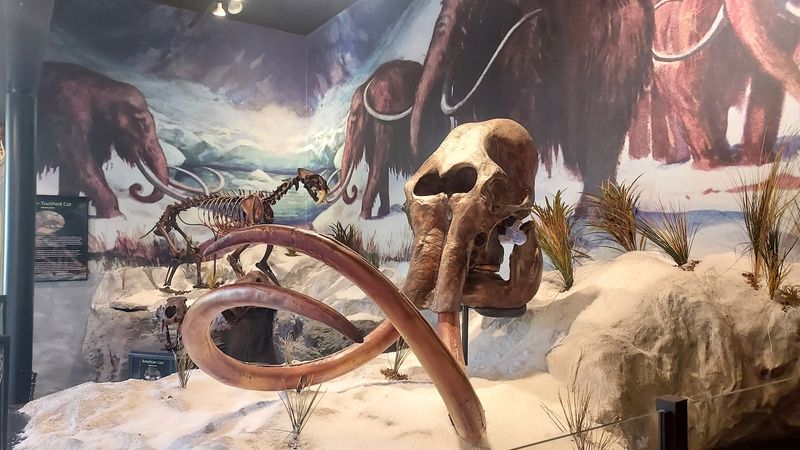
One of the first things that genuinely surprised me was the prehistoric animal exhibit. Giant ancient beavers, massive ground sloths, and other megafauna once roamed this exact region.
Seeing their skeletal remains up close puts the scale of geological time into sharp perspective.
The fossils are displayed with clear, readable labels that explain what each creature was. Kids especially seem to stop and stare at these exhibits for a long time.
There is something almost unbelievable about realizing these animals lived right here in Oregon.
The natural history collection does not just show bones and rocks. It weaves together ecology, geology, and prehistoric biology in a way that feels cohesive.
You leave understanding how ancient landscapes shaped the valley you just drove through.
Researchers and casual visitors alike find value in this section. The museum presents complex scientific information without making it feel overwhelming or dry.
It is one of those rare exhibits that works equally well for a curious ten-year-old and a retired geologist.
The Taxidermy Collection That Startles and Amazes
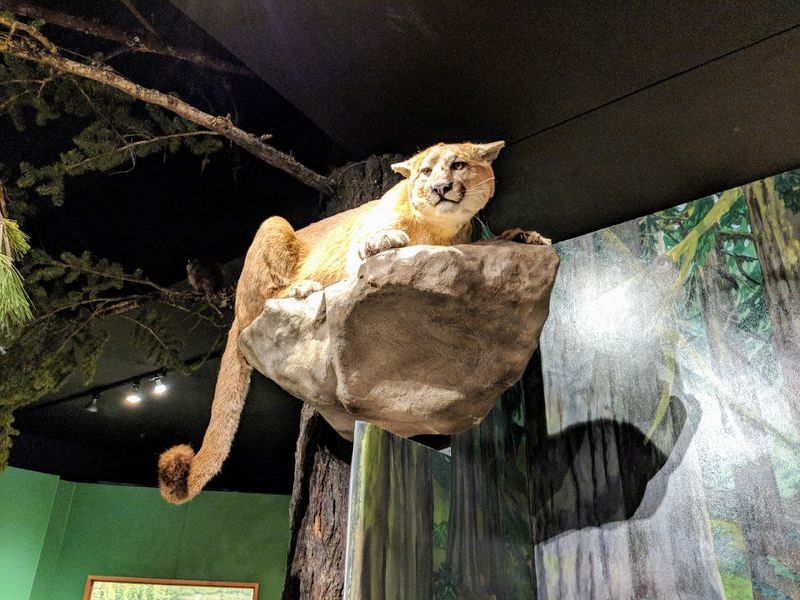
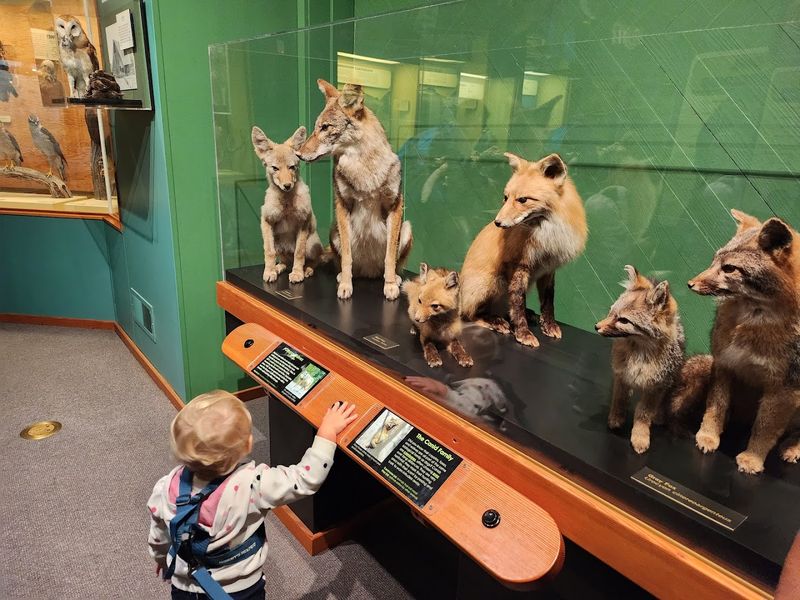
Stepping into the wildlife room felt like walking into a forest that had been frozen mid-moment. The taxidermy collection here is genuinely impressive, especially given the overall size of the building.
Animals are displayed in habitat settings that feel carefully thought out rather than randomly arranged.
One visitor famously mentioned that a model train starting up in a nearby room nearly startled them off their feet. That kind of playful surprise is woven into the experience throughout.
The museum has a sense of humor about itself, which makes it even more enjoyable.
You can actually touch certain animal pelts and hides in designated areas. That hands-on access is unusual for a museum and makes the exhibits far more memorable.
Children light up when they realize they are allowed to reach out and feel real fur.
The sheer variety of species on display reflects the incredible biodiversity of the Umpqua Valley region. Black bears, deer, birds of prey, and many other native animals are represented.
Each one tells a story about the living landscape just outside the museum doors.
Indigenous History Honored With Care and Depth
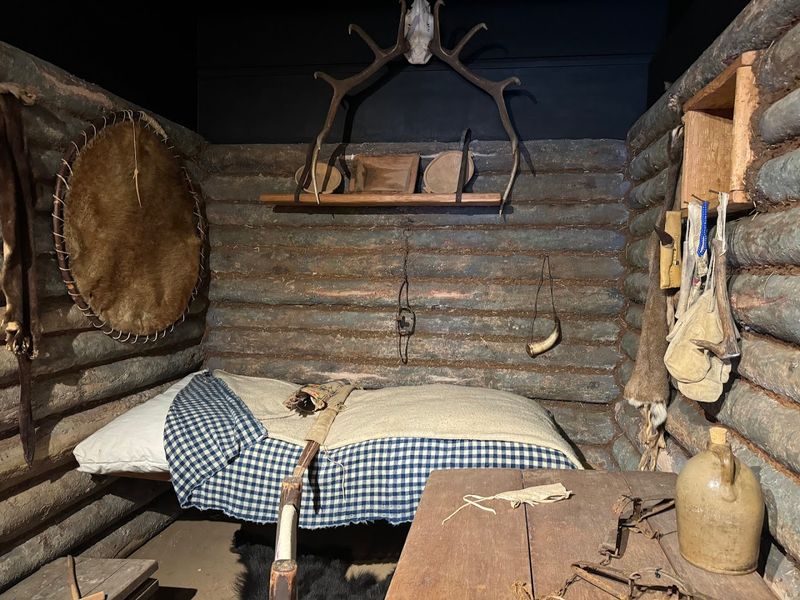
The section dedicated to indigenous history carries a weight that you feel the moment you walk in. It does not treat Native cultures as a footnote to pioneer settlement.
Instead, it gives the original peoples of this land the space and respect their stories deserve.
Artifacts, tools, and cultural objects are displayed alongside context that explains their meaning and use. The exhibit acknowledges a timeline stretching back thousands of years before European contact.
That long view of human presence in the valley is both humbling and fascinating.
Reading through the panels, I kept noticing how much care went into the language used. Nothing felt clinical or detached.
The writing invites visitors to see this history as living and relevant, not simply ancient.
For families visiting with school-age children, this section pairs beautifully with Oregon state history curriculum. Teachers and homeschool parents often find it especially useful as a real-world learning supplement.
Seeing physical artifacts makes abstract historical concepts suddenly click in a way that textbooks rarely achieve.
The Historic Train Depot That Charms Every Visitor
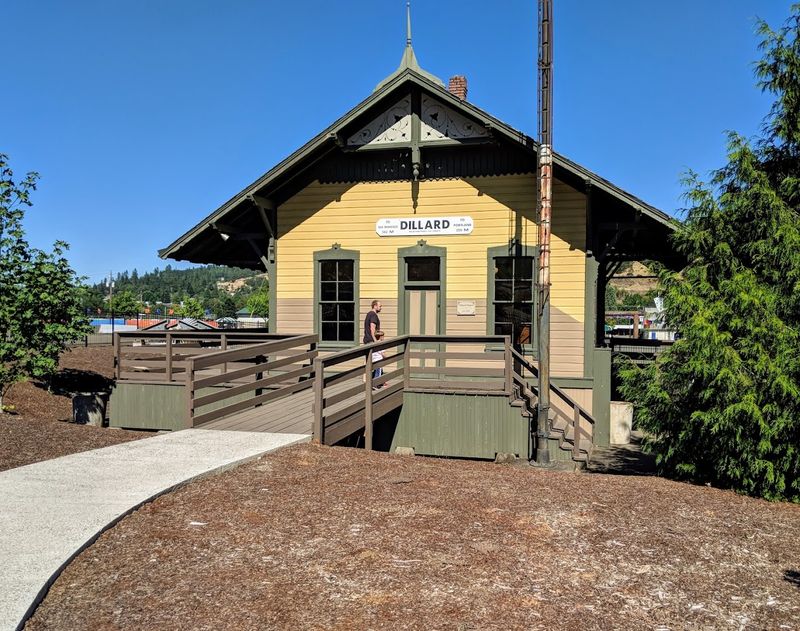
Out past the main building sits one of the most charming parts of the entire visit. The historic train depot is a freestanding structure filled with railroad history and nostalgic detail.
A running model train adds a playful, kinetic energy that makes adults smile just as much as children.
The depot captures a specific era in Oregon’s development when rail travel connected isolated communities to the wider world. Seeing the actual station architecture preserved and maintained feels like a small miracle.
So many structures like this have been demolished or left to decay.
Inside, the exhibits explain how the railroad shaped commerce, migration, and culture throughout Douglas County. Maps, photographs, and artifacts fill the walls and display cases.
The storytelling here is tight and engaging, never overwhelming the space with too much information at once.
Spending time in the depot feels different from the main museum building. The pace slows down naturally in there.
The Archie Creek Wildfire Exhibit That Hits Close to Home
The Archie Creek Fire burned through Douglas County in 2020 and left a mark on the community that is still felt today. The museum dedicated an entire exhibit to documenting that devastating event.
Photographs, maps, personal accounts, and charred artifacts fill the space with raw emotional power.
Standing in front of those images, it is impossible not to feel the scale of what happened. The exhibit does not sensationalize the disaster.
It honors the people who lost homes and land while also celebrating the community response that followed.
Wildfire is a reality of life in the Pacific Northwest, and this exhibit treats that truth seriously. It provides ecological context alongside the human story, explaining how fire shapes forest ecosystems over time.
That scientific layer adds depth without diminishing the emotional impact.
Visitors who lived through the fire or know people affected by it often find this section especially meaningful. Others who are new to the region leave with a much better understanding of what local communities face.
Interactive Spaces That Keep Kids Genuinely Engaged
Museums can sometimes feel like endurance tests for young visitors, but not here. The Douglas County Museum built interactive zones into the experience in a way that feels intentional and smart.
Kids can dig in a simulated archaeology pit, build with Lincoln logs, and explore hands-on activity stations throughout the building.
The so-called wiggle-approved areas are scattered at just the right intervals. Children get a physical break while still engaging with the educational content around them.
Parents noticeably relax knowing their kids are welcome to move and touch things in designated spots.
One particularly clever feature is how the play areas connect thematically to nearby exhibits. A child playing at the archaeology dig station is surrounded by real fossil and artifact displays.
The learning happens almost without them noticing, which is the best kind of education.
Families with toddlers, school-age children, and even restless teenagers all seem to find something to grab their attention here. The museum understands that engagement looks different at every age.
Practical Details That Make the Visit Easy and Enjoyable
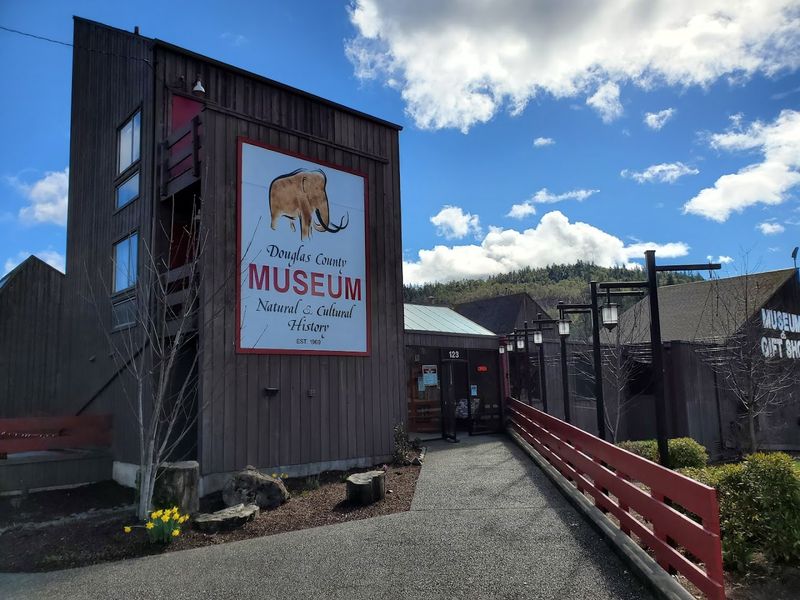
Getting to the Douglas County Museum is straightforward for anyone passing through on Interstate 5. The museum sits just off the highway on the east side of Roseburg, with plenty of free parking available.
That kind of easy access makes a spontaneous stop feel completely stress-free.
Hours run from 10 AM to 5 PM every day of the week, which is genuinely convenient for road trippers. Arriving before 2 PM gives you enough time to see everything without rushing.
The building closes at 5 PM, so planning ahead makes the difference between a quick peek and a full experience.
Accessibility is worth noting for visitors with mobility considerations. The downstairs exhibits can be reached by walking outside and around the side of the building.
Staff are knowledgeable and happy to help visitors navigate the layout.
Snacks and drinks are available on site, and the gift shop near the front entrance is worth a browse. Free self-guide maps are handed out at the entrance.
The Gift Shop and Final Impressions Worth Savoring
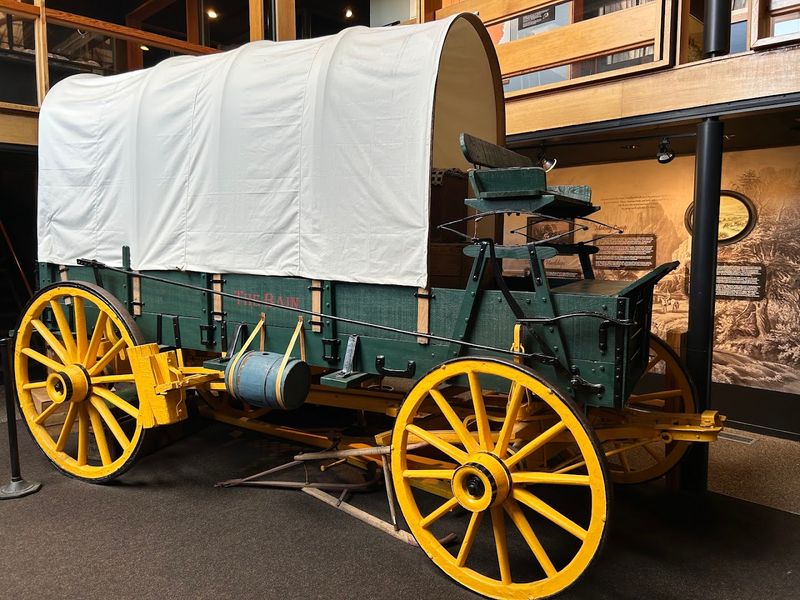
The gift shop at the Douglas County Museum has a nostalgic charm that sneaks up on you. It sits right near the front entrance, which means you pass through it on the way out while your head is still full of everything you just saw.
Trinkets, books, educational toys, and regional memorabilia line the shelves.
Some visitors have mentioned wishing for more locally made items from regional artists and craftspeople. That is fair feedback and worth keeping in mind.
Even so, the shop has enough personality to make browsing feel worthwhile rather than obligatory.
Leaving the museum, I noticed I was already thinking about coming back. That is not something I say about every museum I visit.
The Douglas County Museum earns repeat visits because it has genuine depth and keeps improving its offerings over time.
Address: Douglas County Museum, 123 Museum Dr, Roseburg, OR 97471.
