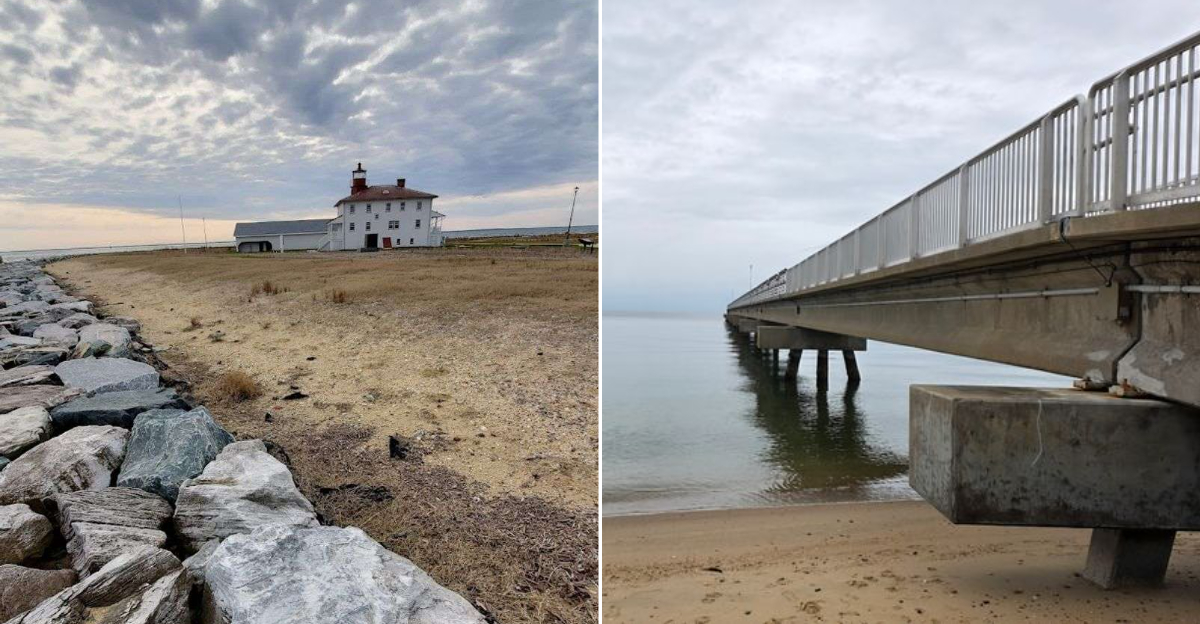
Why does a simple walk along the water start feeling a lot less casual when a place has a haunted reputation? This Maryland state pier answers that pretty quickly.
Even before the ghost stories enter the picture, the setting already has a way of getting under your skin. The long stretch of walkway, the open water on both sides, and the isolated feeling that comes with being far out on a pier all make the atmosphere feel a little more uneasy than people expect.
Then the local stories take over and push that feeling even further. That is what gives this spot its eerie pull.
It is not just a scenic place with one spooky rumor attached to it for extra drama. It feels like the kind of location where the surroundings and the legends keep building on each other until the whole walk starts to feel different.
The Walk To The Pier Feels Too Quiet Right Away
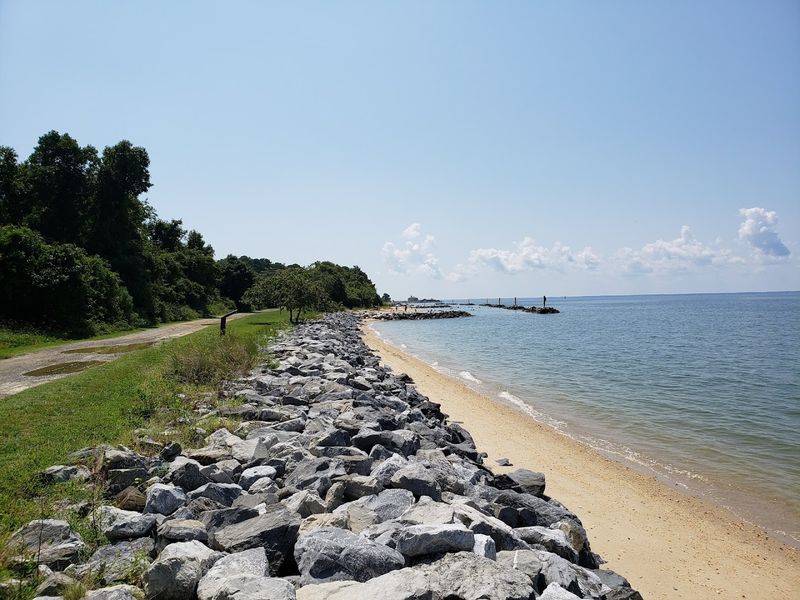
You know that hush that makes you turn down your own voice, even when you are outside and no one is around? That is how the path feels as it slides from the pines toward the boards at Point Lookout State Park Pier, 11175 Point Lookout Rd, Scotland, MD 20687.
The trees do this soft crowding thing, and the wind threads between them like it has somewhere important to be. Your steps land steady, but the ground seems to answer back in a way that keeps you from rushing.
Maryland has a lot of peaceful shorelines, yet this one holds your attention like it knows your name. Before the pier even starts, the water smell sharpens, and the air cools just a notch.
See those boards stretching out, thin as a promise you are trying to keep? The pier looks ordinary, but it is not trying to charm you, which is part of why the quiet sticks.
You hear distant gulls and a low thrum you cannot place, and it is fine until you notice you are matching your breath to the waves. That is when the mood tips and you stop to look behind you, for no real reason.
Ready to keep going, or do you want to stand here one more minute and figure out what shifted?
Why Point Lookout Already Carries A Heavy Reputation
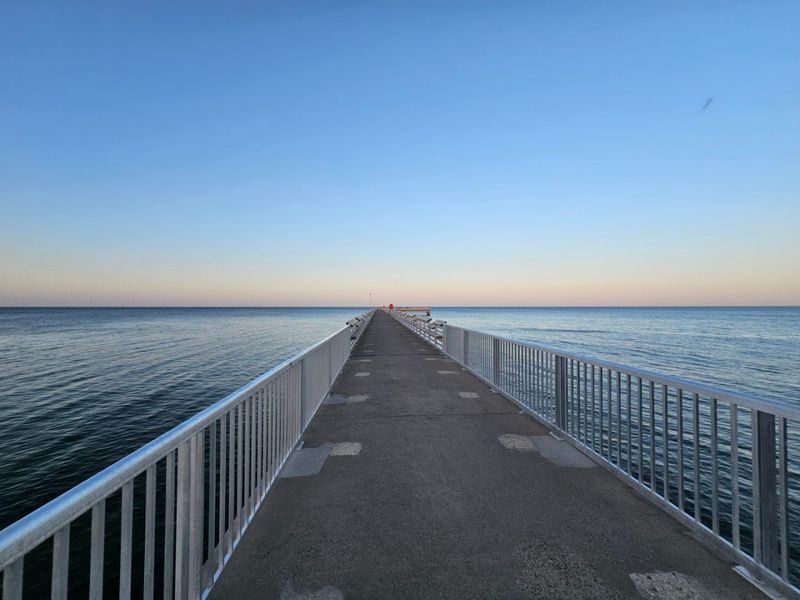
People around here do not need a campfire to start telling stories, because Point Lookout already brings its own. Maryland locals talk about cold pockets that move like someone walking past, and voices that lift from nowhere, and a sense that the shoreline itself remembers more than it says out loud.
Even park staff have their moments, the kind they will mention only after you do. A place does not earn this kind of reputation overnight, and you can feel that weight without knowing every detail.
The pier is just one piece of it, but it is the piece you step onto, which makes the stories land differently.
I think the buzz sticks because the setting does not try to sell you on anything cheerful. Open water stretches past the pilings, and the wind carries scraps of history the way it carries salt.
You hear a plank give a small creak, and your mind drafts a reason before your ears catch up. Is that silly, or is that just how memory works when it gets passed hand to hand?
Either way, once you know Point Lookout’s name, you start spotting it in conversations, and those conversations usually end with someone saying you should not go out there alone after dark.
Open Water And Empty Views Make The Mood Even Stranger
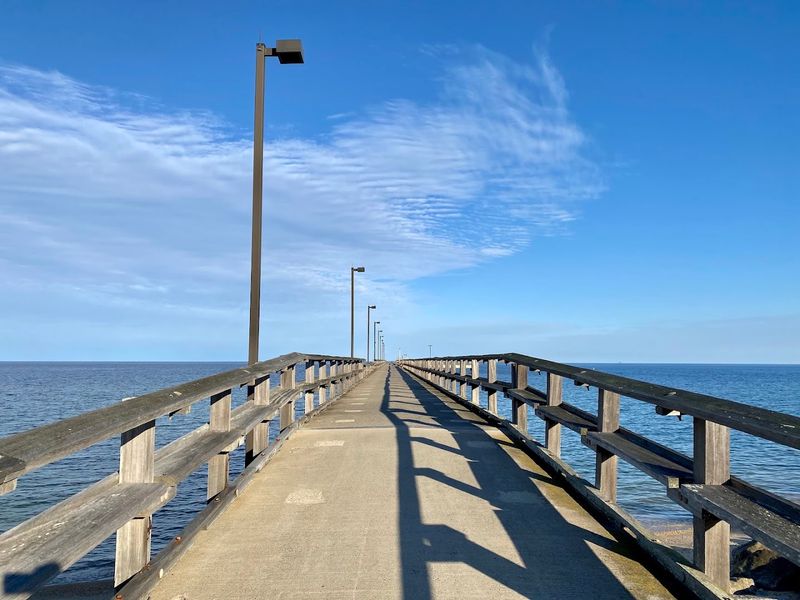
There is something about a horizon that does not give you much back. Out on the pier, the water keeps going, and the sky keeps going, and the shoreline behind you suddenly feels smaller than you thought it was.
The emptiness edits your senses until the small stuff sounds big, like the faint click of a cleat or the tap of your jacket zipper against wood. With no boats nearby and no chatter to grab, your thoughts have space, which is good until it is not.
Maryland’s bays can look friendly, but this stretch pulls a long face, and it is compelling in a way that leaves you restless.
You know when the air tells you a story even if nobody speaks? The emptiness does that here, nudging your focus from plank to wave and back again.
You realize you are counting pilings for no reason, as if numbers could anchor a feeling. Then a chill crosses the boards like someone brushed past, and you check the rail because that is what people do.
Are you fine, or are you wishing the end of the pier would be closer than it is?
The Civil War History Behind So Many Of The Stories
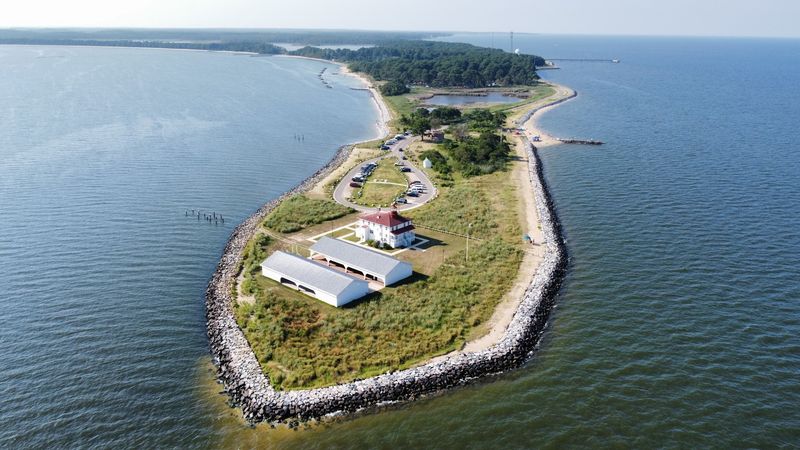
You can feel the past here the way you feel a storm before it hits, even when the sky looks fine. Point Lookout carried a military hospital and a massive camp, with people pushed past their limits and families split by choices that still echo.
The shoreline has seen fear, relief, waiting, and loss, and that mix does not just blow away. When folks talk about voices on the wind, they are not making up a new story, they are borrowing from old ones that refuse to fold.
You look out across the bay and imagine how small a wooden boat might have felt back then, carrying news nobody wanted.
The pier sits in the middle of that remembered world, everyday boards laid across heavy ground. Interpreting signs and quiet markers fill in pieces, but the air does its own version too.
It is not about theatrics, just the steady press of what happened on this point and how memory sticks to water. Maybe that is why even practical friends get uneasy here, because logic explains a creak but not the timing of a whisper.
You do not need to chase ghosts to feel respect settling into your shoulders while you stand over these waters.
Why This Pier Feels Different Once You Know What Happened Here
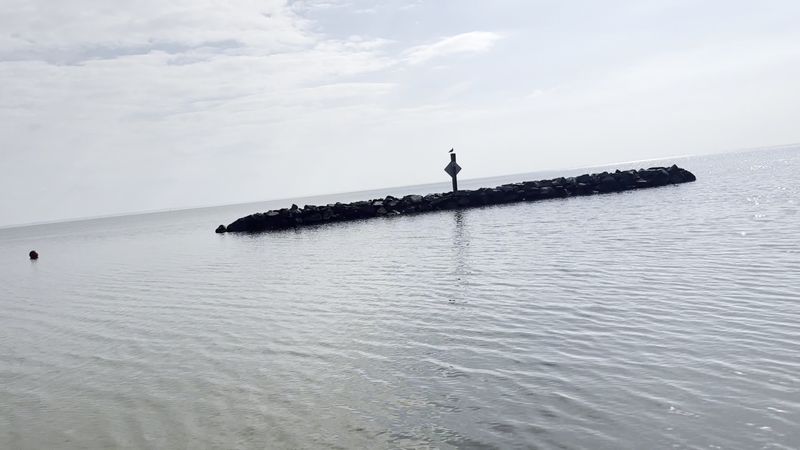
Knowledge changes the temperature, even when the sun does not. Once you know the outlines of Point Lookout’s past, every small sound on the pier feels annotated, like a footnote you cannot unread.
The boards get heavier underfoot, and the water carries a second voice that lingers behind the waves. You catch yourself walking softer, as if your steps could disturb something that needs rest.
Maryland’s shoreline holds a lot of stories, but the ones here feel personal, and that sneaks up on you.
It is not that the pier grows spooky on command. It is that you do, a little, because context rearranges your focus and hands the silence a reason.
You hear wind, then you hear wind plus maybe, and that maybe rides with you to the end rail. Is that superstition, or is that just a brain trying to connect dots in a place that invites connecting?
Either way, you will probably pause longer than planned, with the view pulling you forward and the history asking you to slow down.
Wind, Water, And Silence Do A Lot Of The Work
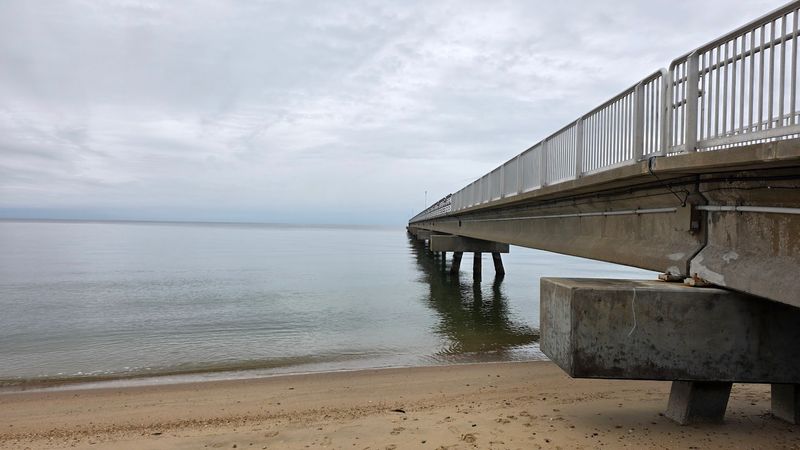
On some days you do not need stories, because the elements choreograph their own mood. The wind runs straight down the boards, the water keeps that patient slap against the pilings, and the silence clips the extra from every sound.
You feel the trio shaping your pace without a word said. It is not dramatic, but it is deliberate, like the place prefers you measured and awake.
Maryland weather likes to shift, yet the tone out here somehow stays consistent, a steady hum inside the ribs.
It is funny how your hearing sharpens under quiet. You can pick out far gulls, a line rattling somewhere, and the subtle ring of a rail you did not know could ring.
None of it proves anything, but lined up together, it builds a case for watchfulness. Maybe you are just tuned in, or maybe the pier gets a say in how you listen.
Either way, you are not shrugging off the feeling, and you are not in a rush to turn your back on the water.
The Kind Of Stroll That Gets More Unsettling As You Go
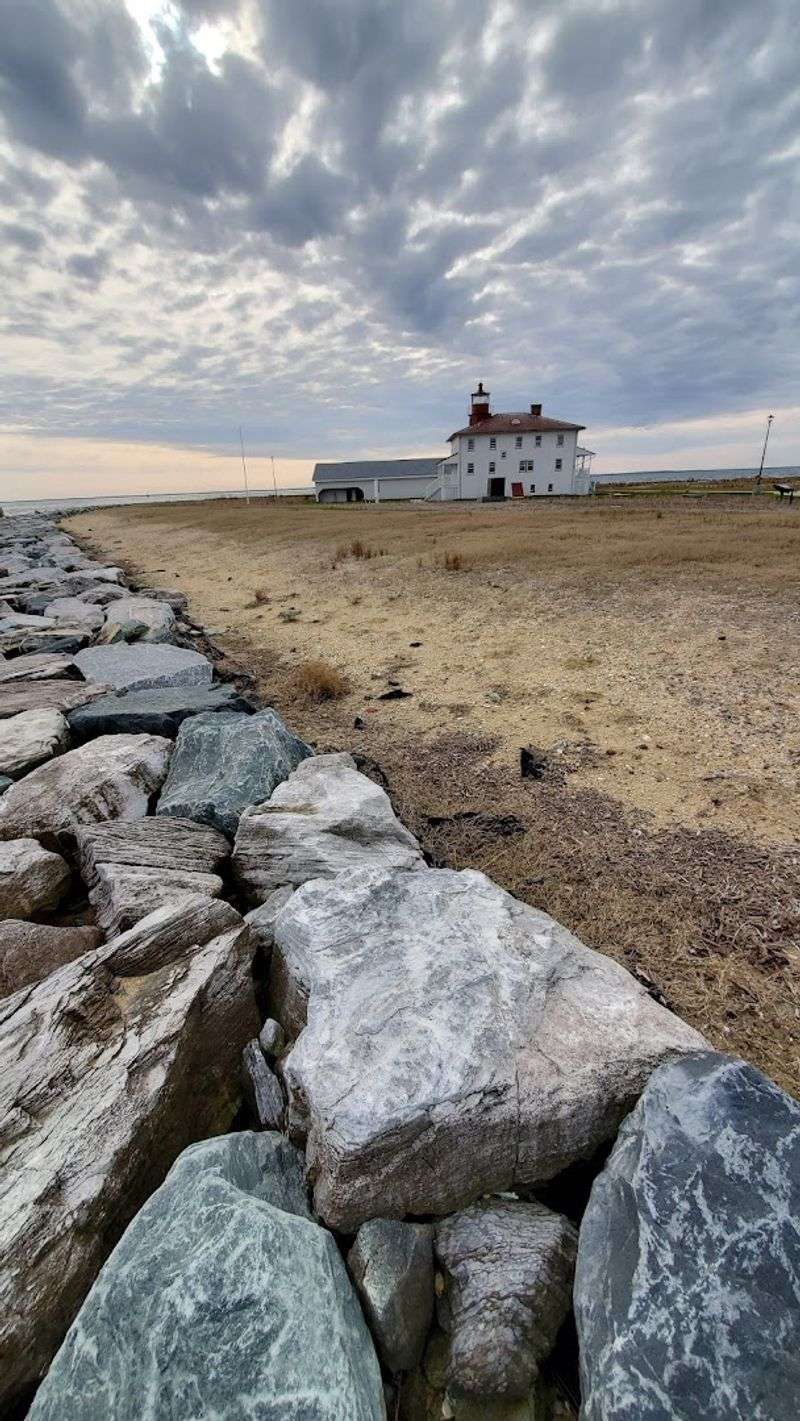
Some walks unwind your nerves, and some coil them up a little tighter with every step. This is the second kind.
The first hundred feet feel calm enough, then the middle stretch turns reflective, and by the last part you are holding your breath without meaning to. The end platform waits like a quiet stage, and you wonder who has stood there thinking the exact same thought.
If you are with someone, you will probably sync your pace without talking about it. If you are alone, you will notice every choice your feet make.
That building unease does not have to be scary to be real. It is the sort of slow pressure that makes you respect the place and your own senses at the same time.
You might pause to check the bay and catch a scrap of sound that does not stick around long enough to explain itself. Do you laugh it off, or do you file it away for later when the lights feel farther apart?
Either way, the walk back will not feel identical to the walk out, and you will know why.
Why Locals Keep The Place’s Haunted Reputation Alive
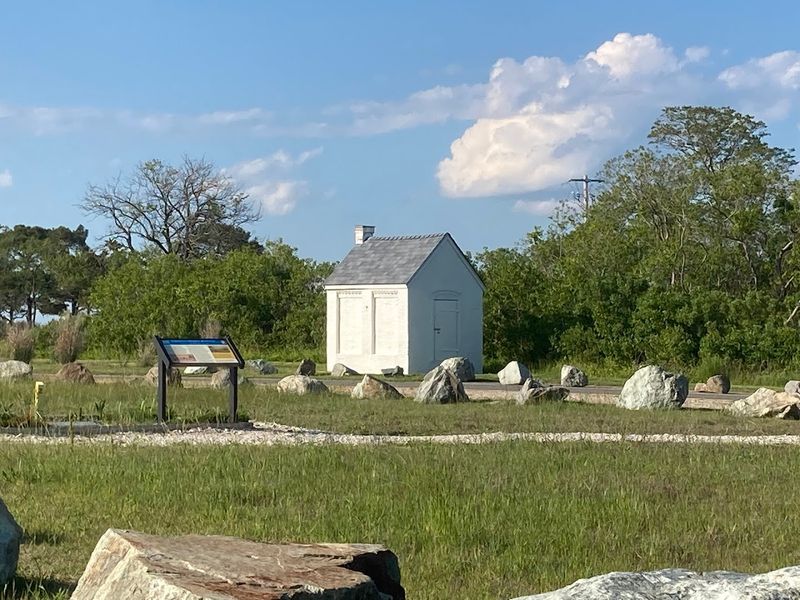
Ask around in Southern Maryland, and you will notice how easily Point Lookout slips into conversation. People have family stories, or a cousin’s strange night, or a coworker who will not lock the gate after dark without someone nearby.
Those accounts do not sound theatrical. They sound like the careful way people talk about a road that floods fast or a beach that hides a steep drop.
The pier sits at the center of that tone, steady and ordinary until it is not, which is exactly how a legend stays breathing.
What keeps it alive is not just drama, it is familiarity. Folks come to fish, to watch weather, to think, and they collect small moments that feel out of place.
A footstep on the empty planks. A voice on a still day that turns into wind when you look up.
You cannot put any of that in a jar, but you can tell it to a neighbor who nods like they already know. Pretty soon, the reputation is not hype, it is community memory, and the pier just keeps doing what it has always done.
A Maryland State Park Stop With More Than Scenery
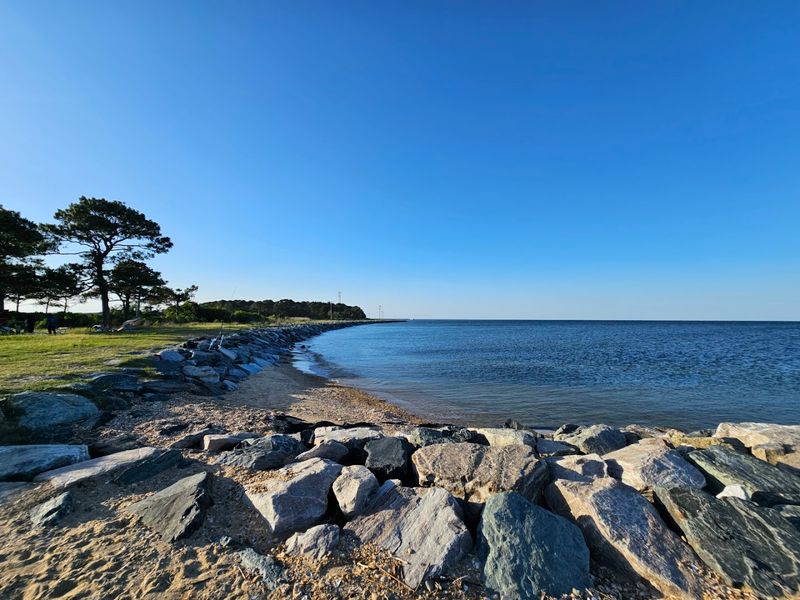
You could roll in thinking you are just here for views, and no one would blame you. The pier looks simple on approach, framed by trees and open water, and the park feels like the kind of place you bring a friend to catch a breath.
But the longer you stand here, the more layers slide into place. Scenery is the hook, sure, but something steadier grabs the line.
Maryland parks have character, and this one adds a voice you hear more than you see.
What I like is how the ordinary design keeps the focus on the mood. There are boards, rails, a wide sky, and just enough distance to make you wonder about the far side of the bay.
Your camera will not capture the thing you feel, but it will remind you of where it started. That is enough to keep you curious, and maybe a little cautious.
You will walk back to the trees different from how you arrived, even if you cannot explain why.
The Pier Walk That Feels Harder To Shrug Off After Dark
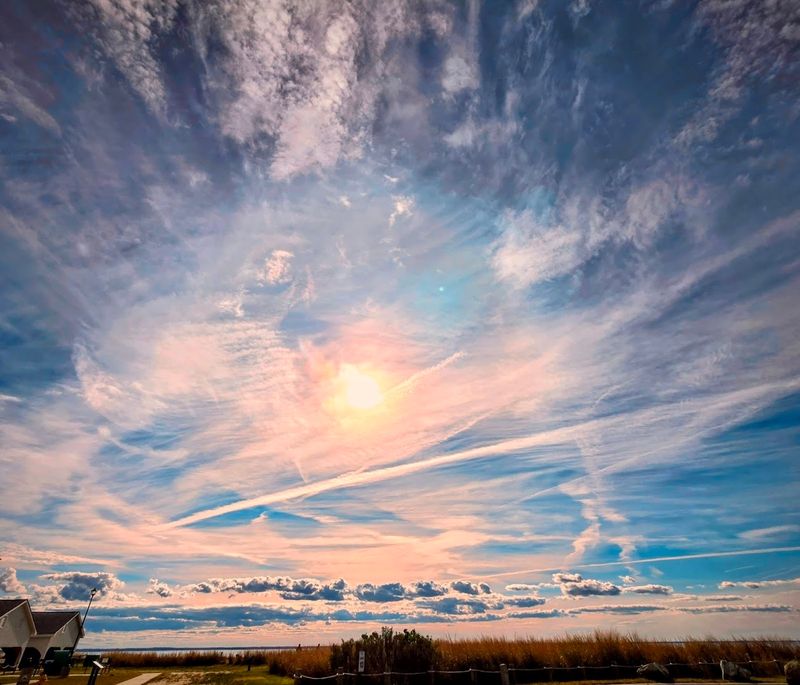
Daylight edits out a lot, but nighttime brings it back with interest. The pier grows longer under low light, and the water throws back whatever glow it can find.
Every sound announces itself then sits there waiting for your reaction. The air cools and thickens around the railings, and the end platform feels like a place you approach with your shoulders squared.
You tell yourself you are fine, and you probably are, but you also listen harder than you planned.
I get why locals skip a solo stroll after sunset. Darkness does not invent stories here, it just clears the stage so the subtle ones can step forward.
A soft scuff on a plank lands where a shoe could land, and a whisper folds into wind that feels too directional to be chance. Do you keep walking, or do you decide the view looked good enough from halfway?
Either way, the ride home will be quiet, and the pier will travel with you longer than you expected.
Dear Reader: This page may contain affiliate links which may earn a commission if you click through and make a purchase. Our independent journalism is not influenced by any advertiser or commercial initiative unless it is clearly marked as sponsored content. As travel products change, please be sure to reconfirm all details and stay up to date with current events to ensure a safe and successful trip.
