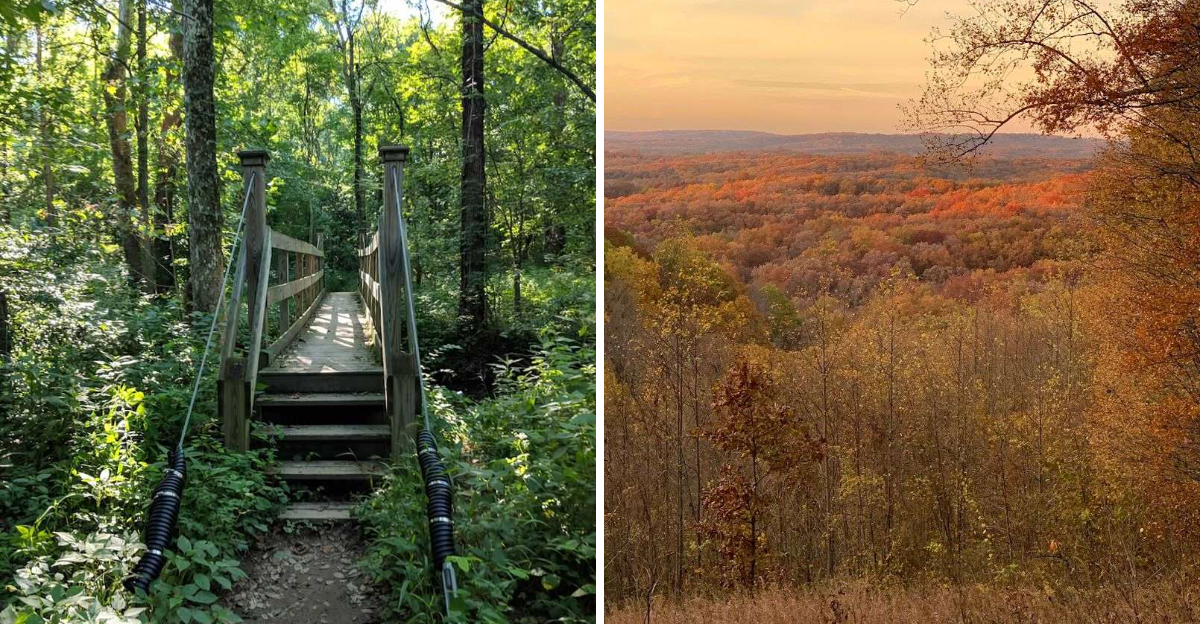
I have walked a lot of trails across Indiana, but nothing quite prepared me for the kind of quiet that settles in once you get deep into a long backcountry route through one of the state’s largest hardwood forests. There is something almost surreal about hiking for hours under thick tree cover and not crossing paths with another person.
This roughly 40-mile trail system winds through some of southern Indiana’s most overlooked terrain, where ridges, hollows, and dense forest stretch on without interruption. The further you go, the more the outside world fades, replaced by wind in the canopy, shifting leaf litter underfoot, and the occasional call of distant birds.
If you are looking for a place where the woods feel genuinely untouched and the pace of everything slows down to almost nothing, this is the kind of trail that stays with you long after you leave.
True Solitude on a 42-Mile Forest Trail
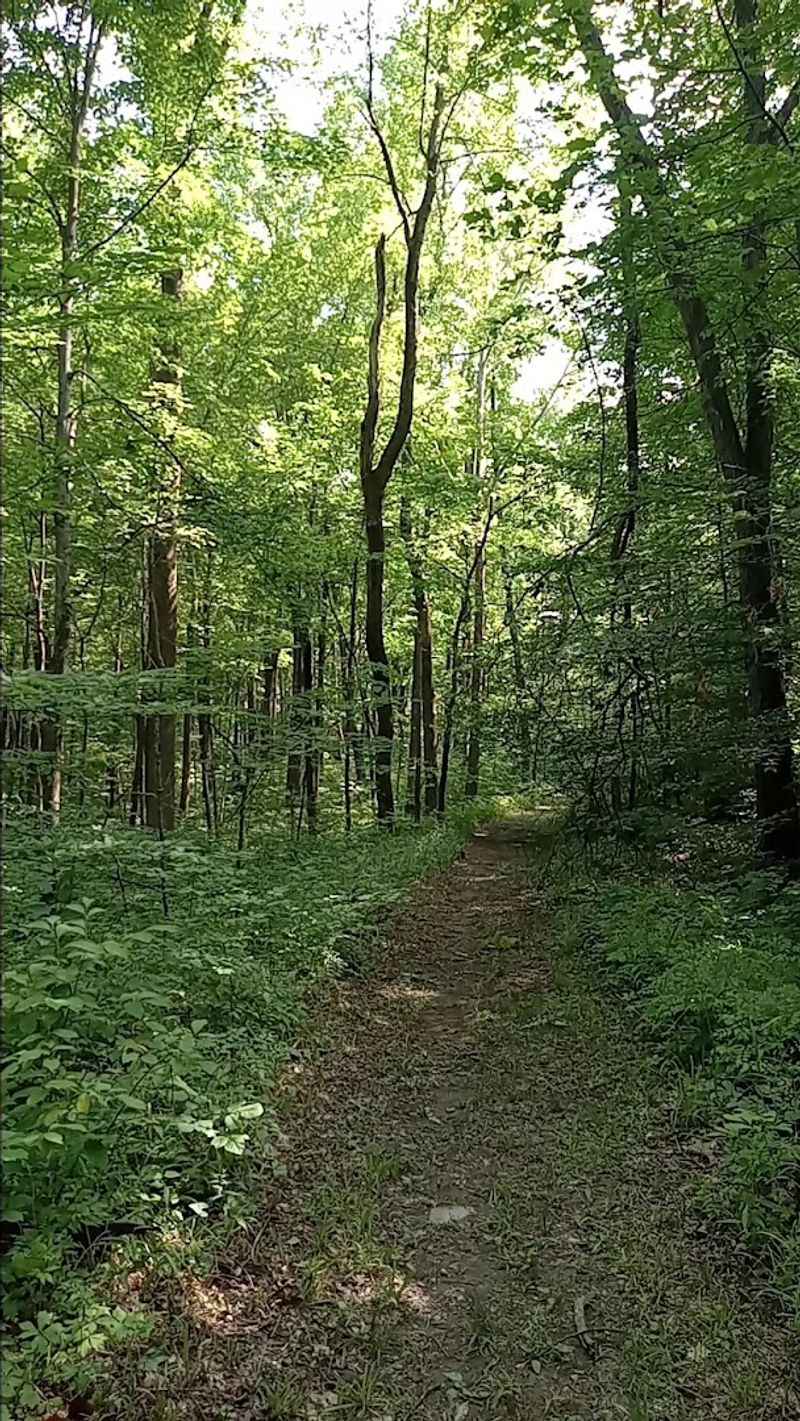
Most trails in Indiana feel busy on a weekend. The Tecumseh Trail is a different world entirely.
Stretching 42 miles through Morgan-Monroe and Yellowwood State Forests, this path was built by the Hoosier Hikers Council between 1998 and 2002, and it still carries that hand-crafted, off-the-beaten-path energy that makes it feel like a personal discovery every time you walk it.
The trail is long enough that foot traffic spreads out naturally. You can hike for hours without seeing another person, which is genuinely rare in a state where popular parks fill up fast.
That kind of solitude is not just peaceful, it is restorative in a way that is hard to explain until you experience it yourself.
Morgan-Monroe State Forest covers over 24,000 acres, and the Tecumseh Trail winds through the heart of it. The forest headquarters is located at 6220 Forest Rd, Martinsville, IN 46151.
The sheer size of the forest means you are never crowded, never rushed, and never competing for a quiet moment. For Indiana locals who want real backcountry solitude without driving to another state, this trail delivers exactly that.
Ridgeline Views That Reward Every Climb
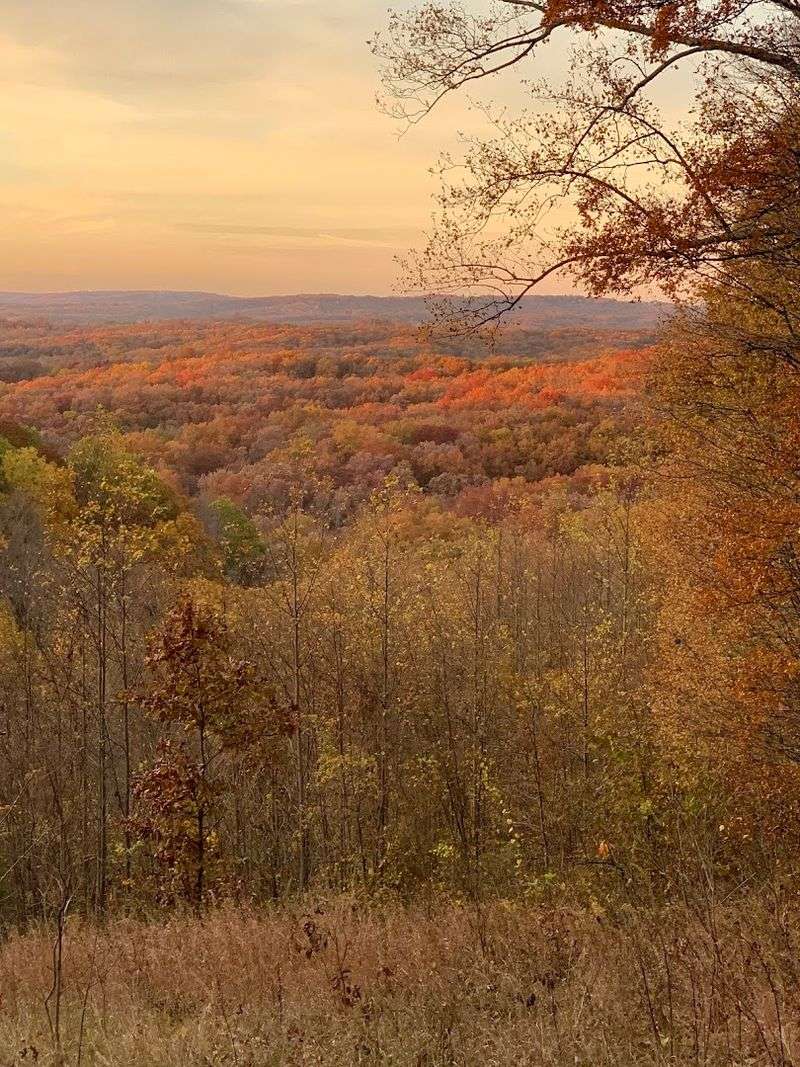
Ridge hiking in Indiana does not always get the credit it deserves. People tend to think of the Midwest as flat, but the Tecumseh Trail will change that assumption fast.
The trail climbs and descends repeatedly through the Morgan-Monroe hills, and every time you reach a ridgeline, the payoff is worth the effort.
From the higher points along the trail, you get long views across dense hardwood canopy that shifts color dramatically with the seasons. Fall is especially stunning, when the oaks and maples turn amber and rust against a pale blue sky.
Spring brings a softer palette, with wildflowers pushing up through the leaf litter and everything smelling like rain and fresh soil.
The ascents are real but not punishing. Most elevation changes are short and steep rather than long and grinding, which keeps the hike challenging without being discouraging.
One reviewer described the trail as having ascents and descents that are fairly steep but all pretty short, which captures the rhythm well. You earn each view, but you earn it quickly.
That balance makes the ridgeline sections some of the most satisfying stretches of trail in the entire state of Indiana.
Wildlife Encounters Around Every Bend
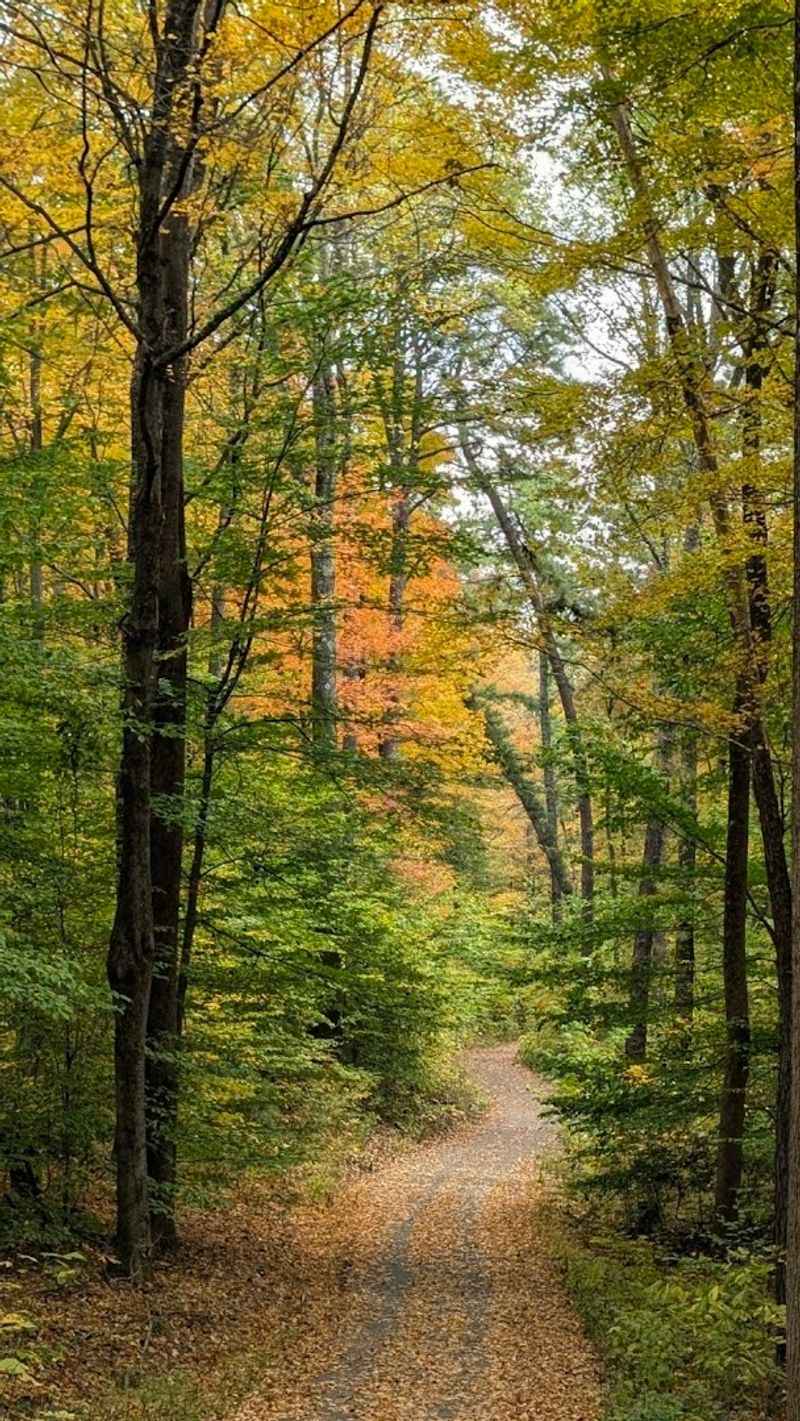
Walking quietly through Morgan-Monroe State Forest, you start to notice things. A flash of white tail disappearing into the underbrush.
A wild turkey picking through leaves just off the trail. A red-tailed hawk circling low over a hollow below the ridgeline.
The Tecumseh Trail passes through habitat that supports a genuinely impressive variety of wildlife, and if you move slowly and stay alert, the encounters add up.
White-tailed deer are common throughout the forest, especially in the early morning and late afternoon hours. Wild turkeys seem almost unbothered by hikers here, sometimes standing their ground for a long moment before ambling off into the trees.
Birdwatchers will find plenty to keep their binoculars busy, from woodpeckers hammering away at dead snags to warblers moving through the canopy during migration season.
The biodiversity here is real. The forest has a good amount of varied plant life and animal habitat, and because the trail sees relatively light traffic, wildlife behavior tends to be more natural and less skittish.
Bring a field guide or download a birding app before you go. You will use it.
The forest rewards the patient observer in ways that feel genuinely special for a state as developed as Indiana has become.
Backcountry Camping Deep in the Indiana Woods
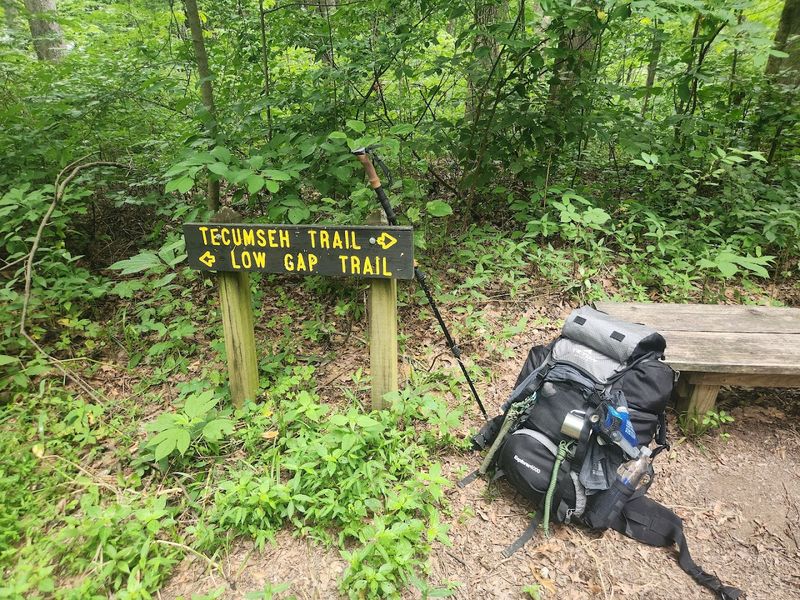
Car camping is fine, but there is nothing quite like waking up in a tent you carried on your back, miles from the nearest road, with nothing but forest in every direction. The Tecumseh Trail has designated backcountry camping areas that let you do exactly that.
You just need to register with the State Forest Office before heading out, which keeps things organized and helps preserve the experience for everyone.
The campsites along the trail are primitive, which is actually a big part of their appeal. No RV hookups, no crowded loops, no generator noise at midnight.
Just a clearing in the trees, a fire ring, and the sound of wind moving through the canopy overhead. Several creek crossings along the trail mean you are rarely far from water, though you should always treat it before drinking.
Overnight hikers consistently describe the experience as one of the best in Indiana. One hiker mentioned camping by a beautiful little creek with plenty of deadwood for fires, which gives you a good sense of what to expect.
The forest headquarters is the right place to check in before a backcountry trip. Go prepared, go registered, and go ready to sleep better than you have in months.
Stream Crossings and Hidden Hollows
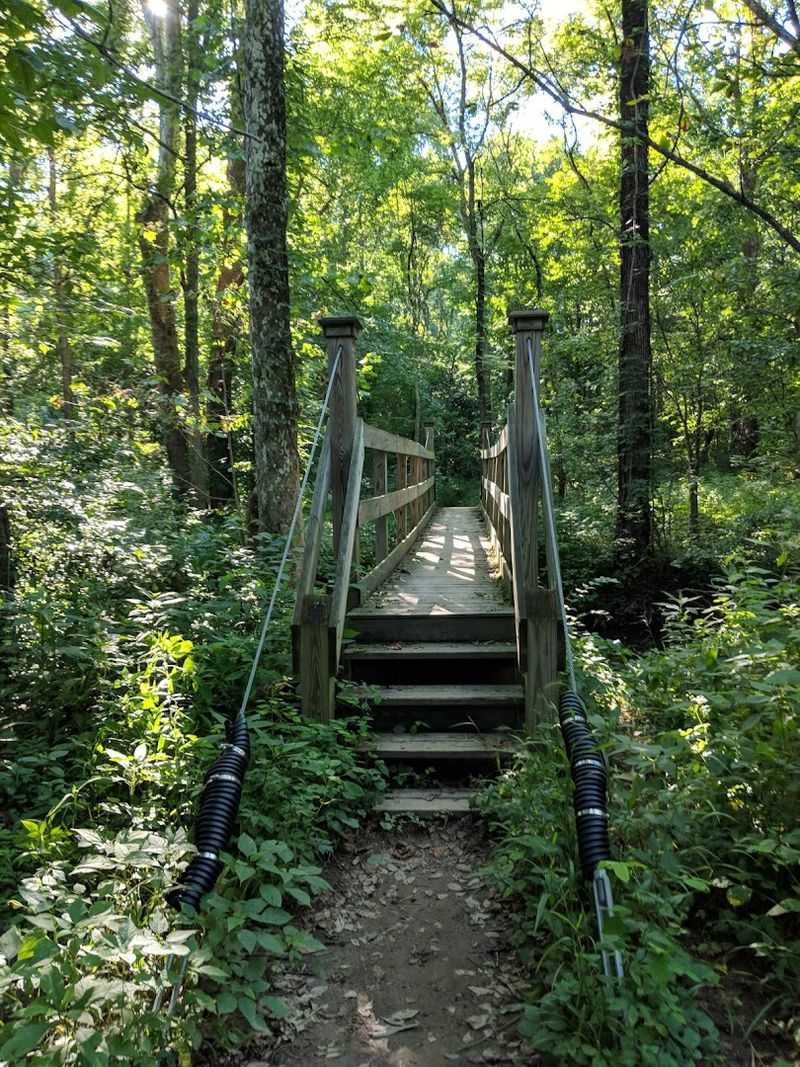
Some of the most memorable moments on the Tecumseh Trail happen at water level. The trail crosses numerous streams throughout its length, and several of those crossings feature beautifully constructed wooden bridges that feel almost out of place in their quiet elegance.
Other crossings are more rustic, requiring a careful step across rocks or a wet boot if the water is running high after rain.
The hollows between the ridgelines are where the trail gets especially atmospheric. Sunlight filters down through the canopy at low angles in the morning, catching the surface of moving water and lighting up the mossy banks.
In winter, those same hollows produce ice formations that hikers have described as spectacular, particularly around the Rock Shelter area on the Low Gap Trail nearby.
Experienced hikers recommend bringing a spare pair of socks and dry shoes for the stream sections, especially in spring when snowmelt keeps water levels elevated. It is practical advice that makes a real difference on a long day out.
The creek environments also support some of the richest plant and insect life in the forest, so slow down when you reach the water. The hollows reward the kind of attention most people forget to pay when they are focused on the miles ahead.
A Trail Named for History Worth Knowing
The name Tecumseh carries real weight in this part of the country. The trail honors the Shawnee leader Tecumseh, one of the most remarkable figures in American history, who worked to unite Native American nations across the region in the early 1800s.
Hiking a trail that carries his name through the forests of southern Indiana adds a layer of meaning that goes beyond the physical experience of the walk itself.
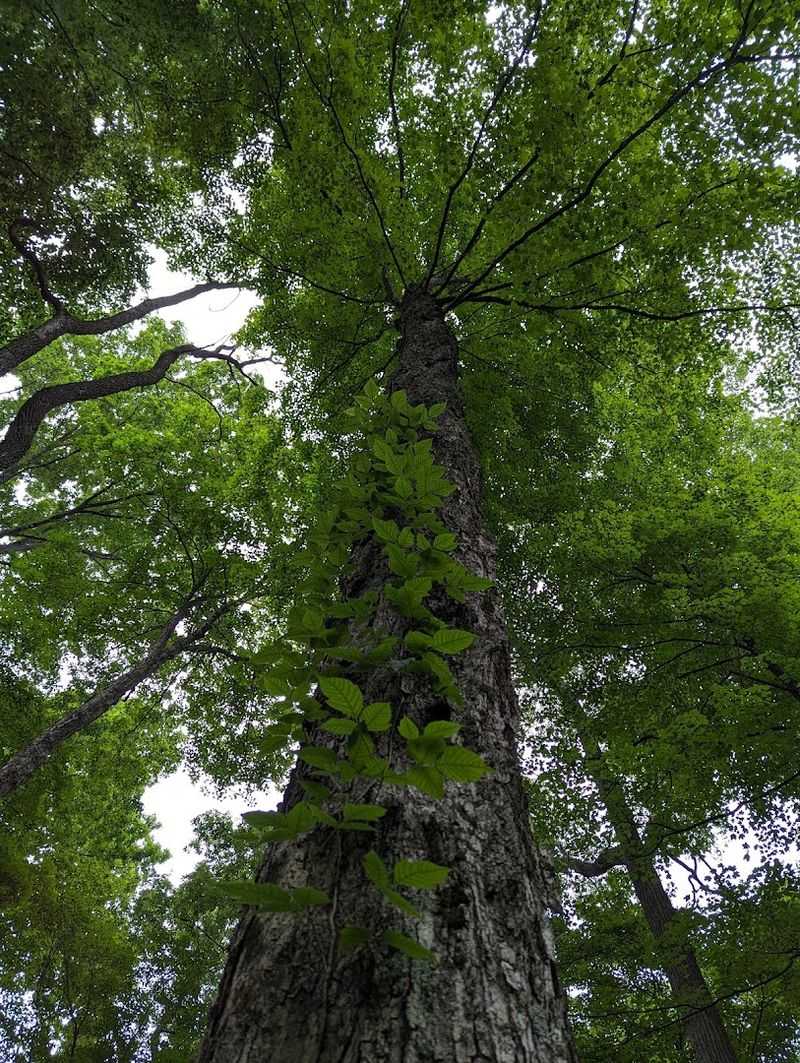
The Hoosier Hikers Council built this trail with clear intention, completing it between 1998 and 2002 as a long-distance route that would let people engage deeply with the Indiana landscape. That connection between place and history is something worth thinking about as you move through the forest, especially in the older hardwood sections where the trees feel ancient and the light barely reaches the ground.
For anyone curious about the region’s broader history, the Indiana University campus in nearby Bloomington is a great resource, and the Eiteljorg Museum of American Indians and Western Art at 500 W Washington St, Indianapolis, IN 46204 offers genuinely excellent context on Native American history across the Midwest. Knowing the story behind the name makes every mile on this trail feel more intentional and more connected to the land beneath your boots.
Close Enough to Indy to Make It a Weekend Trip
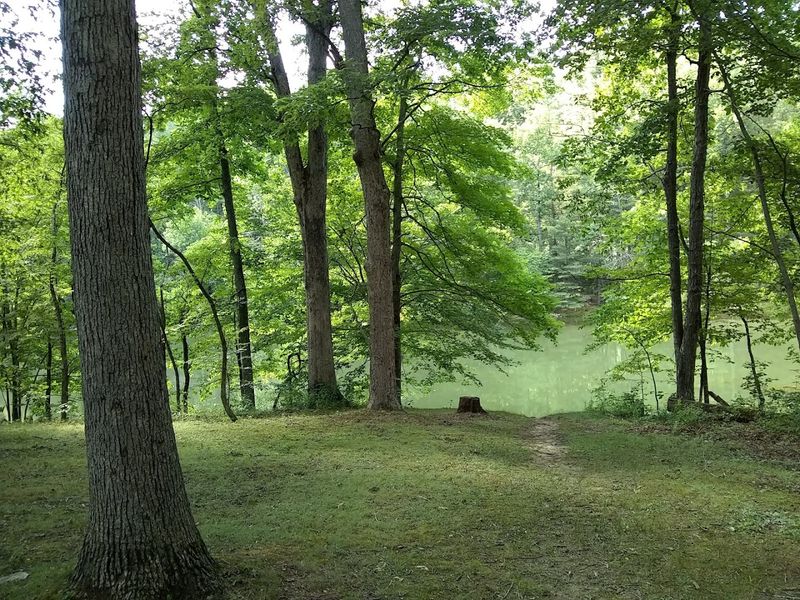
One of the most underrated things about the Tecumseh Trail is how accessible it actually is. Morgan-Monroe State Forest sits about an hour south of Indianapolis, which means you can leave the city on a Friday afternoon and be hiking through old-growth hardwood forest before dinner.
That kind of proximity to genuine backcountry is something a lot of Midwesterners do not realize they have.
The forest headquarters serves as a natural base of operations. The building itself has been described by multiple visitors as the nicest headquarters they have seen in any Indiana State Forest, with clean facilities and helpful staff who can point you toward the right trailhead for your experience level.
From there, you are minutes from the trail and hours from anything resembling a crowd.
After a long weekend on the trail, the college town of Bloomington is only about 30 minutes southwest. You can grab a meal at places like Lennie’s Restaurant at 1795 E 10th St, Bloomington, IN 47408, or walk around the Indiana University campus to decompress before heading home.
The combination of wild trail and nearby town makes the Tecumseh Trail an ideal weekend escape for anyone living in central Indiana who needs a real reset without a long drive.
