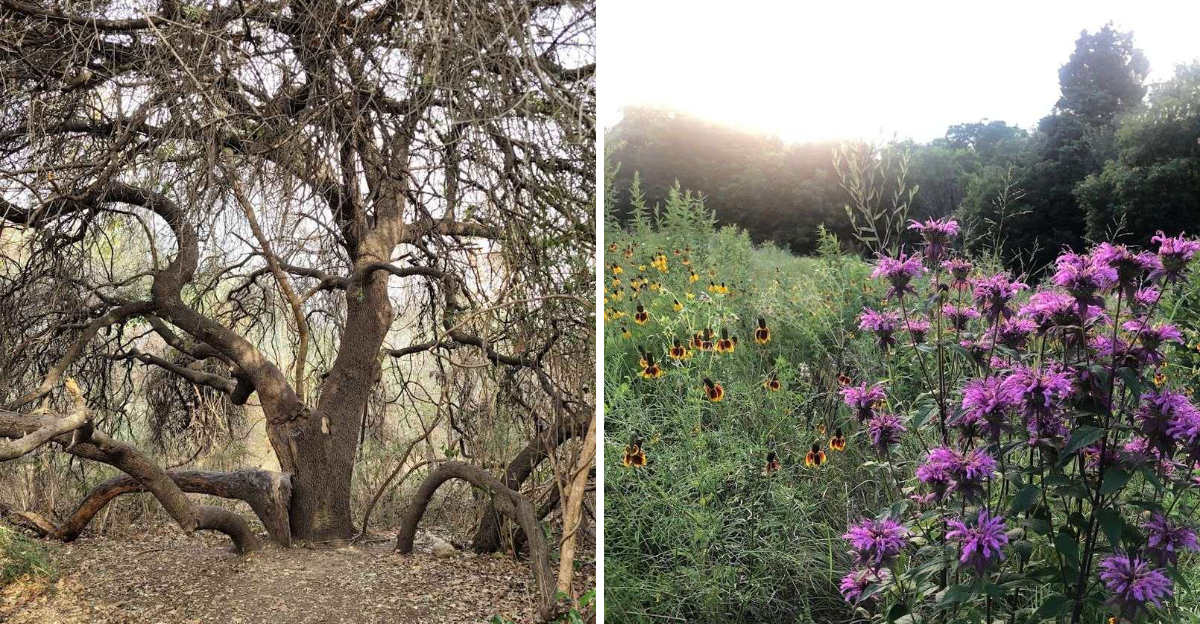
Some places in Texas do not try to impress you from the road. This garden hides behind trees and quiet streets, with no big sign screaming for attention.
The paths wind through native grasses and wildflowers that actually belong in this climate, not some imported garden that needs constant watering. Sculptures appear around corners, metal and stone shapes that make you stop and look twice.
There is no gift shop, no snack bar, no bathroom line. Just open space, a few benches, and the sound of wind moving through tall plants.
Texas has plenty of botanical gardens with admission fees and crowded weekends, but this one stays under the radar. A person could spend an hour here and forget about their phone completely.
That is becoming rare, and worth holding onto. Go see it before someone builds condos on it.
The Stone Entrance That Signals Something Special
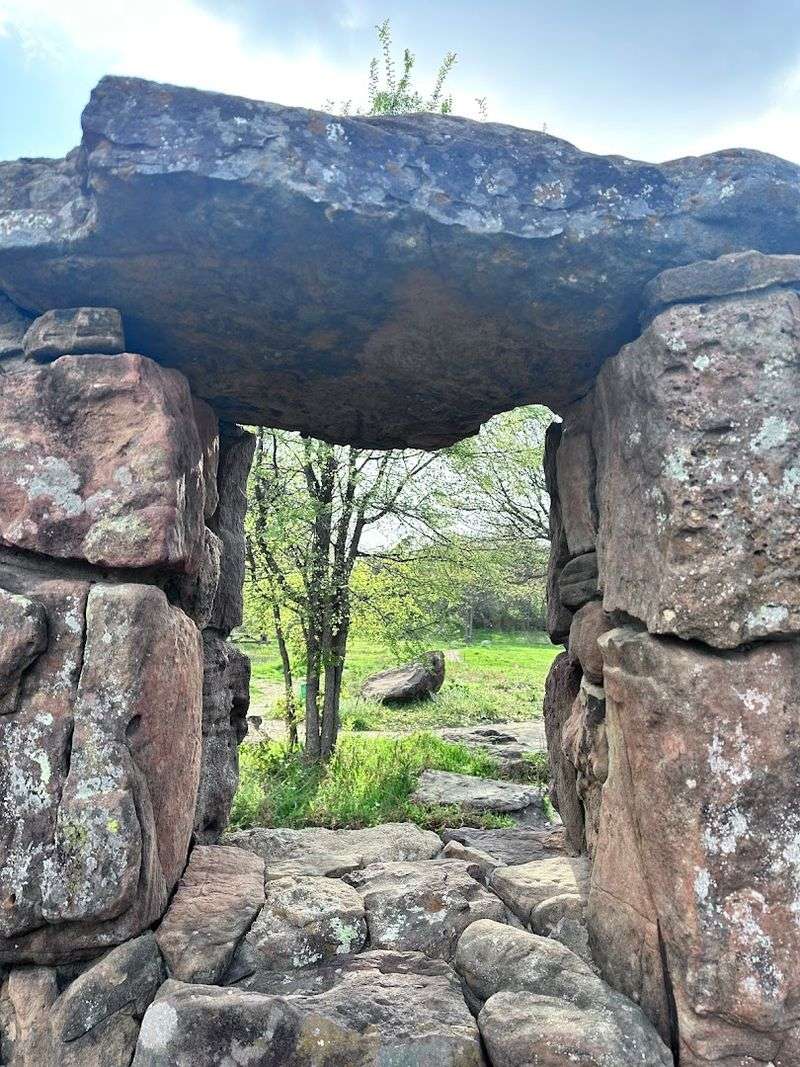
Some entrances just have a way of telling you to slow down. The stone entrance at Twelve Hills Nature Center does exactly that, marking a clear boundary between the busy streets of Oak Cliff and the quiet world waiting just beyond it.
It is a modest structure, but it carries real weight. Passing through it feels like crossing into a different time zone, one where the pace drops and the sounds of birds replace the hum of traffic.
The transition is almost immediate and genuinely surprising for a spot inside city limits.
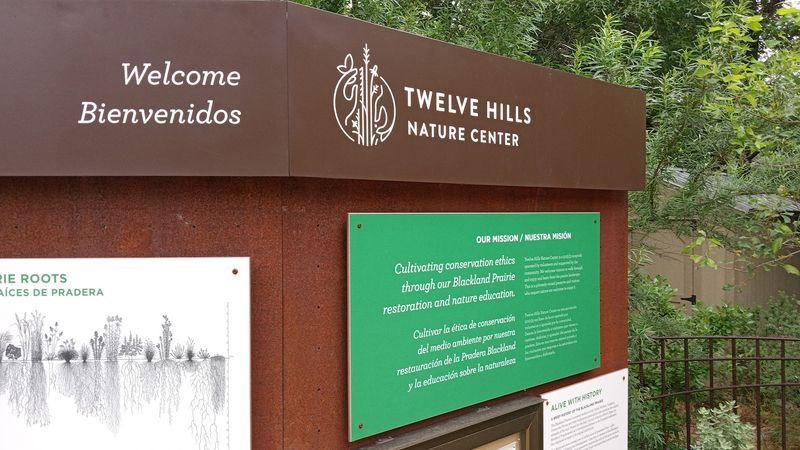
The entrance also features an informational kiosk unveiled in June 2024, offering a trail map, historical background on the Blackland Prairie, and updates on current blooms and bird sightings.
All of this is presented in both English and Spanish, which makes the space feel genuinely welcoming to the diverse community surrounding it.
First-time visitors often pause here longer than expected, reading the panels and getting their bearings before heading down the trail. It sets a tone of curiosity and respect that carries through the entire visit.
This small stone threshold is quietly one of the most meaningful parts of the whole experience.
Five Acres of Rolling Urban Prairie Unlike Anything Nearby
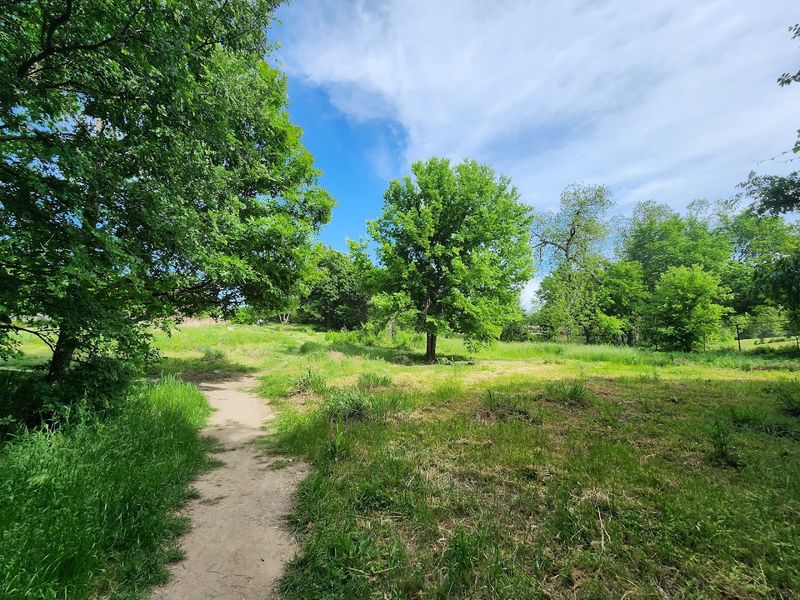
Most people picture Texas prairies as something you have to drive far outside the city to experience. Twelve Hills Nature Center flips that idea completely, sitting right in the middle of a residential Dallas neighborhood and somehow pulling it off beautifully.
The terrain here is genuinely hilly, which sets it apart from the flat streets surrounding it. Those gentle rises and dips in the land give the place a sense of depth and movement that makes the half-mile loop trail feel more like an adventure than a short walk.
The five acres might not sound like much on paper, but once you are inside the property, it feels expansive. The native grasses grow tall enough to create a sense of enclosure in certain spots, and the way the land rolls means you are always discovering a slightly different view around the next bend.
This is land with a layered history too. An apartment complex of twelve buildings stood here from the 1950s until it was demolished, and you can still spot old bricks and rebar embedded in the trail in places.
That mix of natural restoration and visible human history gives the whole landscape an unexpectedly rich character.
The Blackland Prairie Restoration Story Worth Knowing
Less than one percent of the original Blackland Prairie that once covered vast stretches of North Texas still exists in an intact form. That number alone makes what is happening at Twelve Hills Nature Center feel urgent and genuinely important.
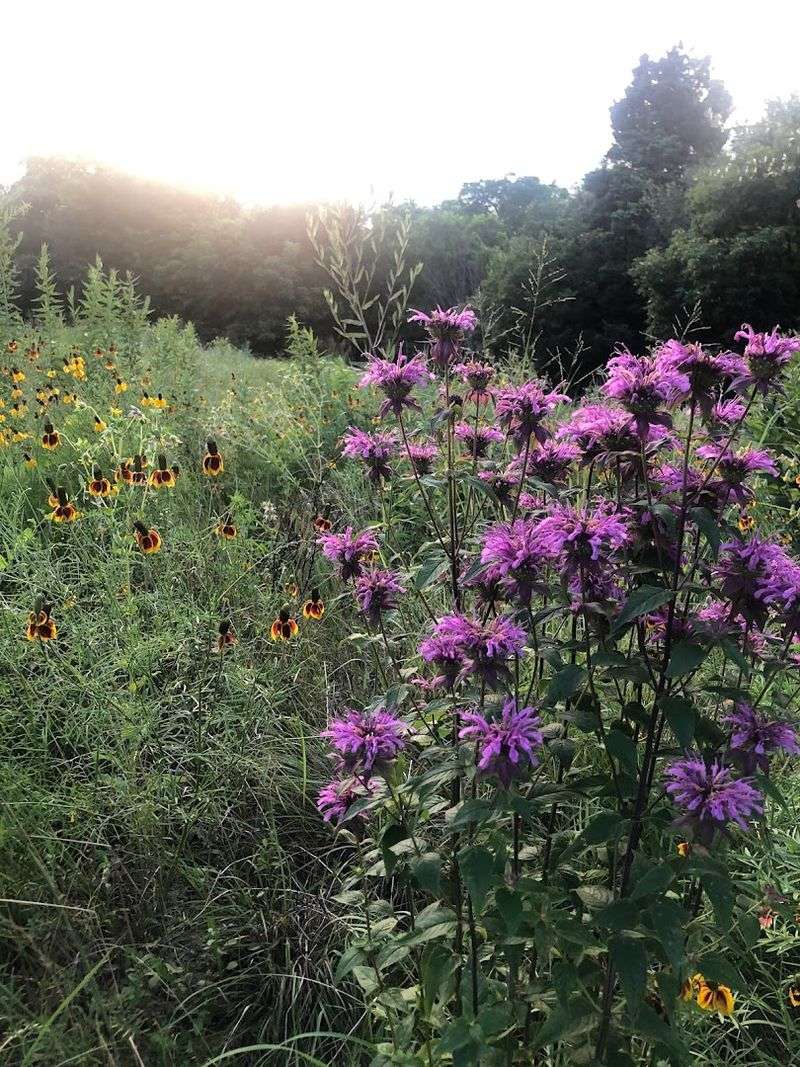
Since its founding in 2005, the center has been working to bring that ecosystem back, one patch at a time. Volunteers remove invasive species like privet and nandina, which crowd out native plants, and replace them with grasses and wildflowers that belong here.
It is slow, careful work, and the results are visible throughout the property.
The plant list at Twelve Hills has grown to over 250 native species, which is a remarkable number for a five-acre site. Seeing those plants growing together in their natural community gives you a real sense of what this landscape once looked like across the region.
There is something humbling about watching volunteers collect seeds from development sites to transplant here, saving plants that most nurseries do not even carry. Every blade of grass and every wildflower on this property represents a deliberate act of care.
The restoration story at Twelve Hills is not just about plants. It is about keeping something irreplaceable alive for future generations.
Native Plants That Stop You Mid-Trail
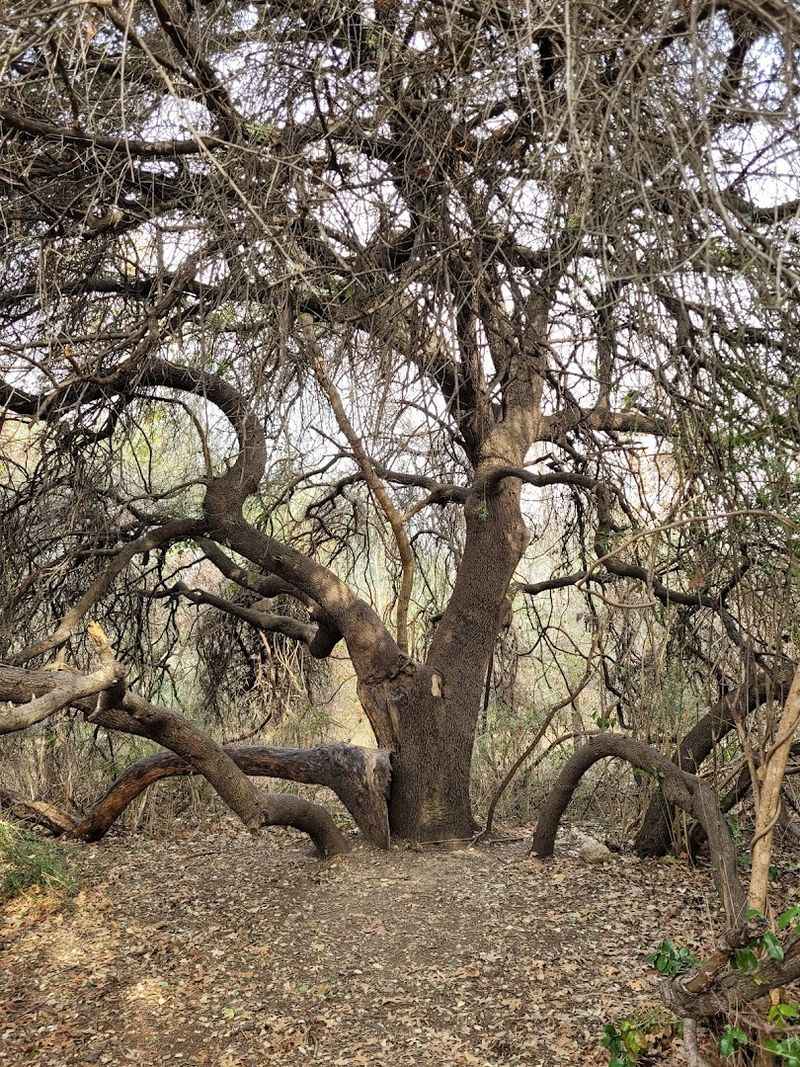
There is a particular kind of beauty in plants that have evolved to belong somewhere. At Twelve Hills, the native species growing along the trail have a confident, rooted quality that you do not always find in manicured gardens.
Big Bluestem and Little Bluestem grasses catch the light in a way that feels almost cinematic in the late afternoon. Switchgrass and Indiangrass sway in the breeze with an easy rhythm.
Then there is Liatris mucronata, also called gayfeather or blazing star, with its narrow purple flower spikes rising above the surrounding greenery in a way that genuinely stops you mid-step.
Broomweed adds splashes of yellow during its season, and the overall color palette shifts throughout the year as different species come in and out of bloom. Visiting once is never quite enough because the trail looks different depending on when you show up.
What makes this plant community special is how intentional it is. Every species here was chosen because it belongs to the Blackland Prairie ecosystem.
None of it is decorative in the conventional sense, but all of it is beautiful in a way that feels earned rather than arranged. These plants are doing real ecological work, and somehow that makes them even more worth pausing to appreciate.
The Butterfly Garden and Its Pollinator Community
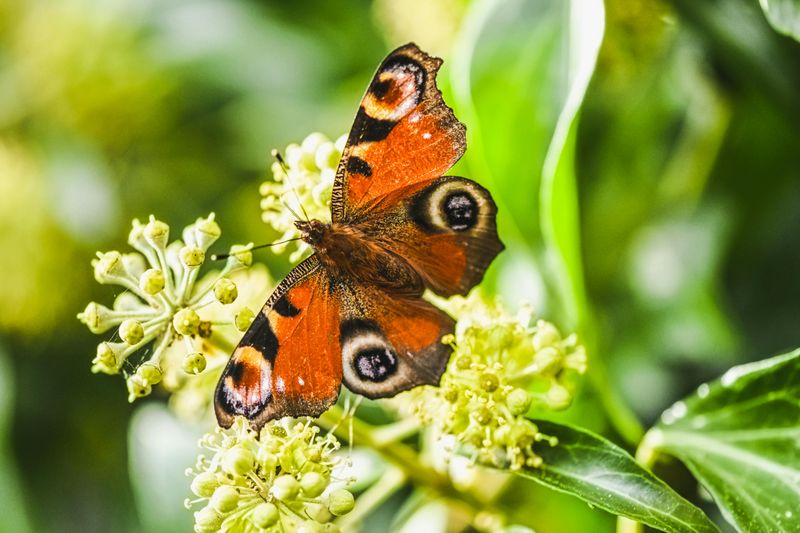
Right near the entrance, a dedicated butterfly garden greets visitors with a concentration of flowering native plants and shrubs designed specifically to attract pollinators. It is a small area, but it buzzes with activity in a way that makes it hard to walk past without stopping.
Butterflies move between blooms with an unhurried confidence that feels contagious. Bees work methodically through the flowers, and the whole section has an energy that is both lively and calming at the same time.
It is a good spot to just stand quietly for a few minutes and watch.
The plants chosen for this garden were selected because they provide nectar and host plants for local butterfly species throughout their life cycles. That level of ecological thinking, going beyond just attracting butterflies to actually supporting them, reflects the center’s broader approach to restoration.
For families visiting with kids, this corner of the property tends to be a highlight. Children who might lose interest on a longer trail often find themselves genuinely engaged here, watching insects move from flower to flower up close.
It is the kind of hands-on nature experience that sticks with you. The butterfly garden earns its place as one of the most charming and purposeful spots on the entire property.
Coombs Creek and the Southwest Corner Surprise
Not everyone notices Coombs Creek on their first visit, but those who wander toward the southwest corner of the property are usually glad they did. The creek runs quietly through that section, adding a gentle water element to the landscape that feels completely unexpected in an urban setting.
The sound of moving water changes the atmosphere in that part of the trail. It is cooler, slightly shadier, and the vegetation along the creek bank has a different character than the open prairie sections.
The contrast makes the property feel larger and more varied than its five acres would suggest.
Creeks like this one play an important role in urban ecosystems, providing water sources for wildlife and supporting plant species that cannot survive in drier conditions.
The presence of Coombs Creek helps explain why Twelve Hills is able to support such a diverse range of animal life alongside its plant community.
Frogs and toads are often heard near the water, especially after rain. Lizards dart across the trail in the sunnier spots nearby.
The creek section feels like a small world within a small world, hidden into the corner of an already hidden-away place. It rewards the visitors who take their time and explore every part of the loop rather than rushing through.
The Bird Life That Makes Every Walk Different
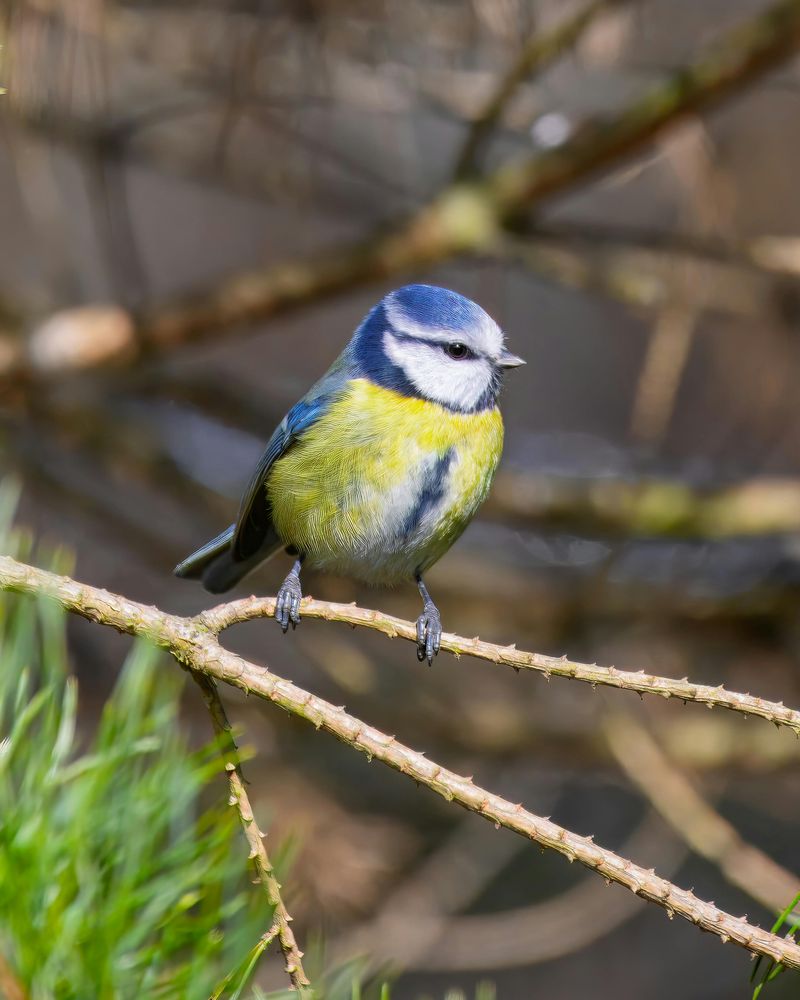
Fifty-one bird species have been identified at Twelve Hills Nature Center, which is a genuinely impressive number for a five-acre urban site. That variety means no two visits feel exactly the same, and birdwatchers quickly learn that patience here is always rewarded.
The mix of open prairie, shrubby edges, and creek-side vegetation creates multiple habitat types within a small area, and different birds favor different zones. Some species stick to the tall grasses while others prefer the woody edges near the creek.
Moving slowly through the loop gives you a much better chance of spotting a wide range of activity.
The informational kiosk near the entrance helpfully notes which bird species are currently being seen on the property, which takes some of the guesswork out of a visit. That kind of real-time information makes the place feel actively managed and genuinely attentive to its visitors.
Even for people who do not consider themselves birdwatchers, the bird life here adds a layer of aliveness to the whole experience. Hearing calls from multiple directions while you walk, catching movement in the grass, or watching a hawk circle overhead changes how the place feels.
Birds have a way of reminding you that a landscape is not just scenery. It is a living system, and Twelve Hills makes that very clear.
Wildlife Beyond Birds: Rabbits, Lizards, and More

Birds tend to get most of the attention at nature centers, but Twelve Hills has a surprisingly active community of non-feathered wildlife that is equally worth watching for.
Rabbits are common sightings along the trail, often spotted in the early morning or late afternoon near the edges of the native grass patches.
Lizards are practically everywhere on warm days, flashing across the path and disappearing into the vegetation before you fully register what you saw. Small snakes are occasionally spotted too, which surprises some visitors but is actually a sign of a healthy ecosystem.
Toads and frogs are most active near the creek section, especially during and after rain.
The presence of this variety of wildlife in the middle of a city neighborhood is a direct result of the restoration work happening here. Native plants support native insects, native insects support small reptiles and amphibians, and the whole food web builds from the ground up.
Twelve Hills demonstrates that ecological restoration is not just about aesthetics.
Visiting with children who are curious about animals makes the trail feel like a low-key wildlife safari. The creatures here are not performing for anyone, which makes every actual sighting feel like a small reward.
That unpredictability is part of what makes returning to the property so appealing across different seasons and times of day.
The Half-Mile Loop Trail and How to Walk It Well
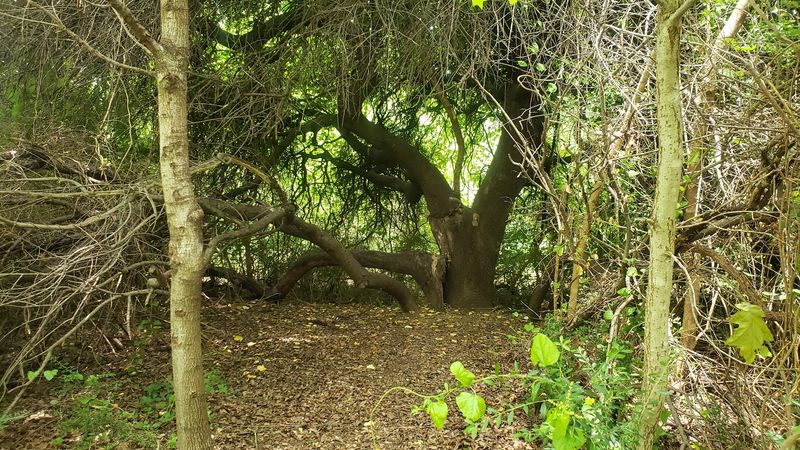
The trail at Twelve Hills is a half-mile loop, which sounds brief until you actually walk it with your eyes and ears open. The route includes a few gentle inclines that reflect the natural hilly terrain of the property, and those elevation changes give the walk a pleasant physical rhythm.
The trail is easy enough for most fitness levels, including families with younger children, but it is not so flat that it feels uninteresting. Those small rises give you slightly elevated views over sections of prairie that shift the whole visual experience.
I found myself stopping more often than I expected, not because I was tired but because something kept catching my attention.
Dogs are welcome on the trail as long as they stay on a leash and owners clean up after them. That policy makes the space accessible to a wide range of visitors while keeping the environment respectful for the wildlife that lives there.
The best strategy for walking this loop is to go slowly and resist the urge to check your phone. The trail rewards attention.
The more you look, the more you see, whether that is a butterfly landing on a blazing star, a rabbit freezing in the grass ahead of you, or the way the late afternoon light moves through the tall native grasses. Rushing through it would be a genuine missed opportunity.
Why This Place Deserves a Spot on Your Dallas List
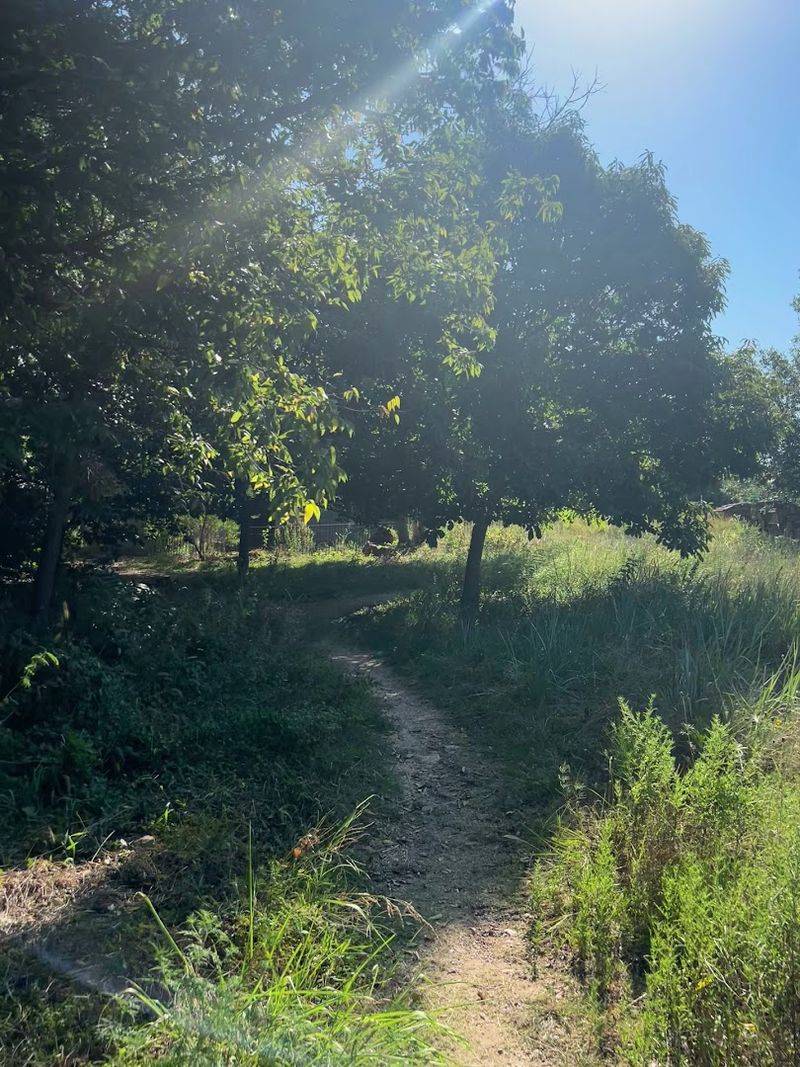
Dallas has no shortage of parks and green spaces, but Twelve Hills Nature Center occupies a category of its own. It is not a manicured park with mowed grass and picnic tables.
It is a genuine ecological restoration project that happens to be open to the public every day, for free, from sunrise to sunset.
That combination of accessibility and authenticity is rare. Most places doing serious conservation work are either remote or restricted.
Twelve Hills invites you in, gives you a trail map at the kiosk, and trusts you to experience something real. That openness says a lot about the organization behind it.
For Dallas residents, this is the kind of place that becomes a quiet ritual. Early morning visits before the day starts, weekend walks when the city feels too loud, or autumn afternoons when the native grasses shift to their warm seasonal colors.
The property changes enough throughout the year to keep drawing you back.
For visitors to the city, it offers something most tourist itineraries miss entirely: a genuine sense of place rooted in the actual ecology of North Texas. Twelve Hills is not trying to be anything other than what it is, and that honesty is its greatest quality.
Address: 817 Mary Cliff Rd, Dallas, TX 75208
