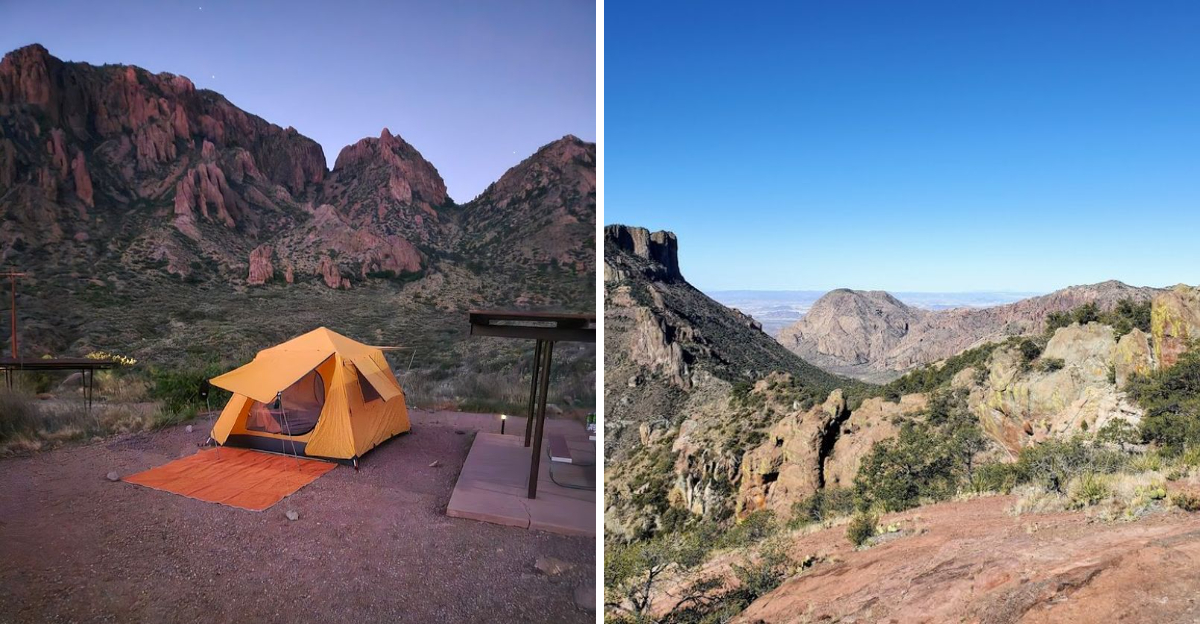
Driving into the basin inside Big Bend National Park feels like entering a different world. The road curves downward and suddenly the desert gives way to mountains rising on every side.
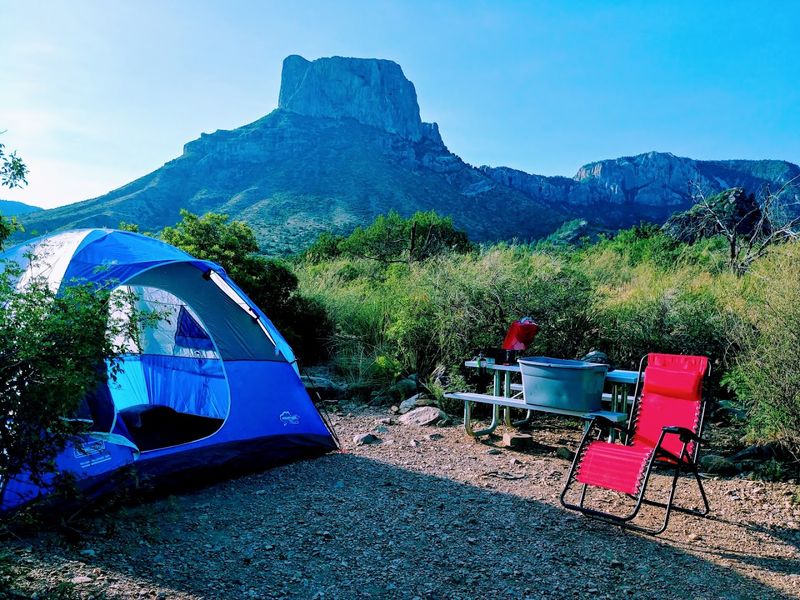
This campground sits at about 5,400 feet, surrounded by peaks like Casa Grande towering overhead. The air is cooler up here, a welcome shift after hours in the desert heat.
Morning is when it really settles in. The ridgelines turn shades of orange and gold as the sun climbs, and the entire basin glows.
Waking up in that kind of setting makes even a simple cup of coffee feel unforgettable.
The Setting Inside the Chisos Mountains
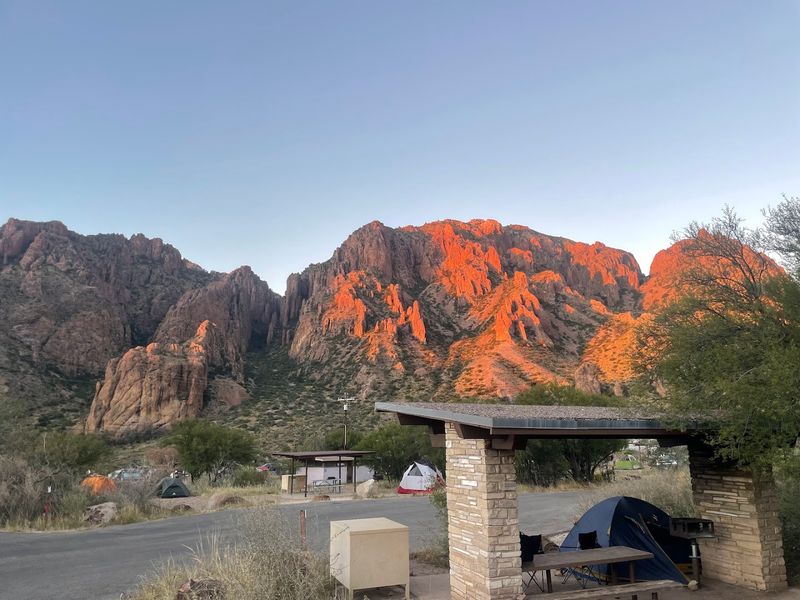
Standing at your campsite and looking up at the walls of the Chisos Mountains is one of those moments that genuinely stops you in your tracks. The basin is essentially a natural bowl carved into the mountains, and the campground sits right at its floor.
It feels enclosed in the most peaceful way possible.
Casa Grande Peak dominates the skyline to the north, and on clear days you can see the South Rim ridgeline from certain spots in the campground. The elevation here hovers around 5,400 feet, which means the temperatures are noticeably cooler compared to the lower desert areas of the park.
That temperature difference alone makes this one of the most comfortable camping spots in all of Big Bend.
Because the basin traps moisture and shade more effectively than the surrounding desert, the vegetation is surprisingly lush. You will spot juniper trees, pinyon pines, and even some Texas madrone trees dotting the hillsides.
Wildlife thrives here too, including black bears, mountain lions, white-tailed deer, and a wide variety of birds. The setting is not just beautiful to look at.
It is alive in a way that you can actually feel the moment you arrive.
Campsite Layout and Available Amenities
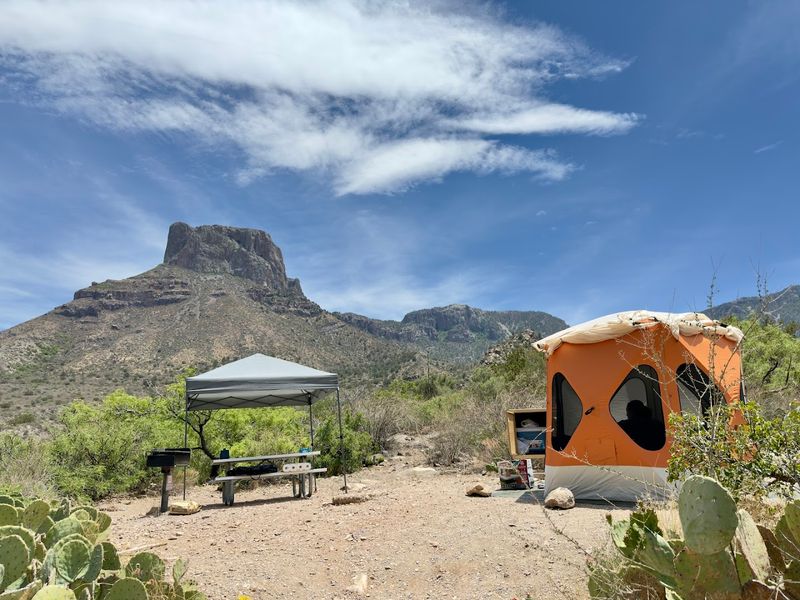
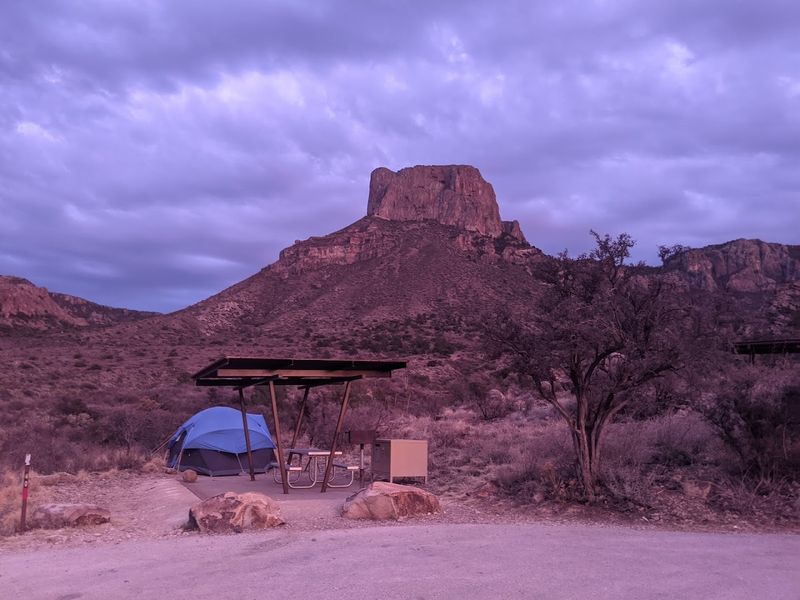
Getting your campsite set up here comes with a few things worth knowing ahead of time. Most sites include a picnic table, a charcoal grill, and a bear-certified food storage locker, which you absolutely need to use.
Bears are active in the basin, and rangers take food storage seriously.
The campground offers flush toilets, which is a genuine luxury for a backcountry-adjacent spot like this. There are no showers on site, so pack accordingly and plan for some creative cleanup routines after long hike days.
A water bottle refill station is available near the visitor center, which is extremely helpful in this dry environment.
Some sites sit on a slight grade, and the ground beneath your tent is mostly rock with a thin layer of soil on top. Heavy-duty tent stakes are strongly recommended, and a few campers have even used small boulders to help anchor their setups.
Wind can pick up significantly at night, especially in the cooler months. Sites are spaced with a decent amount of natural privacy, thanks to the trees and boulders scattered throughout the campground.
Overall, the layout feels thoughtful and well-suited to the wild landscape surrounding it.
The Night Sky Experience
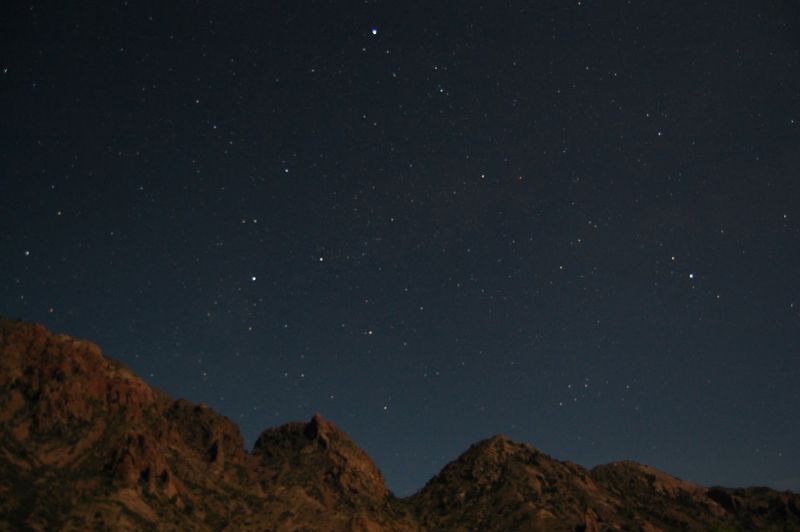
Big Bend National Park holds one of the darkest night skies in the entire continental United States, and Chisos Basin sits right in the middle of all that darkness. Once the sun drops behind the ridgeline, the sky transforms into something that feels almost impossible if you have only ever camped near a city.
The Milky Way becomes visible to the naked eye on most clear nights, stretching in a wide arc from one mountain peak to another. Shooting stars are common, and on especially clear nights you can make out individual star clusters without any equipment at all.
There is no cell service in the basin, which means no screen glow from neighboring campsites either.
Sitting outside your tent after dinner and just staring upward is one of the most underrated activities in the entire park. The quiet adds to the experience in a big way.
The only sounds are wind through the pines and the occasional rustle of something moving through the brush nearby. Stargazing here is not an afterthought.
It is a full event, and it is one of the reasons so many visitors say their night at Chisos Basin changed how they see the outdoors entirely.
Hiking Trails Accessible from the Campground
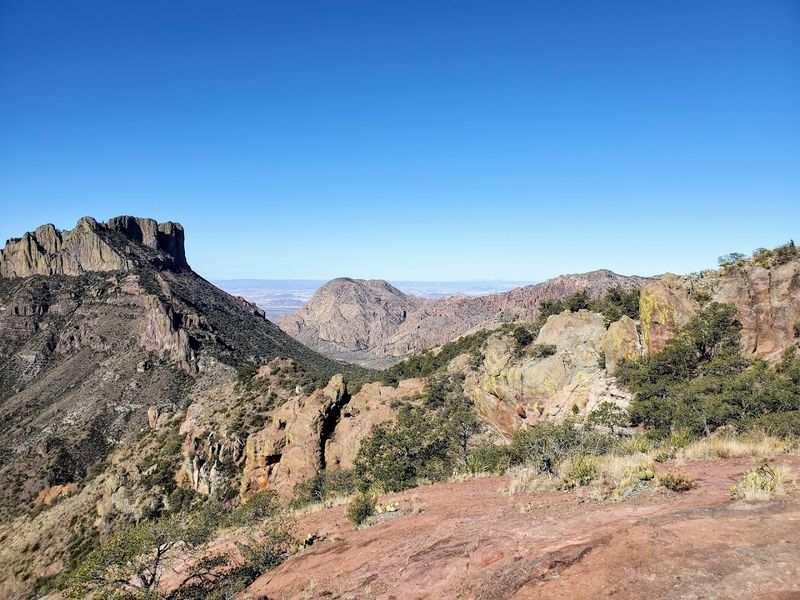
One of the biggest draws of staying at Chisos Basin Campground is the trail access right from your doorstep. You do not need to drive anywhere to start exploring.
The trailhead for the Window Trail begins just steps from the campground, making early morning hikes incredibly easy to pull off.
The Window Trail is a favorite for good reason. It leads through a scenic canyon and ends at a natural opening in the rock called the Window, where you get a framed view of the desert far below.
Just remember that the trail goes downhill first, so the return trip is entirely uphill. Pacing yourself on the way back is smart planning.
The Lost Mine Trail is another popular option nearby, known for sweeping views of the basin and surrounding peaks. For more ambitious hikers, the South Rim and Emory Peak trails offer some of the most breathtaking long-distance views in the entire park.
Rangers at the visitor center across the parking lot are genuinely helpful when it comes to matching trails to your fitness level and available time. Having that kind of local knowledge right at the campground makes planning each day feel much less stressful.
Wildlife You Might Encounter
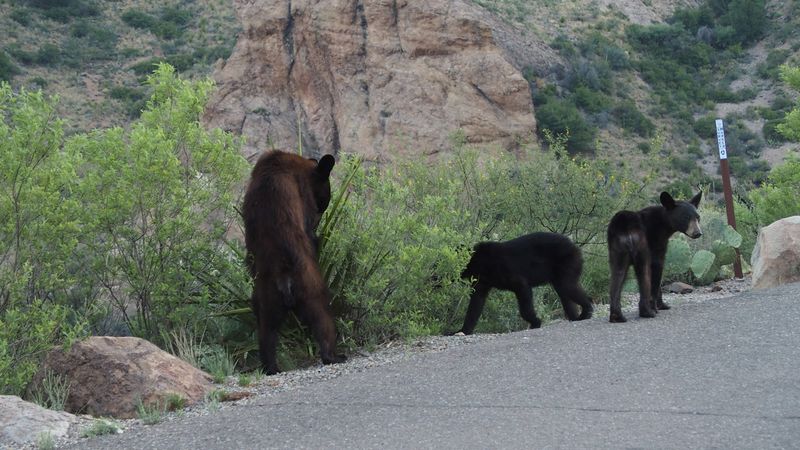
The Chisos Basin is one of the most wildlife-rich areas in Big Bend, and camping here means you are sharing the space with some genuinely wild neighbors. Black bears are present year-round, which is exactly why every campsite comes equipped with a bear-certified food storage locker.
Using it is not optional, it is required.
Mountain lions also call the basin home, though sightings are rare and usually brief. White-tailed deer wander through campsites regularly, often early in the morning or just before sunset.
Watching a small group of deer pick their way between tents at dusk is one of those surprisingly magical moments that sneaks up on you.
Bird watchers will find the basin especially rewarding. Species like the Colima warbler, which is found almost nowhere else in the United States, migrate through the Chisos Mountains each spring.
Javelinas, those bristly pig-like animals native to the Chihuahuan Desert, are also spotted in and around the campground. Snakes, including rattlesnakes, are part of the ecosystem here too, so watching where you step after dark is just common sense.
The wildlife presence makes every walk feel like an actual adventure rather than just a stroll through a campground.
Weather and Best Times to Visit
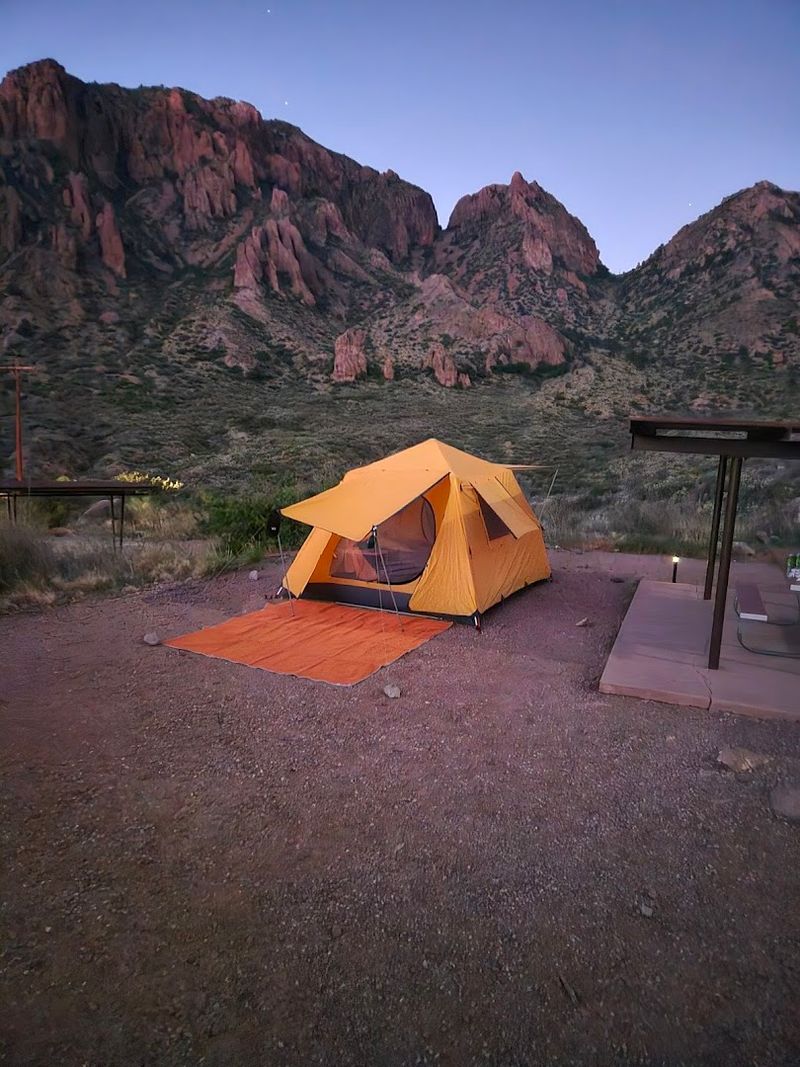
Weather at Chisos Basin can surprise you if you are not prepared for it. Because of the elevation, the basin runs about 10 degrees cooler than the rest of the park.
That sounds like a small difference until you are lying in your tent at 2 a.m. with 20 mph winds rattling the poles.
Fall is widely considered the best season to visit. Temperatures are comfortable during the day, the crowds are smaller than in spring, and the light on the mountains in October and November is absolutely stunning.
Spring is also popular, especially for wildflower season and bird migration, but campsites book up fast during that window.
Summer brings intense heat to the lower elevations of Big Bend, but the basin stays relatively manageable. Still, afternoon thunderstorms are common in July and August, and hiking in a rainy season requires more experience and preparation.
Winter camping is entirely possible and genuinely beautiful, but nighttime temperatures can dip into the thirties and wind chill makes it feel even colder. Layering is essential no matter when you visit.
Checking the forecast before you go and packing for both ends of the temperature range will save you a lot of discomfort out on the trail.
Getting There and Road Conditions
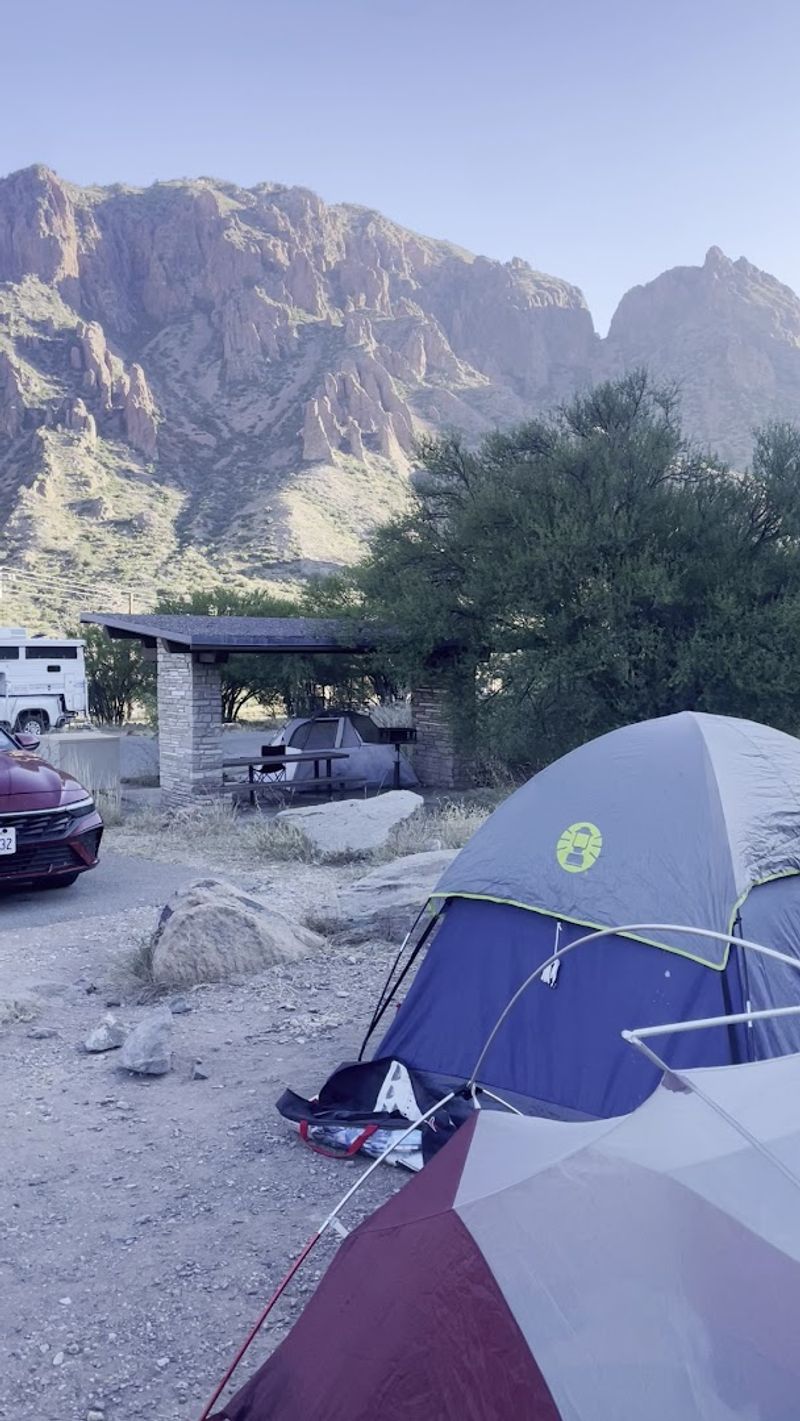
Reaching Chisos Basin Campground is part of the adventure, but it is the kind of part that requires some honest preparation. The park itself is enormous and isolated, sitting in far West Texas near the Mexican border.
The nearest town with a gas station is hours away, so filling your tank before entering the park is not a suggestion, it is a necessity.
The road into the basin is a winding, steep mountain route with tight curves and some genuinely dramatic drop-offs on the final stretch. Passenger cars and small SUVs handle it without much trouble.
RVs and larger vehicles are a different story entirely.
The park strongly advises against bringing RVs longer than 24 feet into the basin. The road can technically be navigated by larger vehicles, but the last mile to the visitor center involves steep grades and sharp turns that have challenged even experienced RV drivers.
Smaller RVs that do fit within the 24-foot limit can be accommodated at the campground, though leveling on some sites takes a bit of patience. Plan for a long drive in from any major Texas city.
The remoteness is part of what makes this place feel so untouched, but it does mean arriving prepared matters more here than at most campgrounds.
Booking Your Campsite in Advance
Getting a campsite at Chisos Basin is not as simple as showing up and picking a spot. This campground is one of the most sought-after in the entire National Park system, and it fills up well in advance, especially during spring and fall peak seasons.
Planning ahead is genuinely important here.
Reservations are made through the Recreation.gov platform, and popular dates can disappear within minutes of becoming available. Setting up cancellation alerts is a smart move if your preferred dates are already taken.
Many campers have scored last-minute spots this way, sometimes just days before their planned trip.
The campground has a limited number of sites, with space for both tent campers and small RVs. Each site books individually, so browsing the site map ahead of time to identify your preferred location is worth doing.
Sites closer to the trailheads or with unobstructed mountain views tend to go first. There is always a camp host on site once you arrive, and they are a great resource for trail conditions, wildlife activity, and general tips about making the most of your stay.
Arriving with a confirmed reservation and a rough plan for each day makes the whole experience run much more smoothly.
The Visitor Center and On-Site Resources
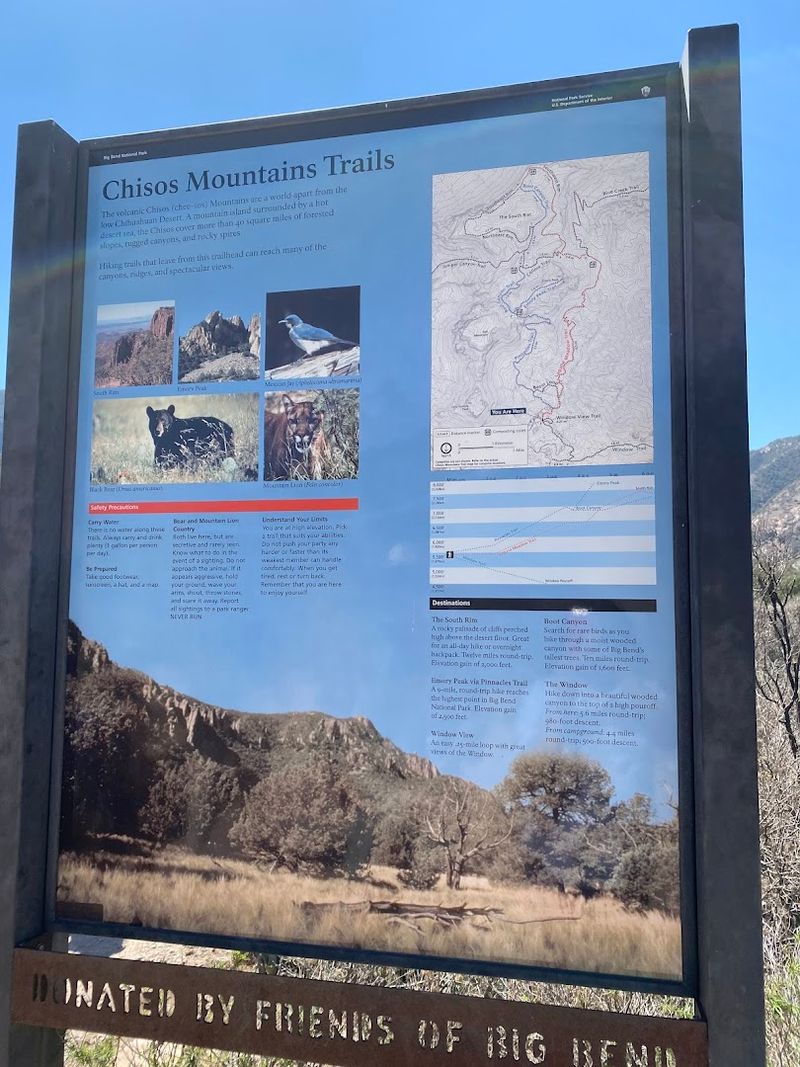
Having a visitor center right across the parking lot from the campground is a surprisingly big deal when you are that deep in the wilderness. The Chisos Basin Visitor Center is small but well-stocked with knowledge, and the rangers stationed there are genuinely helpful rather than just procedural about it.
Rangers can walk you through trail options based on your group size, fitness level, and how many days you have. They also give real-time updates on wildlife activity, trail closures, and weather conditions.
That kind of current information is hard to find anywhere else once you are inside the park.
A small camp store near the campground carries a solid selection of food, drinks, clothing, and gear basics. Heavy-duty tent stakes, which you will almost certainly need given the rocky ground, are available there.
A water bottle refill station sits outside the visitor center and stays accessible even after hours, which is essential in such a dry environment. The store hours run late enough that you can grab supplies after a full day on the trail without rushing.
Between the ranger expertise and the on-site store, the campground support system here is much more robust than you might expect from a place that feels this remote and wild.
Tips for First-Time Campers at Chisos Basin
Showing up to Chisos Basin without a solid plan is one of the easiest ways to turn an incredible trip into a stressful one. A few practical tips go a long way out here.
Start with your gear list and build it around the conditions rather than your past camping experiences in easier terrain.
Water is the most critical thing to manage. The basin is dry, and even in cooler months, hiking quickly depletes your hydration.
Bring more water than you think you need and use the refill station at the visitor center every chance you get. Hydration packs work great on longer trails where carrying extra bottles is awkward.
Secure all food in the bear box the moment you are done with it, not just at night but during the day too. Bears in the basin are accustomed to campgrounds and are opportunistic.
Wind is another factor that catches many first-timers off guard, especially at night. A four-season tent or a lower-profile design handles gusts far better than a tall, dome-style tent.
Arriving at your campsite with enough daylight to set up properly makes a noticeable difference. The campground is stunning, the trails are rewarding, and a little preparation turns a good trip into one you will be talking about for years.
Address: Window View Dr, Big Bend National Park, TX 79834
Dear Reader: This page may contain affiliate links which may earn a commission if you click through and make a purchase. Our independent journalism is not influenced by any advertiser or commercial initiative unless it is clearly marked as sponsored content. As travel products change, please be sure to reconfirm all details and stay up to date with current events to ensure a safe and successful trip.
