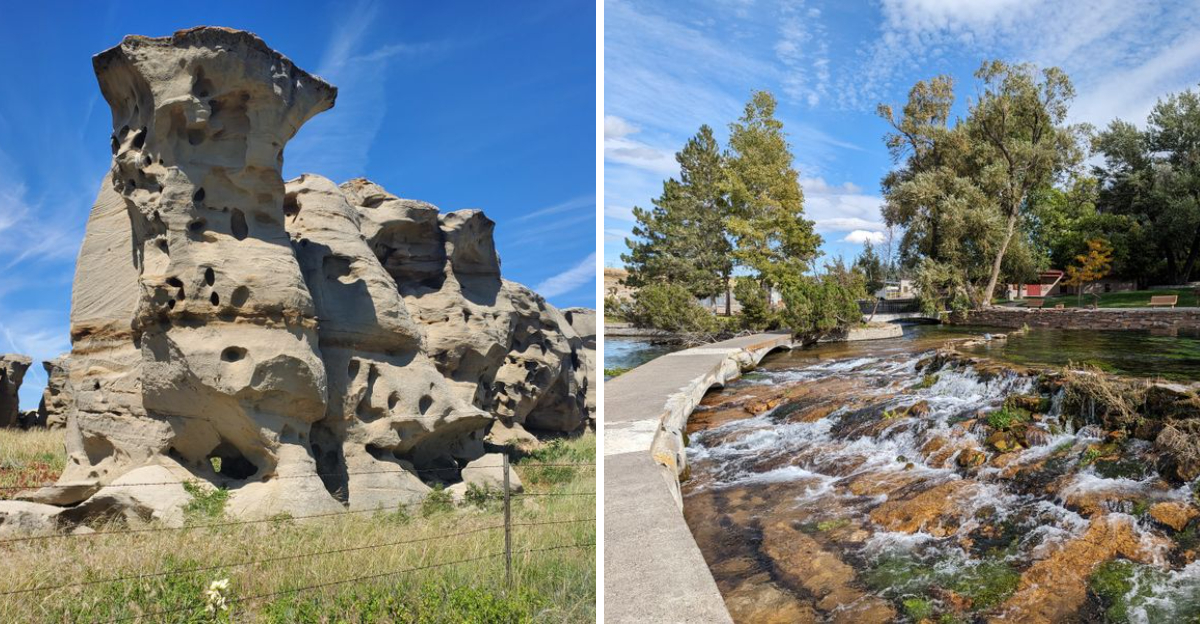
Montana stretches across the northern United States like a giant canvas painted with mountains, rivers, and endless skies.
Most people think of Yellowstone or Glacier National Park when they picture this beautiful state, but there are countless other places waiting to be discovered.
Hidden valleys, secret waterfalls, and quirky roadside attractions dot the landscape, offering adventures that feel like your own personal discovery.
Some spots are tucked away in remote corners where few travelers venture, while others hide in plain sight along quiet highways.
Whether you love hiking through wilderness areas, exploring small towns with fascinating histories, or simply gazing at views that take your breath away, Montana delivers experiences you will remember forever.
The state rewards curious explorers who are willing to wander off the beaten path and see what lies beyond the famous landmarks.
From ancient rock formations to crystal-clear lakes that reflect the sky like mirrors, these unexpected locations showcase Montana’s true character.
Getting to know these lesser-known treasures helps you understand why locals feel so connected to this remarkable place.
Pack your sense of adventure and prepare to see a side of Montana that most tourists never experience.
Makoshika State Park
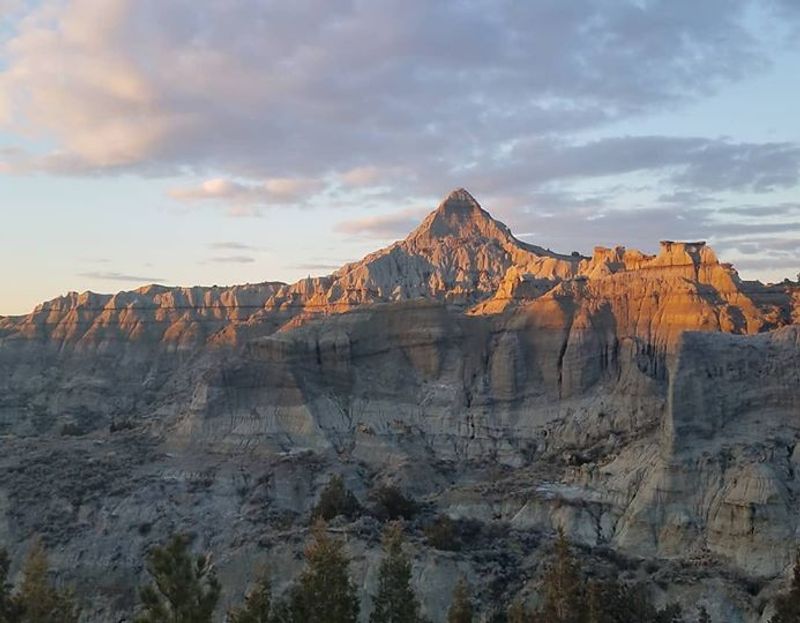
Makoshika State Park near Glendive feels like stepping onto another planet where dinosaurs once roamed millions of years ago.
The name comes from a Lakota word meaning “bad earth,” which makes sense when you see the rugged badlands stretching for miles.
Weathered rock formations rise from the ground in fantastic shapes, carved by wind and water over countless centuries.
Fossils of Triceratops and Tyrannosaurus rex have been discovered here, making it a paradise for anyone fascinated by prehistoric life.
The park covers more than 11,000 acres of Montana’s largest state park, offering hiking trails that wind through colorful rock layers.
Some trails are easy walks while others challenge you with steep climbs that reward your effort with panoramic views.
Spring and fall bring the best weather for exploring, though summer sunsets paint the rocks in shades of orange and pink that photographers dream about.
Bring plenty of water because the badlands can get hot and dry, especially during summer months when shade is hard to find.
The visitor center at 1301 Snyder Avenue in Glendive provides maps and information about the park’s geology and history.
Wildlife like mule deer, prairie dogs, and golden eagles call this harsh landscape home, adapting to conditions that would challenge most creatures.
Camping facilities let you spend the night under stars so bright they look like someone spilled diamonds across the sky.
Few tourists make the journey to this eastern Montana treasure, which means you might have entire trails to yourself.
The rock formations create natural sculptures that change appearance as the sun moves across the sky throughout the day.
Kids especially love imagining what the different rock shapes look like, from castles to sleeping giants.
Visiting Makoshika feels like discovering a secret world that time forgot.
Garnet Ghost Town

Tucked away in the mountains east of Missoula, Garnet Ghost Town whispers stories of miners who once sought their fortunes in these hills.
Unlike many ghost towns that have crumbled to dust, Garnet preserves more than thirty buildings that survived harsh winters and passing decades.
Walking down the main street feels like traveling back to the 1890s when this community bustled with nearly 1,000 residents.
Gold and silver brought prospectors flooding into these mountains, creating a boom town complete with saloons, hotels, and general stores.
By the 1940s, the mines had closed and residents drifted away, leaving behind their homes and belongings in eerie silence.
Today, visitors can peer through dusty windows and explore the interiors of several buildings that remain remarkably intact.
The journey to Garnet requires driving eleven miles on a gravel road that climbs through dense forest, adding to the sense of adventure.
Winter access is limited, but summer and fall offer perfect conditions for exploring this mountain hideaway.
Bring a flashlight if you want to examine the darker corners of old cabins where miners once slept after long days underground.
Interpretive signs throughout the town explain what life was like during Garnet’s heyday, helping you imagine the sounds and smells of a working mining camp.
Some visitors report feeling a connection to the past so strong it gives them goosebumps, especially in the quiet spaces between buildings.
The Bureau of Land Management maintains the site, and a small visitor center operates during summer months with helpful volunteers.
Photography enthusiasts find endless subjects in the weathered wood, rusted metal, and mountain scenery surrounding the town.
Children enjoy the treasure-hunt feeling of exploring abandoned spaces where real frontier families once lived.
Garnet offers a genuine glimpse into Montana’s mining heritage without the crowds found at more famous historical sites.
Yaak River Valley

Way up in Montana’s northwest corner, the Yaak River Valley remains one of the state’s most remote and wildest places.
Dense forests of cedar and hemlock create a canopy so thick that even on sunny days, the forest floor stays cool and shadowed.
This valley receives more rainfall than most of Montana, supporting ecosystems that feel more like the Pacific Northwest than the Rocky Mountain region.
Only about 150 people live year-round in this isolated valley, choosing solitude and natural beauty over modern conveniences.
The Yaak River itself runs clear and cold, fed by mountain streams that cascade down slopes covered in moss and ferns.
Grizzly bears, wolves, and lynx roam these forests, making it crucial territory for wildlife conservation efforts.
Getting there requires commitment since the nearest sizable town is Libby, about thirty miles south on winding mountain roads.
The Dirty Shame Saloon serves as the valley’s social hub, where locals and visitors swap stories over burgers and cold drinks.
Hiking trails range from gentle riverside walks to challenging climbs that lead to alpine meadows bursting with wildflowers.
Writer Rick Bass has called the Yaak home for decades, penning essays and books that celebrate this valley’s unique character.
Fall transforms the forest into a tapestry of gold and rust as larches turn color before dropping their needles.
Winter blankets everything in deep snow, creating a hushed landscape where the only sounds are wind through trees and occasional wildlife calls.
Visitors seeking true wilderness experiences find the Yaak delivers authenticity that’s increasingly rare in the modern world.
Cell phone service is spotty at best, forcing you to disconnect from digital distractions and reconnect with natural rhythms.
The valley’s remoteness protects it from development, preserving habitats that support some of North America’s most elusive creatures.
Giant Springs State Park

On the edge of Great Falls, Giant Springs bursts from the ground with such force and volume that it creates one of the largest freshwater springs in America.
More than 156 million gallons of water flow from this spring every single day, maintaining a constant temperature of 54 degrees year-round.
The water comes from rain and snow that fell on distant mountains decades ago, filtered through underground limestone before emerging here.
Lewis and Clark discovered this spring during their famous expedition in 1805, noting its remarkable clarity and size in their journals.
Today, the spring feeds a series of ponds and eventually flows into the Missouri River just a few hundred yards away.
The park surrounding the spring offers paved walking paths, picnic areas, and a fish hatchery where you can observe rainbow trout in various life stages.
The water is so clear you can see every pebble on the bottom, and the blue color seems almost artificial in its intensity.
Waterfowl gather here year-round because the spring never freezes, providing reliable open water even during Montana’s coldest winters.
The park sits at 4600 Giant Springs Road in Great Falls, making it easily accessible for families and travelers passing through the area.
Roe River, once listed in the Guinness Book of World Records as the world’s shortest river, connects the spring to the Missouri.
Though the title has been disputed, the tiny river remains a quirky attraction that adds to the park’s charm.
Bring your camera because the contrast between the spring’s brilliant blue water and surrounding green vegetation creates stunning photographs.
The park charges no entrance fee, making it an affordable stop that offers big rewards for minimal investment.
Interpretive signs explain the geology and history, helping visitors understand the natural processes that created this wonder.
Giant Springs proves that some of Montana’s most impressive features require no strenuous hiking, just a willingness to appreciate nature’s artistry.
Medicine Rocks State Park
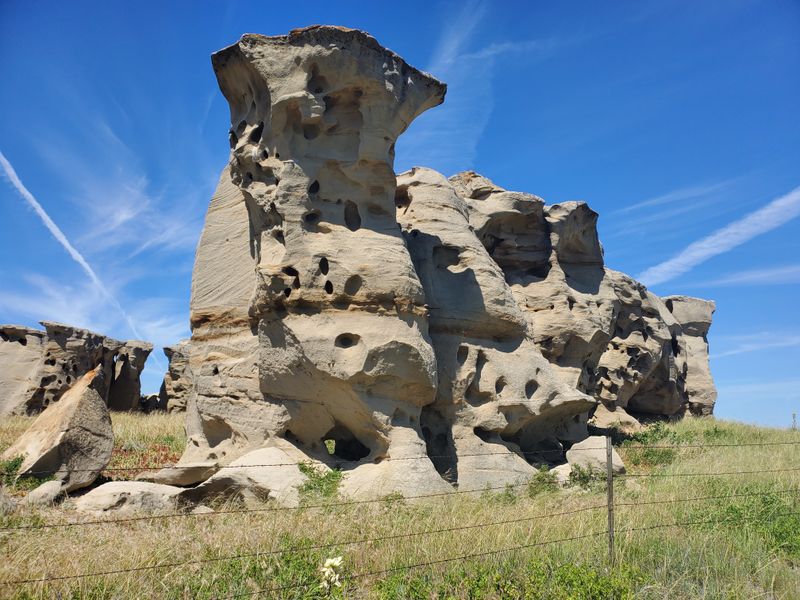
Out in southeastern Montana where the Great Plains stretch to the horizon, Medicine Rocks State Park rises from the grasslands like a gathering of ancient sentinels.
These sandstone formations took millions of years to form, shaped by wind and weather into towers, arches, and caves that spark imagination.
Native American tribes considered these rocks sacred, using them as landmarks and spiritual sites long before European settlers arrived.
The formations cluster together in groups separated by prairie grass, creating a landscape that feels both otherworldly and deeply connected to the earth.
Some rocks feature holes worn completely through, creating natural windows that frame views of the surrounding plains.
Theodore Roosevelt hunted in this area during his ranching days, and he wrote about the strange beauty of these geological wonders.
The park covers 330 acres near the tiny town of Ekalaka, which itself is worth visiting for its surprisingly excellent Carter County Museum.
Camping facilities at the park let you spend the night surrounded by these rock formations, which take on haunting qualities under moonlight.
Sunrise and sunset are magical times when the rocks glow with warm colors and cast long shadows across the prairie.
Hiking around the formations is easy since the terrain stays relatively flat, though you should watch for rattlesnakes during warmer months.
Climbing on the rocks is allowed, but use caution because the sandstone can be brittle and crumbly in places.
The remoteness of this location means you’ll rarely encounter crowds, even during peak summer travel season.
Wildflowers dot the prairie in spring, adding splashes of color to the golden grass that waves in the constant wind.
Birds nest in holes and crevices throughout the rock formations, and you might spot deer or pronghorn grazing nearby.
Medicine Rocks offers a peaceful retreat where silence and solitude help you appreciate Montana’s quieter wonders.
Freezeout Lake

Every spring, something extraordinary happens at Freezeout Lake that transforms this shallow wetland into one of North America’s premier wildlife spectacles.
Hundreds of thousands of snow geese stop here during their migration north, creating clouds of white birds so dense they look like snowstorms.
The sound of their calls fills the air with a constant symphony that can be heard from miles away.
Located along Highway 89 between Great Falls and Choteau, the lake sits in a natural basin surrounded by farmland with the Rocky Mountain Front rising to the west.
The peak migration typically occurs in late March and early April when geese arrive exhausted from their journey and rest for several days.
Tundra swans join the geese, adding elegant grace to the chaotic energy of thousands of birds feeding and socializing.
Photographers travel from across the country to capture images of geese taking flight in massive groups that darken the sky.
The best viewing times are early morning and late afternoon when birds are most active, though the spectacle continues throughout the day.
Bring binoculars and dress warmly because March weather in Montana can be unpredictable, with snow squalls giving way to sunshine within minutes.
The Wildlife Management Area provides parking areas and viewing spots, though you’ll want to stay in your vehicle to avoid disturbing the birds.
Local photographers and birders are usually happy to share information about the best viewing locations and migration timing.
Watching thousands of geese suddenly take flight together creates a rush of wind and sound that you feel in your chest.
The migration window is brief, usually lasting only two to three weeks, so timing your visit requires planning and flexibility.
Besides geese and swans, the lake attracts numerous duck species, raptors, and other waterbirds that feed on the abundant food sources.
Freezeout Lake reminds us that Montana’s wildlife treasures aren’t limited to large mammals, and sometimes the most memorable moments come from witnessing nature’s seasonal rhythms.
Polebridge and North Fork Valley
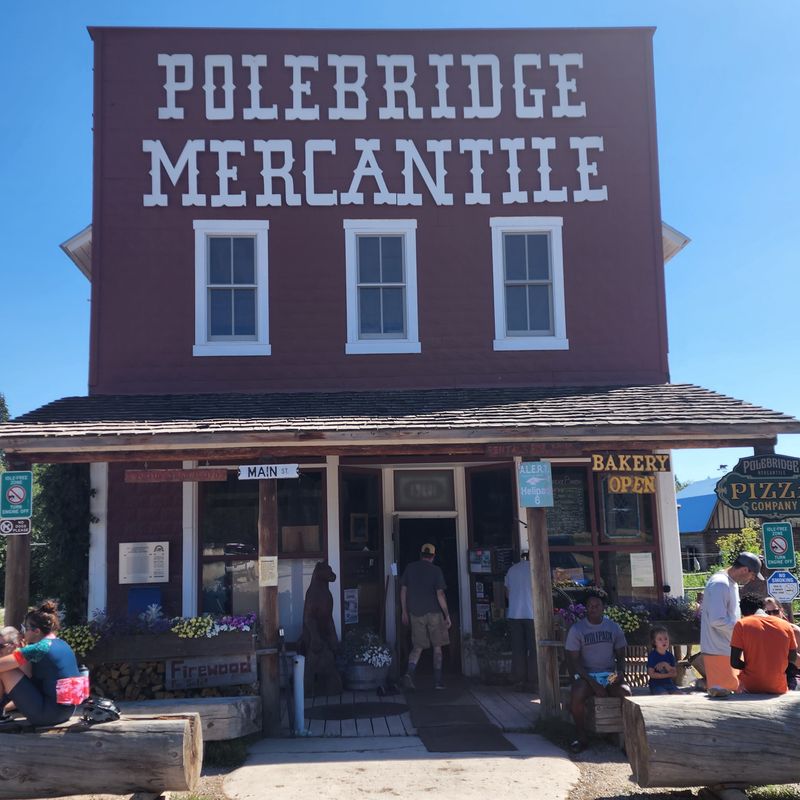
At the end of a long dirt road on Glacier National Park’s western edge, Polebridge exists as a time capsule of frontier Montana.
This tiny community has no electricity from power lines, no cell service, and only a handful of year-round residents who prefer life off the grid.
The Polebridge Mercantile, housed in a weathered log building, serves legendary huckleberry bear claws and other baked goods that draw visitors from across the region.
The North Fork of the Flathead River runs alongside the valley, marking the boundary between Montana and the wildest parts of British Columbia.
Grizzly bears, wolves, and wolverines roam freely through forests that have never been logged, creating habitat continuity rare in the modern world.
Driving the bumpy road to Polebridge feels like an adventure in itself, with dust clouds trailing behind and occasional wildlife sightings along the way.
Bowman Lake and Kintla Lake, accessed through this valley, offer pristine alpine waters surrounded by peaks that seem to touch the clouds.
These lakes see far fewer visitors than Glacier’s more famous destinations, providing solitude for those willing to make the extra effort.
The Northern Lights Dance Hall hosts occasional gatherings where locals and visitors mingle, sharing stories and enjoying live music.
Summer brings wildflowers that carpet meadows in purple, yellow, and red, while fall transforms the valley into a showcase of golden larches.
Winter closes the road to most traffic, leaving Polebridge in splendid isolation for the hardy souls who call it home year-round.
Staying at the Polebridge Hostel or nearby cabins lets you experience what life feels like without constant digital connectivity.
The night sky here displays stars with a brilliance impossible in light-polluted areas, and the Milky Way stretches overhead like a river of light.
Visitors often arrive skeptical about the remote location but leave reluctant to return to modern conveniences.
Polebridge represents Montana’s independent spirit and reminds us that some places are worth preserving exactly as they are.
Dear Reader: This page may contain affiliate links which may earn a commission if you click through and make a purchase. Our independent journalism is not influenced by any advertiser or commercial initiative unless it is clearly marked as sponsored content. As travel products change, please be sure to reconfirm all details and stay up to date with current events to ensure a safe and successful trip.
