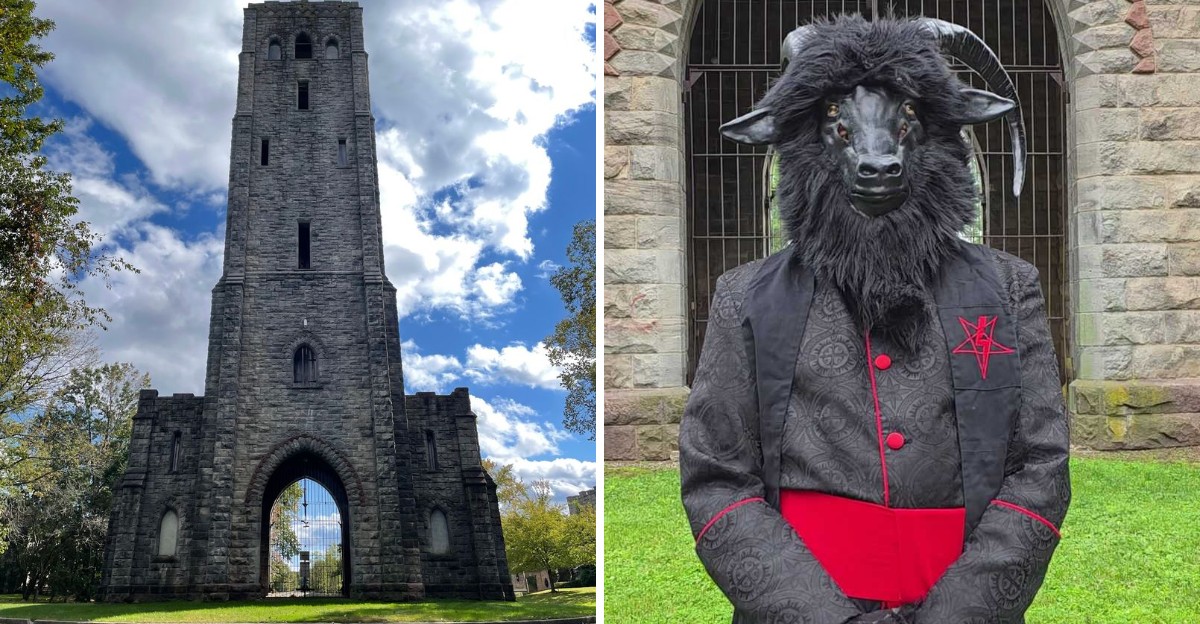
Who needs a haunted mansion when a lonely stone tower can do the job just fine?
New Jersey has a curious little landmark with the perfect ingredients for a spooky story: an old stone tower, a quiet setting, and a ghost legend strange enough to make you wonder what happened there long ago.
During the day, it may look like an intriguing piece of local history.
But once you know the story attached to it, the tower suddenly feels a whole lot more mysterious.
That is the magic of a good legend. A pile of weathered stones becomes a place worth investigating.
A peaceful walk gets a little more interesting. And suddenly, you are looking around wondering whether that rustle in the trees was just the wind.
The history here is real, while the haunting belongs to local lore. But honestly, that only makes the story more fun.
Because when a lonely tower has a ghost tale attached to it, you know there has to be a story worth hearing.
The First Sight From The Road
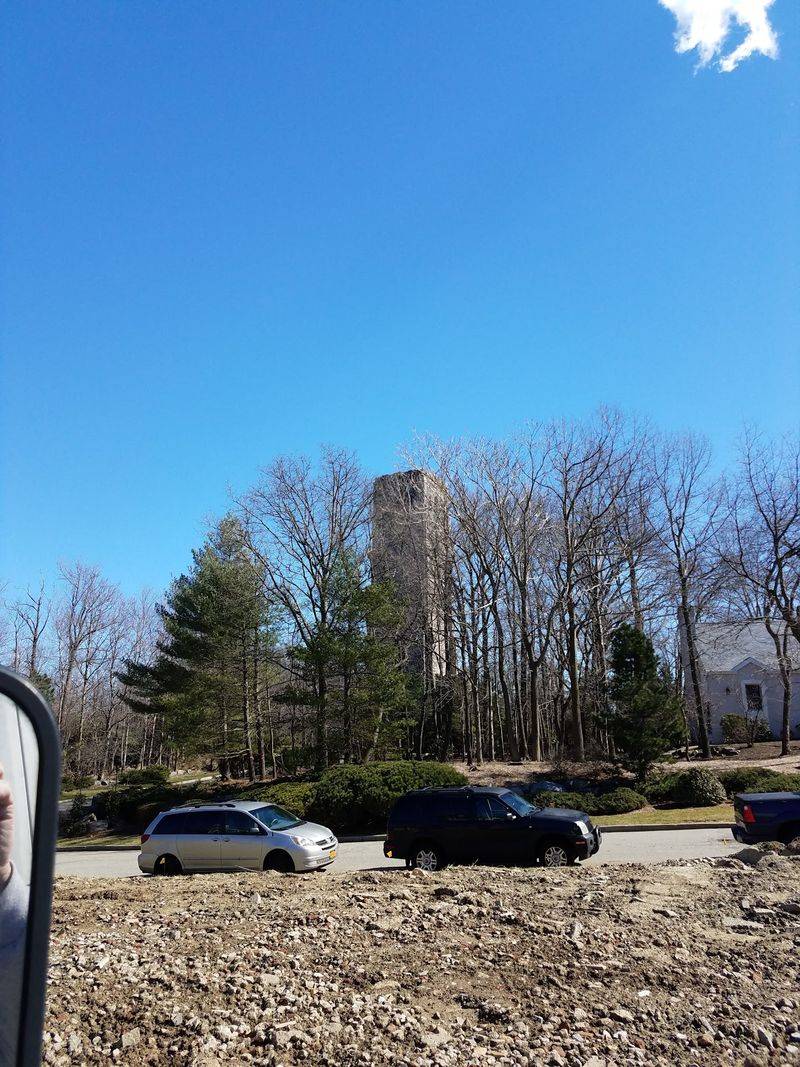
Nothing prepares you for the moment the treeline breaks and a gray stone tower fills the windshield. The road curves into a circle, and suddenly the structure is right there, tall and silent, wrapped in ivy shadows and old stonework.
Rionda’s Tower sits directly in the middle of that roundabout, which means you loop around it whether you meant to or not.
The contrast is what gets people. Enormous modern houses line the street, all clean angles and manicured lawns, and then this heavy medieval-looking column just stands there refusing to match anything.
Drivers slow down. Passengers lean toward the glass.
It happens almost every time.
Worth knowing before you go: there is no parking along the circle, and signs make that clear. The neighborhood is private and residential, so the polite move is a slow, careful loop with your eyes open and your engine steady.
Daylight visits work best. You see the detail in the stone, and you avoid awkward conversations with anyone in a patrol car.
Built For A Sugar Baron’s Grand Estate
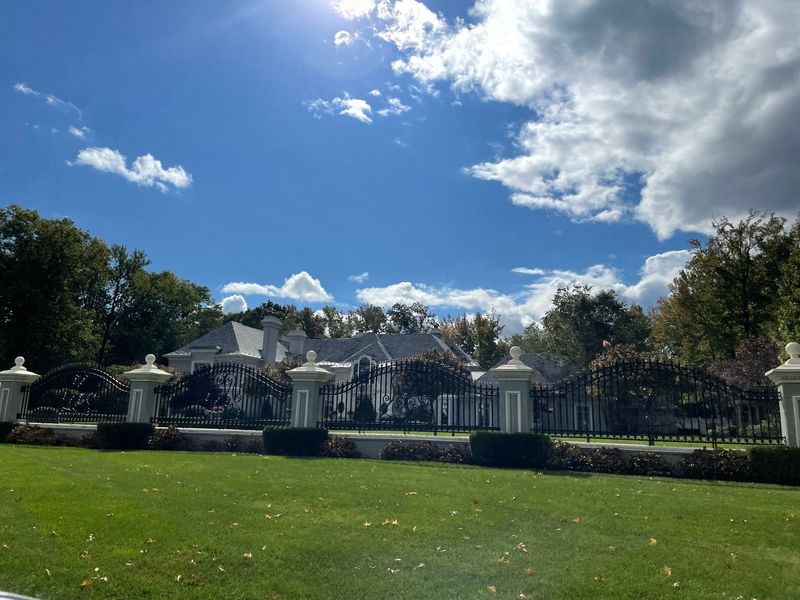
Long before the mansions arrived, this land belonged to one sprawling estate called Rio Vista, owned by sugar magnate Manuel Rionda. The property stretched across roughly 200 acres and touched land now shared by Alpine, Closter, and Cresskill.
The tower went up in the early 1900s as part of that vision.
Accounts say Rionda wanted his wife, Harriet, to have sweeping views toward the New York City skyline, so the structure was designed partly as an observation point. Picture the estate then: woods in every direction, no highways humming nearby, and a clear line of sight to the distant city.
It was a grand gesture from a grand era.
What remains today is a fragment of something much larger. The estate was eventually subdivided, the woods gave way to homes, and the tower stayed put while everything around it changed shape.
Knowing that backstory changes how the place reads. You stop seeing an odd roadside oddity and start seeing the last standing piece of a vanished world.
Neo-Gothic Stonework With A New York Signature
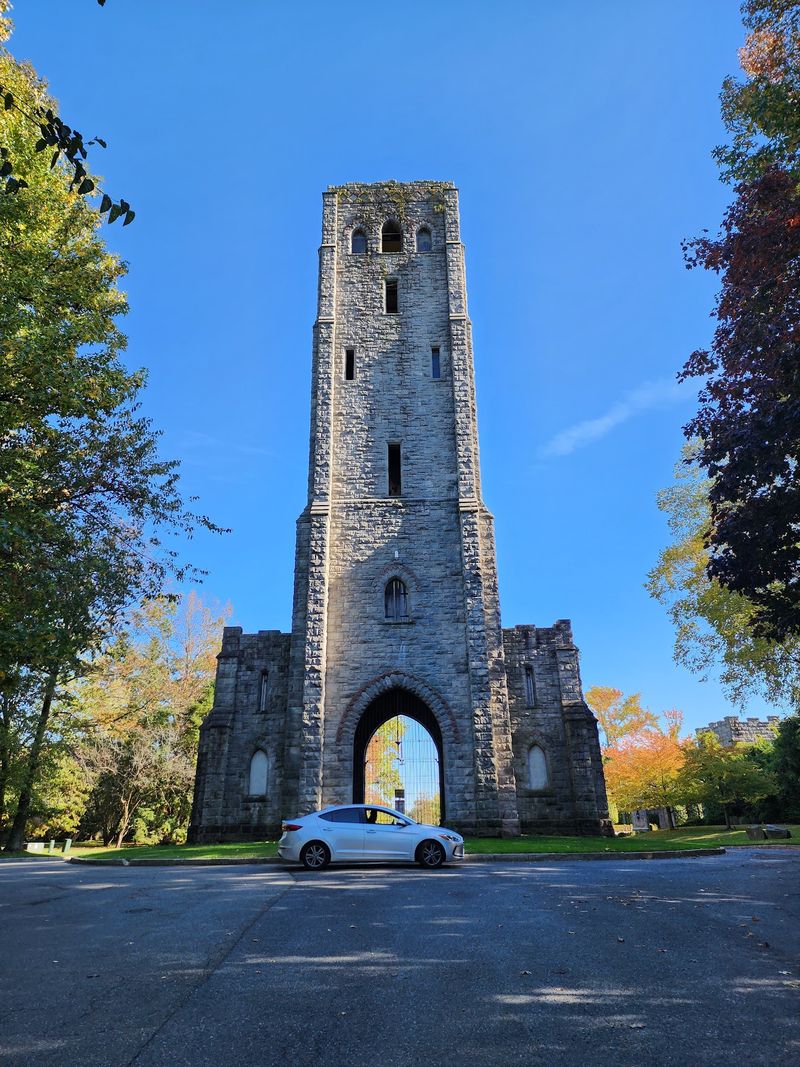
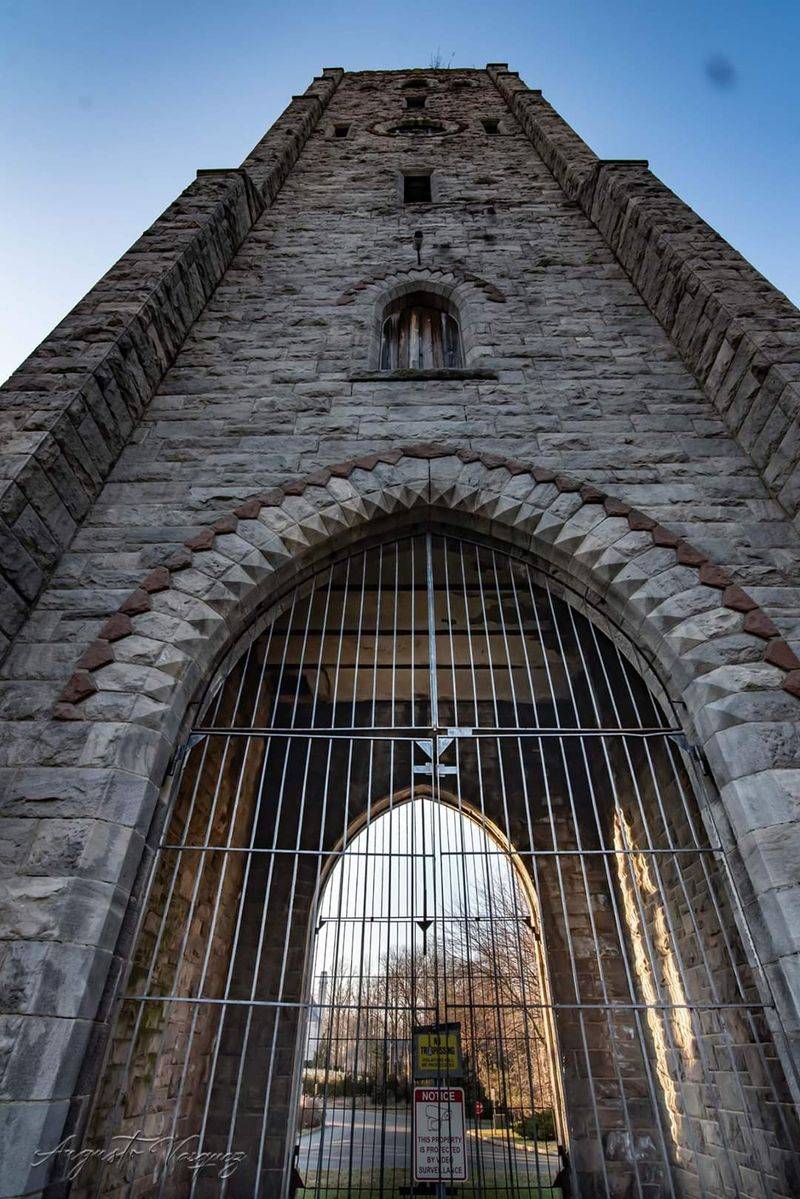
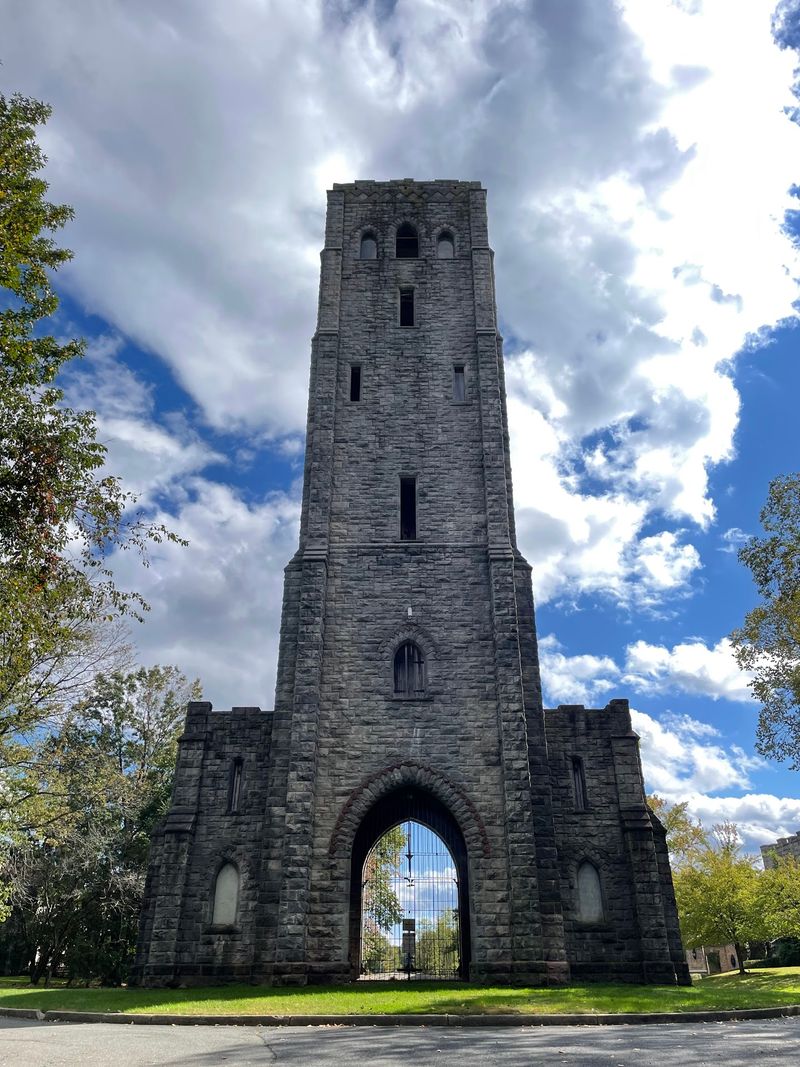
Architecture fans get the better deal here, because the details reward a slow look. The tower carries a neo-Gothic style, a favorite for grand estates of that period, with arched openings and deep-gray stone that reads almost like a church fragment.
The design came from New York architect Charles Rollinson Lamb, whose family worked in artistic craftsmanship including stained glass and church carving.
That background shows. There is a churchy seriousness to the proportions, a sense that someone cared about how light would hit the stone at different hours of the day.
Late afternoon is generous to it.
Against the bright siding and glass of the surrounding homes, the dark stone looks even older than it is, which only feeds its reputation. Some visitors find it beautiful, others find it unsettling, and plenty land somewhere in between.
Bring a camera with a decent zoom. Since you cannot stop or walk the circle freely, framing the upper windows from a respectful distance gives you the shot without causing trouble for anyone.
The Clever Secret Behind Its Real Purpose
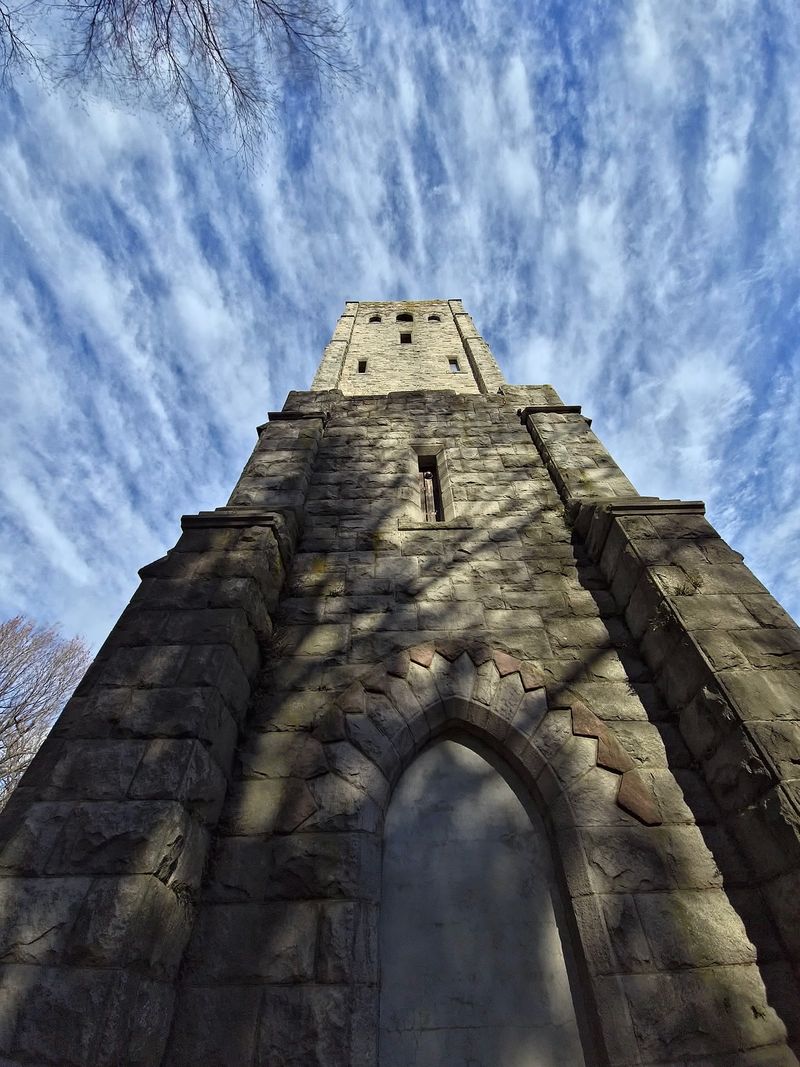
Here is the twist most people never hear. The romantic version says the tower existed purely so Harriet could admire the skyline, but its everyday job was far more practical.
Inside, it worked as an ornate water tower for the Rio Vista estate.
A large wooden tank sat within the stone shell, supplying steady water pressure to the many buildings spread across the property. So the fanciest structure on the grounds was, in a sense, plumbing dressed in Gothic finery.
I love that detail. It says everything about the era.
Reports also describe an office near the top, reached by a small elevator, where Rionda could work high above the estate. Imagine handling business correspondence with that view out the window.
Function and beauty rarely share a building this gracefully, and that combination explains why the tower survived when so much else vanished. It was useful first, decorative second, and legendary only much later.
Knowing the water tank story does not ruin the mystery. Honestly, it makes the place feel stranger, not less.
The Heartbreak Legend That Refuses To Fade
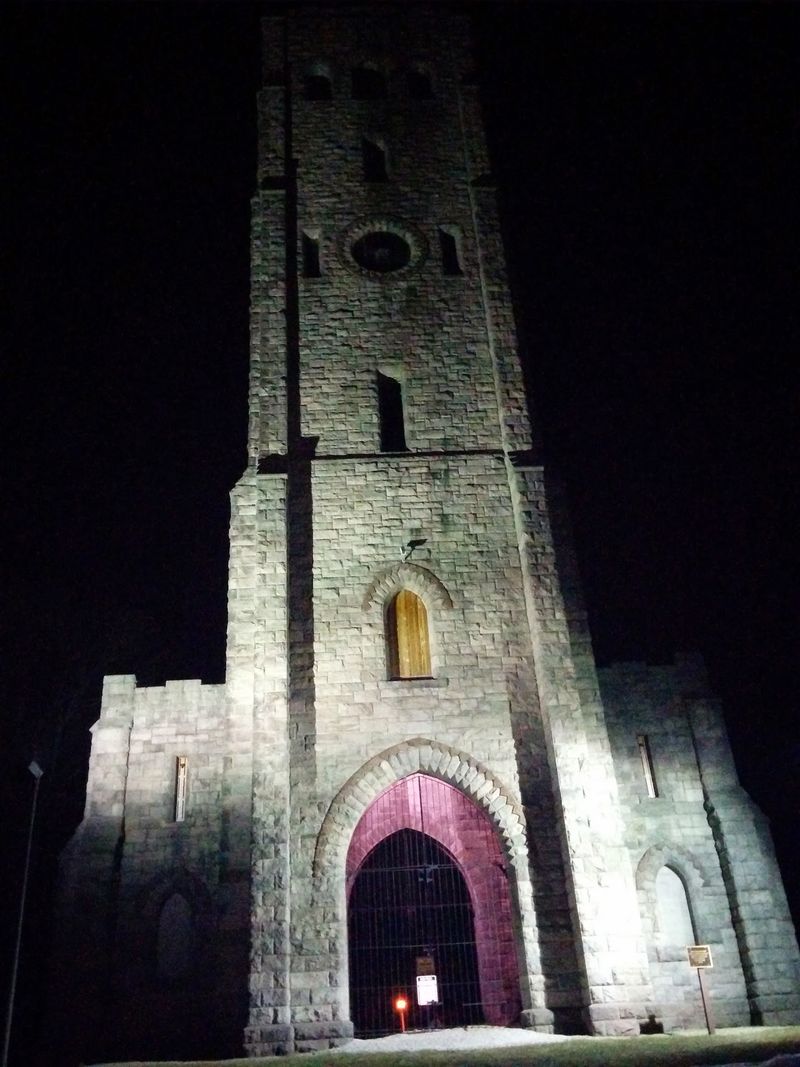
Every strange landmark eventually collects a story, and this one collected a doozy. Local lore claims that Harriet Rionda climbed to the top of the tower, looked out, and saw her husband with another woman.
Heartbroken, the legend says, she stepped off the edge.
The tale has been repeated for generations, passed between schoolmates, neighbors, and anyone who ever drove past after dark. It is dramatic, tragic, and tailor-made for a structure that already looks like the setting of a sad old ballad.
That is probably why it stuck so hard.
Stories like this tend to grow because the building supports them. Sealed windows, no public access, and a lonely silhouette against the trees do half the storytelling on their own.
You do not need to believe a word of it to feel the pull. Standing nearby with the legend rattling around your head changes how the stone looks, and that shift is part of what makes the visit memorable.
Folklore has a way of sticking to architecture.
What The Historical Record Actually Says
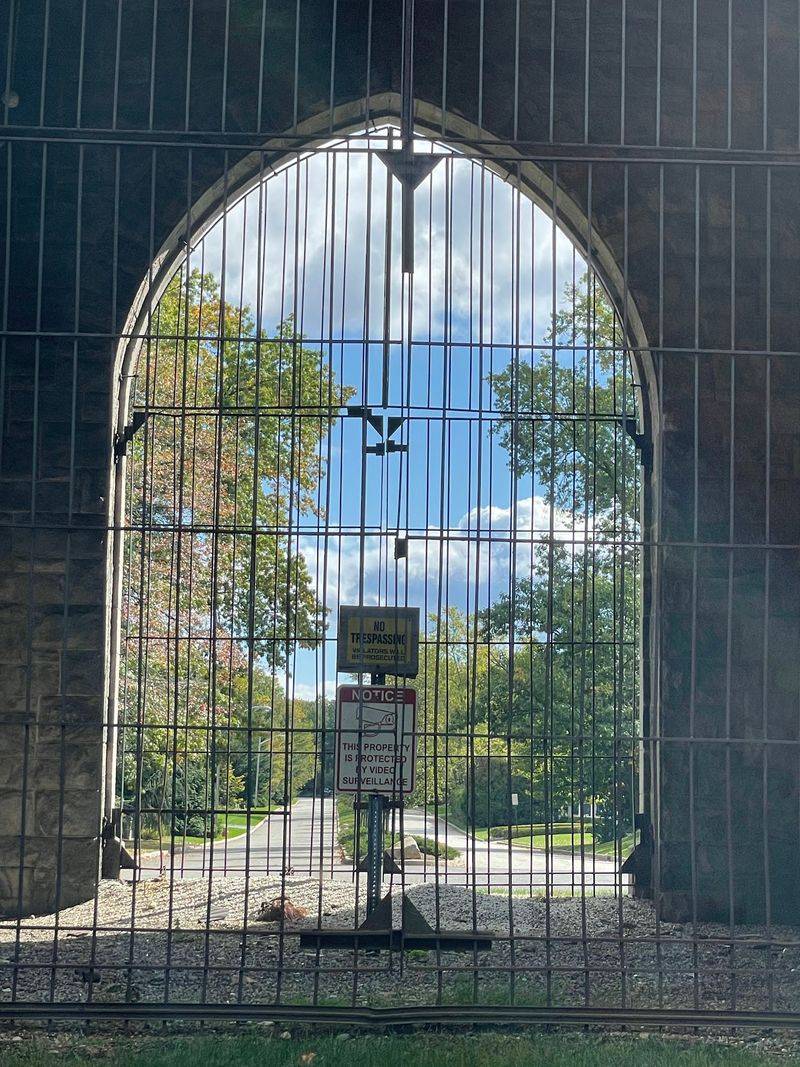
Records tell a quieter and much less cinematic story. Documents indicate Harriet Rionda died in 1922 from the after-effects of a stroke, in a New York hospital, not from a fall.
No dramatic leap. No tower ledge.
Her remains were first placed in a chapel connected to the estate, also designed by Charles Lamb, before being moved to Brookside Cemetery in Englewood, New Jersey. Her husband was later laid to rest there as well.
That is the factual version, and it deserves to be repeated as often as the ghost story.
Strangely, the truth has done almost nothing to slow the legend down. People still tell the tragic tale, still repeat it to visitors, and still swear by versions they heard as kids.
Folklore rarely surrenders to paperwork.
There is something worth appreciating in holding both stories at once. One honors a real woman’s life, the other shows how communities turn buildings into storytelling machines, and the tower sits calmly in the middle of both.
Why Locals Call It Devil’s Tower
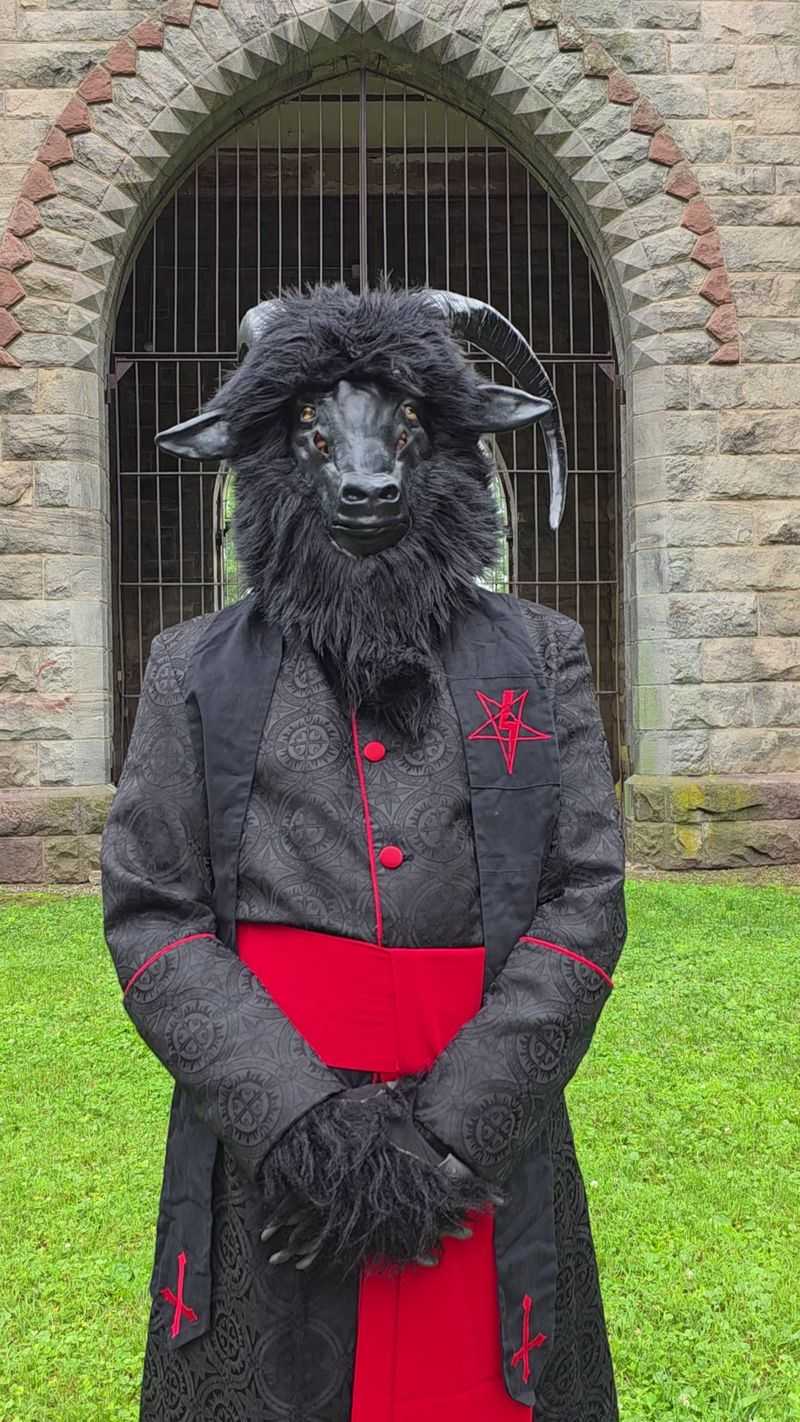
The nickname alone tells you how deep the legend runs. Generations of locals have called it Devil’s Tower, a name far more dramatic than anything written on the historical marker.
Once a building gets a nickname like that, it keeps it.
Reported experiences have circulated for decades. Some describe a figure in the upper windows, others mention sudden cold air near the base, and a few claim to have heard sounds from inside a building that has been sealed for years.
Details shift with each telling. That is how these things work.
What makes the reputation stick is atmosphere rather than evidence. Trees press close, the stone swallows light, and the whole structure is unreachable behind locks and fencing.
Mystery thrives on inaccessibility.
Visitors hoping for a guaranteed scare usually leave disappointed, and that is fine. The appeal is the legend itself, the way a single stone column has anchored so much imagination in one quiet corner of New Jersey for well over a century.
Stories Of Failed Demolition Attempts
After Manuel Rionda died in 1943, the tower’s future looked shaky. Accounts describe attempts to tear the structure down, which would have erased the last major piece of the old estate.
Those attempts never finished.
Local tellings claim the demolition work stopped after a series of tragic incidents involving workers, and that those events convinced people to leave the tower alone. Whether you read that as bad luck, bad conditions, or something stranger depends entirely on your temperament.
The legend, naturally, took the spookiest interpretation.
What matters for visitors today is the result. The tower survived while the woods around it were divided, sold, and rebuilt into one of the most exclusive neighborhoods in the country.
Preservation by accident, maybe. Preservation all the same.
There is a quiet irony in a building that outlasted both its owner and the attempts to remove it, and that stubbornness might be the most genuinely impressive thing about the place. Some structures simply refuse to go quietly, and this one clearly belongs in that category.
The Midnight Circling Ritual Teens Swear By
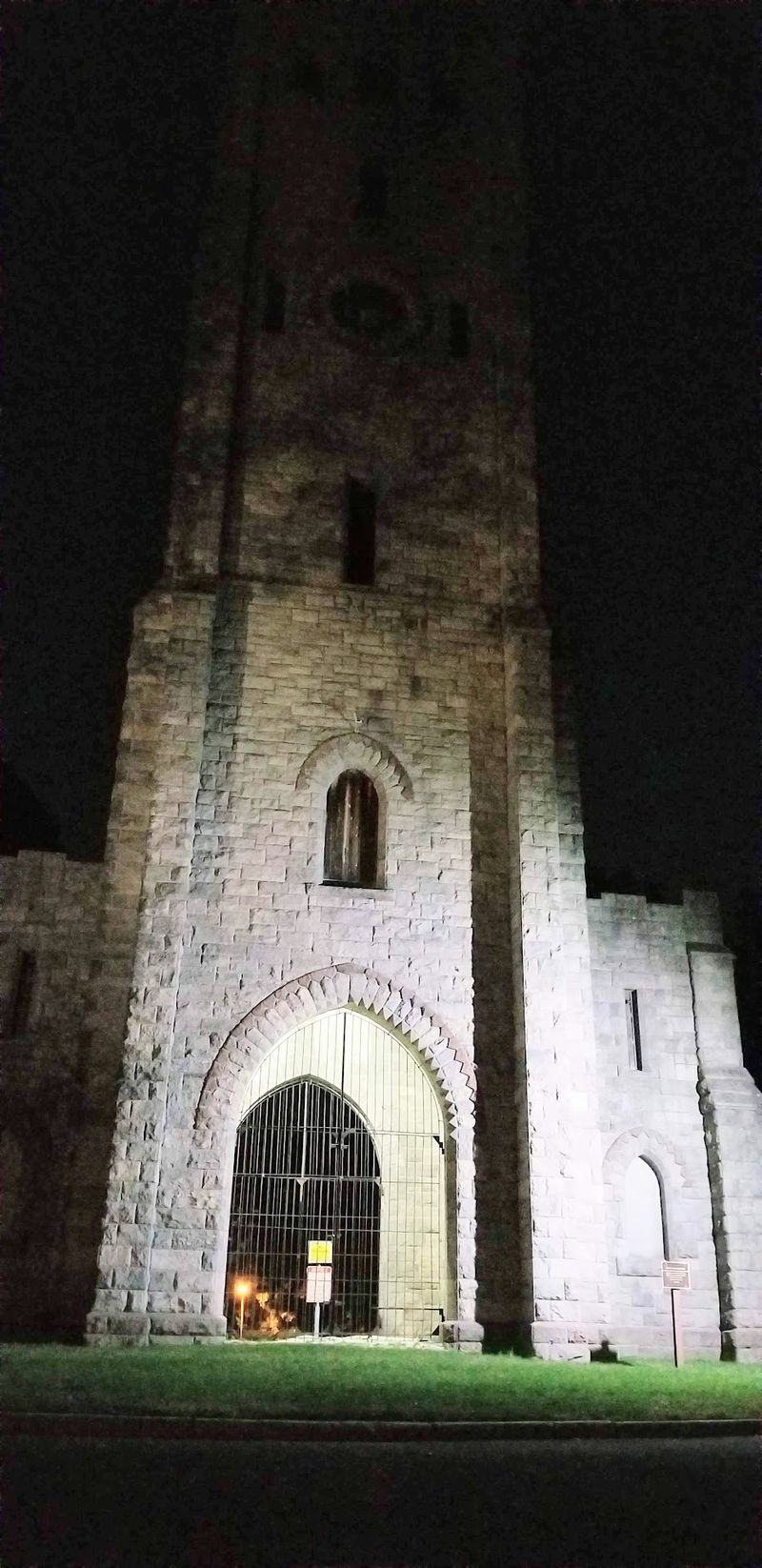
Ask anyone who grew up nearby and you will hear about the circles. Local lore says that driving or walking backward around the tower three times at midnight summons Mrs. Rionda’s spirit.
Other versions raise the count and raise the stakes considerably.
Some tellings claim six backward loops call up something far worse than a ghost, while others warn that circling at night invites an accident. The rules change depending on who is telling it, which is exactly how these traditions survive.
It became a rite of passage for teenagers across the area.
A word of caution feels fair here. The roundabout sits inside a real residential neighborhood with actual traffic, security cameras, and strict rules about stopping or parking.
Midnight stunts tend to end with a ticket rather than a ghost.
The safer way to enjoy the tradition is to hear the stories, drive the circle once in daylight at a normal speed, and appreciate that a single stone tower has kept local kids telling the same tale for generations.
Visiting Respectfully In A Very Private Neighborhood
Set expectations before you arrive and the trip becomes much better. This is not a park, a museum, or a place with a gift shop, and there is no visitor lot waiting for you.
The tower stands in the middle of a private, affluent residential circle.
Windows and doors are sealed, entry is not permitted, and signage discourages stopping. A historical marker nearby offers context, and the round road lets you view the structure from every angle without ever leaving your car.
Daytime is the smart choice. Autumn, when the leaves turn, is especially handsome.
Keep noise down, respect driveways, and remember that people actually live here. A little courtesy keeps this landmark accessible for everyone who comes after you.
Pair the stop with a longer drive along the Palisades if you want to make an afternoon of it, since the surrounding scenery in this part of New Jersey is genuinely lovely.
You will find Rionda’s Tower and Historical Marker at 12 The Esplanade, Alpine, NJ 07620.
