Some farms are about the animals. Some are about the food.
This Virginia farm does both. You can visit for the alpacas, who are friendly and curious, and stay for the ice cream, which is sweet and made with care.
The alpacas are kept in a pasture where you can watch them graze and interact. They are gentle animals, and many of them will come right up to the fence to say hello.
The farm also has a shop where you can buy ice cream and other treats. It is the kind of place where you can spend a few hours, petting animals and enjoying a cone.
Virginia has plenty of farms, but this one offers a combination that is hard to beat.
Alpacas Greet You Before You Even Park
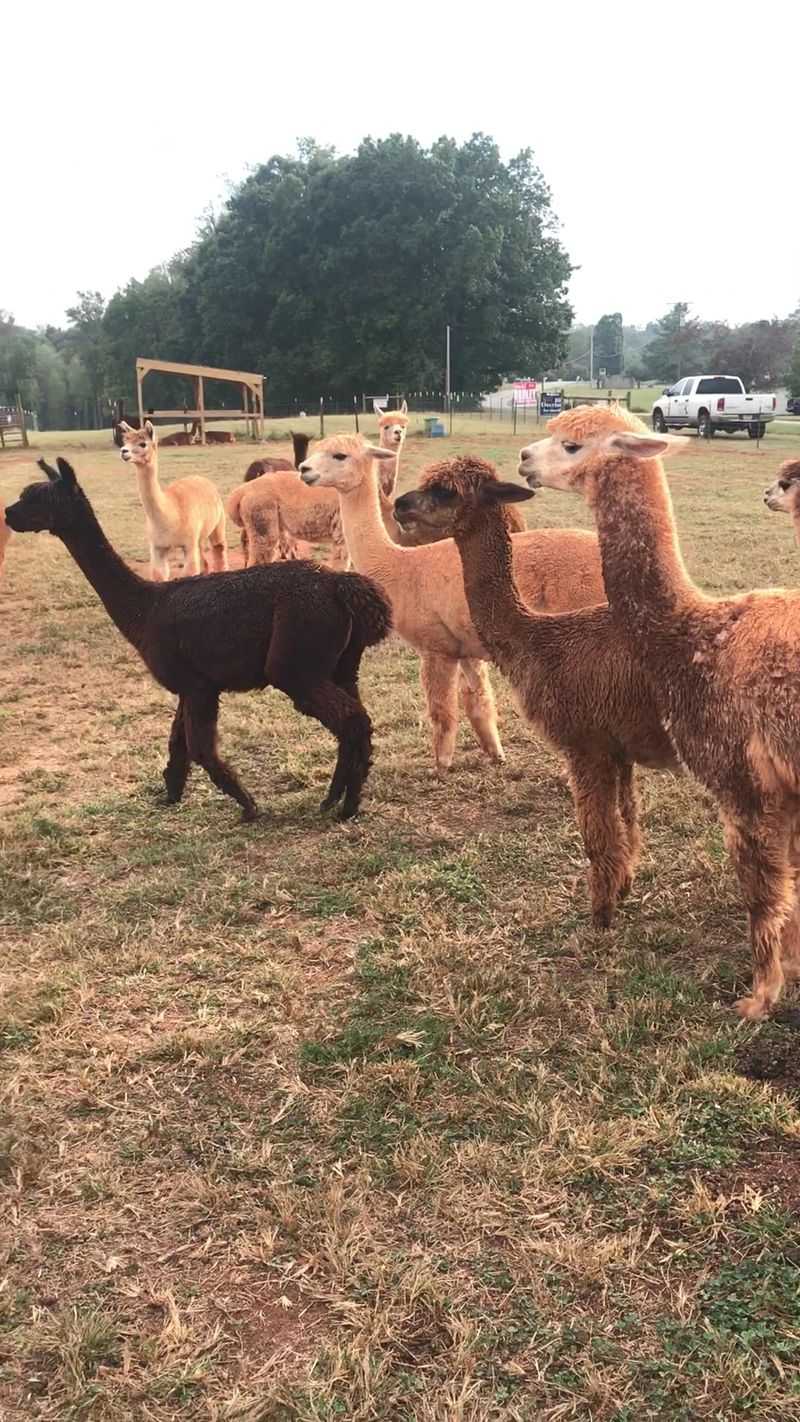
Long necks swivel toward the driveway the moment tires crunch gravel. That curious stare is the official welcome committee at Smith Mountain Lake Farm Alpacas, and it works every single time.
Alpacas are naturally nosy animals. They hum, they lean in, and they size you up with enormous dark eyes framed by ridiculous eyelashes.
Unlike llamas, they are smaller, softer, and far less likely to give you attitude. Their fleece grows in a wild range of natural shades, which is part of why the pastures look like a living color chart.
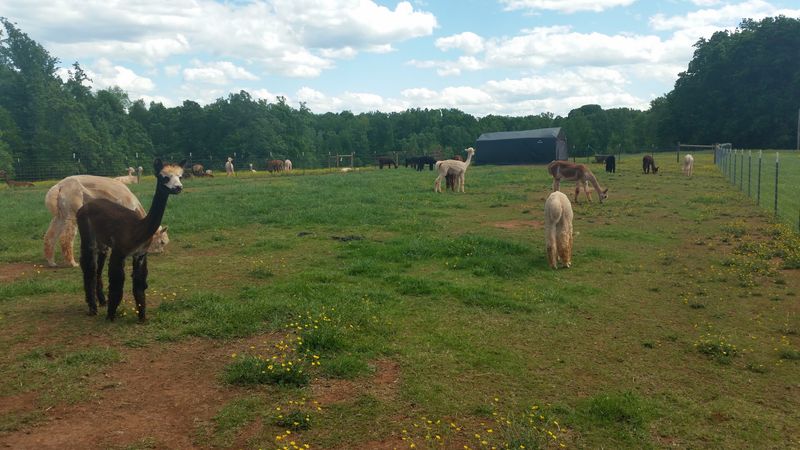
You will notice how tidy the place is. Fencing is sturdy, pastures are open, and the herd has room to roam across the Bedford County hillside.
The farm sits in a quiet stretch of countryside near Smith Mountain Lake, so the soundtrack is mostly birds, breeze, and the occasional alpaca hum.
Arrive a few minutes early and just watch. Herd dynamics are fascinating, with some animals hanging back shyly while the bold ones press against the rail.
Bring a camera with a charged battery. Trust the process, because you will take more photos than planned.
Ice Cream At The Farm Store Seals The Deal
Sweet treats and fuzzy animals make an unbeatable pair. The on-site store keeps an ice cream bar going, which turns a farm tour into a proper outing.
Picture this. You finish walking the pastures, hands still smelling faintly of feed, then step inside for something cold and creamy.
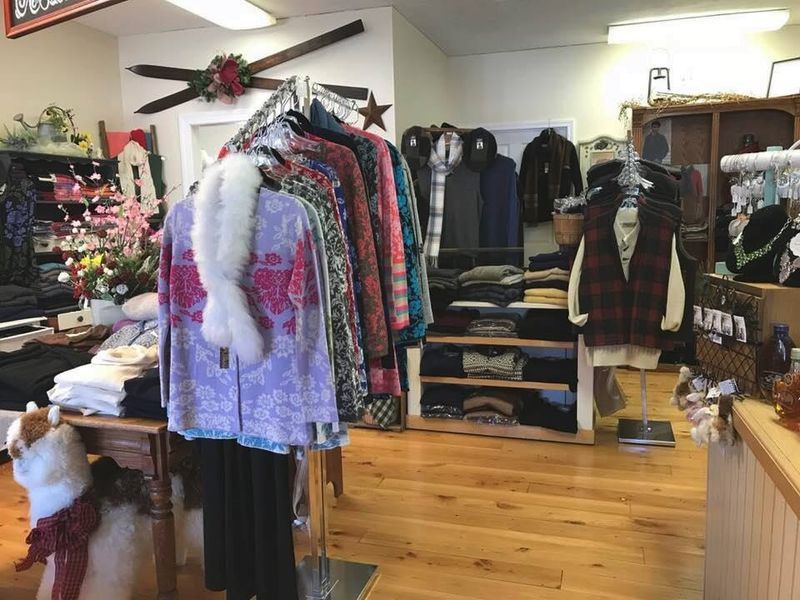
The shop itself is worth lingering in. Shelves hold alpaca socks, scarves, hats, yarn, and plush toys, all connected to the animals grazing a few steps away.
Fiber fans go a little wild here. Alpaca fleece is lightweight, warm, and does not itch the way some wool can, which explains the loyal following.
Knitters will find skeins in natural colors. Anyone who has ever complained about cold feet should head straight for the sock display.
Grabbing a cone gives kids a reward for sitting through the educational portion of the visit, and honestly it works on adults too.
Plan your timing so the store visit comes last. Nothing beats sitting outside with a treat while the herd wanders the field in the distance.
Bring cash, since the farm keeps things delightfully old-school.
Feeding Time Turns Everyone Into A Kid Again
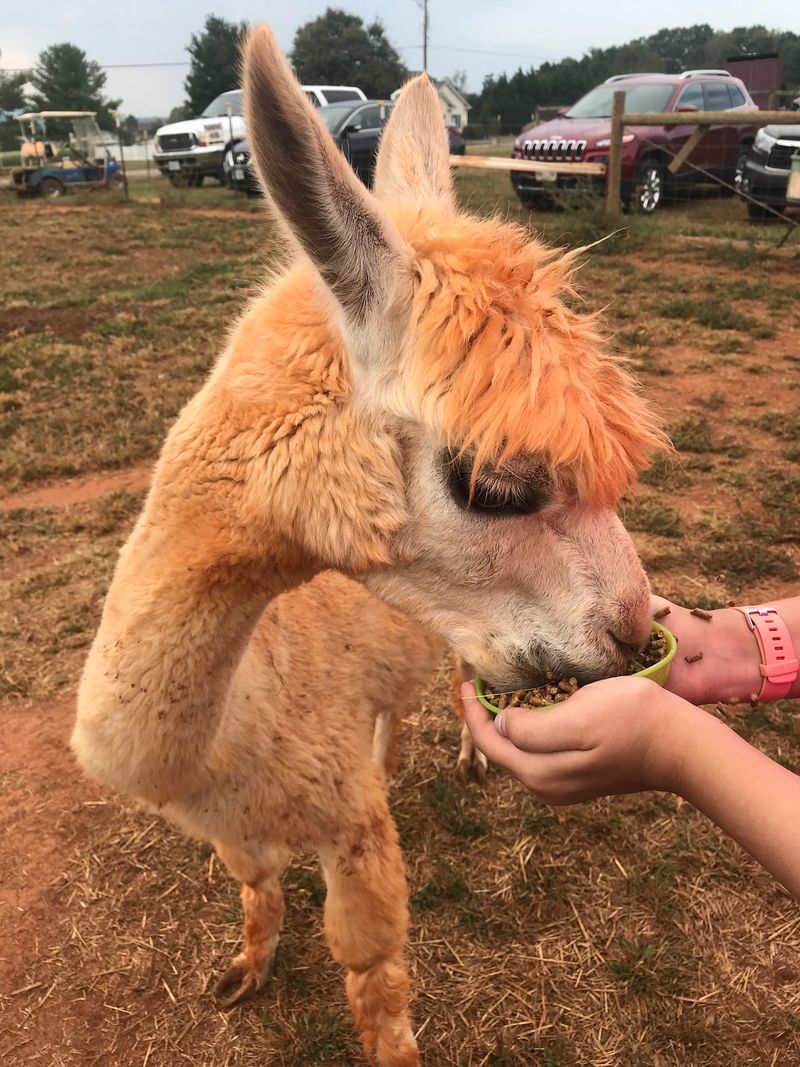
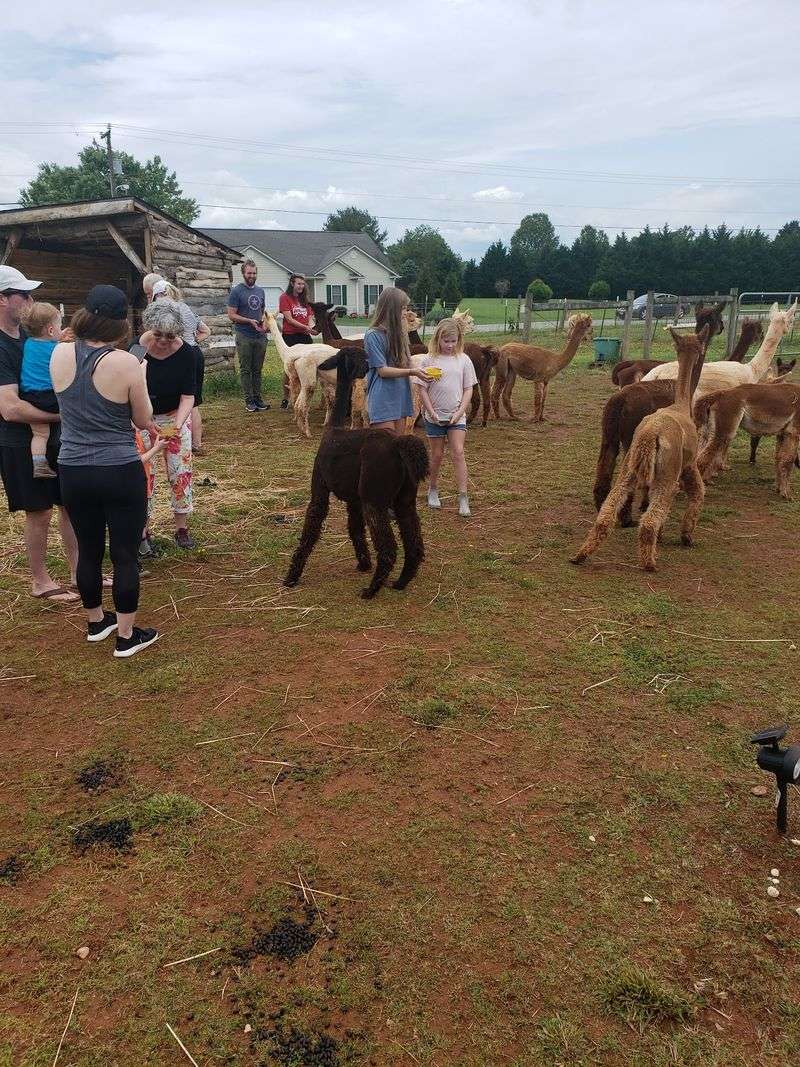
Few things beat the sensation of an alpaca nibbling pellets from your palm. Soft lips, zero teeth drama, and a whole lot of enthusiasm.
Feeding is the headline moment of the tour. Staff hand out feed and explain how to hold your hand so the animals stay calm and polite.
Alpacas have no upper front teeth, which is why the nibbling feels more like a gentle vacuum than a bite. That single fact converts nervous first-timers instantly.
Some animals crowd forward with total confidence. Others hover at the edge, waiting for a quieter opportunity, and coaxing a shy one over feels like a small victory.
Guides at Smith Mountain Lake Farm Alpacas explain herd behavior while you feed, so you learn why certain animals dominate the food line.
Kids usually squeal. Adults usually pretend they are not squealing.
A practical tip. Wear closed-toe shoes that you do not mind getting dusty, because pastures are pastures.
Keep feed low and flat, stay relaxed, and the herd will do the rest. The whole thing lasts long enough to feel special without overwhelming the animals.
The Tour Is Educational, Not A Petting Zoo
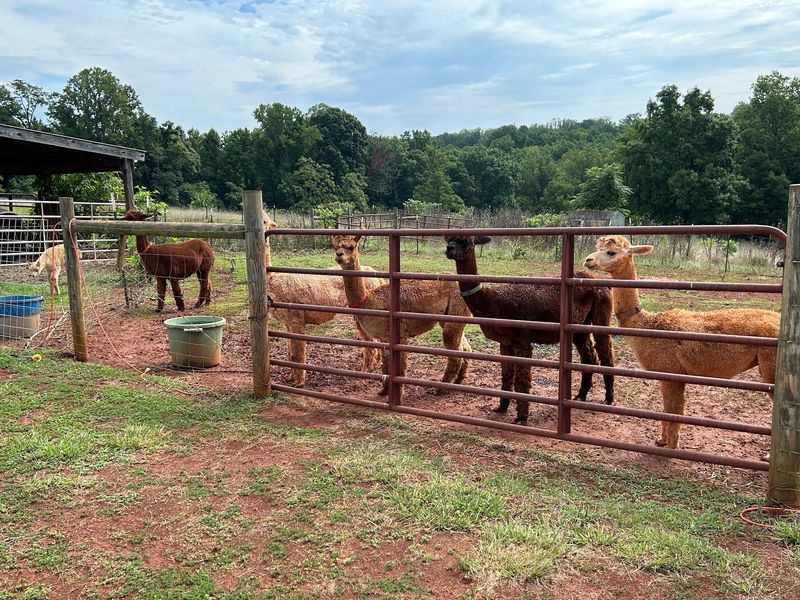
Set expectations properly and you will love this place. The farm bills itself as an educational operation, which means real information comes before real snuggles.
Tours run roughly ninety minutes. A seated presentation opens things up, covering alpaca history, rarity, fiber quality, life span, breeding, and how the fiber-to-fashion pipeline actually works.
Some of it leans toward the business side of alpaca farming. If you have ever daydreamed about owning livestock, that portion is gold.
Families with very young children should know the talk comes first and the animal time follows. Restless toddlers do better when parents prep them for the order of events.
The payoff is that you meet the herd already knowing how to read their body language. Approaching an alpaca correctly makes the interaction far better for everyone, animals included.
Guides have decades of hands-on experience with these animals, and the depth shows.
Reservations are part of the deal, so check the website before driving out. Tours at Smith Mountain Lake Farm Alpacas are structured and organized, which keeps the herd calm and the groups moving smoothly around the property.
Photo Ops With A Fluffy Co-Star
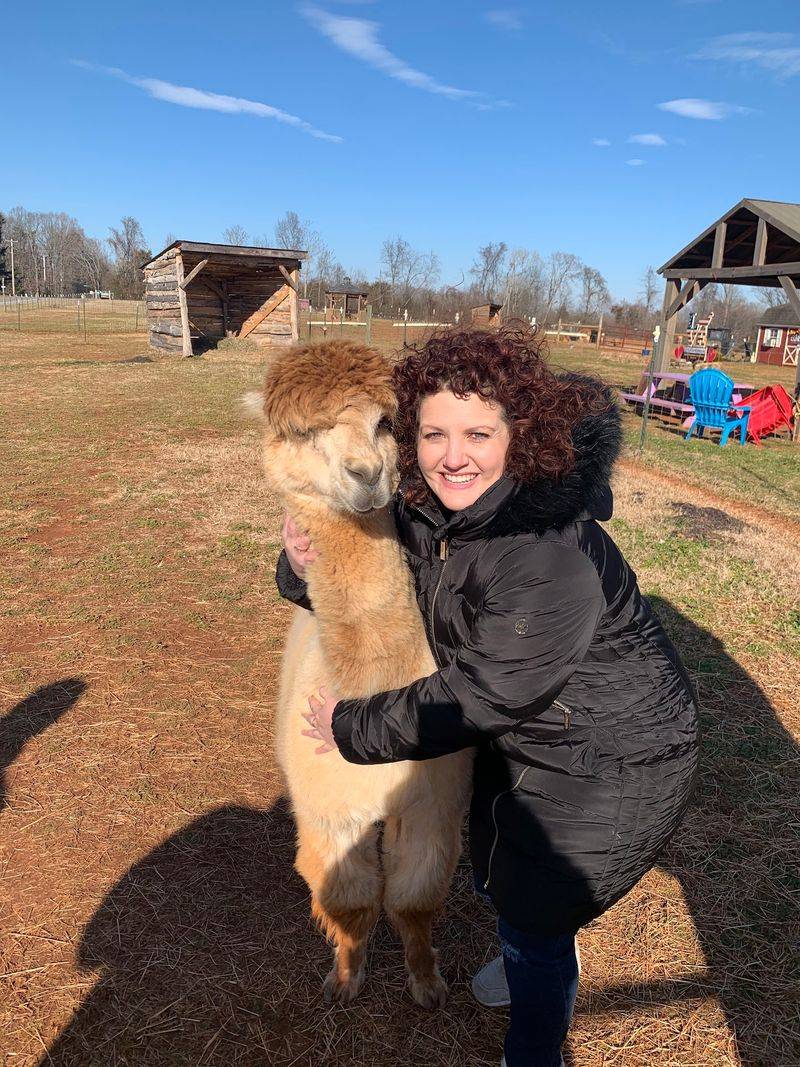
Your camera roll is about to get a serious upgrade. Part of the visit includes stepping into a pen for a portrait alongside one of the animals.
Alpacas photograph absurdly well. Those fringed haircuts, tilted heads, and permanently amused expressions do half the work for you.
Staff will take the picture if you would rather not wrangle a selfie. Sometimes a cria, the term for a baby alpaca, gets brought out to appear in the background of shots.
Lighting in the open pasture is bright, so mid-morning tours often produce the softest results. Late afternoon brings warmer tones across the Virginia hills behind the pens.
A quick pointer. Crouch slightly to get eye level with the animal, since towering over them flattens the shot and makes them look smaller than they are.
Wear colors that contrast with fleece. White alpacas plus a white shirt equals a fluffy blur.
Group shots work too, though patience helps when several families rotate through.
Whatever you capture, expect it to become someone’s profile picture within the hour.
Herding Practice You Never Knew You Wanted
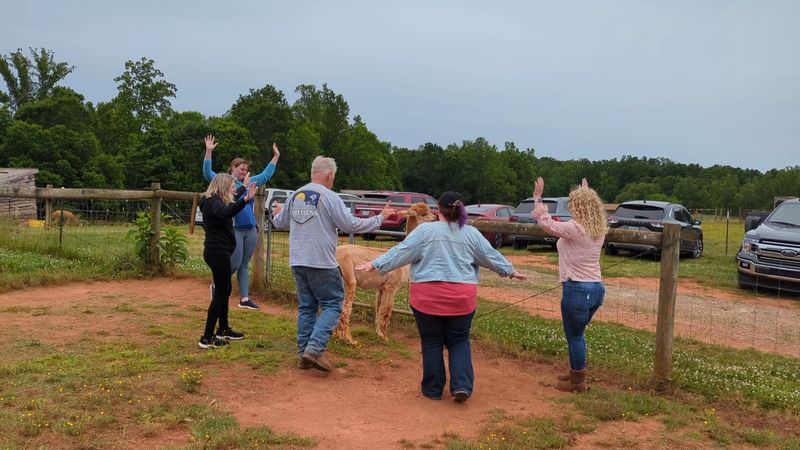
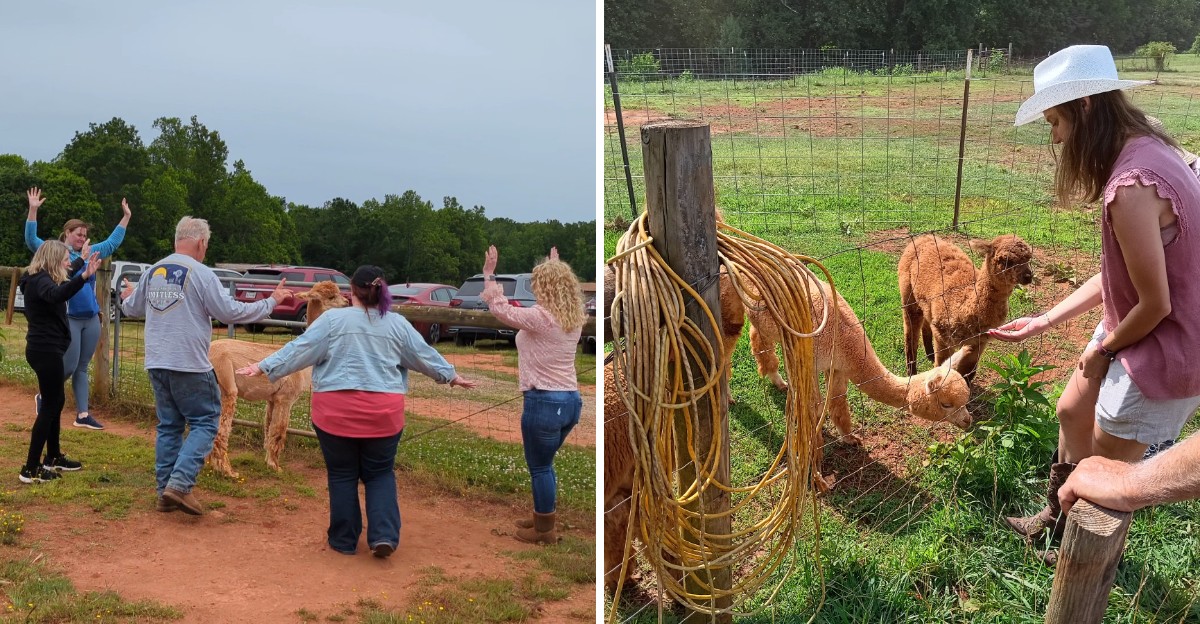
Ever moved a herd of animals with nothing but your arms and some calm energy? At this farm, you might.
Guiding the alpacas back into their area is sometimes part of the experience, and it is weirdly satisfying. Arms out, slow steps, and the group drifts exactly where it should.
Alpacas are herd animals to their core. They move together, panic together, and calm down together, which makes the whole exercise feel like a gentle group project.
No shouting, no chasing, no drama. Pressure and release is the whole technique, and guides explain it clearly before anyone steps in.
Kids especially light up during this part, because suddenly they are not spectators. They are working the farm, at least for five glorious minutes.
You also learn why fencing layout matters, how gates get positioned, and what a well-run pasture rotation looks like in practice.
Small details like that stick with you long after leaving Hardy.
Move slowly, stay quiet, and the herd cooperates beautifully. Rush it and you will learn a fast lesson in alpaca stubbornness, which is its own kind of entertainment.
Fiber To Fashion Under One Roof
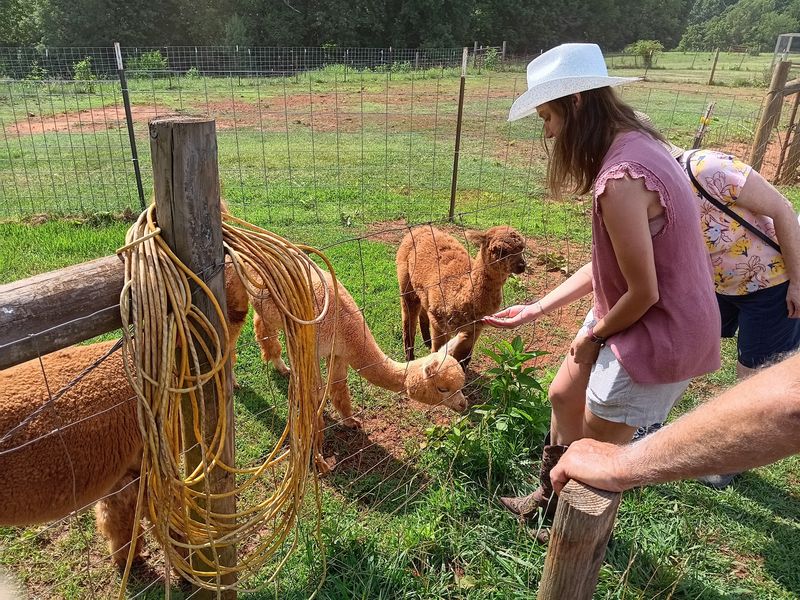
Alpaca fleece is one of the world’s more luxurious natural fibers, and here you see the entire journey. Animal, fleece, yarn, finished product, all on one property.
The operation covers boarding, breeding, education, retail, and product creation. That range is unusual for a farm of this size.
Fleece gets sheared annually, sorted by grade, and transformed into everything from chunky socks to feather-light scarves. Learning the grading system makes browsing the store far more interesting.
Warmth-to-weight ratio is where alpaca shines. The fiber is hollow-cored, which traps heat without adding bulk.
People with wool sensitivities often tolerate it well, since it contains no lanolin.
Shoppers can pick up yarn, bedding, garments, and plush souvenirs. Complimentary fiber sometimes comes with the tour for a simple craft, which kids adore.
Knitters, spinners, and crafters treat Smith Mountain Lake Farm Alpacas as a supply run with a petting bonus.
Even if you have never held a knitting needle, running your hand across a finished alpaca scarf explains the appeal in about two seconds flat.
Pack Smart Because Shade Is Limited
Sunscreen deserves a spot in your bag. Much of the tour happens outdoors in open pasture with limited cover, especially during the seated portion at picnic tables.
Summer in central Virginia brings humidity and strong afternoon sun. A hat, water bottle, and light long sleeves make a noticeable difference.
Spring and fall visits are the sweet spot. Cooler air keeps both people and animals comfortable, and the hills around Hardy turn gorgeous shades in October.
Footwear matters more than you think. Pastures get muddy after rain, and sandals lose their charm quickly.
Cash is the payment method of choice for the tour donation, so stop at an ATM beforehand rather than after.
Booking ahead is expected. Tours run several days a week, with closures midweek and on Sundays, so confirm before making the drive.
Parking sits close to the action, and motorcycles can access the property easily since it is right off the road.
A little preparation transforms the visit from sweaty to spectacular. Come ready and the whole afternoon feels effortless.
Smith Mountain Lake Makes A Perfect Pairing
Combine the farm with a lake day and you have a proper Virginia weekend. Smith Mountain Lake spreads across thousands of acres of shoreline just minutes away.
Boating, fishing, and swimming dominate warm months. Smith Mountain Lake State Park offers trails, a beach area, and picnic spots for anyone wanting quieter shoreline time.
Roanoke sits a short drive west, adding museums, a lively market district, and the famous star overlooking the valley from Mill Mountain.
The Blue Ridge Parkway runs nearby too, which means overlooks and switchbacks within easy reach.
Morning tour, afternoon on the water, evening watching the sun drop behind the foothills. That itinerary is hard to beat.
Bedford County also puts you near the National D-Day Memorial, a moving stop with striking architecture and gardens.
Because Smith Mountain Lake Farm Alpacas opens midmorning, you can knock out the tour early and still have most of the day free.
Fall foliage season around the lake deserves special mention. Water reflecting orange hillsides is one of the prettiest sights this corner of Virginia offers.
How To Find The Farm In Hardy
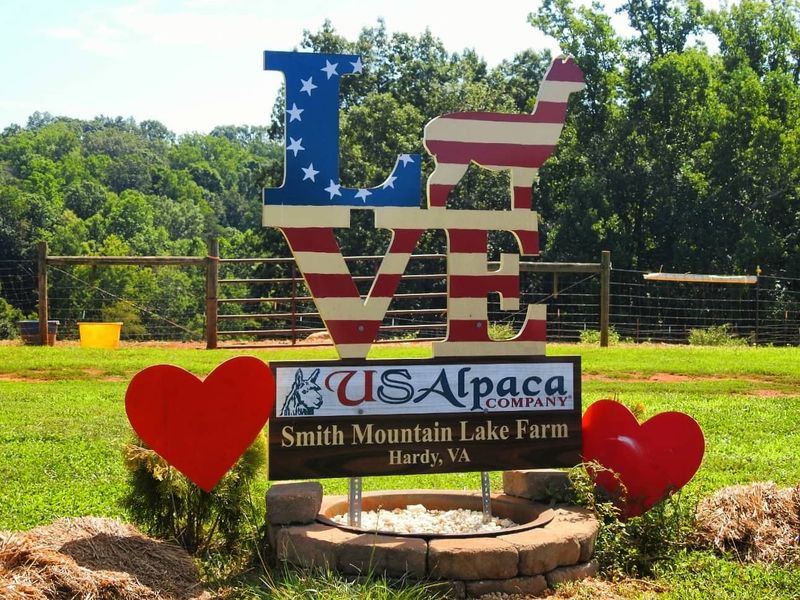
Ready to map it? Smith Mountain Lake Farm Alpacas sits at 830-839 Morewood Rd, Hardy, VA 24101, tucked into the countryside between Roanoke and the lake.
The drive out is half the fun. Winding two-lane roads roll past pastures, tree lines, and the occasional farm stand.
GPS handles the route well, though cell service can get patchy in spots, so downloading directions ahead is a smart move.
Reservations go through the farm website, and a confirmation text is part of the process. Mention the ages in your group so the tour can be tailored appropriately.
The property is closed midweek on Wednesdays and on Sundays, with tours running on the remaining days from midmorning into the afternoon.
Groups, homeschool classes, and nursery schools visit regularly, and longer courses on alpaca care exist for anyone seriously considering their own herd.
Solid ratings and a loyal following speak to how much care goes into the place.
So grab cash, charge your phone, and point the car toward Hardy. Fuzzy faces, soft fiber, and something sweet are all waiting at the end of that gravel drive.
