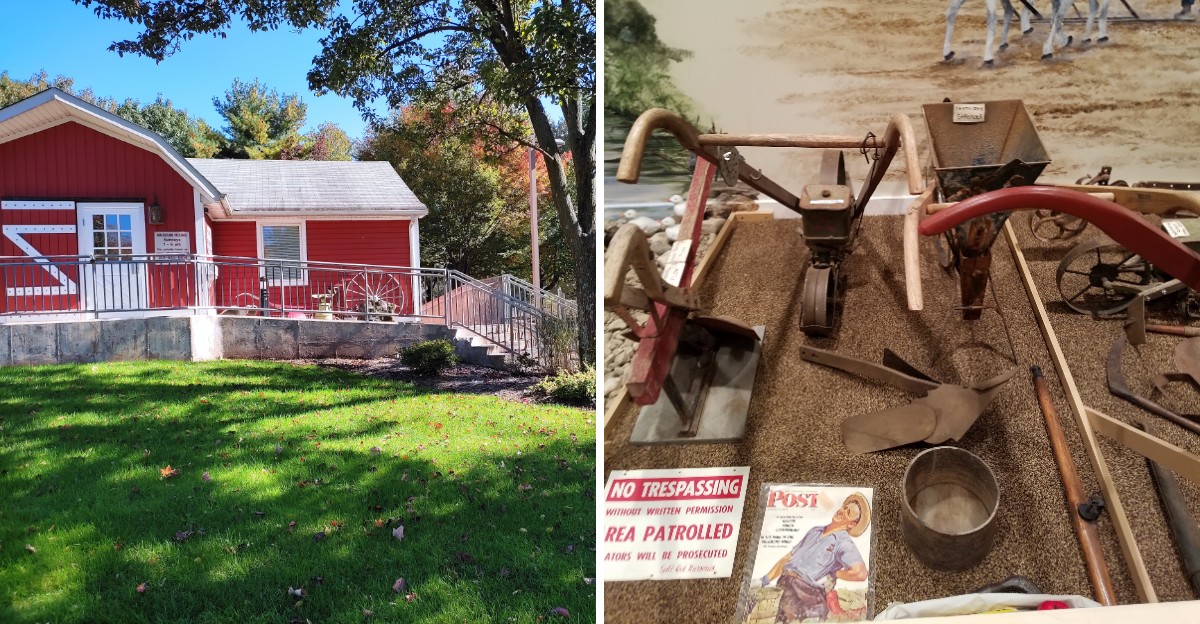
One of the first electric washing machines ever made sits in a small museum here. Its twin lives at the Smithsonian in Washington, D.C.
Yeah, I’m definitely looking twice at that.
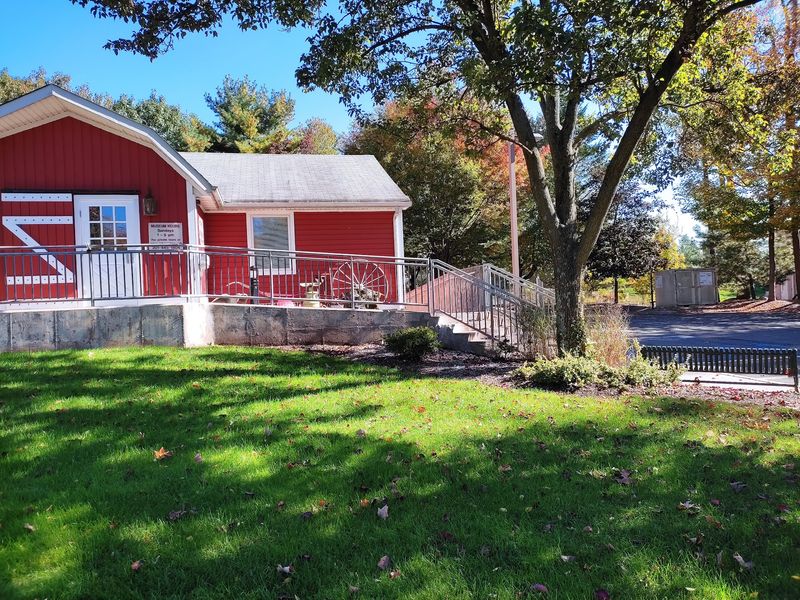
The museum occupies a former caretaker’s house that was repurposed to preserve the town’s history. Now it’s packed with iceboxes, wind-up phonographs, strap-on ice skates, and a working egg-sorting machine.
What gets me is the price of admission. It’s free, and it only opens on Sunday afternoons.
Some of the tours come from the son of the man who started it all.
The collection even includes antique farm machinery and a working egg-sorting machine that brings old-fashioned technology to life. I’d say this tiny New Jersey spot hides way more history than its size suggests.
The Laundry Machine That Has A Twin At The Smithsonian
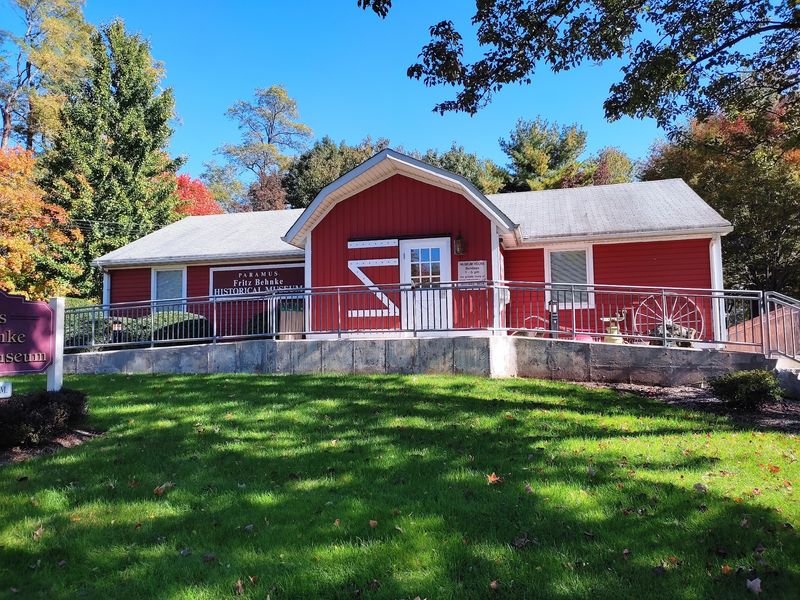
Laundry day used to mean scrubbing, wringing, and sore arms for hours. The star of the Paramus Fritz Behnke Historical Museum changed that story.
The museum owns one of the very first electric washing machines. A duplicate of this machine is housed at the Smithsonian in Washington, D.C.
That’s pretty fancy company for a small-town museum in New Jersey. You get to see a piece of national history without the long road trip.
The washer sits within a whole section devoted to cleaning and laundry. Families can follow how wash day changed over time.
The display brings together early washing equipment and household tools that show how much laundry chores have changed over time.
Kids often find this part surprising. Most of them have never thought about how clothes got clean before push buttons.
It’s a great chance to talk about how much work everyday chores once took.
Here’s a helpful tip for your visit. Ask your guide about how the early machines actually worked.
The volunteers know these objects well and enjoy sharing stories. You’ll leave with a fresh appreciation for your own laundry room.
Maybe even a little gratitude for the dryer, too.
A Farm Kid’s Passion For History Became A Museum
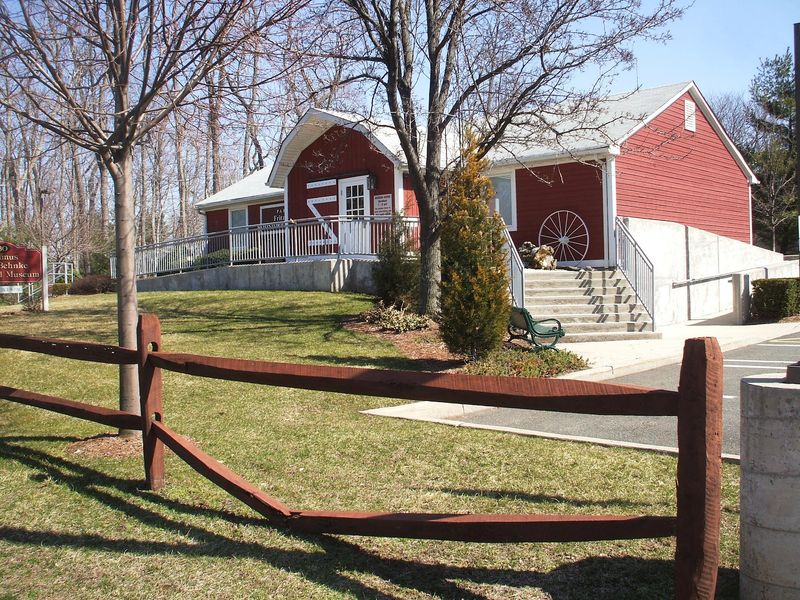
Fritz Behnke was born in Paramus in 1919. He grew up on his father’s vegetable farm, back when the area was mostly fields.
His family had roots in town going back to 1886. After the farm sold in 1951, Fritz and his brothers Walter and Donald opened Behnke’s Paramus Building Supply.
Fritz also served as the official town historian for many years. He became the main force behind creating the Paramus Fritz Behnke Historical Museum.
His goal was simple and kind of beautiful. He wanted people to see how life was really lived in earlier times.
The museum took shape in the early 2000s after the borough made a former caretaker’s house available in 2003.
Fritz passed in April 2012 at age 93. His work didn’t stop there, though.
His son Fred and other dedicated volunteers keep the doors open and the stories flowing. That family link makes the visit feel personal.
When you tour these rooms, you’re seeing one man’s lifelong love for his hometown. Not many museums can say their founder grew up on the land they describe.
Grandma’s Kitchen Is Fully Stocked And Ready For Inspection
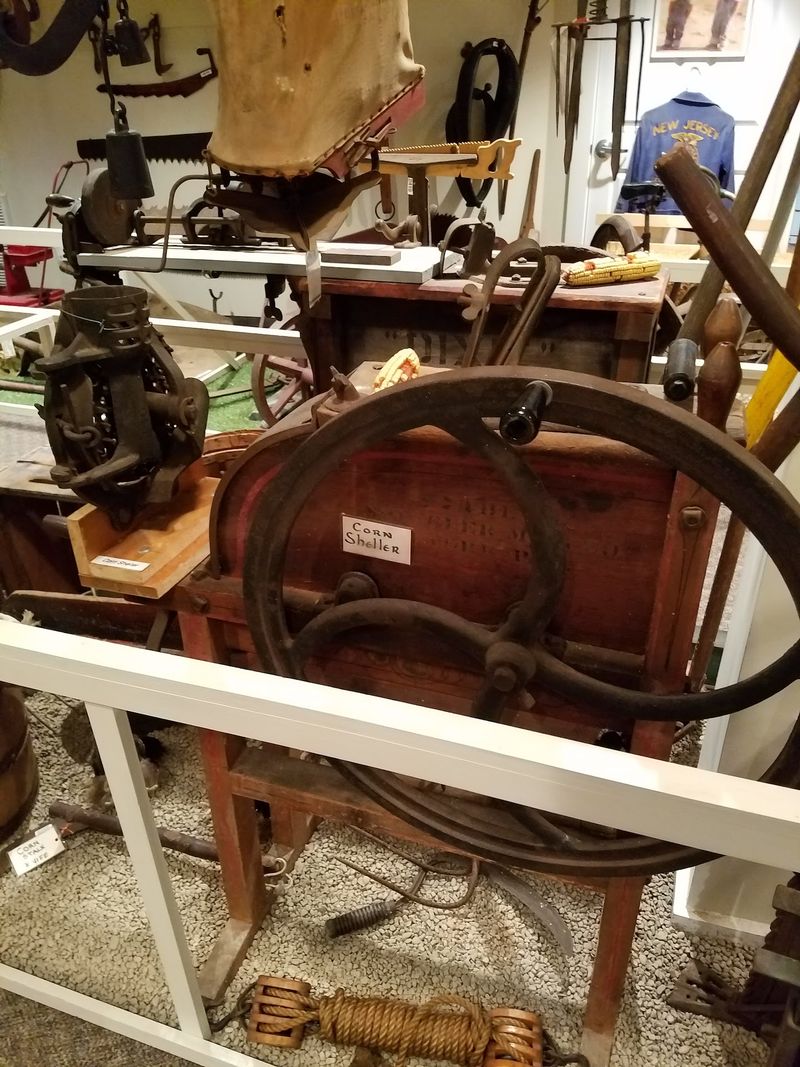
Forget the fridge with an ice maker. On the main floor, period farmhouse furnishings and household tools show what everyday domestic life was like generations ago.
Cooking utensils, cleaning tools, and gear for washing, ironing, and sewing fill the space. It feels like the family just stepped out for a minute.
The kitchen holds three real showstoppers. You’ll spot an old icebox, a wood-burning stove, and an early gas stove.
Seeing them together tells a neat story. You can trace how cooking moved from chopping firewood to turning a gas knob.
The icebox is a fun one to explain to younger visitors. Before electric refrigerators, people kept food cold with actual blocks of ice.
Try a little game while you look around. Have everyone guess what each odd tool was used for before reading or asking.
Some answers are obvious, and some are delightfully strange. Irons from that era were heavy, and the sewing tools show how families mended everything by hand.
This room makes history feel close and real. It’s the kind of space where grandparents start sharing memories without being asked.
The Parlor Still Has A Song Or Two Left In It
Long before streaming playlists, music came from a crank and a little patience. The parlor here shows exactly how that worked.
Vintage wind-up phonographs are on display in this cozy room. A church organ also stands in the parlor, adding a grand touch to the space.
Here’s the fun part. The museum displays vintage record players, including an RCA Victor-Victrola.
That’s a big deal for curious kids. Seeing a hand-cranked record player from another era can feel like stepping back in time.
The parlor was the fancy room in many older homes. Families gathered there for music, guests, and special moments.
Looking at these pieces gives you a sense of how people relaxed a century ago. Entertainment took effort, but it also brought everyone into the same room.
If you’re visiting with a music lover, this stop deserves extra time. Ask a volunteer whether a demonstration is possible during your tour.
Compare the size of these machines to the phone in your pocket. It’s a funny reminder of how far sound technology has traveled.
Kids Of Yesteryear Had Strap-On Skates And Tiny Tractors
Video games? Not a chance.
The Kids Room shows what playtime looked like generations ago.
You’ll find strap-on ice skates, which buckled right over regular shoes. Old roller skates sit nearby, looking sturdy enough to survive a few tumbles.
Dolls and dollhouses add a softer side to the collection. Some little ones will probably want to move in.
Then come the cast metal farm tractors. In a farming town like old Paramus, those toys make perfect sense.
Kids back then often played at the jobs they saw grown-ups doing. A toy tractor was a small version of what was rolling across the fields outside.
This room is a great place to start a conversation. Ask your kids which toy they would pick and why.
You might be surprised by their answers. Simple toys often win over flashy ones once kids see them up close.
Parents and grandparents may spot a toy from their own childhood here. That moment of recognition is half the fun of this cheerful little corner.
Head Downstairs Where The Farm Machines Get Serious
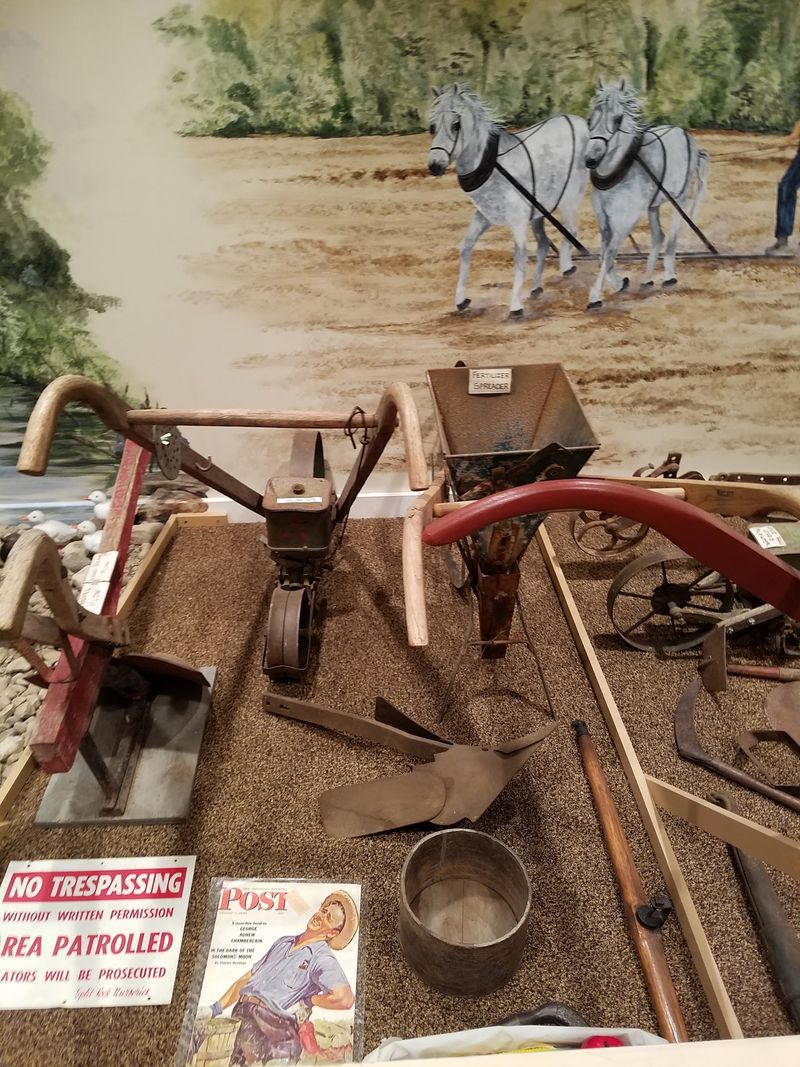
Bergen County was mostly farmland in the early 1900s. The basement tells that story with some impressive equipment.
A working egg-sorting machine is a crowd favorite here. The still-functioning machine offers a fascinating look at how farmers once candled and sorted eggs.
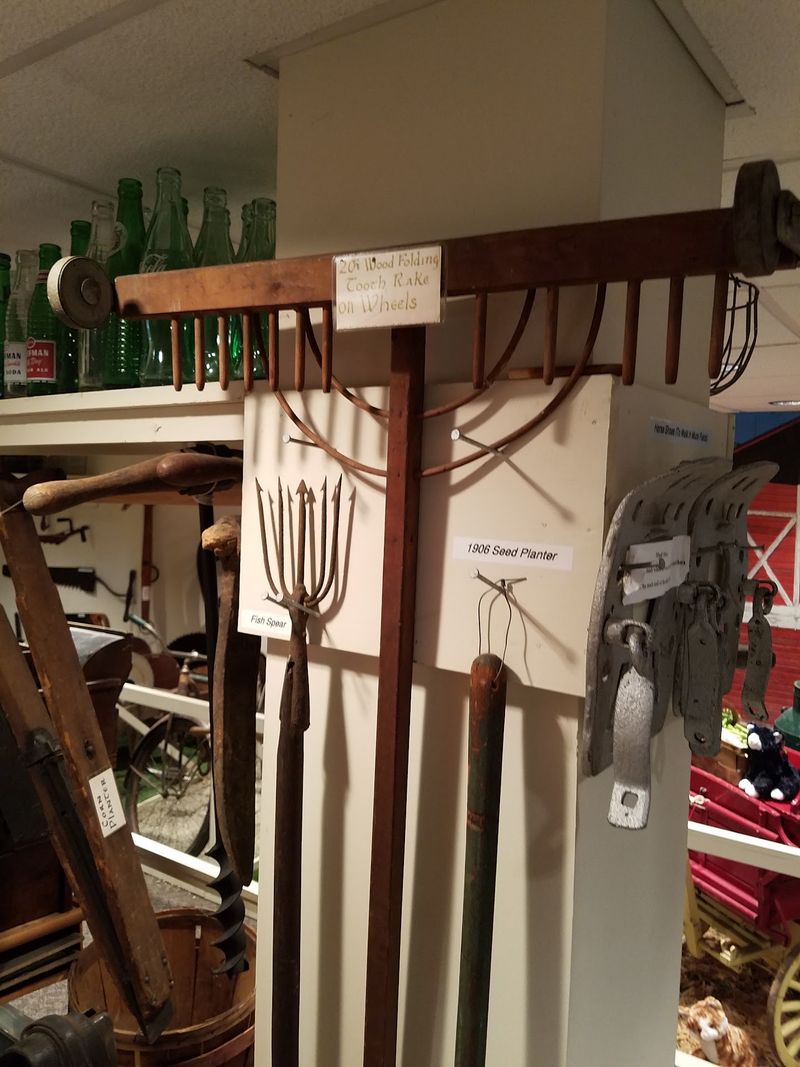
Bigger machines fill out the collection. Look for antique hand- and horse-drawn farming equipment that shows how local fields were cultivated before tractors became common.
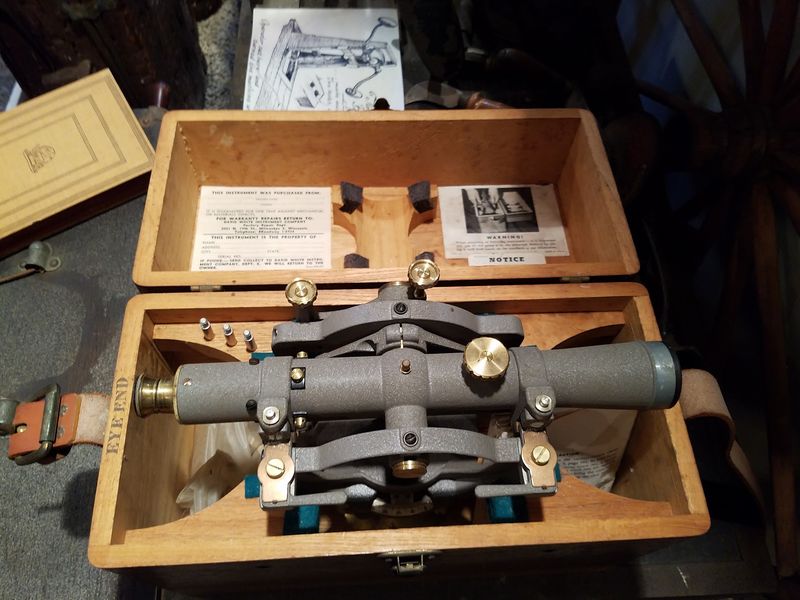
The collection also includes smaller tools that reveal how much work went into everyday farming. There’s even a shovel hand-carved from a single piece of wood.
That shovel might be the quiet hero of the room. Someone spent real time shaping a basic tool that most of us buy without thinking.
Displays on woodworking and blacksmithing round things out. They show the skills farm families needed just to keep things running.
An eight-minute video about Paramus history plays down here too. It’s a smart way to get your bearings before exploring.
Fair warning for the gadget fans in your group. They may not want to leave this level anytime soon.
Old Classrooms, Brave Firefighters, And Paintings Worth A Second Look
Ready for a pop quiz from 1920? The old school room exhibit shows what learning looked like in earlier times.
Picture rows of desks and a teacher’s watchful eye. It’s a fun contrast for students who take laptops for granted.
Hometown heroes get their own spotlight too. Memorabilia from the Paramus Police and Fire Departments is on display.
The exhibit reflects the important role that local firefighters have played in Paramus history. Those exhibits help preserve the stories of the local police officers and firefighters who served the community.
You’ll also find history about Bergen Pines County Hospital. It’s a meaningful chapter for many longtime local families.
Art lovers have something special to enjoy here. The Mark Oberndorf Art Collection features realist paintings by the artist.
In 2014, the museum commissioned a series of Mark Oberndorf’s paintings depicting local landmarks in Paramus. Spotting a familiar place on canvas is a real treat.
Exhibits also stretch from Lenni Lenape artifacts to the growth of retail corridors. The main focus covers 1900 to 1960, so there’s plenty to explore.
Sunday Afternoons Are Your Only Window, So Plan Smart
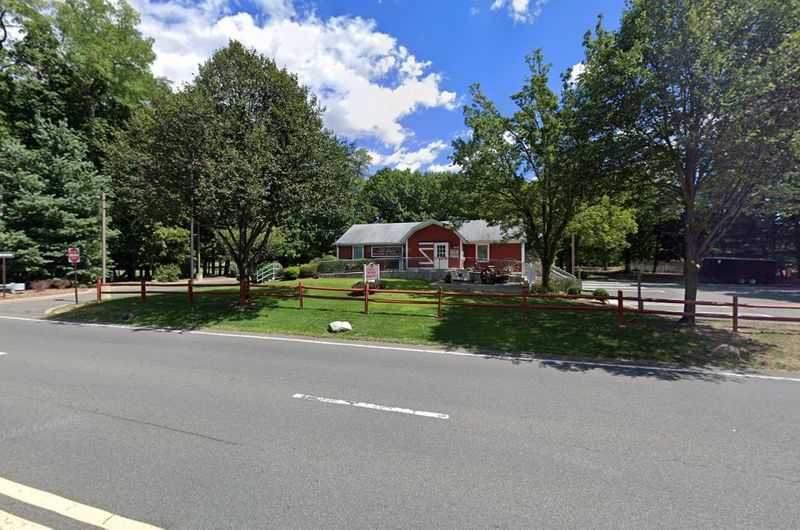
Timing matters here. The museum is open to the public on Sundays from 1 to 5 PM, excluding holidays, while private group tours can be arranged separately.
Admission is free, which is a rare treat. Donations are welcome and help cover the costs of running the place.
You’ll find it at 330 Paramus Rd, Paramus, NJ 07652. It’s an easy stop for families anywhere in North Jersey.
Guided tours are part of the experience. Fred Behnke, Fritz’s son, is among the volunteers sharing stories and local history.
Hearing the town’s past from someone so connected to it is special. Questions are clearly part of the fun, so bring a few.
Groups can book visits by appointment. Scouts, classes, and clubs should take advantage of that option.
The museum offers educational lectures, historical exhibits, and guided tours that explore Paramus and its past. Trolley, cemetery, and walking tours pop up occasionally too.
One last tip for your trip. Give yourself at least an hour, because two floors packed with treasures go by fast.
You’ll probably leave planning your next Sunday back in this charming New Jersey spot.
