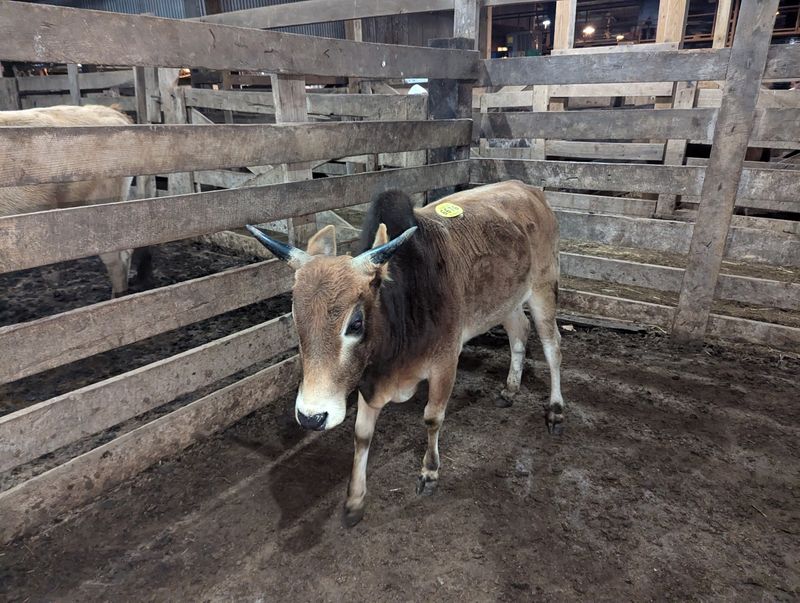
Friesians, Tennessee Walkers, and a pile of used saddles can all cross the same sale floor in one evening. That alone made me sit up.
This is a working livestock auction house in West Virginia. Farmers sell cattle here, horse folks hunt for their next ride, and bargain seekers watch tack go piece by piece.
I like how plainspoken it all is. There’s no gift shop polish, just a concession room with coffee and chips, an auctioneer at work, and pens full of critters waiting their turn.
I believe every family should see a real auction at least once. You learn how farms actually run, and you might drive home with a deal.
So what would you raise your hand for first?
A Small-Town Sale Barn Where Rural West Virginia Still Does Business
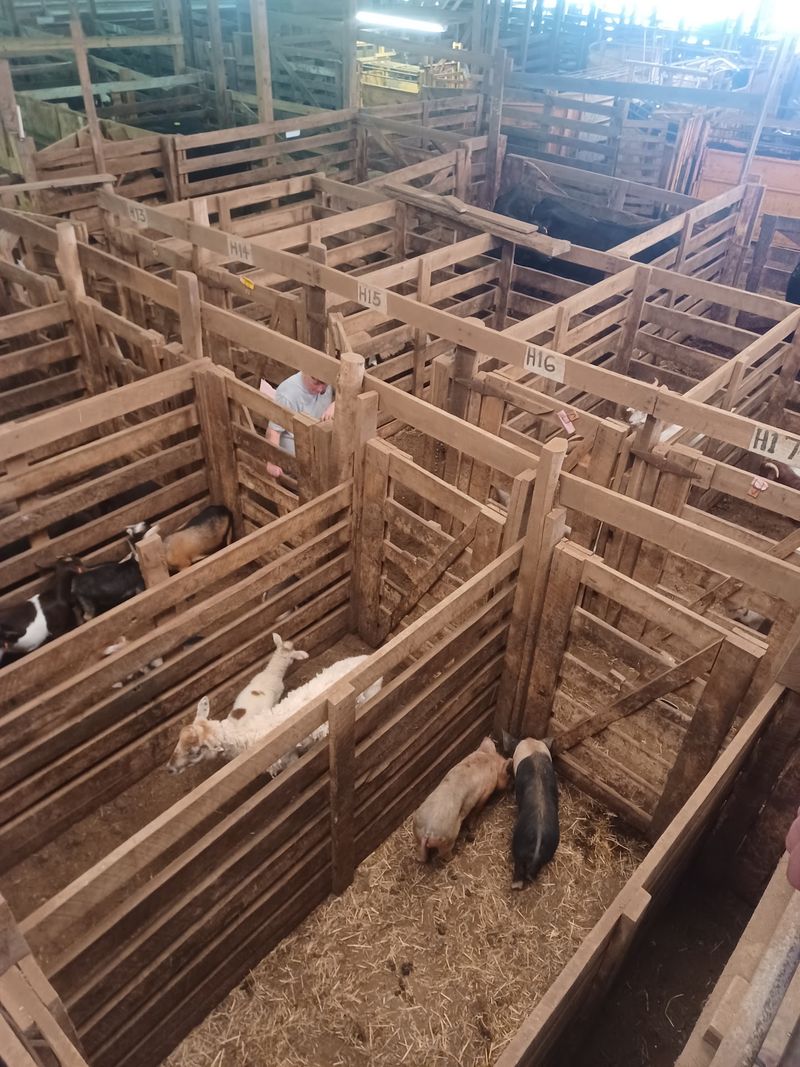
Weston Livestock Marketing sits in Weston, the county seat of Lewis County in north-central West Virginia. It’s listed as a livestock auction house, and that description is refreshingly literal.
Animals come in, bidders gather, and an auctioneer moves everything along. Cattle, horses, sheep, goats, and young bottle calves have all passed through on different sale days.
Places like this used to anchor farm towns across the Mountain State. Plenty of them have faded away, which makes the ones still running feel a little special.
You don’t need to own a farm to appreciate it. Folks who simply enjoy watching describe it as a good time, and that’s a fair pitch for a Saturday.
I love that it serves real working farmers first. Small operations with a few head of cattle rely on spots like this to sell close to home.
For curious families, it doubles as a living classroom. Kids can see where calves, lambs, and horses actually change hands, while parents might spot a practical bargain.
That mix of business and spectacle is what earns it a place on your radar. It’s rural life with the volume turned up just a bit.
How the Bidding Game Actually Works for First-Timers
Nobody hands you a rulebook at the door, and that’s okay. The payment window is the place to ask questions if the process is new to you.
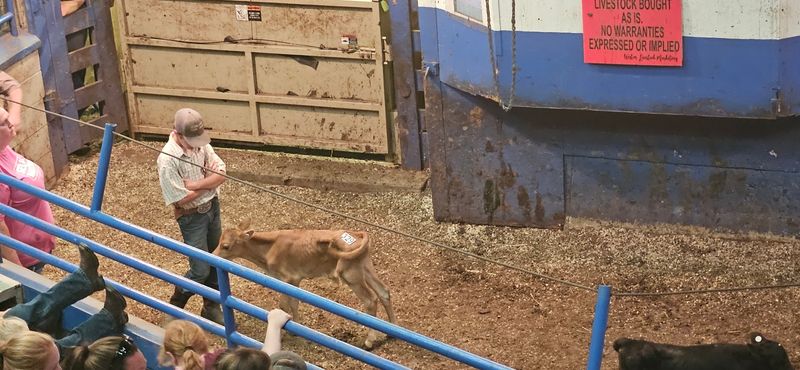
Animals enter the sale ring one lot at a time. The auctioneer calls numbers fast, bidders signal, and the highest offer takes the animal home.
Watching first is a smart move. You’ll pick up the rhythm quickly and learn which nods and raised hands count as bids.
Sellers check in their animals ahead of the sale. One first-time seller found check-in easy, though there weren’t posted directions to guide the way.
Here’s a tip worth tucking away. Ask about seller commission fees before you unload anything, since the percentage may not be spelled out clearly.
Buyers should also plan for paperwork and payment at the window. It keeps things tidy and gives you one more chance to ask what you’re unsure about.
Once you understand the flow, the whole thing gets more fun. Suddenly that rapid-fire chant sounds less like noise and more like a sport you can follow.
Honestly, it beats most game shows. The prizes just happen to moo.
Horse Sale Nights Bring Out Friesians and Tennessee Walkers
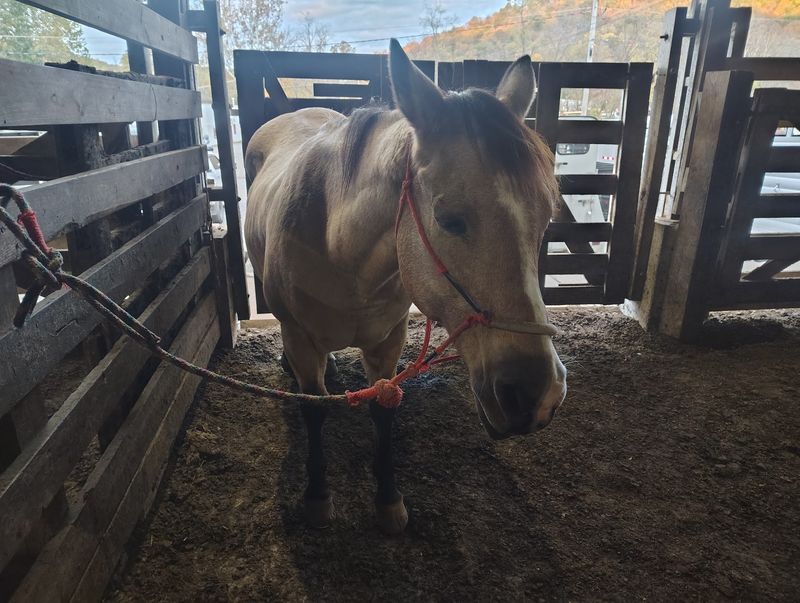
Geldings, Tennessee Walkers, and Friesians have all turned up on horse auction days here. That’s a surprisingly varied lineup for a small-town barn.
Horse sales seem to draw their own crowd. People come to browse, compare, and maybe leave with a new trail partner.
The stalls give you a chance to look animals over before bidding starts. Take that time seriously, because a calm walk-through tells you more than a quick glance in the ring.
Horse condition can vary widely from one consignor to the next. Some animals may arrive thin, so a careful eye matters as much as a full wallet.
That reality is part of honest auction life. It also means a knowledgeable buyer can give a deserving horse a fresh start.
If you’re new to horses, bring a friend who isn’t. A second opinion on feet, teeth, and temperament is worth more than any bargain price.
Families dreaming of a first pony should go slow here. Watching a sale or two before buying is a wise way to learn the ropes.
And yes, you’ll be tempted. Friesians have that effect on people.
Some Sellers Will Let You Ride Before You Bid
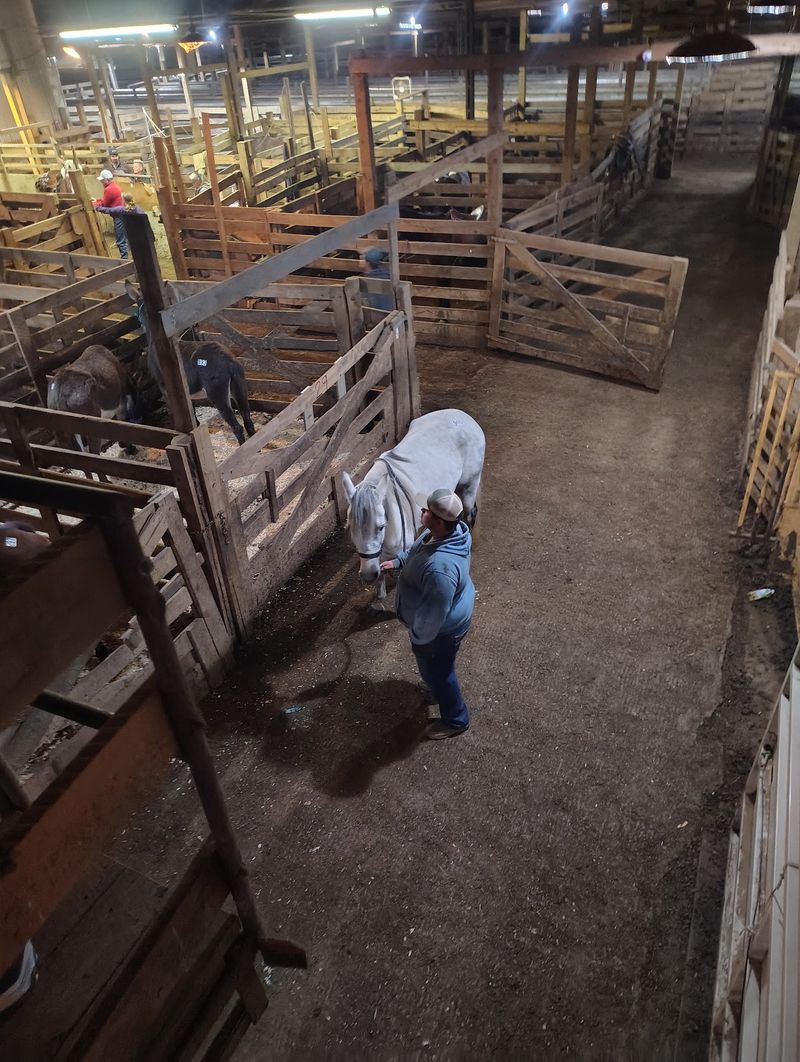
Test drives aren’t just for pickup trucks. On horse days, some owners may let an interested buyer ride the horse before it sells.
That’s a big deal. A few minutes in the saddle can reveal manners, gaits, and quirks that never show in the ring.
Owners may also share background on the animal if you ask. Age, training, and history all help you decide whether that bay gelding fits your plans.
Not every seller will offer a ride, of course. Politeness goes a long way, so ask respectfully and accept a no with a smile.
Bring boots and a helmet if you’re hoping to try a horse. Being ready shows sellers you’re a serious buyer, not just a looky-loo.
This hands-on approach feels very old-school in the best way. Deals get made over a conversation at the rail instead of a glossy online listing.
For parents with riders at home, it’s a real advantage. You can judge whether a horse is steady enough before money changes hands.
I can’t imagine buying a horse any other way. A short ride beats a long regret every time.
Why Hobby Farmers Haul Their Cattle Here
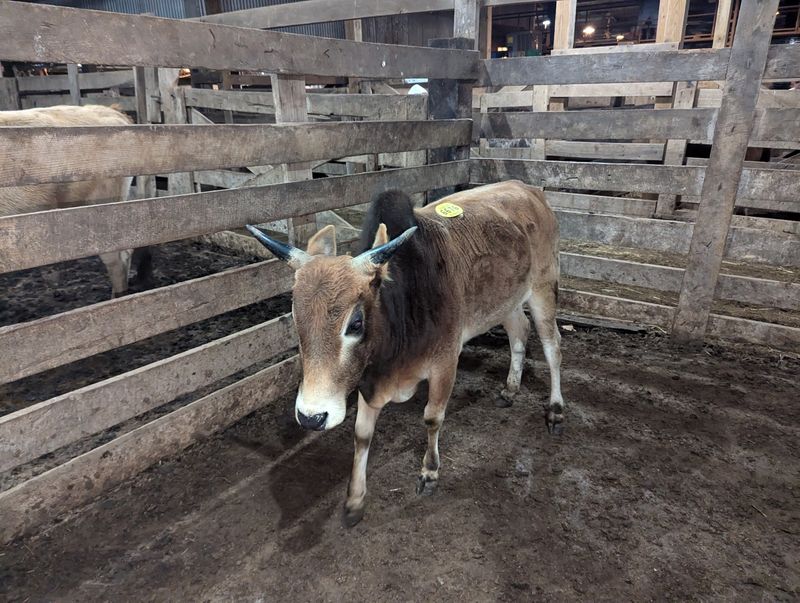
A few head of cattle on fifteen acres is a common West Virginia setup. At least one hobby farmer with that exact operation switched from the Ripley market to Weston.
The reason was simple. Good prices and good service, plus friendly, helpful folks behind the counter.
That matters for small producers who can’t afford a wasted trip. When you only sell a handful of animals, each check counts.
Drop-off and pick-up are described as well run and convenient. Anyone who has backed a stock trailer into a crowded lot knows how much that helps.
Opinions on prices aren’t unanimous, though. At least one seller felt the final numbers fell short of what was suggested over the phone.
That’s the nature of any auction. Prices depend on the buyers in the seats that day, so it pays to watch a few sales before consigning.
Talk with staff about market trends before you load up. A little homework can help you decide which sale day suits your animals best.
For local cattle folks, though, a nearby barn that handles small lots is valuable. It keeps the family farm tradition rolling.
Lambs, Kids, and Bottle Babies Steal the Show
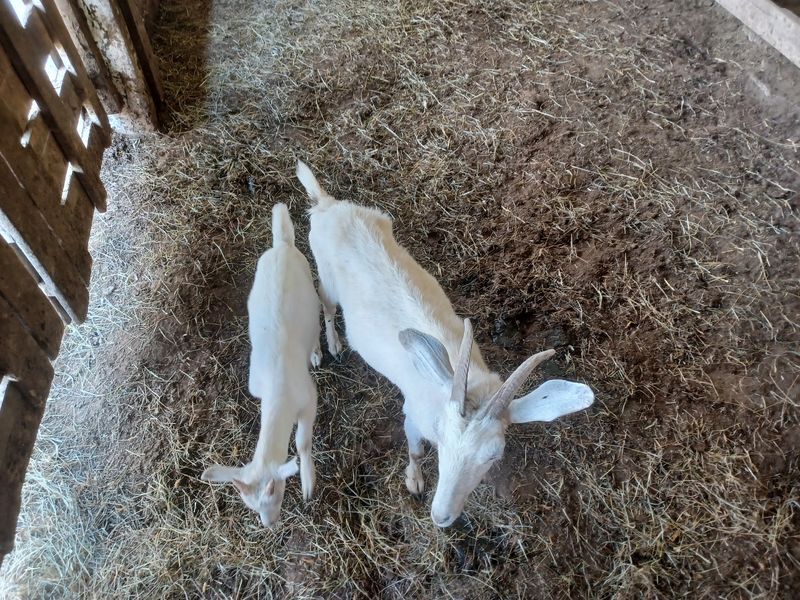
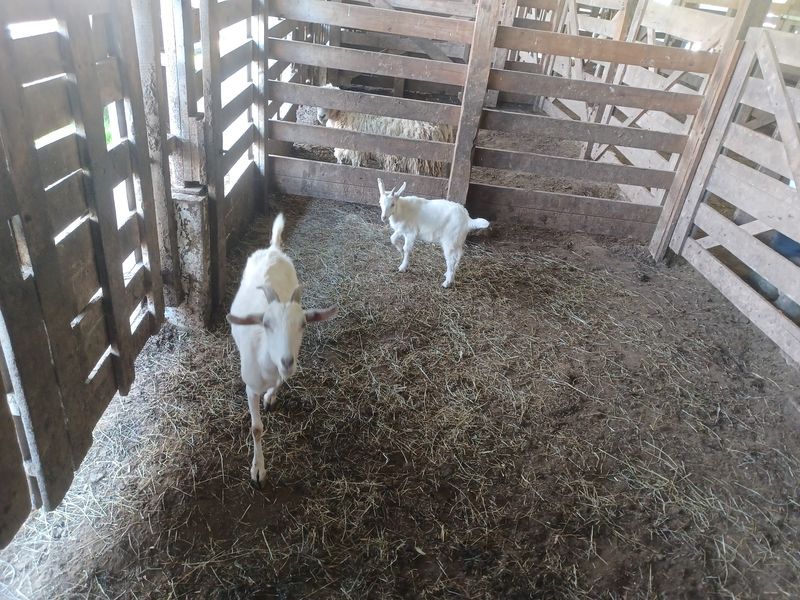
Bottle calves, lambs, and baby goats can all appear on the same sale day. Fair warning: they are aggressively cute.
Small stock is a great entry point for homesteaders. A couple of goats or a Dorper lamb is a lot easier to manage than a full-grown steer.
Information on these animals can be thin, though. One seller noticed sheep weren’t identified as hair or wool breeds during the sale.
So come prepared to judge for yourself. Learn the basics of the species you want before you ever raise a hand.
Bottle babies need extra care at home. The management has pointed out that young ones often seem hungry, and inexperienced owners sometimes overfeed them.
That’s useful advice for any family tempted by a wobbly calf. Have milk replacer, a plan, and ideally a mentor lined up first.
Look for bright eyes, clean rear ends, and active behavior. Those simple checks help you avoid bringing home a sick little one.
When it works out, these young animals can become the heart of a small farm. Just maybe don’t promise the kids every single lamb in the pen.
Saddles, Bridles, and the Tack Table Treasure Hunt
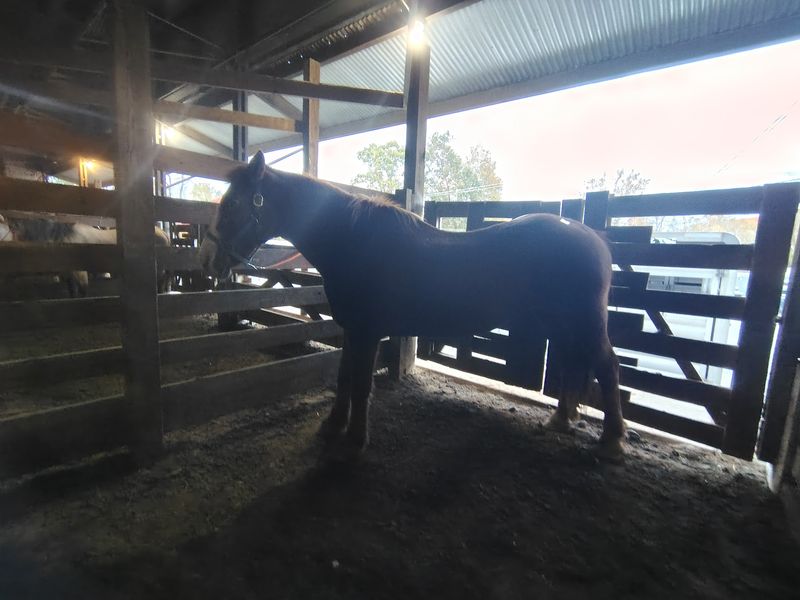
Thirty-plus saddles in one evening is the kind of number that makes horse people giddy. Tack auctions here have featured long lines of gear ahead of the horses.
Used tack can be a smart way to save. Quality leather often lasts for decades with decent care.
Inspect stitching, tree condition, and buckles before bidding. A cheap saddle that doesn’t fit your horse is no bargain at all.
These sales can stretch late, so plan accordingly. One tack-and-horse evening reportedly ran hours past schedule, with horses selling well after eleven.
That’s worth knowing if you’re mainly there for the horses. Pack snacks, patience, and maybe a pillow for the kids in the truck.
The upside is plenty of time to shop. If you came for gear, a long sale means more chances to pounce on the right piece.
Bring a tape measure and notes on your horse’s size. Fit matters more than shine when it comes to saddles.
Buckets, halters, and odds and ends may turn up too. One person’s junk tack might be exactly what your barn needs.
An Auctioneer With Plenty of Personality
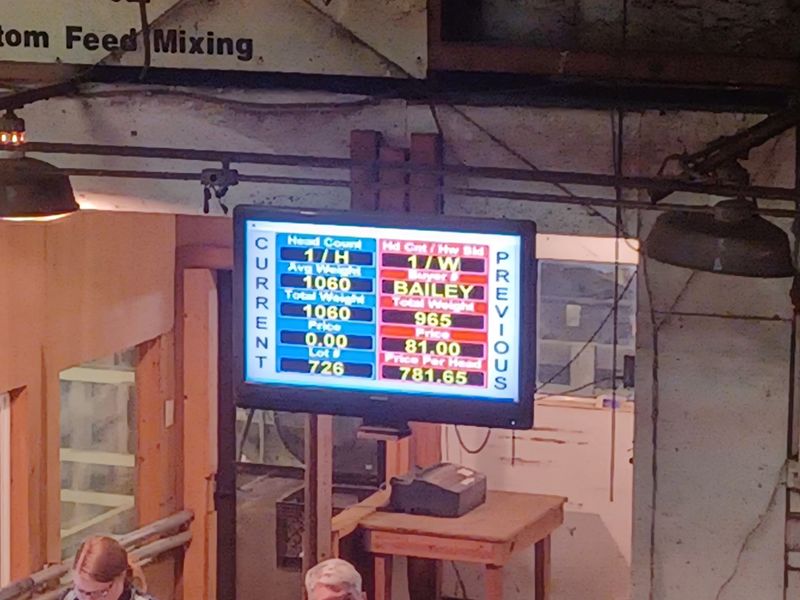
Jokes and livestock make an odd pairing, but it works. The auctioneer has been described as comical, cracking jokes with bidders while the sale rolls on.
That humor sets a laid-back mood. Folks who enjoy small-town characters will probably feel right at home.
Not everyone loves the delivery, though. Some attendees have found the remarks rude enough to leave during a Friday night sale.
Auction banter is a matter of taste. What sounds like playful ribbing to one bidder can land wrong with another.
My take? Go in expecting a strong personality running the show.
You’ll either laugh along or tune it out and focus on the animals.
A fast chant can also be hard to follow at first. Sit where you can see the ring and the auctioneer clearly.
The auctioneer sometimes has to sort out details on the fly, like whether an animal is male or female. Having your own notes helps you keep pace.
Either way, it’s live entertainment you can’t stream. There’s no remote, no rewind, and definitely no skipping the commercials.
Coffee, Chips, and Comfort Food at the Concession Room
Long sales need fuel. Thankfully, there’s a concession room offering food, coffee, and chips.
It’s the classic sale-barn setup. Grab a cup, find a seat, and settle into the rhythm of the bidding.
The food has earned a simple compliment in the past: great food, clean facilities. That’s high praise in a building built around livestock.
Menus at concession stands like this can change, so I won’t promise specific dishes. Just know you won’t have to leave mid-sale to find something to eat.
That’s a lifesaver on tack nights that run late. Hungry kids and cranky grown-ups are both easier to manage with snacks nearby.
Bring some cash in case it’s handy. Small rural spots often appreciate simple payment, and it speeds up the line.
The concession room also makes a nice meeting point. If your group splits up to check pens, you’ll know where to regroup.
There’s something comforting about hot coffee in a busy barn. It warms your hands while you decide whether that Tennessee Walker is the one.
Clean Floors and a Well-Run Operation Earn Real Points
Clean isn’t the first word most people link with a stockyard. Yet very clean and efficient is how this one has been summed up.
Professional and organized for everyone is another description that pops up. For a place handling dozens of animals, that takes real work.
Staff get steady credit for being friendly and helpful. Even critics of other details have gone out of their way to call the staff nice.
That counts for a lot when you’re new. A patient answer at the window can turn a confusing day into an enjoyable one.
Loading and unloading also runs smoothly. Convenient drop-off and pick-up keep trailers moving instead of backing up down the street.
The management has stated that animals kept in the barn for any length of time are fed and watered. Most are only on the property for a few hours.
Still, timing hiccups can happen. Sales have occasionally started late, so build a little cushion into your day.
Overall, the picture is of a working barn that takes pride in order. That’s exactly what you want when money and animals are both on the line.
Smart Buyers Look Twice Before Raising a Hand
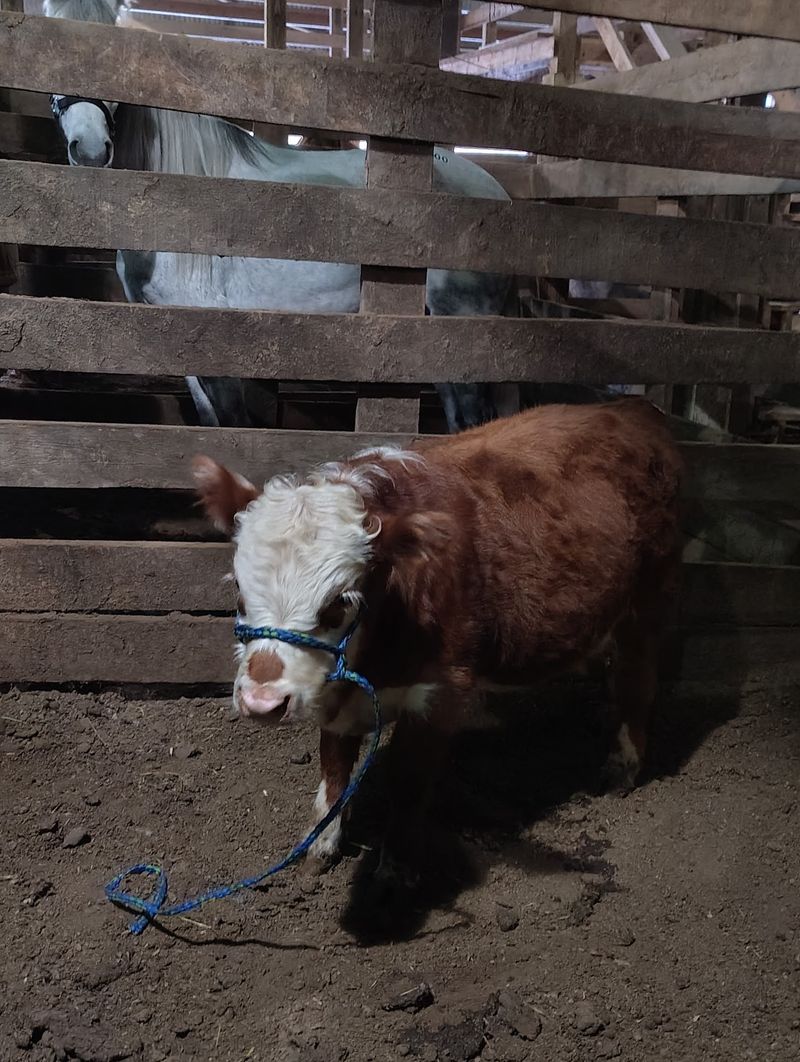
Buyer beware is old advice for a reason. At any livestock auction, animal health can vary, and this barn is no exception.
Some attendees have spotted thin or sick animals in the pens. A few young ones reportedly showed signs of scours.
That’s not unusual at open sales. Animals come from many different farms, each with its own standards.
Your best defense is knowledge. Check coats, eyes, breathing, and movement before the animal ever enters the ring.
Information announced during the sale may be limited. Don’t count on the auctioneer to tell you breed, sex, or history every time.
Walk the pens early and ask consignors directly when you can. Many sellers are happy to talk about their animals.
Budget for a vet check after purchase, too. A quick exam protects your other animals and your wallet.
Done right, auctions remain one of the most affordable ways to build a herd. You just need sharp eyes and a little restraint.
Think of it like yard sale shopping with heartbeats. The best finds go to the folks who look closely first.
Barn Manners, Photo Rules, and Bringing the Dog
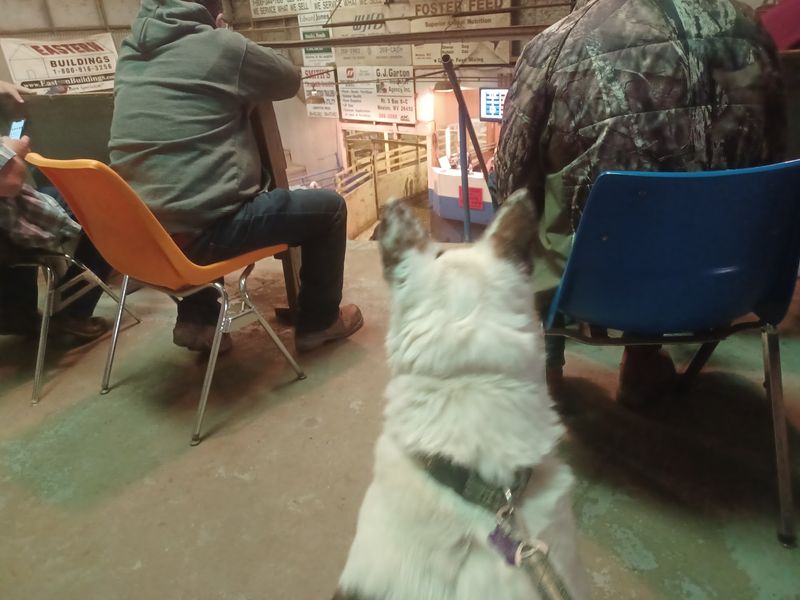
Good news for dog lovers. Your pup can reportedly come inside, as long as she isn’t barking at the animals.
That’s a refreshing policy, but use judgment. A nervous or noisy dog will stress livestock and annoy bidders.
Photos are another matter. The auction arena has displayed a no-photos sign, so keep the phone in your pocket there.
Respecting that rule matters. Sellers and buyers deserve a little privacy while they do business.
Dress for the barn, not for brunch. The arena has been described as warmer than the stall area, so layers make sense in cold months.
Summer is a different story. At least one hot midday sale felt stuffy with little airflow, so bring water and light clothing.
Closed-toe boots are a must around pens. Mud, manure, and wandering hooves don’t care about your sneakers.
Kids should stay close and keep hands out of gates. Livestock are calm until they suddenly aren’t.
Follow those basics and you’ll blend right in. Nobody will guess it’s your first sale unless you bid on your own nose scratch.
Plan Your Trip Around the Sale Calendar
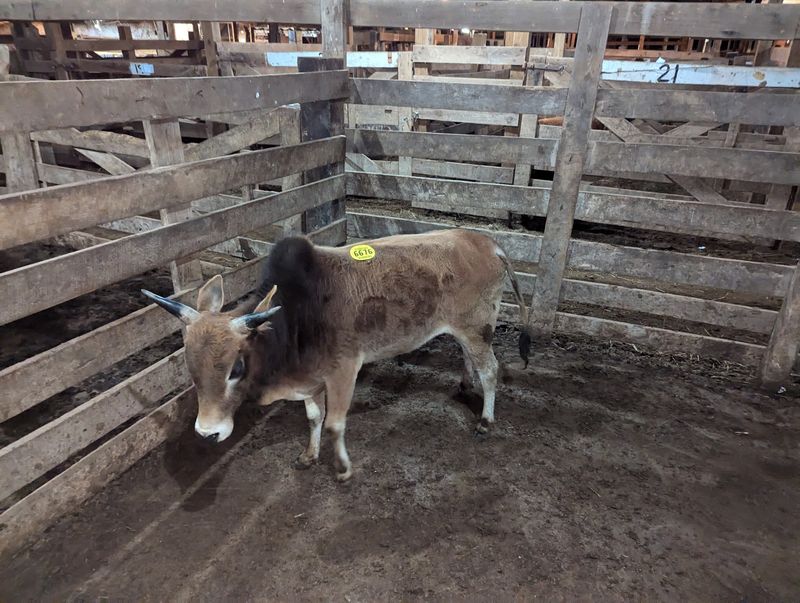
Timing is everything here. Weston Livestock Marketing lists Saturday hours of 8 a.m. to 5 p.m., with other days marked closed.
Special sales can run on different schedules, though. Evening tack and horse auctions, including Friday night sales, have taken place too.
So check the sale calendar on the official website before driving out. Sale types change, and you’ll want the right day for horses, cattle, or small stock.
You’ll find the barn at 109 Louise St, Weston, WV 26452. It’s an easy stop for anyone already exploring central West Virginia.
Weston sits right off Interstate 79. That makes it reachable for folks coming from Clarksburg, Charleston, or beyond.
Arrive early if you’re buying. Pen inspections take time, and good seats fill as the sale nears.
Sellers should call ahead about check-in times and fees. Clear expectations make the whole day smoother.
If you’re just watching, admission to observe is part of the charm. Grab a coffee, pick a seat, and enjoy the show.
Leave room in your schedule for delays. Auctions keep their own clock, and it rarely matches yours.
Worth a Seat in the Bleachers at Least Once
Few outings mix bargains, livestock, and local color quite like this one. Weston Livestock Marketing delivers all three under one roof.
It isn’t polished, and it doesn’t pretend to be. Sales may run long, opinions on the auctioneer vary, and buyers need sharp eyes.
But the good stuff shines through. Friendly staff, clean facilities, and a laid-back mood keep people coming back.
Farmers get a convenient place to sell. Horse lovers get a shot at Friesians and Tennessee Walkers, plus the occasional test ride.
Parents get something rarer, too. It’s a real look at how farm life works, with a chance at practical savings on tack or animals.
Kids will likely remember the lambs. Grown-ups may remember the saddle they almost bought.
I believe this is the kind of place that keeps rural West Virginia connected. It’s commerce, community, and a little comedy rolled together.
So check the calendar and pick a sale. Come curious, stay patient, and keep your bidding hand under control.
Who knows what you’ll be hauling home? Maybe nothing but a good story, and that counts too.
