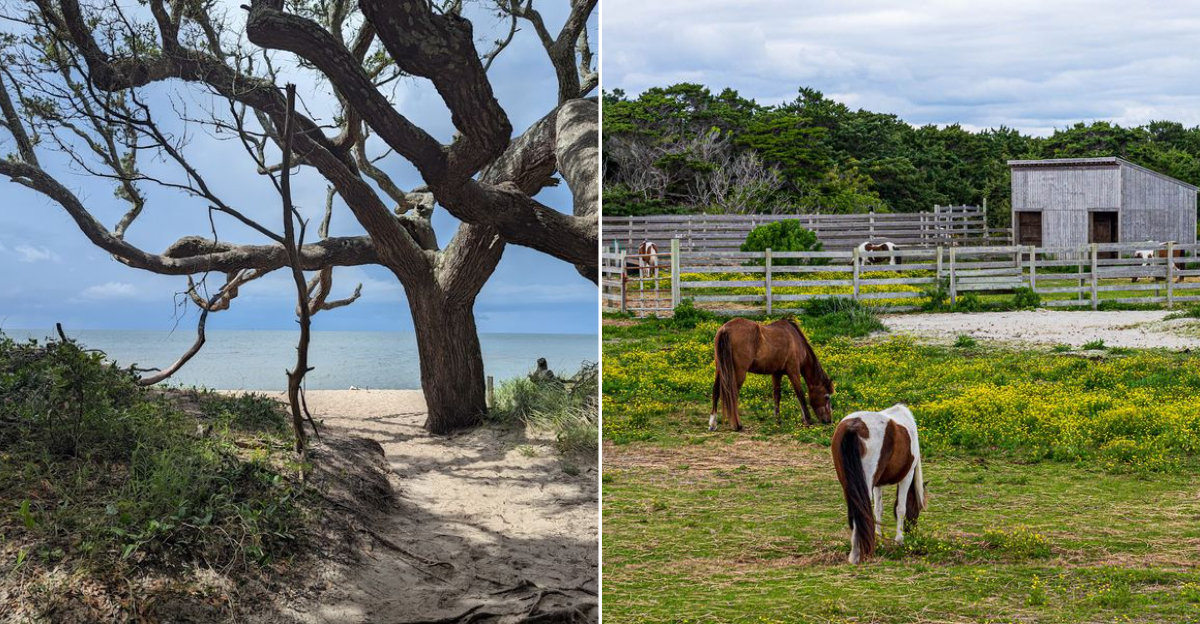
Need to get away from the crowded boardwalks and bumper-to-bumper traffic? Pulling onto state-run ferry onto Ocracoke feels like stepping back to an earlier, gentler Atlantic.
The village is protected by the Cape Hatteras National Seashore, ensuring that the 16 miles of wild shoreline remain gloriously free of high-rises or commercial development.
Visitors can walk in the literal footsteps of pirates at the site of Blackbeard’s final battle, while a unique “Hoi Toider” brogue, a dialect with roots in 18th-century England, is still spoken by long-time islanders.
A 19th-century lighthouse and a protected herd of Banker ponies, descendants of Spanish mustangs roaming the island for centuries, add to the unforgettable scene. So which is the island where even summer crowds quietly disperse, leaving a peaceful rhythm of kayaking across the harbor and sunset strolls?
Pack a cooler full of patience for the ferry line. When you finally roll onto the dock, you will know exactly how it feels to discover a treasure that should have been found long ago.
The Ferry Ride Into Ocracoke
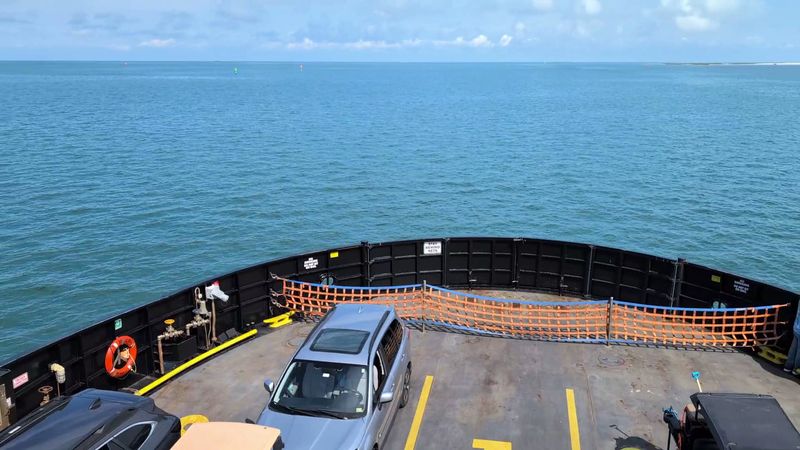
The first thing that gets you about Ocracoke is that you have to earn it a little, and I mean that in the best possible way. You come in by ferry or small plane, and that separation changes your mood before you even step onto land.
By the time the shoreline starts pulling closer, the usual rush has already fallen away.
I always think that ride matters because it gives the island a natural pause button, which is rare on the North Carolina coast now. There is water on every side, salt in the air, and that low horizon that makes everything feel wider than your regular life.
You are not just arriving somewhere beachy, you are crossing over into a place that still feels slightly detached from the mainland pace.
As you get closer, the village does not hit you with towers or loud strips of development, and that alone feels refreshing. Ocracoke stays low, relaxed, and a little weathered in a way that feels honest instead of staged.
I love that your first impression is not spectacle, but ease.
That is why I would not rush this part, even if you are eager to drop your bag and find the water. Stand outside if the wind behaves, watch the gulls, and let the island come to you slowly.
It sets the tone for everything that follows, and honestly, it does it beautifully.
The Wide Quiet Of Ocracoke Beach
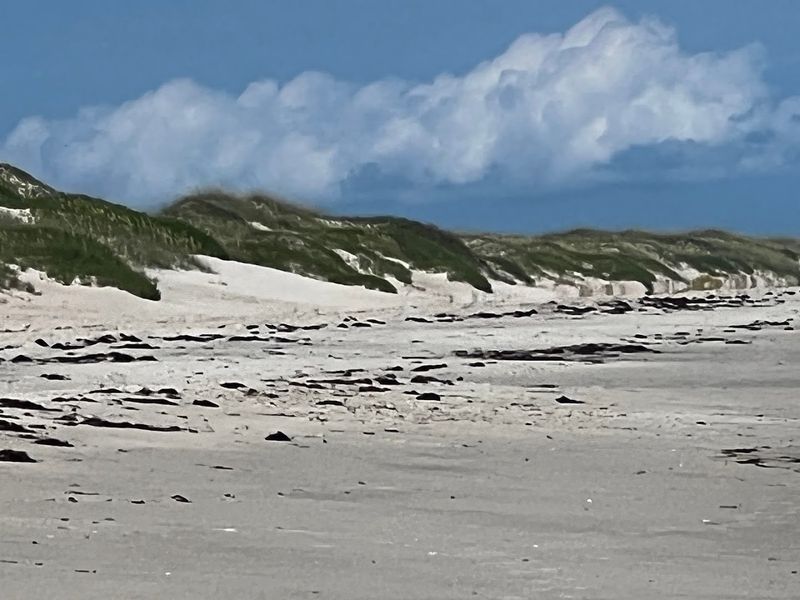
If you are the kind of person who wants a beach to feel like an actual beach again, Ocracoke Beach is probably going to get under your skin. The sand is famously soft, almost like powdered sugar under your feet, and the shoreline feels long enough to swallow up whatever noise you brought with you.
Even on a good beach day, it usually feels uncrowded in the most satisfying way.
What stands out here is how little gets between you and the landscape. There are dunes, sea oats, broad stretches of pale sand, and water that can feel surprisingly warm when the day settles in.
You are not staring past rows of towering hotels or trying to carve out a tiny patch of space between strangers.
I like this beach because it leaves room for your own pace, whether that means a long wandering walk, a lazy sit near the surf, or one of those swims that somehow resets your whole body. The natural beauty does not feel polished up for photos, and that is exactly why it looks so good.
It has that loose, open feeling that makes you breathe differently.
On this part of North Carolina, that kind of shoreline is getting harder to find. Ocracoke still manages to feel protected from a lot of the usual beach-town clutter.
You come here for the softness, the space, and the calm, and it absolutely delivers all three.
Silver Lake Harbor At Day’s End
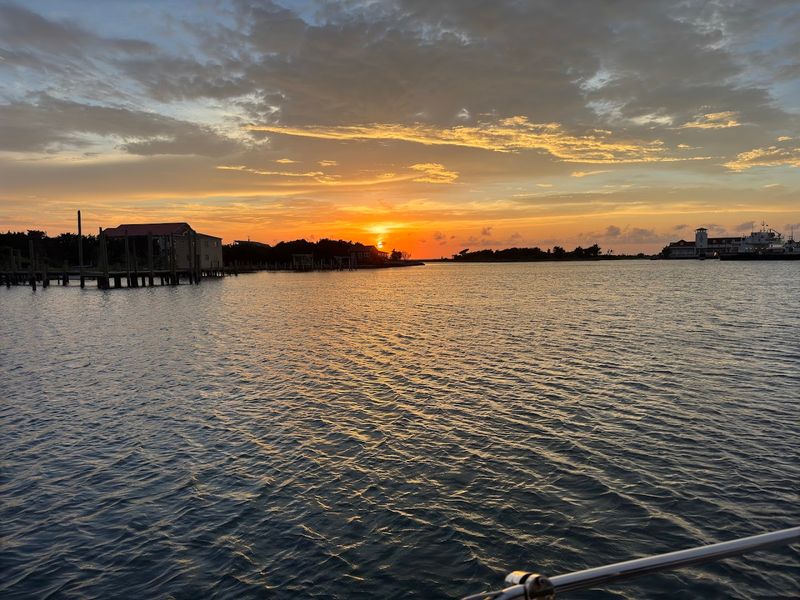
Silver Lake Harbor is where Ocracoke starts feeling less like a beach stop and more like a real working village with its own rhythm. Boats come and go, people drift along the waterfront, and the whole place has that easy movement that makes you want to slow your steps without even noticing.
If you like places that feel lived in instead of staged, this is where the island clicks.
I could spend a long stretch of time here doing almost nothing, which is usually my test for whether a harbor is actually worth hanging around. You can watch the water change color, catch bits of conversation floating by, and feel the breeze move through the docks and porches.
It is simple, but it never feels dull.
What I love most is that Silver Lake still carries a little texture and personality, instead of turning itself into a polished waterfront show. The buildings feel rooted, the boats feel purposeful, and the village edge feels like it belongs to people who know the place well.
That matters more than fancy scenery ever does.
As the light softens, the whole harbor settles into a kind of glow that is hard to explain without sounding overly sentimental, so I will just say this. Stay awhile.
On Ocracoke, some of the best moments happen when you quit chasing them and let the harbor hand one to you.
The Small Glow Of Ocracoke Lighthouse
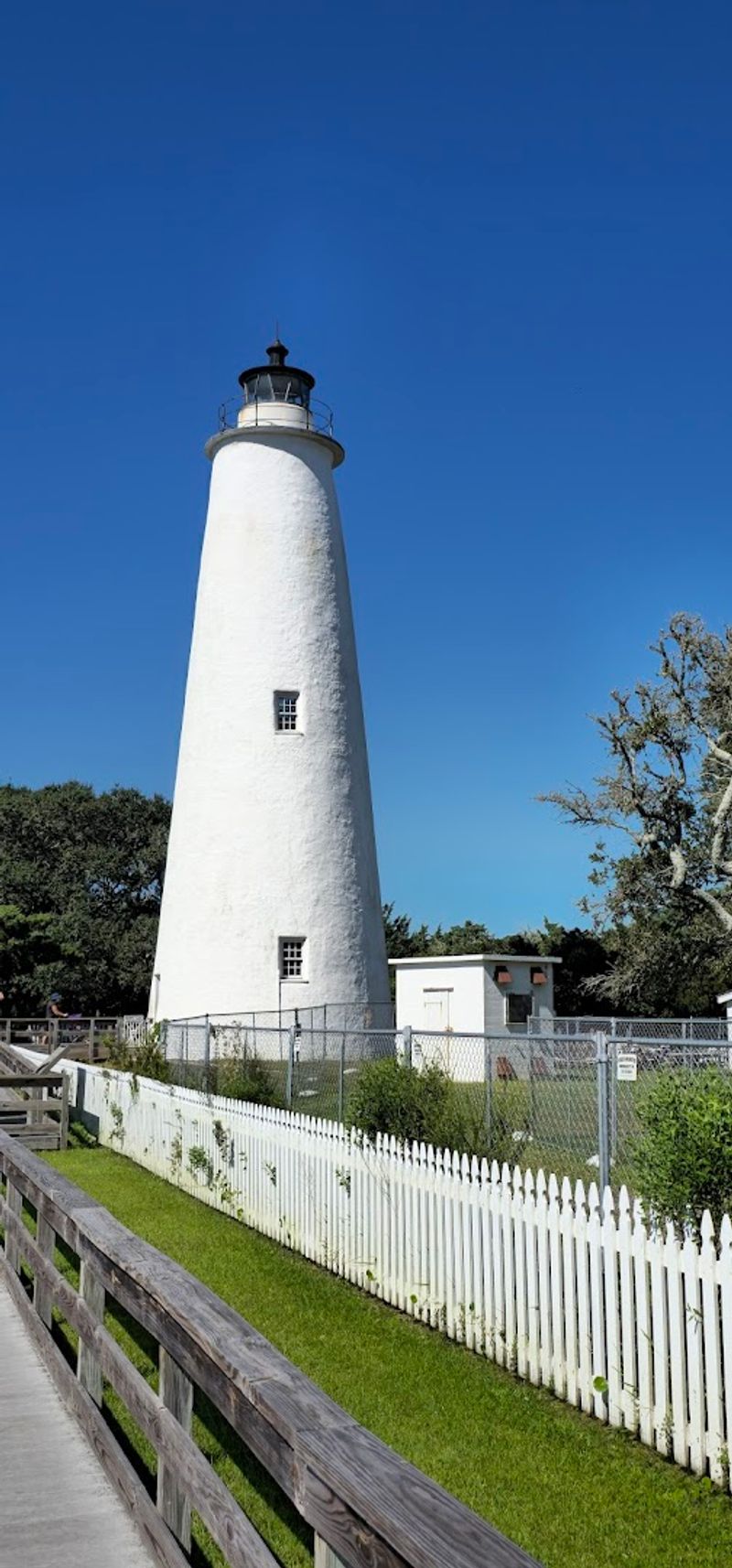
You could miss the emotional effect of the Ocracoke Lighthouse if you expect something huge and dramatic, because that is not really its style. It is smaller, plain in a way that works, and deeply tied to the village around it instead of looming over everything.
Somehow that makes it more memorable, not less.
I like that it feels woven into ordinary island life rather than set apart from it like a grand attraction. The white tower rises cleanly through the trees, and the setting stays quiet enough that you can actually notice the shape of the place.
There is a steadiness to it that fits Ocracoke perfectly.
Being here reminds you that this corner of North Carolina has always depended on water, weather, and people who knew how to navigate both. The lighthouse is part of that story, but it does not scream for attention, which feels very on-brand for the island.
It just stands there with dignity and lets you come to it.
That is probably why I find it so appealing. You can walk over, take it in, and move on without the whole thing turning into a production.
In a place where so much beauty feels understated, the lighthouse makes complete sense, and I think Ocracoke would feel a little less grounded without it.
The Wind Through Springer’s Point
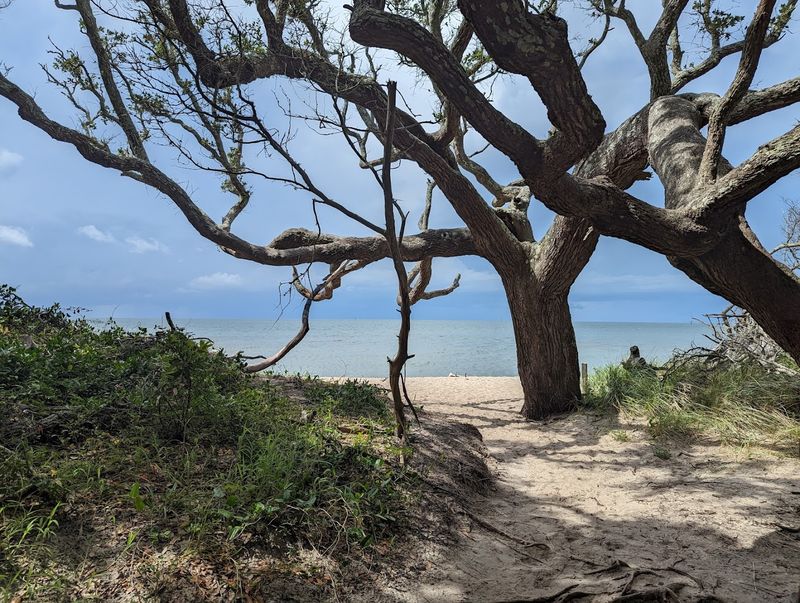
Springer’s Point is one of those places where the island gets a little quieter, and that is saying something on Ocracoke. The trail moves through maritime forest and opens toward the water in a way that feels gradual and calming, not theatrical.
If you need a break from sun and wide-open sand, this is exactly where I would send you.
Walking here feels intimate compared with the beach, and I mean that as a compliment. You get shade, twisting paths, salt air slipping through the trees, and those little moments where the landscape changes just enough to keep you paying attention.
It has history too, but what hits first is the mood.
I always think this preserve shows another side of coastal North Carolina that people skip when they only chase the shoreline. The island is not just dunes and surf, and Springer’s Point proves that with every step.
It feels softer, more enclosed, and somehow more reflective.
By the time you reach the water, the view has earned its way into your head, which makes it land differently. You are not blasting into a scenic overlook and snapping a quick photo before leaving.
You are arriving slowly, hearing the wind, noticing the trees, and letting the place settle around you, which is pretty much the whole Ocracoke experience in miniature.
The Village Streets And Crooked Live Oaks
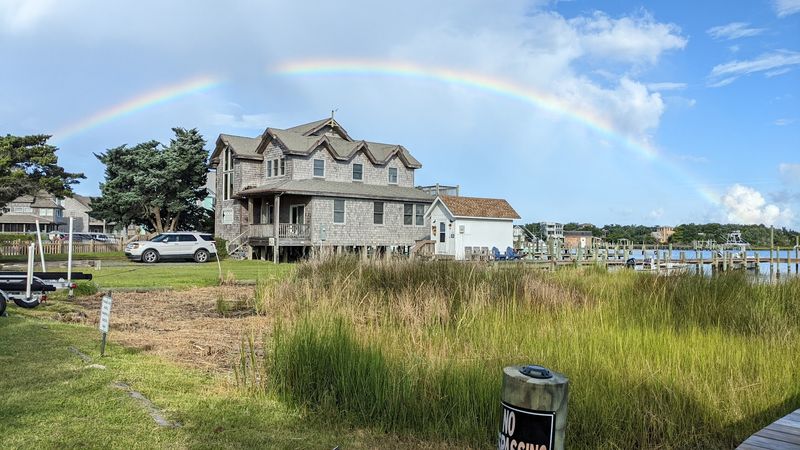
One of my favorite things to do on Ocracoke is barely an activity at all, which should tell you a lot about the place. I like walking or biking through the village streets and letting the cottages, porches, gardens, and old live oaks do their thing.
The whole area feels unhurried, but not sleepy, and there is a difference.
You notice little details here because the village gives you time to notice them. Fences lean a bit, lanes curve gently, bikes rest outside weathered buildings, and the trees seem to shape the light in every direction.
Nothing feels overdesigned, and that is part of the charm.
Plenty of coastal towns in North Carolina talk a big game about atmosphere, but Ocracoke quietly has it without trying. The village feels genuinely inhabited, which makes a walk here feel less like sightseeing and more like stepping into the island’s everyday life.
I think that is why it sticks with people.
Even when you are not headed anywhere in particular, these streets make the time feel well spent. You can wander toward the harbor, circle back through side roads, and keep finding corners that feel easy and oddly comforting.
If the beach shows you Ocracoke’s wide-open side, the village reminds you that the island also knows how to hold you close.
The Quiet Pull Of Hammock Hills
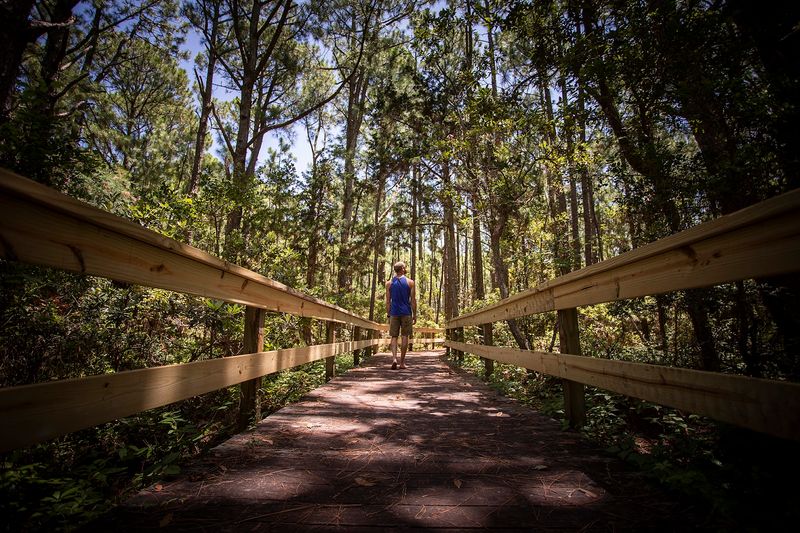
Hammock Hills Nature Trail does not come at you with big drama, and honestly, that is why I like it so much. The path moves through maritime forest and island vegetation with a kind of calm confidence, like it knows it does not need to show off.
If you want a walk that clears your head without asking too much of you, this one really works.
There is something deeply satisfying about stepping off the brighter, windier parts of Ocracoke and into a more sheltered landscape. The shade changes the temperature, the sounds soften, and suddenly your attention shifts from horizon watching to smaller things.
You start noticing textures, leaf movement, and the way the trail bends through the trees.
I think this spot is a good reminder that coastal North Carolina is not only about open sand and water views. Places like Hammock Hills give the island depth, and that depth is part of what makes Ocracoke feel memorable instead of interchangeable.
The natural variety keeps the day from flattening out.
You do not need a grand plan here. Just walk, take your time, and let the trail do what it does.
By the end, you feel like you have seen a more private side of the island, and sometimes that quieter version of a place tells you more than the famous view ever could.
The Storytelling Rooms At The Museum
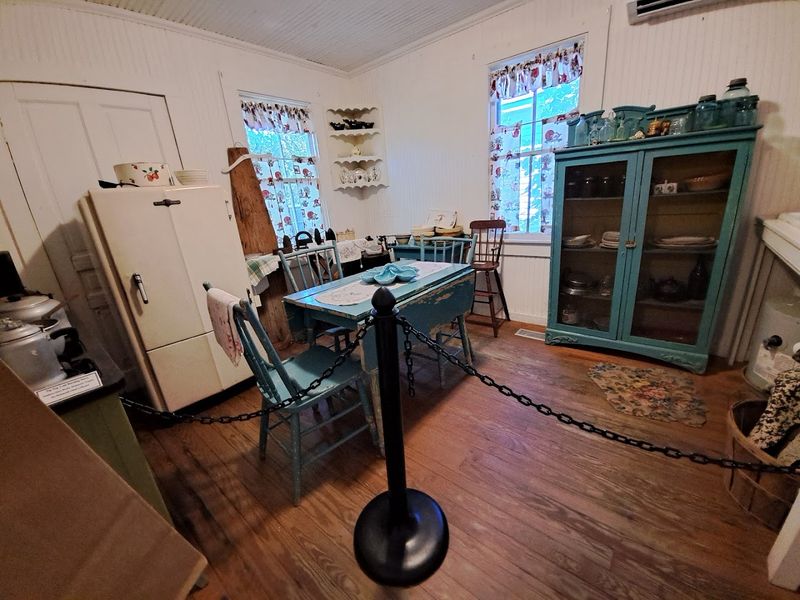
If you want to understand Ocracoke beyond the beach, the Ocracoke Preservation Society Museum is where I would tell you to start. It gives you context without draining the day of its relaxed mood, which is harder to pull off than people think.
You walk in curious, and you walk out feeling like the island has introduced itself properly.
I always like local museums most when they stay rooted in everyday life, and this one does. The exhibits and setting connect you to the village, the water, and the people who shaped this unusual little corner of North Carolina.
Nothing feels inflated or overpackaged, which makes the whole experience easier to trust.
You start to see how Ocracoke’s isolation helped form its culture, architecture, routines, and sense of identity. That understanding changes the way you move through the island afterward.
Suddenly the harbor, cottages, and paths feel connected instead of simply picturesque.
That is the thing I appreciate here. The museum does not interrupt the trip, it enriches it, and it does so in a way that still feels personal and low-key.
If you have ever left a place wishing you understood it better, this stop helps close that gap, and it makes the rest of Ocracoke feel less like scenery and more like a community you were lucky enough to briefly step into.
The Ponies Out By Their Pasture
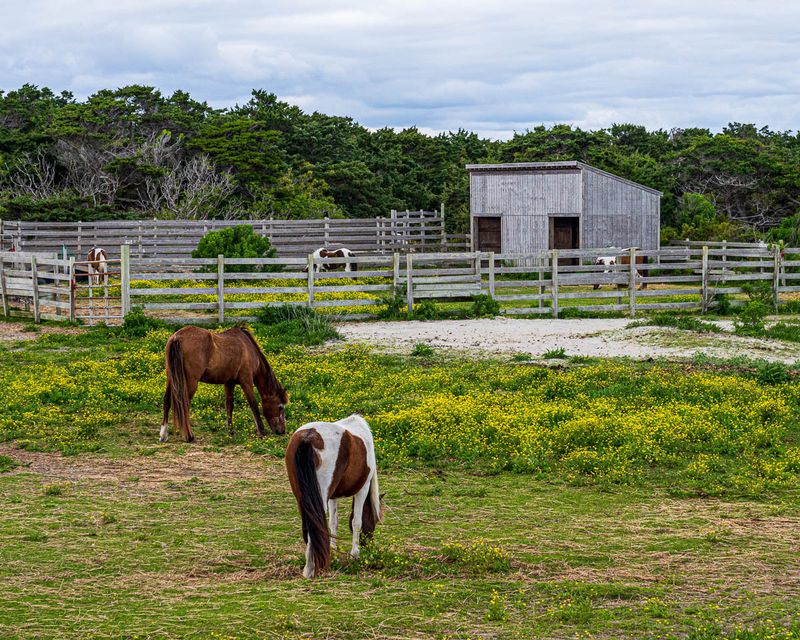
Seeing the Ocracoke ponies is one of those experiences that sounds almost too storybook until you are actually there. They live in a protected enclosure on the island, and just catching sight of them against the coastal landscape feels quietly special.
It is not a loud attraction, which is probably why it works so well.
I like that the moment asks for patience rather than hype. You are watching from a respectful distance, taking in the grasses, the open sky, and the simple fact that these animals are part of Ocracoke’s long identity.
That connection to place matters more than any flashy setup ever could.
The ponies also underline something I love about this stretch of North Carolina, which is how nature and local history keep crossing paths in small, memorable ways. On another island, this might be turned into a big production, but here it stays grounded.
Ocracoke has a way of letting things remain themselves.
If you are traveling with someone who thinks beaches all blur together after a while, bring them here and watch their face change a little. The sight of the ponies adds texture to the day and gives the island another note entirely.
It is gentle, distinctive, and exactly the kind of detail that makes Ocracoke feel unlike anywhere else on the coast.
The Feeling You Get Before Leaving
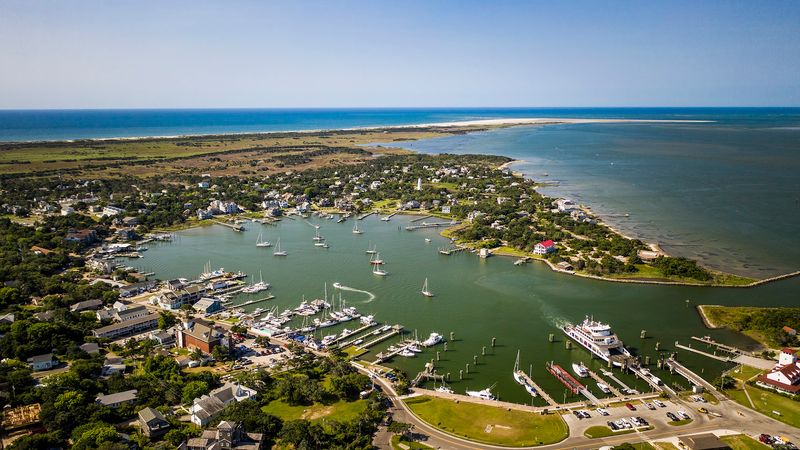
The strangest thing about Ocracoke might be how quickly it gets into your system without ever trying very hard. You spend a little time on the beach, wander the village, catch the harbor light, maybe walk a trail, and suddenly the island feels much larger than it looks on a map.
That feeling sneaks up on you.
I think it happens because Ocracoke never overloads you with forced entertainment or constant visual noise. The place gives you space to notice what your brain usually skims past, and in doing that, it becomes more memorable than places with far bigger reputations.
It feels calm, but not empty, which is a hard balance to strike.
By the time you are thinking about the ferry back, there is a good chance you will already be mentally replaying certain corners of the day. Maybe it is the softness of the beach, the quiet around the lighthouse, or the harbor at dusk.
Whatever it is, the island tends to leave you with specific moments instead of a generic impression.
That is why this overlooked part of North Carolina deserves the praise it gets. Ocracoke does not need to shout to be beautiful, and it does not need to be overbuilt to feel worth the trip.
It simply knows what it is, and once you spend time there, you are very likely to miss that steady, easy feeling almost immediately.
