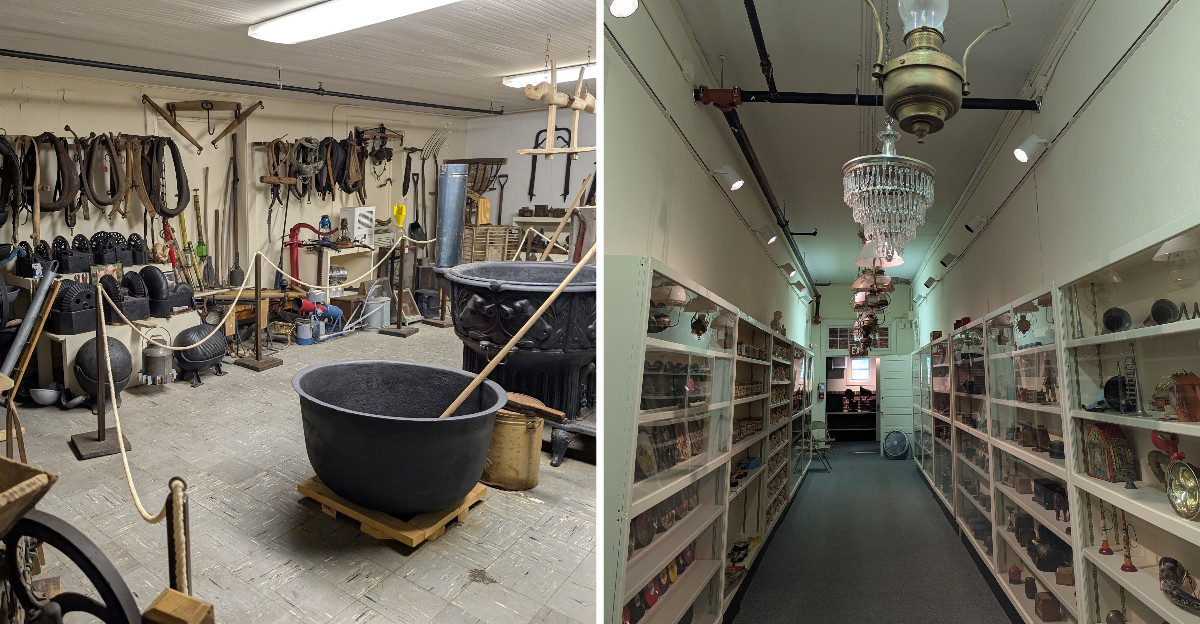
Washing machines fill an old brick high school in North Carolina, and that is only the beginning. More than 13,000 everyday objects gathered by one plumber over 35 years pack every hallway, classroom, and stairwell.
The collection spans the 1850s through the 1950s. Butter churns, toasters, and hand-cranked phonographs line the rooms.
What surprised most is that anything with a motor or moving parts still works. Walking through the old school feels like stepping into a time capsule.
Every corner holds something familiar. The plumber spent decades rescuing items others threw away.
His collection grew until it needed a whole building. Visitors can touch the past in a way museums rarely allow.
The atmosphere feels personal, not polished. It is a place that rewards curiosity.
Quirky history and real-life objects beat fancy glass cases any day. Hours disappear inside these walls.
The visit lingers long after leaving.
A Plumber With a Big Heart and a Bigger Garage
I learned early in my visit that the whole collection started with a sad chapter. Brady C.
Jefcoat was a plumber, electrician, and general contractor from Raleigh, and he began collecting after his wife, Lillian, passed away.
Gathering old objects became his way of coping with grief. His very first find was an Edison cylinder phonograph, and it opened a door he never closed again.
For 35 years, he hunted for pieces of everyday American life. He did not just buy them and stack them in a shed, either.
Jefcoat often repaired and tinkered with the items himself, using the same handy skills he relied on at work.
Knowing that backstory changed how I looked at every shelf. A rusty tool or a dented kettle stopped feeling like random clutter and started feeling like part of one man’s long, patient project.
Here is a small tip that made my visit richer. Before you start exploring, take a minute to think about Jefcoat as a person, not just a name on the sign.
You will notice how much care went into fixing things that most people would have tossed out years ago, and that care shows up in every single room.
The Washing Machine Room That Stole My Afternoon
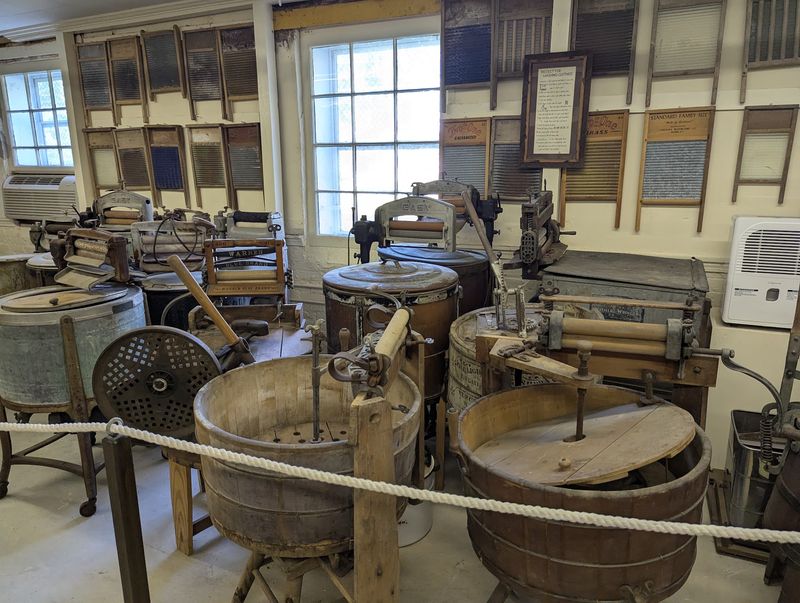
Laundry day never looked so interesting. The museum holds what is widely believed to be the world’s largest collection of washing machines, and a whole room is dedicated to them.
Rows of tubs, wringers, and cranks line up like soldiers from a different century. Some are simple wooden barrels, while others show the early steps toward the electric machines we use today.
I caught myself counting the different ways people tried to make scrubbing clothes easier. There are paddles, plungers, rollers, and gears, each one a clever guess at solving the same chore.
Fun fact for your next trivia night: this is often called the country’s biggest exhibit of washing machine equipment. That is quite a title for a small town on a quiet street.
My advice is to slow down here and really study the mechanisms. Look at how the wringers were meant to squeeze water out and imagine cranking one for hours.
It made me grateful for my own boring machine at home.
Kids especially seem to enjoy guessing how each one worked. Turn it into a little game, and you might find yourself laughing at the strange designs that somehow made it to market.
Irons, Toasters, and the Quiet Magic of Home Gadgets
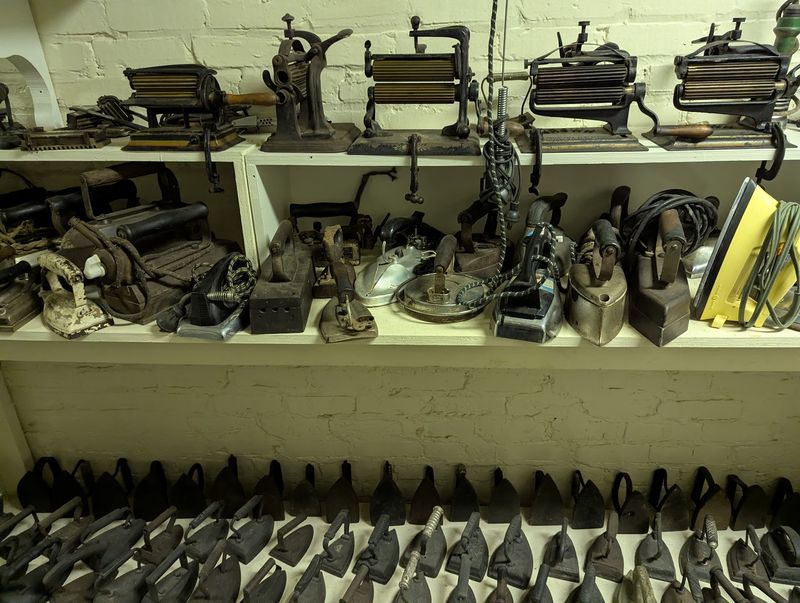
Ironing a shirt suddenly felt like ancient history once I saw the wall of irons. The museum also boasts what may be one of the world’s largest collections of irons, from heavy flat pieces to later electric models.
Picture someone heating a chunk of metal on a stove, pressing clothes, then reheating it again. That was a normal Tuesday for many families.
Nearby, the toasters grabbed my attention in a totally different way. Some have little doors that flip open, while others look more like tiny ovens with springs and hinges.
I liked spotting the small design changes from one decade to the next. A handle moves here, a cord appears there, and you can almost watch kitchens modernize right before your eyes.
There are also butter churns, glassware, and plenty of household items that make the space feel like a giant attic. It is cozy, crowded, and full of surprises.
One helpful idea is to pick one object type, like irons, and follow how it changed. Doing that keeps the huge number of items from feeling overwhelming.
It also helps you leave with a clear memory instead of a blur of shiny metal.
Music That Still Plays After a Century
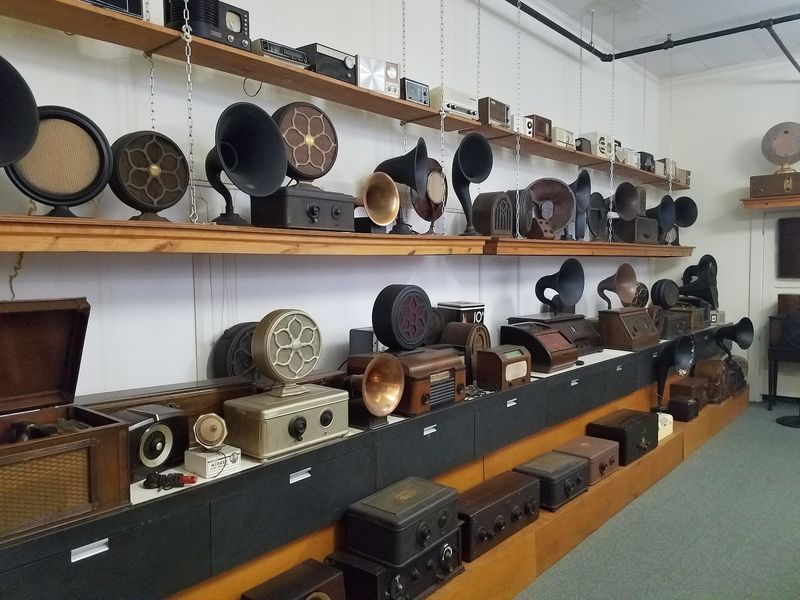
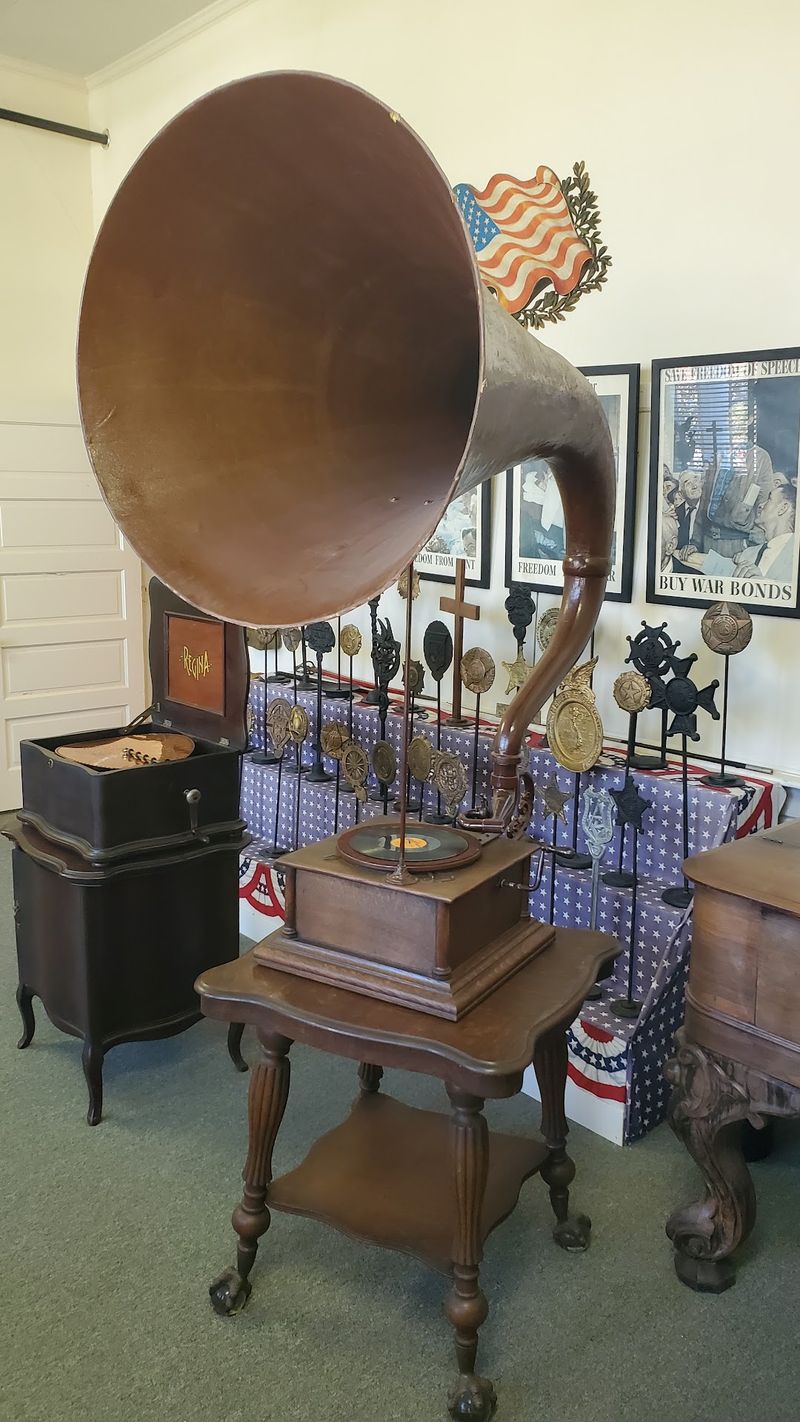
Phonographs were among Jefcoat’s favorite treasures, and you can tell. The museum displays 264 working models, which is a number my brain had trouble picturing until I saw them lined up.
Some have giant flower-shaped horns, while others hide their sound inside polished wooden cabinets. Each one looks like it has a personality of its own.
The word working matters a lot here. Every item in the collection with a motor, moving parts, or other mechanism is still in working order, which feels almost unbelievable for objects this old.
Music boxes and old radios add even more charm to the space. I loved imagining families gathered around these machines on a quiet evening, waiting for a favorite song or news program.
If you are curious about how sound was recorded long ago, ask the volunteers questions. Visitors often mention friendly guides who enjoy explaining how things work, and that kind of conversation brings the machines to life.
Bring a little patience to this part of the museum. These devices remind you that music used to take effort, cranking, and care.
That makes listening to a song on your phone later feel a bit more special.
Farm Tools, Beehives, and a Few Surprising Oddballs
Mousetraps were not on my list of things I expected to find fascinating. Yet there they were, in all sorts of clever shapes, proving people have battled tiny invaders for a very long time.
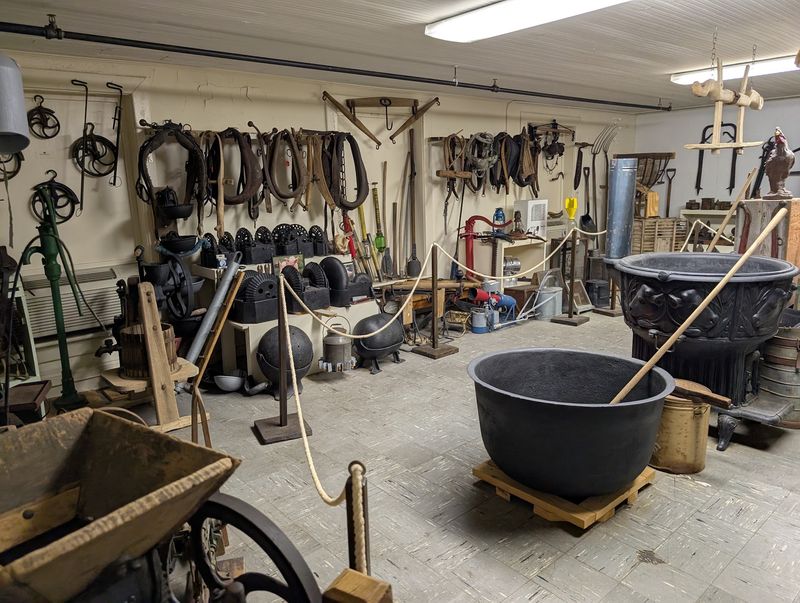
Farm life gets plenty of space too. You will see farm tools and equipment, dairy gear, maple syrup taps, and beekeeping supplies that show how much work went into getting food on the table.
Then come the oddballs that make this museum so memorable. Bedpans, Daisy air rifles, and mounted animals pop up in places you might not expect, and each one sparks a little smile or a raised eyebrow.
I found it helpful to think about who used these things. A farmer, a beekeeper, or a busy parent all left traces in this building, even if their names are lost.
For families, this section works well as a scavenger hunt. Make a quick list of strange items, like a syrup tap or a mousetrap, and see who spots them first.
It keeps younger visitors moving and curious.
The mix can feel random at first glance. After a while, though, it paints a full picture of everyday American life before modern convenience took over.
An Old High School Filled From Floor to Ceiling
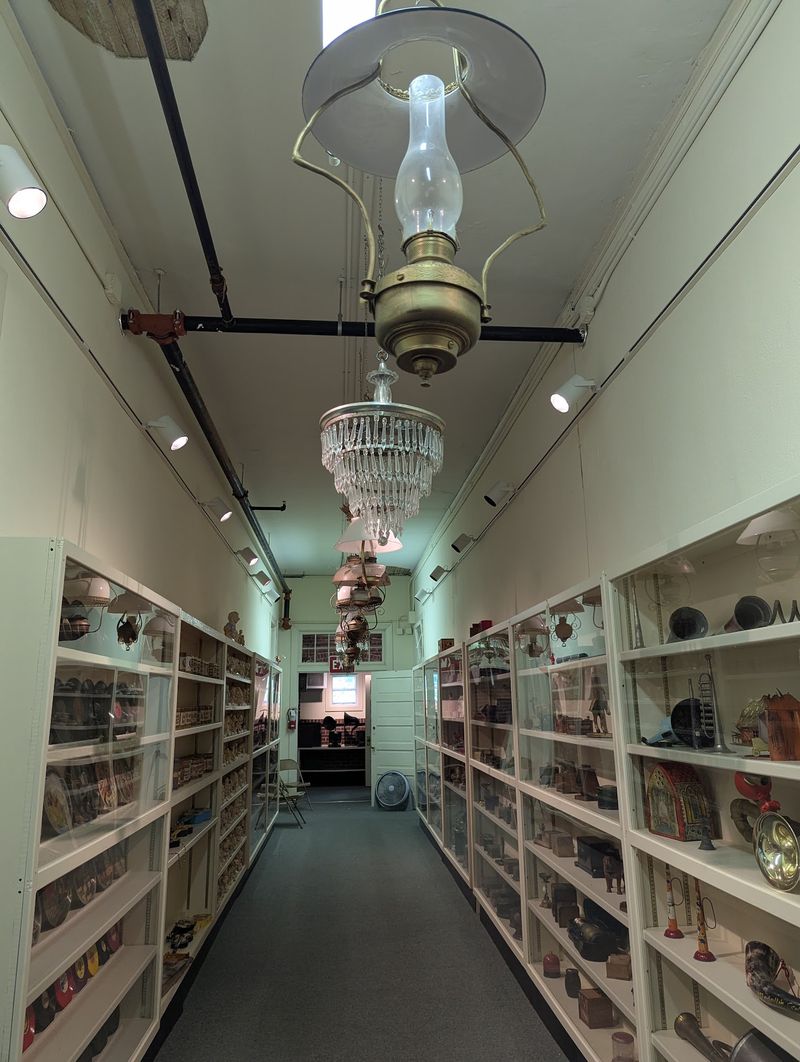
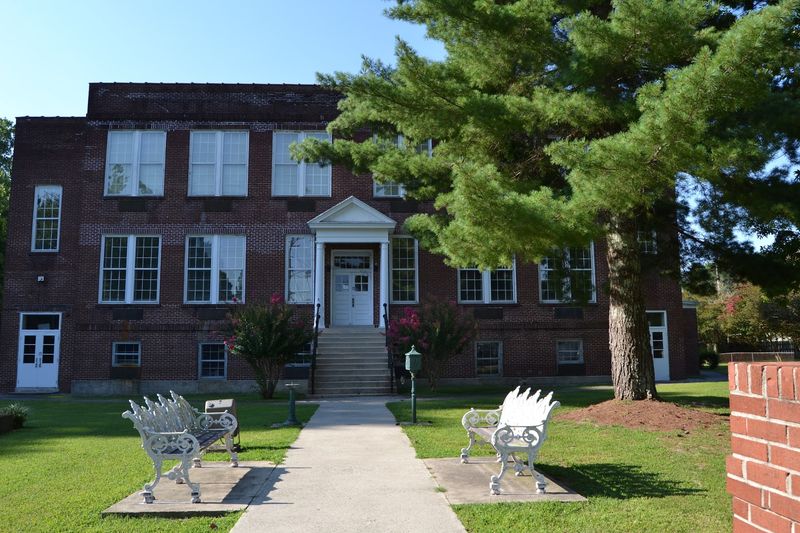
Something about old school buildings always makes me a little nostalgic. The collection lives inside the Old Murfreesboro High School, built around 1922, and the building adds its own layer of history.
More than 17,000 square feet of display space spreads across three floors. Classrooms, hallways, and even stairwells are packed with objects, so you never really leave the exhibit.
I enjoyed spotting traces of the school’s past life. Wide hallways and tall windows remind you that students once rushed between classes here, long before washing machines took over the rooms.
A practical tip: wear comfy shoes and plan for stairs. Visitors have noted that stairs are the main way to reach the upper levels, so pace yourself and take breaks if you need them.
Give yourself plenty of time, too. Some guests say they could spend days looking at everything in detail, so a quick half hour will not cover much.
The building’s age shows in spots, but that only adds to its character. It feels honest and lived-in, like a community attic rather than a polished big city gallery, and that is exactly what makes it fun.
A Promise to Keep Every Single Piece
Here is the part of the story that really stuck with me. Big names like the Smithsonian and the North Carolina Museum of History showed interest in the collection, but Jefcoat chose Murfreesboro instead.
He donated everything to the Murfreesboro Historical Association with two firm rules. No single item could ever be sold, traded, or bartered, and the entire collection must always be displayed.
That promise explains why every corner overflows. Nothing gets tucked away in storage, so what you see is truly the whole lifetime of collecting.
The museum officially opened in 1997, and the historical association still runs it today. Volunteers help keep the doors open, and their friendly energy adds warmth to the experience.
Plan your trip around the weekend schedule. The museum opens Saturdays from 11:00 a.m. to 4:00 p.m. and Sundays from 2:00 p.m. to 5:00 p.m., and group tours are available by appointment if you call ahead.
Street parking makes arriving easy, and the town itself is pleasant for a stroll afterward. I left feeling thankful that one man’s stubborn promise kept so much history together in one place.
Address: 201 W High St, Murfreesboro, North Carolina 27855
