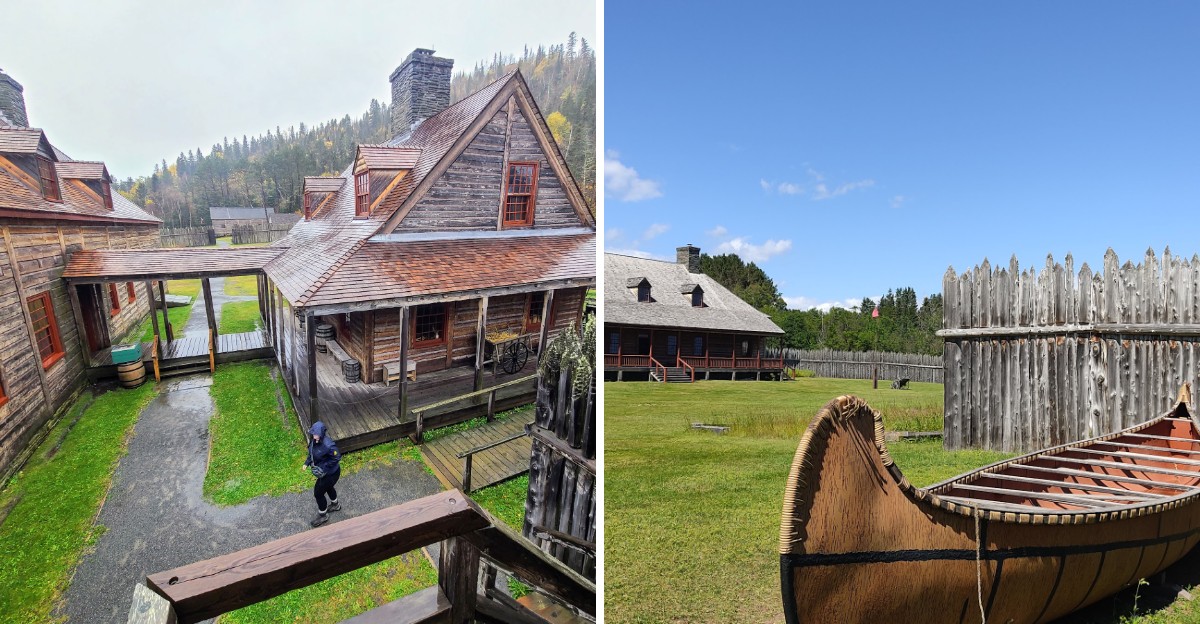
Furs moved through here by the thousands, and this site handled more trade than anywhere else in the entire region once upon a time. Reconstructed buildings stand here, giving visitors a real sense of scale for how massive this depot actually operated at its peak.
Canoes once carried goods along routes stretching for miles, this stop acting as a crucial hub connecting trade networks that reached far beyond what most people realize today.
Running an operation this large required serious coordination most modern businesses would still struggle replicating now. Workers hauled, sorted, and shipped constantly, turning this remote outpost into a surprisingly bustling center of economic activity for its era.
History doesn’t get much bigger than this locally. Minnesota’s biggest fur-trade hub still tells a story most visitors never expected to find this far north.
A Busy Depot at the Edge of the Lake
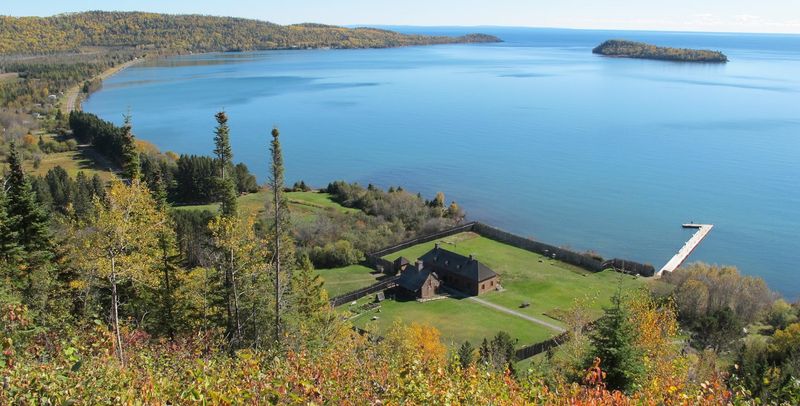
Picture a quiet bay suddenly packed with people, canoes, and noise. That is what happened here every summer in the late 1700s. The North West Company used Grand Portage as its main inland depot, and it became the biggest fur-trade post in the region.
Why here? The location was smart. Big canoes from Montreal could paddle all the way across the Great Lakes and stop at this bay. Smaller canoes from the far northwest could reach it by following rivers and lakes, with one tough overland trail in between.
So the two groups met in the middle. Beaver pelts went east, while blankets, kettles, tools, and cloth went west. Business was serious. Furs from this trade ended up as fancy hats in Europe, which is a funny thought when you see the rough, rugged setting.
Honestly, the scale surprised me. A remote spot near the Canadian border once held so much activity. Take a moment near the shoreline and imagine the bay crowded with birchbark canoes. It makes everything else on the grounds click into place.
The Heritage Center Sets the Scene
Start indoors. I know that sounds backwards when the lake is right there, but the Heritage Center makes the rest of the visit much richer. It sits up the hill from the stockade and opens daily from 9 AM to 5 PM.
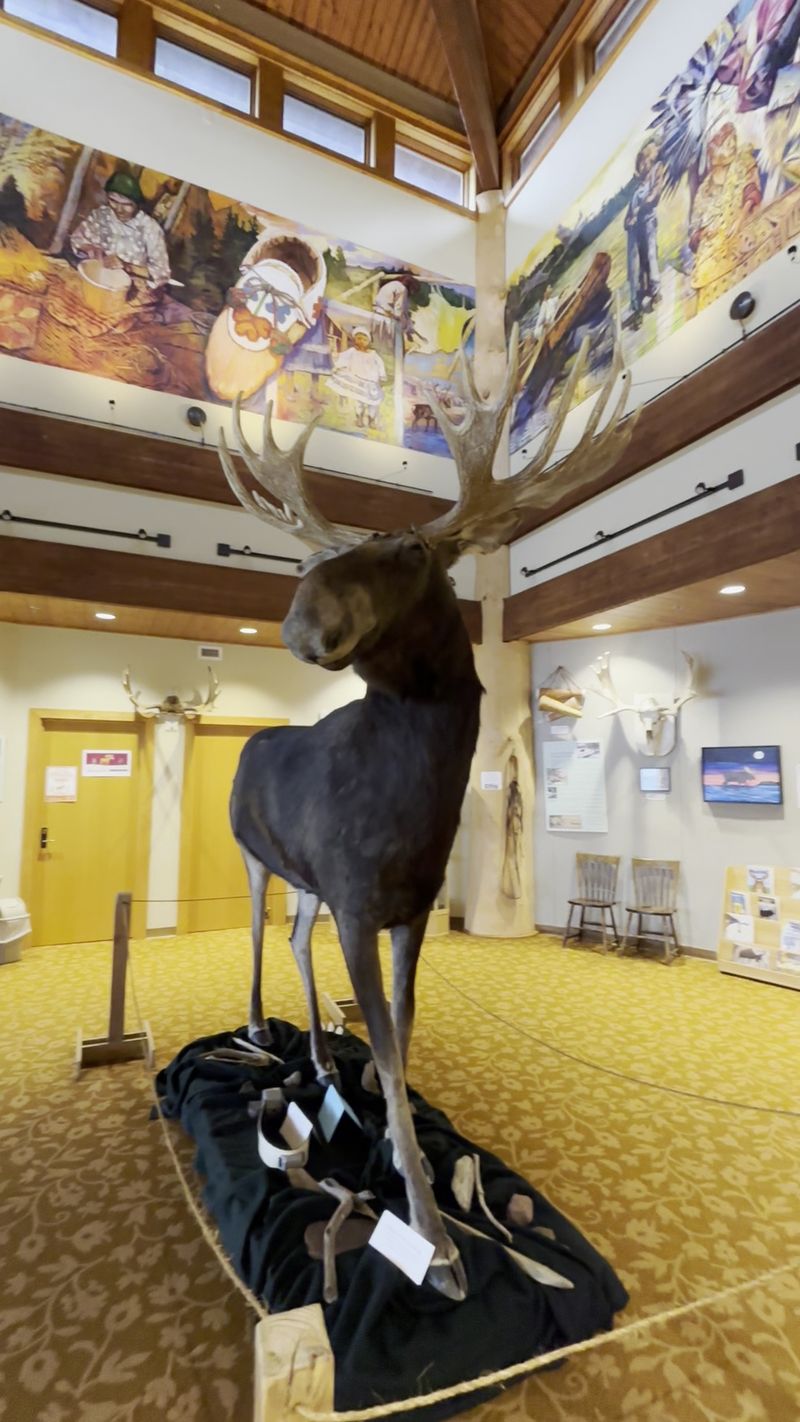
The exhibits cover a lot in a fairly small space. You will find trade goods, tools, clothing, and displays about how Ojibwe families lived here long before and long after the fur trade. Some exhibits are hands-on, which keeps restless kids busy and curious.
Head upstairs too. There is a gallery about moose, the giant animals of the northern woods, and the display is big enough to make you stop and stare.
A small gift shop sells books and souvenirs. You can also get a National Parks Passport book stamped at the desk, a small ritual that many travelers love.
The staff here really know their stuff. Ask them anything, even simple questions. They tend to light up when someone shows real interest, and you will often walk away with a story that never made it onto a sign.
A Short Film Worth Your Time
Twenty minutes. That is roughly how long the introductory film runs, and it might be the best twenty minutes of your day here.
The movie plays in a theater room inside the Heritage Center. It explains how the fur trade worked, who the voyageurs were, and why the Ojibwe people were so central to everything. Without them, the traders would not have survived the harsh land, the long winters, or the tricky routes.
I liked that the film does not treat history like a dusty textbook. It shows real places, real waters, and the connections between cultures. You come out understanding why people paddled thousands of miles just to meet at this little bay.
Here is a practical tip. Check the showing schedule when you arrive, then explore the exhibits until it starts. Kids usually stay focused because the pictures of canoes and rapids keep things moving.
After the film, the stockade down the hill feels different. Instead of just old buildings, you see a stage where a huge yearly gathering once played out, season after season.
Inside the Great Hall
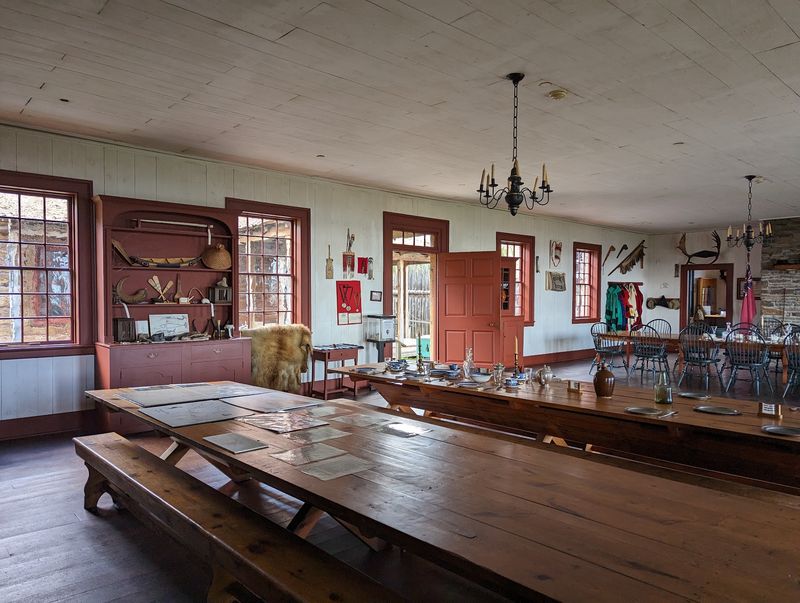
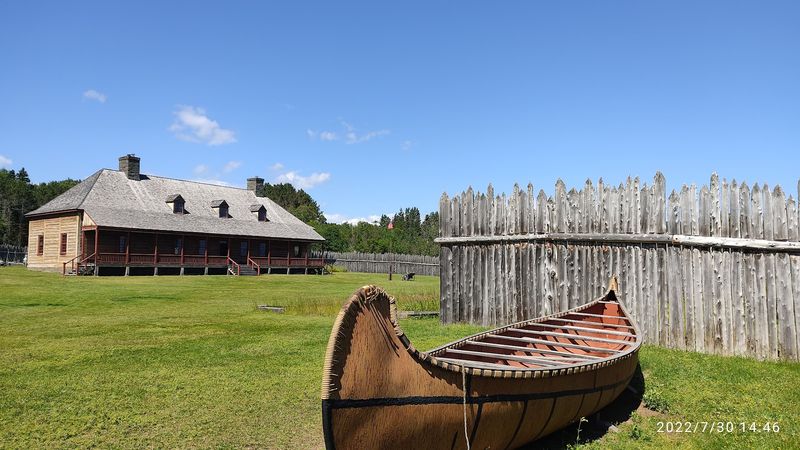
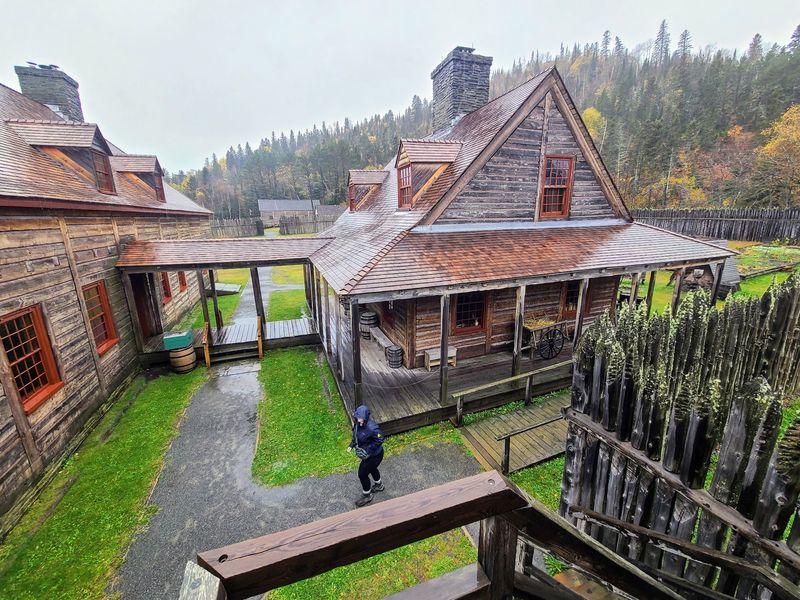
Wooden floors creak under your feet in the Great Hall, and somehow that sound makes history feel close. This reconstructed building stands inside the stockade near the water.
Back in the trade days, the Great Hall was where company partners and clerks met, ate, and made big decisions. Deals were planned here. Feasts happened here. During the summer gathering, it was the center of the action for the people in charge.
Today the rooms are set up with period furniture and objects, so you get a clear sense of how the leaders lived. It was comfortable by frontier standards, though nothing like a modern house.
Look closely at the details. Notice the dishes, the writing tools, and the way the space is arranged. Each item hints at a world where letters took months to arrive and every supply came by canoe.
One quick note. Some historic buildings close outside the main summer season, so plan a warm-weather visit if seeing the interiors matters to you. Even when doors are shut, the outside grounds are still open to wander.
Smells From the Historic Kitchen
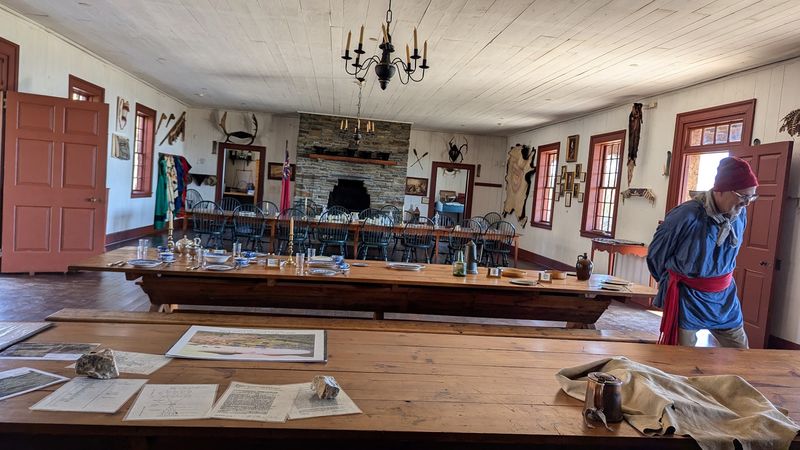
Fresh baking is not something most people expect at a fort. Yet the reconstructed kitchen at Grand Portage often has a fire going, and sometimes interpreters prepare historic recipes right in front of visitors.
Food was a big deal during the fur trade. Voyageurs paddled for hours each day and needed huge amounts of energy. Corn, wild rice, dried meat, and fish were common, and much of it came from trade with local Ojibwe communities.
The kitchen helps you understand daily life in a very simple way. Iron pots, wooden bowls, and a big hearth show how cooks worked without electricity or running water. Hard work, every single meal.
Fun fact: voyageurs were famous for eating a lot. Their meals were simple but heavy, built to fuel long days on the water. Your snack in the car suddenly seems very small.
Canoes, Paddles, and Voyageur Grit
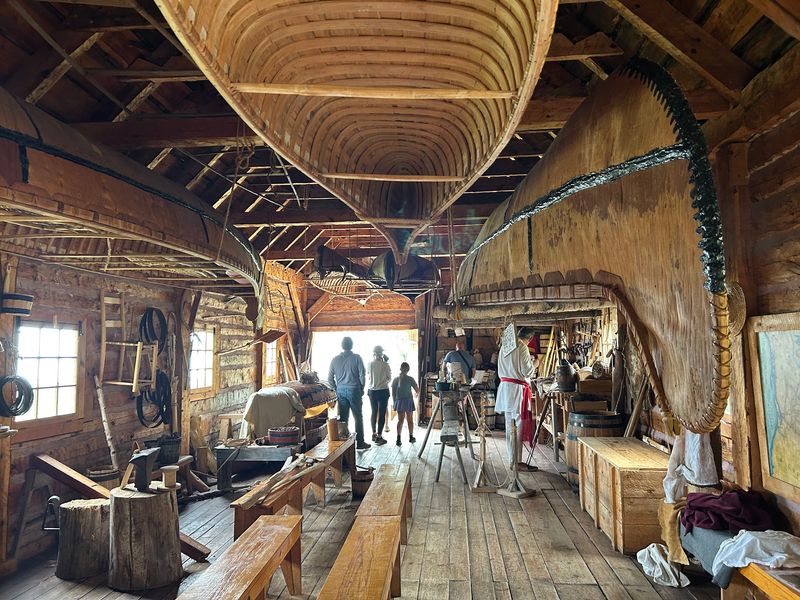
Birchbark canoes look delicate at first glance. Then you learn what they carried and your respect grows fast.
The big Montreal canoes that reached Grand Portage could stretch over thirty feet long and hold tons of cargo. Smaller north canoes handled the rivers to the west. Both designs owed a lot to Indigenous knowledge, since Ojibwe builders had perfected birchbark craft long before traders arrived.
Around the grounds, you can see canoes and learn how they were built using bark, cedar, spruce root, and pitch. Nothing was wasted. Everything came from the forest.
Voyageurs, the paddlers, were tough people. They sang to keep rhythm, paddled from dawn to dark, and carried heavy packs across land. Their songs were part work tool and part entertainment.
Wander out onto the long dock too. From there, the bay opens wide and the lake stretches toward the horizon. On a calm day, the water looks like glass.
On a windy one, you understand why paddlers watched the weather so carefully before heading out.
Ojibwe Roots That Run Deep
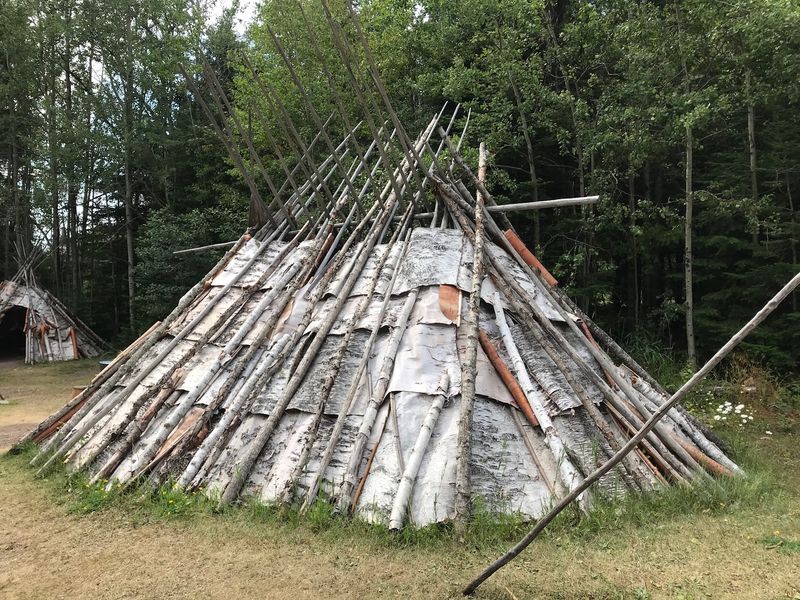
Long before any trading company showed up, the Ojibwe called this place home. They still do. The Grand Portage Band of Lake Superior Chippewa lives here today, and the monument sits within their reservation. That shared history is one of the best parts of a visit.
Displays outside the stockade show Ojibwe summer life, including birchbark lodges and the skills used for fishing, gathering, and making maple sugar. Inside the Heritage Center, exhibits explain how families traded, married, and built relationships with newcomers.
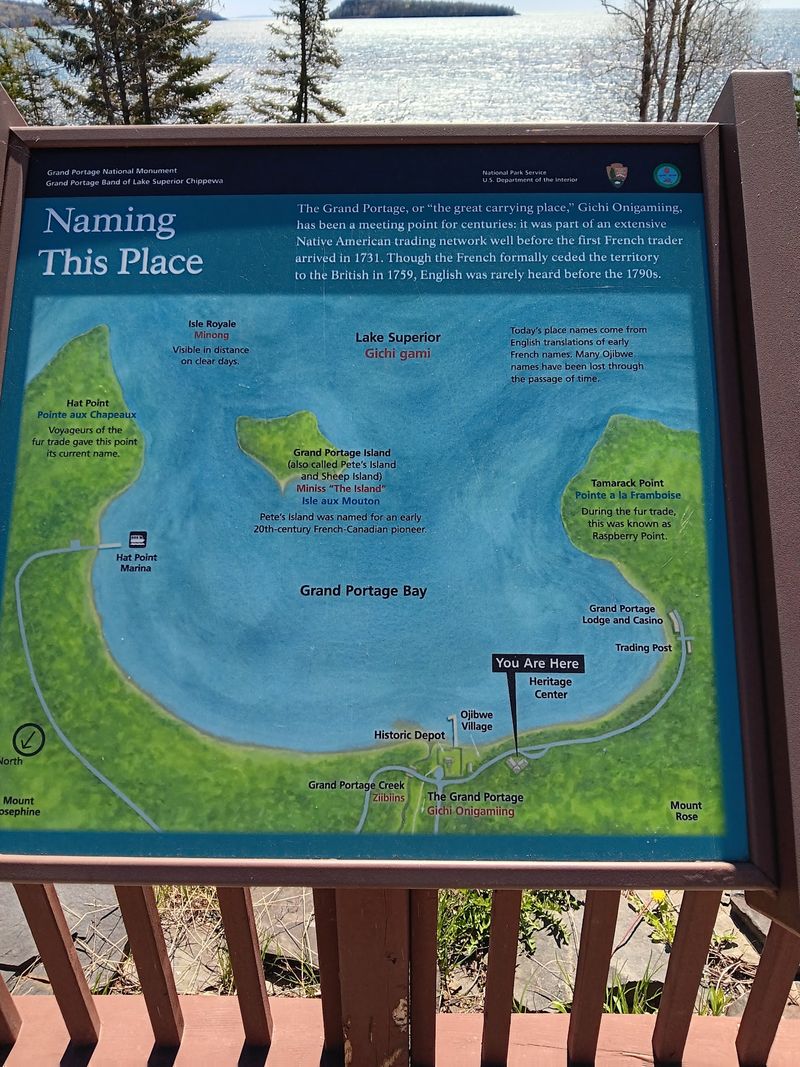
The name itself comes from the land. Grand Portage means great carrying place, describing the trail used to get around the rough rapids and falls of the Pigeon River. Ojibwe people used this path long before the fur trade made it famous.
I found this layer the most meaningful. It turns the site from a business story into a human one, with families, traditions, and a community that continues today.
Rendezvous Days and Living History
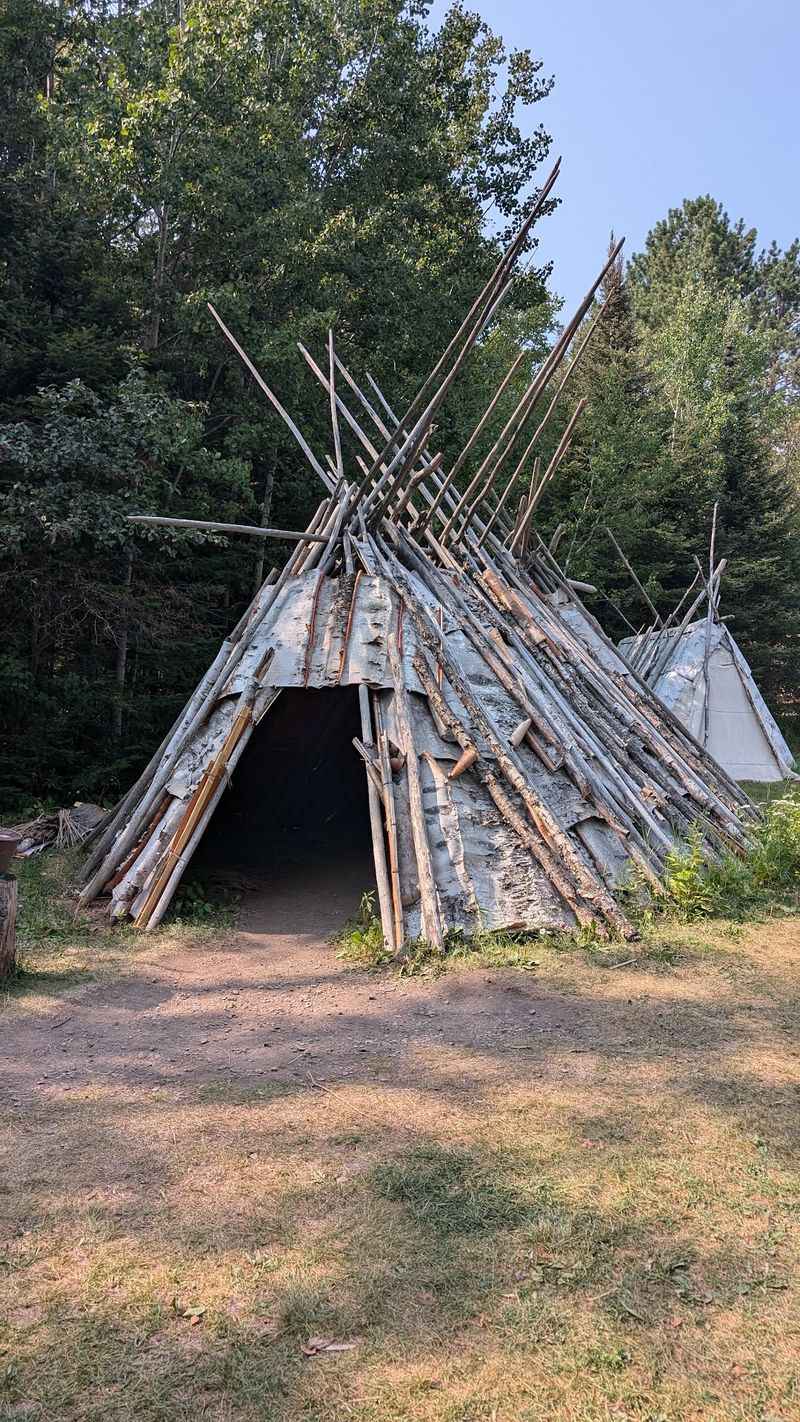
Every summer during the fur-trade era, Grand Portage turned into a giant party with work attached. Traders called it the rendezvous. People came from east and west, swapped goods, settled accounts, and celebrated before heading back out.
The spirit of that gathering lives on. Each August, the site hosts a Rendezvous Days event, often alongside the Grand Portage Band powwow. Expect music, crafts, demonstrations, and plenty of people in historic clothing.
Even on a regular summer day, interpreters in period dress wander the grounds. They might explain trade goods, talk about life in the 1790s, or show how people dressed for brutal northern weather. Some stay fully in character, which can be pretty entertaining.
Families with kids should ask about the Junior Ranger program. Children complete activities in a booklet, then earn a badge after a short swearing-in. It is surprisingly sweet to watch.
Trails, Views, and Fresh Lake Air
Legs feeling restless after the exhibits? Good news. The outdoors here is just as rewarding as the history.
The short Mount Rose Trail climbs a steep hill near the stockade. It is paved and only about half a mile, but your calves will notice. At the top, the view spreads over the stockade, the bay, and the islands floating in Lake Superior.
For the truly adventurous, the famous Grand Portage trail runs about 8.5 miles inland to the site of Fort Charlotte on the Pigeon River. Voyageurs hauled packs weighing well over a hundred pounds along this route. Hiking it today, even with a light backpack, builds serious respect.
A loop trail behind the Heritage Center offers a gentler stroll through the woods. In summer, wildflowers pop up along the edges, and the cool breeze off the lake keeps things comfortable.
Planning Your Own North Shore Stop
Grand Portage sits near the very top of Minnesota’s North Shore, just a short drive from the Canadian border. Many travelers zoom past on Highway 61. Please do not be one of them.
Give yourself at least two or three hours. That is enough time for the film, the exhibits, a slow loop through the stockade, and a short hike. Add more time if you plan to tackle the long trail or catch summer events.
Summer is the liveliest season, when historic buildings are open and interpreters are on site. Spring and fall bring quieter grounds and cooler air, while some areas may close.
There is easy parking near the Heritage Center and a picnic area nearby, perfect for a packed lunch with a view of the trees. Pair your visit with other stops along the shore for a full day of exploring.
Set your map for Grand Portage National Monument, 170 Mile Creek Rd, Grand Portage, MN 55605, and get ready for a place where history and lake breezes meet.
